Orto Botanico di Catania
About Orto Botanico di Catania
Description
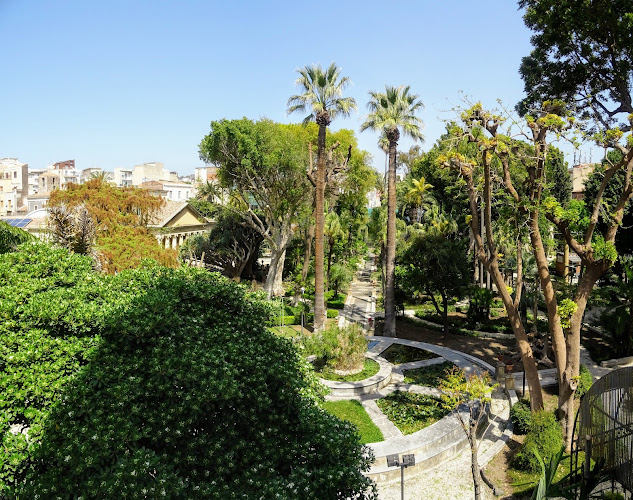
There’s something quietly magical about the Orto Botanico di Catania. It’s not the kind of place that screams for attention, but rather one that whispers to you through the rustle of palm fronds and the soft crunch of gravel underfoot. Founded in the mid-19th century, this botanical garden has become a gentle refuge from the city’s lively rhythm—a place where time slows down just enough for you to notice the tiny details in nature that usually slip by. I remember my first visit on a warm afternoon; the air smelled faintly of citrus and damp earth, and I found myself wandering longer than I’d planned, completely absorbed by the quiet charm of it all.
The garden is divided into two main sections: one dedicated to Sicilian and Mediterranean plants, and another that showcases exotic species from around the world. The collection of cacti and succulents is especially impressive—rows upon rows of spiny shapes and sculptural forms that look like they’ve been plucked from another planet. And then there are the palm trees, some of them towering and ancient, swaying lazily in the coastal breeze. It’s easy to see why locals often describe the garden as a living museum—it’s both educational and deeply soothing.
What makes the Orto Botanico stand out isn’t just its diversity of flora, but the feeling it evokes. There’s a certain intimacy to it; it’s not massive or overly manicured. You can actually hear the birds and the faint hum of bees. You might even strike up a conversation with a gardener who’s been tending the same plot for decades. Sure, a few areas could use a bit more upkeep—some paths feel worn, and a few signs have faded—but that’s part of its charm. It’s authentic, unpretentious, and full of stories if you take the time to listen.
Key Features
- Diverse Plant Collection: Home to thousands of species, including rare Mediterranean herbs, tropical palms, and one of Italy’s most extensive cactus collections.
- Historic Significance: Established in the 1800s as part of the University of Catania’s scientific research efforts, it still serves as a hub for botanical studies today.
- Succulent Garden: A highlight for many visitors, featuring hundreds of unique succulents and cacti—some towering, others tiny and delicate.
- Peaceful Atmosphere: A tranquil oasis perfect for slow walks, quiet reading, or simply escaping the city for an hour or two.
- Accessibility: Wheelchair-accessible entrances and restrooms make it welcoming for all visitors.
- Family-Friendly: Safe paths, shaded benches, and open spaces make it a pleasant outing for families with children.
- Educational Displays: Informative signs and plant labels (though some are a bit weathered) help you learn about each species’ origin and ecological importance.
Best Time to Visit
If you’re planning a visit, spring and early autumn are the sweet spots. Around April and May, the garden bursts into color—wildflowers bloom, the air feels soft, and the heat hasn’t yet turned intense. Autumn, especially late September through October, offers a different kind of beauty; the light gets warmer, the crowds thin out, and the garden feels almost meditative. Summer can be lovely too, but it’s best to go early in the morning before the Sicilian sun turns everything into a slow-cooked experience (trust me, I learned that the hard way one July morning when I forgot my hat).
Winter, on the other hand, brings its own quiet charm. While some plants go dormant, the palms and succulents remain striking, and the garden’s calm atmosphere makes it a peaceful escape from the bustle of holiday crowds in the city center. Plus, it’s never truly cold in Catania—just pleasantly cool enough for a long, thoughtful walk.
How to Get There
Getting to the Orto Botanico di Catania is fairly straightforward, especially if you’re already exploring the city. It sits along one of Catania’s main arteries, easily reachable by foot from many central spots. If you’re staying near the historic district, you can stroll there in about 20 minutes, passing local cafés and bakeries that are worth a quick detour (I always grab an espresso and a cannolo on the way—because why not?).
For those using public transportation, several city buses stop nearby. Taxis and ride-sharing options are also available and reasonably priced, especially if you’re traveling in a small group. Parking can be a bit tricky during peak hours, so if you’re driving, aim for early morning or late afternoon when spaces open up more easily. Honestly, though, walking is half the fun in Catania—you get to soak in the city’s rhythm before stepping into the garden’s calm embrace.
Tips for Visiting
Before you go, here are a few practical (and slightly personal) tips to make the most of your visit:
- Go early or late: The light is softer, the air cooler, and the garden quieter. It’s the best time for photography—or just for sitting under a palm tree with your thoughts.
- Bring water and a hat: Sicilian sun is no joke, even in spring. There’s some shade, but not everywhere.
- Take your time: This isn’t a place to rush through. Sit, observe, maybe sketch or journal a bit. The slower you move, the more details you’ll notice.
- Chat with the staff: Many of them are passionate botanists or students from the university. They often share fascinating tidbits about the plants or the garden’s history.
- Keep an eye out for small details: Some of the most interesting plants are tucked away in corners or behind larger trees. Don’t just follow the main paths.
- Respect the space: It’s a living collection, so avoid touching the plants or stepping into restricted areas. It’s tempting, I know, especially with the giant cacti that look like sculptures.
- Bring kids if you have them: The garden is surprisingly fun for children—they love the odd shapes of the succulents and the open areas to roam safely.
- Combine it with nearby attractions: After your visit, you can easily continue exploring the surrounding area, which has plenty of cafés and shops worth checking out.
And one more thing—don’t expect a perfectly polished, theme-park-style attraction. The Orto Botanico di Catania is more organic, more real. Some benches are a little worn, and a few paths might feel uneven, but that’s part of its personality. It’s a place that’s lived through time, weather, and countless visitors, and it wears that history beautifully. If you appreciate authenticity over perfection, you’ll fall in love with it.
Ultimately, visiting the Orto Botanico isn’t just about seeing plants—it’s about slowing down and reconnecting with the natural world, even if just for an hour. It’s about finding a pocket of peace in a bustling Sicilian city. Whether you’re a plant enthusiast, a photographer, or simply someone who enjoys quiet beauty, this garden has a way of leaving a gentle, lasting impression. And honestly, that’s what travel should be about—those small, unexpected moments that stay with you long after you’ve gone home.
Key Features
- Key Features
- Best Time to Visit
- How to Get There
- Tips for Visiting
More Details
Updated November 30, 2025
Table of Contents
Description
There’s something quietly magical about the Orto Botanico di Catania. It’s not the kind of place that screams for attention, but rather one that whispers to you through the rustle of palm fronds and the soft crunch of gravel underfoot. Founded in the mid-19th century, this botanical garden has become a gentle refuge from the city’s lively rhythm—a place where time slows down just enough for you to notice the tiny details in nature that usually slip by. I remember my first visit on a warm afternoon; the air smelled faintly of citrus and damp earth, and I found myself wandering longer than I’d planned, completely absorbed by the quiet charm of it all.
The garden is divided into two main sections: one dedicated to Sicilian and Mediterranean plants, and another that showcases exotic species from around the world. The collection of cacti and succulents is especially impressive—rows upon rows of spiny shapes and sculptural forms that look like they’ve been plucked from another planet. And then there are the palm trees, some of them towering and ancient, swaying lazily in the coastal breeze. It’s easy to see why locals often describe the garden as a living museum—it’s both educational and deeply soothing.
What makes the Orto Botanico stand out isn’t just its diversity of flora, but the feeling it evokes. There’s a certain intimacy to it; it’s not massive or overly manicured. You can actually hear the birds and the faint hum of bees. You might even strike up a conversation with a gardener who’s been tending the same plot for decades. Sure, a few areas could use a bit more upkeep—some paths feel worn, and a few signs have faded—but that’s part of its charm. It’s authentic, unpretentious, and full of stories if you take the time to listen.
Key Features
- Diverse Plant Collection: Home to thousands of species, including rare Mediterranean herbs, tropical palms, and one of Italy’s most extensive cactus collections.
- Historic Significance: Established in the 1800s as part of the University of Catania’s scientific research efforts, it still serves as a hub for botanical studies today.
- Succulent Garden: A highlight for many visitors, featuring hundreds of unique succulents and cacti—some towering, others tiny and delicate.
- Peaceful Atmosphere: A tranquil oasis perfect for slow walks, quiet reading, or simply escaping the city for an hour or two.
- Accessibility: Wheelchair-accessible entrances and restrooms make it welcoming for all visitors.
- Family-Friendly: Safe paths, shaded benches, and open spaces make it a pleasant outing for families with children.
- Educational Displays: Informative signs and plant labels (though some are a bit weathered) help you learn about each species’ origin and ecological importance.
Best Time to Visit
If you’re planning a visit, spring and early autumn are the sweet spots. Around April and May, the garden bursts into color—wildflowers bloom, the air feels soft, and the heat hasn’t yet turned intense. Autumn, especially late September through October, offers a different kind of beauty; the light gets warmer, the crowds thin out, and the garden feels almost meditative. Summer can be lovely too, but it’s best to go early in the morning before the Sicilian sun turns everything into a slow-cooked experience (trust me, I learned that the hard way one July morning when I forgot my hat).
Winter, on the other hand, brings its own quiet charm. While some plants go dormant, the palms and succulents remain striking, and the garden’s calm atmosphere makes it a peaceful escape from the bustle of holiday crowds in the city center. Plus, it’s never truly cold in Catania—just pleasantly cool enough for a long, thoughtful walk.
How to Get There
Getting to the Orto Botanico di Catania is fairly straightforward, especially if you’re already exploring the city. It sits along one of Catania’s main arteries, easily reachable by foot from many central spots. If you’re staying near the historic district, you can stroll there in about 20 minutes, passing local cafés and bakeries that are worth a quick detour (I always grab an espresso and a cannolo on the way—because why not?).
For those using public transportation, several city buses stop nearby. Taxis and ride-sharing options are also available and reasonably priced, especially if you’re traveling in a small group. Parking can be a bit tricky during peak hours, so if you’re driving, aim for early morning or late afternoon when spaces open up more easily. Honestly, though, walking is half the fun in Catania—you get to soak in the city’s rhythm before stepping into the garden’s calm embrace.
Tips for Visiting
Before you go, here are a few practical (and slightly personal) tips to make the most of your visit:
- Go early or late: The light is softer, the air cooler, and the garden quieter. It’s the best time for photography—or just for sitting under a palm tree with your thoughts.
- Bring water and a hat: Sicilian sun is no joke, even in spring. There’s some shade, but not everywhere.
- Take your time: This isn’t a place to rush through. Sit, observe, maybe sketch or journal a bit. The slower you move, the more details you’ll notice.
- Chat with the staff: Many of them are passionate botanists or students from the university. They often share fascinating tidbits about the plants or the garden’s history.
- Keep an eye out for small details: Some of the most interesting plants are tucked away in corners or behind larger trees. Don’t just follow the main paths.
- Respect the space: It’s a living collection, so avoid touching the plants or stepping into restricted areas. It’s tempting, I know, especially with the giant cacti that look like sculptures.
- Bring kids if you have them: The garden is surprisingly fun for children—they love the odd shapes of the succulents and the open areas to roam safely.
- Combine it with nearby attractions: After your visit, you can easily continue exploring the surrounding area, which has plenty of cafés and shops worth checking out.
And one more thing—don’t expect a perfectly polished, theme-park-style attraction. The Orto Botanico di Catania is more organic, more real. Some benches are a little worn, and a few paths might feel uneven, but that’s part of its personality. It’s a place that’s lived through time, weather, and countless visitors, and it wears that history beautifully. If you appreciate authenticity over perfection, you’ll fall in love with it.
Ultimately, visiting the Orto Botanico isn’t just about seeing plants—it’s about slowing down and reconnecting with the natural world, even if just for an hour. It’s about finding a pocket of peace in a bustling Sicilian city. Whether you’re a plant enthusiast, a photographer, or simply someone who enjoys quiet beauty, this garden has a way of leaving a gentle, lasting impression. And honestly, that’s what travel should be about—those small, unexpected moments that stay with you long after you’ve gone home.

Key Highlights
- Key Features
- Best Time to Visit
- How to Get There
- Tips for Visiting
Location
Places to Stay Near Orto Botanico di Catania
Find and Book a Tour
Explore More Travel Guides
No reviews found! Be the first to review!
Traveler Reviews for Orto Botanico di Catania
There are no reviews yet. Be the first one to write one.
Have you visited Orto Botanico di Catania? Help other travelers by sharing your review.
Find Accommodations Nearby
Recommended Tours & Activities
Visitor Reviews
There are no reviews yet. Be the first one to write one.
Share Your Experience
Have you visited Orto Botanico di Catania? Help other travelers by leaving a review.