
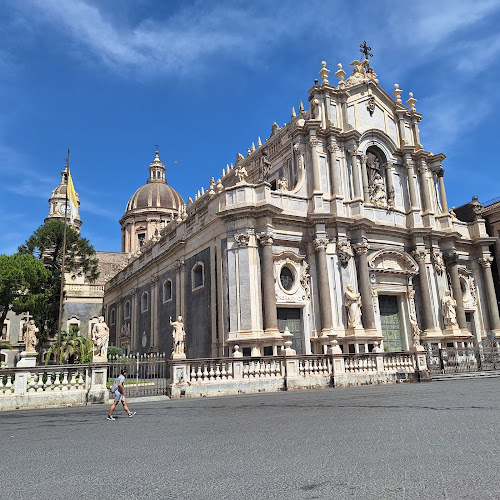
Basilica Cattedrale di Sant’Agata
About Basilica Cattedrale di Sant’Agata
Description
The Basilica Cattedrale di Sant’Agata in Catania is one of those places that leaves you quietly awestruck before you even step inside. Standing proudly in Piazza del Duomo, this cathedral is more than just a religious landmark—it’s a living symbol of Catania’s resilience and devotion. Originally built in 1078 under Roger I of Sicily, the cathedral has endured earthquakes, eruptions from Mount Etna, and centuries of renovations that have layered history into every stone. The current Baroque façade, completed in the 18th century after the 1693 earthquake, is a masterpiece of Sicilian Baroque architecture—grand, dramatic, and full of detail that rewards a lingering gaze.
Walking through its massive bronze doors, visitors are greeted by an interior that feels both solemn and majestic. The domed ceiling rises high above, painted with frescoes that seem to shimmer in the filtered light. The marble floors and columns tell stories of different eras, with each restoration adding a touch of the artistic trends of its time. And then there’s the chapel of Saint Agatha herself, the city’s beloved patron saint. Inside, her relics are kept in a silver chest, alongside a fourteenth-century bust crafted by Giovanni di Bartolo of Siena. Even if you’re not particularly religious, there’s something deeply moving about seeing how much love and reverence the people of Catania have for their saint.
Personally, I remember standing there one afternoon, the scent of candle wax and old stone in the air, listening to the faint hum of tourists and locals alike. It’s the kind of place that makes you slow down, even if you didn’t plan to. You start noticing little things—the way the sunlight catches the marble, the quiet footsteps echoing through the nave, or the faint sound of bells outside. That’s when it hits you: this cathedral isn’t just a monument; it’s part of the heartbeat of Catania.
Key Features
- Architectural Style: A stunning example of Sicilian Baroque, featuring Corinthian columns, ornate carvings, and a grand façade divided into three levels.
- Historical Significance: Originally built in the Norman period, rebuilt after multiple earthquakes, symbolizing the city’s endurance and faith.
- Chapel of Saint Agatha: Houses the relics of the patron saint and a revered silver bust from the 14th century.
- Bell Tower and Dome: Offers panoramic views of Catania and Mount Etna—if you’re up for the climb, it’s worth every step.
- Art and Frescoes: The interior is adorned with intricate frescoes, marble sculptures, and paintings that reflect centuries of devotion and artistry.
- Accessible Entrance: The cathedral provides wheelchair access, though parking nearby can be tricky for those with mobility concerns.
- Atmosphere: A serene yet lively setting that captures both the sacred and the everyday life of Catania’s people.
What really stands out is how the cathedral feels alive—not frozen in time like some historic sites. You’ll often find locals stopping by for a quiet prayer while tourists admire the craftsmanship. It’s a blend of old and new, sacred and ordinary, and that’s part of its charm.
Best Time to Visit
If you’re planning your trip, timing can make all the difference. The best time to visit is during the Feast of Saint Agatha, held every February. It’s one of the largest religious festivals in the world, drawing thousands of people from across Sicily and beyond. The city comes alive with processions, candles, and an almost electric sense of devotion. But fair warning—it gets crowded, so if you prefer a quieter experience, aim for early mornings or late afternoons outside the festival season.
Spring and autumn are ideal for comfortable weather and fewer tourists. The summer heat in Catania can be intense, especially if you’re planning to explore the city on foot. I once visited in July, and let’s just say I spent more time hiding in the cathedral’s cool interior than out in the blazing sun. In winter, the atmosphere takes on a different tone—peaceful, contemplative, and perfect for those who want to reflect rather than rush.
How to Get There
Getting to the Basilica Cattedrale di Sant’Agata is fairly straightforward. Catania’s city center is compact, and the cathedral sits right in its heart. If you’re staying nearby, it’s an easy walk from most hotels and attractions. For those arriving from the airport, taxis and buses connect directly to the city center. The main train station, Catania Centrale, is about a 15-minute walk away. Honestly, walking is the best way to experience it—you’ll pass through narrow streets lined with cafés, gelaterias, and little shops selling everything from handmade ceramics to postcards of Mount Etna.
Driving in Catania, however, can be a bit of an adventure. The streets are narrow, parking is limited, and local drivers have their own… let’s say “creative” approach to traffic rules. If you must drive, park a bit farther out and enjoy the walk in. It’s also worth noting that while the entrance is wheelchair accessible, the surrounding cobblestone streets can be uneven, so plan accordingly if mobility is a concern.
Tips for Visiting
Here’s where a few insider tips can really make your visit smoother (and more enjoyable):
- Dress Respectfully: Remember it’s an active place of worship. Shoulders and knees should be covered—especially if you plan to attend mass or approach the chapel of Saint Agatha.
- Go Early: Mornings are magical here. You’ll catch the golden light streaming through the windows and avoid the midday crowds.
- Stay for the Bells: The cathedral’s bells ring out beautifully throughout the day. It’s one of those small details that sticks with you long after you’ve left.
- Photography: You can take photos, but be discreet. Flash photography isn’t allowed, and trust me, the natural light does more justice to the interior anyway.
- Climb the Bell Tower: If it’s open, don’t skip it. The view over Catania’s rooftops and the distant outline of Mount Etna is unforgettable. You’ll see why locals are so proud of their city.
- Combine Visits: The Piazza del Duomo is surrounded by other must-see spots like the Elephant Fountain and the Palazzo degli Elefanti. You can easily spend a few hours just soaking in the atmosphere.
- Respect Quiet Zones: Some areas are reserved for prayer. Even if you’re just sightseeing, take a moment to pause and appreciate the stillness—it’s part of the experience.
And here’s a little personal tip: grab a coffee or granita from one of the nearby cafés after your visit and just sit outside watching the world go by. The view of the cathedral’s façade against the Sicilian sky is something you’ll want to burn into memory. I did that once, sipping almond granita while church bells echoed across the square—it’s one of those simple, perfect travel moments that stay with you.
In the end, the Basilica Cattedrale di Sant’Agata isn’t just a stop on your itinerary—it’s a story, a symbol, and a sanctuary all rolled into one. Whether you come for the art, the architecture, or the spiritual pull, you’ll leave with a deeper appreciation for Catania’s soul. And maybe, like me, you’ll find yourself thinking about it long after you’ve gone home—the light, the sound, the feeling of standing in a place that’s witnessed nearly a thousand years of faith and survival. That’s the kind of travel memory that never fades.
Key Features
- Key Features
- Best Time to Visit
- How to Get There
- Tips for Visiting
More Details
Updated November 30, 2025
Table of Contents
Description
The Basilica Cattedrale di Sant’Agata in Catania is one of those places that leaves you quietly awestruck before you even step inside. Standing proudly in Piazza del Duomo, this cathedral is more than just a religious landmark—it’s a living symbol of Catania’s resilience and devotion. Originally built in 1078 under Roger I of Sicily, the cathedral has endured earthquakes, eruptions from Mount Etna, and centuries of renovations that have layered history into every stone. The current Baroque façade, completed in the 18th century after the 1693 earthquake, is a masterpiece of Sicilian Baroque architecture—grand, dramatic, and full of detail that rewards a lingering gaze.
Walking through its massive bronze doors, visitors are greeted by an interior that feels both solemn and majestic. The domed ceiling rises high above, painted with frescoes that seem to shimmer in the filtered light. The marble floors and columns tell stories of different eras, with each restoration adding a touch of the artistic trends of its time. And then there’s the chapel of Saint Agatha herself, the city’s beloved patron saint. Inside, her relics are kept in a silver chest, alongside a fourteenth-century bust crafted by Giovanni di Bartolo of Siena. Even if you’re not particularly religious, there’s something deeply moving about seeing how much love and reverence the people of Catania have for their saint.
Personally, I remember standing there one afternoon, the scent of candle wax and old stone in the air, listening to the faint hum of tourists and locals alike. It’s the kind of place that makes you slow down, even if you didn’t plan to. You start noticing little things—the way the sunlight catches the marble, the quiet footsteps echoing through the nave, or the faint sound of bells outside. That’s when it hits you: this cathedral isn’t just a monument; it’s part of the heartbeat of Catania.
Key Features
- Architectural Style: A stunning example of Sicilian Baroque, featuring Corinthian columns, ornate carvings, and a grand façade divided into three levels.
- Historical Significance: Originally built in the Norman period, rebuilt after multiple earthquakes, symbolizing the city’s endurance and faith.
- Chapel of Saint Agatha: Houses the relics of the patron saint and a revered silver bust from the 14th century.
- Bell Tower and Dome: Offers panoramic views of Catania and Mount Etna—if you’re up for the climb, it’s worth every step.
- Art and Frescoes: The interior is adorned with intricate frescoes, marble sculptures, and paintings that reflect centuries of devotion and artistry.
- Accessible Entrance: The cathedral provides wheelchair access, though parking nearby can be tricky for those with mobility concerns.
- Atmosphere: A serene yet lively setting that captures both the sacred and the everyday life of Catania’s people.
What really stands out is how the cathedral feels alive—not frozen in time like some historic sites. You’ll often find locals stopping by for a quiet prayer while tourists admire the craftsmanship. It’s a blend of old and new, sacred and ordinary, and that’s part of its charm.
Best Time to Visit
If you’re planning your trip, timing can make all the difference. The best time to visit is during the Feast of Saint Agatha, held every February. It’s one of the largest religious festivals in the world, drawing thousands of people from across Sicily and beyond. The city comes alive with processions, candles, and an almost electric sense of devotion. But fair warning—it gets crowded, so if you prefer a quieter experience, aim for early mornings or late afternoons outside the festival season.
Spring and autumn are ideal for comfortable weather and fewer tourists. The summer heat in Catania can be intense, especially if you’re planning to explore the city on foot. I once visited in July, and let’s just say I spent more time hiding in the cathedral’s cool interior than out in the blazing sun. In winter, the atmosphere takes on a different tone—peaceful, contemplative, and perfect for those who want to reflect rather than rush.
How to Get There
Getting to the Basilica Cattedrale di Sant’Agata is fairly straightforward. Catania’s city center is compact, and the cathedral sits right in its heart. If you’re staying nearby, it’s an easy walk from most hotels and attractions. For those arriving from the airport, taxis and buses connect directly to the city center. The main train station, Catania Centrale, is about a 15-minute walk away. Honestly, walking is the best way to experience it—you’ll pass through narrow streets lined with cafés, gelaterias, and little shops selling everything from handmade ceramics to postcards of Mount Etna.
Driving in Catania, however, can be a bit of an adventure. The streets are narrow, parking is limited, and local drivers have their own… let’s say “creative” approach to traffic rules. If you must drive, park a bit farther out and enjoy the walk in. It’s also worth noting that while the entrance is wheelchair accessible, the surrounding cobblestone streets can be uneven, so plan accordingly if mobility is a concern.
Tips for Visiting
Here’s where a few insider tips can really make your visit smoother (and more enjoyable):
- Dress Respectfully: Remember it’s an active place of worship. Shoulders and knees should be covered—especially if you plan to attend mass or approach the chapel of Saint Agatha.
- Go Early: Mornings are magical here. You’ll catch the golden light streaming through the windows and avoid the midday crowds.
- Stay for the Bells: The cathedral’s bells ring out beautifully throughout the day. It’s one of those small details that sticks with you long after you’ve left.
- Photography: You can take photos, but be discreet. Flash photography isn’t allowed, and trust me, the natural light does more justice to the interior anyway.
- Climb the Bell Tower: If it’s open, don’t skip it. The view over Catania’s rooftops and the distant outline of Mount Etna is unforgettable. You’ll see why locals are so proud of their city.
- Combine Visits: The Piazza del Duomo is surrounded by other must-see spots like the Elephant Fountain and the Palazzo degli Elefanti. You can easily spend a few hours just soaking in the atmosphere.
- Respect Quiet Zones: Some areas are reserved for prayer. Even if you’re just sightseeing, take a moment to pause and appreciate the stillness—it’s part of the experience.
And here’s a little personal tip: grab a coffee or granita from one of the nearby cafés after your visit and just sit outside watching the world go by. The view of the cathedral’s façade against the Sicilian sky is something you’ll want to burn into memory. I did that once, sipping almond granita while church bells echoed across the square—it’s one of those simple, perfect travel moments that stay with you.
In the end, the Basilica Cattedrale di Sant’Agata isn’t just a stop on your itinerary—it’s a story, a symbol, and a sanctuary all rolled into one. Whether you come for the art, the architecture, or the spiritual pull, you’ll leave with a deeper appreciation for Catania’s soul. And maybe, like me, you’ll find yourself thinking about it long after you’ve gone home—the light, the sound, the feeling of standing in a place that’s witnessed nearly a thousand years of faith and survival. That’s the kind of travel memory that never fades.
Key Highlights
- Key Features
- Best Time to Visit
- How to Get There
- Tips for Visiting
Location
Places to Stay Near Basilica Cattedrale di Sant'Agata
Find and Book a Tour
Explore More Travel Guides
No reviews found! Be the first to review!
Traveler Reviews for Basilica Cattedrale di Sant’Agata
There are no reviews yet. Be the first one to write one.
Have you visited Basilica Cattedrale di Sant’Agata? Help other travelers by sharing your review.
You Might Also Like
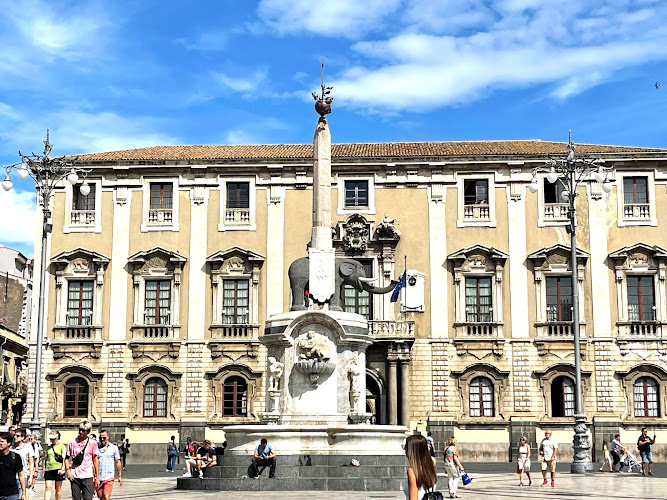
Palazzo degli Elefanti
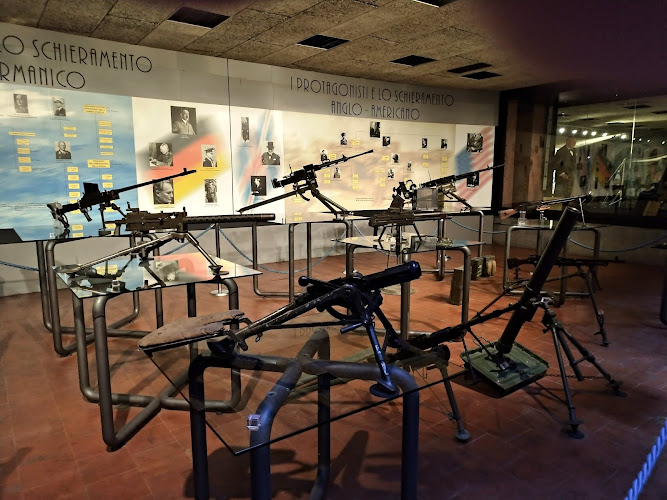
Museo Storico dello Sbarco in Sicilia 1943
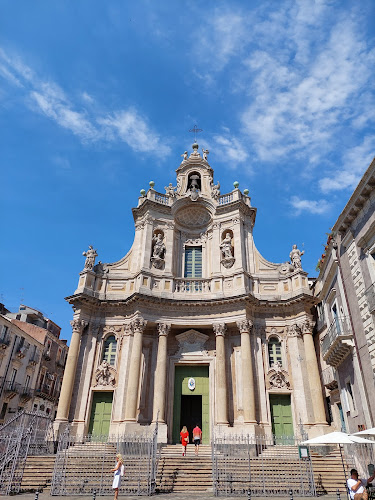
Basilica della Collegiata
Find Accommodations Nearby
Recommended Tours & Activities
Visitor Reviews
There are no reviews yet. Be the first one to write one.
Share Your Experience
Have you visited Basilica Cattedrale di Sant’Agata? Help other travelers by leaving a review.