Last modified September 14, 2026
Choosing between Samsonite vs Tumi is one of those classic travel headaches you’ll run into while shopping for decent luggage in 2026. Both brands make solid suitcases, but they really target different kinds of travelers—and the price gap is no joke. Honestly, your best choice boils down to how often you travel, what you need to pack, and how long you want your bag to last.
After dragging luggage through airports on all sorts of trips—quick getaways, marathon international flights, you name it—I’ve noticed some real differences between these two brands. When you actually match them to the way you travel, it gets much easier to tell them apart. So, let’s break down the six differences that actually matter when you’re eyeing that suitcase in the store or hovering over the buy button online.
Key Takeaways
- Samsonite brings strong durability and a huge selection, all at a fraction of Tumi‘s price. It’s a great fit if you’re not flying every week or if you just want something reliable without breaking the bank.
- Tumi justifies its premium cost with better materials, smarter organization, and a warranty that actually makes sense for frequent flyers and business travelers.
- Let your travel habits—how often you go, what kind of trips you take, and how much hassle you’re willing to deal with for repairs—guide your decision, not just the logo on the bag.
Quick Verdict by Traveler Type
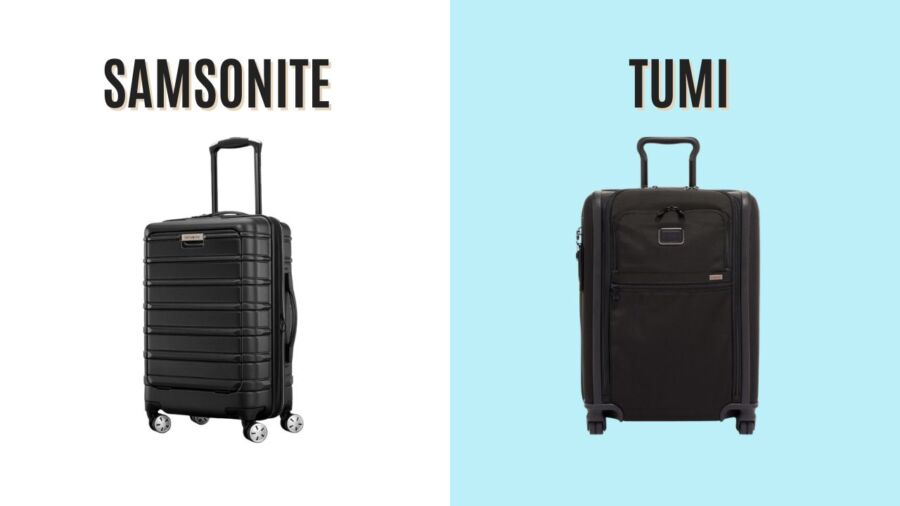
It’s not really about which brand is “better.” It’s about how you travel. A once-a-year vacationer and a weekly business flyer? They’ve got totally different luggage needs for carry-on luggage, checked bags, and what “value” actually means.
Best Fit for Occasional Vacation Travelers
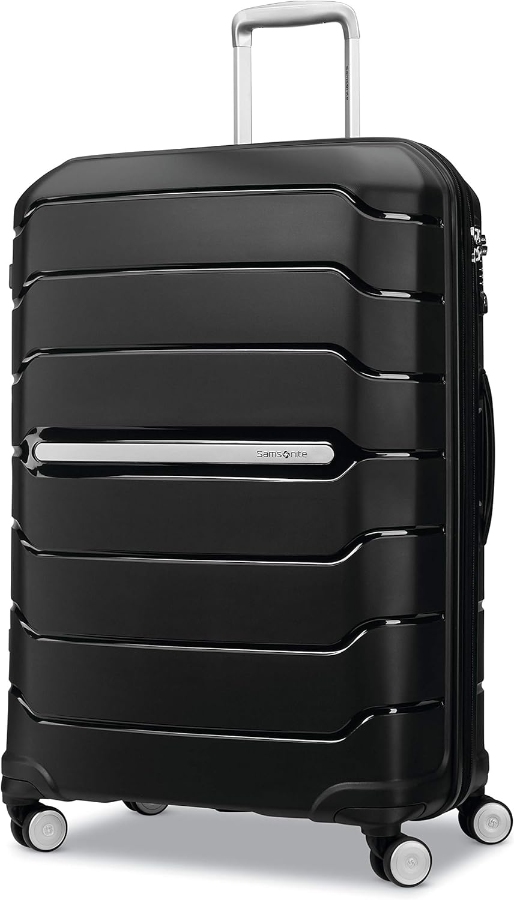
If you only travel a few times a year—say, two to five trips—Samsonite is the obvious choice. You get affordable luggage that’s built well enough, and you won’t pay extra for bells and whistles you’ll never use.
Samsonite’s lineup is massive, covering everything from basic fabric bags to sleek hardside suitcases. For most leisure trips, you can grab a solid model for $150 to $350. It’ll survive baggage carousels, rental cars, and hotel rooms just fine. Plus, you’ll have cash left for the actual trip—maybe even for a flight upgrade if you shop flight deals right.
Best Fit for Frequent Flyer and Business Travel Needs
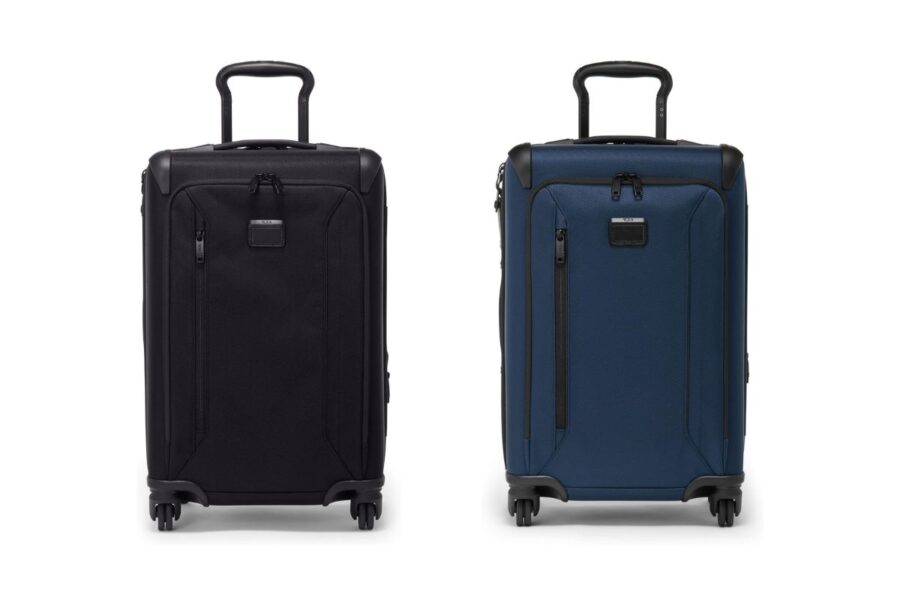
If you’re racking up 15 or more flights a year, Tumi starts to make sense. The brand really leans into business travel—think laptop compartments, garment sleeves, and a look that fits right in at a boardroom or an airport lounge.
Frequent flyers beat up their bags way more than vacationers. Tumi’s build quality can handle that kind of punishment, and their warranty actually works for people who can’t afford to be stuck with broken gear.
When Paying More Actually Makes Sense
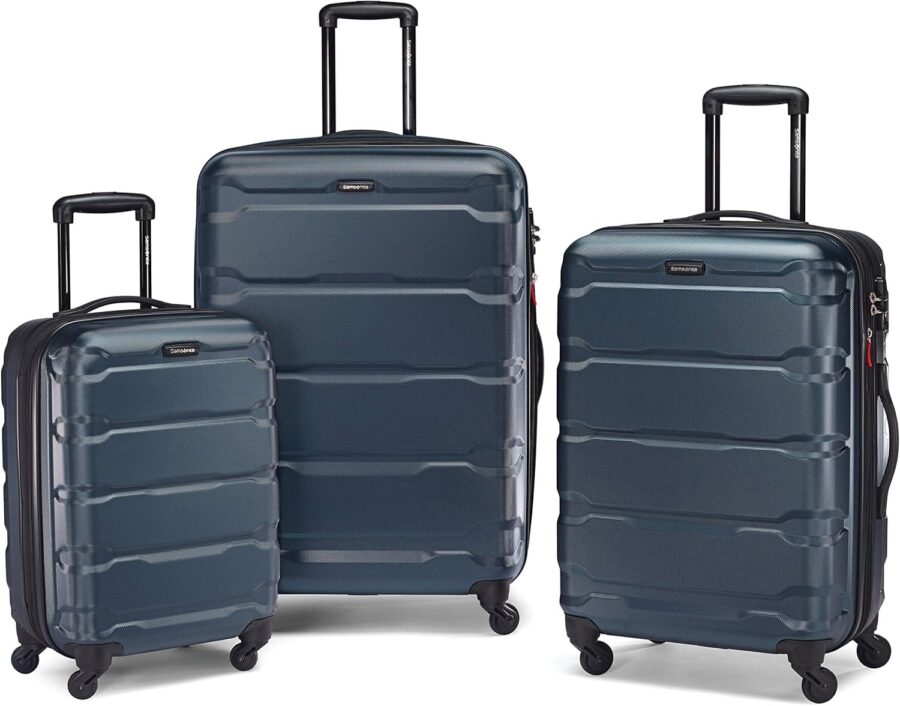
Paying for luxury luggage is worth it if you travel enough that a cheap bag wears out every couple of years. If you burn through a $200 Samsonite every two years, shelling out for a $700 Tumi that lasts seven years actually saves you money in the long run.
Price, Value, and Long-Term Cost
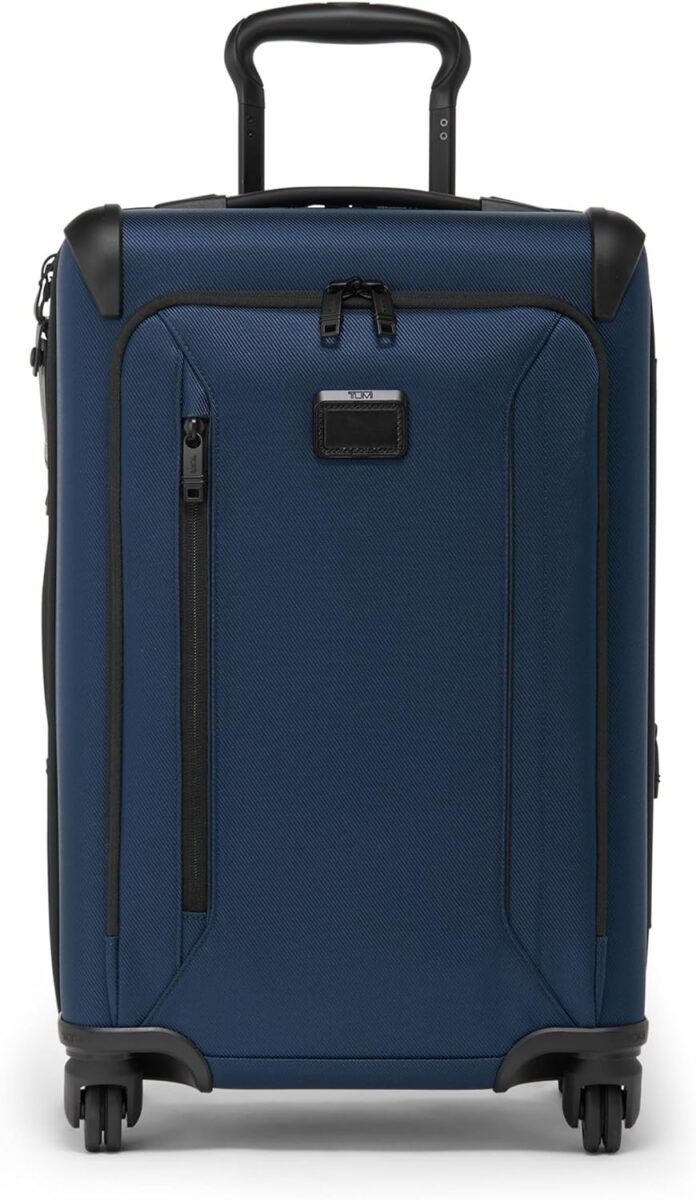
Samsonite and Tumi sit in totally different price brackets, and the gap is pretty wild. But does spending more really get you enough extra value? That depends on your travel habits.
Entry Price and What You Get at Each Tier
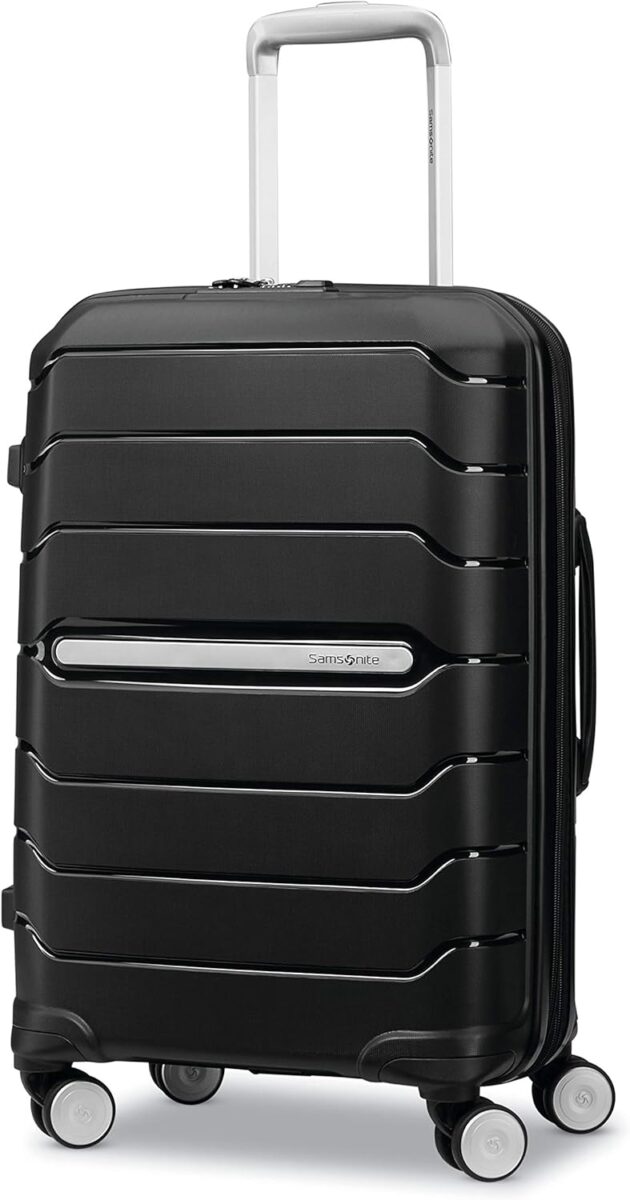
Samsonite carry-ons usually start around $120 and can go up to $400 if you want the fancy stuff. Even at the low end, you’ll get polycarbonate or ABS shells, spinner wheels, and TSA locks.
Tumi carry-ons start around $500 and can hit $1,000+ for the top-end pieces. For that price, you get ballistic nylon or composite shells, super-smooth handles, and interiors that actually make sense for organized packing.
| Feature | Samsonite Range | Tumi Range |
|---|---|---|
| Carry-on price | $120 to $400 | $500 to $1,000+ |
| Checked luggage price | $150 to $500 | $600 to $1,200+ |
| Entry-level material | ABS/polycarbonate | Ballistic nylon |
Value for Carry-On and Checked Baggage Buyers
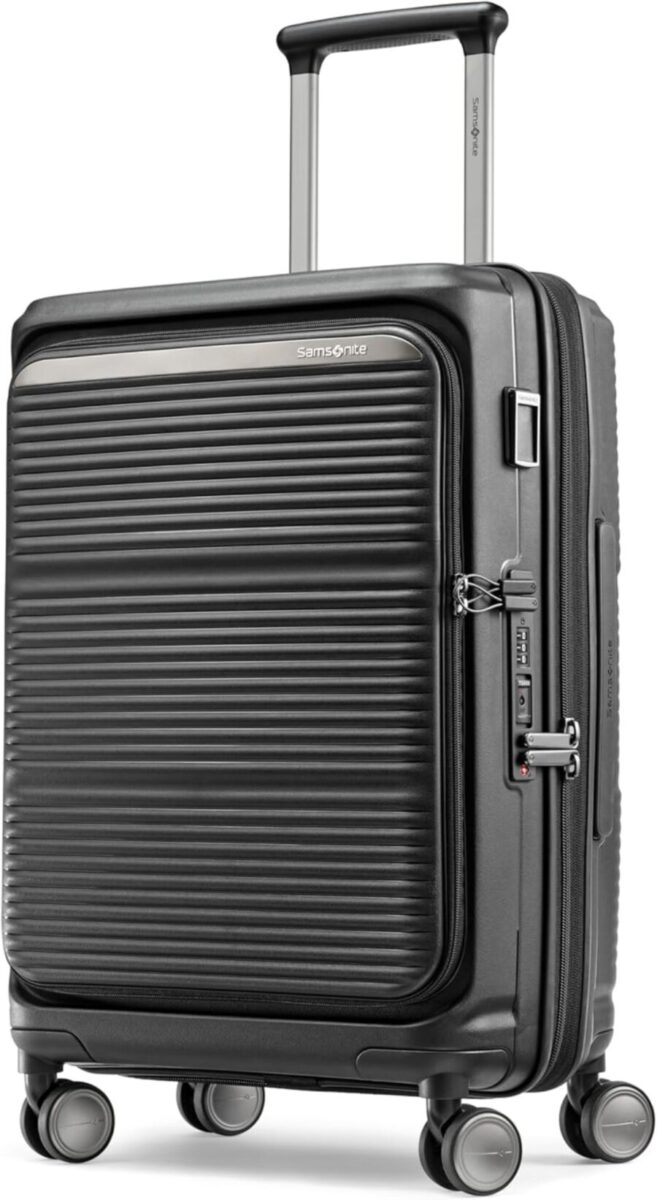
For carry-ons, Samsonite’s $200-ish models hit a sweet spot. They’re light, fit airline rules, and have enough compartments for most trips.
Tumi’s carry-ons cost more, but you get a much better interior and tougher construction. If your carry-on is basically your office, it’s worth it. For checked bags that get tossed around, Tumi’s materials really do last longer.
Repairability, Replacement Risk, and Cost Over Time
Samsonite parts are easy to find and cheap to replace. Repairs are simple, but some of the cheaper models just don’t survive more than a few years of heavy use.
Tumi builds their bags to be fixed, not tossed. If you travel a lot, the cost per trip drops fast when your bag survives for seven or ten years. It’s smart to think about replacement risk—not just the sticker price—when picking a luggage brand.
See Related: Travelpro Platinum Elite Softside Carry On Luggage Review: Best Spinner Yet?
Materials, Durability, and Weight
This is where the brands really split. The stuff they use—fabrics, plastics, composites—decides how your bag handles drops, scratches, rain, and years of airport chaos.
Ballistic Nylon, FXT Ballistic Nylon, and Tegris Explained

Tumi’s go-to material is ballistic nylon, first made for military flak jackets. It’s way tougher than regular nylon or polyester—harder to rip, tear, or poke through. Their FXT ballistic nylon is even better, with a tighter weave and more flex.
For hardside bags, Tumi uses Tegris, a reinforced polypropylene that shrugs off impacts without cracking. It’s lighter and stronger than the usual polycarbonate.
Samsonite sticks to polycarbonate, ABS plastic, and regular nylon for its softside luggage. These materials do fine for most folks, but they show wear faster if you really put them through the wringer.
Hardside vs Softside Performance in Real Travel
Hardside bags protect fragile stuff and clean up quickly. Samsonite’s polycarbonate hardsides do a good job here for less money. You’ll see some scuffs after a while, but the bag still works.
Softside bags flex more, which helps if you overpack or need to squeeze into tight spots. Tumi’s softside luggage, made with ballistic nylon, holds up against scraping and rough sidewalks.
If you find yourself staying in older European hotels with cobblestone streets, a tough softside bag is easier to drag around.
Weight Trade-Offs for Overhead Bin and Airline Limits
Weight matters if you’re trying to jam your bag in an overhead bin or stay under airline limits.
| Bag Type | Samsonite (typical) | Tumi (typical) |
|---|---|---|
| Carry-on hardside | 6.5 to 8.5 lbs | 7 to 9 lbs |
| Carry-on softside | 6 to 8 lbs | 6.5 to 8.5 lbs |
Samsonite usually wins on weight, especially with their cheaper models. Tumi’s fancier materials add a bit of weight, but you get more durability out of it. For those tiny regional jets, every ounce really does count.
Mobility, Packing, and Everyday Usability
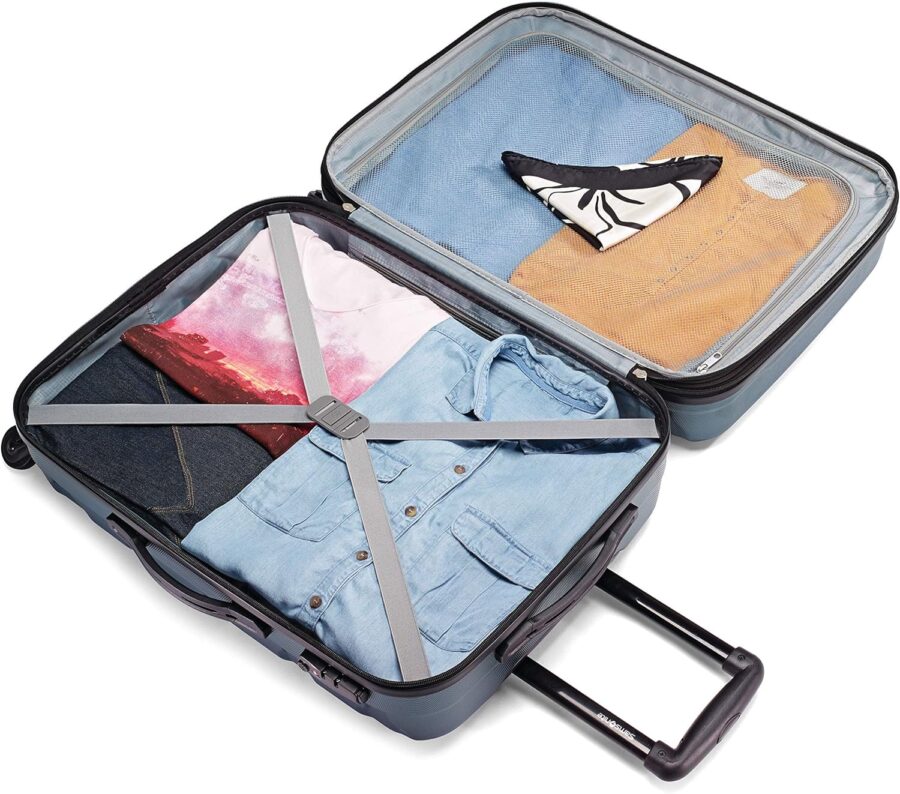
How your bag rolls, expands, and keeps your stuff organized—those things matter every single trip. Tiny design tweaks add up fast, especially if you’re sprinting through an airport or living out of a suitcase for days.
Spinner Wheels, Dual Spinner Wheels, and Double Spinner Wheels

Both brands use spinner wheels for that easy 360-degree glide. Samsonite puts standard spinner wheels on most bags, and they roll fine on airport floors.
Tumi goes for dual spinner wheels (sometimes called double spinner wheels) on many premium models. With two wheels per corner, your bag stays more stable and doesn’t wobble as much. If you’re dodging crowds or dragging your bag across rough surfaces on the way to tours and activities, you’ll notice the difference.
Expandable Compartments and Expandable Zippers
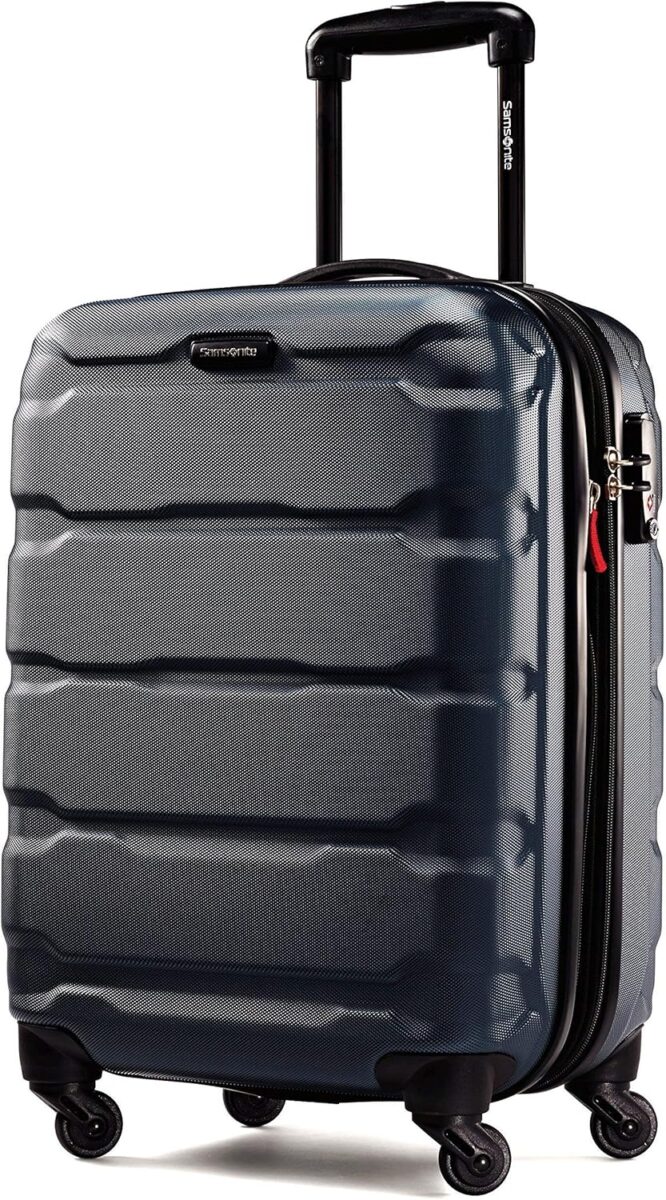
Samsonite puts expandable zippers on lots of their mid-range and higher-end bags. You can get an extra inch or two of space—perfect for souvenirs or that last-minute jacket.
Tumi has expandable compartments on some models, but not as many as Samsonite. When they do, the zippers and fabric feel noticeably tougher.
Interior Organization, Suiter Compartment, and Laptop Storage
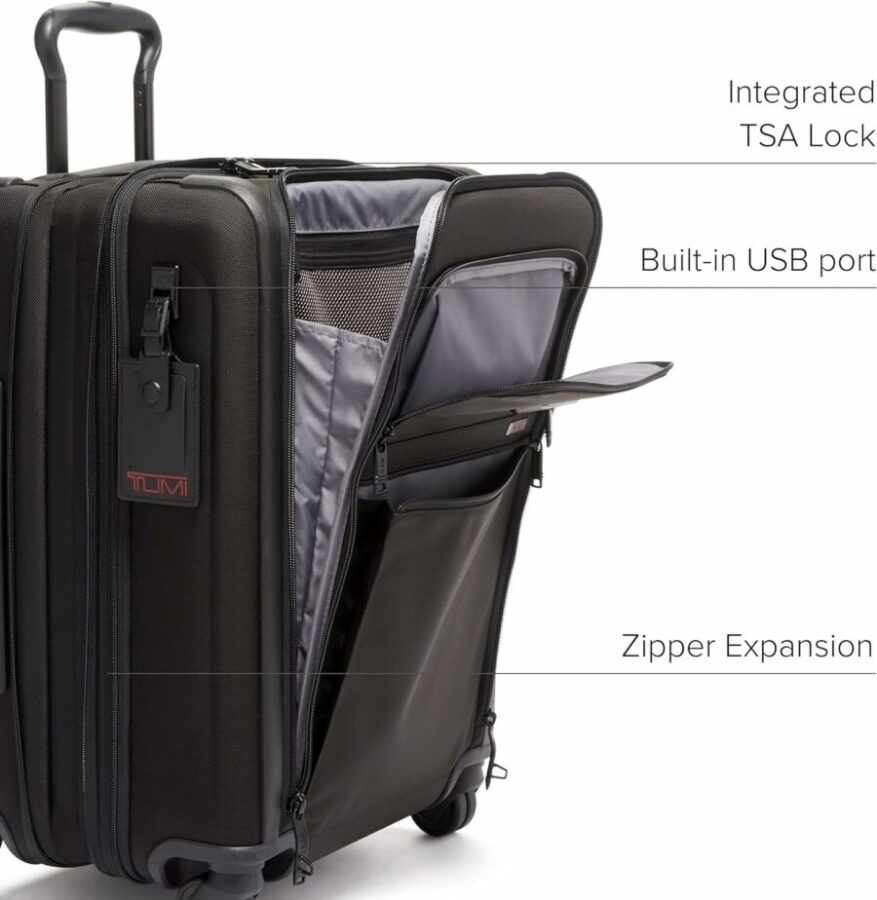
Tumi kills it when it comes to organization. Many bags have a suiter compartment for hanging clothes, a bunch of mesh pockets, and dedicated laptop sleeves that actually fit modern devices. If you travel for work, this keeps you looking sharp and saves time.
Samsonite gives you the basics—compression straps, zippered dividers, and a few pockets. It covers what most people need. Both brands offer solid backpacks, laptop bags, and duffels. And honestly, you can always upgrade any bag with packing cubes or travel gear for even better organization.
Security, Warranty, and Ownership Experience
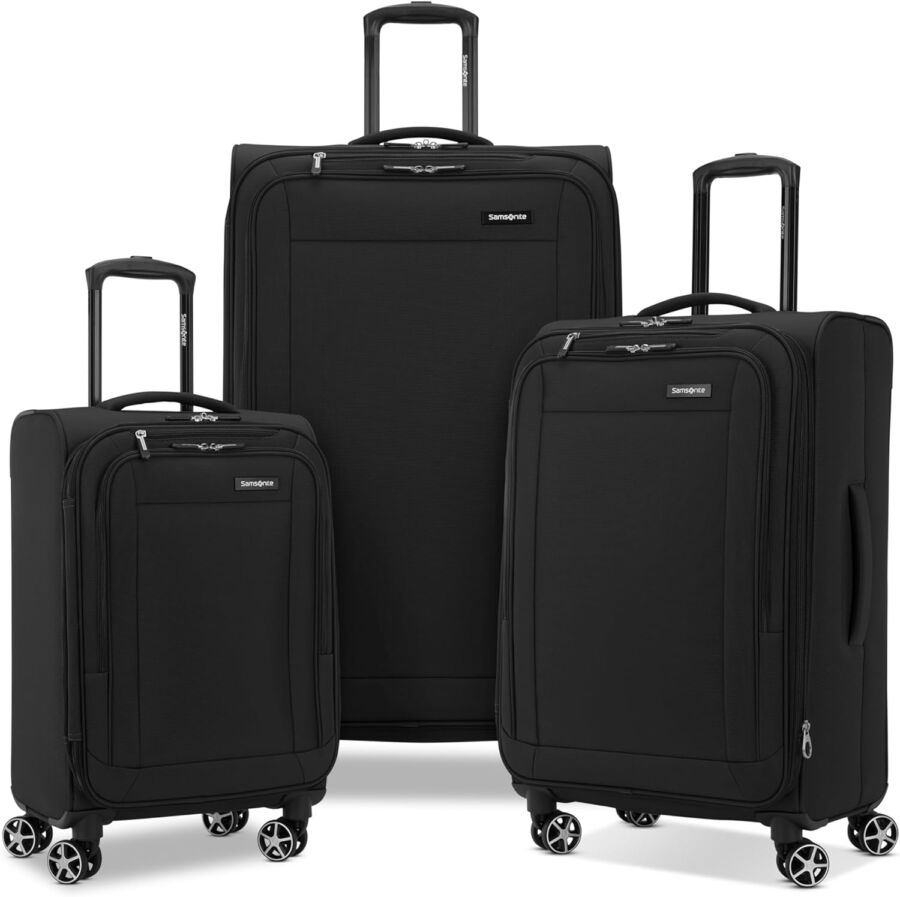
Security features and warranty coverage can really shape what it’s like to own your luggage. Both brands protect your stuff, but they go about it differently—with their own takes on service and tech.
TSA-Approved Lock Features and Bag Security
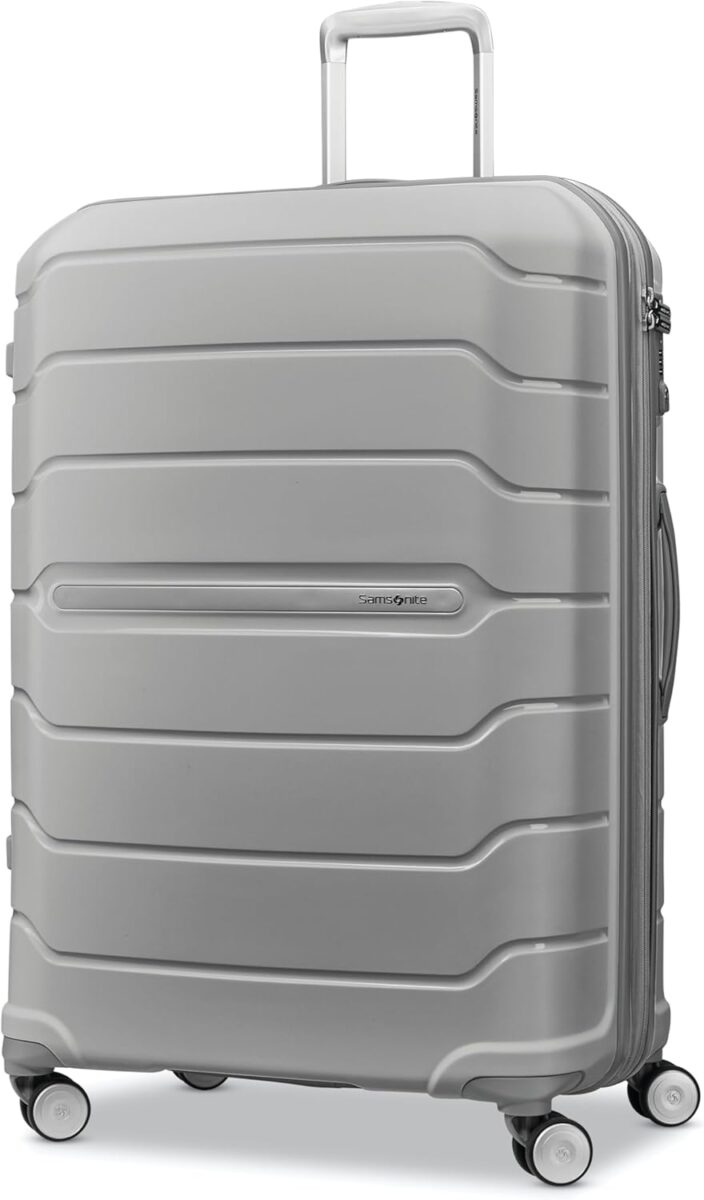
Samsonite and Tumi both throw in TSA-approved locks on most of their luggage. With a TSA-approved combination lock, security agents can check your bag without having to destroy the lock—honestly, that’s a relief.
Samsonite usually builds TSA locks right into their hardside luggage, while softside bags often get external locks. They’re easy to set up and do the job well.
Tumi steps it up a bit by pairing their TSA locks with heavier-duty zippers. These zippers make it a lot harder for someone to tamper with your bag. If you care a lot about security, Tumi’s lock and zipper combo does give you a slight advantage.
Tumi Tracer and Lost-Luggage Recovery

Tumi Tracer is a free registration program just for Tumi owners. Every Tumi bag comes with a unique 20-digit number. If someone finds your lost bag, Tumi can use that number to track you down and let you know.
It’s not a GPS tracker, but it does boost your odds of getting a lost bag back. Samsonite doesn’t offer anything like this. For the best protection, use this with luggage tags and travel insurance.
Samsonite Warranty vs Tumi Warranty in Practice
Samsonite gives you a limited lifetime warranty for defects in materials and workmanship. Airline damage isn’t covered. You can get repairs, but during busy travel times, the wait can drag on.
Tumi covers similar defects but backs it up with a more responsive repair network. Their customer service usually gets things done faster and is more flexible with tricky claims. If you travel a lot, Tumi’s warranty experience alone might make the higher price worth it.
| Warranty Feature | Samsonite | Tumi |
|---|---|---|
| Type | Limited lifetime warranty | Comprehensive warranty |
| Airline damage | Not covered | Not covered |
| Repair speed | Moderate | Generally faster |
| Product recovery | None | Tumi Tracer program |
See Related: Travelpro Maxlite 5 Softside Expandable 2 Wheel Carry-on Luggage
Best Collections and Alternatives to Compare
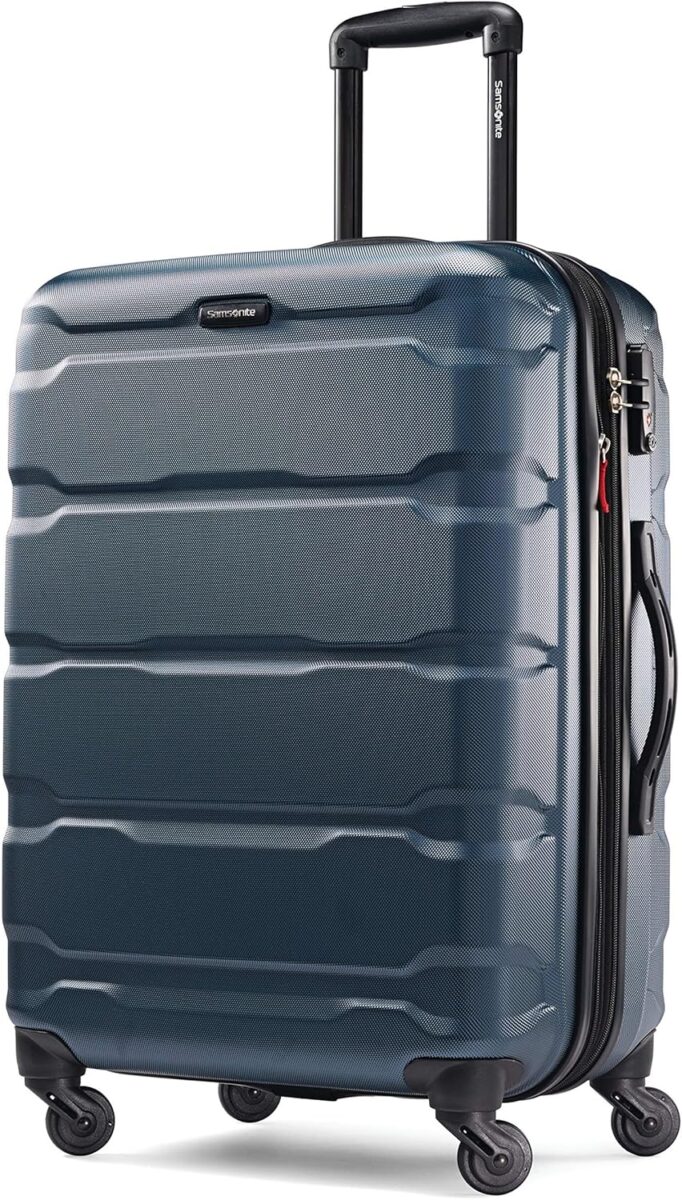
It really helps to know the top collections from each brand and a couple of solid alternatives. Honestly, picking the right model matters just as much as the brand name.
Popular Samsonite Picks Like Omni PC and Freeform
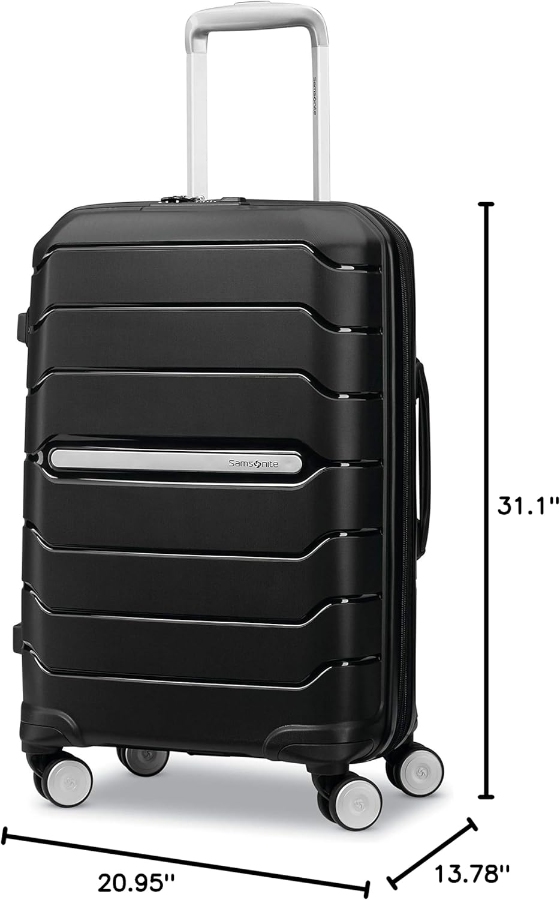
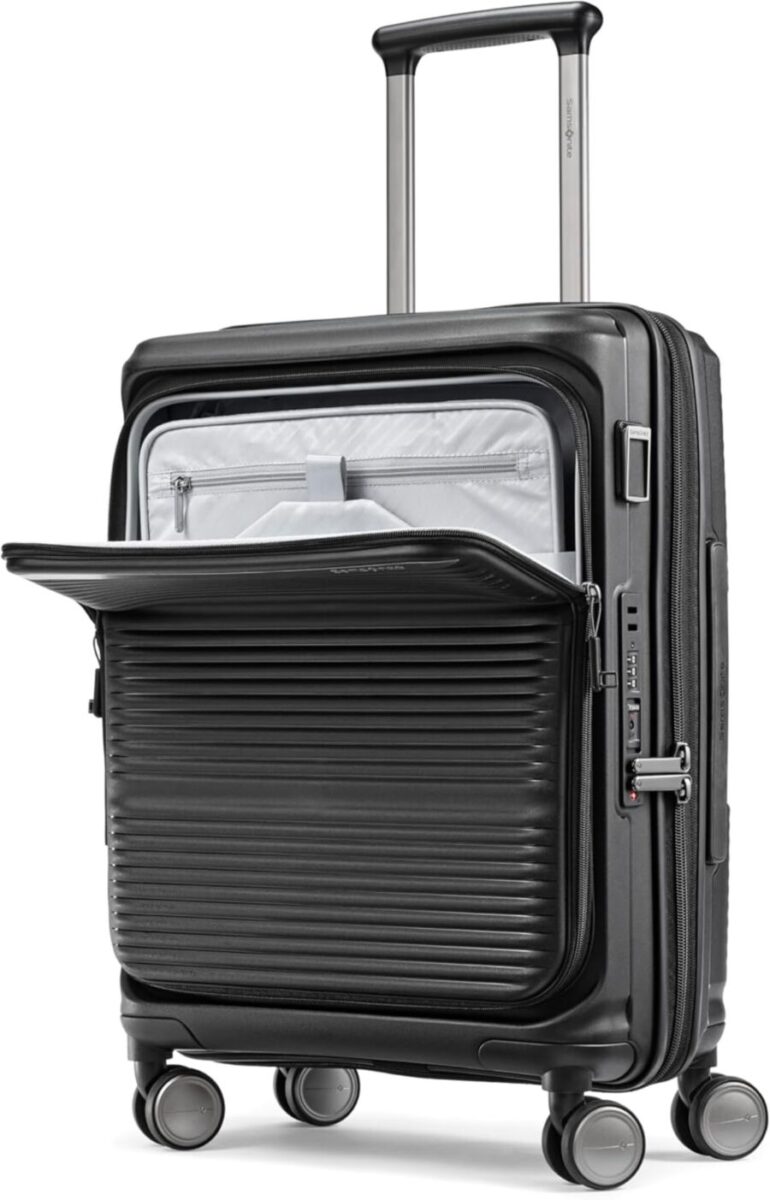
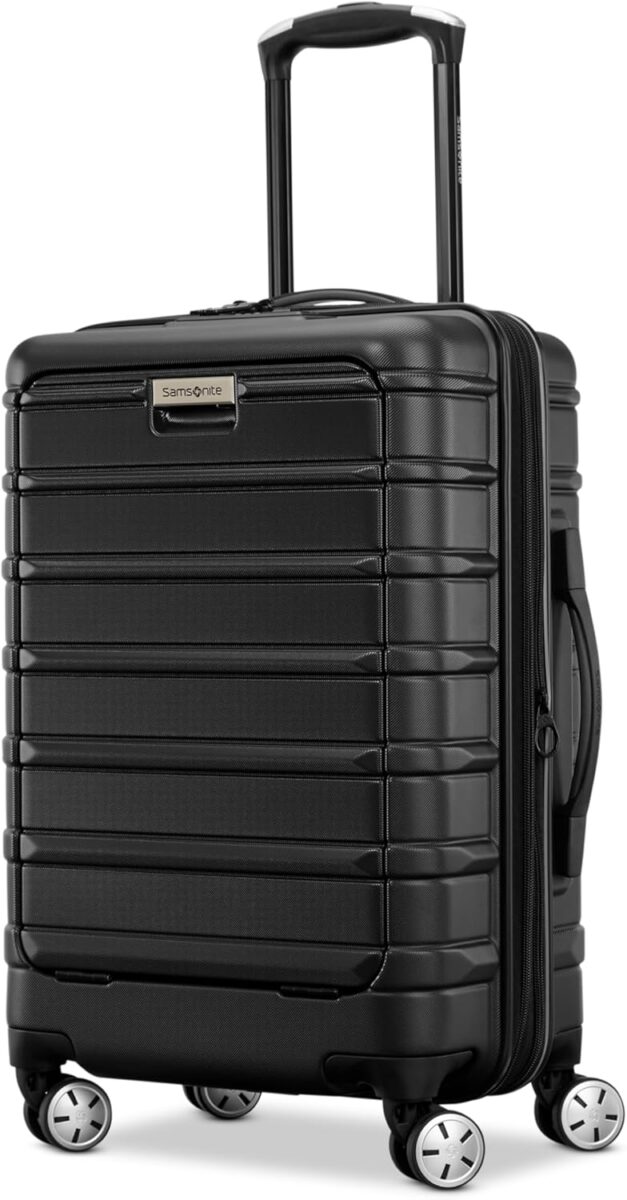
The Samsonite Omni PC is everywhere for a reason. It’s a super popular hardside carry-on with a polycarbonate shell, spinner wheels, and a TSA lock. Usually, it sells for under $200, making it a reliable pick for casual trips.
The Freeform Hardside Expandable line is lighter and gives you a bit more space inside. For travelers watching their budget, these two Samsonite collections cover pretty much everything you need for both carry-on and checked bags.
Notable Tumi Lines Including Alpha and Carry-On Options
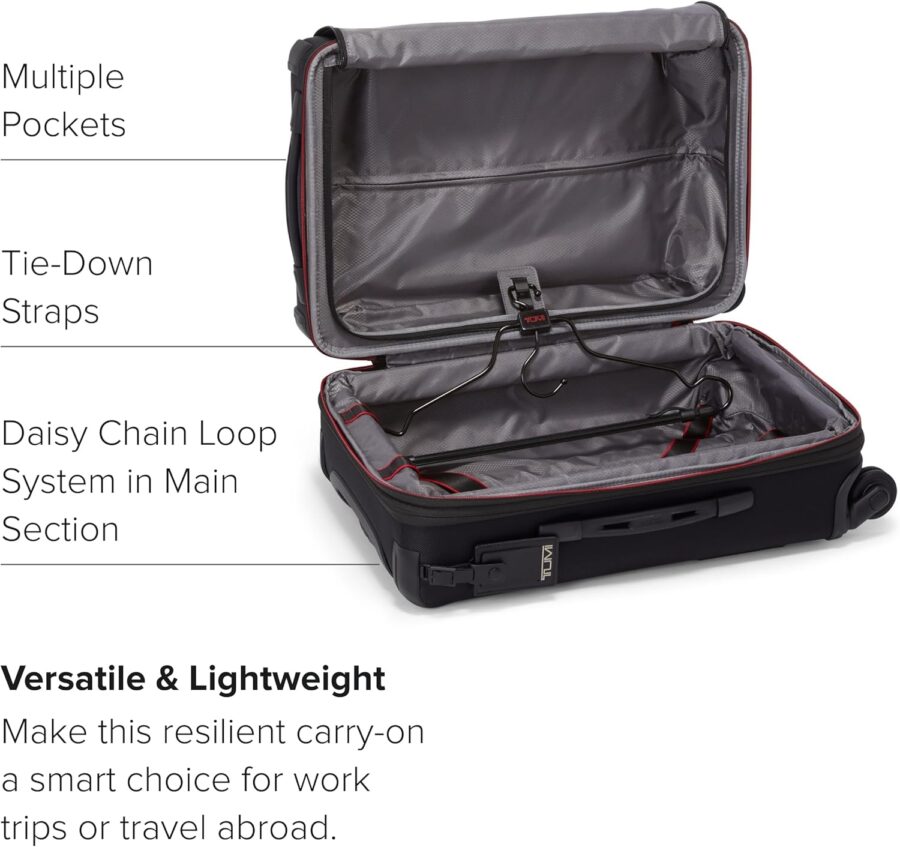
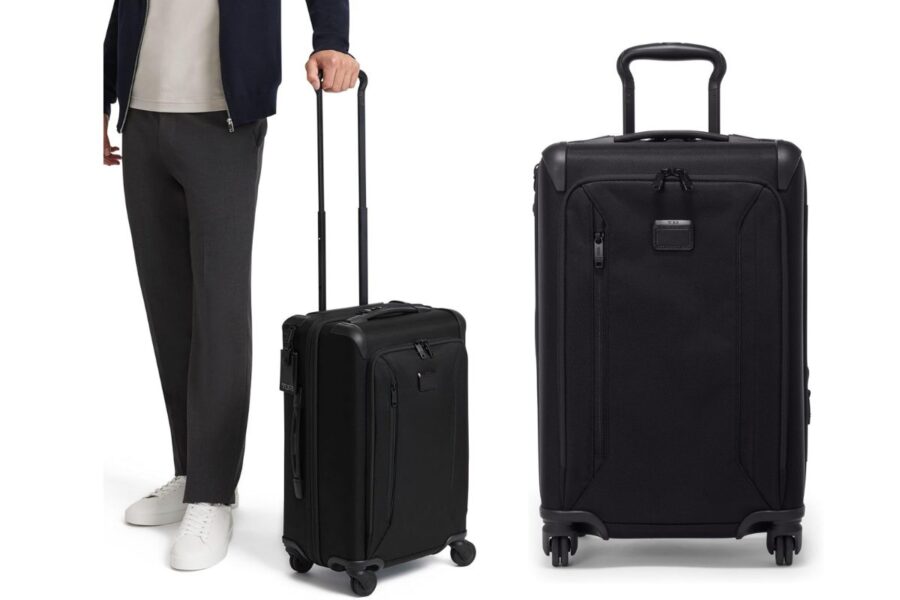
The Tumi Alpha collection is basically their flagship. It’s made from FXT ballistic nylon and has the best interior organization. Business travelers and frequent flyers swear by it.
A Tumi Alpha carry-on comes with a suiter compartment, U-zip access, and dual spinner wheels. It’s one of the best-organized carry-ons you can buy in 2026. Pricey? Yeah. But if you’re living out of your bag for work, it’s worth it.
How Briggs & Riley and Away Luggage Change the Decision

Don’t forget about Briggs & Riley and Away luggage. Briggs & Riley has a real lifetime warranty—no proof of purchase needed—and that’s tough to beat. Their bags can go toe-to-toe with Tumi on durability, usually for a bit less cash.
Away aims for younger, design-minded travelers. Their bags look sharp, sometimes come with built-in batteries, and the price falls between Samsonite and Tumi. If you don’t want to go all-in on either end, Away is a solid middle ground.
Also, if you can save money by searching for discounted flights or setting up fare alerts, you might have more to spend on better luggage. Just a thought.
See Related: Hardside Luggage vs Softside Luggage: Ultimate Buyer’s Guide
Frequently Asked Questions
Which brand offers better long-term durability for frequent travelers?
Tumi usually holds up better for frequent travelers because of its ballistic nylon and tough hardware. If you fly more than 15 times a year, Tumi bags often last several years longer than Samsonite, which saves you from buying replacements so often.
How do the warranty and repair services compare between the two brands?
Both brands cover manufacturing defects, not airline damage, with their lifetime warranties. Tumi’s repair service is usually quicker and more responsive, thanks to their dedicated centers. Samsonite’s process is fine, but you might wait longer during busy times.
Which carry-on options provide the best balance of size, weight, and capacity?
Samsonite’s Freeform and Omni PC lines hit a nice sweet spot for budget travelers, usually weighing under eight pounds. Tumi’s Alpha carry-on is a bit heavier but makes up for it with better interior organization and stronger materials. It really depends—do you care more about saving weight or having a super organized bag?
Are the backpacks and laptop bags better suited for daily commuting or business travel?
Tumi really aims its backpacks and laptop bags at business travelers. You’ll notice padded laptop compartments, pass-through sleeves for your luggage, and that polished look. Samsonite, on the other hand, makes commuter bags that work well for everyday stuff and honestly, they’re way easier on your wallet.u003cbru003eIf you’re planning a u003ca href=u0022https://www.kqzyfj.com/click-101136664-11552045?url=https%3A%2F%2Fwww.expedia.com%2Fu0022u003ebusiness tripu003c/au003e, Tumi bags just fit better with a rolling suitcase setup. It’s kind of obvious they thought about that when designing them.


