
Last modified August 17, 2026
Trying to pick between aluminum and polycarbonate luggage can get tricky. Both claim they’ll protect your stuff, but you want a suitcase that survives baggage handlers without wrecking your shoulder or draining your bank account.
Aluminum gives you top-notch durability and security, but it’s heavier and way pricier than polycarbonate. Polycarbonate, on the other hand, is strong, flexible, and much lighter.
If you actually know what sets these materials apart, you’ll have a much easier time picking luggage that fits your travel habits. Think about how often you travel, what you can comfortably carry, your budget, and what you care most about when it comes to keeping your things safe.
Key Takeaways
- Aluminum luggage keeps your things safer and lasts longer, but it’s heavier and costs a lot more
- Polycarbonate is lighter, still tough, and much more budget-friendly
- Your choice really depends on how you travel, what you can carry, your budget, and if you care more about security or convenience
Aluminum Luggage: Advantages and Limitations
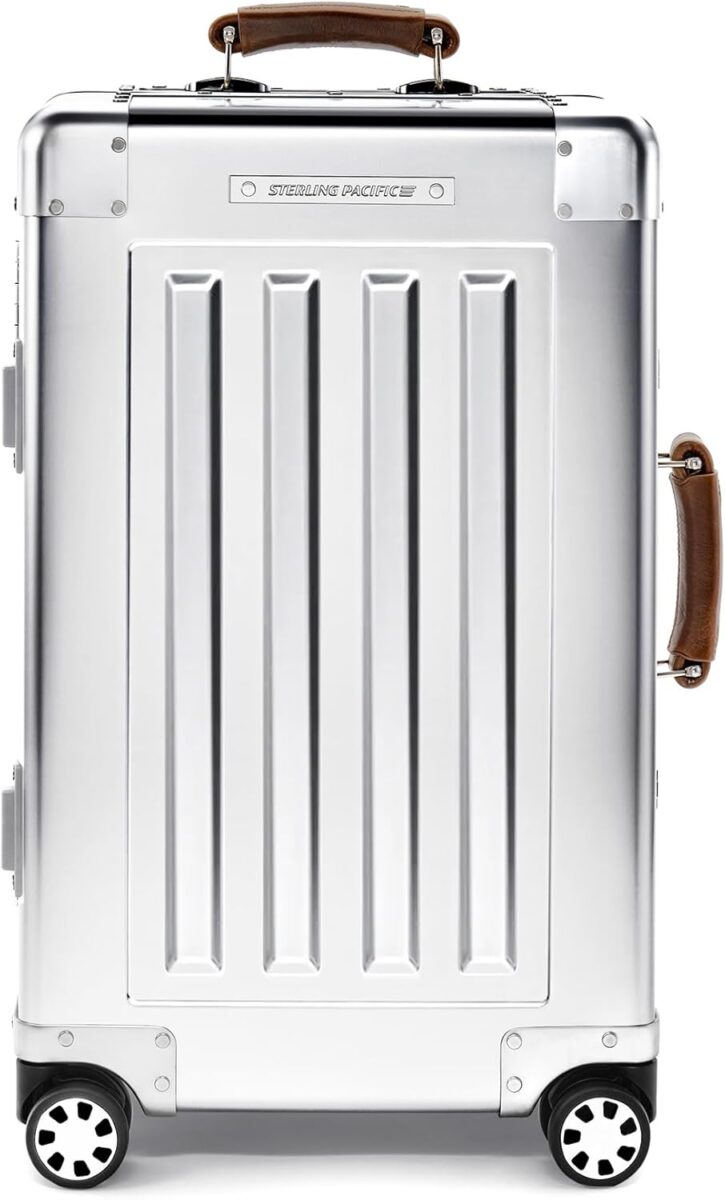
Aluminum suitcases bring serious strength and security features that business travelers and frequent flyers love, but you’ll need to weigh those benefits against the extra heft and higher price.
Strength and Structural Rigidity
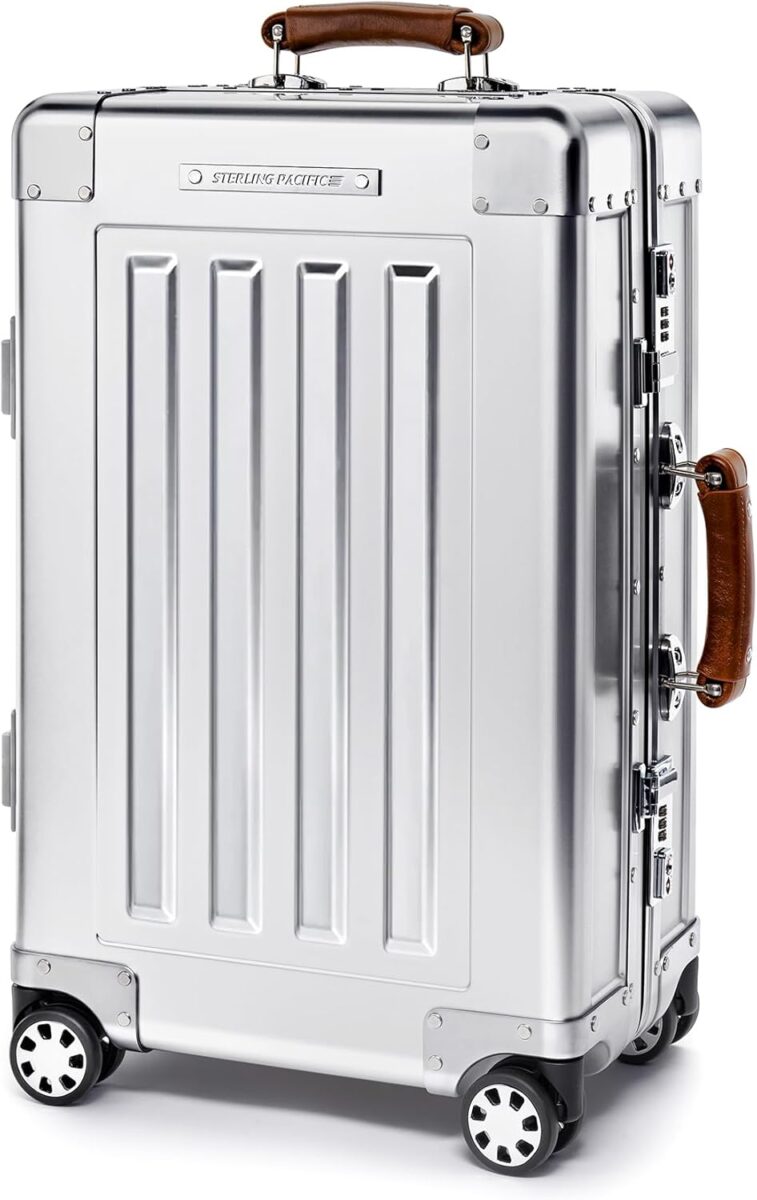
If you buy an aluminum suitcase, you’re getting something built to last. The metal shell doesn’t flex or bend like polycarbonate does. That matters when baggage handlers toss your bag around.
Your stuff stays safer inside that sturdy metal frame. If you’re carrying electronics, cameras, or anything fragile, you’ll appreciate how the case doesn’t give under pressure.
But let’s be real—aluminum dents and scratches. Brands like Rimowa and Tumi almost celebrate those marks; they tell a story of where you’ve been. If you want your luggage looking flawless after every trip, the visible dings might drive you nuts.
Aluminum cases from Away and Monos hold up for years. I’ve seen them survive thousands of miles without the frame cracking or splitting like plastic sometimes does after a beating.
Security and Latch Locks
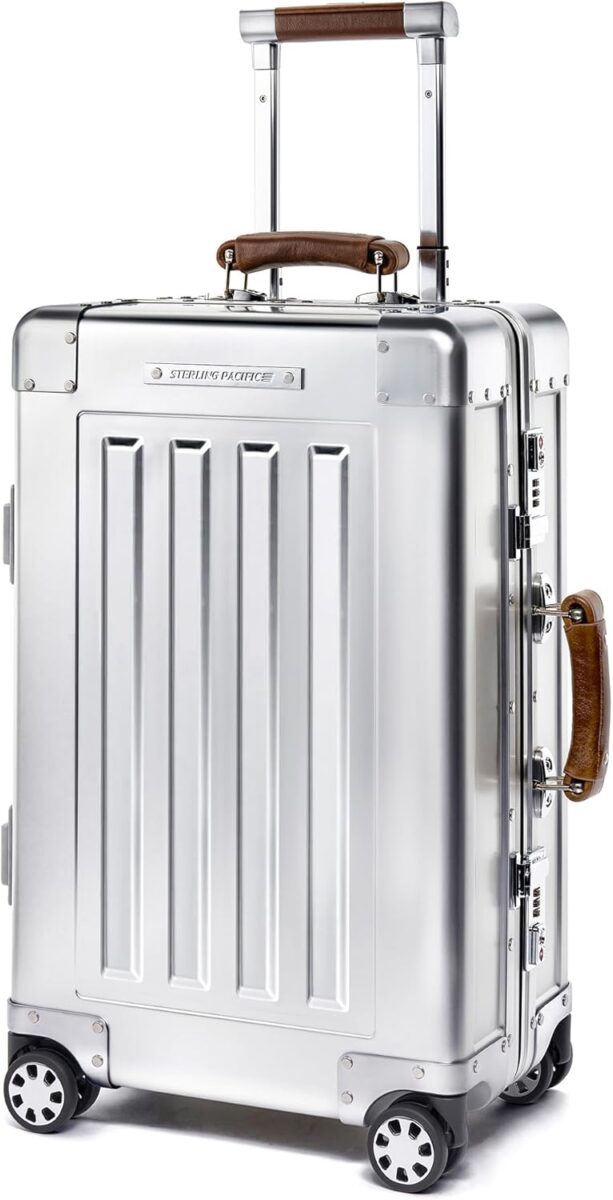
Aluminum luggage usually swaps zippers for latch locks, which really steps up the security. You can’t just slice through a zipper to break in—getting into an aluminum case takes tools and time.
Most aluminum cases include TSA-approved locks built right into the latches. You set your combo, and TSA agents use their master key if they need to check inside.
Those latch locks fit snugly against the metal and don’t budge easily. Some high-end models even double up with two latches for extra peace of mind.
Business travelers especially like this. When you’re carrying expensive gear or important documents, knowing your bag isn’t easy to break into feels good.
Premium Aesthetics and Brand Appeal
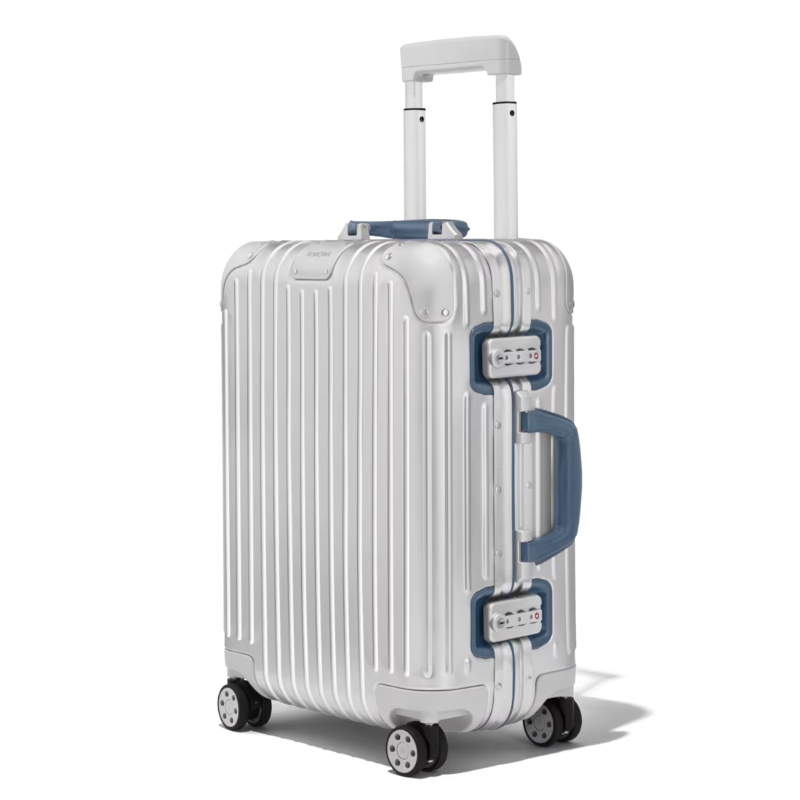
Honestly, aluminum luggage just looks fancy. That brushed metal finish pops on the baggage carousel and gives off a vibe. Rimowa basically built its whole brand around this look.
If you see luggage as more than just a tool, the metal suitcase style makes a statement. You’ll stand out in hotel lobbies and airport lounges. For frequent travelers, that polished look actually matters.
But wow, you pay for it. Aluminum luggage from big brands costs way more than polycarbonate. Sometimes you’ll spend three or four times as much for the metal version.
That prestige attracts business travelers who want their luggage to match their image. It says you care about quality and the little details.
Weight and Portability
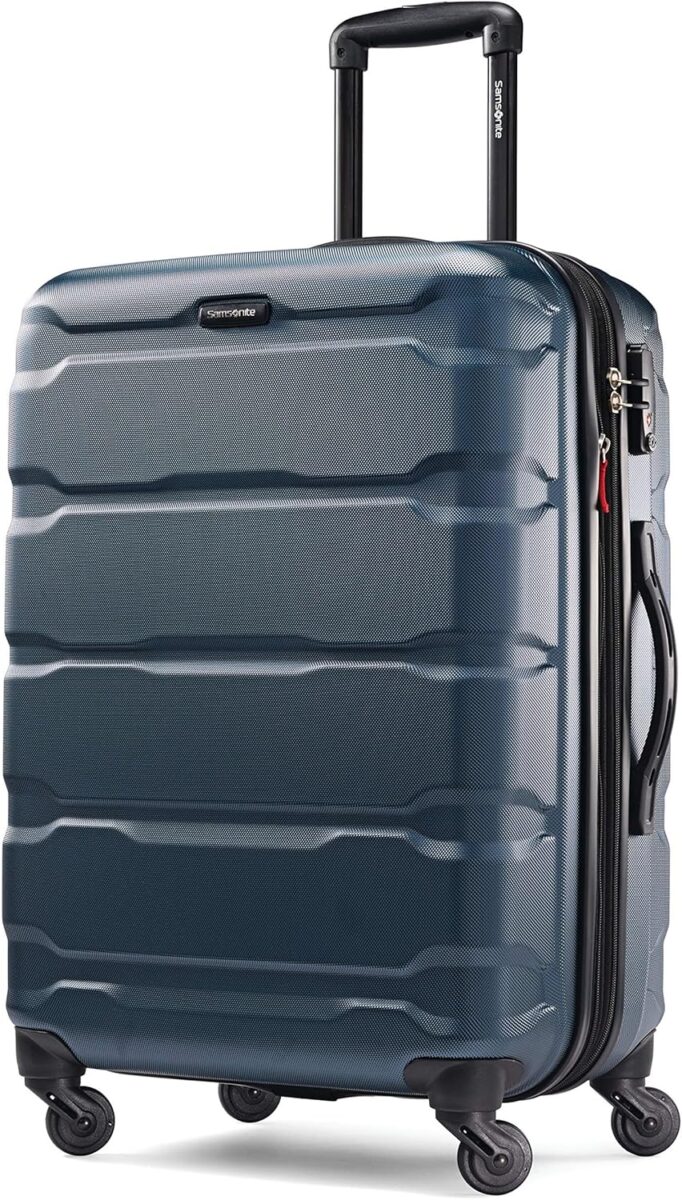
Here’s the catch—aluminum luggage is heavy. Compared to polycarbonate, an aluminum suitcase can weigh about 45% more. That eats into your airline weight allowance before you even start packing.
If you check your bags, you might hit overweight fees more often. The extra weight really shows up when you’re dragging your bag through airports or lifting it into a car. Your arms and shoulders will notice by the end of the day.
Frequent flyers have to ask themselves if the durability is worth the extra pounds. Some airlines are strict about both checked and carry-on weights, and starting with a heavier empty bag puts you at a disadvantage.
Polycarbonate Luggage: Strengths and Drawbacks
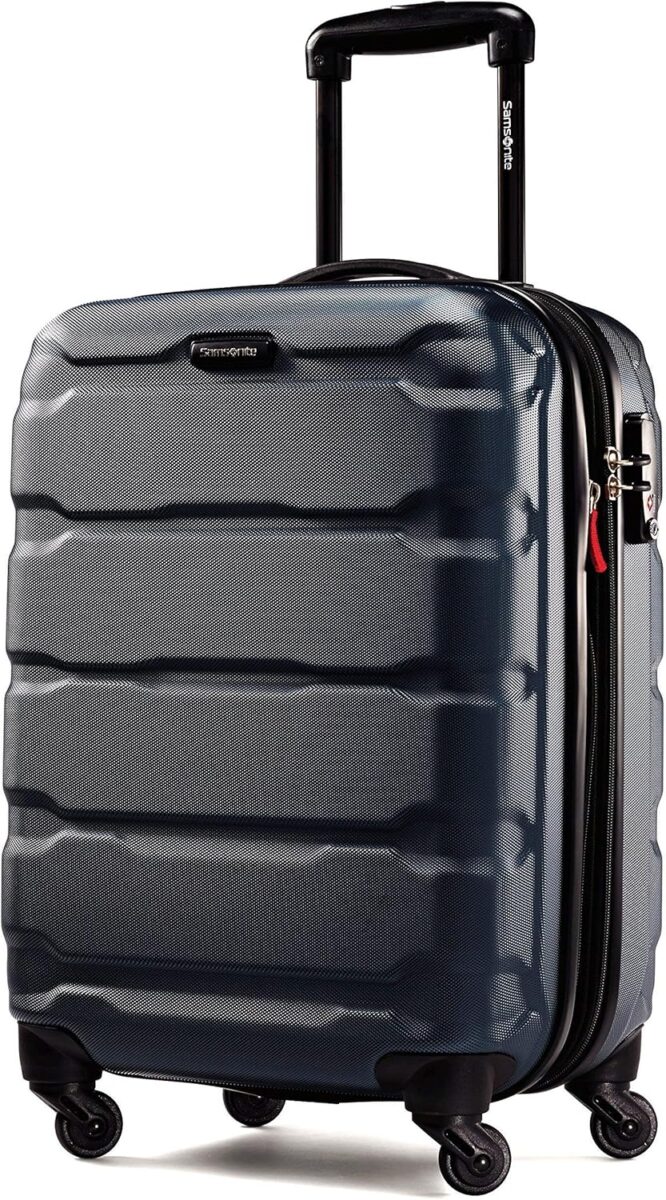
Polycarbonate suitcases hit a nice balance of weight, strength, and price. The material flexes instead of cracking, costs less than metal, and you can find it in just about every color out there.
Lightweight and Flexible Construction
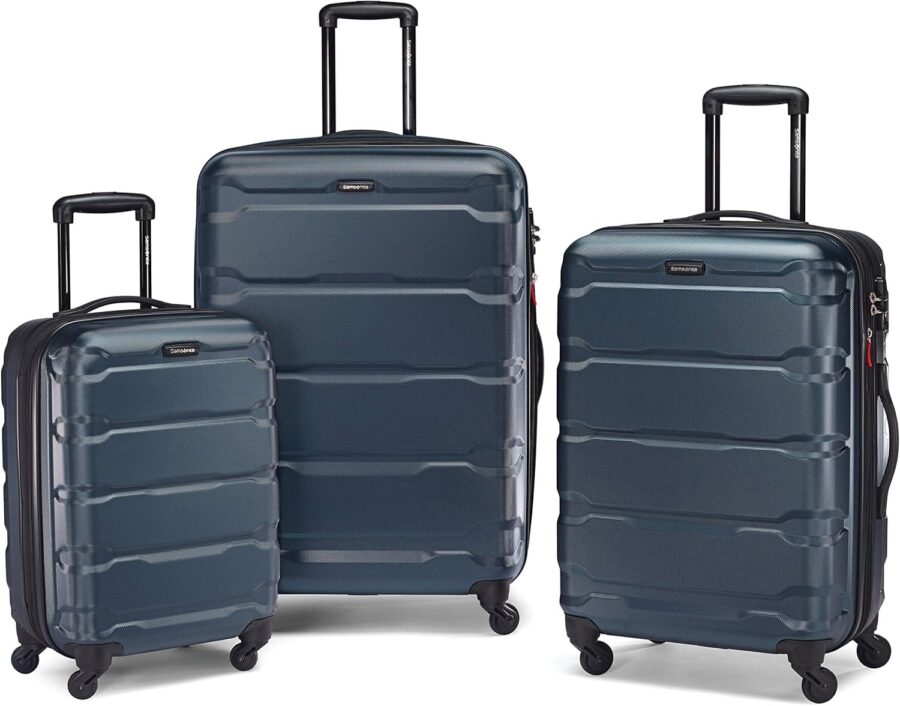
Polycarbonate shells are much lighter than aluminum. You’ll feel the difference lifting your bag into an overhead bin or dashing to your gate. When airlines care about every pound, lighter luggage means more room for your stuff.
Polycarbonate stands out because it flexes. When baggage handlers toss your bag (and let’s be honest, they will), the shell bends and bounces back.
That flexibility helps avoid cracks. You can even overpack a little without worrying about the case splitting.
But it’s not invincible. Sharp impacts, especially on corners or edges, can still mess up a polycarbonate suitcase.
Impact Resistance and Durability
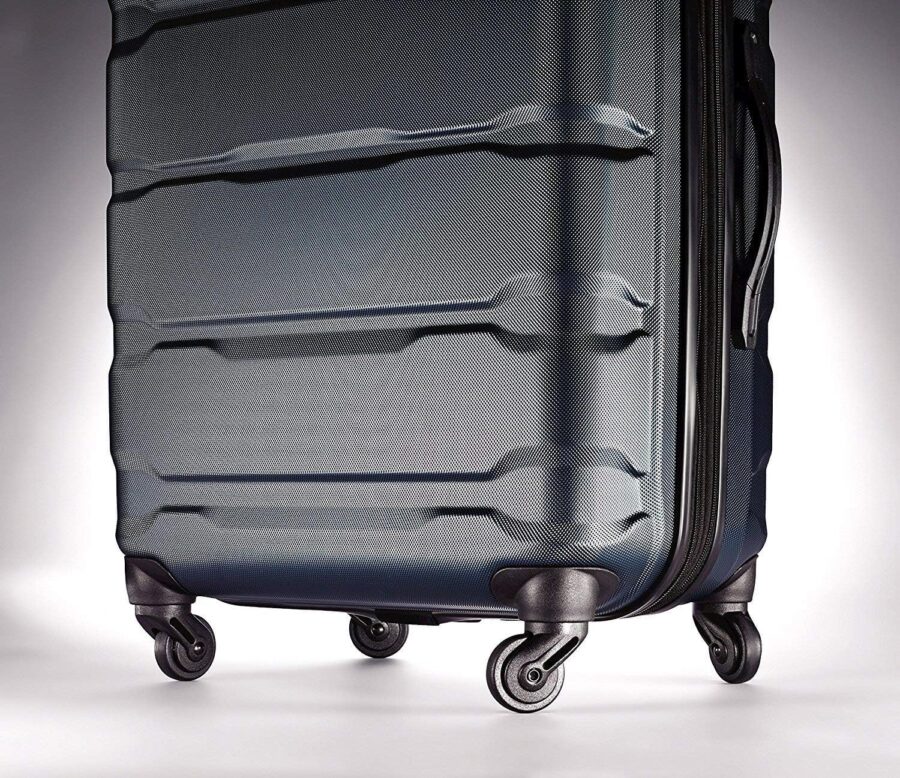
Polycarbonate takes a beating better than most materials. The thermoplastic build absorbs shocks from drops and bumps. Your stuff stays safer when your bag falls off a cart or gets tossed around.
It also holds up in the cold. While ABS luggage can get brittle in freezing weather, polycarbonate keeps its strength whether you’re in Alaska or Arizona.
Scratches are its weak spot. Polycarbonate shows marks more easily than aluminum.
Light-colored cases really highlight every scrape after a few trips. The scratches don’t hurt how it works, but your bag will look used pretty quickly.
Design Versatility and Color Selection
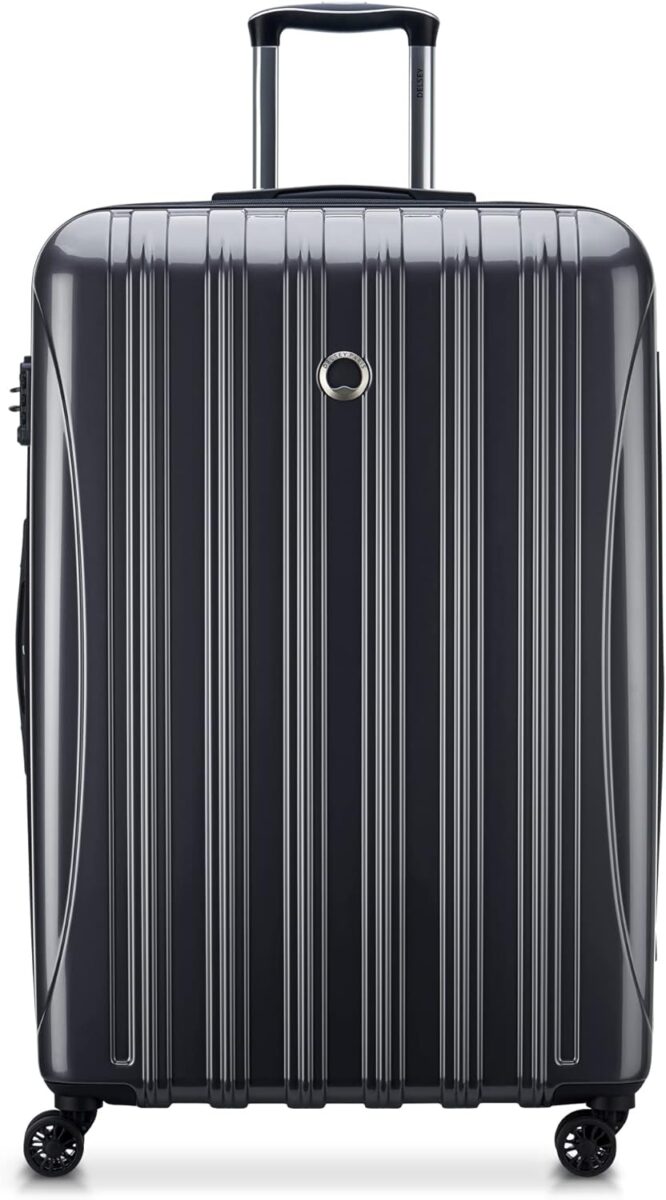
Brands like Samsonite, Delsey, and Away make polycarbonate luggage in a rainbow of colors and patterns. Go bright so you can spot your bag instantly, or pick a classic navy for a more understated look. Some even have metallic finishes or prints you just can’t get with aluminum.
Polycarbonate’s molding process allows for curves, built-in pockets, and textured surfaces. Brands can get creative with handles and features right in the shell. So, you get way more options to match your travel style.
Cost and Accessibility
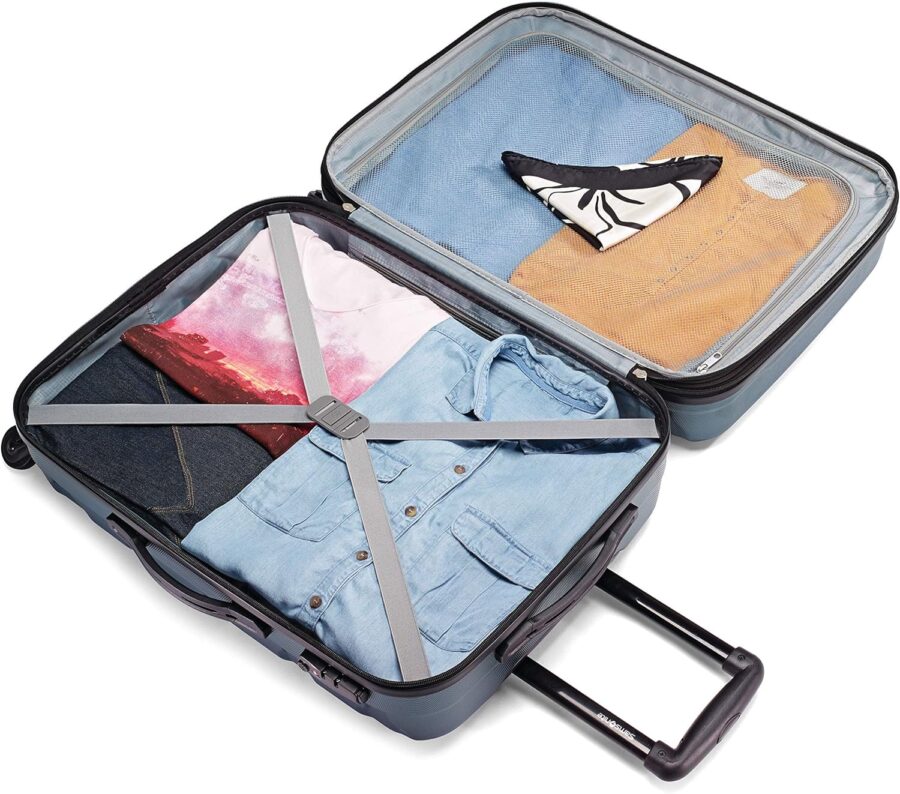
Polycarbonate suitcases are easier on your wallet but still protect your stuff. Good brands sell quality polycarbonate luggage for a fraction of what you’d pay for aluminum.
The price gap is big. A decent polycarbonate suitcase usually costs $150-$400, while aluminum starts around $500 and keeps climbing. For what you’d spend on one aluminum bag, you could buy a whole polycarbonate set.
Affordable doesn’t mean flimsy, either. Major brands back their polycarbonate luggage with warranties just as good as the ones for their pricier stuff.
See Related: Hardside Luggage vs Softside Luggage: Ultimate Buyer’s Guide
Side-by-Side Performance Comparison
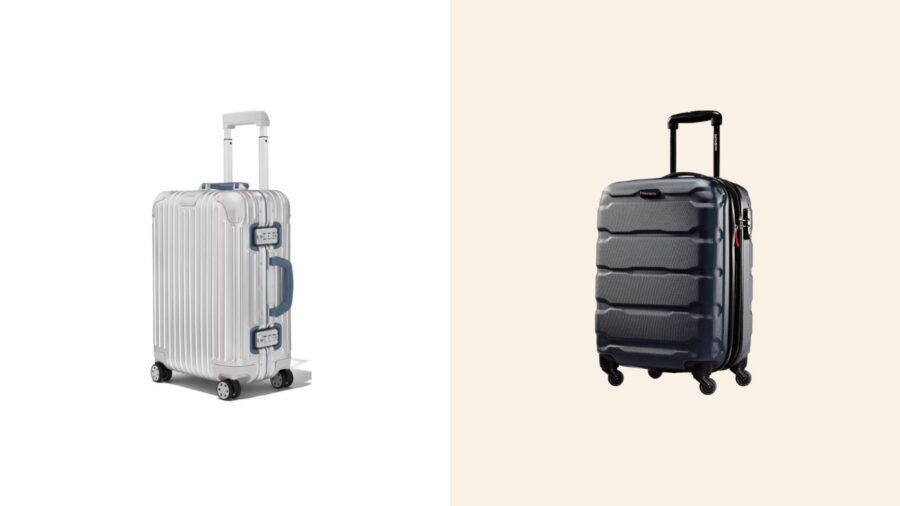
Aluminum and polycarbonate each have their quirks depending on your destination and packing style. Aluminum suitcases are heavier but more secure, while polycarbonate is easier to move around and needs less fuss.
Portability and Airline Handling

Weight really matters when you’re hustling through airports. Polycarbonate carry-ons weigh about 3-4 pounds less than aluminum ones of the same size. That can save you from surprise fees when airlines get strict about carry-on and checked baggage weights.
Aluminum can push you over weight limits faster. A medium aluminum case often weighs 13-15 pounds empty, while polycarbonate versions sit closer to 8-10 pounds. On budget airlines, those pounds can cost you.
Spinner wheels also feel different. Polycarbonate cases usually have lighter wheels that glide smoothly. Aluminum needs beefier wheels to handle the weight, which can make them feel less nimble.
In crowded spaces, polycarbonate wins for maneuverability. You can spin and steer a light case with one hand, coffee in the other. Aluminum takes more muscle, especially in tight spots like airplane aisles or packed shuttles.
Security Features and Zipperless Options

Aluminum takes the prize for security. Most aluminum cases ditch zippers for metal latches and frames, creating a tough barrier. Thieves can’t just slice through metal.
Both types usually have TSA locks, but aluminum adds another layer. The solid frame and rubber gaskets keep things sealed and tamper-resistant. Some models even have dual TSA locks.
Polycarbonate relies on zippers, which are a weak spot. Even with TSA locks, someone with a pen can pop open a zippered hard-shell case in seconds. So, you probably don’t want to check anything super valuable in polycarbonate luggage.
Security features can vary. Some high-end polycarbonate cases reinforce their zippers or add sneaky pockets. But aluminum just scares off thieves by being noisy and tough to crack.
Maintenance and Long-Term Appearance
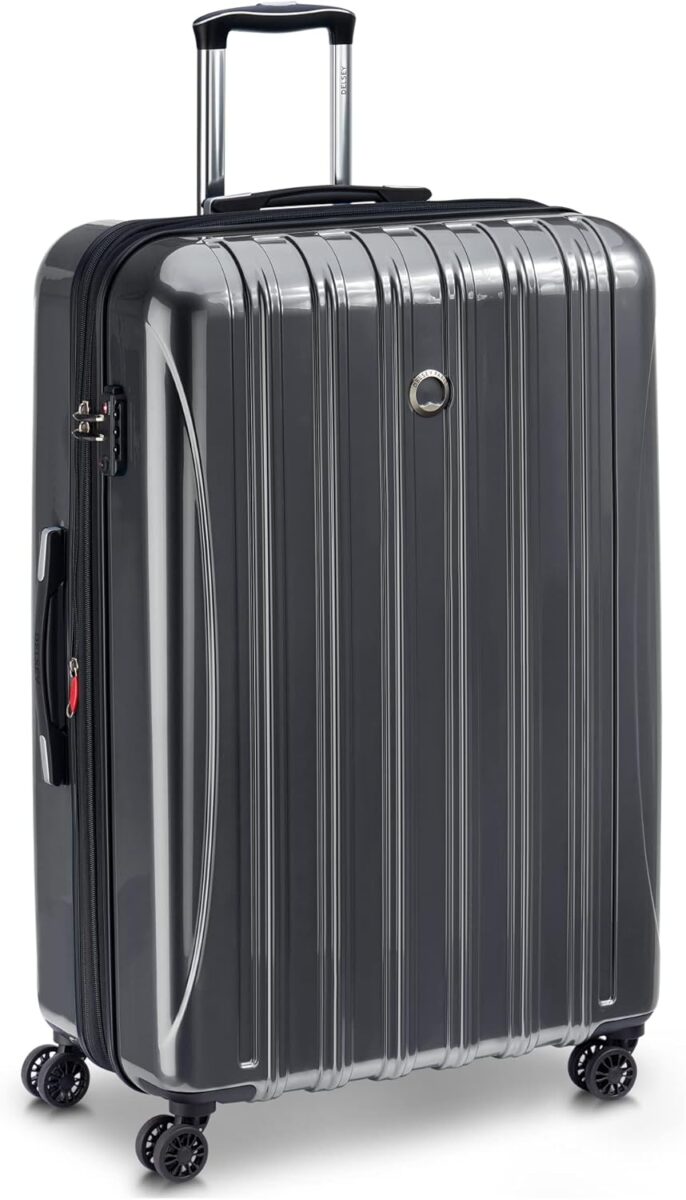
Polycarbonate is low-maintenance. Just wipe it down with a damp cloth and some soap. Scratches are less obvious, especially on textured or patterned shells.
Aluminum shows every ding and dent. If baggage handlers drop it, those marks stick around. Some people love the “well-traveled” look, but if you want spotless luggage, aluminum might annoy you.
Warranties are usually longer for aluminum. Many brands offer lifetime coverage on aluminum frames since they last so long. Polycarbonate warranties are more like 3-10 years, since the plastic wears out eventually.
Long-term, it comes down to what you like. Aluminum gets a patina that some travelers love and others hate. Polycarbonate can crack after years of rough handling, especially around the wheels and corners.
Suitability for Different Travelers and Trip Types

Choosing between aluminum and polycarbonate really depends on your travel style. Business travelers often go for aluminum because it looks sharp and feels secure, while families and casual travelers like polycarbonate for its lighter weight and easier handling.
Carry-On vs Checked Luggage Needs
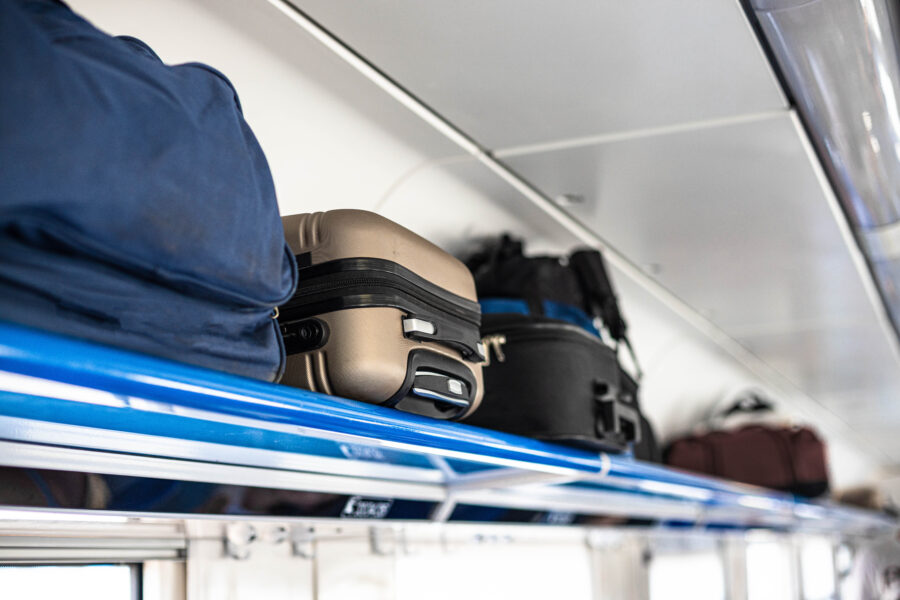
Weight is a bigger deal for carry-on luggage than checked bags. An aluminum carry-on can weigh 45% more than a polycarbonate one, which eats into your allowed weight before you even pack.
For checked bags, the weight difference isn’t as big a deal since you usually get a 50-pound limit. Still, if you check multiple bags or pack heavy, aluminum can push you over and cost you.
For fragile or valuable items, aluminum checked bags are better. The rigid shell protects better against the rough handling bags get behind the scenes.
Business and Frequent Flyer Preferences
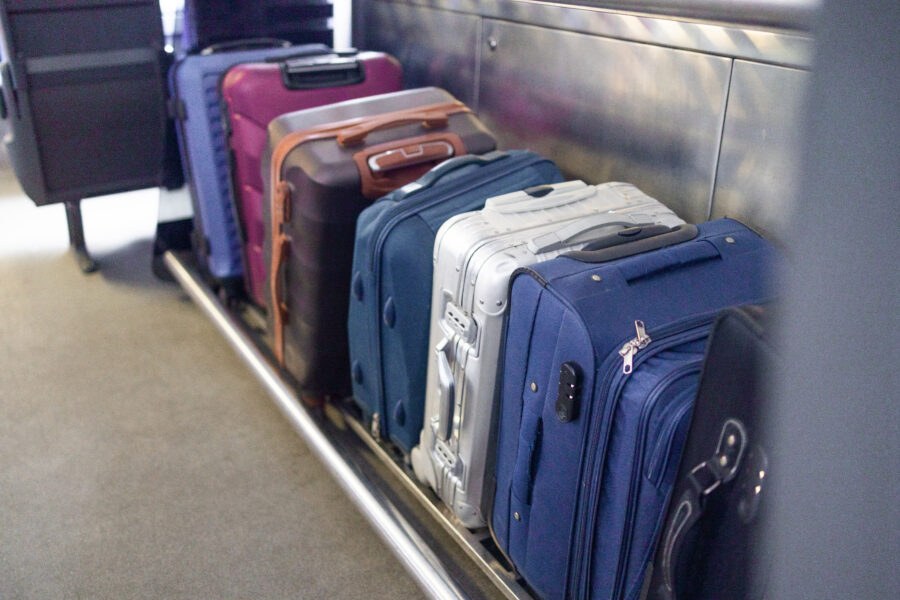
Business travelers and frequent flyers often pick aluminum for good reason. The sleek look stands out in lounges and hotels.
Security is a big selling point. Aluminum cases usually have metal closures, not zippers, so they’re tougher to break into. If you’re carrying expensive gear or important papers, the extra security is worth the weight.
Durability matters when you travel all the time. Aluminum holds up and keeps looking good longer than polycarbonate, even with constant use.
But not everyone wants to drag a heavy bag everywhere. Some frequent flyers switch to polycarbonate just to save their shoulders and backs. If you care more about comfort than appearance, polycarbonate might be your pick.
Family and Leisure Travel Considerations

Families really need luggage that’s easy to handle, especially when you’re juggling kids and a pile of bags. Polycarbonate just makes life easier here—lighter bags mean less effort, and that’s a blessing when you’ve got a toddler in one arm and a suitcase in the other.
Polycarbonate’s flexibility helps when you want to cram in those last-minute souvenirs. You can squeeze a bit more into a polycarbonate case without worrying about cracking the shell. That’s pretty handy after a trip to the gift shop.
If you’re watching your budget, polycarbonate is a no-brainer. You can pick up three or four polycarbonate suitcases for the price of a single high-end aluminum one. Outfitting the whole family suddenly feels way less painful.
For folks who only travel a few times a year, the extreme durability of aluminum just isn’t necessary. Polycarbonate gives you plenty of protection for occasional trips, and you don’t have to pay a premium.
See Related: Best Travel Bags for Suits: Ultimate Guide to Staying Wrinkle-Free
Environmental Impact and Longevity

Both materials have their own environmental footprints and lifespans, which really affect their long-term value. Aluminum suitcases usually last longer but need more energy to produce, while polycarbonate is lighter on manufacturing resources but probably won’t stick around as long.
Sustainability of Materials
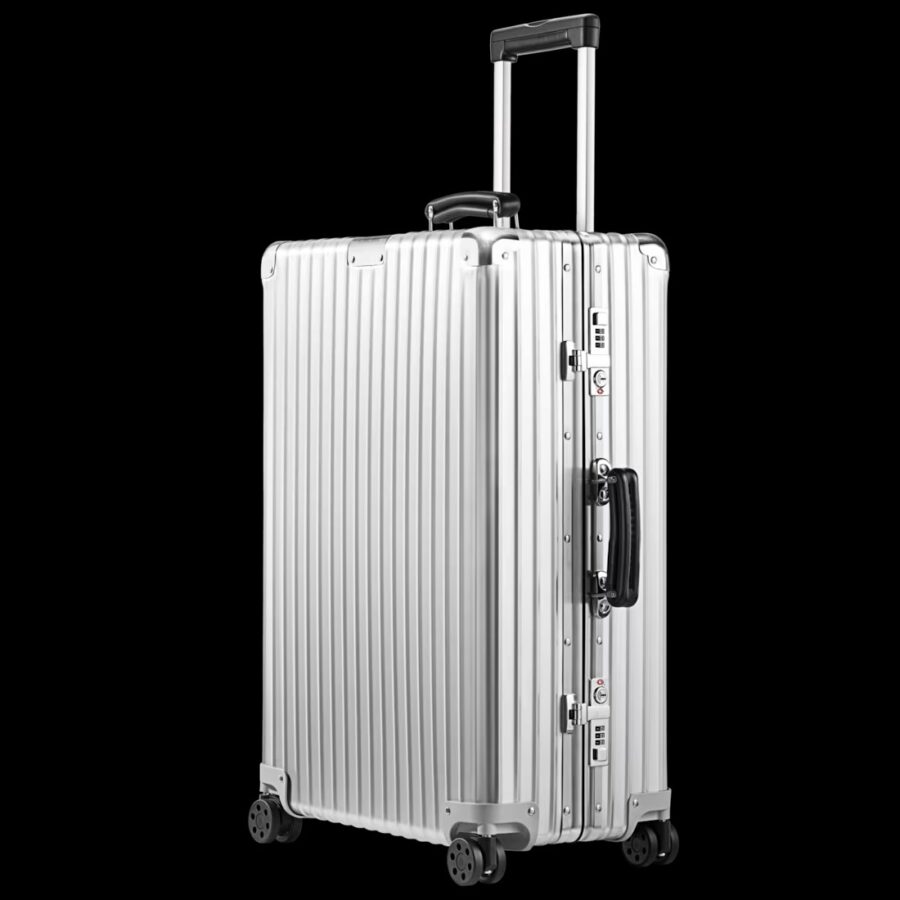
Aluminum production uses up a lot of energy and requires mining. The extraction process releases plenty of carbon emissions.
But here’s something worth noting—aluminum can be recycled forever without losing quality. When your aluminum suitcase finally gives out, someone can melt it down and turn it into something new, over and over.
Polycarbonate is made from petroleum-based plastics, tying it directly to fossil fuel consumption. Making polycarbonate takes less energy than producing aluminum, but recycling it is a pain and not very efficient. Most polycarbonate luggage just ends up in landfills, where it can sit for hundreds of years.
Product lifespan changes the sustainability equation. An aluminum suitcase that lasts 15-20 years ends up with a smaller per-trip environmental cost than replacing three polycarbonate cases over the same period. How often you travel and how well you take care of your luggage really makes a difference here.
Repairability and Warranty Coverage
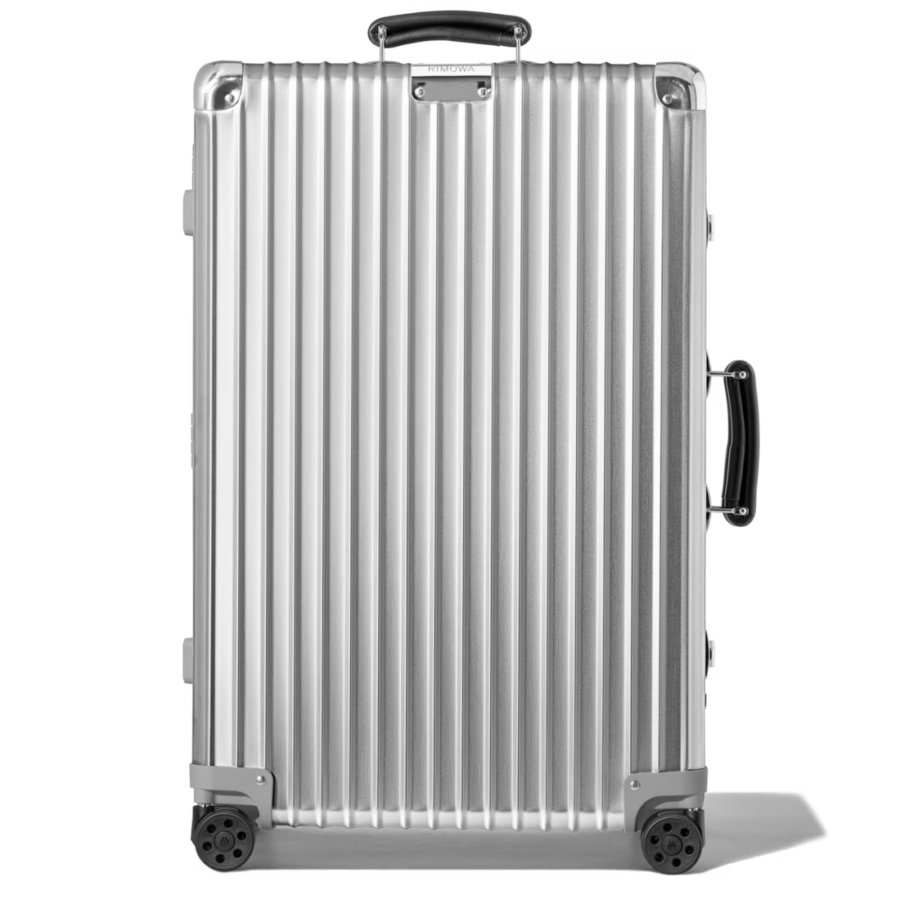
You can repair aluminum suitcases more easily when something goes wrong. If you dent the shell, just hammer it out. Scratches? Buff them away.
Broken parts? Swap them out. Many brands offer 5-10 year warranties on aluminum luggage, and some premium companies even offer lifetime coverage.
Polycarbonate luggage is trickier. Cracks or breaks in the shell usually can’t be fixed.
Sure, you can replace wheels or handles, but if the main body is damaged, you’re probably buying a new bag. Most polycarbonate warranties last 2-5 years and only cover manufacturing defects, not regular wear and tear.
Repairability matters more than you might expect. A repairable aluminum case can last decades, keeping it out of the waste stream longer. Some companies even offer repair services that can bring really beat-up aluminum luggage back to life.
Key Takeaways for Your Next Luggage Purchase

Your choice between aluminum and polycarbonate really depends on what you value most in a suitcase and which brands actually deliver those features.
Matching Suitcase Features to Personal Priorities
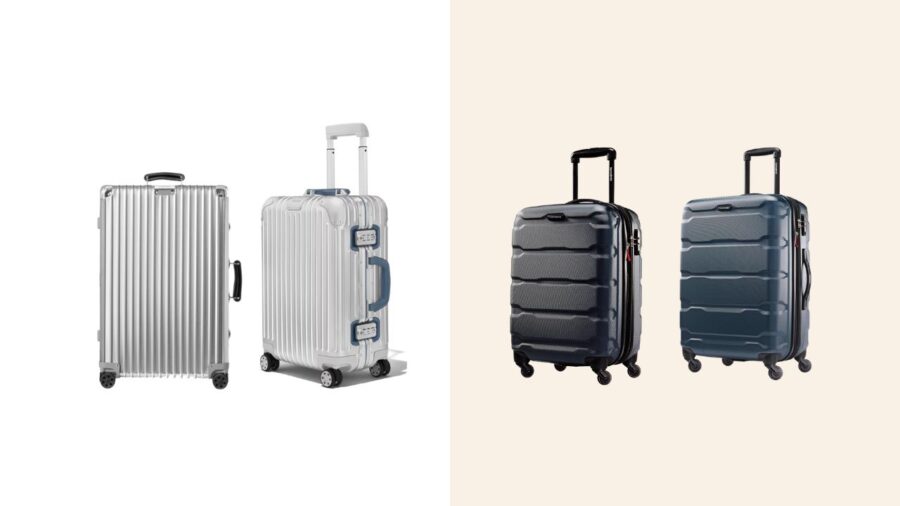
Think about how you actually travel before picking a material. If you check bags a lot and worry about rough baggage handlers, aluminum’s impact resistance makes sense. But if you’re trying to stay under airline weight limits, polycarbonate is the clear winner.
Budget definitely plays a role. Aluminum hardside luggage costs more up front, though it might last longer. Polycarbonate gives you good hard shell luggage at more affordable prices.
Packing style matters too. Polycarbonate has some give, so you can squeeze in that extra sweater. Aluminum keeps its rigid shape, so what you see is what you get for space.
Weather resistance? Both materials hold up pretty well. Security features like TSA locks usually come standard on quality hardside luggage, regardless of material.
Leading Brands and Noteworthy Models

Rimowa leads the aluminum pack with their classic grooved suitcases, though their polycarbonate lines offer lighter alternatives at a slightly lower price. Away focuses on polycarbonate, especially with their Medium and Bigger Carry-On, keeping things affordable and adding extras like built-in compression systems.
Tumi sells both materials, but their prices are always up there. Their aluminum models go head to head with Rimowa. Samsonite makes solid polycarbonate options that balance durability and price better than most.
Monos has gotten a lot of buzz for its sleek polycarbonate designs at mid-range prices. When you compare polycarbonate vs aluminum luggage from these brands, you’ll notice aluminum models weigh 3-5 pounds more in the same size. That extra weight adds up, especially when airlines start charging $100+ for overweight bags.
See Related: Smart Rideable Luggage Review: Worth the Hype for Travelers?
Frequently Asked Questions

Aluminum and polycarbonate luggage each bring their own perks to your travels, from weight and durability to cost and maintenance. Which one you pick really comes down to your travel style.
What are the durability differences between aluminum and polycarbonate luggage?
Aluminum luggage gives you top-notch strength and protection for your stuff. The metal shell stands up to crushing forces, so it’s perfect if you travel with fragile items or check bags on rough routes.u003cbru003ePolycarbonate is tough too, but it handles impacts differently. It flexes to absorb shocks instead of just resisting them. Your polycarbonate case might dent or scratch more easily than aluminum, but it’s less likely to crack under stress.u003cbru003eOver time, aluminum keeps its structure for years, even with heavy use. Polycarbonate tends to wear out faster, especially at corners and hinges.
How does the weight of aluminum compare to polycarbonate in luggage selection?
Polycarbonate luggage is a lot lighter than aluminum. You’ll notice it as soon as you pick up your bag or weave through a crowded airport. A typical polycarbonate carry-on is several pounds lighter than its aluminum twin.u003cbru003eThat weight difference really matters for your u003ca href=u0022https://www.realjourneytravels.com/packing-cubes-vs-compression-bags/u0022u003epacking capacityu003c/au003e. Airlines are strict about weight limits, and a u003ca href=u0022https://www.realjourneytravels.com/lightweight-backpack-for-travel/u0022u003elighter suitcaseu003c/au003e means you can bring more without going over.u003cbru003eAluminum’s extra weight comes from its metal build. Even though modern aluminum luggage is lighter than the old stuff, it still adds some heft. If you pack light or travel a lot, that extra weight can get annoying.
What are the cost implications when choosing between aluminum and polycarbonate suitcases?
Aluminum suitcases cost more up front than polycarbonate. You’re paying for the metal, the specialized manufacturing, and usually a more polished finish. Sometimes the price is double or triple what you’d pay for polycarbonate.u003cbru003ePolycarbonate gives you better value if you’re on a budget. You can find plenty of good options at mid-range prices that work well without breaking the bank.u003cbru003eBut here’s something to think about—aluminum luggage often lasts longer. If you look at cost per year of use, aluminum might actually be the better deal in the long run. It depends on how often you travel and how rough you are on your bags.
How do aluminum and polycarbonate luggage perform under varying travel conditions?
Aluminum handles tough conditions better than polycarbonate. It stands up to high temperatures, won’t warp in heat, and keeps protecting your stuff no matter the climate. The metal shell also keeps moisture out more reliably.u003cbru003ePolycarbonate does fine in most travel situations but has its limits. Extreme cold can make it brittle, and long exposure to harsh conditions can wear it out faster than aluminum.u003cbru003eBoth materials deal with rain and moisture pretty well, but aluminum gives you a tighter seal. Your belongings stay drier in aluminum luggage during sudden downpours or when your bag sits on a wet tarmac.
Can the security features of aluminum luggage justify its price compared to polycarbonate options?
Aluminum luggage steps up your security game with its rigid frame and reinforced build. The metal shell is tougher to break into than polycarbonate, which gives you more peace of mind if theft is a concern.u003cbru003eBoth materials usually come with TSA-approved locks. Still, aluminum adds that extra layer of physical security. The sturdy frame makes it harder for anyone to force open your luggage or cut through the shell.u003cbru003eIs it worth the higher price? That really depends on your travel habits. If you travel internationally or carry valuables, the extra security might be worth every penny. For casual travelers sticking to domestic trips, polycarbonate’s security features are probably enough.
What are the maintenance considerations between aluminum and polycarbonate luggage?
You can clean aluminum luggage with a damp cloth and a bit of mild detergent—nothing fancy required. The metal surface won’t soak up stains or odors, but, honestly, scratches and scuffs stand out pretty easily. If you care about looks, that might get a little frustrating over time.u003cbru003ePolycarbonate needs about the same basic cleaning. The big difference? It hides scratches much better. Most small marks just seem to disappear into the material, especially if the case has a textured finish. That texture does a nice job covering up the usual bumps and scrapes from travel.u003cbru003eWhen you think long-term, the maintenance needs shift a bit. Aluminum dents, and those dents are tough—sometimes impossible—to fix. Still, the luggage usually keeps working.u003cbru003ePolycarbonate, on the other hand, might crack or break at certain stress points. If that happens, you’ll probably need to replace the whole piece, since repairs aren’t really an option. Neither material needs any fancy treatments or coatings to stay in good shape.


