Last modified August 17, 2026
Packing for a trip always feels a bit like playing luggage Tetris. You want everything to fit, stay organized, and not look like it’s been through a tornado.
That’s where packing cubes and compression bags step in—but honestly, they’re not the same thing at all. Packing cubes help you keep your gear organized and easy to grab, while compression bags squeeze down bulky stuff to save space.
I’ve tried both, from quick weekend escapes to those months-long backpacking adventures, and honestly, it depends on your style. Hate digging for socks? Cubes will be your new bestie.
But if you’re desperately trying to stuff chunky sweaters into a carry-on for a winter trip, compression bags might just save your sanity.
Key Takeaways
- Packing cubes keep you organized and make access a breeze
- Compression bags crush bulk, but wrinkle clothes more
- Your best bet depends on trip length, clothing, and how you like to pack
Packing Cubes vs Compression Bags: Key Differences
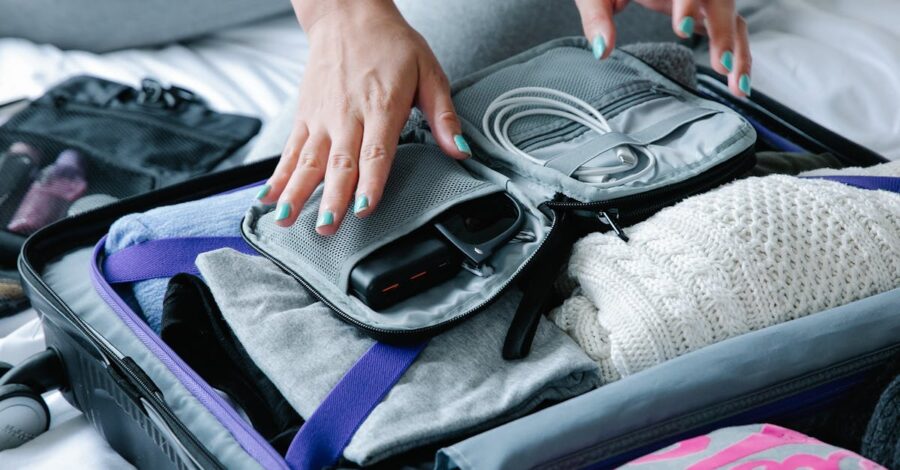
Packing cubes and compression bags both make packing easier, but they solve different headaches. One keeps your stuff neat and easy to spot, while the other is all about squeezing every bit of space out of your bag.
Honestly, the right choice comes down to your packing habits, what you’re bringing, and how often you plan to unpack.
Space Saving Capabilities
If you’re laser-focused on cramming more into a smaller bag, compression bags win hands down. They squeeze air out of your clothes, making bulky things like sweaters and jackets shrink down.
Packing cubes? They help you keep things compact, sure, but you won’t see a huge size difference.
But here’s the catch with compression bags: just because you can fit more doesn’t mean you should. Extra weight can turn your bag into a beast to carry.
And yeah, your clothes will probably come out looking like they lost a fight with a steamer, especially if you overdo the compression.
| Feature | Packing Cubes | Compression Bags |
|---|---|---|
| Space Reduction | Minimal | High |
| Wrinkle Risk | Low | High |
| Best For | Light to moderate packers | Bulky clothing, winter trips |
Organization and Accessibility
Packing cubes really shine when it comes to order. You can group your stuff—shirts in one, underwear in another—and just grab what you need.
Ever dug through a stuffed bag for socks? Yeah, cubes fix that. I love color-coding or labeling them for quick grabs.
Compression bags, though, aren’t so friendly for mid-trip access. Once you seal and roll the air out, you’ll have to open the whole thing to fish out one item.
That usually means you’ll need to re-compress before packing it back up. Not fun if you’re hopping around a lot.
If you unpack often or bounce between places, you’ll appreciate cubes way more than the squeezing power of bags.
Suitability for Different Travel Styles
How you travel changes everything. If you’re always on the move—switching hotels every couple of nights—packing cubes make life easier.
You can unpack and repack in minutes, no wrestling with plastic bags required.
For longer stays or trips with cold-weather gear, compression bags start to make sense. They help you fit heavy layers into a carry-on or maybe even skip checking a bag.
Backpackers or campers love stuff sack–style compression bags for sleeping bags or puffy jackets. But if you’re headed to a city or on a business trip, cubes keep your clothes looking decent.
Sometimes, mixing both is the sweet spot—cubes for everyday clothes, compression bags for the bulky or dirty stuff.
That combo gives you order and extra space, without making things a hassle.
See Related: Eco-Friendly Packing Cubes: Sustainable Options for Organized Travel in 2026
What Are Packing Cubes?
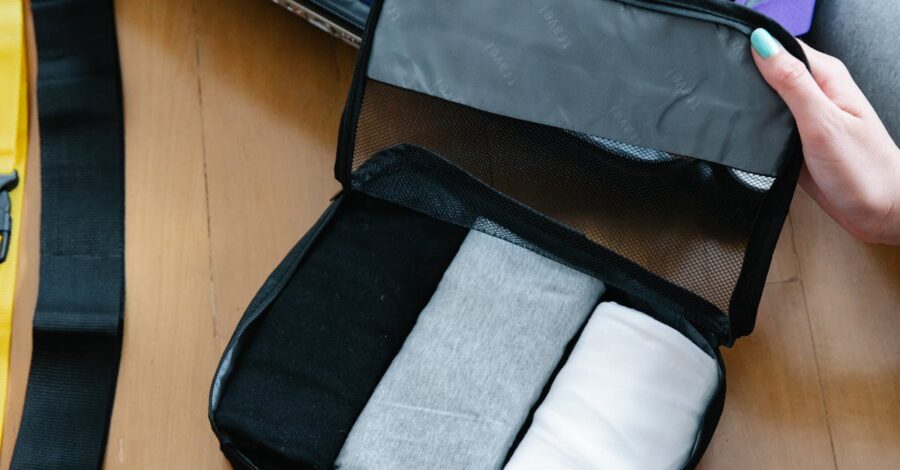
Packing cubes are small, zippered fabric containers that help you group and stash your clothes in tidy, easy-to-grab bundles inside your bag.
They don’t just keep things neat—they make packing and unpacking way faster, and you won’t have to dig through a mess halfway through your trip.
How Packing Cubes Work
Imagine each cube as a mini drawer in your suitcase. You sort your clothes—shirts here, undies there—and zip them up.
Now you can pull out just what you need, no chaos required.
Most cubes open on three sides, so you can lay them flat and see everything at a glance. Rolling your clothes before packing them inside makes the most of the space and keeps wrinkles at bay.
They also let you repack in a flash when you’re moving between hotels or catching a train. Instead of stuffing loose clothes back into your bag, you just drop in the cubes.
For trips with multiple stops, this is a total game-changer.
Types and Materials
Packing cubes come in a few main shapes—rectangular, slim, and half-size cubes.
Rectangular cubes are the MVPs, fitting well in both suitcases and backpacks. Slim cubes work for socks or accessories, and half-size cubes are handy for short trips.
Most cubes are made from lightweight nylon or polyester. Mesh tops are popular—you can see what’s inside without opening them.
Some have water-resistant panels to keep damp clothes separate.
Zippers matter more than you’d think—a sturdy YKK zipper will last way longer than a flimsy one. If you travel a lot, it’s worth paying for better materials and construction.
You’ll find plenty of travel gear sets that come with multiple cube sizes.
Best Packing Cubes for Travelers
The best cubes balance durability, weight, and how easy they are to use. I’d go for a set with at least one big cube for bulkier clothes and a couple of smaller ones for underwear or gym gear.
Want something that’ll last? Look for cubes with reinforced stitching and structured fabric that stands up on its own when empty.
That makes packing way easier.
Some brands make cubes shaped to fit their bags perfectly, which can save space. But honestly, you don’t have to match brands—just measure your bag’s interior and pick cubes that fit snugly.
If you travel a ton, investing in a high-quality set pays off over the years. For the occasional vacation, a mid-range set still keeps your stuff neat and easy to find.
What Are Compression Bags?
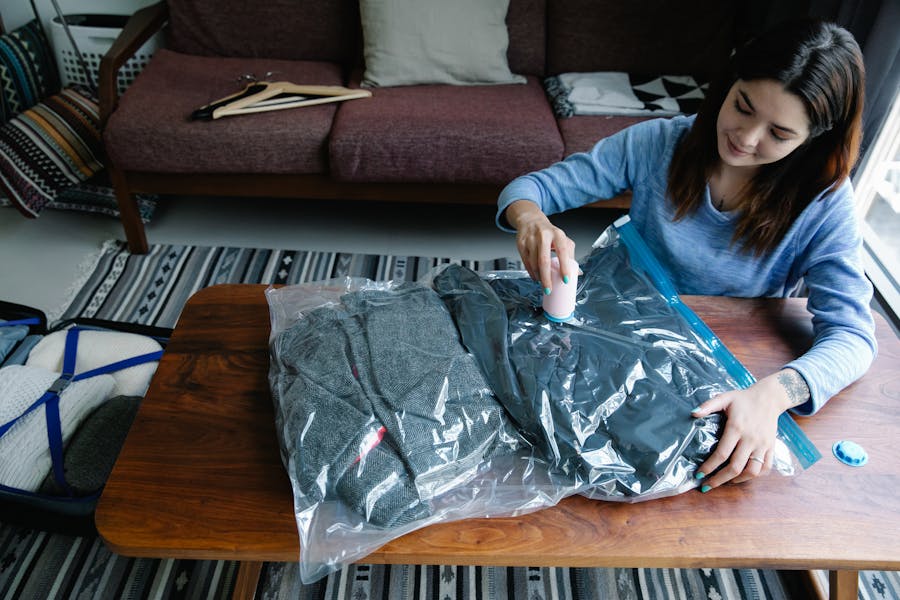
Compression bags let you pack bulky clothing into a much smaller space by squeezing out extra air.
They’re a lifesaver when you need to fit more into a carry-on or stash seasonal clothes at home without hogging closet space.
The concept? Simple: remove the air, reduce the volume.
How Compression Bags Function
A compression bag is usually made from thick, airtight plastic. You toss your clothes in, seal it up, and then push or roll the air out.
Some have a one-way valve so air escapes but can’t sneak back in.
The magic is how much space you save. Puffy jackets, sweaters, and blankets shrink down to a fraction of their size.
These bags won’t make your luggage lighter—they just make it smaller. So yeah, you still have to watch airline weight limits.
And because the clothes get packed in so tightly, wrinkles are almost a given. They’re better for stuff that doesn’t need to look crisp when you pull it out.
Vacuum Bags vs Manual Compression
There are two main types: vacuum-sealed bags and manual compression bags.
Vacuum bags need a pump or vacuum cleaner to suck out the air. They’re awesome for home storage or long trips where you won’t unpack much.
Manual compression bags don’t need any extra gear. You just roll or press them to force air out through a one-way vent.
They’re easier to use on the go, especially if you’re bouncing between hotels.
From my own travels, vacuum bags do give you a bit more compression, but they’re a pain if you can’t find a vacuum at your destination.
Manual ones are more travel-friendly, though they don’t always get things quite as flat.
Ideal Items for Compression Bags
Compression bags work best with soft, bulky fabrics that trap a lot of air.
Think:
- Winter coats and ski pants
- Sweaters and hoodies
- Puffy vests
- Spare blankets or sleeping bags
They’re not much help for small, dense stuff like jeans or shoes—you just won’t save space there.
If you’re backpacking in cold places, you can keep your warm gear compact until you need it.
For long-term storage, they protect clothes from dust, moisture, and that weird musty smell.
See Related: Vacation Packing Tips: Essential Travel Checklist for Stress-Free Packing
Compression Packing Cubes: The Hybrid Solution
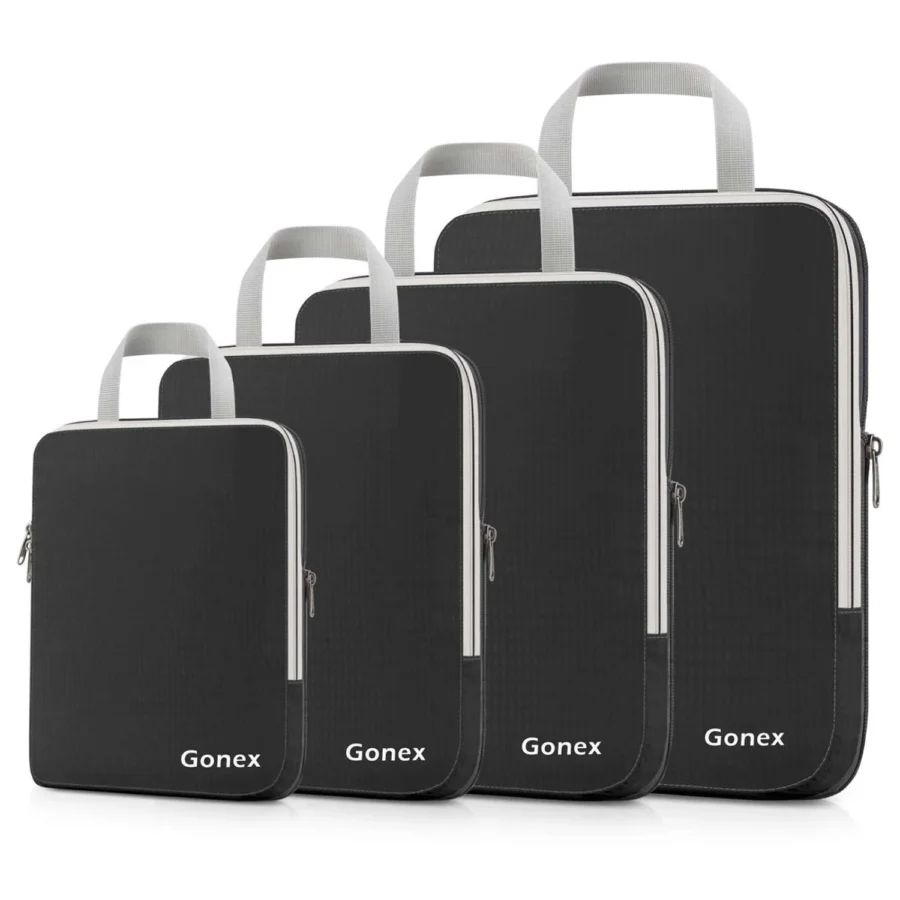
Compression packing cubes blend the order of standard cubes with the space-saving squeeze of compression bags.
They use built-in zippers to flatten your clothes—no pumps or vacuum cleaners needed. It’s a practical middle ground for a lot of travelers.
How Compression Packing Cubes Differ
Unlike regular cubes, compression cubes have an extra zipper layer that tightens the cube after you’ve packed it.
This pulls the sides in, reducing thickness and squeezing out excess air.
You don’t have to roll your clothes into tight sausages or hunt for a vacuum. Just zip, press down a bit, and you’re set.
Most are made from nylon or polyester with mesh panels, so you can still see what’s inside. That’s a lifesaver when you’re hunting for socks at 6 a.m. in a hotel room.
They also hold their shape better than compression bags, so your clothes stay in a tidy “drawer” instead of collapsing into a wrinkly mess.
Benefits and Drawbacks
Benefits
- Dual purpose: Organizes and compresses in one go.
- Easy to use: No vacuum or pump needed.
- Durable: Usually made with reinforced stitching and quality zippers like YKK.
- Travel-friendly: Fits well in both carry-ons and checked bags.
Drawbacks
- Limited compression: Flattens clothes by about 20–40%, not as much as a true compression bag.
- Extra weight: Slightly heavier than regular cubes because of the extra zipper and fabric.
- Wrinkles: Clothes can still get creased if you overstuff them.
From my own trips, I’ve found these work best for medium-bulk items—jeans, sweaters, or hoodies. For big puffy jackets, you might still want a regular compression bag.
Popular Compression Packing Cube Brands
Looking for reliable options? Gonex Compression Packing Cubes are a solid place to start.
They’re lightweight, come in different sizes, and survive plenty of rough handling.
Other good picks:
- Eagle Creek Pack-It Isolate Compression Cubes – Tough and water-resistant.
- Peak Design Packing Cubes – Clever design, dual access, smooth compression.
- Amazon Basics Compression Cubes – Budget-friendly and still get the job done.
When you’re shopping, check the zipper quality, fabric thickness, and whether the sizes fit your bag. A cube that’s too big for your carry-on just wastes space, no matter how well it compresses.
Choosing the Right Packing Method for Your Trip
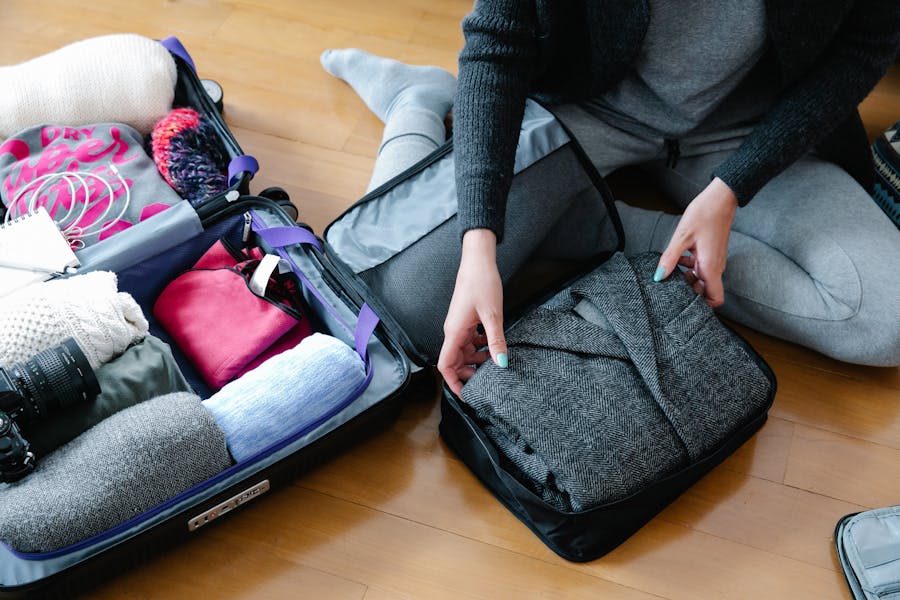
How you pack really depends on your trip, your gear, and how you like to access your stuff. Sometimes, mixing methods is the best move, depending on your packing list and luggage.
Factors to Consider
Think about your travel style first. If you’re switching hotels every night, quick access beats squeezing every inch of space.
That’s where packing cubes shine—you can pull out one cube without dumping your whole bag.
Your luggage type matters too. Hard-shell suitcases can limit how well some compression bags work, since you can’t squish them much once they’re sealed.
Backpacks and duffels are a bit more forgiving.
Also, take your destination into account. Headed somewhere humid or dusty? Compression bags add a layer of protection.
But if you want to see everything at a glance—especially in a cramped guesthouse—cubes are gold.
And let’s be real, ease of use matters. Compression bags take a bit more effort to repack, especially if you’re on the move a lot.
Packing List Planning
How you plan your packing list pretty much shapes how well your method works. I like to scribble down every single item—yep, even the random ones. It’s the only way to spot if you’re hauling chunky sweaters or just a stack of breezy shirts.
Jackets and spare blankets? They squish down nicely, so I always toss those into compression bags. But I’d rather keep socks, underwear, and all those tiny bits together in cubes—otherwise, they just vanish into bag limbo.
If you’re sticking with carry-on only, measure that bag and see if your list actually fits. This is the time to get a bit cutthroat about what stays behind. I know, it’s tempting to cram in more when you’ve got clever packing gear, but that weight adds up fast—especially if you’re hustling through train stations or catching buses.
Combining Packing Cubes and Compression Bags
Honestly, you don’t have to pick just one. I usually run with both on any decent trip. Every day clothes land in cubes for easy grabs, and I bury the bulky or backup stuff in compression bags right at the bottom.
This mashup is a lifesaver if you’re chasing different climates. Keep your summer gear handy, and just seal away those heavy layers until the cold sneaks up.
If you’re bouncing between countries or out for weeks, using both methods can even help with travel insurance if your bag disappears. I’ve been there—it’s way less of a headache to list what’s missing when you know where everything was packed.
Mixing cubes and compression bags? It gives you speed when you need it, and space when you don’t. Why not grab the best of both worlds?
See Related: Carry On vs Personal Item Difference Airlines: 2026 Guide to Baggage Rules & Smart Packing
Expert Tips for Efficient Packing
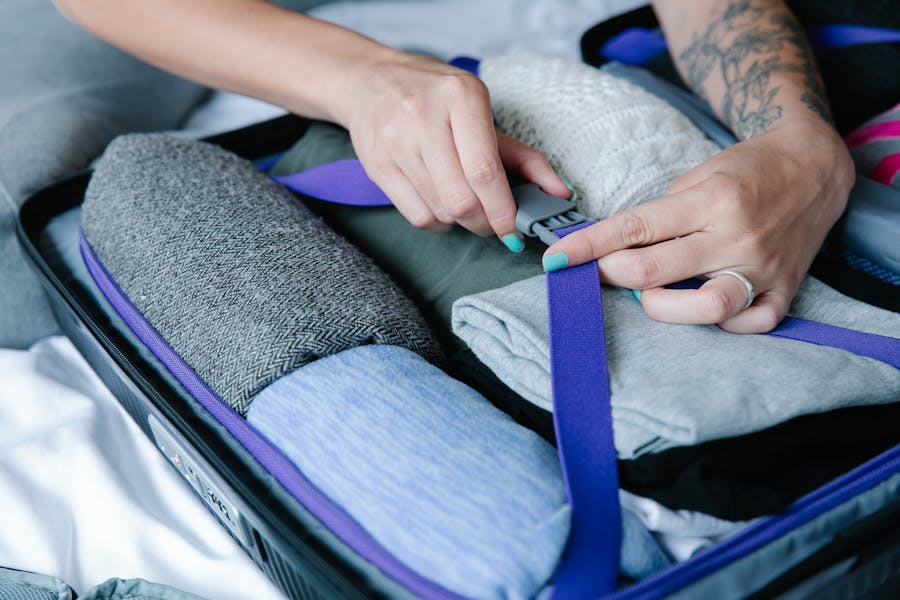
Smart packing isn’t just about playing Tetris with your stuff — it’s really about making your trip smoother from start to finish. The right tools and a little planning can save you time, protect your things, and keep you from lugging around a bag full of “just in case” regrets.
Maximizing Space and Organization
Packing cubes work best when you treat them like mini drawers. I usually toss shirts in one, pants in another, and save a tiny one for underwear. That way, I can reach in and grab exactly what I want—no digging required.
Compression bags? They’re my go-to for stuff I don’t need every day, like jackets or bedding. I roll or fold everything neatly before sealing. Rolling just seems to work better for soft fabrics, but I’ll fold if it’s something structured.
Using both is kind of a game-changer—cubes for the daily stuff, compression bags for the “maybe later” pile. If you’re hopping from city to city, try to keep tomorrow’s outfit up top, and stash the long-term stuff at the bottom or in luggage storage if you’re not seeing it for a while.
Care and Maintenance of Packing Tools
Packing cubes are pretty easygoing, but don’t just forget about them. Wash fabric cubes now and then—especially after dusty or humid trips. And if they have mesh panels, zip them up before tossing them in the machine so they don’t snag.
Compression bags need a bit more TLC. I always check for tiny holes before I pack—one little puncture and the whole thing’s useless. Don’t overstuff them, or you’ll wreck the seams and zippers. If you’re rolling out the air by hand, go slow to keep wrinkles from getting too deep.
Make sure both cubes and bags are bone dry before storing. Any leftover moisture can turn into mildew, and there’s nothing worse than opening your bag to that musty smell. A quick wipe after unpacking keeps everything fresh for next time.
Frequently Asked Questions
Packing cubes and compression bags both help you wrangle your luggage, but honestly, they do it pretty differently. One’s all about keeping things neat and easy to find, and the other just squishes bulky stuff so you can fit more.
I’ve used both—from quick weekend escapes to those big, intimidating relocations. The real difference? It’s about how you like to pack, not just what’s in your bag.
What are the key differences between packing cubes and compression bags in terms of space-saving?
Compression bags totally win for saving space. They push all the air out and shrink down puffy stuff like jackets and sweaters.u003cbru003eu003cbru003ePacking cubes won’t really shrink your clothes. They just keep everything tidy and contained, so you’re not fighting a jumble every time you open your bag.
How do compression bags affect the organization of luggage compared to packing cubes?
Compression bags? Not so great for quick access. Once you seal everything up, you’ve got to open the whole thing just to grab one shirt.u003cbru003eu003cbru003ePacking cubes act like little drawers inside your bag. You can pull out exactly what you want without turning your suitcase upside down.
Can packing cubes also compress clothes, or is that a feature unique to compression bags?
Standard u003ca href=u0022https://www.realjourneytravels.com/topic/mayzero-8-set-packing-cubes-luggage-packing-organizers-for-travel-accessories-beige/u0022u003epacking cubeu003c/au003es don’t really compress past what you can do by rolling your clothes tightly.u003cbru003eu003cbru003eBut there are compression cubes out there. They’ve got an extra zipper that tightens things down, so you get a bit of that space-saving magic without losing organization.
Are there specific types of travel for which compression bags are more suitable than packing cubes?
Compression bags are perfect when you’ve got to bring bulky gear—think winter trips, ski holidays, or those long stays where packing light just isn’t an option.u003cbru003eThey also help if you’re trying to squeeze everything into a carry-on. For city-hopping or trips where you’re unpacking a lot, though, they can get annoying.
What are the pros and cons of using packing cubes with compression features?
Compression cubes hit that sweet spot. You get the neatness of a cube, plus a little extra space.u003cbru003eu003cbru003eDownside? If you overfill them, the zippers might not survive, and you’ll never get quite as much compression as a full-on compression bag.
How do the durability and protection of clothing compare when using packing cubes versus compression bags?
Packing cubes usually come in tough fabric and mesh. They do a pretty solid job keeping your clothes safe from snags, and honestly, they help clothes hold their shape better than you’d expect.u003cbru003eu003cbru003eCompression bags, especially those plastic ones, tend to wrinkle clothes a lot more. If you cram too much in, they can tear—I’ve definitely had that happen mid-trip. Fabric compression sacks hold up better, but honestly, they just don’t protect your stuff like a sturdy packing cube does.


