
Last modified August 17, 2026
When you’re putting together a Belgium itinerary, you’ll almost always hit this crossroads: Ghent or Bruges? Both are a quick train ride from Brussels. Both overflow with medieval charm, winding canals, and food that’ll make you want to extend your trip. But honestly, the vibe in each city couldn’t be more different.
Bruges leans hard into its fairy-tale looks and draws travelers after those iconic canals and perfect photo ops. Ghent, though, swaps a bit of that polish for genuine local energy, friendlier prices, and a younger, more relaxed crowd. Your pick really comes down to your travel style, your budget, and how much time you’ve got to spare in Belgium.
If you’re racing against the clock with just one day, this guide helps you decide quickly. Got more time? I’ll walk you through how to split your days between both spots. You’ll find train tips from Brussels, a vibe check on crowds, must-see sights, my favorite hotel and food picks, and sample itineraries for one day or a bit longer.
Key Takeaways
- Bruges is for travelers craving a storybook medieval city with romantic canals. Ghent suits those who want a less touristy, more down-to-earth experience.
- Both cities sit under an hour from Brussels by train, and they’re just 30 minutes apart. You can easily visit either as a day trip or combine both into your plans.
- Your choice boils down to how much you like crowds, your budget, nightlife interest, and whether you want flawless scenery or a city that feels alive and real.
Quick Choice By Travel Style
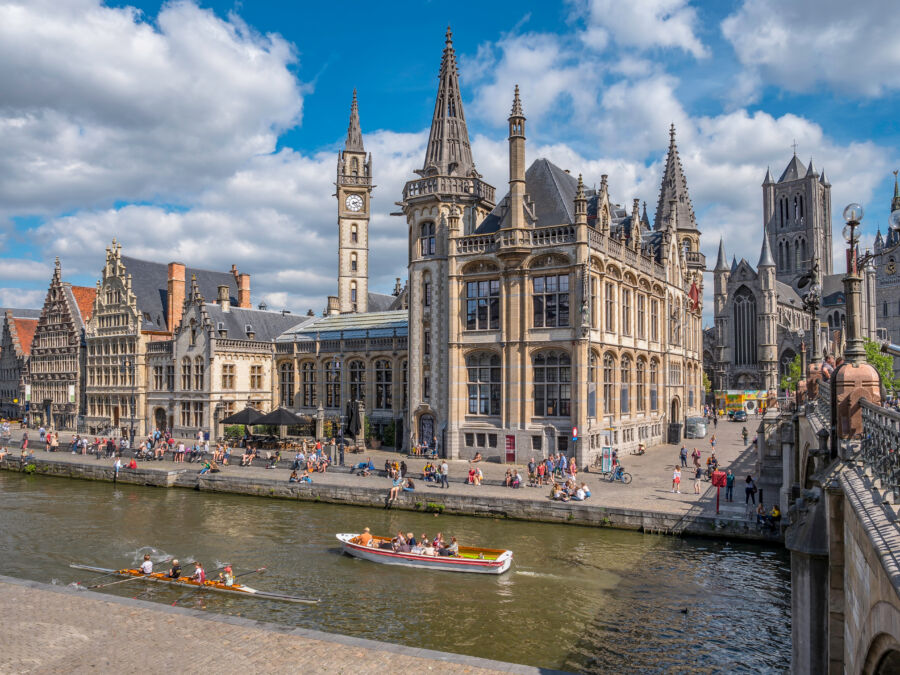
Bruges and Ghent both have deep medieval roots, but they cater to totally different travelers. Bruges is all about romance and flawless preservation. Ghent’s got more energy and better value. Here’s how to match your city to your travel mood.
Who Should Pick Bruges
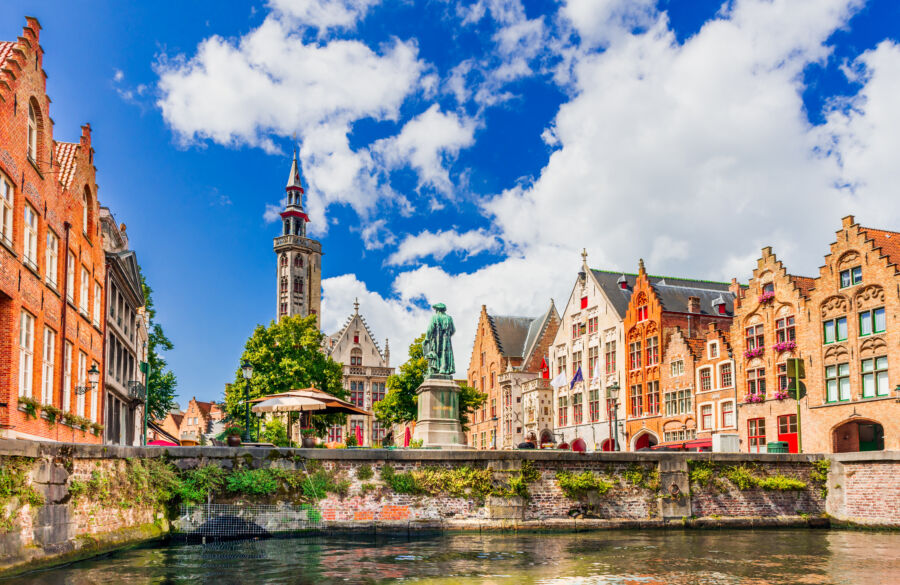
Go for Bruges if you want that classic postcard moment. People call it the Venice of the North for a reason—romantic canals, cobblestone lanes, and gabled rooftops that look like they’ve been frozen in time. The center is compact and super walkable, and you can hit top spots like the Belfry of Bruges and Burg Square in just a few minutes.
Bruges is perfect for couples, photographers, or really anyone who wants to feel like they’ve stepped into a medieval painting. Just be warned: tourists flock here, especially on sunny weekends or when the cruise ships roll in.
Who Should Pick Ghent

Head to Ghent if you want medieval beauty without the theme park feel. Ghent’s university crowd keeps the city buzzing all year.
You’ll find street art next to Gothic towers, quirky beer bars just steps from 12th-century stonework, and crowds that thin out fast if you wander beyond the postcard spots. Ghent is my go-to for solo travelers, anyone watching their budget, nightlife fans, and those who want a city that feels lived-in, not curated.
When It Makes Sense To Visit Both
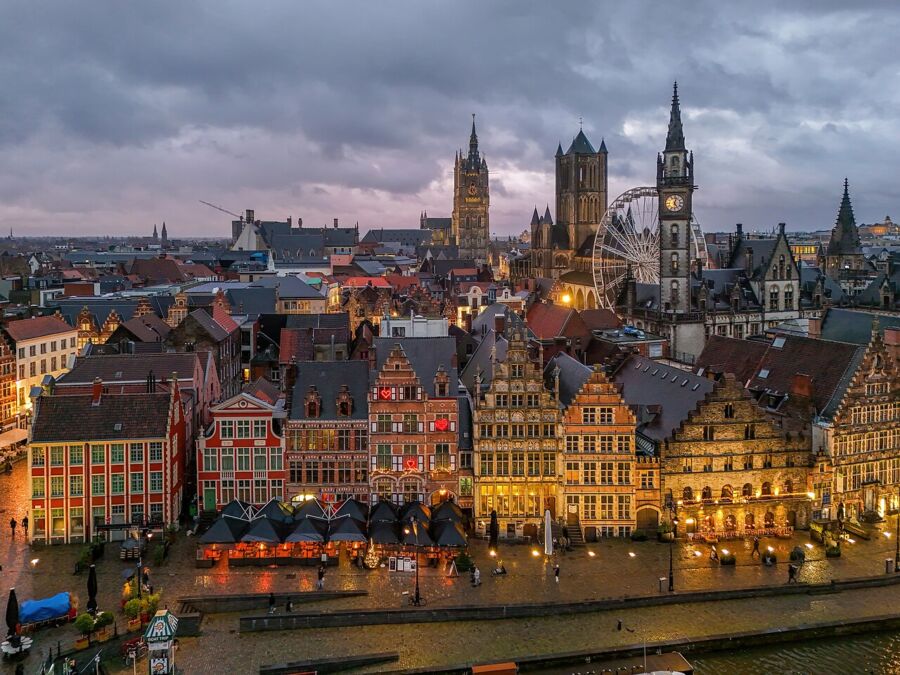
If you’ve carved out two or more days beyond Brussels, you can easily fit both cities in. They’re only about 30 minutes apart by direct train.
Lots of people spend the morning in one and the afternoon in the other, or they sleep in Ghent and day-trip to Bruges. You don’t really need to choose unless you’re short on time.
Getting There From Brussels And Beyond
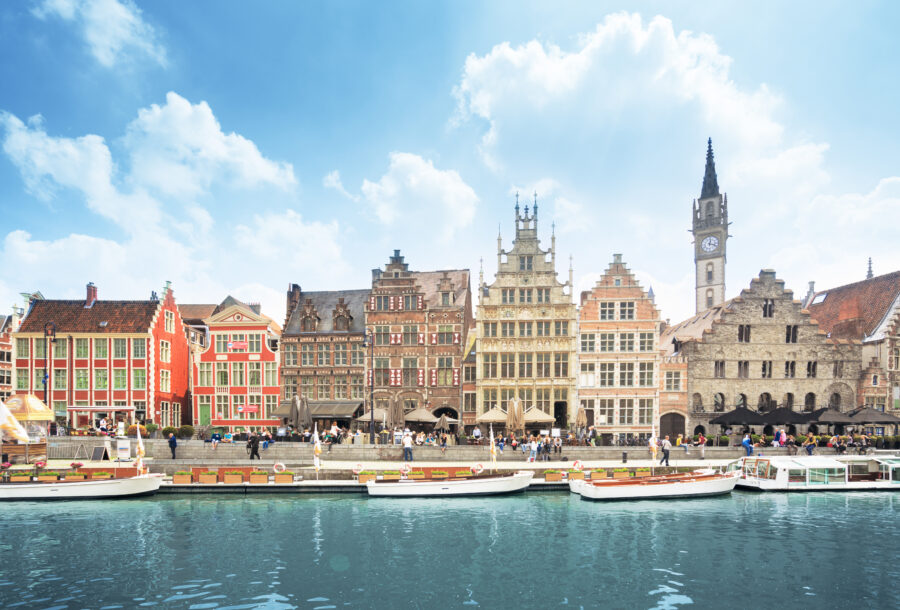
Honestly, both Ghent and Bruges are some of the easiest day trips you’ll find in Western Europe. Fast, frequent trains from Brussels drop you in either city center in under an hour. Getting between them is just as simple.
Train From Brussels To Each City

From Brussels-Midi or Brussels-Central, you can hop on direct trains to Bruges about every 20 minutes during busy times. The ride takes around 55 to 60 minutes, and a one-way ticket usually runs about 15 euros.
Getting to Ghent is even faster. Direct trains from Brussels-Midi take roughly 35 minutes, with just as many departures. Tickets are a bit cheaper too, usually around 10 euros one way.
You’ll find both stations easy to navigate—no stress there. Belgian domestic trains don’t require reservations, so just buy your ticket and hop on.
Brussels To Ghent For A Faster Day Trip
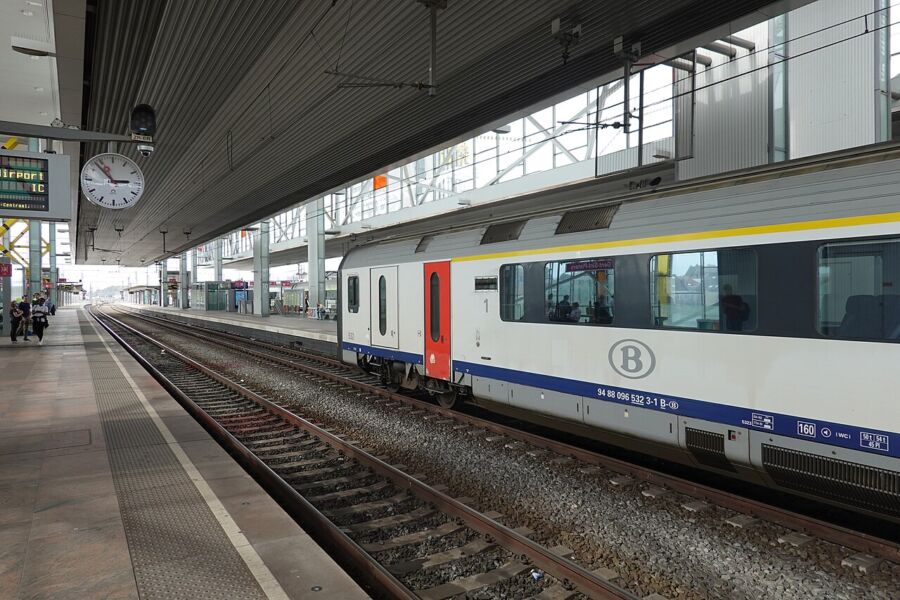
If you’re tight on time, Ghent is the faster day trip. The shorter train ride means more hours to actually explore.
Most main sights cluster in a walkable zone that’s about a 15-minute tram ride or a 20-minute stroll from Ghent-Sint-Pieters station. You can hit the highlights and still make it back to Brussels for dinner.
How Bruges And Ghent Connect To Each Other
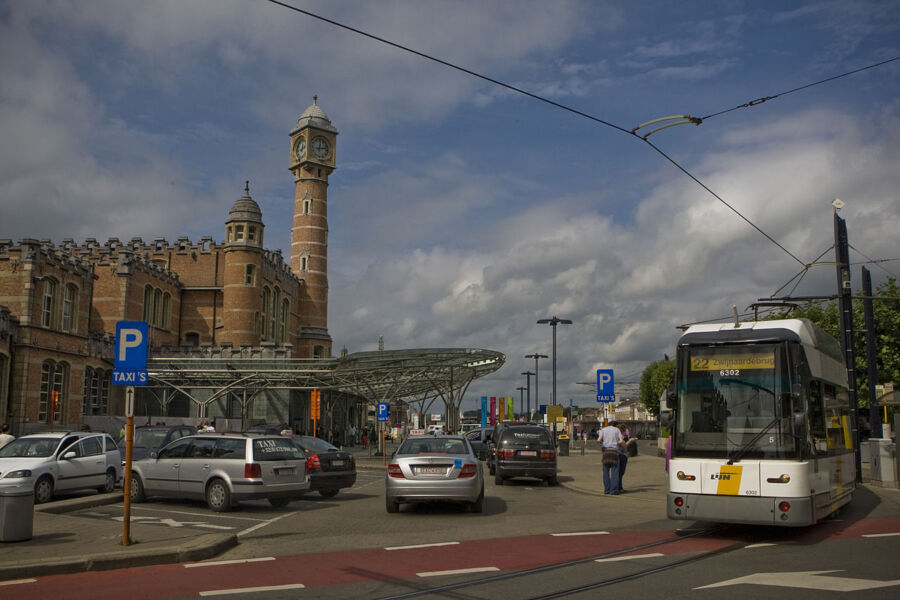
Direct trains between Bruges and Ghent run all day. The ride is about 25 to 30 minutes.
This quick connection is why seeing both in one trip is so doable. If you base yourself in one city, the other is an easy half-day adventure—no complicated transfers, just hop on and go.
See Related: Best Places to Visit in Belgium: Top Attractions and Hidden Gems
Atmosphere, Crowds, And Walkability
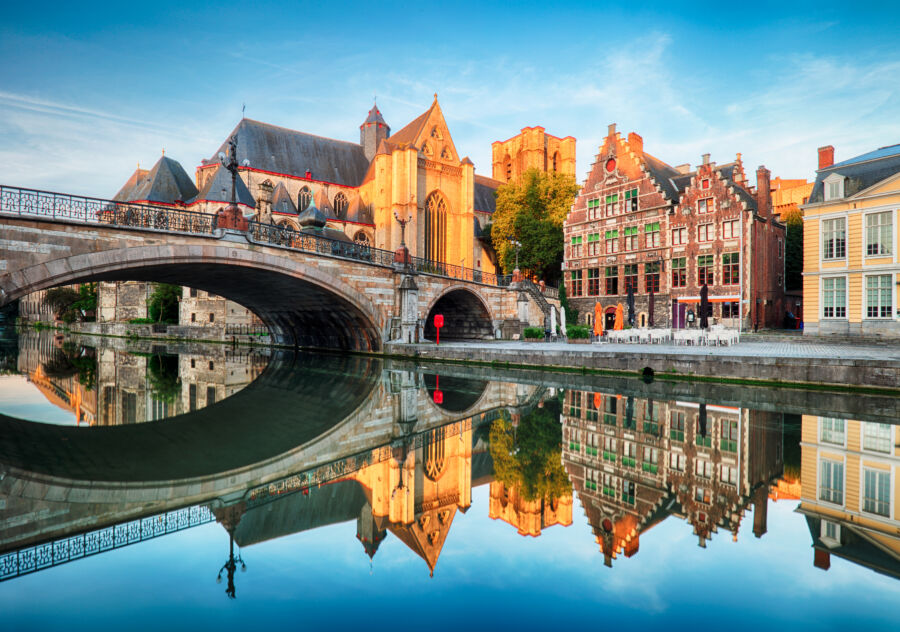
If you ask most travelers, atmosphere is the main reason they pick one city over the other. Bruges feels like a movie set—preserved and almost too perfect.
Ghent, on the other hand, feels spontaneous and lived-in. Both have canals and medieval architecture, but the street energy is totally different.
Bruges’ Storybook Core And Tourist Density
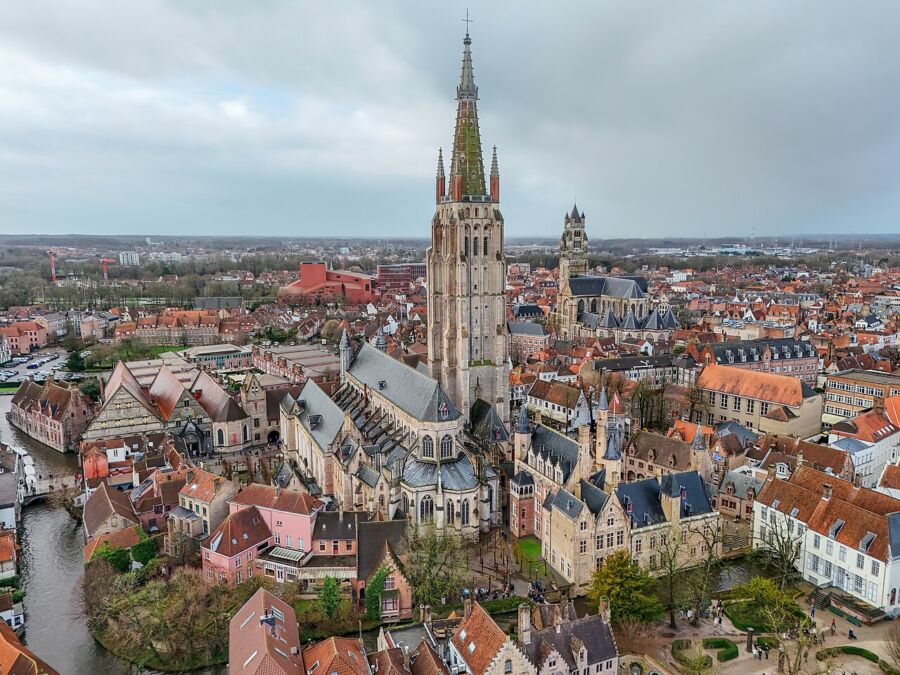
Bruges really does earn its Venice of the North nickname. Canals wind through a beautifully preserved medieval center that makes it almost impossible to take a bad photo. The city is compact, so you can wander from Markt square to the Begijnhof in about 15 minutes if you’re not rushing.
The flip side? Crowds. Bruges gets swamped with day-trippers, especially from late morning to mid-afternoon.
The narrow streets near the Markt and main canals can get jammed in peak season. If you visit early or stay overnight, you’ll see a much quieter, more magical side of the city.
Ghent’s Livelier Local Energy

Ghent’s bigger, and you can feel it—especially with all the students around. Cafes and bars along the Graslei and Korenlei waterfronts buzz with locals, not just tourists. The medieval stuff is real, but it’s mixed with street art, vintage shops, and a creative food scene that keeps things interesting.
Crowds in Ghent are usually manageable, except during the huge Ghent Festival in July, when the place goes wild for about ten days. Otherwise, weekends feel relaxed and unhurried. If you’re on a budget, Ghent makes it easier to save on food, drinks, and places to stay compared to Bruges.
How Each City Feels By Day And After Dark
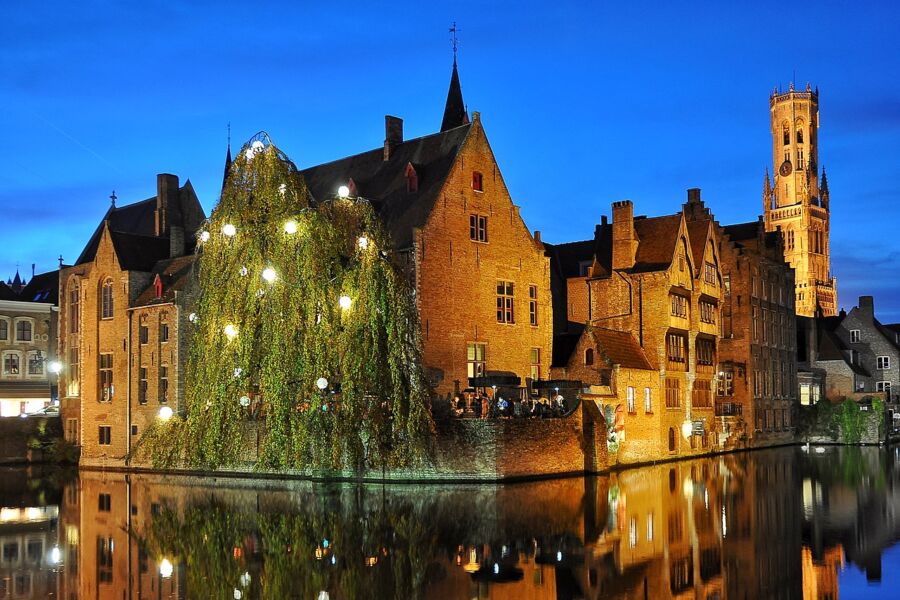
By day, Bruges is made for slow wandering and canal-side breaks. It’s really a city for soaking up the atmosphere. Ghent moves a little faster, with more neighborhood variety and a strong café culture.
At night, the difference is even bigger. Bruges quiets down a lot after the day-trippers leave.
You’ll find restaurants open, but nightlife is pretty limited. Ghent, thanks to its university scene, comes alive after dark with bars, live music, and late-night eats—especially around Patershol and the waterfront.
Top Sights And Best Experiences
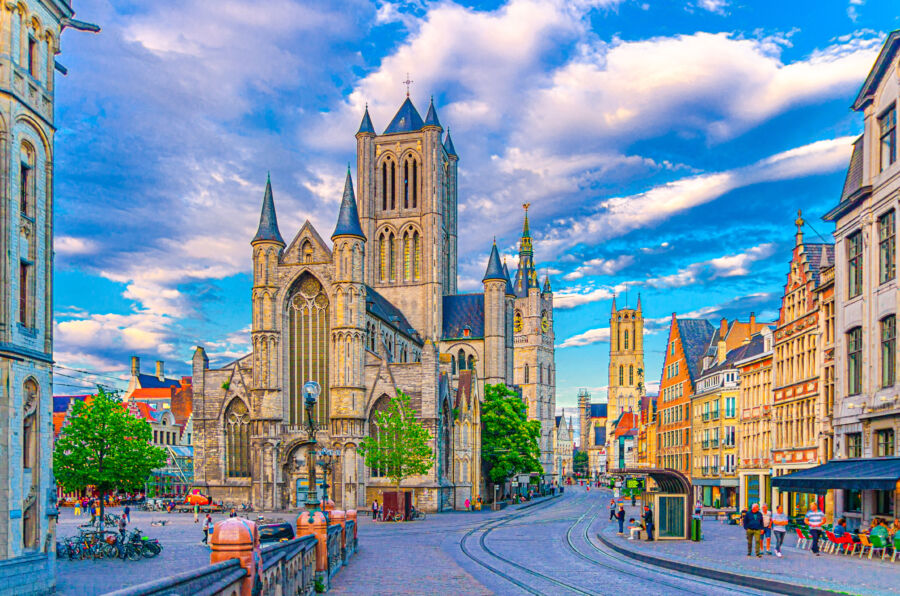
Both cities pack a lot into walkable centers. Bruges is about art, architecture, and atmosphere. Ghent brings a mix of history, modern culture, and some quirky surprises.
Best Things To Do In Bruges
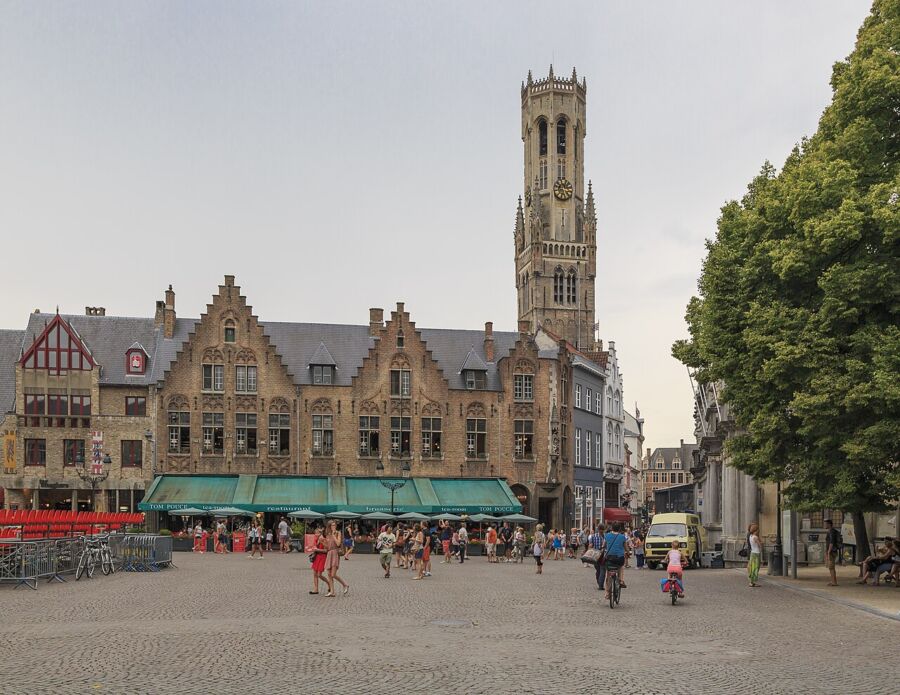
In Bruges, you’ll want to focus on the classic sights and sensory treats.
- Belfry of Bruges: Climb the 366 steps for killer rooftop views. Get there early if you hate lines.
- Burg Square: A gorgeous spot anchored by the ornate City Hall and the Basilica of the Holy Blood, said to house a relic containing Christ’s blood.
- Groeningemuseum (Groeninge Museum): Packed with masterpieces from Early Netherlandish painters like Jan van Eyck and Hans Memling.
- Canal boat ride: Take a 30-minute cruise for a fresh look at the bridges and waterfront houses.
- Chocolate and beer tasting: Bruges is loaded with artisanal chocolate shops and cozy beer cafés—don’t skip them.
Best Things To Do In Ghent
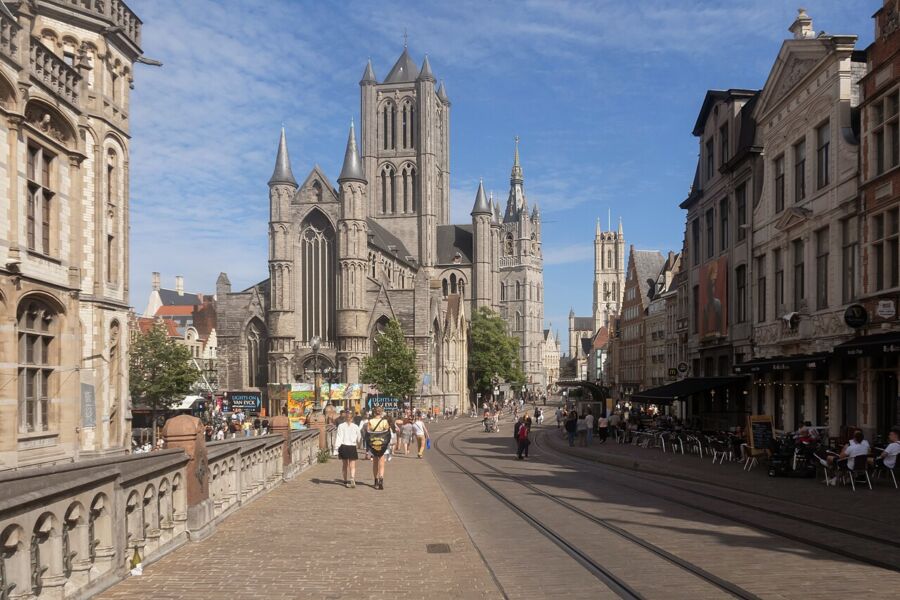
Ghent’s highlights run from medieval to artsy and everything in between.
- Saint Bavo Cathedral and the Ghent Altarpiece: The Adoration of the Mystic Lamb is a true icon of Western art. The visitor center lets you get up close to the restored panels.
- Gravensteen (Gravensteen Castle): This 12th-century fortress in the heart of the city now houses a museum with medieval weapons and surprisingly fun exhibits.
- Ghent Belfry: Another solid climb for city views, plus a multimedia history exhibit.
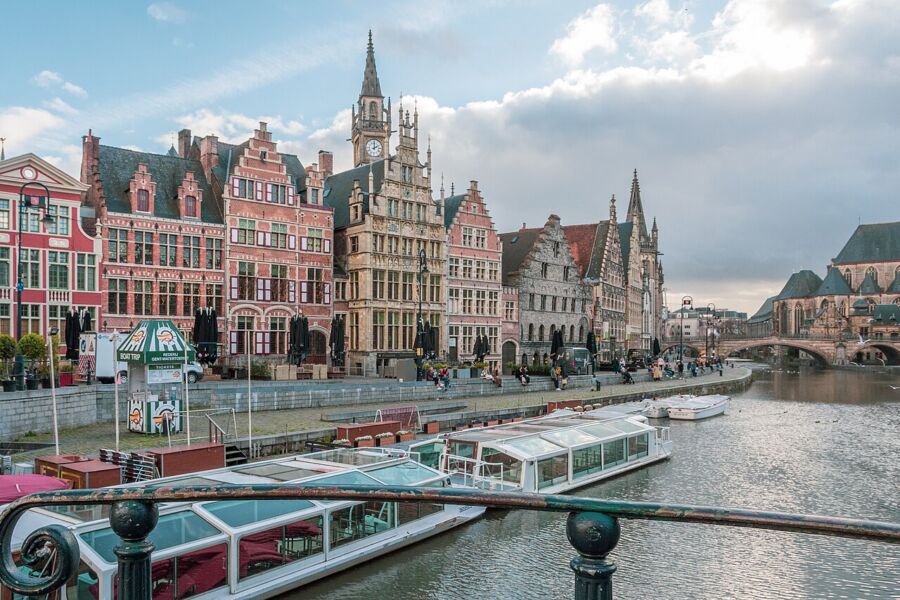
- Graslei and Korenlei: These twin rows of old guild houses along the water make for one of Belgium’s most photogenic scenes.
- STAM (Ghent City Museum): A smart, modern look at Ghent’s story from medieval days to now.
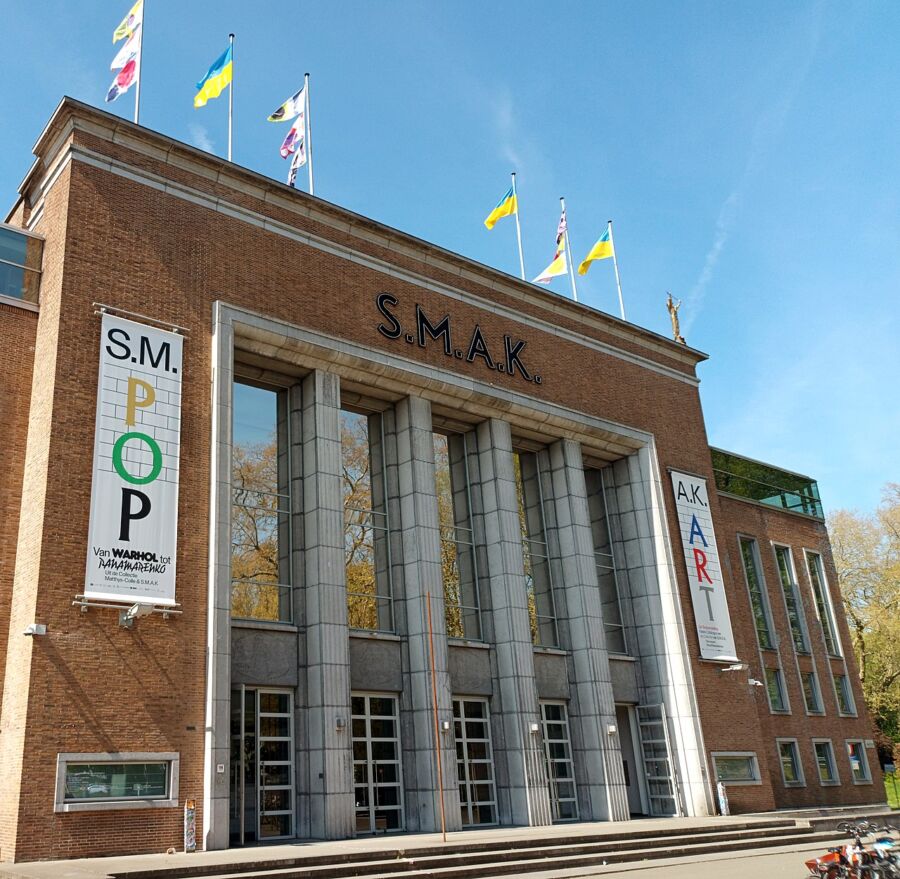
- SMAK (Museum of Contemporary Art): One of Belgium’s top spots for contemporary art—even if you’re just a casual fan, it’s worth a peek.
Museums, Churches, And Canal Views Compared
Bruges wins for concentrated visual beauty. Its canals are probably the most photogenic per square meter, and the Groeningemuseum is heaven for fans of Early Netherlandish painting. The Basilica of the Holy Blood is unique—Ghent doesn’t have anything quite like it.
But Ghent offers more variety. Saint Bavo Cathedral’s Ghent Altarpiece is arguably the most important artwork in either city.
STAM and SMAK give Ghent a cultural range Bruges can’t really match. Canal views at Graslei and Korenlei are just as stunning as Bruges, but they come with a more urban, everyday feel.
Food, Hotels, And Overnight Value
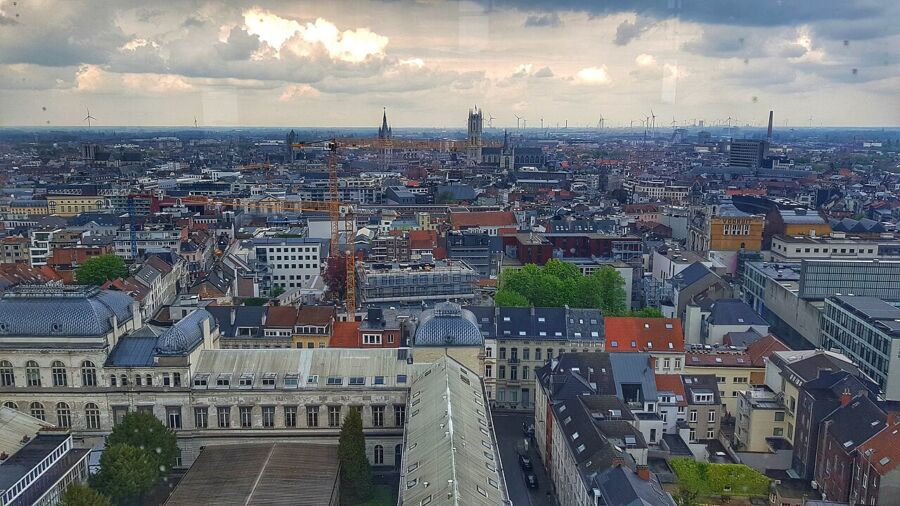
Both cities serve up excellent Belgian food and comfy places to sleep, but the price and vibe can really sway your decision about where to stay or eat.
Where To Stay In Bruges
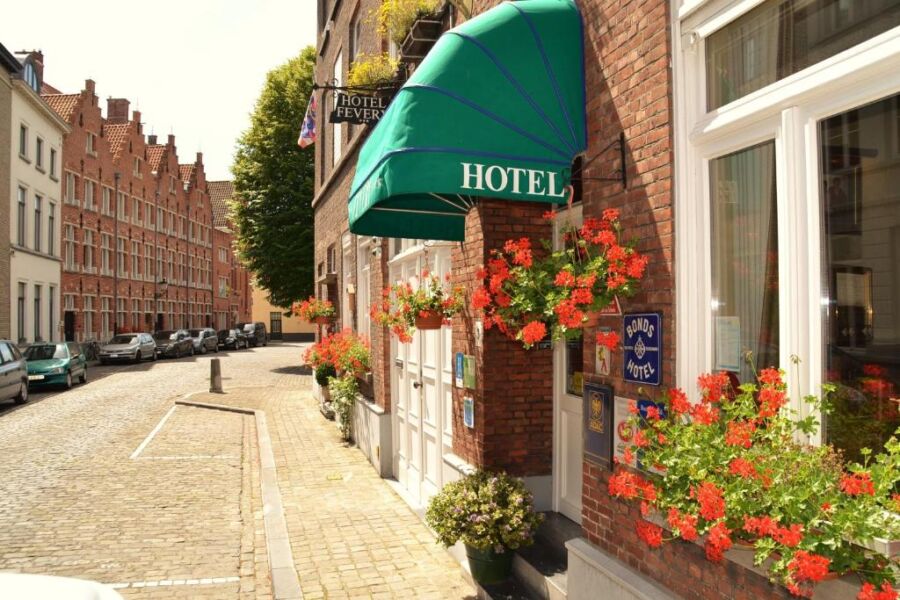
If you’re spending the night in Bruges, you’ll probably want to be close to the Markt and canals. Hotel Fevery is a solid mid-range pick near the historic center, and it’s got a cozy, family-run vibe.
Bruges has loads of boutique guesthouses and B&Bs. Honestly, the quiet old town at night—after the crowds leave—is a huge reason to book a room here.
Just a heads up: where to stay in Bruges comes with a price tag. Hotel rates jump on weekends when Brussels folks flood in, and places fill up fast in high season.
Where To Stay In Ghent
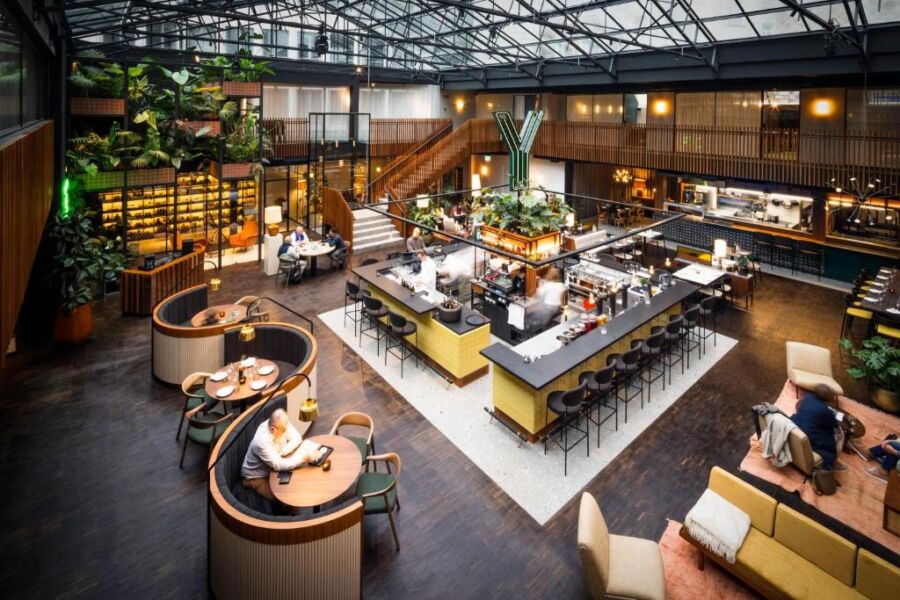
Ghent gives you more hotel variety and, honestly, the prices feel a bit friendlier. Yalo Urban Boutique Hotel really stands out for its sleek modern vibe, a rooftop bar that’s perfect for sunset, and a central spot that lets you stroll to most of the main sights without much effort.
Spending a weekend in Ghent usually costs less than Bruges, and hotel rates don’t spike as much on weekends. If you’re traveling on a budget, you’ll notice more hostels and apartments here too.
Dining, Belgian Waffles, And Budget Considerations
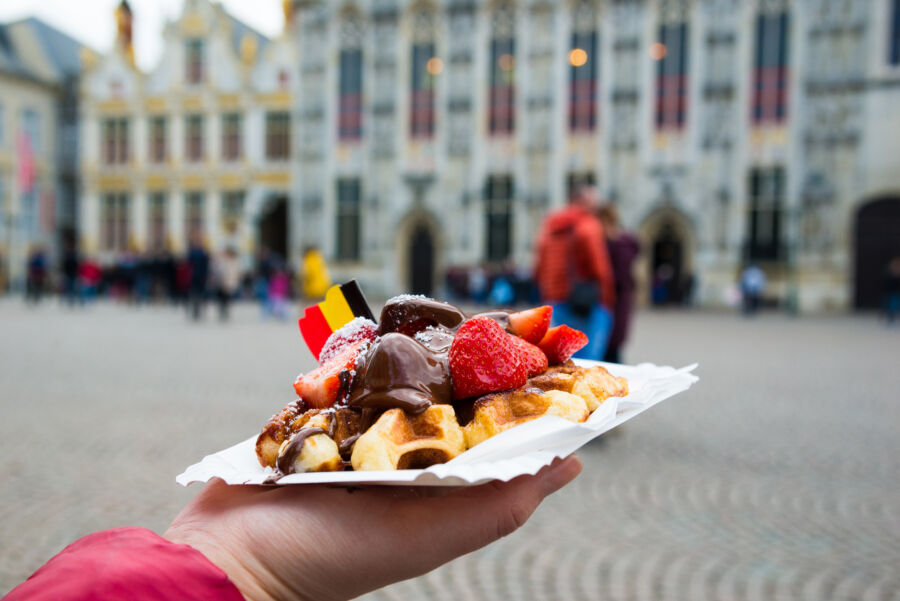
Both cities serve up excellent Belgian waffles, frites, stoofvlees, and local beers. In Bruges, you’ll find more chocolate shops and touristy restaurants lining the main streets. Honestly, prices can get a bit wild near the Markt, but if you wander just a few blocks away, you’ll find better food and way better deals.
Ghent feels easier on the wallet. You’ll probably spend about 15 to 20 euros less per day on food and drinks compared to Bruges.
Patershol, again, is one of my favorite dining spots in Flanders—think casual bistros right up to refined Flemish cuisine, all packed into a small area. Daily mid-range budgets don’t differ much: figure around $190 per day in Bruges, and about $175 per day in Ghent, including your room and meals.
See Related: Best Places to Visit in Europe This Year
Sample Itineraries For One Day Or One Night

Here’s where choosing Ghent or Bruges really matters. Scheduling can make or break your trip, so let’s look at how things play out with train connections and the reality of getting around.
If You Only Have One Day
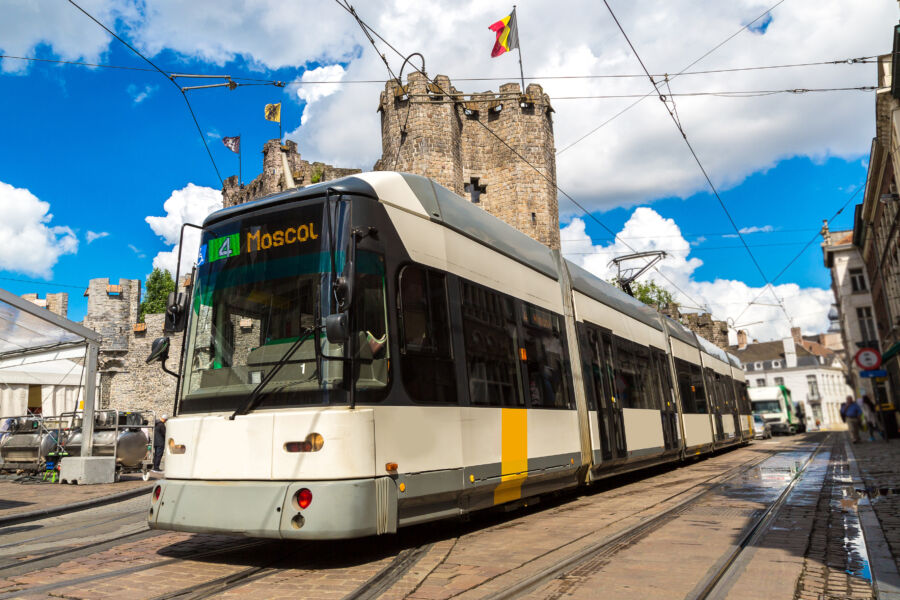
If you’re coming from Brussels, Ghent is the faster day trip. The train takes just 35 minutes, so you’ll land in town quickly and have a full day to check out the Graslei waterfront, Gravensteen Castle, Saint Bavo Cathedral, and see the Ghent Altarpiece before heading back.
Bruges works for a day trip too, but you’ll lose about 40 extra minutes in transit. If you go, focus on the Belfry, Burg Square, a canal boat ride, and maybe the Groeningemuseum. For lunch, skip the touristy spots and duck down a side street.
If you’re ambitious and want both, start in Bruges in the morning, hop a midday train to Ghent (it’s about 30 minutes), and spend your afternoon and early evening there before heading back to Brussels. It’s tight, but you can pull it off.
Best Split For A Two- Or Three-Day Belgium Itinerary
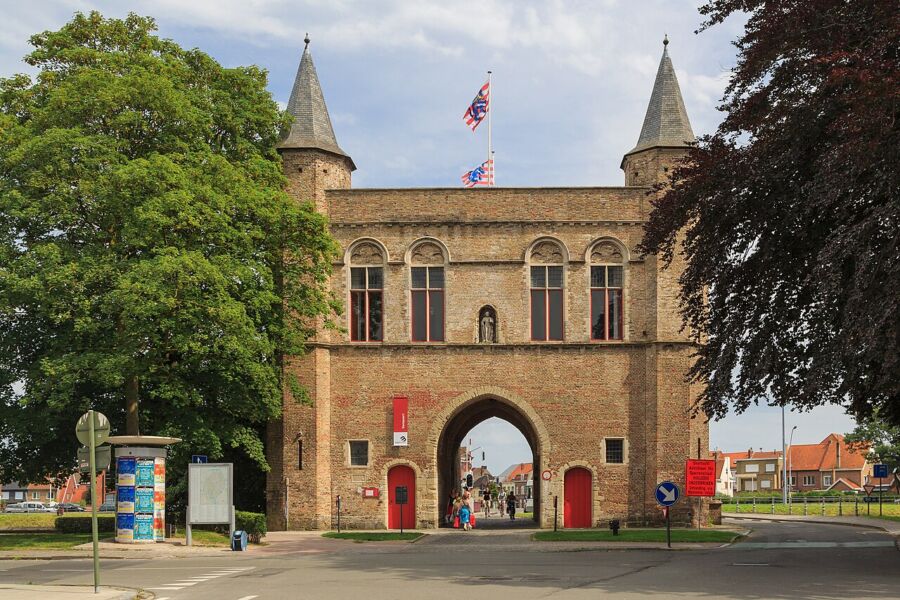
For two days, I’d spend one full day in Bruges and one in Ghent. Stay overnight in Ghent for better value and a livelier nightlife, then day-trip to Bruges the next morning.
If you’ve got three days, slow down a bit. Give Bruges a full day and night, so you can wander the canals after dark when the crowds fade.
Then spend a day and night in Ghent—so much to explore in its neighborhoods, museums, and the food scene. On your third day, either check out Brussels or revisit whichever city you liked more.
Choosing A Base For Regional Travel
If you’re planning to visit Ghent or Bruges plus other Belgian spots, Ghent honestly makes a better base. Its central rail connections to Brussels, Bruges, Antwerp, and smaller towns are quick and frequent.
Bruges sits at the end of the main rail line, so you’ll usually have to backtrack if you want to go anywhere else. Pick Bruges as your base only if you’re all about the coast or want a slower, more tucked-away vibe.
See Related: New Train Routes in Europe to Explore
Frequently Asked Questions

Which city is better for a day trip from Brussels?
Ghent is just more practical for a day trip. The train ride is about 35 minutes, compared to almost an hour to Bruges. u003cbru003eYou get more time to explore and easier connections back. Still, Bruges is a fantastic day trip if you’re after those canals and that fairy-tale medieval atmosphere.
How much time do you need to see the main highlights in each city?
You can see Bruges’ top sights in four to five hours if you keep a steady pace. Ghent’s highlights take about the same amount of time, but it’s got more museums and neighborhoods, so a full day feels more rewarding. Staying overnight in either city lets you take it easy and soak up the vibe.
Which destination is more scenic and photogenic for canals and medieval streets?
Bruges wins for sheer storybook scenery. Those canals, bridges, and gabled buildings look like a movie set. Ghent’s Graslei and Korenlei waterfront is gorgeous for photos too, but the rest of the city looks a bit more modern and mixed in places.
Is it easy to travel between the two cities by train, and how long does it take?
Absolutely—direct trains run all day between Bruges and Ghent. The trip takes about 25 to 30 minutes, and you don’t have to change trains. Combining both cities in one trip is super easy.
Which city has the better Christmas market experience?
Bruges is usually the top pick for u003ca href=u0022https://www.realjourneytravels.com/christmas-in-belgium-itinerary/u0022u003eChristmas marketsu003c/au003e. Its medieval center turns into a festive wonderland with ice skating, glowing canals, and market stalls that feel straight out of a holiday movie. Ghent does Christmas markets too, but the atmosphere is a bit more spread out and less intense.
Which place is better for nightlife, restaurants, and a less touristy vibe?
Ghent wins this one, hands down. Thanks to its big university crowd, there’s always something happening—especially around Patershol and along the waterfront. You’ll find a bunch of cool bars and restaurants packed with locals and students.u003cbru003eBruges, on the other hand, really slows down once the sun sets. Most of the restaurants there feel pretty touristy, especially if you stick to the main streets. If you’re after a more authentic vibe, Ghent’s definitely the spot.


