
Last modified August 17, 2026
Belgium in December? It’s like walking right into a postcard. Cobblestone streets twinkle with lights, the scent of waffles and mulled wine hangs in the air, and church bells ring out across old city squares. With a smart Christmas itinerary, you’ll catch the best festive markets, local traditions, and the most charming cities—all in one trip.
You might find yourself wandering Brussels’ Winter Wonders, sipping hot chocolate in Bruges, or watching snow drift over Ghent’s canals. I’ve spent Christmases here myself; the way Belgians mix history, good food, and low-key celebration feels just right—festive without being overwhelming.
Key Takeaways
- Tips for planning a smooth, festive Belgium Christmas trip
- Highlights of top cities, markets, and unique winter experiences
- Insider suggestions for food, travel, and hidden gems
Essential Planning for Christmas in Belgium

Traveling to Belgium at Christmas means thinking ahead. Weather, timing, and logistics can all shape your experience. You’ll need to juggle festive fun with practical stuff like train times, hotel reservations, and packing for chilly, damp weather.
Best Time to Visit for Festive Experiences
Belgium’s Christmas spirit kicks off in late November and usually rolls through early January. The real magic happens between December 10 and 31—markets, light shows, and ice rinks are all buzzing.
Arrive a bit early? You’ll dodge the crowds, but a few smaller markets might still be setting up. For the best atmosphere and open attractions, aim for December 22 to 27.
Most cities—Brussels, Bruges, Ghent—keep their main Christmas markets open until New Year’s Day. Unlike some other European spots, Belgium’s festive scene lasts through the holidays, so you can plan your Belgium itinerary around both Christmas and New Year’s.
Grab your flights early if you want a decent price—sites that help you find cheap flight tickets or compare airlines are your friend here.
How Many Days to Spend and Sample Itineraries
A 5- to 7-day trip hits the sweet spot. That’s enough to see three main cities without feeling rushed.
Here’s a quick outline you might try:
| Days | Destination | Highlights |
|---|---|---|
| 1–2 | Brussels | Grand Place light show, Winter Wonders market |
| 3 | Ghent | St. Nicholas market, canals, medieval center |
| 4–6 | Bruges | Markt square, Belfry Tower, Lake of Love |
| 7 | Return | Relaxed breakfast and departure |
Short on time? Stick with Brussels and Bruges—they’re easy to reach by train. Belgium’s rail network is fast and reliable, and you can check schedules on major travel sites like KAYAK.
Weather and What to Pack
December in Belgium is cold and damp. Temperatures hover between 2°C and 7°C (35–45°F), and there’s often light rain or mist. Snow can happen, but don’t count on it.
Pack layers—a waterproof coat, warm sweater, gloves, and a hat. Waterproof shoes are a must; those cobblestones get slick. I always toss in a small umbrella and a thermos for hot chocolate on the move.
If you’re updating your packing list, check out some solid travel gear like packing cubes or a light carry-on—makes hopping between cities a lot easier.
Remember, Belgian winter days are short. Sunset is around 4:30 p.m., so plan to do your sightseeing earlier in the day.
Top Christmas Markets and Festive Events
Belgium’s holiday season lights up the cities with lively squares, glowing decorations, and the smell of waffles and spices. Every city has its own style—historic streets, skating rinks, and local crafts. It’s easy to hop between markets by train or car.
Winter Wonders in Brussels
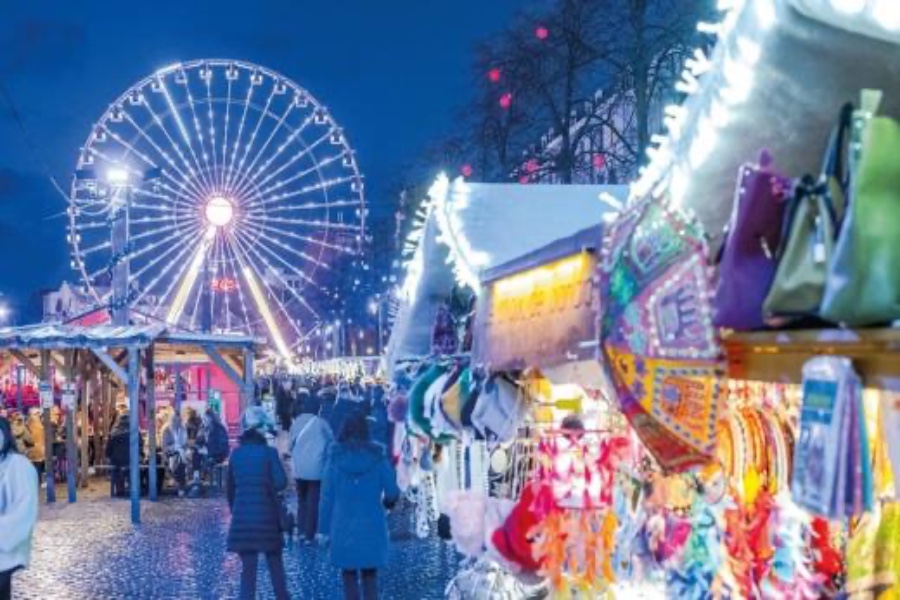
Brussels rolls out Winter Wonders, one of Europe’s biggest Christmas festivals, stretching from the Grand Place to Sainte-Catherine. Over 200 wooden chalets line the streets, selling chocolates, ornaments, and hot drinks. The Grand Place light show is short but unforgettable—definitely worth timing your visit.
There’s an outdoor skating rink, a Ferris wheel, and plenty of food stalls with tartiflette and Belgian fries. If you’re up for it, book a city tour to see the lights and markets with a local’s insight.
Evenings are magic—the lights bounce off the cobblestones, and the air smells like cinnamon and chocolate. Just make sure you’ve got warm shoes; those cobbles can be unforgiving after a dusting of snow.
Winter Glow in Bruges

Bruges looks like a snow globe during Winter Glow, its Christmas festival spread across the Market Square and Simon Stevinplein. Medieval buildings wrapped in lights set the scene for a cozy evening stroll. Even when it’s busy, the city feels relaxed.
Sip hot chocolate by the canal or grab a warm waffle while you watch skaters circle the rink near the belfry. The light trail is a highlight—it leads you past glowing bridges and quiet corners you’d probably miss otherwise.
If you can, stay overnight. After dark, Bruges empties out, and you get this sense it’s just you, the lights, and the bells echoing through the mist.
Gentse Winterfeesten in Ghent

Ghent’s Gentse Winterfeesten blends local flavor with a creative vibe. The market runs from Sint-Baafsplein to Korenmarkt, surrounded by Gothic towers and canals. It’s a bit smaller than Brussels but feels more personal.
You’ll spot handmade crafts, Belgian sweets, and loads of mulled wine. Locals actually shop here, so it feels authentic. The Ferris wheel by Saint Nicholas’ Church gives you a great view over the rooftops.
Try cuberdons—those odd, cone-shaped candies you’ll only find in Ghent. Wander off the main square and you’ll stumble into cozy cafés where you can warm up with a local beer and watch the world go by.
Christmas Market in Antwerp
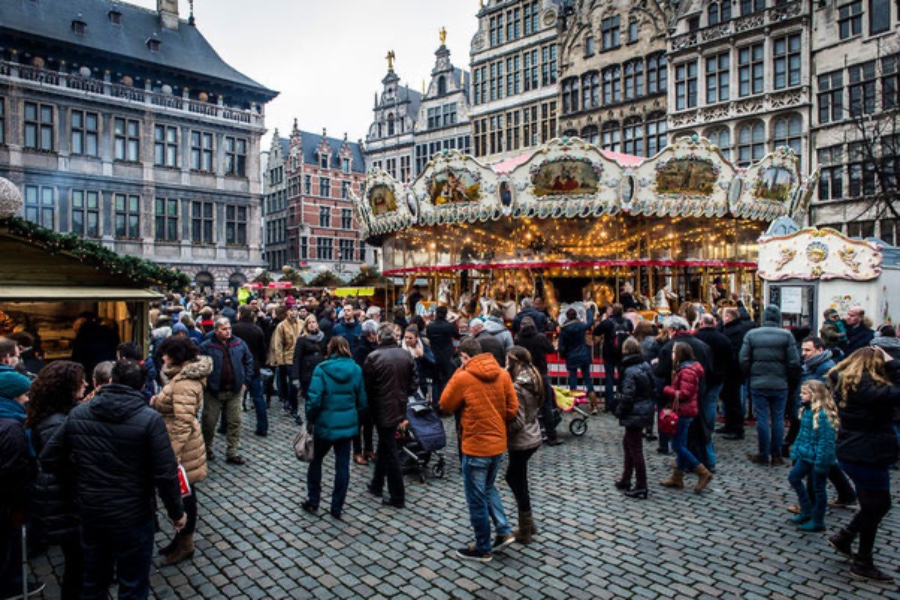
Antwerp’s market takes over Grote Markt, Groenplaats, and Suikerrui with lights and music. Old guild houses and new stalls mix together, giving it a fun, urban vibe. You can shop for handmade gifts, sample local gin (jenever), or hop on the Ferris wheel for a view of the cathedral.
The ice rink sits right in front of the cathedral, and skating there under the lights? It’s kind of magical. Sure, it gets crowded, but that’s part of the energy—locals really show up to celebrate.
If you have a little time, duck into the cathedral to see Rubens’ paintings, then grab a hot chocolate at a nearby café. Simple, festive, and very Antwerp.
Must-Visit Cities and Unique Holiday Attractions
Belgium’s Christmas season has this great blend of medieval charm and winter coziness. Glittering markets, warm cafés, and old landmarks all dressed up for the holidays. Each city brings something different—grand architecture, canals, or castles that look straight out of a storybook.
Historic Highlights in Brussels

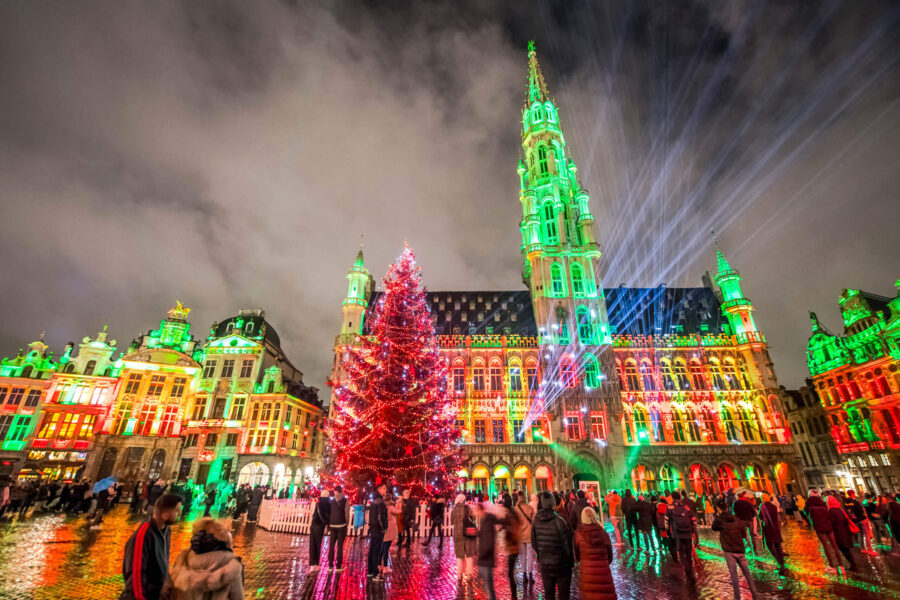
Brussels really shines in December. The Grand Place is the center of it all, surrounded by ornate guildhalls and a towering Christmas tree. At night, the light and sound show fills the square—simple, but it sticks with you.
A short walk takes you to the Winter Wonders market, stretching from Place Sainte-Catherine to the Bourse. The Ferris wheel offers a sweeping view of the city. I still remember sipping hot chocolate, watching the lights on the cobblestones—quiet, almost timeless.
Want a modern twist? Hop on the metro to the Atomium. This futuristic 1958 World’s Fair relic sparkles at night and gives you panoramic city views. You can also book local tours and experiences to dig deeper into Brussels’ neighborhoods.
Fairytale Bruges in Winter
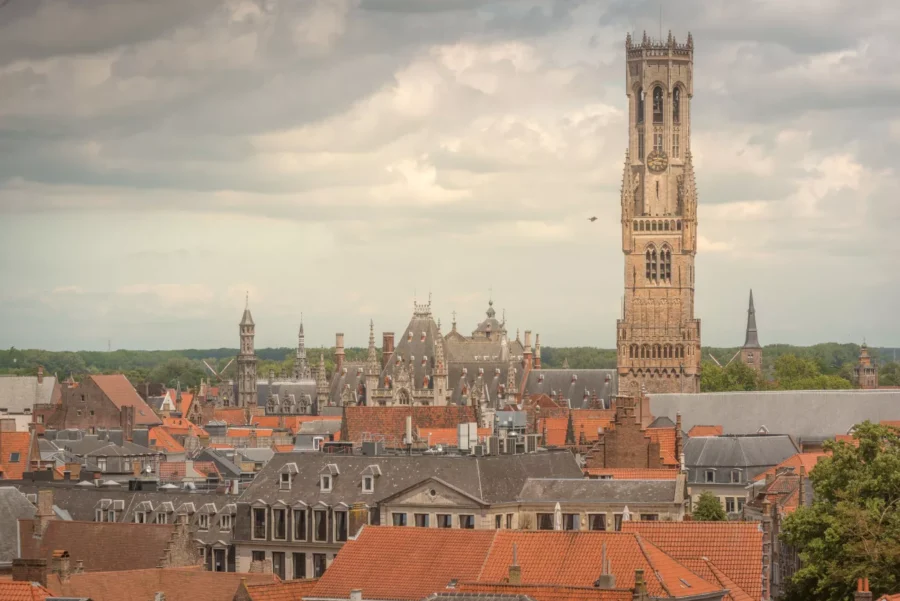
Bruges is basically made for Christmas. The Market Square turns into a glowing winter village, with an ice rink and wooden stalls full of waffles, lace, and gifts. The air smells like mulled wine and roasted nuts.
Climb the Belfry Tower for a view over rooftops and frosty canals. At night, the carillon bells echo across the square—honestly, it’s a little bit magical. I once got lost in the narrow streets and ended up at the Lake of Love, swans drifting in the mist.
Don’t miss the tiny chocolate shops tucked along the canals. Locals are serious about their craft, and you’ll taste the difference. A guided walking tour helps you get the city’s backstory—and keeps your hands warm with cocoa.
Cultural Gems of Ghent
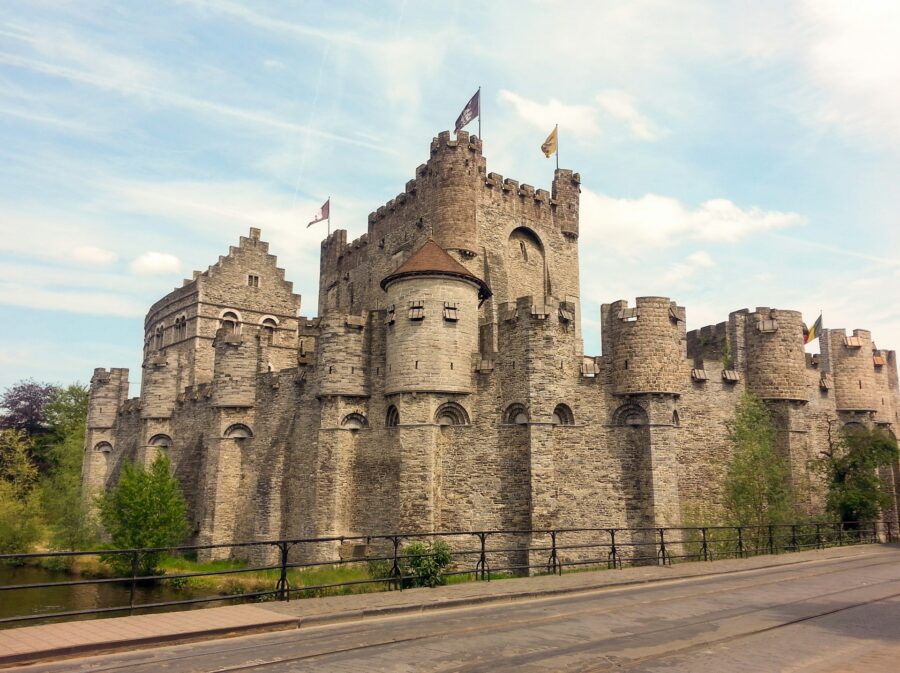
Ghent mixes medieval architecture with a young, creative buzz. The Gravensteen Castle lights up for Christmas, and you can wander its stone halls and turrets, even check out the little armory museum.
The Christmas market spreads around St. Bavo’s Cathedral and the Korenmarkt. It’s smaller and more intimate than Brussels, with local artisans and fewer tourists. When I visited, a choir sang carols under the cathedral’s spire—honestly, it was just pure holiday spirit.
If the weather’s okay, hop on a short canal cruise for a fresh view of the city’s bridges and gables. Art lovers should check out the Museum of Fine Arts for some real Flemish masterpieces.
Antwerp’s Artistic and Festive Charms

Antwerp brings art and fashion into the mix. The Cathedral of Our Lady houses several Rubens paintings—his influence is everywhere here. Even if you’re not big on art, the scale and color of those works are striking up close.
During Christmas, the Grote Markt is alive with stalls, lights, and an ice rink framed by Renaissance guild houses. The smell of waffles and spiced wine fills the air. Locals come out for concerts and skating—it’s more of a community party than a tourist show.
If you’re into galleries, swing by the Royal Museum of Fine Arts—recently revamped, it’s got both classic and modern pieces. Antwerp’s mix of art, history, and holiday cheer makes it a great last stop before heading home, maybe with your suitcase a little heavier from all the chocolates.
Local Culinary Delights and Seasonal Treats
Christmas in Belgium is all about flavor, too. You’ll find hearty winter dishes, warm drinks, and sweet treats that turn every market visit or dinner into a celebration of local culture.
Belgian Waffles and Chocolates
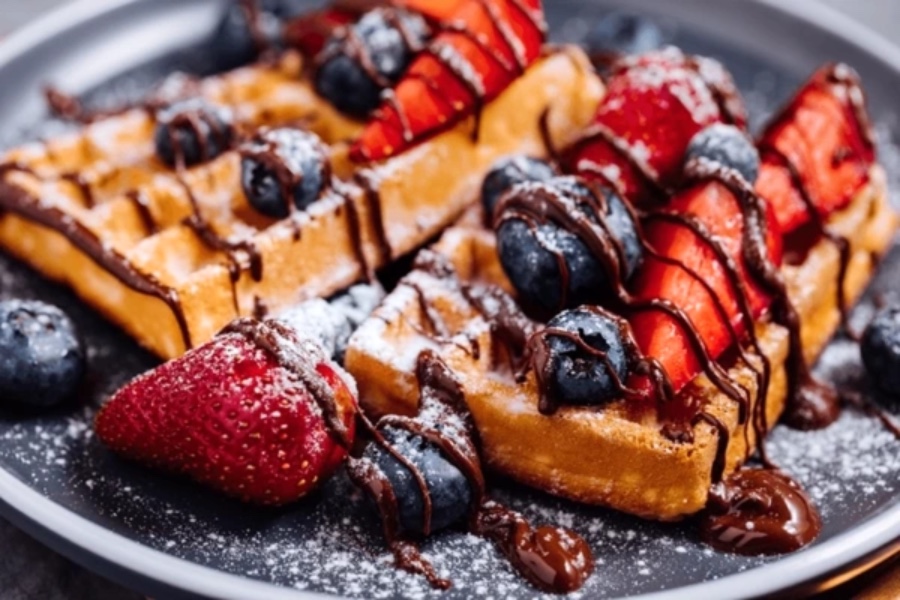
You can’t walk through a Belgian Christmas market without catching the smell of waffles in the air. The Liège waffle is dense and caramelized, while the Brussels waffle stays light and crisp. I always go for the Liège one—it’s chewy, sweet, and perfect with a dusting of sugar or a dollop of whipped cream.
Vendors crank out fresh waffles right in front of you, irons hissing and steam floating up into the cold. It’s nearly impossible to resist stopping for “just one more.” In Brussels or Bruges, you’ll see stands on every square, usually next to stalls selling handmade chocolates.
Belgian chocolatiers really care about their craft. Pralines, truffles, orangettes—they fill elegant boxes, each piece looking like a tiny work of art. Shops like Darcis, Galler, or Neuhaus sometimes let you watch chocolate being poured and shaped behind glass counters.
Traditional Christmas Foods and Drinks
Christmas meals in Belgium are hearty and rooted in tradition. On Christmas Eve, families often serve boudin blanc, a white sausage from Liège made with pork, milk, and spices. It’s mild, comforting, and usually paired with mashed potatoes or applesauce.
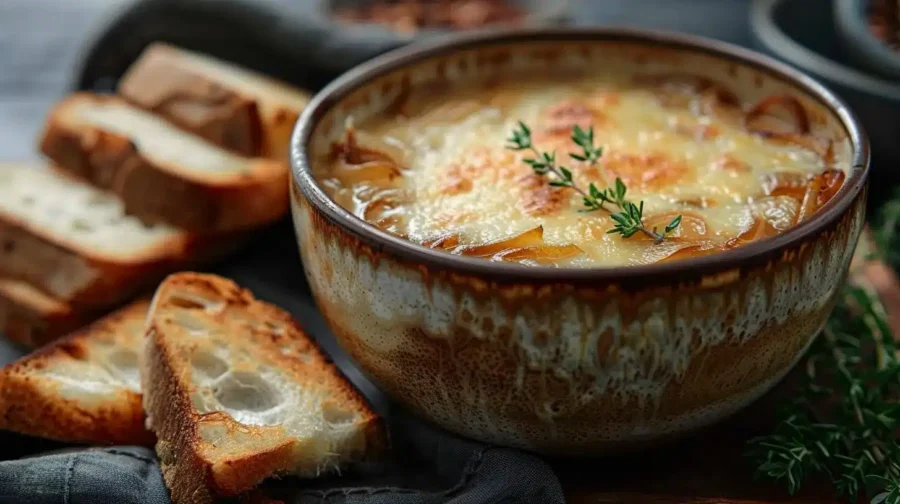
You might spot Soupe à l’Oignon, a rich onion soup with gooey cheese and croutons on top. It’s the kind of thing that warms you up after hours outside.
For dessert, look for bûche de Noël (Yule log cake) or tarte au riz, a sweet rice tart that’s simple but delicious. Bakeries fill up with speculoos cookies—spiced, crisp, and often shaped like St. Nicholas.
Drinks matter, too. Many families toast with sparkling wine or a local Christmas beer, brewed just for the season.
Where to Taste the Best Belgian Beer

Belgium’s beer culture is legendary, and it gets even better during the holidays. Breweries roll out limited-edition Christmas ales—darker, spicier, and often stronger than the usual stuff.
If you’re new to Belgian beer, start with a tasting flight. Many bars in Brussels, Ghent, and Leuven serve up samplers of Trappist and Abbey brews. Try Chimay Blue or St. Bernardus Christmas Ale—they go perfectly with cheese or roasted meats.
Some Christmas markets even set up small beer tents where you can sip by the fire. I once spent an evening at Bruges’ Winter Glow market, drinking a malty brown ale and watching ice skaters circle the rink. It’s the kind of small travel moment that just sticks with you.
Savoring Gluhwein and Winter Specialties
When the cold hits, everyone clutches mugs of steaming gluhwein. This mulled wine—spiced with cinnamon, cloves, and orange peel—is basically the unofficial drink of Belgian winter. They serve it in reusable cups you can keep as a souvenir, and each market designs its own.
I like to grab mine and wander between stalls selling roasted chestnuts and melted raclette cheese. Simple food, but somehow it feels luxurious with all the lights and music around.
You’ll find tartiflette (a cheesy potato dish), grilled sausages, and raclette sandwiches, too. Every bite tastes like winter comfort. If you’re lucky, some markets offer hot chocolate with rum—a sweet, warming finish to a long night outdoors.
Insider Tips for a Smooth Belgium Christmas Trip
Belgium gets extra charming in December, but the holiday rush can make travel a bit of a puzzle. Knowing how to move between cities, where to stay, and how to handle local quirks will save you time and stress—and help you focus on the festive lights instead of waiting in lines.
Transportation Between Cities
Belgium’s train network makes getting around simple, even at Christmas. Trains connect Brussels, Bruges, Ghent, and Leuven in under an hour, so you can easily plan day trips without renting a car. I’ve taken the Brussels–Bruges route plenty of times—it’s scenic, reliable, and rarely late.
Buy tickets online or at the station, but skip peak hours when locals travel home for the holidays. Trains run less often on December 25 and January 1, so double-check schedules. If you’re lugging heavy bags, look for short-term luggage storage near big stations so you can explore hands-free between check-ins.
Taxis and local buses fill in the gaps, but honestly, walking’s the best way to enjoy decorated streets. In smaller towns like Leuven, most attractions sit within a 15-minute walk from the train station.
Where to Stay for the Holidays
Book early—December fills up fast, especially in Bruges and Brussels. I usually start hunting for rooms in late September. Hotels near the main squares let you stroll to markets and light shows without worrying about transport. You can compare spots with Booking.com | Official site | The best hotels, flights, car rentals & accommodations for deals across Belgium.
Apartment rentals work well for families or longer stays. You get space to cook or warm up after a cold night at the markets. Always double-check heating and cancellation policies before paying; winter weather can mess with travel plans.
Money, Language, and Local Customs
Belgium uses the euro, and most places take cards, but small markets often want cash. ATMs are easy to find, even in smaller towns. Tipping isn’t required—service charges are included—but rounding up a euro or two for good service feels right.
You’ll hear Dutch in Flanders (Bruges, Ghent, Leuven) and French in Brussels and Wallonia. Most Belgians switch to English easily, but greeting locals with a “Bonjour” or “Goedendag” goes a long way.
Shops might close early on Christmas Eve and stay shut on Christmas Day, so plan meals and shopping ahead. Dress warmly—layers, gloves, waterproof shoes—since December weather can change in a snap. And if you’re spending a few days exploring, consider travel insurance through VisitorsCoverage for peace of mind during winter travel.
Hidden Gems and Off-the-Beaten-Path Experiences
Smaller towns and local customs in Belgium often reveal more charm than the big Christmas markets. You’ll stumble on peaceful squares lit by soft lights, art tucked into quiet corners, and traditions that locals keep alive every winter.
Exploring Leuven’s Festive Spirit

Leuven glows in December. Its Old Market Square—sometimes called the world’s longest bar—gets cozy with wooden stalls selling spiced drinks and handmade gifts. The Grote Markt hosts a smaller, friendlier Christmas market than Brussels, and you can actually chat with the vendors instead of fighting crowds.
A short walk brings you to the Grand Beguinage, a UNESCO site that feels frozen in time. I once wandered there on a cold evening, cobblestones slick with frost, and heard a choir rehearsing in one of the chapels. It’s not flashy, but it lingers in your memory.
Leuven’s university brings a youthful buzz. Students fill the cafés near Kasteel van Arenberg, where fairy lights dangle from the trees. Grab a hot chocolate and watch the skaters at Ladeuzeplein—simple, local, and honestly, very Belgian.
Lesser-Known Markets and Villages
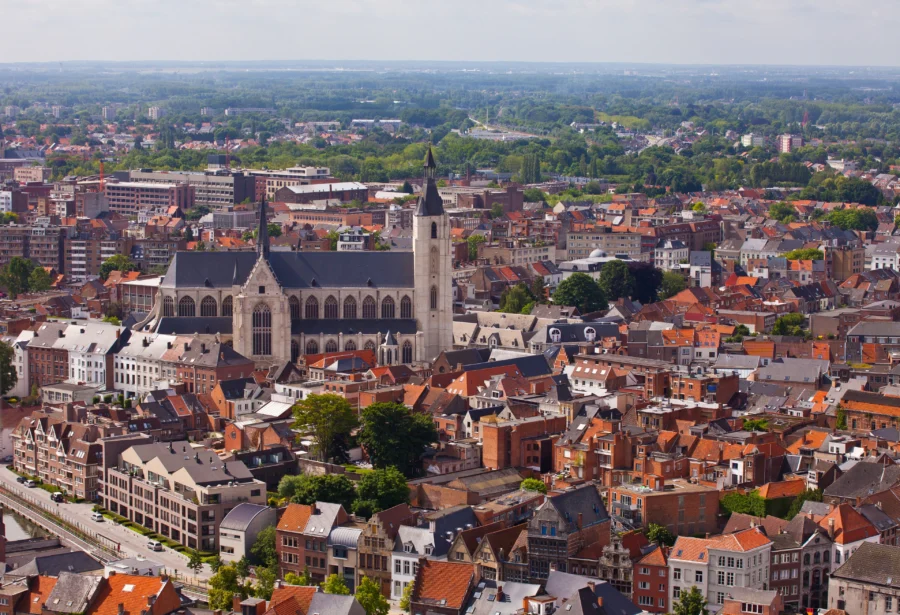
If you’ve done Bruges and Brussels, try smaller markets where locals actually shop. Mechelen has one of my favorites—set around St. Rumbold’s Cathedral, it’s compact but full of character. Sip jenever (a Belgian gin) while a brass band plays carols under the tower.
In Hasselt, the winter village feels more like a community gathering than a tourist event. Locals meet for waffles, kids skate, and the scent of mulled wine drifts through the air. The nearby cherry orchards, bare now, still make the countryside worth a short detour.
If you’re driving, stop in Tienen, famous for its sugar heritage. The small town decorates its square with glowing cubes that nod to its sweet past—a quirky but memorable touch.
Art, Museums, and Local Traditions
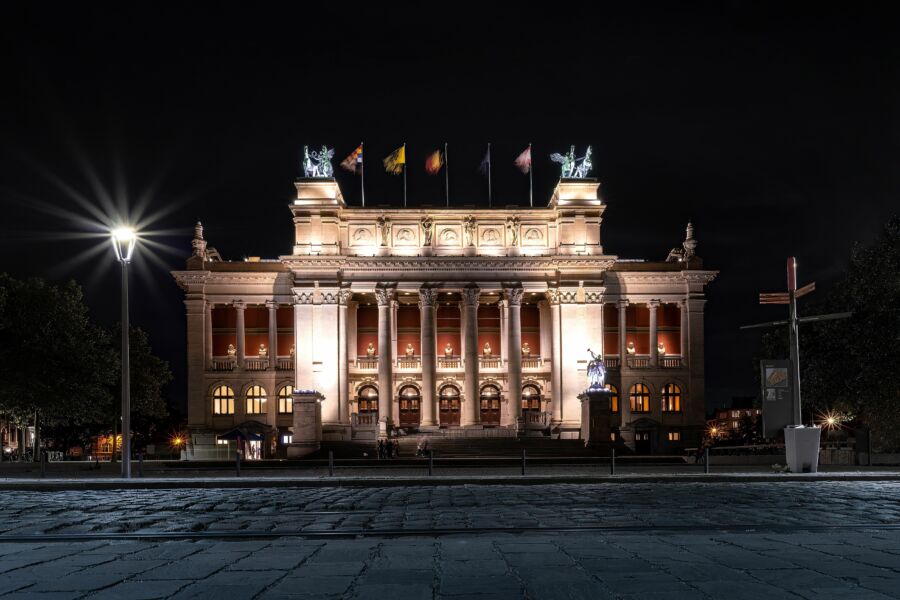
Belgium’s art scene stays lively through the holidays. In Antwerp, the Royal Museum of Fine Arts showcases works by Peter Paul Rubens and other Flemish masters. Visiting in winter means fewer crowds and more time to linger in front of the paintings.
Some museums put on seasonal workshops—candle-making, paper star crafts—often led by local artists. These are easy to miss if you only follow the tourist trail.
Outside the big cities, you’ll find small galleries and chapels that open for Christmas concerts. I once stumbled upon one in Liège, where a local choir sang in a medieval tower. No tickets, no fuss—just neighbors sharing music on a cold night. Those moments make Christmas in Belgium feel personal.
Frequently Asked Questions
Belgium turns into a cozy mix of glowing markets, old-world charm, and warm traditions in December. You’ll find everything from famous Christmas markets to quiet local customs that make the season feel personal and memorable.
What are the must-visit Christmas markets in Belgium?
Start with u003cstrongu003eBrussels’ Winter Wondersu003c/strongu003e, the country’s biggest and most famous market. It stretches from the Grand Place to the Church of St. Catherine, with stalls selling chocolates, crafts, and mulled wine.u003cbru003eu003cbru003eIn u003cstrongu003eBrugesu003c/strongu003e, the market on the Markt Square feels straight out of a storybook. The ice rink, medieval buildings, and smell of waffles make it special. u003cstrongu003eGhentu003c/strongu003e also offers a lovely market near St. Nicholas Church—smaller, but full of local charm and fewer crowds.
How can I make the most of a 7-day Christmas itinerary in Belgium?
Spend two days in u003cstrongu003eBrusselsu003c/strongu003e exploring the city’s lights, museums, and markets. Then take the train to u003cstrongu003eGhentu003c/strongu003e for a day of canals and festive food stalls.u003cbru003eu003cbru003eHead to u003cstrongu003eBrugesu003c/strongu003e for two or three nights to soak in the Christmas atmosphere. If you have time, add a day trip to u003cstrongu003eAntwerpu003c/strongu003e or u003cstrongu003eLeuvenu003c/strongu003e for more unique markets and holiday displays. Trains run often, so it’s easy to move around without stress.
What unique experiences does Belgium offer during the Christmas season?
You can skate under twinkling lights in Brussels, take a horse-drawn carriage through Bruges, or enjoy hot chocolate in a café older than your grandparents.u003cbru003eu003cbru003eVisit u003cstrongu003eMini-Europeu003c/strongu003e for tiny holiday scenes or the u003cstrongu003eAtomiumu003c/strongu003e, which glows beautifully at night. And if you love chocolate, December is the best time to taste seasonal pralines straight from local chocolatiers.
Can you suggest a festive 5-day itinerary for a Christmas holiday in Belgium?
Day 1–2: u003cstrongu003eBrusselsu003c/strongu003e—see the Grand Place light show, visit the u003ca href=u0022https://www.realjourneytravels.com/tours/entrance-tickets-to-the-choco-story-museum-in-brussels-2/u0022u003eChoco-Story Museumu003c/au003e, and try Belgian fries at the market.u003cbru003eu003cbru003eDay 3: u003cstrongu003eGhentu003c/strongu003e—explore the Christmas market and take a canal walk.u003cbru003eu003cbru003eDay 4–5: u003cstrongu003eBrugesu003c/strongu003e—visit the u003ca href=u0022https://www.realjourneytravels.com/tours/a-2-hour-private-historical-tour-of-bruges-3/u0022u003eBelfry Toweru003c/au003e, enjoy the Lake of Love, and sip hot chocolate at The Old Chocolate House before heading home.
What are some lesser-known Christmas traditions to experience in Belgium?
In Flanders, children leave shoes by the fireplace for u003cstrongu003eSinterklaasu003c/strongu003e on December 6th, who fills them with sweets. Some towns still hold u003cstrongu003eliving nativity scenesu003c/strongu003e and small parades that feel wonderfully local.u003cbru003eu003cbru003eYou might also see families gathering on Christmas Eve for a long dinner that can last hours, often ending with u003cstrongu003ebûche de Noëlu003c/strongu003e, a log-shaped cake.
Are there any cultural dos and don’ts to be aware of during Christmas in Belgium?
Try saying u003cstrongu003e“Joyeux Noël”u003c/strongu003e or u003cstrongu003e“Vrolijk Kerstfeest”u003c/strongu003e—it depends on whether you’re in the French- or Dutch-speaking part of the country. People appreciate a friendly greeting, especially when you walk into a shop or café in smaller towns.u003cbru003eu003cbru003eKeep your voice down in churches and at Christmas markets; folks value that sense of community and family time. If someone invites you over, don’t show up empty-handed—chocolates or a decent bottle of wine usually hit the mark.


