Linz Itinerary: 7 Must-See Highlights & Unique Ways to Explore Austria’s Cultural Gem
Updated October 20, 2025
Linz doesn’t clamor for attention like Vienna or Salzburg, but it sneaks up on you with its mashup of history, tech, and art. You wander the streets and feel the odd but charming mix—cathedrals next to digital museums, riverside cafés a stone’s throw from bold street art. A good Linz itinerary lets you catch the city’s best moments without missing those hidden corners.
One day you’re exploring castles, the next you’re fiddling with interactive exhibits, and by evening you’re eating Linzer Torte by the Danube. I’ve lost count of how many times I’ve strolled through Linz, and honestly, the city still surprises me. There’s always something new if you poke around a little.
Key Takeaways
- Tips for planning a smooth, rewarding trip through Linz
- The city’s top sights, food stops, and cultural gems
- Insider advice for digging deeper than the main attractions
Essential Linz Itinerary Planning
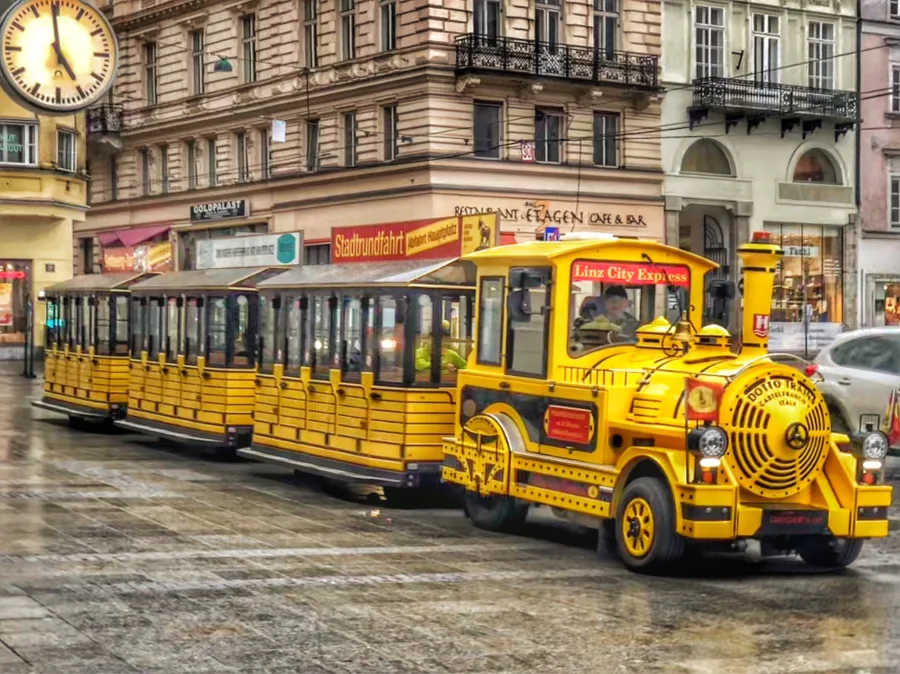
Linz weaves together history, innovation, and daily Austrian life in a way that’s both chill and inspiring. To get the most out of your visit, think a bit about how you’ll get there, get around, where to stay, and when to go.
How to Get to Linz
Linz is easy to reach from all over Europe. Linz Airport (LNZ) has flights from places like Frankfurt, Düsseldorf, and London. If you’re coming from farther away, it’s usually cheaper to fly into Vienna or Salzburg and hop on a train. I’ve done that myself—it’s scenic and honestly, a breeze. You can compare flights at Fly Cheap to Top Destinations!.
The Linz Hauptbahnhof (main train station) is one of Austria’s most modern. Trains from Vienna take about 1 hour 15 minutes, from Salzburg just over an hour. If you’re driving, the A1 autobahn links Linz with both cities. Long-distance buses are the cheapest option, but they take a bit longer.
Getting Around the City
Linz is compact, so you won’t spend hours getting from place to place. The Linz AG Linien tram and bus system covers almost everywhere you’d want to go. I always grab a 24-hour pass—cheap, and you don’t have to mess with tickets every ride. Trams are clean and run on time, even if your German is nonexistent.
Walking is honestly the best way to get a feel for the city center. The Old Town, riverfront, and main shopping areas are all an easy stroll apart. If you’re into cycling, Linz has bike lanes and rental spots all over. Taxis and rideshares are there if you need them late at night, but you probably won’t.
Where to Stay in Linz
You’ll find everything from sleek hotels by the Danube to cozy guesthouses in the Altstadt (Old Town). Personally, I love staying near the river—it’s walkable to most spots and the sunsets are worth it. For options, Booking.com | Official site | The best hotels, flights, car rentals & accommodations has you covered.
If you want a little luxury, check out boutique hotels near the Main Square (Hauptplatz). On a budget? Clean hostels or family-run inns in Urfahr or Franckviertel are solid picks. Or, try a short-term apartment rental for that local flavor—shopping at bakeries, chatting with neighbors, making your own breakfast. It’s a different vibe.
Best Time to Visit
The best time to visit Linz really depends on what you’re after. Spring (April–May) and autumn (September–October) are mild and way less crowded. The city feels relaxed, café terraces are buzzing but not packed. I have a soft spot for early autumn—the Danube trees go gold and the air is just crisp.
Summer (June–August) is lively with festivals, but prices jump and hotels fill up. Winter (November–December) brings Christmas markets and twinkling lights, though it can get pretty cold and gray. If you’re a culture fan, the Ars Electronica Festival in early September is a wild, fascinating time to visit.
Perfect 3-Day Linz Itinerary
Here’s a plan that mixes Linz’s historic heart, its edgy art scene, and some of the prettiest spots along the Danube River. You’ll bounce from medieval squares to digital museums to hilltop views that show off why this little city is so full of surprises.
Day 1: Historic Old Town & Danube Promenade
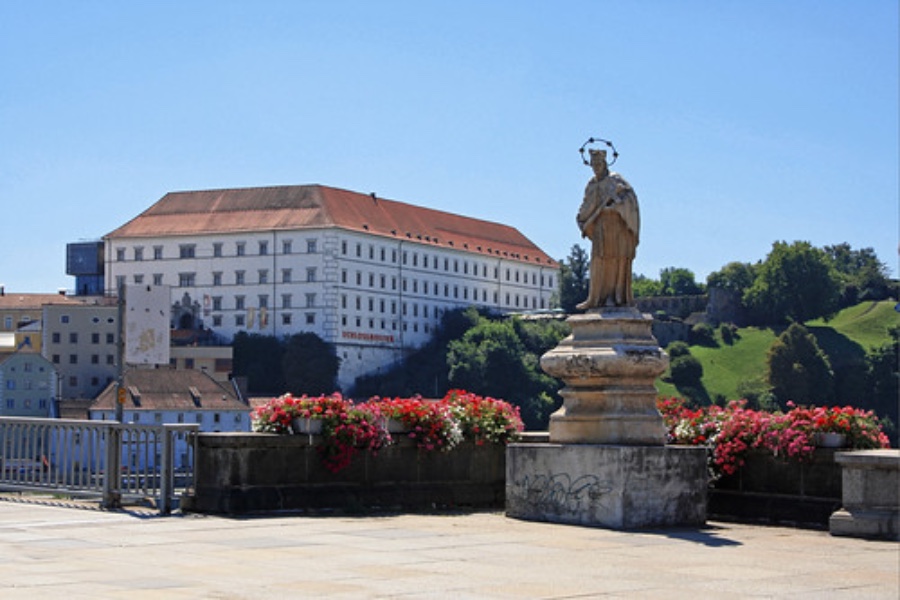
Kick off your morning in Hauptplatz, one of Austria’s biggest squares. The Trinity Column rises at its center, surrounded by pastel buildings that look especially good in the morning sun. Step into the Old Cathedral, where baroque details and soft organ music set a peaceful mood.
Head up to Linz Castle, now a museum that covers Linz’s story from Roman times to industry. The terrace gives you a sweeping view of the Danube River—great for photos.
For lunch, grab a table at a café on the Danube Promenade. I always order a slice of Linzer Torte and just watch the boats. Later, wander through Donaupark, where locals are out biking, jogging, or picnicking if the sun’s out.
In the evening, maybe catch a show at Landestheater Linz or just have dinner by the river. If you want to plan ahead, book attractions online to snag a spot.
Day 2: Art, Innovation, and Modern Culture
Linz has this reputation as a “City of Media Arts,” and the Ars Electronica Center proves it. The Deep Space 8K room projects images so sharp you’ll feel like you’re floating through space or inside a painting.
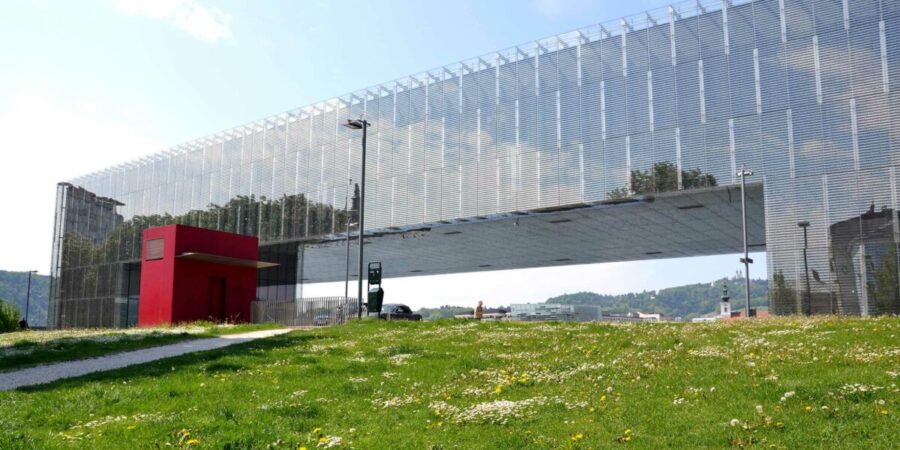
Cross the bridge to the Lentos Art Museum, a glassy building that glows purple at night. Inside, you’ll see everything from expressionist paintings to bold modern installations.
Take a break at a riverside café, then wander Landstraße, the main shopping street. It’s perfect for browsing boutiques or grabbing coffee with locals. In summer, you might stumble on open-air concerts or movie nights by the river.
Wrap up the day with dinner near Hauptplatz, where the old facades light up after dark. The mix of centuries-old squares and virtual reality exhibits feels oddly natural here.
Day 3: Scenic Views, Nature, and Local Flavors
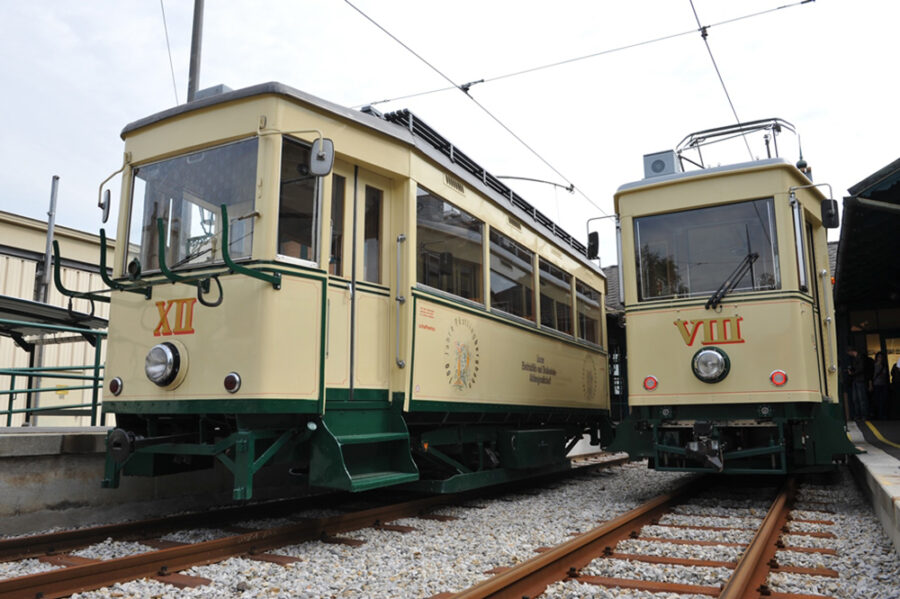
Hop on the Pöstlingbergbahn, one of Europe’s steepest trams, and ride up Pöstlingberg Hill. The view stretches out over Linz and the Danube, and if you’re lucky with the weather, you might spot the Alps. Check out the small pilgrimage church and explore the paths in the nearby forest and gardens.
Head back down for lunch near the Botanischer Garten—over 10,000 plant species, and it’s usually calm. You’ll see locals sketching or reading on benches.
In the afternoon, walk or rent a bike and follow the Danube Promenade farther out, past Donaupark into the greener spaces. The river breeze is a nice reset after a couple busy days.
Finish with a laid-back dinner in the Old Town—maybe schnitzel, maybe dumplings, definitely a glass of Austrian wine. When the lights shimmer on the water, you’ll get why a 3-day Linz itinerary just fits: enough time to soak up the history, creativity, and river calm without feeling rushed.
Top Attractions in Linz
Linz brings together history, art, and architecture in a way that’s both classic and fresh. There are grand squares, old churches, and museums that show off the city’s creative side along the Danube.
Hauptplatz and the Trinity Column
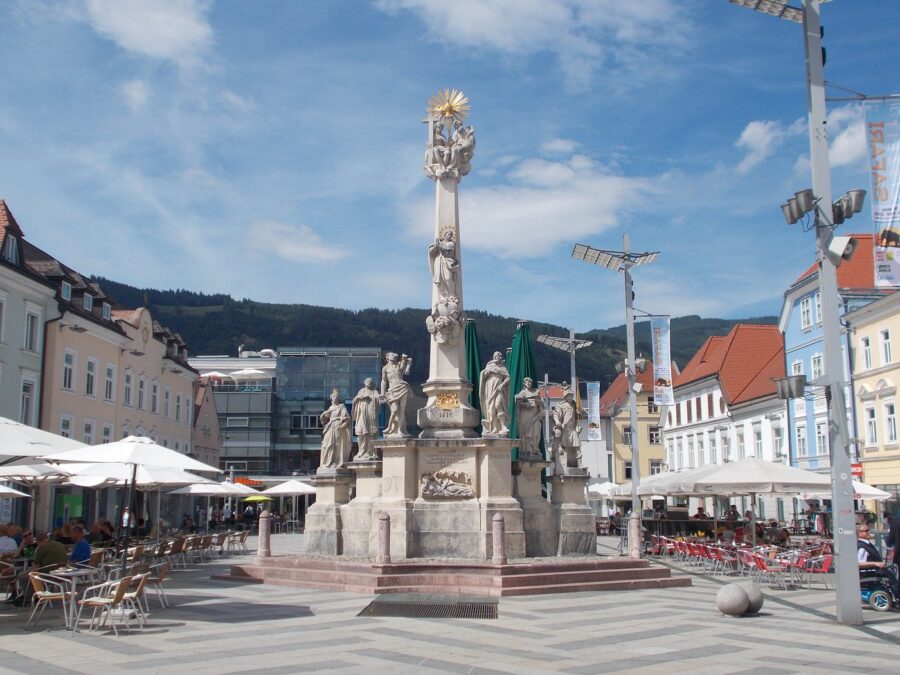
Hauptplatz is Linz’s main square and really the heart of the city. It’s one of Austria’s largest, ringed by pastel buildings with a mellow, old-timey feel.
At the center, the Trinity Column (Dreifaltigkeitssäule) rises—a baroque monument from the 1700s, built to give thanks for surviving war, fire, and plague. The carvings of saints and angels are detailed and worth a closer look.
Locals hang out here for coffee or head off to Landstraße, the busy shopping street nearby. Grab a seat at an outdoor café and just watch the city go by—honestly, it’s the best way to get in sync with Linz.
Linz Castle and Castle Museum

Linz Castle (Schlossmuseum Linz) sits above the Danube, offering views over the river and city. It goes back to medieval times, though much of what you see now was rebuilt after a fire in the 1800s.
Inside, the Castle Museum traces the region’s story from prehistoric finds to modern design. The exhibits are well-organized, and you can easily lose track of time here.
Don’t miss the terrace—it’s one of Linz’s best lookout spots, and on a clear day you might even see the Alps. Bring a camera; it’s a photo op that most visitors skip.
Old Cathedral and New Cathedral

The Old Cathedral (Alter Dom) is close to Hauptplatz and dates to the 17th century. It’s smaller than the newer church, but has a cozy, intimate feel. Anton Bruckner, the famed Austrian composer, once played the organ here, which is a nice touch for music fans.
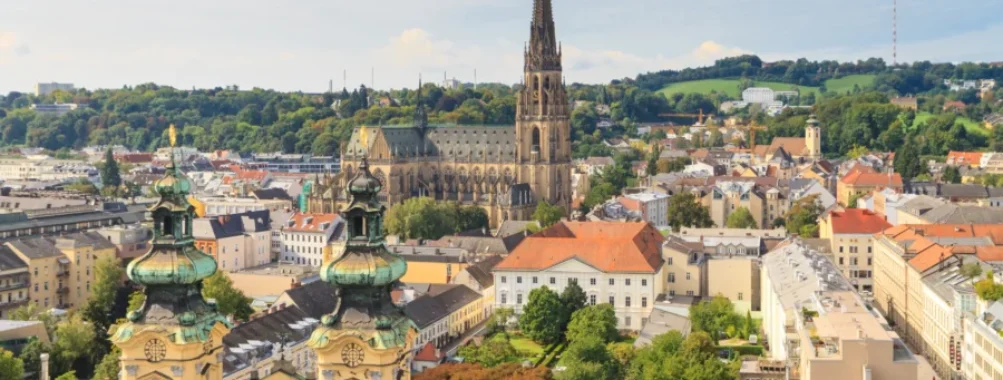
A short walk away, the New Cathedral (Mariendom)—also called the Cathedral of the Immaculate Conception—is Austria’s largest church. It’s all Gothic Revival drama, with tall spires and colorful stained glass.
You can climb the tower—nearly 400 steps—for a panoramic city view. Even if you skip the climb, the light streaming through the glass is reason enough to go inside.
Lentos Art Museum and Contemporary Art

Right by the river, the Lentos Art Museum stands out with its glassy, modern look. At night, the building glows in different colors, reflecting off the water. Inside, you’ll find a strong lineup of modern and contemporary art, including works by Klimt, Schiele, and Kokoschka.
The museum isn’t overwhelming, which I appreciate. The layout makes it easy to actually enjoy the art, not just rush past. There’s a café with a terrace overlooking the Danube—perfect for a break.
If you like art that pushes boundaries, Lentos is a must. It’s a reminder that Linz keeps moving forward, always mixing tradition with new ideas.
Ars Electronica Center & Digital Innovation
In Linz, technology and creativity collide at one of Europe’s most inventive cultural spaces. You’ll see how digital art, science, and imagination turn into hands-on experiences that might just change how you think about museums.
Deep Space 8K Experience

Step inside Deep Space 8K at the Ars Electronica Center, and suddenly you’re somewhere else entirely. Ultra-high-resolution images and videos cover a 16-by-9-meter wall and floor, wrapping you in visuals that are tough to describe until you’re right there, surrounded.
You can wander through gigapixel photos, 3D animations, or even zip through the human brain or the stars. The detail is wild—tiny things you’d never spot on a regular screen just pop out.
When I visited, a bunch of kids actually gasped as a whale glided “under” their feet. That’s the sort of moment that sticks. Here, you’re not just watching—you’re part of it. Motion sensors let you steer through digital worlds or play with data just by moving your hands.
It’s got the vibe of a science lab mashed up with an art studio. Honestly, it makes technology feel less like a tool and more like a playground.
Ars Electronica Festival

Every September, Linz turns into a giant, citywide celebration of art and technology with the Ars Electronica Festival. If you’re thinking about a visit, try to catch this—it’s when the city really wakes up.
Artists, scientists, and curious minds from all over gather for installations, performances, and talks, digging into how digital change shapes our lives. You’ll stumble across everything from AI music to robots you can tinker with.
One night, I found myself at a projection show by the Danube—people sprawled on beanbags, watching swirling visuals set to ambient music. It felt like a cross between a science fair and a block party.
The vibe is open, a bit quirky, and genuinely welcoming. You don’t have to be a tech whiz—just come curious.
Museum of the Future
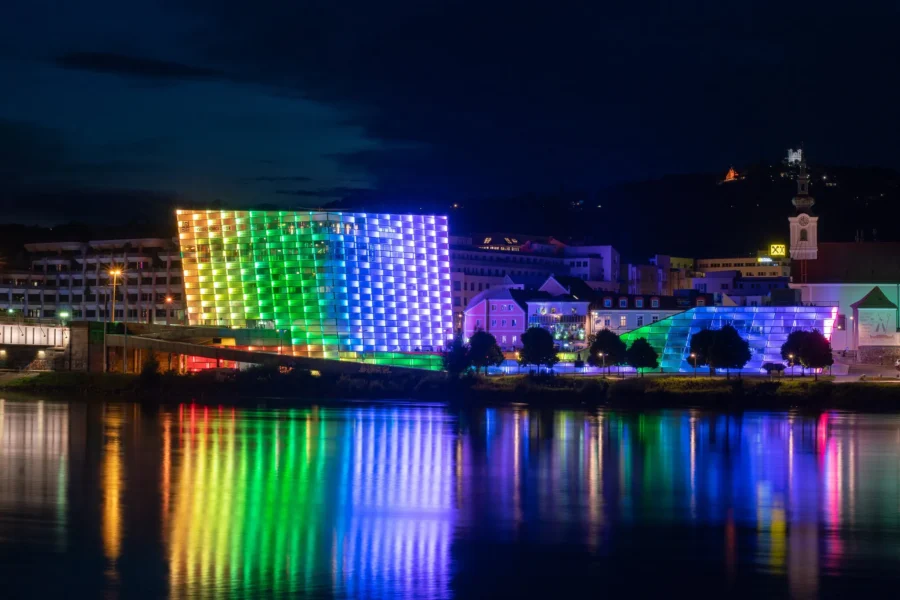
The Ars Electronica Center is often called the Museum of the Future, and honestly, the name fits. Since opening in 2009, its glass walls have glowed at night, mirroring the Danube and city lights. Inside, you’ll find interactive exhibits on AI, robotics, biotechnology, and space research.
You can train a neural network, see how prosthetics connect to the brain, or figure out how satellites shape our world. The museum wants you to touch, test, and experiment—something most places would never allow.
Families gravitate to the Kids’ Research Lab, where children tinker with digital and natural stuff. Adults can check out the Ars Electronica Labs for a deeper dive into how we and our machines shape each other’s futures.
Don’t rush. Give yourself a solid chunk of time to wander, press buttons, and chat with the guides. They’re usually researchers, and their excitement is, frankly, infectious.
Pöstlingberg: Panoramic Views and Local Legends
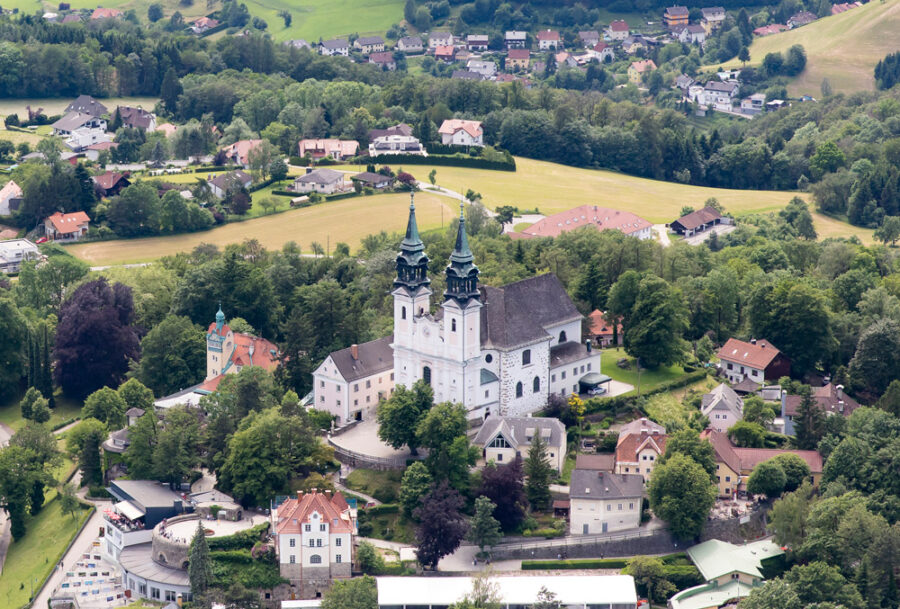
Pöstlingberg rises over Linz, a mix of scenic lookout, local hangout, and a spot for a bit of quiet. Up here, you get history, family fun, and those wide-open views that make you pause for a second.
Pöstlingbergbahn Tram Journey
Kick things off with the Pöstlingbergbahn, one of Europe’s steepest adhesion railways. The tram rolls out from Hauptplatz, climbing the hill in about 20 minutes, passing by Anton Bruckner University and the Linz Zoo. Riding it feels a bit like time travel—modern trams glide along tracks that have carried folks up here since 1898.
If you can, grab a window seat. The view opens up quick, and you’ll see the Danube River twisting through Linz. I did this on a clear morning, and halfway up, the rooftops below looked like a patchwork quilt.
You get to pick between newer carriages or the old-school summer ones with wood interiors. Both are comfy and accessible. At the top, step out and take a deep breath—the air’s cooler, and the city stretches out like a map.
Basilica and Hilltop Attractions
At the summit, the Pöstlingbergkirche stands with its twin towers, a peaceful pilgrimage spot. It’s dedicated to the Seven Sorrows of the Virgin Mary, and even if you’re not religious, the calm inside is grounding. The walk from the tram stop to the church weaves past small gardens and a few lookout points.
From the viewing platform, you can spot the Alps on a clear day. I once stopped for coffee at the café nearby, and that view kept me there longer than I’d planned. A couple of restaurants serve Austrian classics—perfect for a lunch with scenery.
Architecture fans should check out the basilica’s baroque details. The soft cream walls and ornate inside stand out against the simple landscape. It’s one of those places where you just start whispering without thinking.
Family-Friendly Activities
Families love Pöstlingberg for its mix of things to do. The Grottenbahn, a little dragon-themed train, takes kids (and curious adults) through a world of dwarves and fairy tales. It’s quirky and a bit old-fashioned, but the miniature Linz Hauptplatz inside always gets a surprised grin.
Halfway down, the Linz Zoo offers a mellow break. About 600 animals live here, including monkeys and reptiles in the tropical house. On nice days, locals stroll with strollers or ice creams.
If you want to slow down, grab a snack at one of the hilltop cafés. The terraces face the city, and at sunset, the light turns everything golden. Sometimes, it’s enough to just sit, watch, and listen to the tram hum below.
Linz Food Experiences & Austrian Cuisine
Linz brings together old-school Austrian flavors and a creative, modern food scene that somehow feels easygoing. Cozy taverns sit next to sleek restaurants, all serving food that reflects the city’s history, love for comfort, and a dash of innovation.
Where to Eat in Linz

You don’t have to search hard to eat well in Linz. Start near Hauptplatz—places like Promenade Restaurant and Wirt am Graben serve Austrian classics with a bit of a twist. For something casual, the Beisln (those pub-style spots) around the Old Town offer hearty lunches and genuine friendliness.
For dinner, locals often ride up to Pöstlingberg Schlossrestaurant. The view over the Danube is worth it, and the food—especially the seasonal game dishes—makes the trip up feel like a treat. During Linz Christmas Market, food stalls fill the air with roasted chestnuts and mulled wine.
Vegetarians are in luck, too. Spots like Front Food serve plant-based Austrian comfort food, proving schnitzel doesn’t always need meat.
| Type | Recommendation | Area |
|---|---|---|
| Traditional Austrian | Promenade Restaurant | City Center |
| Modern Austrian | Pöstlingberg Schlossrestaurant | Pöstlingberg Hill |
| Vegetarian | Front Food | Landstraße |
| Street Food | Linz Christmas Market | Hauptplatz |
Must-Try Local Dishes
You can’t come to Linz and skip Wiener Schnitzel. Thin, crisp, usually with potato salad or lingonberry jam—it’s a classic. I’ve had it in plenty of places, but in Linz it just feels lighter. Maybe it’s the local butter, or maybe it’s the view.
Try Erdäpfelsalat (potato salad) and Tafelspitz, a boiled beef dish with apple-horseradish sauce. Winter calls for Gulasch and Knödel to warm you up.
For dessert, Apfelstrudel is everywhere, but each bakery puts its own spin on it. Some add rum-soaked raisins, others use tart apples from nearby orchards.
Cafés and Linzer Torte

Cafés in Linz are more than just coffee stops—they’re part of how the city breathes. Locals linger for ages, reading or chatting quietly. The pace slows, and honestly, that’s the charm.
The main event is the Linzer Torte (or Linzertorte), a shortcrust pastry with red currant jam and a lattice top. Said to be one of the world’s oldest cakes, and yes, it really did start here. You’ll find it everywhere, but my favorite slice came from Jindrak Konditorei, a family bakery that’s been around forever.
Pair your torte with a Melange—Austria’s version of a cappuccino—and you’ll get why café culture here just feels right.
Austrian Wines and Nightlife
Austrian wines deserve more attention, and Linz is a great place to try them. Bars often serve crisp Grüner Veltliner and fruity Zweigelt from the Danube Valley. Many restaurants list small producers you won’t see elsewhere, so ask for a tip.
Nightlife in Linz is easygoing but never dull. Wine bars like Wein & Co or Josef Linz hide on side streets, perfect for a quiet glass and conversation. In summer, riverside bars buzz with music, lights, and the Danube breeze—it’s easy to lose track of time.
During Linz Christmas, the city glows, and markets turn into open-air bars with Glühwein (hot spiced wine). It’s simple, warm, and just feels right.
Day Trips & Excursions from Linz
Linz is perfectly placed for quick escapes—nature, history, and culture are all close by. You can cruise the Danube, reflect at Mauthausen, or relax by the lakes and hills of Upper Austria, all without a long journey.
Danube River Cruise
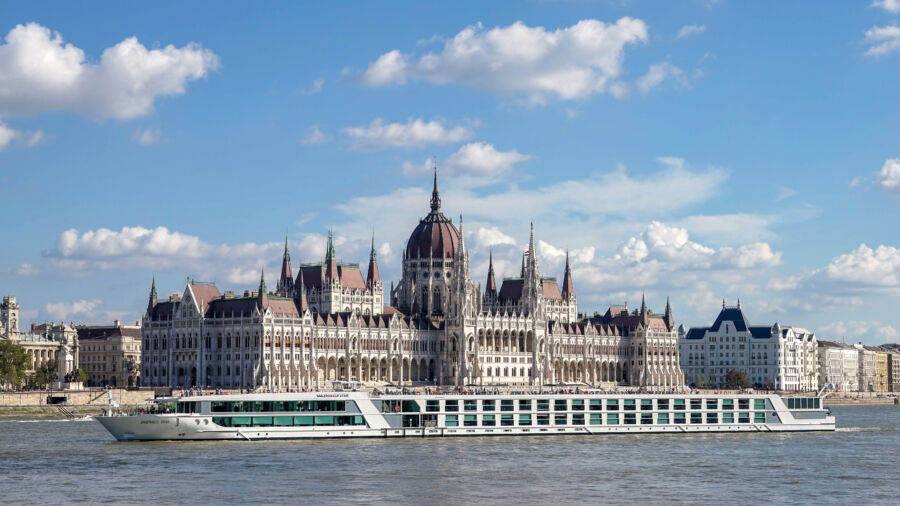
A Danube River cruise is one of the easiest and most scenic ways to explore Austria. The river winds past rolling hills, vineyards, and fairytale towns like Melk and Dürnstein.
You can hop on a half-day or full-day cruise right from Linz’s harbor. Some boats serve lunch, others let you jump off to explore riverside villages. I joined a short cruise in late spring—the air smelled faintly of wildflowers, and sunlight danced on the water.
If you want to plan ahead or combine a cruise with other stops, check out day trips and tours on Viator. Schedules shift with river levels and seasons, so it’s worth a look before you go.
Tip: Bring a light jacket, even in summer. The breeze on deck can catch you off guard.
Excursions to Mauthausen and Gmunden
Drive east and you’ll reach Mauthausen, site of the former concentration camp memorial. It’s a tough visit, but one that lingers. The museum and preserved buildings give a sobering look at Austria’s wartime past. Guided tours help you make sense of it all.
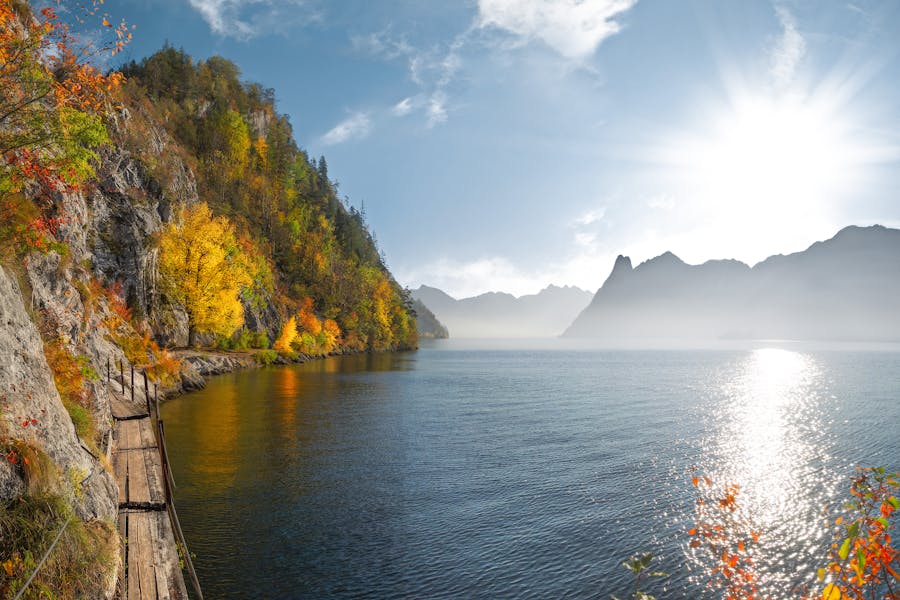
On a lighter note, Gmunden—about an hour southwest—offers lake life at its best. The town hugs Traunsee, surrounded by gentle mountains. You can stroll the promenade, visit lakeside Ort Castle, or just sip coffee by the water, watching sailboats drift by.
If you can, do both—Mauthausen for reflection, Gmunden for a bit of renewal. The contrast makes for a meaningful day out.
Exploring Upper Austria

Beyond Linz, Upper Austria mixes countryside charm and cultural gems. Small towns like Steyr and Bad Ischl show off pastel facades, cobbled squares, and bakeries with fresh pastries.
Love hiking or cycling? Trails wind through forests and along lakes like Attersee and Traunsee. You’ll find plenty of marked routes and rental shops, so there’s no need to lug gear from home.
For a slower pace, drop by local farms or wineries scattered across the Wachau Valley and Salzkammergut. Locals are usually up for a chat and might even pour you a glass of wine or homemade schnapps. Honestly, those unscripted moments often turn into your favorite travel memories.
Frequently Asked Questions
Linz has this easy mix of old-world sights, modern art, and river views—honestly, it works for a quick getaway or a longer stay. Whether you’re hunting for museums, green spaces, or just some good eats, there’s plenty to keep you busy. And if you poke around, you’ll stumble onto things even seasoned travelers sometimes skip.
What are the top attractions to visit during a 3-day stay in Linz?
Kick things off at Hauptplatz, wander into the Old Cathedral, and make your way to the Linz Castle Museum. These spots really anchor you in the city’s past.
For day two, get a taste of Linz’s creative side at the Ars Electronica Center and Lentos Art Museum. Later, hop on the tram up Pöstlingberg—the sunset over the Danube from up there is something you’ll remember.
Can you recommend a comprehensive 2-day itinerary for a first-time visitor to Linz?
If you’re in town for two days, aim for a little bit of everything. Start in the old town: Hauptplatz, New Cathedral, then stroll along the river. Grab lunch at a café on Landstraße before checking out the Ars Electronica Center.
On your second day, ride the Pöstlingbergbahn up the hill in the morning. Spend the afternoon at Lentos Art Museum or pop into some local shops. Before you leave, try a slice of Linzer Torte—it’s a must.
What unique experiences should I include in a 4-day Linz travel plan?
Four days gives you room to roam a bit. Head to Mural Harbor, where street art covers the docks—most people miss this spot.
Try a short river cruise on the Danube, or rent a bike and follow the riverside trail. If tech and design are your thing, swing by Tabakfabrik Linz for a workshop in this old tobacco factory turned creative hub.
Check out the Botanischer Garten—it’s tucked away on a hillside and packed with thousands of plant species. Super peaceful, and hardly ever crowded.
I’m also a fan of Café Traxlmayr. Locals love it for the old-school atmosphere. If you’re up for something unusual, the Voestalpine Stahlwelt museum dives into steel production and, weirdly enough, it’s actually pretty fascinating.
Where can I find a list of activities in Linz for travelers on a budget?
Linz is easier on the wallet than you might expect. Grab a public transport day pass to zip around without breaking the bank. Loads of museums offer free or discounted entry on certain days—definitely worth checking their websites ahead of time.
There’s also plenty of free stuff: stroll along the Danube, wander Donaupark, or catch live music at Hauptplatz if you’re there on a summer evening. Honestly, I’ve lost hours just people-watching in the square.
What seasonal events or festivals should I not miss when visiting Linz?
In early September, the Ars Electronica Festival pulls in artists and tech fans from everywhere. It’s creative, daring, and honestly, you can’t get much more “Linz” than this.
Spring rolls out the Linzer Frühling fair, and come December, the main square glows with a cozy Christmas market—think twinkling lights and the smell of mulled wine drifting through the air. If you’re in town during summer, don’t skip the Klangwolke sound-and-light show on the Danube. It’s one of those things you’ll talk about long after you leave.