
Last modified August 17, 2026
Wandering through Chiado? It’s like diving straight into Lisbon’s soul—where old-world cafés, tiled façades, and quirky boutiques collide with creative energy. You’ll meander cobbled streets that once sparked the imagination of poets, artists, and dreamers. Maybe you’ll even pause for an espresso at the same spot Fernando Pessoa did. This Chiado itinerary gives you a real taste of the neighborhood’s best sights, flavors, and those tucked-away corners you’d otherwise miss.
You really don’t need much—just comfy shoes, a curious spirit, and maybe a few trusty travel gear essentials. Whether you’re pulled in by the gothic ruins of Carmo Convent, the buzz along Rua Garrett, or the quiet beauty of Chiado’s churches, this neighborhood rewards anyone who slows down and looks around.
Key Takeaways
- Check out Chiado’s top sights, cafés, and landmarks.
- Explore Lisbon’s cultural heart without stress.
- Get simple tips for planning a Chiado itinerary you’ll actually remember.
Essential Chiado Itinerary Overview
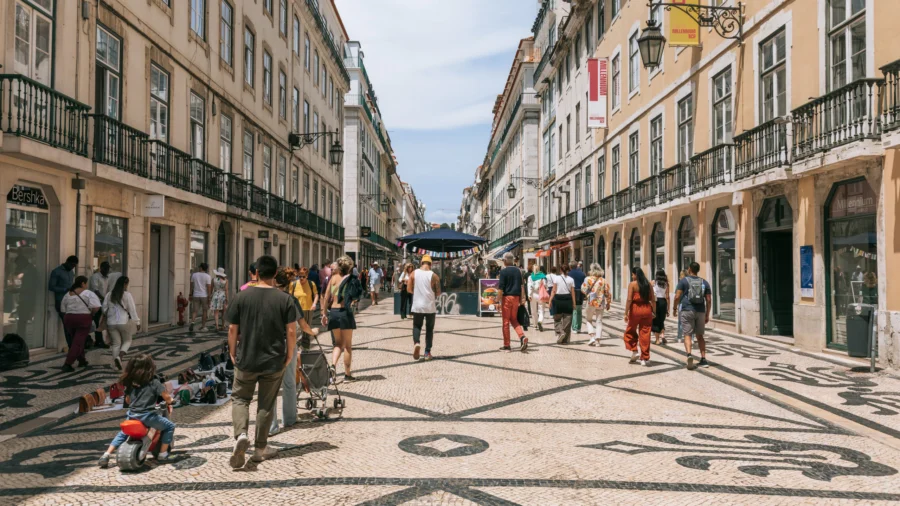
Chiado wraps up Lisbon’s history and modern flair in one neat, walkable package. Grand architecture, snug cafés, and those classic viewpoints turn every stroll into something memorable. Figuring out how to get around, when to go, and how to pace yourself makes all the difference.
How to Get to Chiado and Getting Around
Hop on the metro—Baixa-Chiado station (blue and green lines) drops you right in the middle of things. If you want a more scenic route, catch Tram 28 for a slow roll past Lisbon’s classic streets.
Chiado’s compact, so you’ll do most exploring on foot. Those cobbles can get steep (especially up by Bairro Alto), so trust me, wear good shoes. I always bring a refillable water bottle—those hills sneak up on you.
Best Time to Visit Chiado
I’d say spring and early autumn are just about perfect. Mild weather, fewer crowds, and everything feels fresh. May stands out for me—warm enough for outdoor cafés, but not so hot you regret every uphill step.
If you’re here in July or August, brace for busier streets and higher prices. Still, the evenings come alive with music and long, lazy dinners outside. Winter’s quieter and a bit cozier; museums and cafés feel less rushed.
Try to plan your 48 hours in Lisbon so you catch at least one evening in Chiado. The streets glow, Fado music drifts from terraces, and honestly, it’s downright magical. Early mornings are another sweet spot—great for photos before the shops wake up.
Suggested Duration and Itinerary Structure
You could blitz through Chiado in half a day, but I’d give it a full day. Start with coffee at A Brasileira, wander Rua Garrett, and see the Carmo Convent ruins. Spend your afternoon at the National Museum of Contemporary Art.
Staying longer? Split your time between Chiado, Bairro Alto, and Baixa. Each neighborhood has its own vibe. Chiado is elegant, Bairro Alto gets wild at night, and Baixa is all business.
For a more relaxed plan, guided experiences or city tours can help you see more without rushing. Even after a bunch of visits, I still stumble onto new corners worth lingering in.
Must-See Sights and Landmarks in Chiado
Chiado’s got that rare mix of literary legacy, café culture, and elegant architecture. You’ll drift from cobbled lanes lined with historic shops to quiet ruins that quietly tell Lisbon’s story. Every street feels layered—history, art, and the everyday rhythm of the city all at once.
Rua Garrett and Iconic Bookshops
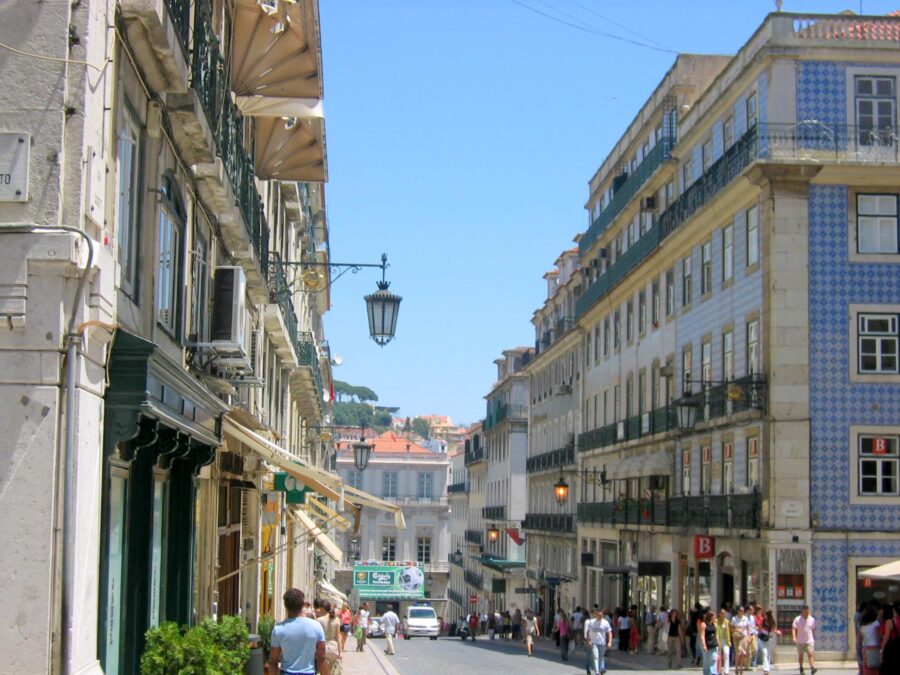
Rua Garrett is Chiado’s main artery. I always kick things off here, grabbing a coffee at Café A Brasileira—locals have hung out here since 1905, and the bronze statue of Fernando Pessoa is a fun photo op.
Bertrand Bookstore sits nearby and claims the title of the world’s oldest bookstore. The creaky floors and packed shelves feel like a time machine. If you want a quieter moment, Livraria Ferin (from the 1800s) offers a more intimate vibe.
If you’re the window-shopping type, Rua Garrett connects easily to Praça do Comércio and Rossio Square—both a quick walk away. The mix of literary history and trendy boutiques makes this street easy to get lost in for a while.
Carmo Convent and Archaeological Museum
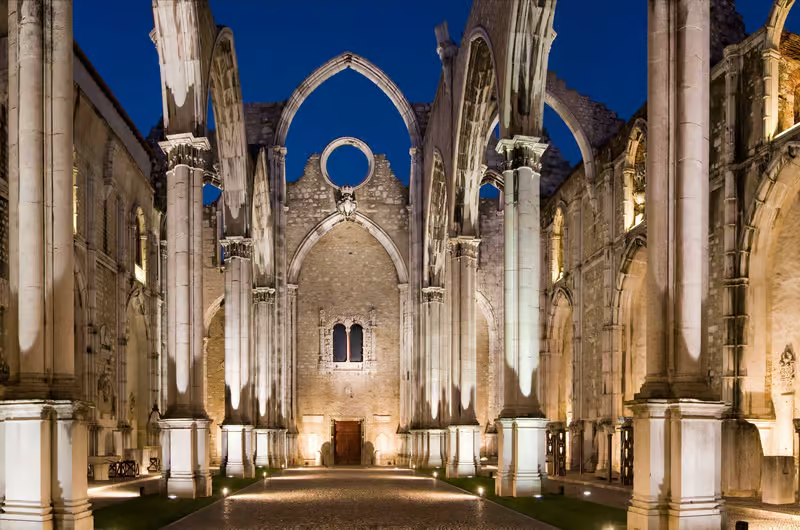
The Carmo Convent ruins stand out as one of Lisbon’s most striking sights. Gothic arches stretch up to the sky—a stark memory of the 1755 earthquake. Standing there, you can feel the city’s history settle around you.
Inside, the Carmo Archaeological Museum packs a punch for its size, with artifacts ranging from prehistoric tools to medieval tombs. The staff love to share stories about Lisbon’s recovery—don’t be shy about asking a question.
Late afternoon is my favorite time to visit—the sunlight slants in just right for photos. Since the convent sits just above Rossio Square, you can easily pair both on a relaxed stroll.
Praça Luís de Camões and Surroundings
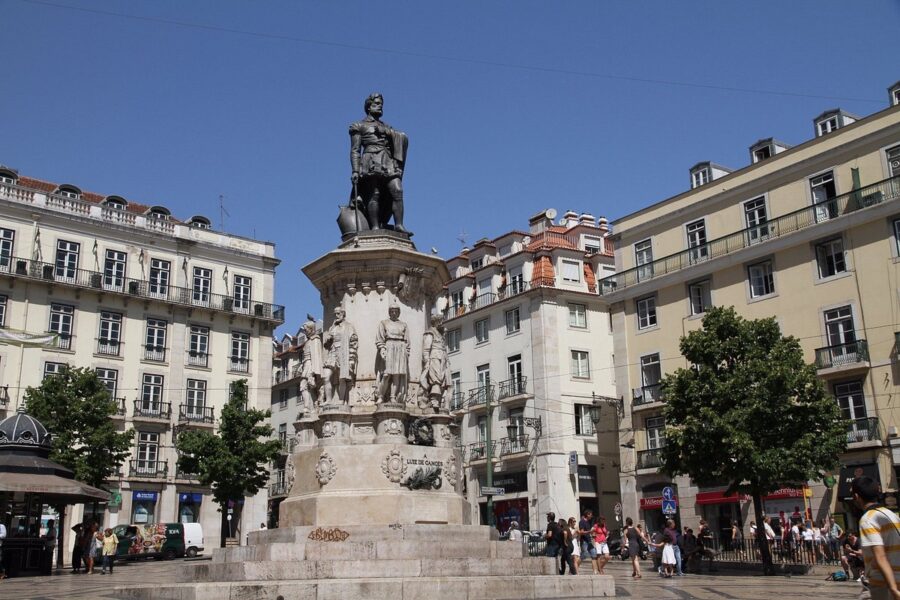
Praça Luís de Camões marks the edge between Chiado and Bairro Alto, and honestly, it’s a top spot for people-watching. The statue of poet Luís de Camões stands tall at the center.
Benches ring the monument, and on weekends, street musicians fill the air with soft fado tunes. From here, you’re steps from the Carmo Convent or a short walk down to Praça do Comércio for river views.
Around the square, you’ll spot elegant cafés, the Basilica of the Martyrs, and the Caza das Vellas Loreto—a candle shop that’s been around since 1789. Lighting one of their handmade candles feels like a tiny nod to Lisbon’s past.
Art, Culture, and History
Chiado’s where art, literature, and performance pulse through daily life. World-class galleries, cafés that once hosted big thinkers, and theaters with real character—you’ll find them all. Every block carries a piece of Lisbon’s creative story, from 18th-century façades to modern art installations.
National Museum of Contemporary Art (MNAC)
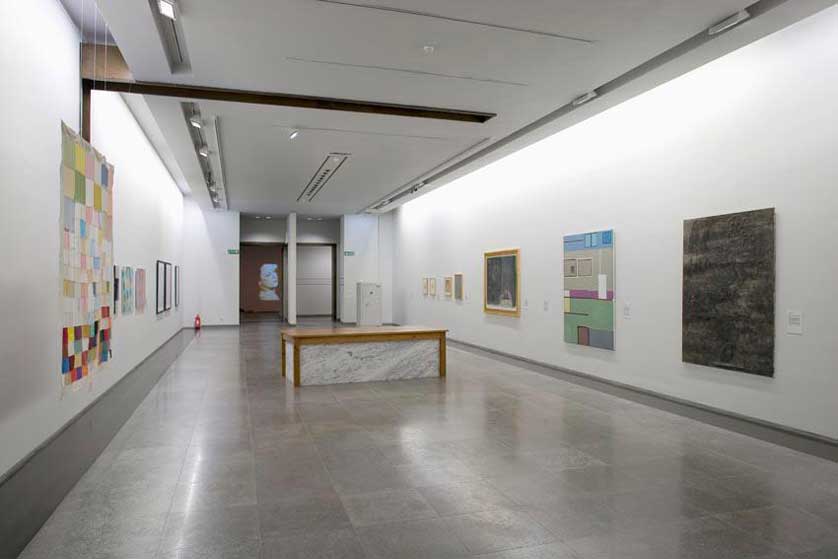
The National Museum of Contemporary Art, tucked inside a former convent, showcases Portuguese painting and sculpture from the mid-1800s onward. The building keeps things simple, letting the art do the talking.
You’ll spot works by artists like Columbano Bordalo Pinheiro and Almada Negreiros—big names in shaping modern Portuguese identity. Exhibits change up regularly, so there’s usually something new.
I like to hang out in the sculpture garden—it’s quiet, shady, and a great break between galleries. If you’re into contemporary art, the museum’s newer wing adds a cool twist to Chiado’s classic vibe. It’s the kind of place that rewards slowing down.
Tip: Admission is free on Sundays until 2 p.m.—a good excuse to pop in before lunch.
Café A Brasileira and Literary Legacy
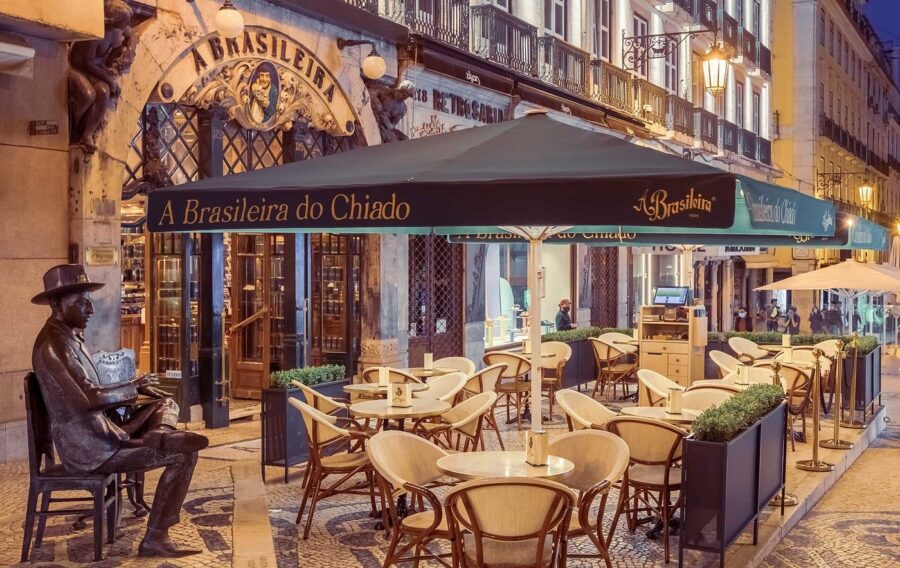
Café A Brasileira on Rua Garrett is pure Lisbon. The bronze statue of Fernando Pessoa outside is hard to miss—he sits there, notebook in hand, almost daring you to join him.
Inside, the dark wood, mirrors, and marble tables haven’t changed much in a century. Writers, artists, and thinkers once debated everything here over espresso.
Even if you’re not a poetry fan, step inside and soak up the atmosphere. I’ve watched locals read the paper while tourists snap photos, and somehow it still feels authentic.
Nearby: Duck into the Bertrand Bookstore—the world’s oldest bookshop—just a stone’s throw away.
Historic Theatres and Performance Venues
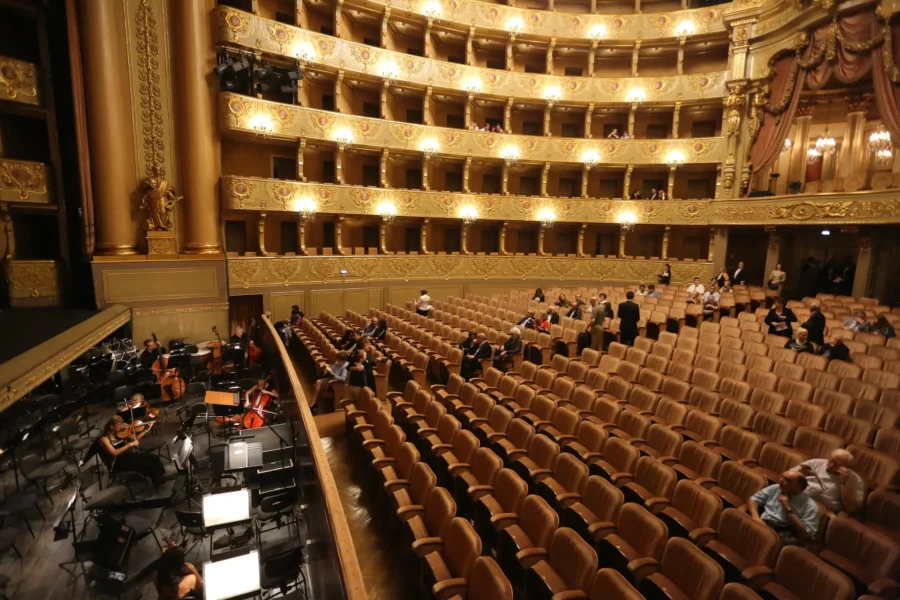
Chiado’s been obsessed with performance forever. The Teatro Nacional de São Carlos, built in the late 1700s, is still Lisbon’s grand opera house. The rococo interiors and stellar acoustics make it a treat—even if you just catch a rehearsal.
Nearby, smaller venues like Teatro da Trindade and São Luiz Teatro Municipal put on plays, concerts, and dance shows. Locals show up in jeans, and tickets are usually pretty affordable, so you can squeeze in a show without much planning.
I once caught a modern fado set here—no microphones, just raw voices echoing off old walls. It gave me goosebumps. If you want to feel Lisbon’s creative heartbeat, these theaters are where it’s loudest.
Culinary Delights and Cafés
Chiado’s food scene mixes old-school comfort with a dash of modern flair. You’ll bite into flaky pastries from bakeries that have been around for ages, tuck into cozy taverns serving family recipes, and sip cocktails with skyline views stretching out to the Tagus.
Traditional Portuguese Pastries and Cafés
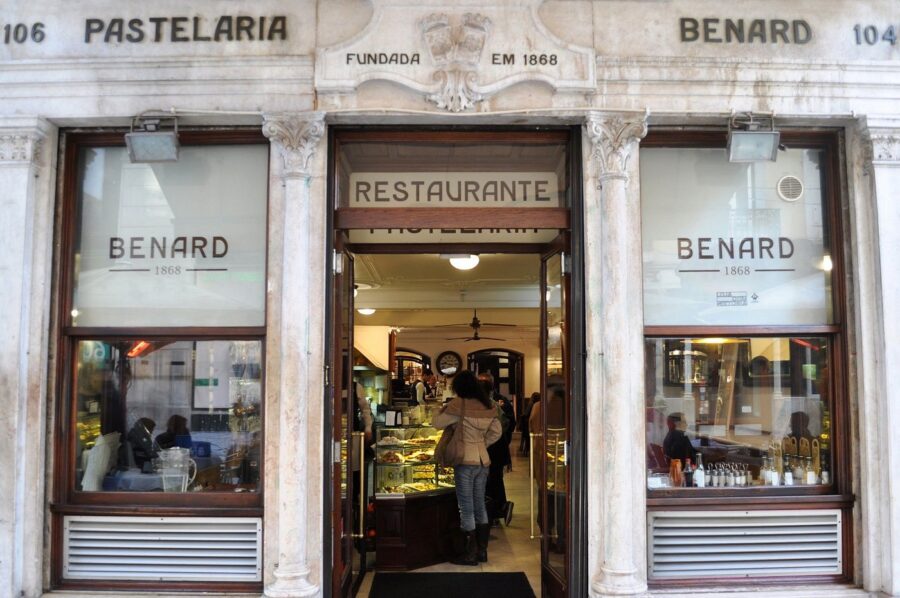
There’s something about Chiado in the morning—the smell of coffee and butter just hangs in the air. I usually start at Pastelaria Benard for a warm croissant and strong espresso; locals swear by it.
But you can’t skip the pastéis de nata—those iconic custard tarts. Sure, the original comes from Belém, but Chiado’s bakeries give them some serious competition. I grab mine at Café A Brasileira, which still buzzes with writers, students, and the occasional lost tourist.
If you love people-watching, snag a sidewalk table and watch the city wake up. The Art Deco interior and Pessoa statue make it a classic Lisbon experience. If you want more background, this Chiado culinary guide dives into the history and flavors.
Best Restaurants for Local Flavors
Chiado bursts with restaurants that keep Portuguese flavors alive, but they’re not afraid to play with tradition. Taberna da Rua das Flores is tiny and always buzzing—a neighborhood favorite for Bacalhau à Brás (shredded cod, eggs, and potatoes, done right). They don’t take reservations, so you’ll want to show up early or just cross your fingers and hope for the best.
If you’re feeling fancy, try Belcanto by chef José Avillez. He’s turned local cuisine into an art form, and it’s not just hype—there’s a reason it’s got a Michelin star. The duck rice? It totally redefined comfort food for me, and I don’t say that lightly.
Staying near the Bairro Alto Hotel? You’re in luck. You can stroll to great spots in Chiado and Cais do Sodré without much effort, making dinner plans and post-meal walks almost too easy.
Trendy Bars and Rooftop Spots
When night falls, Chiado trades its coffee cups for cocktail glasses. Rooftop bars like Terraço BA at the Bairro Alto Hotel give you an unbeatable view of Lisbon’s rooftops at sunset. Order a ginjinha (that cherry liqueur everyone talks about), and just watch the city light up.
Wander a few blocks and you’ll hit Cais do Sodré and the wild, colorful Pink Street. The vibe here is the opposite of Chiado’s old-school elegance—music, neon, and a crowd that’s always ready for another round. You can hop between wine bars and clubs without breaking a sweat.
If you’re after something a little quieter, drift back toward Largo do Chiado. Grab a glass of vinho verde and sit under those old street lamps—sometimes the simplest nights are the best. For more on Chiado’s nightlife, check this Lisbon food and culture walk.
Exploring Beyond Chiado: Nearby Districts & Day Trips
Lisbon’s magic definitely isn’t limited to Chiado. Just around the corner, neighborhoods shift from sleepy cafés to pulsing nightlife, grand plazas to riverside walks. Each area beats to its own drum, and getting lost a little is half the fun.
Bairro Alto: Nightlife and Fado Experiences
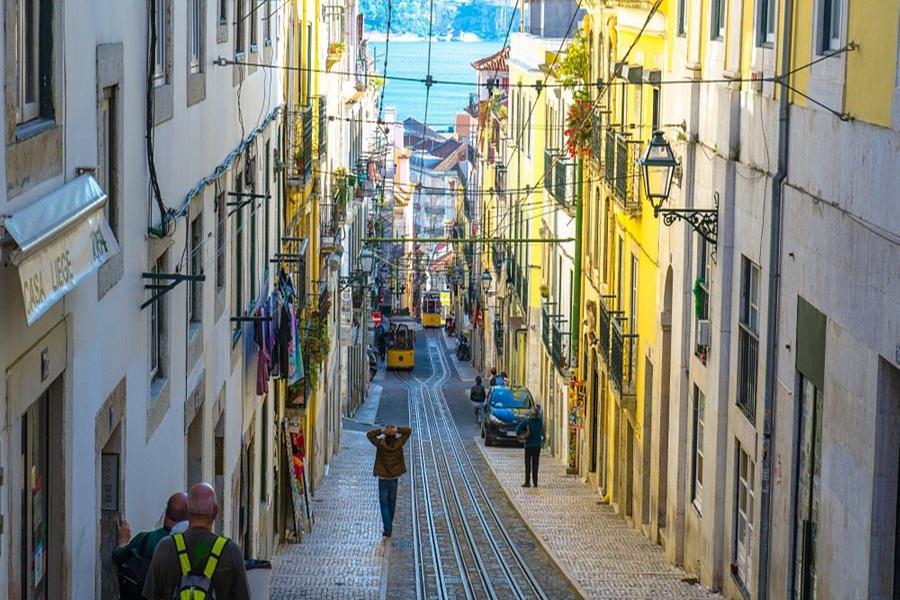
Head uphill from Chiado and you’ll find yourself in Bairro Alto, a tangle of narrow streets that wakes up after sunset. Mornings are quiet—locals hang laundry, galleries open slowly. But at night? The bars spill out, music drifts through the air, and the whole place feels alive.
Never heard live fado? You’ve got to try it here. The tiny venues feel personal, with singers pouring their hearts out while a Portuguese guitar sets the mood. I once ducked into a tavern near Rua da Barroca and ended up staying for hours, vinho verde in hand, listening as locals joined in softly.
If you’re not ready to call it a night, wander north to Príncipe Real. It’s calmer—think boutique shops, leafy parks, and rooftop bars with killer views. Sometimes, it’s the perfect way to wind down.
Baixa District: Elegant Squares and Shopping

Downhill from Chiado, the Baixa District stretches out with wide, orderly streets rebuilt after the 1755 earthquake. It feels different—grander, maybe a bit more polished. You’ll cross Praça do Comércio, that massive square facing the river, and Rossio Square with its wavy cobblestones.
Love to shop? Rua Augusta is your playground, full of big brands and local boutiques. I always sneak in a pastelaria stop for a quick espresso; it’s the little rituals that make you feel at home.
Baixa connects easily to Alfama and Chiado—walking here just makes sense. You can follow a self-guided route through Baixa and Chiado if you want to see the best bits without rushing.
Cais do Sodré and Pink Street
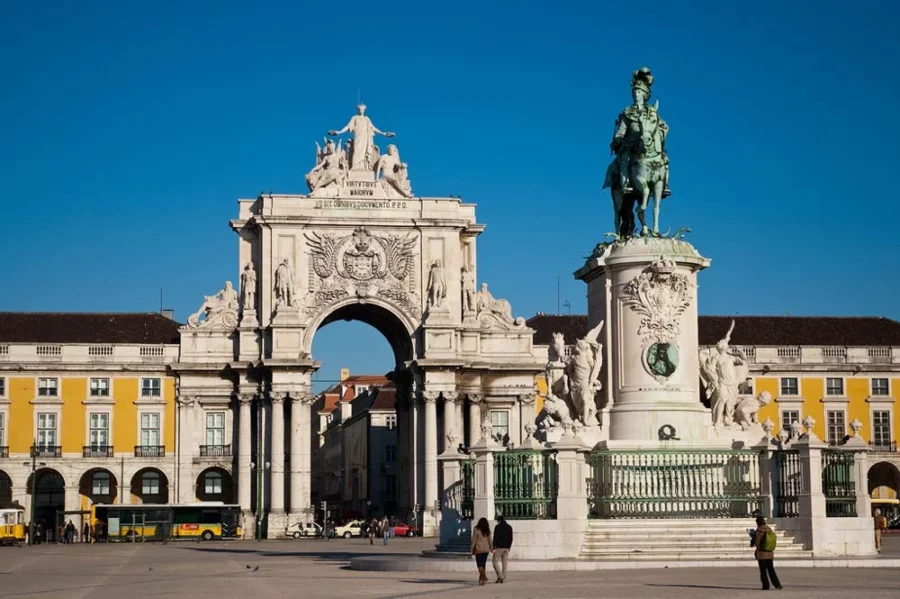
Head down from Chiado to the river, and you’ll hit Cais do Sodré—once gritty, now one of Lisbon’s hottest nightlife spots. Pink Street is the main event, with its bubblegum pavement and bars packed until the early hours.
I still remember my first Friday night here—it felt like every local and traveler in town had come out. It’s loud, friendly, and always buzzing, but you can duck into a quieter bar nearby if you need a breather.
Hungry? The Time Out Market is just around the corner. It’s a massive food hall with stalls for every craving—seafood, pastries, you name it. Afterward, stroll along the river to the Alcântara District and check out LX Factory, where old warehouses now house shops and cafés. It’s a creative spot that’s easy to love.
Easy Day Trips: Belém, Cascais, and Lisbon Beaches
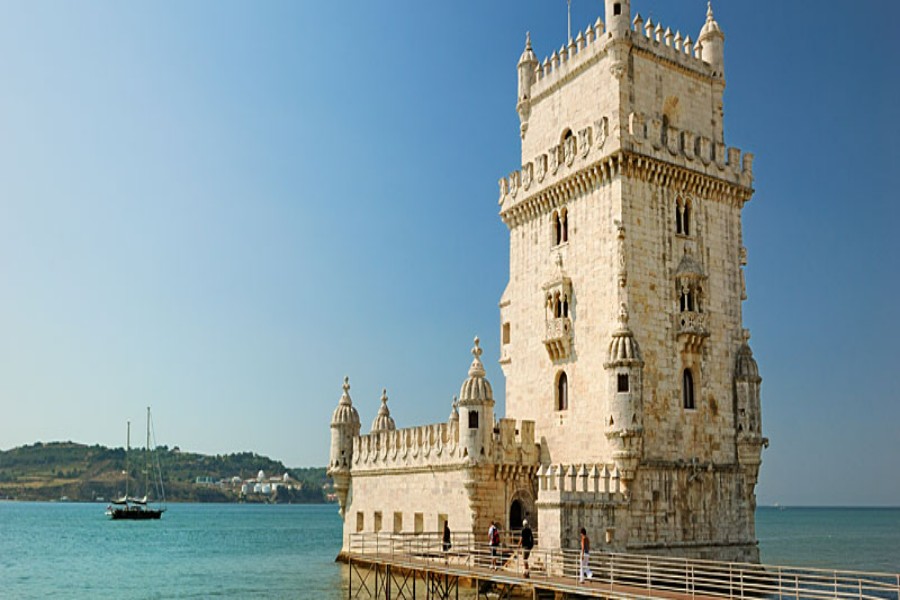
When Lisbon heats up, it’s time for a quick escape. Jump on a tram or train and you’ll reach the Belém District in no time. Here, you’ll see the Jerónimos Monastery, Belém Tower, and the original Pastéis de Belém bakery (yes, the line is worth it). The riverside walk here is one of my favorite parts of the city.
Got a bit more time? Catch the train from Cais do Sodré to Cascais—it’s only about 40 minutes. You’ll get beaches, fresh seafood, and ocean views that make you forget you’re anywhere near a city.
For a more local vibe, check out the Lisbon beaches along Costa da Caparica or near Parque das Nações. These are perfect for a lazy day of swimming, sun, and grilled fish before you head back to Chiado for dinner.
Hidden Gems and Local Experiences
Chiado hides some of Lisbon’s best secrets—quiet viewpoints, creative corners, and shops that still do things the old way. You’ll stumble across golden-hour terraces, artisan workshops, and street art that tells stories you won’t find in any guidebook.
Secret Viewpoints and Sunsets

If you climb past the Elevador da Bica, you’ll hit some of Lisbon’s secret viewpoints. At the top, the city opens up—rooftops, the Tagus, and the bridge glowing as the sun drops.
Nearby, Miradouro de Santa Catarina (locals just call it Adamastor) keeps things chill. Grab a snack—maybe a pastel de nata—and listen to street musicians as the light shifts.
One evening, I slipped down a side alley near Largo do Carmo and found a tiny terrace where locals sipped vinho verde as the sky turned gold. It’s not on any map, but that’s half the fun here—Chiado rewards wandering without a plan.
Unique Shops and Boutiques
Chiado’s winding streets hide shops that feel frozen in time. You’ll find old bookstores with creaky floors, handmade leather, and boutiques selling Portuguese ceramics and linen.
Some shopkeepers will chat for ages about their craft. I once spent an hour with a woman who hand-paints azulejos tiles—her stories made every tile feel special.
If your hands are full, drop your bags at a luggage storage spot before you keep exploring. It makes browsing way easier. Don’t skip the antique shops along Rua Garrett or the small perfumeries between cafés—these places make for the best souvenirs.
Off-the-Beaten-Path Art and Street Life

Chiado’s art scene doesn’t stay inside galleries. You’ll spot murals tucked behind stairways and pop-up exhibits in old buildings. The walls along Calçada do Combro change all the time—one week political, the next just pure color.
I love wandering early, before the city wakes up. Artists set up their easels near Rossio, sketching in the morning light. It feels like you’ve caught Lisbon in a quiet moment.
Street performers gather near the Chiado metro, mixing music, dance, and a bit of comedy. Take your time here—Chiado rewards anyone who’s willing to slow down and look around.
Frequently Asked Questions
Chiado brings together history, art, and modern life in a small, walkable pocket of Lisbon. Elegant buildings, cozy cafés, and little surprises wait around every corner if you’re willing to wander.
What are the top attractions to include in a self-guided walking tour of Chiado?
Start at Largo do Chiado, where Fernando Pessoa’s bronze statue sits outside Café A Brasileira. Swing by the u003cstrongu003eCarmo Conventu003c/strongu003e—it’s haunting and beautiful, a real reminder of Lisbon’s past.u003cbru003eu003cbru003eDon’t skip the u003cstrongu003eSanta Justa Liftu003c/strongu003e for those city views, or the u003cstrongu003eChiado Museumu003c/strongu003e if you’re into contemporary Portuguese art. The u003cstrongu003eTeatro Nacional de São Carlosu003c/strongu003e adds a dash of 18th-century drama to your walk.
Can you recommend some unique shopping experiences in Chiado?
You’ll find a mix of classic and modern shops. u003cstrongu003eA Vida Portuguesau003c/strongu003e is great for locally made goods—soaps, ceramics, stationery, all with a bit of charm.u003cbru003eu003cbru003eDesign lovers should check out u003cstrongu003ed’Orey Tilesu003c/strongu003e for authentic azulejos. For something more current, browse the u003cstrongu003eArmazéns do Chiadou003c/strongu003e mall. It’s got old-school architecture and international brands, as mentioned in u003ca href=u0022https://www.grumpycamel.com/chiado-lisbon-guide/u0022 target=u0022_blanku0022 rel=u0022noreferrer noopeneru0022u003ethis Chiado guideu003c/au003e.
Where can one find the most charming boutique hotels in the Chiado district?
Chiado hides some lovely u003ca href=u0022https://www.realjourneytravels.com/where-to-stay-in-lisbon/u0022u003esmall hotelsu003c/au003e inside historic buildings, but with modern touches. I’m a fan of Lisboa Pessoa Hotel—central, stylish, and the rooftop view is worth getting up early for.u003cbru003eu003cbru003eTo compare rates or hunt for hidden gems, check u003ca href=u0022https://www.booking.com/index.html?aid=2427303u0022 target=u0022_blanku0022 rel=u0022noreferrer noopeneru0022u003eBooking dealsu003c/au003e for boutique stays close by.
What dining spots in Chiado offer an authentic taste of local cuisine?
For classic Portuguese, go for u003cstrongu003eBairro do Avillezu003c/strongu003e—it’s lively and the seafood’s always fresh. u003cstrongu003eAntonia Petiscosu003c/strongu003e is another favorite, a cozy tavern just off the main square.u003cbru003eu003cbru003eAnd don’t leave without trying a u003cstrongu003epastel de natau003c/strongu003e from u003cstrongu003eCastrou003c/strongu003e on Rua Garrett. They’re warm, flaky, and honestly, a little addictive.
Chiado’s compact, so walking is the way to go. Grab a paper map from your hotel or download an offline map app—some streets get spotty signal.u003cbru003eu003cbru003eIf you want to branch out, tools like u003ca href=u0022https://www.jdoqocy.com/click-101136664-13731472?url=https%3A%2F%2Fwww.kayak.com%2Fu0022 target=u0022_blanku0022 rel=u0022noreferrer noopeneru0022u003eKAYAKu003c/au003e make it easy to plan routes or mix walking with public transit.
Are there any safety considerations or tips for tourists exploring Chiado at night?
Chiado feels pretty safe, even after dark, but you’ll want to keep an eye on your stuff—especially near those busy tram stops. Late at night, the crowds thin out and the vibe shifts, so I’d stick to well-lit streets if you’re heading back to your hotel.u003cbru003eu003cbru003eI’ve wandered through Chiado after dinner more times than I can count and honestly, I never felt uneasy. Still, it’s a city, right? A bit of street smarts always helps.


