Prati Itinerary: 7 Unmissable Experiences Near the Vatican
Updated October 10, 2025
People often think Prati is just the area around the Vatican, but honestly, it’s got a lot more going on. This neighborhood blends old-school charm with a modern buzz—quiet streets, polished shops, and trattorias that invite you to hang out way longer than planned. Spending a day in Prati shows you a more refined Rome, minus the elbow-to-elbow crowds.
You can wander past grand buildings and grab espresso at cafés where actual Romans sit and chat. It’s the kind of neighborhood where you don’t need a rigid plan; just walking around, you’ll probably find something cool. Before you get too deep into planning, I always recommend checking affordable travel deals—timing your trip can make all the difference.
Table of Contents
- Key Takeaways
- Essential Stops on a Prati Itinerary
- St. Peter’s Basilica and Vatican City
- Vatican Museums and Sistine Chapel
- Castel Sant’Angelo and Passetto di Borgo
- Exploring the Prati District
- Architectural Highlights and Palazzi Umbertini
- Wide Boulevards and Green Spaces
- Legal Landmarks and Historic Headquarters
- Where to Eat in Prati
- Gabriele Bonci’s Pizza Al Taglio
- Castroni and Gourmet Food Shops
- Trendy Aperitivo Spots
- Il Sorpasso and Local Favorites
- Shopping and Boutiques in Prati
- Via Cola di Rienzo Highlights
- Luxury Department Stores and Local Finds
- Artisan Souvenirs and Foodie Gifts
- Riverside Walks and Outdoor Activities
- Strolling Along the Tiber River
- Summer Festivals and River Cruises
- Hidden Gems and Local Experiences
- Charming Cafes and Bakeries
- Historic Streets and Neighborhood Secrets
- Evening in Borgo Pio
- Frequently Asked Questions
- What are the top attractions to include in a 10-day visit to Prati?
- Can you recommend unique activities in Prati for a culturally immersive experience?
- Where can one find the best shopping experiences in Prati, and what are the must-visit shops?
- What is the most efficient way to travel from Prati to the Colosseum?
- What are some hidden gem hotels in Prati for an authentic Roman stay?
- How does Prati rank in terms of safety for tourists and residents?
- Book Your Dream Experience
- More Travel Guides
Key Takeaways
- Check out Prati’s must-sees and lesser-known gems
- Enjoy local eats, shopping, and riverside strolls
- Use these practical travel tips for a smoother visit
Essential Stops on a Prati Itinerary
Some of Rome’s most impressive landmarks sit right here in Prati. From the drama of Vatican City to the stoic Castel Sant’Angelo, each spot tells a different part of Rome’s story. These places mix art, faith, and history in a way that just feels so Roman.
St. Peter’s Basilica and Vatican City
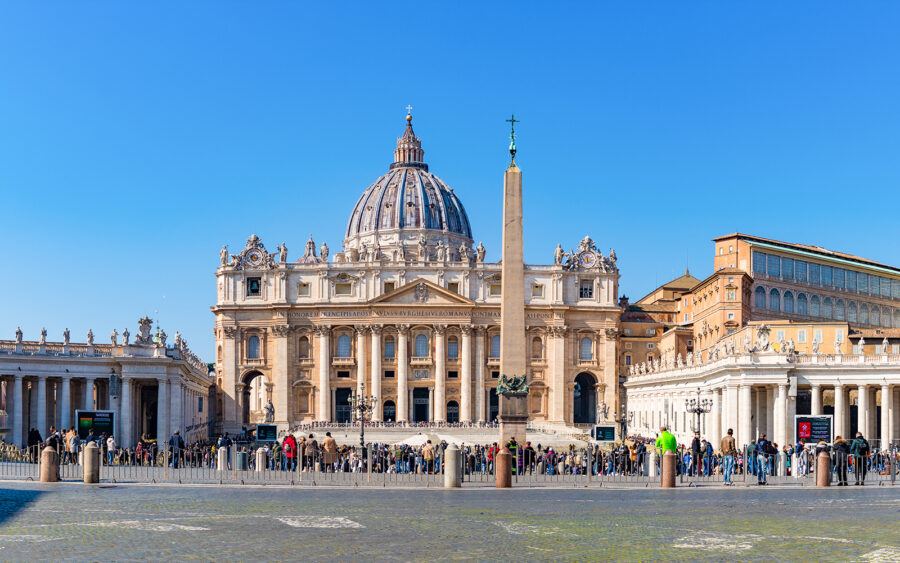
Don’t skip St. Peter’s Basilica—it’s massive, and its dome dominates the skyline. Climbing to the top gives you a jaw-dropping view of Vatican City and, honestly, most of Rome. The first time I made it up there, I felt like I was standing on top of centuries.
Inside, you’ll find treasures like Michelangelo’s Pietà and Bernini’s famous canopy. The marble shines, and you can’t help but notice how much detail fills every inch.
If you want to explore the Vatican or join a tour, definitely book tours and attractions ahead of time. The lines can get wild, especially during big religious events or Jubilee years.
Vatican Museums and Sistine Chapel
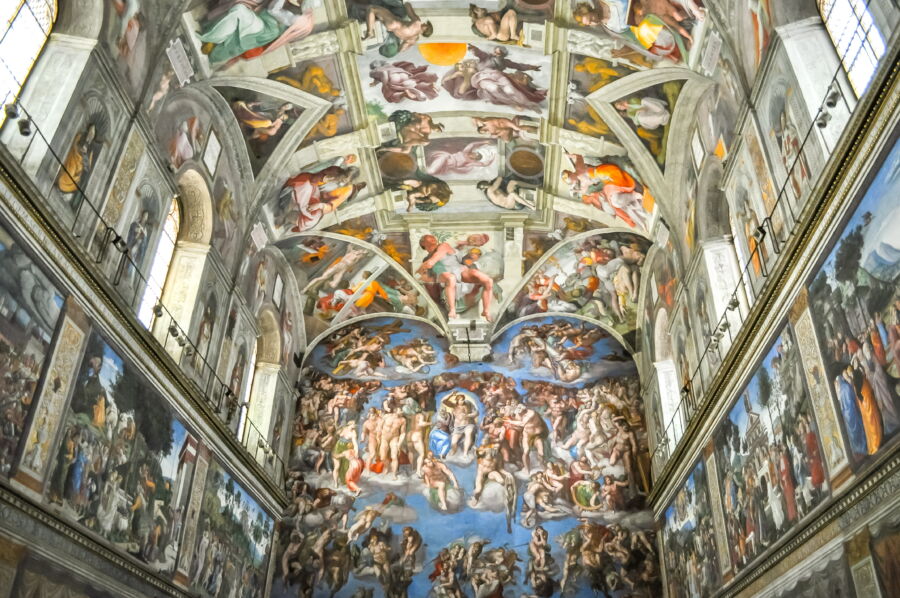
The Vatican Museums are huge—over 20,000 works. You’ll wander through halls packed with ancient sculptures, Renaissance paintings, and rooms so over-the-top, they barely seem real.
The real showstopper is the Sistine Chapel. You walk in and everyone’s just staring up at Michelangelo’s ceiling. The Last Judgment on the altar wall is just as intense—his genius (and maybe a bit of his struggle) comes through in every brushstroke.
Here’s a tip: go early or late to dodge the crowds. Wear comfy shoes—you’ll be on your feet for hours. And don’t forget the dress code: cover your shoulders and knees.
Castel Sant’Angelo and Passetto di Borgo
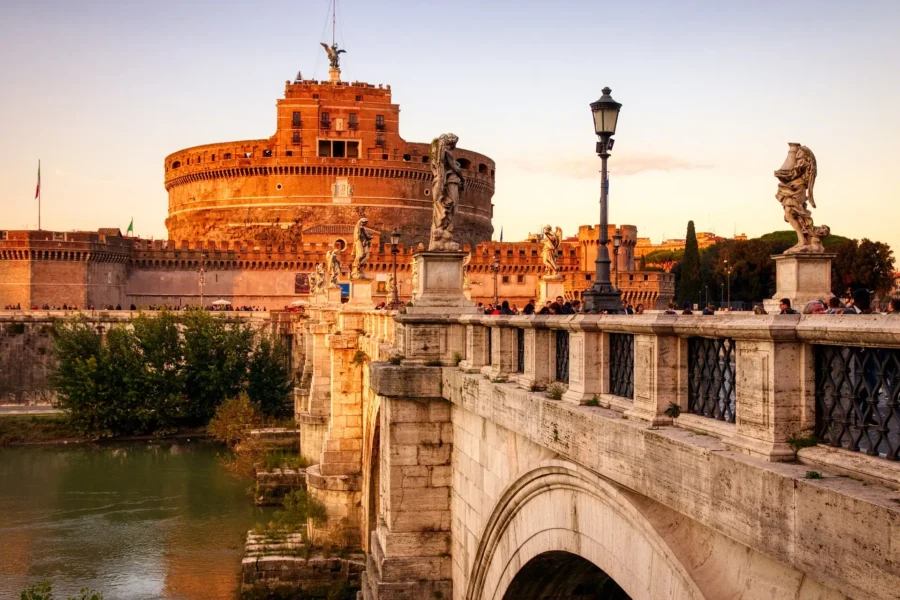
Just a short walk from the Vatican, Castel Sant’Angelo pops up with its thick stone walls and round silhouette. Emperor Hadrian built it as a mausoleum, but later, popes turned it into a fortress and their emergency hideout.
Inside, you’ll find ancient weapons, frescoes, and a winding ramp that leads to the top. The Angel’s Terrace gives you one of the best sunset views in Rome—watching St. Peter’s dome turn gold is something you won’t forget.
Keep an eye out for the Passetto di Borgo, that secret passage connecting the Vatican to the castle. It’s easy to miss, but popes once used it to escape—proof that everyone needs a backup plan sometimes.
Exploring the Prati District
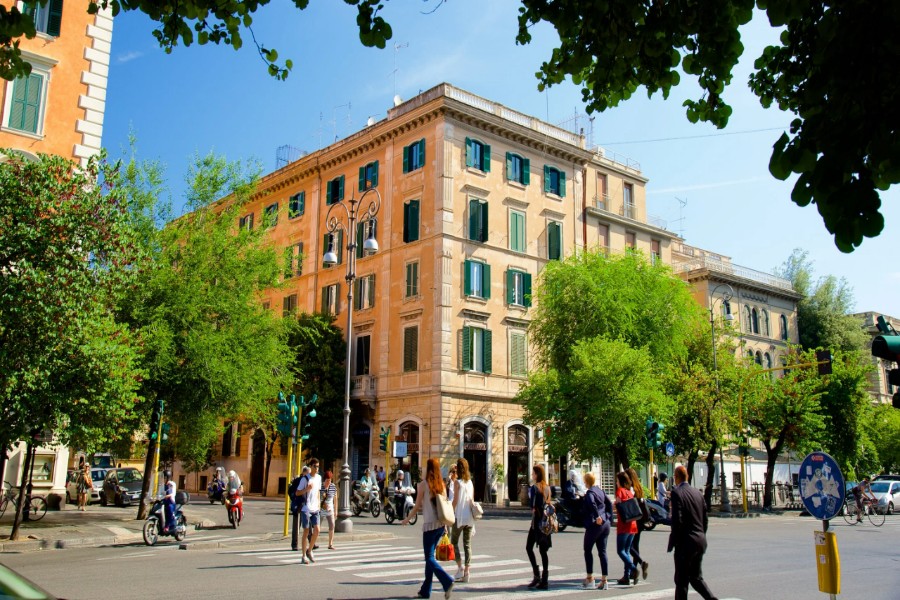
Prati feels both polished and local, with early 20th-century buildings, wide leafy streets, and a slower pace than the city center. You’ll notice its stately architecture, big boulevards, and the presence of Italy’s top legal institutions shaping the vibe.
Architectural Highlights and Palazzi Umbertini
As you wander Prati, you’ll spot Palazzi Umbertini—late 19th-century buildings showing off the confidence of a newly united Italy. Their facades have ornate cornices, arched windows, and stone balconies, giving the neighborhood a tidy, elegant look.
A lot of these now house embassies, law firms, and chic apartments. I love how their pale ochre colors catch the afternoon sun—makes the whole place glow in photos.
Walk near Via Cola di Rienzo, Prati’s main shopping drag, and you’ll see restored palazzi blending history with modern boutiques. The architecture feels more planned compared to Rome’s older, sometimes chaotic quarters, but it’s still unmistakably Roman.
Want a deeper dive? Here’s a guide to the district’s elegant design and history.
Wide Boulevards and Green Spaces

Prati’s wide avenues make it great for walking. Streets like Via Crescenzio and Viale Giulio Cesare are lined with trees and Art Nouveau buildings. You can actually breathe here—something you don’t always get in the city center.
Locals often grab coffee at old cafés like Sciascia Caffè 1919, where the espresso comes with a hit of dark chocolate. Sitting outside and watching the world go by feels like a tiny luxury.
You’ll also stumble across small parks and hidden courtyards between the apartment blocks. They’re not as famous as Villa Borghese, but these green spots make Prati feel peaceful and livable. Wandering Sophia’s itinerary of Prati points out how the open layout encourages you to slow down and really explore.
Legal Landmarks and Historic Headquarters
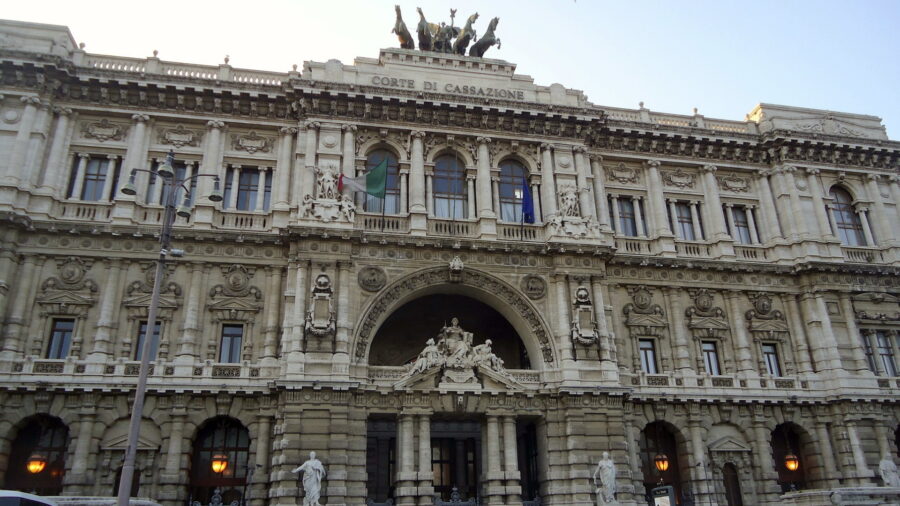
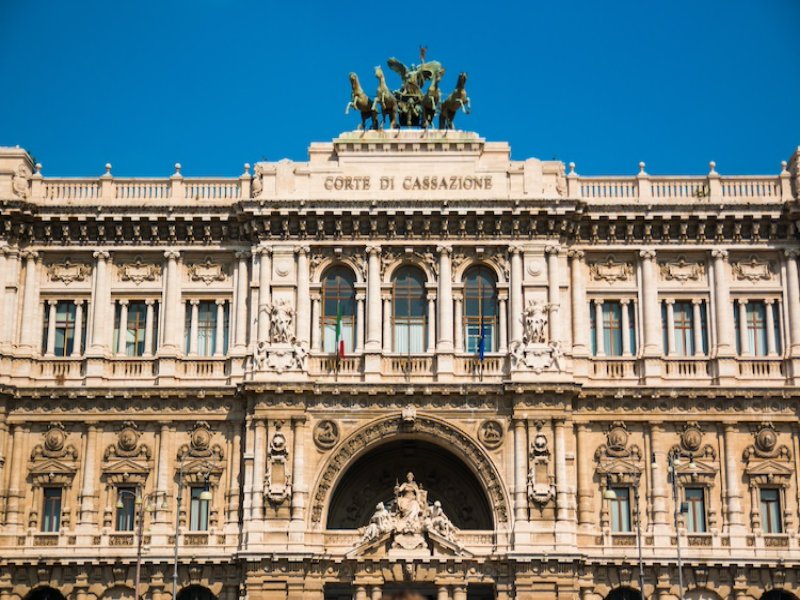
Prati isn’t just pretty—it’s Rome’s legal powerhouse. The Palazzo di Giustizia, or “Palazzaccio,” looms over the Tiber with serious Renaissance Revival vibes. Built in the late 1800s, it houses Italy’s Supreme Court and stands as a symbol of state power.
Even if you don’t go inside, you can admire its grand staircases and statues. I once stood across the river at sunset and watched the whole building light up—it felt almost like a movie set.
Nearby, you’ll see ministry offices and professional groups that bring a businesslike energy during the week. But as soon as evening hits, the suits vanish and the cafés fill up with locals heading out for aperitivo. That day-to-night switch is part of what makes Prati so unique.
Where to Eat in Prati
Prati’s food scene mixes tradition with a bit of flair. You’ll find everything from Roman street food on paper trays to fancy bistros where locals unwind after work. Bakeries, bars, and trattorias are everywhere, so eating well here is a given.
Gabriele Bonci’s Pizza Al Taglio
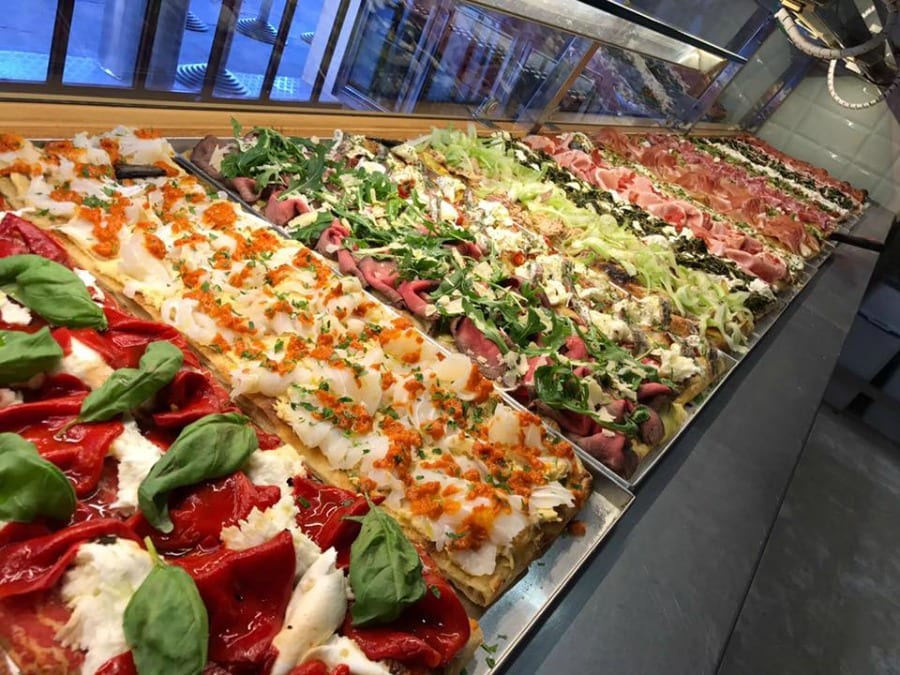
If you know anything about Roman pizza, you’ve probably heard of Gabriele Bonci. His spot, Pizzarium, near the Cipro metro, is legendary for its pizza al taglio—pizza by the slice. You pick your piece, they weigh it, cut it with scissors, and hand it over hot.
Toppings change all the time and always follow the seasons. One day it’s potato and rosemary, the next it’s pumpkin with ricotta and pancetta. The dough? Airy, crisp, and totally addictive.
It gets crowded, but it’s worth the wait. I usually grab a few slices and eat them standing outside with a cold beer. For more food finds, check out this guide to Prati’s best restaurants.
Castroni and Gourmet Food Shops

You can’t talk about Prati food without bringing up Castroni. This historic shop on Via Cola di Rienzo is a dream for anyone who loves browsing shelves packed with imported treats, coffee, and rare spices.
Locals come for the coffee, but I always end up grabbing a jar of truffle sauce or Sicilian marmalade. The staff wear white coats like old-school grocers, which just adds to the whole vibe.
If you’re into gourmet souvenirs, check out the smaller delis nearby for olive oils, cheeses, and cured meats from local producers. It’s a great way to take a bit of Rome home—or just put together a picnic for the riverbank.
Trendy Aperitivo Spots
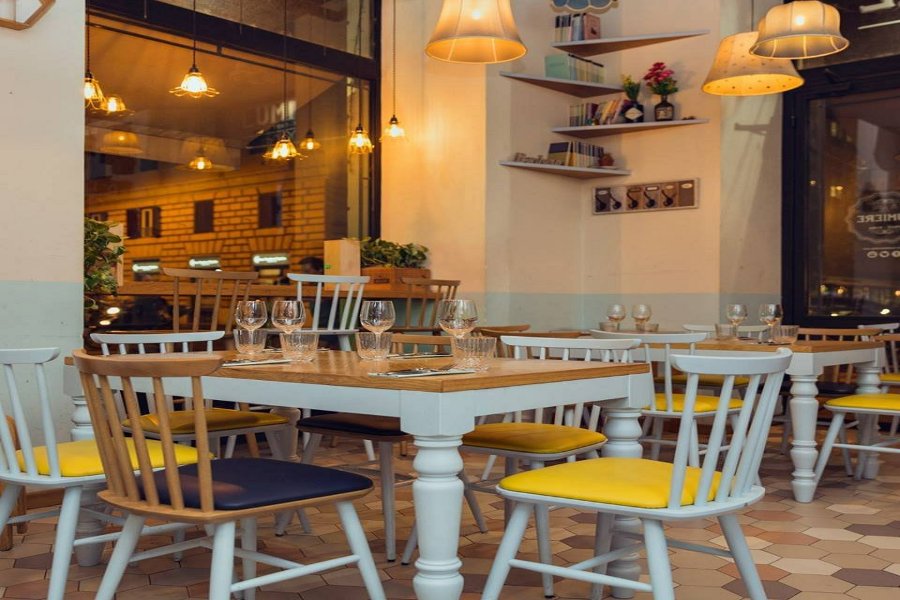
Evenings in Prati usually kick off with aperitivo—drinks and little bites before dinner. Most bars serve spritzes or cocktails with olives, bruschetta, and mini sandwiches.
I like Lumière, a French-style bistro from the Rome Actually guide. It’s cozy, with outdoor tables that are great for people-watching. Aqualunae Bistrot is another favorite—their aperitivo feels like a mini tasting event.
Want something a bit more lively? Head to the bars around Piazza Cavour. The crowd is a mix of locals finishing work and travelers winding down after a Vatican day.
Il Sorpasso and Local Favorites
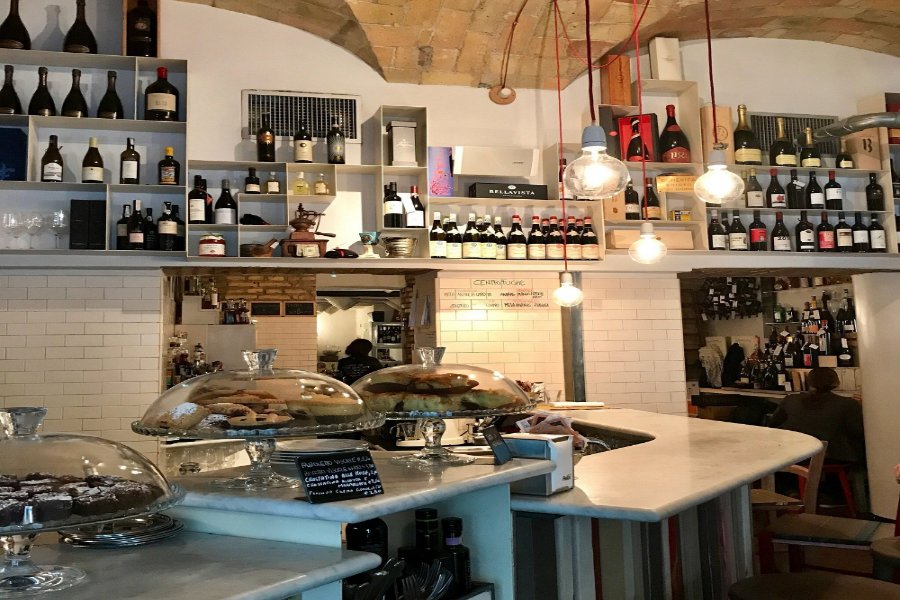
Il Sorpasso on Via Properzio is one of those places you’ll want to come back to. It’s got a rustic-modern mix—wood tables, hanging hams, and shelves full of wine. The menu always leans on simple, seasonal ingredients.
I still remember a burrata with anchovies I had there—unforgettable. They do great cured meats and pasta, too. It’s busy but never snobby, and the staff make you feel at home, even on your first visit.
Other top picks nearby: Flavio al Velavevodetto ai Quiriti for classic Roman food and Re Bio for organic, plant-based dishes. Together, they prove Prati is quietly one of Rome’s best food neighborhoods.
Shopping and Boutiques in Prati
Prati offers a calm, stylish shopping experience just steps from the Vatican. You’ll find elegant streets full of Italian fashion, specialty food shops, and small ateliers where people still care about craft. This is a neighborhood for slow browsing and local discoveries, not just quick buys.
Via Cola di Rienzo Highlights

Via Cola di Rienzo is Prati’s shopping heart. It’s lined with Italian boutiques, international brands, and family-run stores that have been around forever. The vibe is way more relaxed than Rome’s touristy shopping zones, so you can actually enjoy window shopping.
You’ll find everything from handmade shoes to sleek handbags. I like to stop by Coin Excelsior, a department store that mixes designer labels with more affordable Italian brands. It’s handy for last-minute gifts or picking up travel gear.
Take your time walking the street. Grab a coffee at one of the old-school cafés and watch the locals do their thing. It’s one of those Roman streets where style just feels natural.
Luxury Department Stores and Local Finds
Prati mixes upscale shopping with a real local vibe. You’ll stumble across sleek department stores showing off Italian fashion houses, but you’ll also spot smaller independent designers with storefronts that feel way more personal. Most shops here care about quality tailoring and pieces that last, not just the latest trend—something I really appreciate.
If custom clothing’s your thing, swing by Asole & Bottoni on Via Cola di Rienzo. They’ll make shirts to order and let you choose every detail—fabric, collar, cuffs. It’s not cheap, but honestly, the craftsmanship is hard to beat.
For a more laid-back find, check out boutiques selling made-in-Italy accessories—think leather belts, silk scarves, and jewelry you’ll actually want to wear back home. Shopping in Prati feels a bit like a treasure hunt; you never really know what you’ll find tucked between the big names.
Artisan Souvenirs and Foodie Gifts

When you want to bring a piece of Rome home, Prati’s specialty stores make it easy. Castroni on Via Ottaviano stands out—locals flock here for shelves packed with coffee, chocolate, and all sorts of imported goodies. I can spend ages just poking around the jars of truffle oil and rainbow-colored pasta.
If you’re into fantasy or pop culture, Storia e Magia nearby is a quirky stop for collectibles. Afterward, wander over to the Unità Market. Locals pick up fresh produce, flowers, and handmade treats here—it’s got that everyday buzz I love.
Food lovers have plenty to get excited about. You’ll find espresso beans, olive oil, or a sweet box of Italian candies—simple, thoughtful gifts that actually taste like Rome.
Riverside Walks and Outdoor Activities
Wandering near the water gives you a quieter side of Rome. The Tiber draws you in with calm paths, open-air cafés, and random seasonal events that make you feel less like a tourist and more like you belong.
Strolling Along the Tiber River
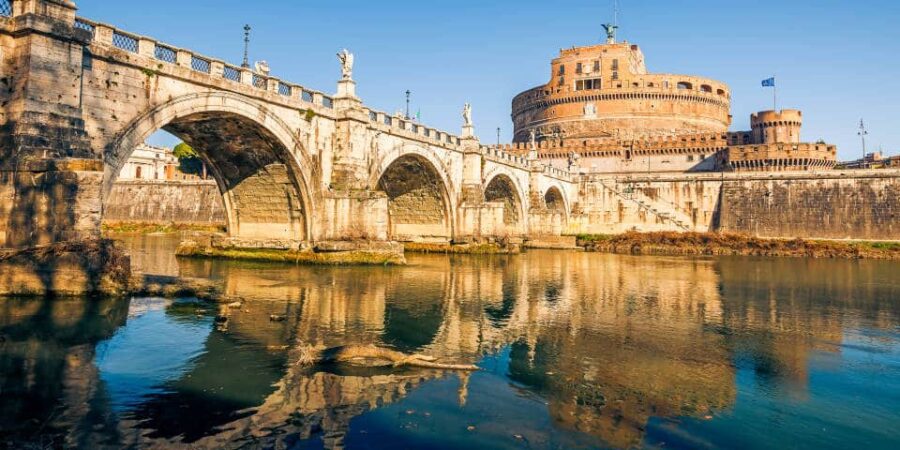
Walking beside the Tiber River totally changes your perspective on the Eternal City. The stretch between Ponte Sant’Angelo and Ponte Sisto is especially pretty. Early mornings are peaceful—just joggers, locals heading to work, and you.
Markets pop up under the bridges, selling books, vintage postcards, and handmade jewelry. I always stop for a quick espresso at a pop-up stand—no frills, but the coffee’s strong and the people-watching? Top notch.
Wear comfy shoes. The cobblestones can be uneven, and the path runs for kilometers. If you’re into cycling, rent a bike near Castel Sant’Angelo and follow the riverside trail. It’s got a vibe a bit like the Ljubljana riverside walk—easygoing, scenic, and right by the water.
A few benches along the way let you pause and soak in domes and bridges glowing in the afternoon sun. It’s one of those simple pleasures that make you remember why Rome never really loses its magic.
Summer Festivals and River Cruises

In summer, the Tiber comes alive. Locals set up food stalls, art displays, and little stages for live music. Lungo il Tevere Roma runs June through September, turning the riverbanks into a long, open-air festival.
You can snack on fried artichokes, bruschetta, or gelato while wandering past craft booths. One night I listened to a jazz trio under the stars, and it felt more like a block party than anything touristy.
If you want something quieter, hop on an evening river cruise. Boats leave near Tiber Island and drift past St. Peter’s Basilica and the Palace of Justice. The way the soft light hits the water? It gives you a whole new appreciation for Rome’s layers of history.
For anyone who loves being outside, this mix of walking, eating, and easy sightseeing just works. You fill your day without feeling rushed or overwhelmed.
Hidden Gems and Local Experiences
Prati’s quieter corners have their own magic—places where locals linger over espresso, where cobblestones seem to tell stories, and where evening lights slow everything down. This is where daily life in Rome feels both elegant and personal.
Charming Cafes and Bakeries
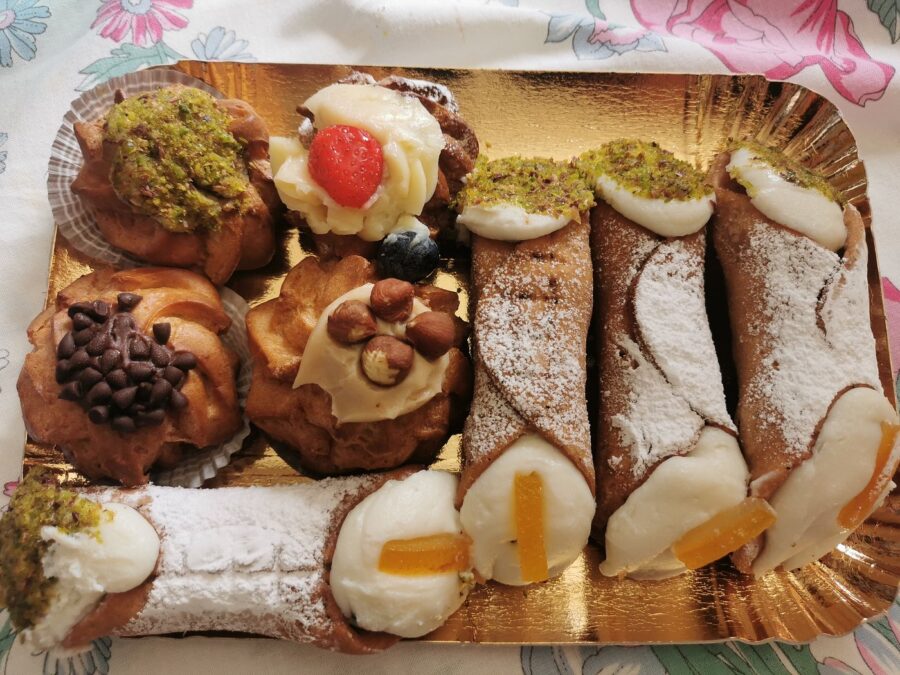
Start your morning with the smell of fresh cornetti drifting from bakeries tucked between Via Cola di Rienzo and Piazza Cavour. I still remember stumbling into a tiny family-run café with cappuccino so creamy it felt like dessert.
Locals swear by Pasticceria Siciliana for cannoli and Sciascia Caffè 1919 for its old-school charm. Pull up a stool, sip slowly, and watch the neighborhood wake up around you.
If you love exploring food spots, you can join guided food and coffee tours through city tours that highlight Prati’s hidden kitchens and pastry shops. It’s a fun way to meet locals and find places you’d probably walk right past otherwise.
Historic Streets and Neighborhood Secrets

Wander down Via dei Gracchi or Via Tacito and you’ll see Liberty-style buildings with wrought-iron balconies and faded frescoes. These streets show you a Rome that grew beyond the Vatican walls, mixing elegance with everyday life.
I like pausing in quiet courtyards where ivy climbs the gates and neighbors chat from windows. You’ll spot tiny artisan shops—shoemakers, bookbinders, tailors—still working by hand.
Bring a notebook or sketchpad. The light here shifts all day, bouncing off pale stone façades in ways photographers can’t resist. And if you get lost? All the better—Prati rewards curiosity with surprise.
Evening in Borgo Pio
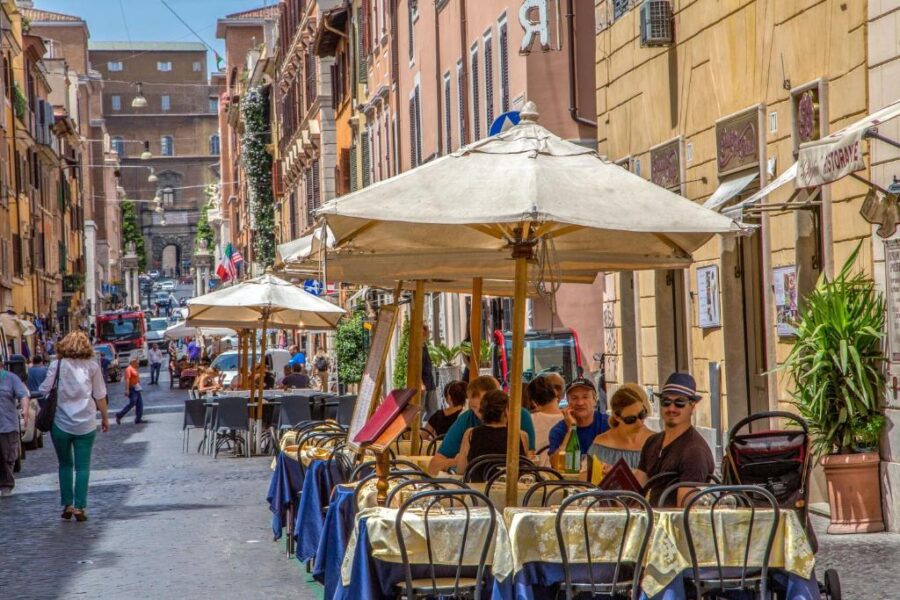
As the sun drops behind St. Peter’s dome, Borgo Pio glows gold. This narrow lane just outside Vatican City feels straight out of a movie—quiet, cobbled, and candlelit.
Grab a table at a trattoria where locals eat late. Order cacio e pepe or saltimbocca alla romana with a glass of house wine. The pace slows. Conversations stretch out.
Street musicians sometimes play near the archways, and you’ll spot priests chatting with students and travelers. It’s simple, honest Rome—no rush, just the hum of evening life in Prati.
Frequently Asked Questions
Prati blends history, comfort, and a local vibe that’s less touristy than central Rome. You get elegant streets, family-run cafes, and easy access to the Vatican—perfect if you like slow travel and time to explore real Roman life.
What are the top attractions to include in a 10-day visit to Prati?
You can easily fill ten days wandering between the Vatican Museums, St. Peter’s Basilica, and Castel Sant’Angelo. Spend a morning climbing St. Peter’s Dome for sweeping city views, then stroll Via Cola di Rienzo for shopping and gelato.
If you’ve got extra time, walk the Tiber River paths or check out Piazza Cavour for a quieter local scene.
Can you recommend unique activities in Prati for a culturally immersive experience?
Join a small-group food walk through Prati’s markets and bakeries. You’ll taste Roman pizza, espresso, and pastries while chatting with local vendors. One afternoon, a cheesemonger insisted I try his homemade pecorino—absolutely worth it.
You can also book a Vatican art tour that focuses on the quieter galleries, not just the big highlights.
Where can one find the best shopping experiences in Prati, and what are the must-visit shops?
Via Cola di Rienzo is your best bet. Boutiques, leather shops, and small Italian brands line the street, and it all feels more authentic than the usual chains. I love browsing the little perfumeries hidden between cafes—you can lose track of time there.
If you want to plan ahead, check hotel and shop locations through travel deals that sometimes include local experiences.
What is the most efficient way to travel from Prati to the Colosseum?
The metro is the easiest. Hop on Line A at Ottaviano or Lepanto, switch to Line B at Termini, and you’ll land right by the Colosseum. It usually takes about 20 minutes.
Taxis work but get pricey during rush hour, and walking the whole way takes about 45 minutes if you’re up for a long city stroll.
Monastery guesthouses are a quiet, affordable choice. They’re simple but spotless, and the hosts—sometimes nuns—might even greet you with espresso in the morning. I once stayed in one where the nuns baked fresh bread every day. It felt like staying with family.
You’ll also find boutique hotels near Castel Sant’Angelo with rooftop terraces and views over the Vatican.
How does Prati rank in terms of safety for tourists and residents?
Prati stands out as one of Rome’s safest neighborhoods. The streets buzz well into the evening, with locals grabbing dinner outside or strolling their dogs—honestly, it’s got a relaxed vibe that’s hard to beat.
Of course, it’s still a big city, so keep your bag close in busy spots. But most folks find themselves at ease, even when wandering around late at night.