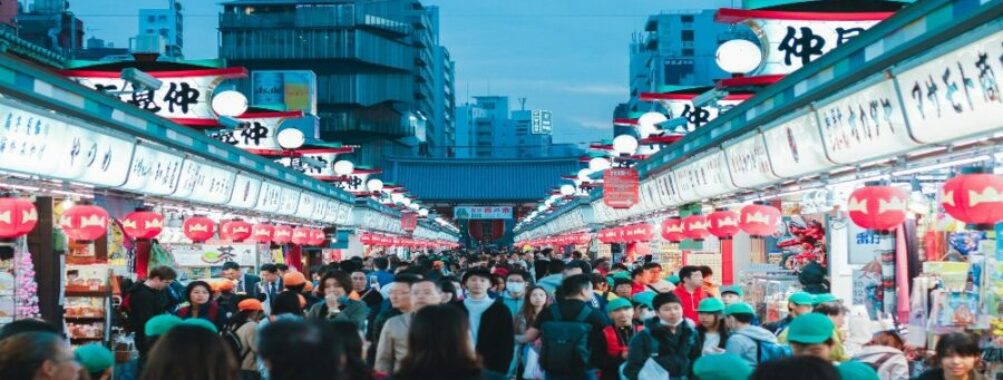
Asakusa Itinerary: 7 Must-See Spots, Hidden Gems & Local Tips
Updated October 8, 2025
Asakusa feels like stepping into Tokyo’s past while still keeping one foot in the present. The smell of incense from Sensō-ji Temple drifts through the air, mixing with the shouts of shopkeepers along Nakamise Street. You can wander from centuries-old shrines to neon-lit corners without ever leaving the neighborhood. Here’s a one-day Asakusa itinerary to help you soak up the best of Tokyo’s old-town charm, without wasting time.
You’ll stroll through temples, snack on street food, and maybe hop in a rickshaw by the Sumida River. Pack light but smart—good travel gear makes a world of difference. And if you’re still working out your plans, keep an eye out for cheap flights so you can save your yen for souvenirs and snacks.
Key Takeaways
- Discover Asakusa’s top sights and hidden gems
- Enjoy traditional food and cultural experiences
- Pick up simple tips for exploring Tokyo’s historic district
Essential Asakusa Highlights
Asakusa blends centuries-old tradition with lively street culture. Sacred rituals, colorful gates, and those small sensory details make this part of Tokyo feel timeless, but never stuck in the past.
Senso-ji Temple Experience
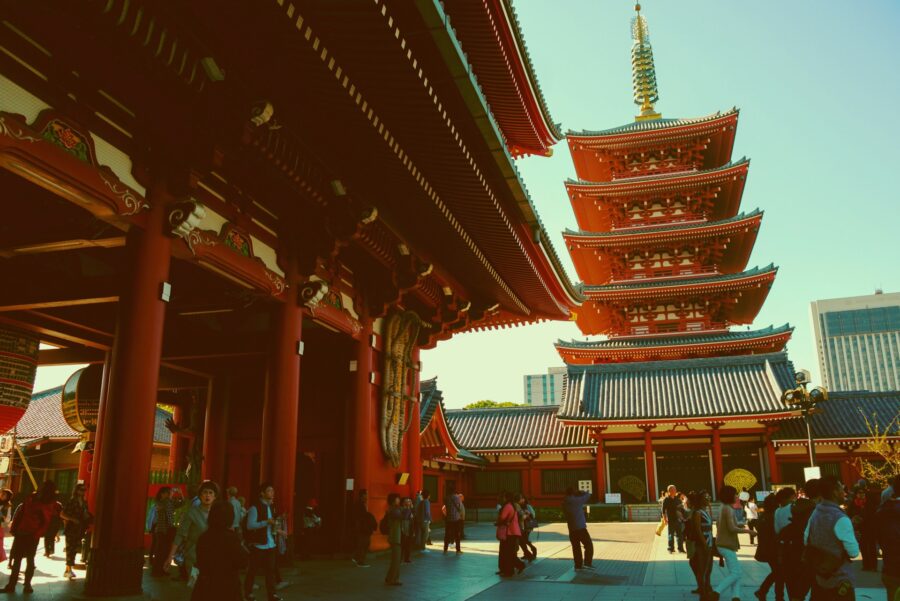
Senso-ji Temple is Tokyo’s oldest Buddhist temple, dating back to 628. The red main hall and five-story pagoda tower over the crowds. If you can, arrive before 8 a.m., when the air still holds the scent of incense and the streets are pretty quiet.
Walk through Nakamise Street on your way in. Stalls sell everything from folding fans to sweet ningyo-yaki cakes stuffed with red bean paste. Sure, it’s touristy, but the energy is contagious.
Inside the temple grounds, draw an omikuji (fortune slip). Got a bad one? Tie it to the rack nearby—locals say you’ll leave the misfortune behind. You can dig deeper into the temple’s layout and history on this 1-day Asakusa itinerary.
Kaminarimon Gate Photo Opportunity
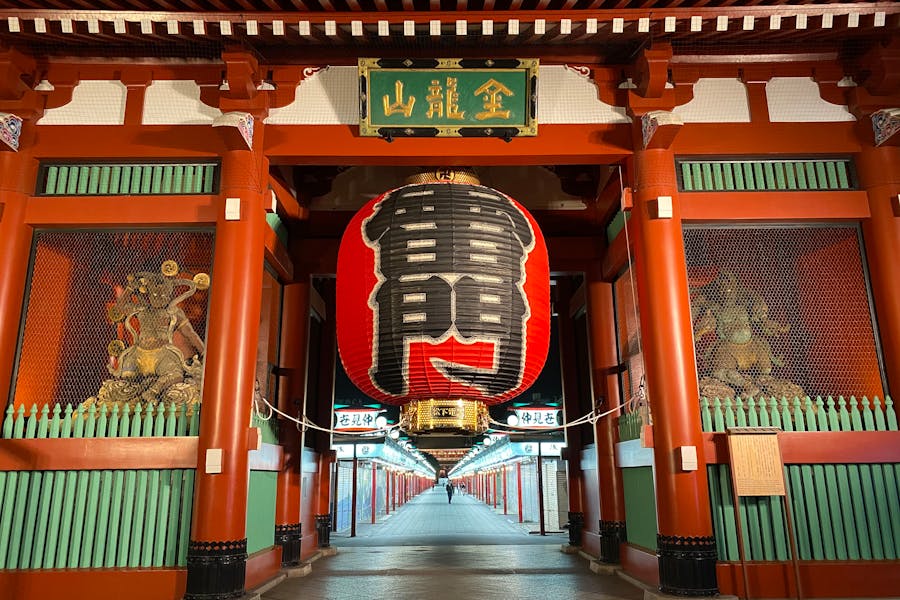
The Kaminarimon Gate, or “Thunder Gate,” stands at the entrance to Senso-ji. It’s easily one of Tokyo’s most photographed spots. The massive red lantern hanging in the center glows beautifully at dawn and dusk.
I usually stand a bit off to the side for photos—you’ll catch both the lantern and the temple path behind it, minus the usual crowd. Early morning is hands-down the best time for a clear shot.
Check out the wooden carvings on the gate. They show the gods of wind and thunder, meant to protect the temple. Fires destroyed the gate several times, but people kept rebuilding it, and it still holds the spirit of old Edo. For a quick visual guide, take a peek at this Asakusa travel guide.
Incense Smoke Rituals
Near the main hall, a big bronze cauldron sends up clouds of incense smoke. Locals wave the smoke toward their heads or arms, hoping for good health. I’ve done it myself—it’s oddly calming, even with a crowd around.
Buy a small bundle of incense and add it to the burner if you want. The scent mixes with temple bells and the chatter from Nakamise Street, creating a moment that feels spiritual and everyday at the same time.
Curious about the meaning behind these rituals? The Asakusa neighborhood guide breaks it down—the smoke is for purification before prayer. It’s a simple act, but it ties you to centuries of worshippers who stood right where you are now.
Exploring Nakamise Shopping Street
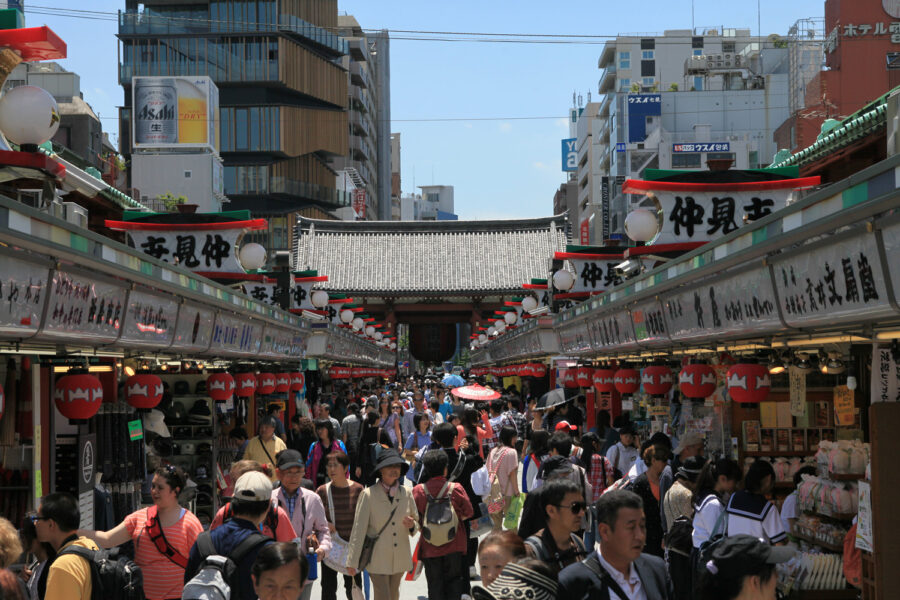
Stepping onto Nakamise-dori is like wandering through a living piece of Tokyo’s history. Rows of small family-run shops, the smell of sweet snacks, and vibrant displays of traditional crafts—this is the heart of Asakusa’s charm. I always lose track of time here.
Traditional Souvenir Shopping
Nearly 90 shops line the 250-meter stretch between Kaminarimon and Hozomon Gates. Many have been here for generations, selling handcrafted goods, folding fans, and lucky charms tied to Senso-ji Temple.
I always stop to browse the stalls with Japanese dolls and woodblock prints—they’re meaningful gifts, not just souvenirs. You’ll spot small trinkets like maneki-neko (lucky cats) and omamori amulets, each with its own backstory.
Prices are fair, and shop owners rarely haggle. Planning ahead? Here’s a detailed Nakamise Shopping Street guide for shop hours and layout.
Quick tip: bring cash. Some vendors still prefer yen coins over cards.
Japanese Snacks and Street Food
The smell of grilled treats will pull you in before you even realize it. Nakamise Street is famous for classic Japanese snacks like ningyoyaki—those little sponge cakes with red bean paste, shaped like lanterns or dolls.
You’ll also spot kibi dango, a chewy sweet made from millet flour, and senbei rice crackers, still warm from the grill at some shops. I grabbed a pack once, fresh off the fire—simple, but so good.
In summer, try ice cream stands with matcha or black sesame flavors. Come winter, hot sweet potato snacks hit the spot. For more snack ideas, the Ultimate Guide to Nakamise Street has a solid list of popular food stalls.
Just remember: eat right in front of the shop where you buy. It’s polite, and honestly, it’s part of the fun.
Yukata and Kimono Rentals
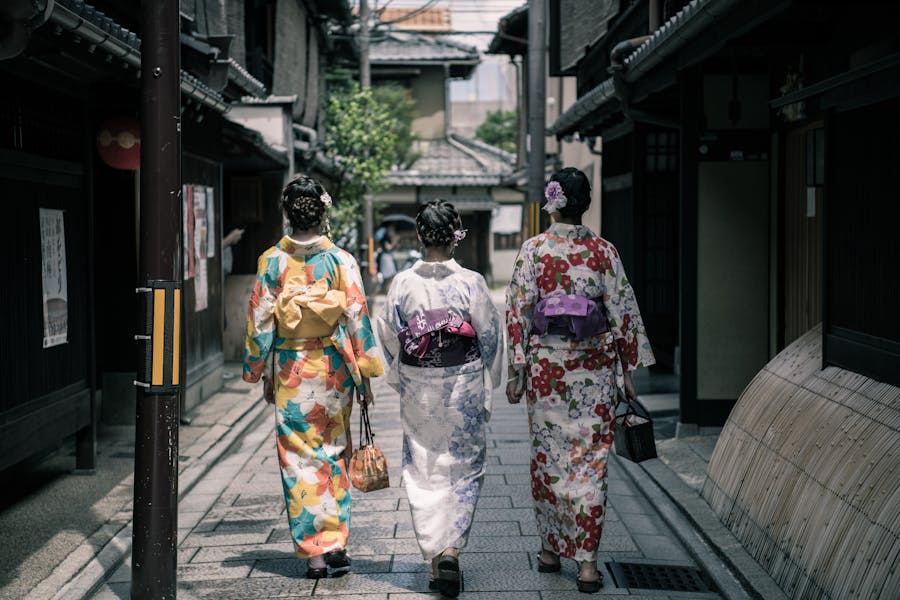
Renting a yukata or kimono is a great way to get into Asakusa’s old-town vibe. Several shops near Nakamise-dori offer short-term rentals, often with hairstyling and accessories thrown in.
You’ll see couples and friends dressed up, snapping photos near the temple gates or under paper lanterns. I tried it once on a humid July day—the yukata was lighter and more comfortable than I expected.
Most rental shops let you pick from modern or classic patterns, and the price usually includes help getting dressed. If you want photos that really capture Asakusa, wear your yukata as you stroll down Nakamise Street toward Senso-ji. It takes a little effort, but it’s worth it for the memories.
Cultural Experiences and Local Traditions
Asakusa’s spirit shines brightest in its rituals and celebrations. Whether you’re drawing fortunes at ancient temples or stumbling into a street parade in spring, these moments show how Tokyo’s oldest district keeps its roots alive while welcoming everyone.
Omikuji and Temple Fortunes
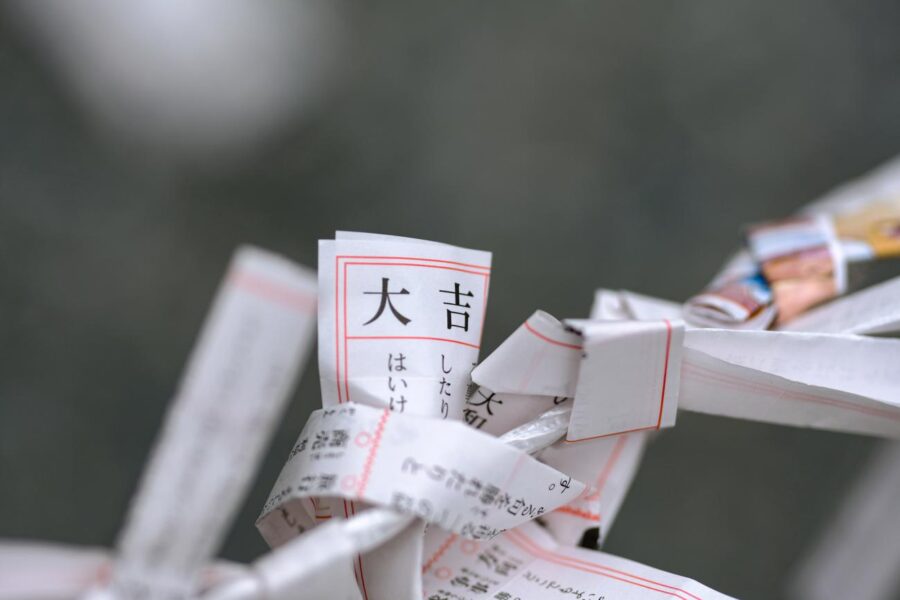
At Senso-ji Temple, rows of small drawers hold folded paper fortunes called omikuji. For ¥100, shake a silver box until a stick slips out, then find the matching drawer. Inside is your fortune—sometimes “great blessing,” sometimes “bad luck.”
If you get a bad one, tie it to a metal rack near the temple and leave the misfortune behind. Locals do this all the time; it’s a small act of hope. I remember trying it on a chilly morning, incense swirling around, and feeling oddly at peace afterward.
It’s a simple ritual, but it connects you to centuries of belief. Want more details? Here’s a guide to Asakusa’s cultural experiences. The temple grounds also offer small charms and amulets for good luck—thoughtful souvenirs, honestly.
Seasonal Festivals and Events
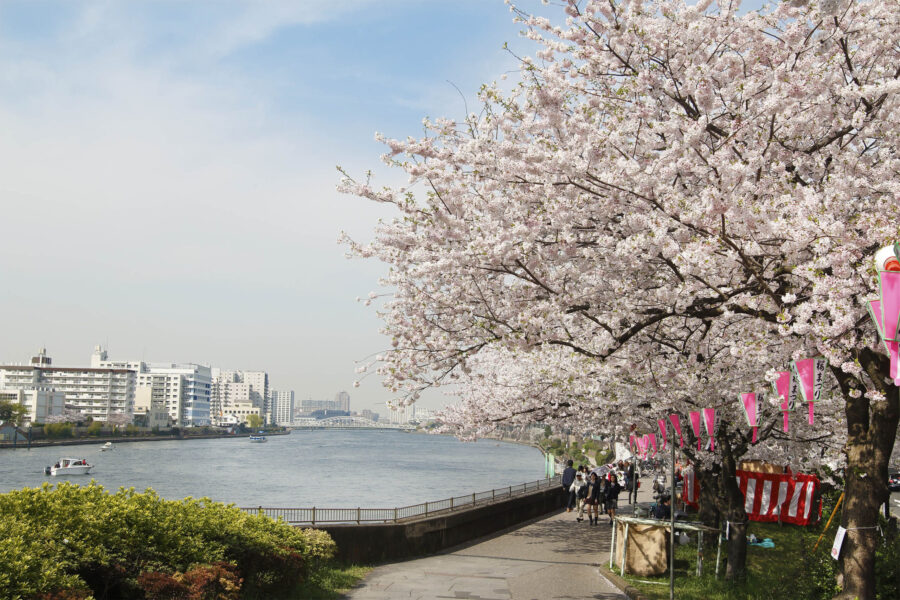
Asakusa’s calendar stays busy. During cherry blossom season, Sumida Park turns pink, and locals picnic under the trees until sunset. The air smells like grilled yakitori and sweet sakura mochi. It gets crowded, but the mood is pure joy.
In May, the Sanja Matsuri takes over the streets with portable shrines, taiko drums, and dancers in traditional clothes. It’s loud, energetic, and unforgettable. I stumbled into it once and ended up following a procession for hours—it just pulls you in.
Summer brings smaller neighborhood festivals with lanterns and food stalls. Each feels personal, more like a peek into daily life than a tourist show. Local schedules for Asakusa’s cultural highlights help you catch the right event.
Sumida River and Scenic Walks
You can find a quieter side of Tokyo by walking or cruising along the Sumida River. The area connects Asakusa with the Tokyo Skytree, offering calm water views, cherry blossoms in spring, and easy access to cafés and local shops tucked under the railway viaduct.
Sumida River Cruise Options

A river cruise lets you see Tokyo’s skyline from a fresh angle. Boats glide past landmarks like the Azuma Bridge, Asahi Beer Hall, and the towering Tokyo Skytree. You can hop on near Asakusa Pier and ride toward Hamarikyu Gardens or Odaiba.
I took the evening cruise once—the lights on the water were beautiful, and it was a peaceful break from the city buzz. Some boats serve tea or snacks, which feels pretty local.
If you want a quick trip, try the waterbus on the same route. It’s cheaper and runs more often. Timetables are on the Tokyo Cruise website or at Asakusa Pier. The ride usually takes 40–60 minutes, depending on the route.
Prefer walking? The Sumida River Walk connects Asakusa directly to the Skytree in about ten minutes. It’s a pedestrian bridge next to the Tobu Railway line, open from 7 a.m. to 10 p.m.
Riverside Parks and Views
Locals love the Sumida Park area. In spring, over 500 cherry trees bloom along the riverbanks, creating a soft tunnel of pink. You can sit by the water, watch boats pass, or snap a photo with the Skytree in the background.
I like to go early, when joggers and families are out. The air feels cool by the water, and you can hear trains rumbling overhead. During the Sumida Park Cherry Blossom Festival, lanterns light up the trees at night, and the whole place glows.
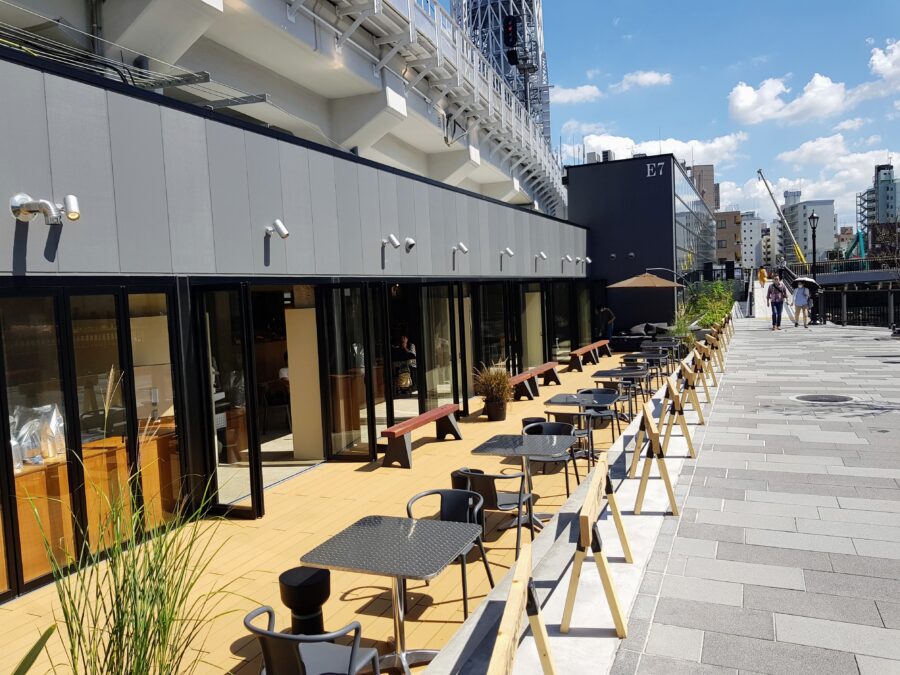
Across the river, shops and cafés at Tokyo Mizumachi sit under the railway tracks. It’s a small but stylish area for coffee or browsing local goods before heading up to the Skytree. The mix of greenery, water, and city life makes this walk feel like a slice of everyday Tokyo, not just a tourist stop.
Asakusa Food Adventures
Food in Asakusa isn’t just about eating—it’s a window into Tokyo’s history. From crisp tempura with handmade soba to smoky izakaya snacks on Hoppy Street, every bite tells a story about local traditions and the people who keep them alive.
Tempura and Soba Restaurants
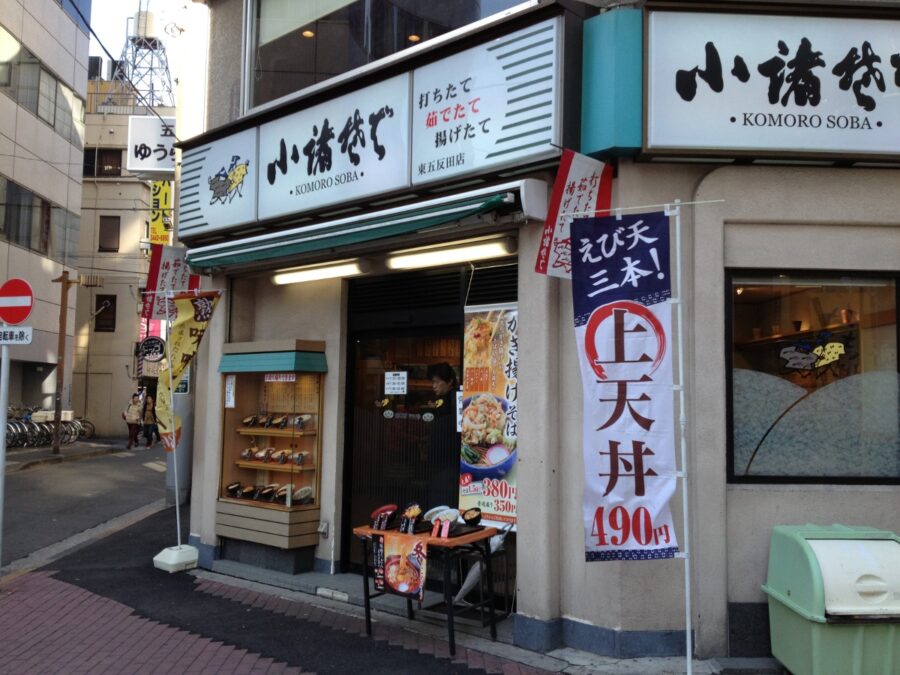
If you want to taste old Tokyo, start with tempura and soba. These dishes have anchored Asakusa’s food scene for centuries. I still remember ducking into a narrow shop near Senso-ji Temple one rainy afternoon—the smell of sesame oil hit me before I even sat down. The chef dipped shrimp and vegetables into batter so lightly it looked like snow.
You’ll find some of the best versions on tours like the Asakusa Historical and Cultural Food Tour. Local guides know those hidden eateries that most visitors stroll right past. Pair your crispy tempura with a bowl of buckwheat soba—hot in winter, chilled on bamboo trays in summer.
A few tips:
- Order the lunch set for good value—it usually comes with rice, miso soup, and pickles.
- Watch the chef work if you can. The rhythm of frying is almost hypnotic.
- Try dipping sauces with grated daikon for a sharp kick.
Local Izakaya and Hoppy Street
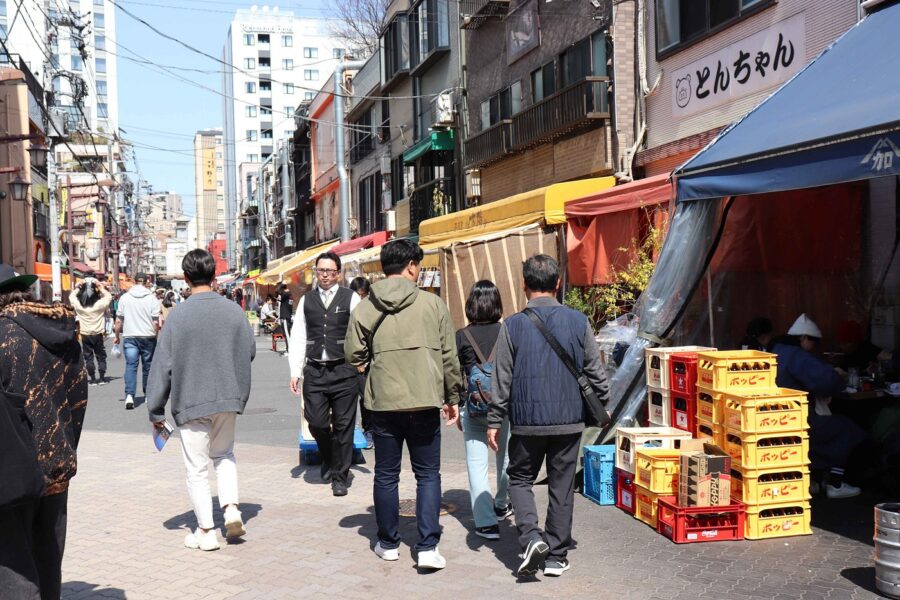
When the sun drops, head for Hoppy Street. This little lane bursts with tiny izakaya pubs. Locals pack these spots after work, sipping “Hoppy” (a quirky, low-alcohol beer mix) and munching on grilled skewers. You can strike up a chat with the person next to you—people are friendly here.
The vibe? Super casual—plastic stools, paper lanterns, and that unmistakable yakitori smoke drifting everywhere. You can sample Japanese snacks like karaage (fried chicken), nikomi (slow-cooked beef stew), and oden simmering in broth.
I love wandering from spot to spot, grabbing a different dish each time. The Tokyo: Asakusa Food Tour makes stops here, which is handy if you don’t know where to start. Definitely bring cash and an open mind—half the fun is stumbling into something you didn’t expect.
Nearby Attractions and Easy Day Trips
Asakusa sits close to other districts that show off Tokyo’s many faces. You get everything from anime and electronics to city views and quiet shrines. Each place adds its own flavor to your trip.
Akihabara Exploration
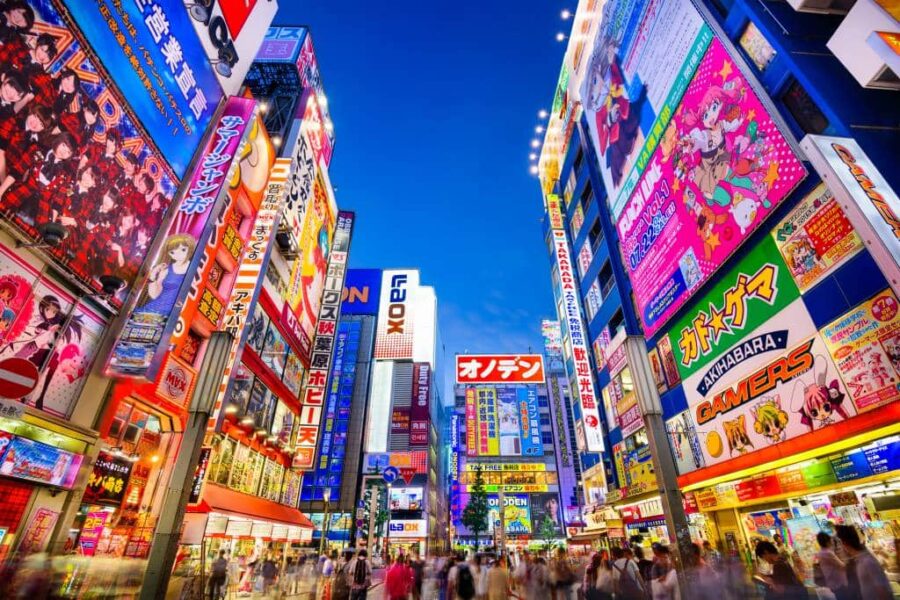
Just a quick subway hop from Asakusa, Akihabara explodes with color and sound. Electronics stores, anime shops, themed cafés—if you’re into gaming or Japanese pop culture, you’ll feel right at home.
I once wandered down a back alley and found a tiny retro game shop. It was like stepping into the ‘90s. You can browse for collectibles, try a capsule toy, or watch locals battle it out in arcades.
You might want to book one of the city tours that cover both Akihabara and Asakusa. It’s a stress-free way to see Tokyo’s old and new sides in one go—no train confusion.
Tokyo Skytree Visit
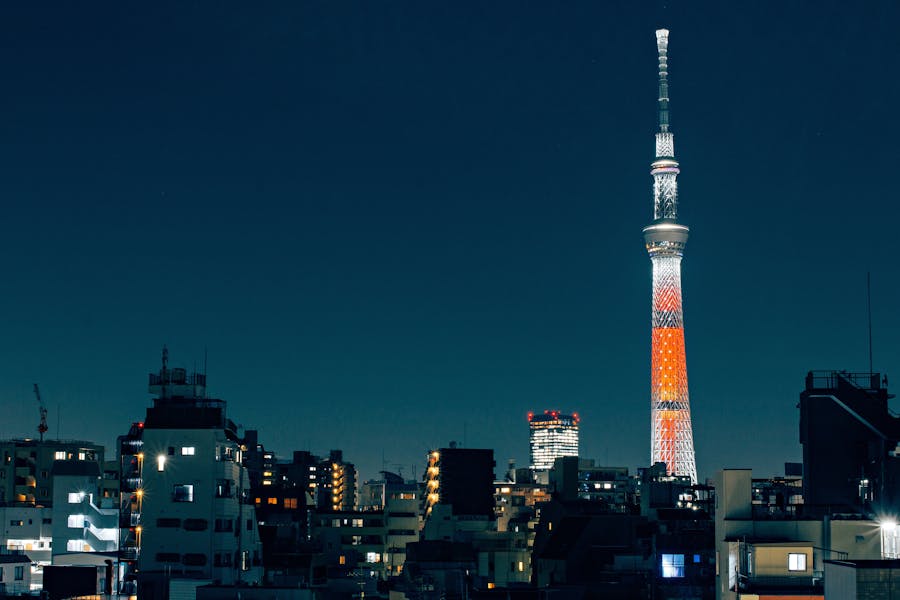
From parts of Asakusa, you can spot Tokyo Skytree towering in the distance. The tower stands over 600 meters tall, and its observation decks offer a seriously good view of the city. On a clear day, Mount Fuji peeks out way in the background.
I usually head up in late afternoon. You get sunset and then watch the city light up below—pretty magical. The Solamachi complex nearby has shops and restaurants, so grabbing dinner is easy.
If you’re into guided experiences, look at activities and things to do around Skytree. Some tours mix in food tastings or a river cruise with your tower visit.
Meiji Shrine Excursion
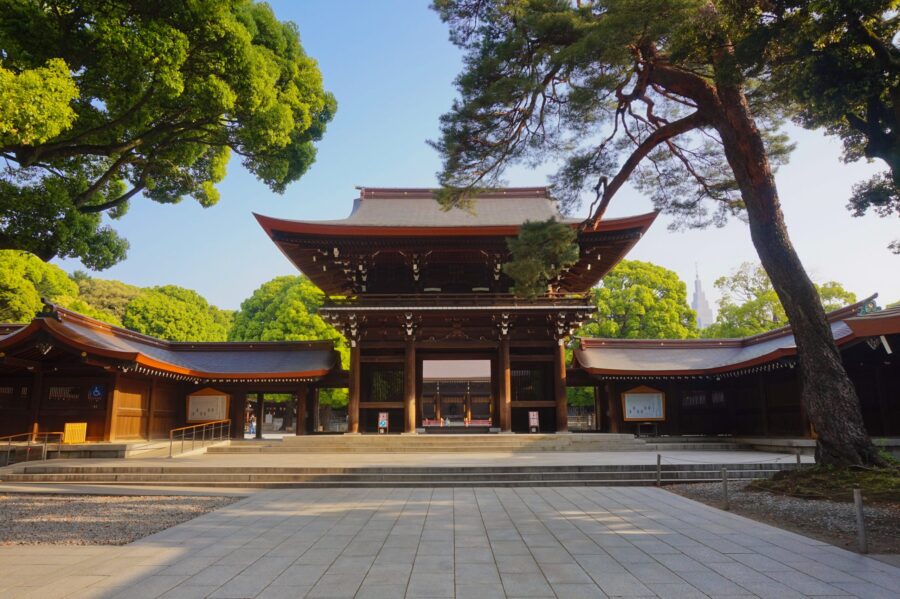
Meiji Shrine sits in Shibuya, about half an hour from Asakusa by train, but it feels like a whole different world. Walk through the huge torii gate and the city fades away. Tall cedars line the path, and the air smells faintly of wood and incense.
On weekends, you might catch traditional wedding ceremonies or see people writing wishes on wooden ema plaques. I like to just stand quietly near the main hall—sometimes it’s the only place in Tokyo where I can actually slow down.
Wear comfy shoes; the grounds are big. If you’ve still got energy, wander through Harajuku for quirky shops and crepes before heading back.
Getting Around Asakusa
Public transport and walking work best for exploring Asakusa. The area plugs right into Tokyo’s subway network, and most sights are close enough to stroll between without rushing.
Ginza Line and Tsukuba Express
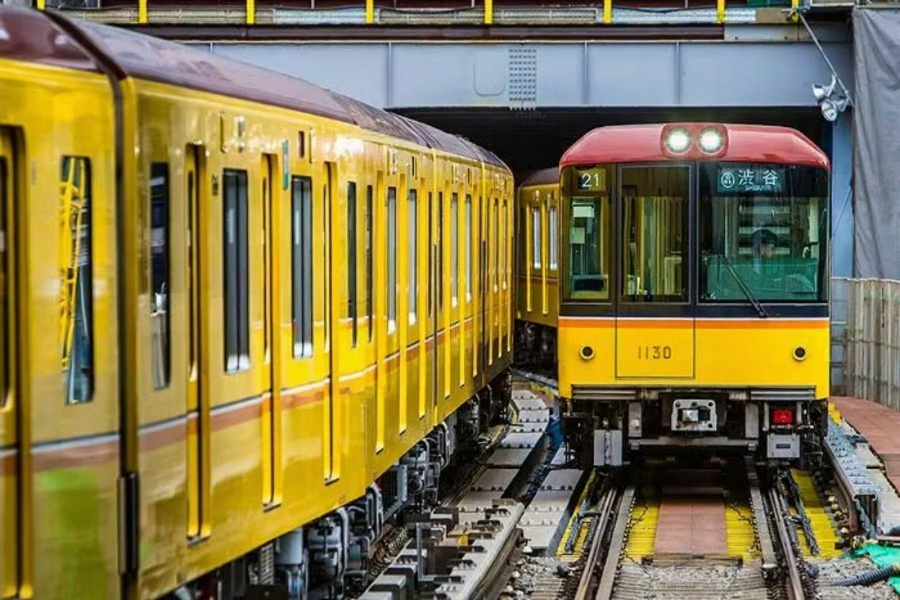
The Ginza Line runs straight through Asakusa Station, connecting you to big hubs like Ueno and Shibuya. It’s Tokyo Metro’s oldest line, but honestly, it’s still one of the smoothest. The ride from Ueno takes about five minutes, and trains come every few minutes during the day.
If you’re coming from Akihabara or up north, the Tsukuba Express is another solid option. It stops at Asakusa Station (TX), a short walk from Senso-ji Temple. Just a heads-up: this station isn’t linked directly to the Ginza Line, so you’ll need to walk a few blocks.
I always check schedules and compare routes before heading out, especially if I’m juggling transfers. Look for Luggage Storage nearby if you want to roam hands-free. And if you’re trip planning from overseas, it pays to search flights, hotels, and rental cars early for the best deals.
| Line | Key Stops | Travel Time to Asakusa |
|---|---|---|
| Ginza Line | Ueno, Ginza, Shibuya | 5–30 mins |
| Tsukuba Express | Akihabara, Tsukuba | 4–45 mins |
Once you’re in Asakusa, just walk. The streets around Nakamise Shopping Street and Senso-ji Temple are made for pedestrians, and snack stalls and souvenir shops pop up everywhere.
I like to start at Kaminarimon Gate early before the crowds pour in. The area feels peaceful, and you can hear the temple bells ring out. Later in the day, duck into side alleys where locals shop for kitchenware and traditional sweets.
If walking’s not your thing the whole time, hop on a rickshaw ride. The drivers are chatty and usually toss in a bit of history while pedaling you through the backstreets. Yeah, it’s a bit touristy, but honestly, it’s a fun way to see the neighborhood from a different angle.
For a comfy stay, you’ll find good deals on Booking.com, especially if you want to be within walking distance of the temple.
Frequently Asked Questions
Asakusa blends old Tokyo charm with modern city energy. You’ve got temples, street food, and river views all within a short stroll of glass towers like Tokyo Skytree. With a little planning, you can weave in history, culture, and a few surprises.
What are the top attractions to include in a one-day visit to Asakusa?
Start your morning at Senso-ji Temple, Tokyo’s oldest and most famous. Walk through Kaminarimon Gate and down Nakamise Street—grab some ningyo-yaki and poke around for souvenirs.
If you want a breather, stroll through Sumida Park or pop into Asakusa Hanayashiki, Japan’s oldest amusement park. More ideas for a full day are in this one-day Asakusa itinerary.
How can I combine a visit to Asakusa with a trip to Tokyo Skytree?
You can walk from Asakusa to Tokyo Skytree in about 20 minutes. The path along the Sumida River is peaceful and dotted with little cafes.
Once you reach Skytree, head up to the Tembo Deck for sweeping city views, then explore the Solamachi shopping complex. A detailed route is in this guide to Asakusa and Tokyo Skytree.
What is the best way to experience both Asakusa and Akihabara in one itinerary?
Hop on the Tsukuba Express Line from Asakusa Station to Akihabara—it’s about five minutes. Spend your morning with temples and traditional shops, then dive into Akihabara’s anime stores, arcades, and electronics.
I like to grab lunch in Asakusa before heading over, so I’m not in a rush. You’ll find a sample route in this off-the-beaten-path Asakusa and Akihabara itinerary.
Can you suggest a cultural and historical route through Asakusa for history enthusiasts?
Start with Senso-ji Temple and Asakusa Shrine. Wander through Denboin Street—it still keeps its Edo-period look. Visit the Edo Taito Traditional Crafts Center to watch artisans at work.
If you’re curious about local traditions, try the Asakusa Cultural Walk & Matcha Making Tour mentioned in the Magical Trip guide. You’ll hear stories behind the sights.
What unique experiences should I not miss when exploring Asakusa for two days?
Spend your first day on the big highlights, then use the second for the backstreets. Rent a kimono, take a rickshaw ride, or hop on a Sumida River cruise for a fresh view of Tokyo.
If you love old neighborhoods, check out nearby Yanaka or Ueno for their retro vibe. There are more ideas in this Asakusa travel checklist.
How do I plan an evening in Asakusa after a day of sightseeing?
Evenings in Asakusa just have this mellow vibe, but there’s still plenty going on. I like to wander around Senso-ji Temple after dark—the lanterns cast this gentle glow that really changes the whole feel of the place.
After that, I usually drift over to Hoppy Street for some laid-back izakaya eats, or maybe just chill by the river and watch Tokyo Skytree light up the night. Honestly, I can’t resist ending the evening with a quiet drink there. It’s nothing fancy, but it hits the spot—kind of the classic Tokyo night, if you ask me.