Solo Travel Itinerary for 2 Weeks in Italy: Essential Stops & Tips
Updated January 30, 2026
Italy just feels made for solo travelers. There’s world-class art, food that’ll ruin you for anywhere else, and plenty of locals who make eating alone feel less awkward than you’d expect. A well-planned solo travel itinerary for 2 weeks in Italy lets you see the major highlights but still leaves room for those spontaneous detours and lazy afternoons at a cafe.
The best thing about traveling solo in Italy? You set the pace. Want to linger in the Uffizi Gallery? Nobody’s rushing you. Feel like skipping museums for a glass of wine in a sun-drenched vineyard? Do it—no one’s looking over your shoulder.
This guide covers what you need for two weeks of solo Italian adventures. I’ll walk you through the best routes, where to stay, and how to squeeze the most out of your time—without ending up exhausted.
Key Takeaways
- Two weeks is enough to hit Italy’s major cities and coast without burning out
- Spring and fall have the best mix of weather and manageable crowds
- Italy’s trains make solo travel simple and safe
Table of Contents
- How to Plan Your 2-Week Solo Adventure in Italy
- Choosing Where to Start and End Your Journey
- Building a Balanced Itinerary by Region
- Deciding on Must-See vs. Hidden Gems
- Best Time to Visit Italy for Solo Travelers
- Seasonal Pros and Cons for 14 Days
- Weather, Crowds, and Costs
- Festivals, Events, and Local Experiences
- Essential Travel Logistics: Getting Around Italy
- Italy by Train: Trenitalia, Frecciarossa, and Leonardo Express
- Car Rentals vs. Public Transport
- Navigating Regional Transfers and Day Trips
- Solo-Friendly Accommodation and Where to Stay
- Best Areas and Types of Solo Stays
- Booking Tips for Each Major City
- Safety and Social Atmosphere for Solos
- 14-Day City-by-City Italy Itinerary Overview
- Rome: Ancient Wonders and Iconic Piazzas
- Florence and the Tuscan Countryside
- Venice: Canals, Bridges, and Art
- Cinque Terre and the Italian Riviera
- Naples, Pompeii, and the Amalfi Coast
- Rome: The Eternal City’s Unmissable Sites
- Colosseum, Roman Forum, and Palatine Hill
- The Vatican: Vatican Museums, Sistine Chapel, and St. Peter’s
- Central Rome: Trevi Fountain, Spanish Steps, Piazza Navona
- Offbeat Rome: Trastevere, Castel Sant’Angelo, and Aperitivo Culture
- Florence and Tuscany: Renaissance, Art, and Vineyards
- Florence’s Top Art and Architecture Highlights
- Tuscan Countryside: Chianti Wine Tours and Hill Towns
- Day Trips: Pisa and San Gimignano
- Venice and the Veneto: Unraveling Canals and Culture
- Classic Venice: Piazza San Marco, Rialto Bridge, and Doge’s Palace
- Islands and Experiences: Murano, Burano, and Vaporetto Pass
- Top Neighborhoods, Aperitivo, and Hidden Corners
- Naples, Amalfi Coast, Pompeii, and the South
- Naples: Art, Food, and Historic Heart
- Pompeii, Herculaneum, and Mount Vesuvius
- Sorrento, Positano, Amalfi, and Ravello
- Day Trips and Detours: Expanding Your 2-Week Solo Journey
- Cinque Terre Villages and Italian Riviera Gems
- Additional Must-See Cities: Milan, Verona, and Bologna
- Lake Como and the Northern Lakes
- Expert Solo Travel Tips and Safety in Italy
- Meeting People and Navigating Language Barriers
- Dining Alone: Food, Aperitivo, and Regional Specialties
- Solo Safety: Smart Travel Practices
- Frequently Asked Questions
- What unique local experiences should one include in a two-week Italian voyage for an authentic solo adventure?
- How can a solo traveler efficiently balance famous landmarks and off-the-beaten-path gems in a 14-day tour across Italy?
- What are essential tips for personal safety and navigating local customs when traversing Italy alone for two weeks?
- What is the best way to manage accommodations and transport to maximize both comfort and immersion in local Italian life for a solo traveler?
- Book Your Dream Experience
- More Travel Guides
How to Plan Your 2-Week Solo Adventure in Italy

Planning a solo trip to Italy means juggling logistics and flexibility, picking a starting point that fits how you like to travel, and deciding which classic sights matter to you—and which hidden corners you want to discover.
Choosing Where to Start and End Your Journey

Rome and Venice are classic bookends for a 14-day Italy itinerary. Both have big international airports and decent flight deals. Starting in Rome helps you ease into Italian culture before heading somewhere quieter. Venice is a great finale—by then, you’ll have picked up enough local habits to enjoy getting lost in its winding streets.
But honestly, flying into Milan can be cheaper, especially if you want to see Lake Como or Cinque Terre first. Always compare flights to both Rome’s Fiumicino and Milan’s Malpensa before you book.
If you’re traveling solo, starting in a big city helps you get used to being on your own before you venture into the countryside, where English isn’t as common. After a couple days in Rome or Florence, asking for directions in Italian won’t feel so intimidating.
Open-jaw tickets (flying into one city and out of another) beat round-trips. You’ll save time and see more without doubling back.
Building a Balanced Itinerary by Region

A good 2-week Italy itinerary mixes three things: major cities, countryside, and a bit of coast. If you only bounce between Rome, Florence, and Venice, you’ll miss the real magic and probably wear yourself out.
Try to break up your 14 days: spend 2-3 days in each city, 3-4 in the countryside (think Tuscany or Umbria), and 2-3 by the sea. This rhythm keeps you from burning out on museums and gives you time to actually relax.
Sample Regional Balance:
- Major cities: 6-7 days
- Countryside: 4-5 days
- Coastal areas: 2-3 days
Umbria’s a sleeper hit for first-timers. It’s got the same hilltop towns and vineyards as Tuscany but way fewer crowds. You’ll actually meet locals instead of just other tourists.
Solo travelers get more out of staying 2-3 nights in each spot. That way, you can join day trips or cooking classes to meet people, but you’re not stuck in a group the whole time.
Deciding on Must-See vs. Hidden Gems

Every Italy trip needs a few famous sights, but if you try to cram in every UNESCO site, you’ll end up exhausted. Pick 3-4 big-ticket places that really interest you, then fill the rest with lesser-known spots.
The Colosseum, Florence’s Duomo, and Venice’s canals are worth it. But places like Marmore Falls in Umbria or the Elsa Trail in Tuscany are just as memorable—and way less crowded. As a solo traveler, those quieter spots give you space to breathe and think.
Must-See Priorities:
- Ancient history: Colosseum, Pompeii, Roman Forum
- Art: Uffizi Gallery, Vatican Museums, Accademia
- Architecture: Duomo in Florence, St. Peter’s Basilica, Siena’s Cathedral
Hidden gems just work better solo. Spending a morning soaking in Saturnia’s hot springs beats racing through a museum with a tour group breathing down your neck.
In small towns like Spello or Pienza, you can actually practice your Italian with shopkeepers who aren’t in a rush. In Rome’s busy center, everything moves too fast for real conversation.
Book tickets ahead for the big attractions, but leave about 40% of your 2-week itinerary open. That way, you can stay longer if you love a place—or bail if it’s not your vibe.
Best Time to Visit Italy for Solo Travelers

The best time to visit Italy solo really depends on what you want, but spring (April to June) and fall (September to October) hit that sweet spot: nice weather, manageable crowds, and better chances to connect with locals or fellow travelers.
Seasonal Pros and Cons for 14 Days
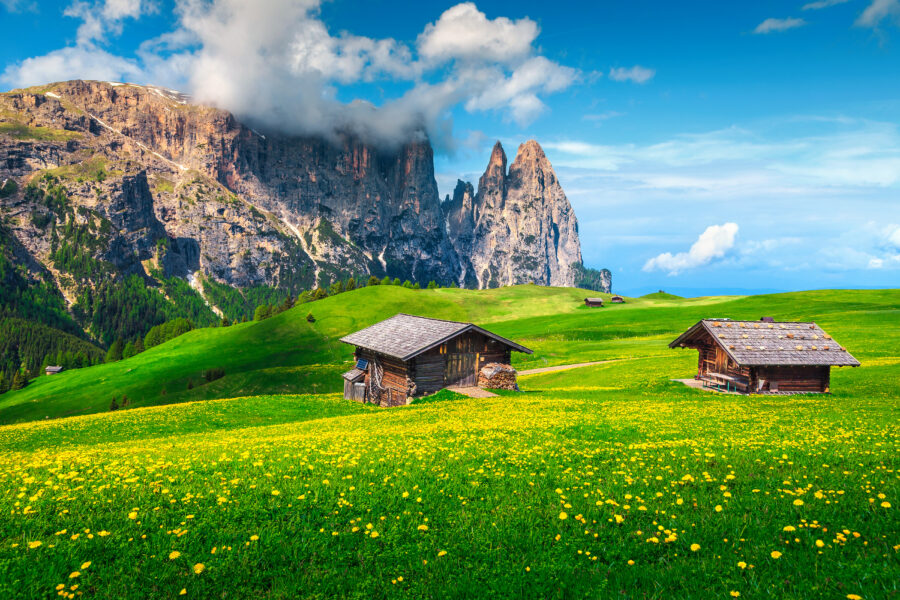
Spring brings warm days without the brutal heat. April and May are especially good if you’re moving between cities—trains aren’t packed and you can often find last-minute places to stay. Just watch out for Easter week, which gets busy.
Fall, especially September and early October, is when Italy really shines. It’s still warm enough for the coast, but cool enough to wander cities comfortably. Wine festivals pop up all over Tuscany, and the crowds thin out. By late October, it gets rainy—bring layers.
Summer (July and August) is packed and pricey. If you love meeting other travelers, hostels are lively then. Winter (November to March) is the cheapest and quietest—flights and hotels drop in price, but some coastal towns go into hibernation. December’s great for Christmas markets, but small towns feel empty in January and February.
Weather, Crowds, and Costs

May and September are probably the best months for solo travel in Italy. It’s warm (but not sweltering), you can walk for hours, and outdoor cafes are buzzing.
Summer heat often climbs into the 90s in cities, which makes sightseeing a slog. Major attractions have long lines that eat up your day. If you’re solo, getting stuck in those crowds can feel isolating. The upside? Beach towns like Cinque Terre and the Amalfi Coast are in full swing.
Travel costs drop a lot outside May–September. From November to March, flights and hotels can be 30-40% cheaper. October still has decent weather, and prices start dipping by mid-month.
Crowds matter more when you’re solo—you can’t split up to save time. April, late May, and October are your friends if you want to actually enjoy museums and restaurants. In August, Italians go on vacation, so some local spots close up, but touristy areas stay open.
Festivals, Events, and Local Experiences
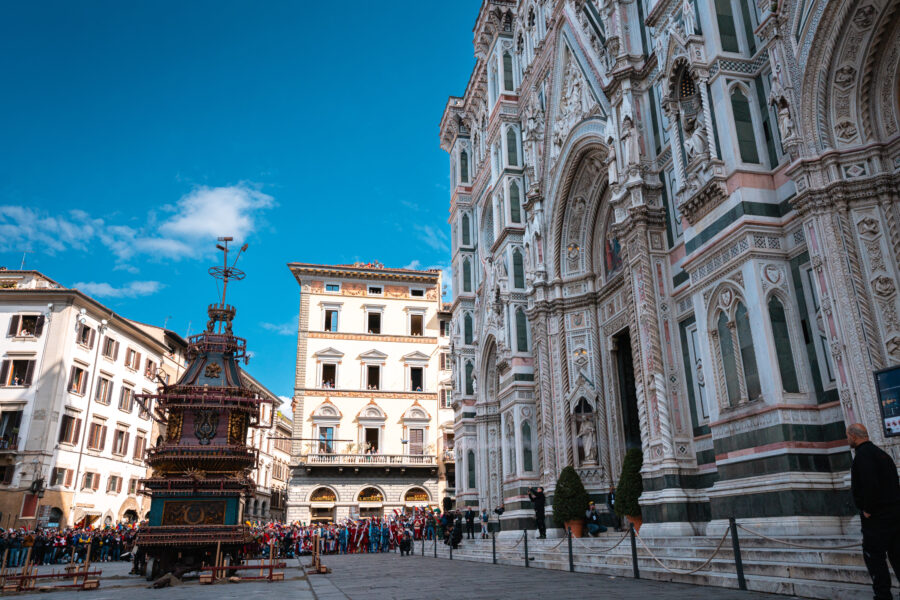
Italy’s festival calendar can totally change your trip. April has Easter celebrations and Florence’s Scoppio del Carro—locals are extra friendly during festivals.
September and October mean wine harvests. Chianti, Piedmont, and Tuscany throw festivals where you’ll meet locals and fellow solo travelers over big communal meals. These are way better for genuine connections than the huge summer tourist events.
Venice Carnival in February is wild but overcrowded. If you want something more relaxed, try smaller spring festivals like Infiorata in June, where towns make crazy flower art in the streets. December Christmas markets in Bolzano and Trento feel more local, too—fewer international tourists, more real interactions.
Summer brings outdoor opera in Verona and all kinds of music festivals. If you don’t mind crowds, they’re fun. But honestly, the best moments happen in the shoulder seasons, when restaurant owners have time to chat and travelers are actually open to making friends.
Essential Travel Logistics: Getting Around Italy
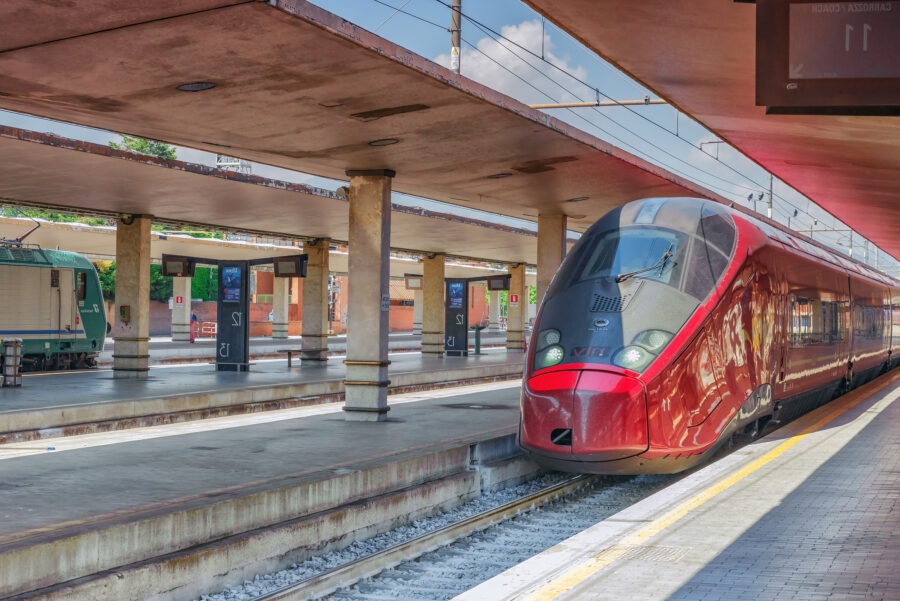
Italy’s transport network links big cities by train, and you can catch regional buses or ferries to smaller coastal towns. Whether you go by train or car depends on your route and how you feel about driving in Italy.
Italy by Train: Trenitalia, Frecciarossa, and Leonardo Express

Trenitalia runs most trains in Italy. The high-speed Frecciarossa connects Rome, Florence, Venice, and Milan in under three hours. Tickets run €29-89—book early for the best deals.
Roma Termini is Rome’s main hub. From there, you can reach Naples (Napoli Centrale) in about 70 minutes or Florence in 90. The Leonardo Express links Fiumicino Airport and Roma Termini every 15 minutes for €14, and it takes just over half an hour.
Book tickets on Trenitalia’s website 90-120 days out for the lowest prices. Regional trains are cheaper but stop everywhere, so they’re best for short hops.
Validate your ticket at the yellow machines on platforms before boarding regional trains. High-speed trains have assigned seats, so you can skip validation there.
Car Rentals vs. Public Transport
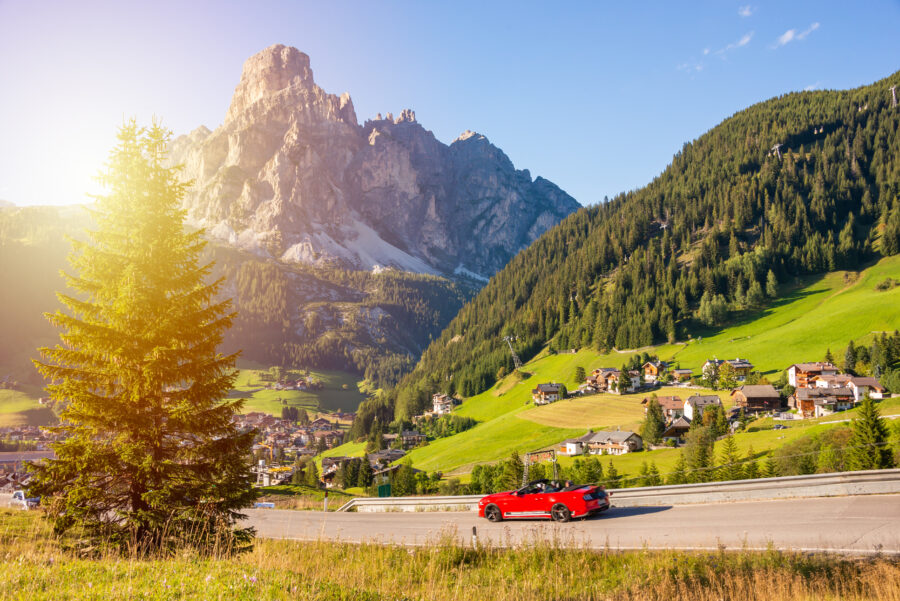
Renting a car only really makes sense for Tuscany’s hill towns or rural spots you can’t reach by train. Cities have restricted traffic zones (ZTL), and driving in without a permit can get you fined €100-200.
Train perks:
- No parking headaches
- Walkable city centers
- Faster between big cities
- Time to relax or work on the go
Car perks:
- Freedom to stop in tiny villages
- Access to off-the-path vineyards
- Handy for Amalfi Coast trips
Italian drivers don’t mess around. Roads are narrow and twisty, especially in the mountains. Stick with trains unless you’re comfortable with manual transmissions and tight turns. Most rentals are still stick shift, by the way.
The Circumvesuviana train links Naples with Pompeii and Sorrento. It’s slow, usually packed, but for €3.60, it’s hard to complain. Buses along the Amalfi Coast cost €10 for a day pass—ride as much as you want.
Day trip transport tips:
- Pick up SITA bus tickets for the Amalfi Coast at tobacco shops before you board
- Ferries between coastal towns run April through October
- No need to book regional trains in advance
- Grab transport apps like Moovit for real-time updates
Drop your bags at luggage storage spots near stations before a day trip. Trust me, you don’t want to drag a suitcase through Cinque Terre’s endless stairs.
Venice does things differently—water buses (vaporetto) are a must. Snag a 24-hour pass for €25 instead of paying €9.50 every ride. The pass covers all lines, including those out to Murano and Burano.
See Related: Italian Fashion: What to Wear in Italy (Complete Guide)
Solo-Friendly Accommodation and Where to Stay
Where you stay really shapes your solo Italy experience. Hostels with social spaces make it easy to meet people, while boutique hotels or private rooms give you a quiet spot to crash after a long day wandering.
Best Areas and Types of Solo Stays
Hostels are your go-to for meeting people and saving money. Ostello Bello in Milan and Rome has common areas where chats just start up—usually over coffee in the morning. Beds run €29-€46 a night in most cities, so not too shabby.
If hostels aren’t your thing, small guesthouses and B&Bs offer a bit more privacy but still feel friendly. Owners often share local tips you’d never find in a guidebook. Private hotel rooms are around €90-€170 per night, and hey, sometimes it’s worth the splurge on yourself.
Want a real change of pace? Try an agriturismo in the countryside. These working farms rent out rooms and serve home-cooked meals with ingredients they actually grow. It’s usually cheaper than city hotels and gives you a whole different view of Italy.
Booking Tips for Each Major City
Where you stay in Rome really depends on your vibe. Monti puts you close to the Colosseum, has fewer tourists, and the food’s better. Trastevere feels local but means a bit more walking or metro rides.
Venice is a bit of a wallet shock. Cannaregio, just north of the main sights, saves you money and is still super convenient—you can walk everywhere in 15 minutes. Dorsoduro has art galleries and a younger crowd if you’re into that.
Florence is easiest if you book near Santa Croce or San Lorenzo. Both areas have markets, great trattorias, and are close to museums. If you’re going in spring or fall, book at least three months ahead—prices jump fast.
Milan’s Navigli canal district mixes nightlife with decent prices, at least by Milan standards.
Safety and Social Atmosphere for Solos
Most places in Italy welcome solo travelers, but some go the extra mile. Female-only dorms are common in big cities if that matters to you. Ground floor rooms with solid locks add peace of mind, but honestly, Italy ranks among Europe’s safer countries.
Hostels that offer group dinners or walking tours help with the whole “eating alone” thing. Plus Hostels and Generator Hostels do this in Rome, Venice, and Milan.
English-speaking staff make life so much easier when you need directions or a restaurant tip. Focus on recent reviews from solo travelers; couples and families have different priorities.
Check if your place has 24-hour reception. Late trains happen. You don’t want to be stuck outside at midnight fiddling with a key box and Google Translate.
14-Day City-by-City Italy Itinerary Overview
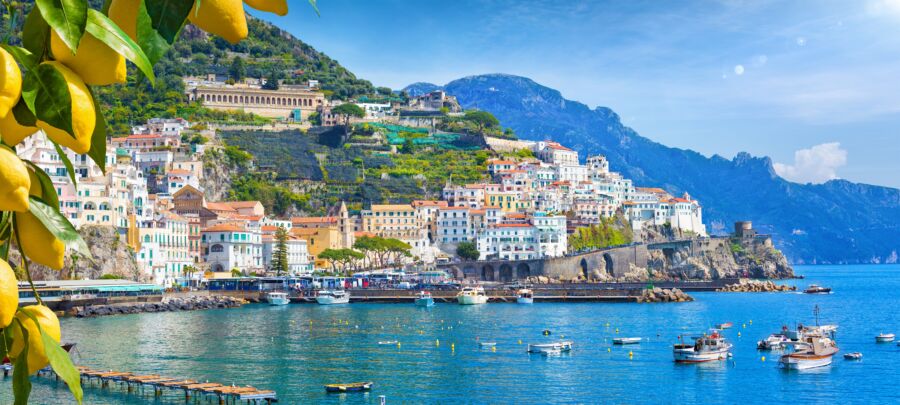
This two-week route takes you from ancient ruins to coastal cliffs, hitting Italy’s most stunning cities and a few hidden gems. You’ll start in Rome’s historic center, wind through Tuscany’s art capitals, float through Venice’s canals, hike seaside villages, and finish on the dramatic Amalfi Coast.
Rome: Ancient Wonders and Iconic Piazzas
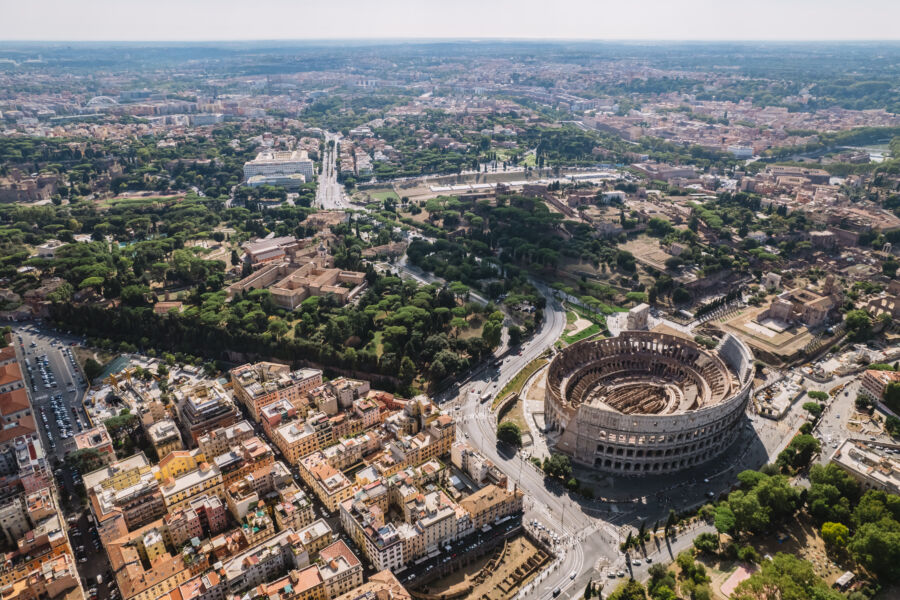
Give Rome at least three days. That’s enough to see the big stuff without sprinting from ruin to ruin.
Start at the Colosseum and Roman Forum—go early, like 8 AM early. Crowds triple by 10, and you’ll actually want room to take it all in. Book tickets online a week ahead. One ticket covers both sites, which is pretty handy.
On day two, head to Vatican City. The museums can take all day, but the Sistine Chapel is the real star. Your neck will probably hurt after staring at Michelangelo’s ceiling, but it’s worth it.
Don’t miss these Rome experiences:
- Toss a coin in Trevi Fountain at sunset
- Dinner in Trastevere (the food’s way better than near the tourist spots)
- People-watching in Piazza Navona
- Gelato—look for pistachio that’s brownish-green, not neon green (that’s the good stuff)
On your third day, wander the Jewish Ghetto for lunch and check out the Pantheon. The Pantheon’s free, which is rare for Rome’s big sights.
Florence and the Tuscan Countryside
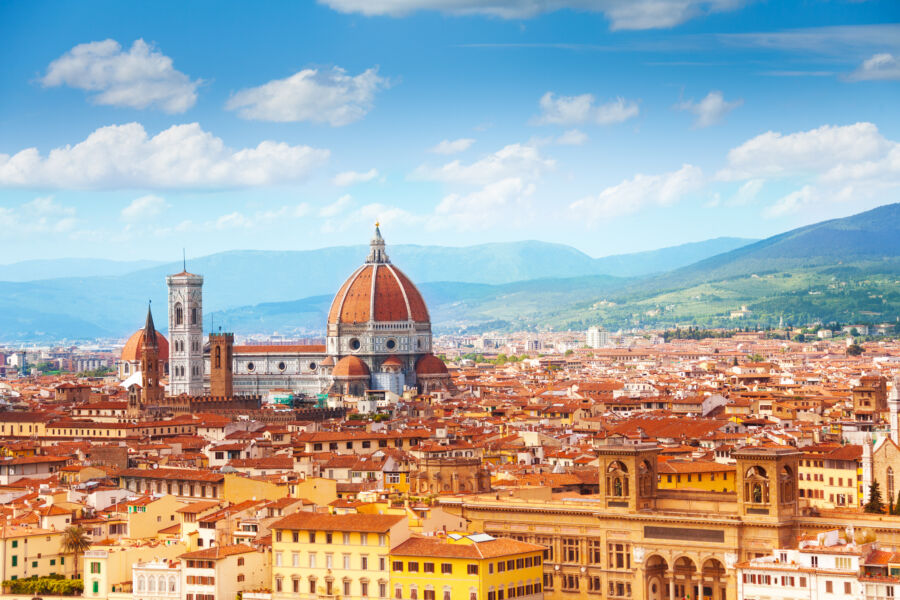
Plan for two full days in Florence, maybe three if you’re really into art. The Uffizi and Accademia (where David lives) need advance booking—don’t even try showing up without tickets.
The Duomo dominates the skyline, and climbing it gives you wild views of the city. It’s 463 steps, so maybe skip dessert at lunch.
Here’s what most guides skip: Florence gets slammed between 10 AM and 4 PM. Start early, take a long lunch when the crowds hit, then head back out after 5 PM when things chill out.
Florence highlights you really shouldn’t skip:
- Ponte Vecchio at sunrise (no crowds, just you and the river)
- Piazzale Michelangelo for sunset views
- Day trip to Siena or San Gimignano
- Leather markets near San Lorenzo (bargain hard, or at least try)
Give the Tuscan countryside at least a day. Rent a car or join a tour to hill towns like Siena—medieval streets, frozen in time, and seriously good wine.
Venice: Canals, Bridges, and Art
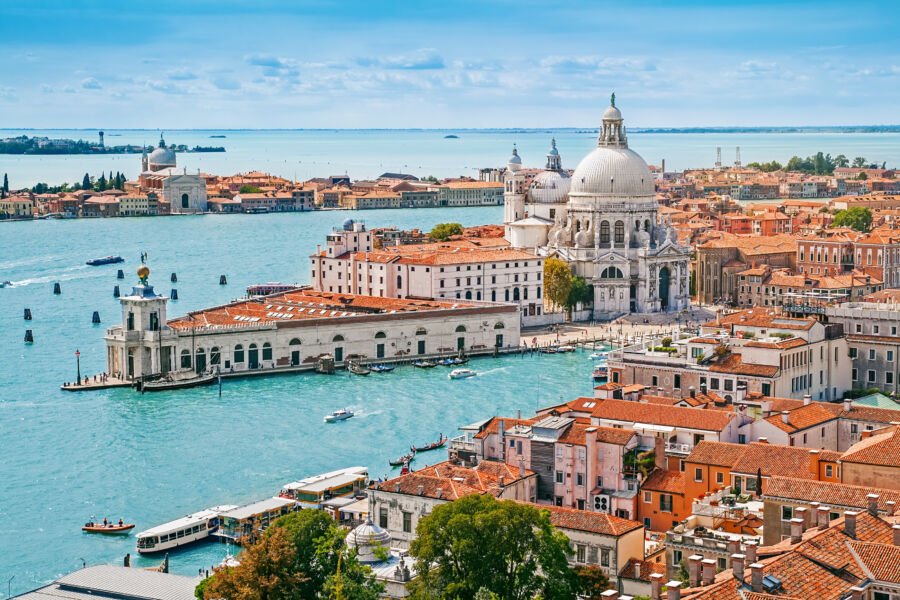
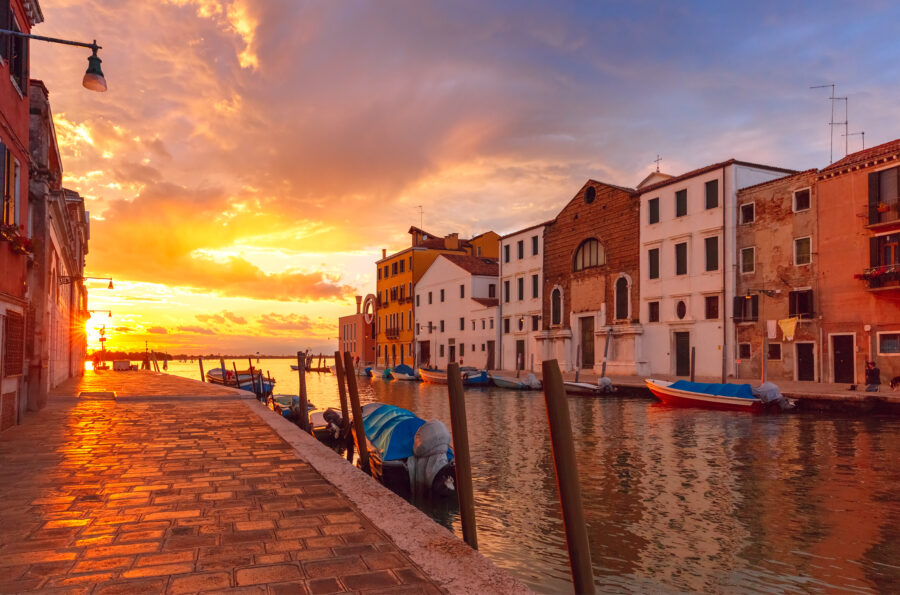
Two days in Venice is about right, maybe three if you want to see the islands. You can walk everywhere, which is good because you’ll get lost—a lot. The tiny streets all start to look the same after a while.
St. Mark’s Basilica and the Doge’s Palace are musts. Book ahead. The basilica is free but lines get nuts, and Doge’s Palace needs a ticket. The secret passages tour is surprisingly cool—you’ll see prison cells where Casanova was locked up.
Ride a vaporetto (water bus) down the Grand Canal instead of splurging on a gondola. Gondolas are €80 for 30 minutes, but the vaporetto is around €7.50 for unlimited rides all day. Save your cash for dinner.
Venice experiences worth the time:
- Getting lost in the back streets (honestly, this is the best part)
- Taking the vaporetto out to Murano or Burano
- Hunting down cicchetti bars for cheap snacks and wine
- Watching sunset from Rialto Bridge
Day trips to Murano and Burano take about half a day. Murano’s all about glass, Burano’s got those wild, colorful houses that look Photoshopped but aren’t.
Cinque Terre and the Italian Riviera
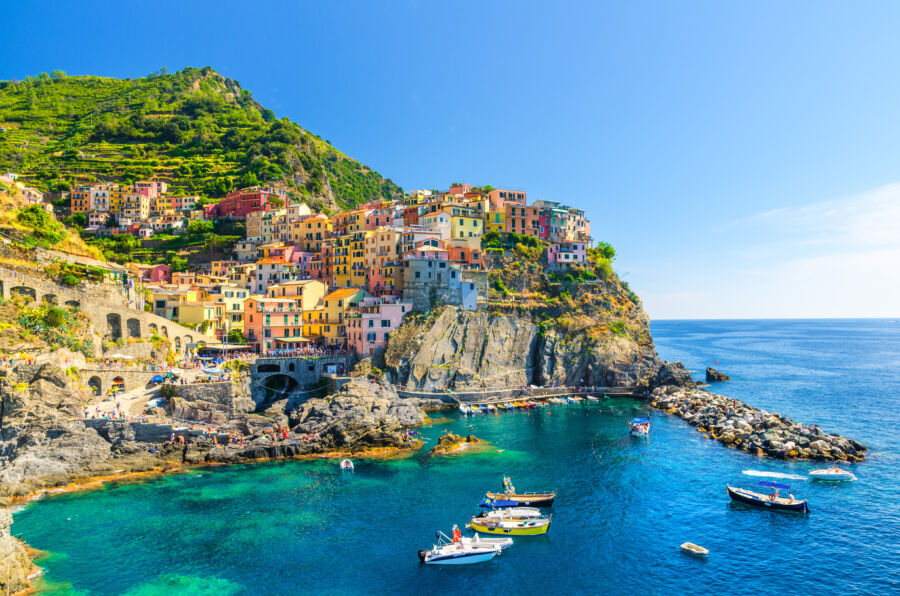
Cinque Terre is worth two nights, maybe three. It’s where your trip turns coastal, and after all the museums, it’s a breath of fresh air.
The five villages—Monterosso, Vernazza, Corniglia, Manarola, and Riomaggiore—each feel a bit different. Monterosso has the best beach. Vernazza’s got the prettiest harbor. Corniglia sits way up high (377 steps from the station—your legs will complain). Manarola and Riomaggiore are more chill and a bit less crowded.
You can hike between the towns, but trails close randomly after landslides. Check locally before planning a big hike. Trains run between all five villages every 15-20 minutes, so hopping around is easy.
Cinque Terre day trip essentials:
- Grab the Cinque Terre Card (covers trains and trails)
- Start early, before the Florence day-trippers arrive
- Try the pesto—this is where it was born
- Avoid restaurants with food photos on the menu (tourist traps, every time)
Stay in Monterosso for an actual sandy beach, or Vernazza for those classic postcard views.
Naples, Pompeii, and the Amalfi Coast

Naples only needs a night if you’re short on time. It’s grittier than Florence or Venice, but the pizza is unreal. Naples invented pizza, and honestly, you haven’t really had it until you eat it here.
Pompeii works as a half-day trip from Naples. The ancient city, buried by Vesuvius in 79 AD, is almost eerie in how much survived. You’ll see old bakeries, brothels, houses with frescoes still on the walls. Go early with a guide, or at least grab an audio guide—there aren’t many signs, so it’s easy to get lost.
The Amalfi Coast deserves your last two or three days. Stay in Positano, Amalfi, or Sorrento as your base. Each town has its own perks:
Rome: The Eternal City’s Unmissable Sites
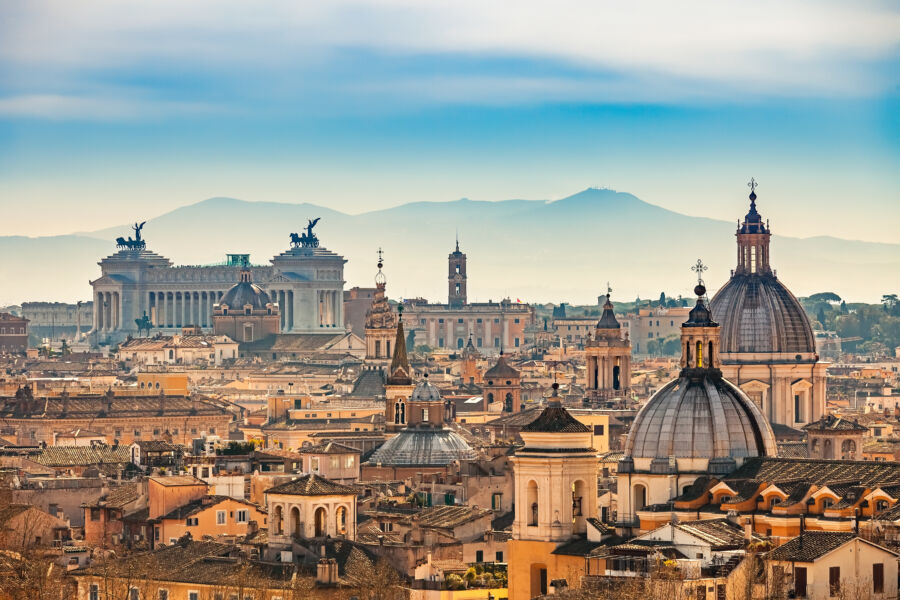
Rome squeezes centuries of history into walkable neighborhoods where ancient ruins sit right next to lively pizzerias. You’ll want at least 3-4 days to really explore the big archaeological sites, see the Vatican’s art, toss coins in baroque fountains, and find the neighborhood charm that makes solo travelers fall for this city.
Colosseum, Roman Forum, and Palatine Hill

These three sites use a single ticket (€18), valid for 24 hours from your first entry. Book online at least a day ahead so you can skip the ticket lines—seriously, don’t waste precious solo time standing around.
The Colosseum just hits differently when you’re by yourself. You get to linger as long as you want, picturing gladiator battles or just soaking up the atmosphere. Show up right at 9 AM for the best light and the smallest crowds.
Next, walk over to the Roman Forum, basically ancient Rome’s downtown. The Via Sacra (Sacred Way) runs through the center, past temples and government buildings. Download the free audio guide app ahead of time—it’s surprisingly good and helps the ruins make sense.
Palatine Hill rises above the Forum and gives you the best views over both sites. Legend says Romulus founded Rome here in 753 BC. Later, the emperors built their palaces on this hill, and you can still spot the remains. Bring water and solid walking shoes—the ground gets rough.
The Vatican: Vatican Museums, Sistine Chapel, and St. Peter’s
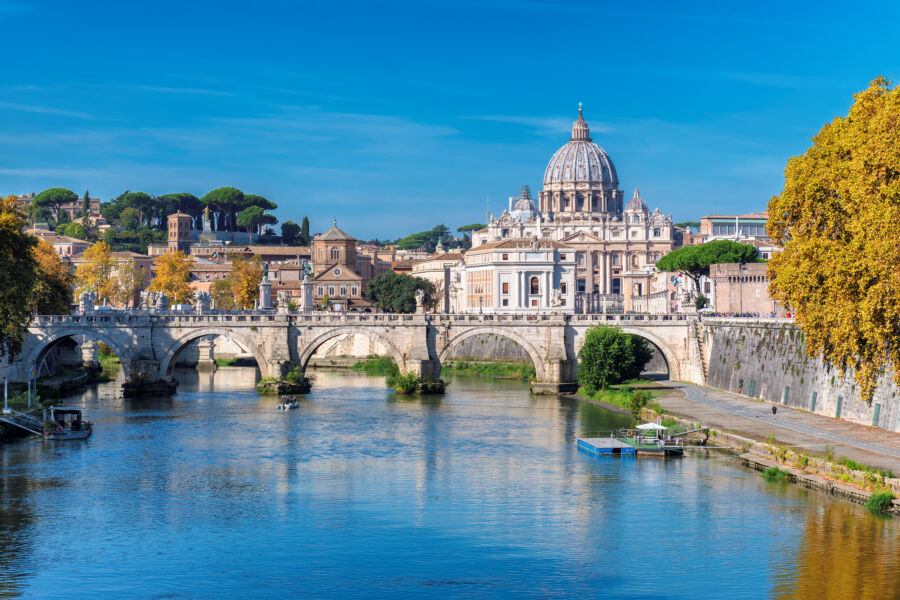
Vatican City easily takes up a full morning, maybe longer if you’re into art like me. The Vatican Museums open at 9 AM, but you can book a skip-the-line ticket for 8:30 AM (yes, early entry exists). By 10 AM, the crowds get wild.
The museums stretch for what feels like miles, but the main path leads you through the Gallery of Maps, Raphael Rooms, and finally the Sistine Chapel. Michelangelo’s ceiling is breathtaking, but honestly, the Last Judgment wall stunned me just as much. Guards make sure everyone stays silent, which, when you’re solo, somehow makes it all more intense.
After the museums, you’ll exit near St. Peter’s Basilica. Entry’s free, but lines can get long by midday. Inside, Michelangelo’s Pietà sits behind glass on your right as you enter. Climb the dome (€10 for the elevator partway, €8 for all 551 steps) for epic views over Rome—your legs might complain, but the view wins.
On Wednesday mornings, you can catch the papal audience if you want to see the Pope. Free tickets are available online, but you’ll need to plan ahead.
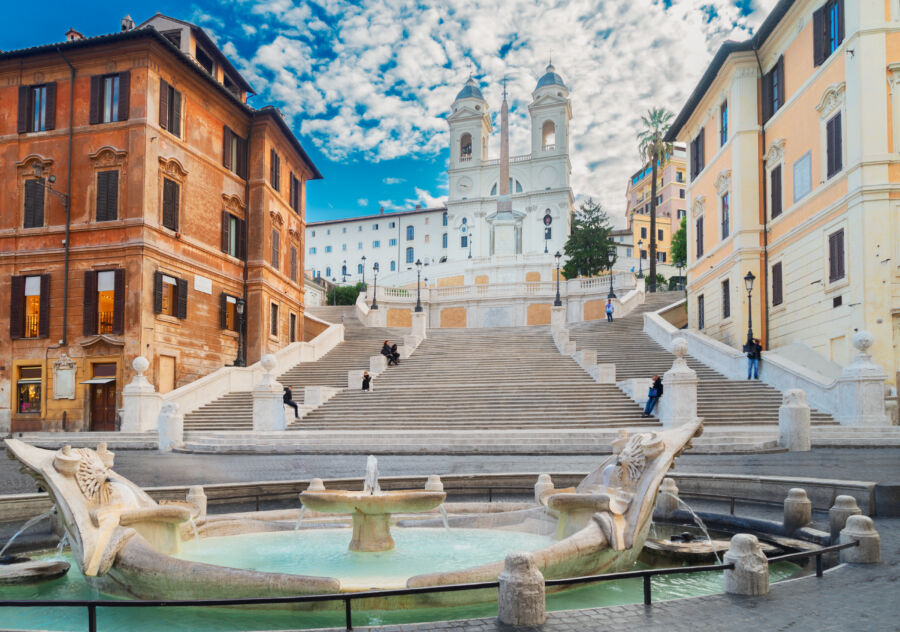
This area is perfect for an evening stroll after a day of history. Start at the Trevi Fountain around sunset. Sure, it’s packed with tourists, but the baroque sculptures lit up at dusk are actually gorgeous. Toss a coin over your left shoulder—supposedly it guarantees your return to Rome. Can’t hurt to try.
Walk about 10 minutes north to the Spanish Steps, connecting Piazza di Spagna with Trinità dei Monti church above. Sitting on the steps will cost you a €250 fine these days, but you can grab a spot on the low wall at the bottom for some top-notch people-watching.
The Pantheon sits between these sites—a 2,000-year-old temple with the world’s largest unreinforced concrete dome. Entry is now €5, and honestly, it’s worth it. The oculus (that big hole in the roof) creates this wild light effect, and yep, rain comes through when it storms.
End at Piazza Navona, built over an ancient stadium. Three fountains anchor the long plaza, with Bernini’s Fountain of the Four Rivers in the center. The square buzzes with street artists and outdoor cafes—grab an Aperol spritz and just watch the city do its thing.
Offbeat Rome: Trastevere, Castel Sant’Angelo, and Aperitivo Culture

Trastevere feels like a secret village inside the city. Cross the Tiber River and wander the narrow cobblestone lanes lined with ivy-draped buildings. After 7 PM, the neighborhood wakes up as locals head out for their evening passeggiata.
For lunch, grab pizza al taglio (pizza by the slice) at Trapizzino near Piazza Trilussa—they stuff pizza pockets with Roman classics like cacio e pepe. Dinner can be a little trickier solo since Roman trattorias often feel couple-heavy, but Da Enzo al 29 has counter seating so you won’t stick out. Their cacio e pepe or carbonara are both solid choices.
Castel Sant’Angelo started as Emperor Hadrian’s mausoleum, then became a fortress and later a papal residence. The rooftop terrace gives you an unexpected view of St. Peter’s dome across the river. It’s rarely crowded, so you can really take your time exploring.
Aperitivo culture is a fun way to meet other travelers. From 6-9 PM, bars put out free buffet spreads when you buy a drink (usually €8-12). Freni e Frizioni in Trastevere draws a younger, international crowd. Caffè Propaganda near the Colosseum attracts a more laid-back, slightly older set.
Where to stay in Rome: Solo travelers do well in the Monti neighborhood—it’s walkable to the big sights, packed with cafes and wine bars, and full of small hotels and guesthouses where you won’t feel lost in a massive resort.
Florence and Tuscany: Renaissance, Art, and Vineyards
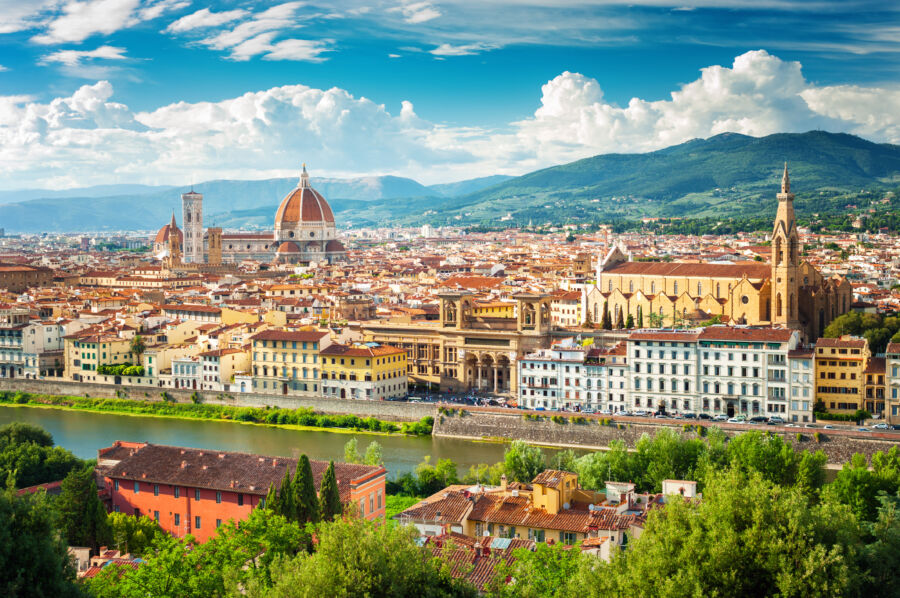
Florence packs more artistic genius per square mile than almost anywhere else, and the Tuscan countryside nearby offers medieval villages and top-notch wineries within easy reach. One minute you’re face-to-face with Michelangelo’s masterpieces, the next you’re sipping Chianti among cypress trees. Not a bad way to spend a day.
Florence’s Top Art and Architecture Highlights
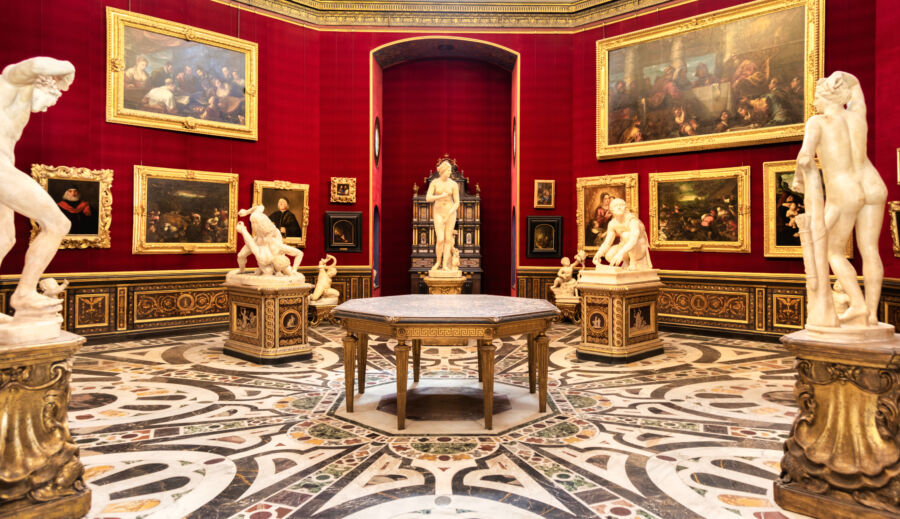
The Galleria dell’Accademia houses Michelangelo’s David, and honestly, seeing this 17-foot marble statue in real life is nothing like a photo. The museum fills up fast, so book your ticket online weeks ahead and go for the earliest time slot you can get.
Across town, the Uffizi Gallery could easily eat up your entire day if you let it. Botticelli’s Birth of Venus hangs here, along with works by Leonardo da Vinci, Raphael, and Caravaggio. The sheer amount of Renaissance art is almost too much to process. Wear comfy shoes—you’ll be walking and standing for hours.
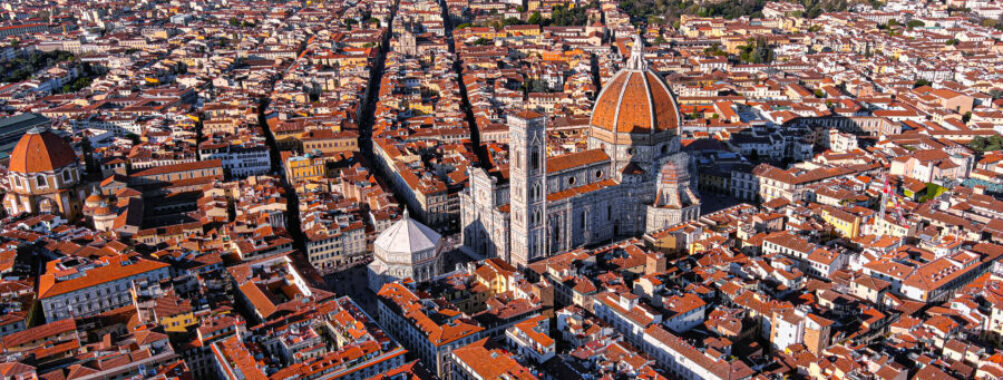
The Duomo (Santa Maria del Fiore) dominates the skyline with Brunelleschi’s red-tiled dome. You can climb 463 steps inside for panoramic views, but the passages get tight—skip it if you’re claustrophobic. The cathedral’s outside is covered in intricate marble panels in pink, white, and green.
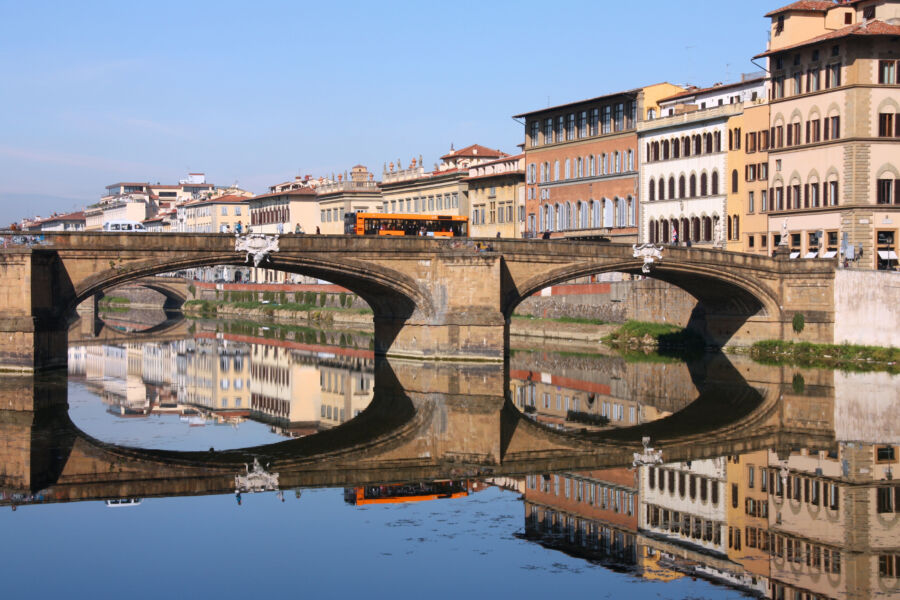
Don’t miss the Ponte Vecchio, Florence’s medieval bridge lined with jewelry shops. Sure, it’s touristy, but walking across at sunset while street musicians play is one of those “worth it” moments. Nearby, Piazza della Signoria works as an open-air sculpture gallery with replica statues around Palazzo Vecchio.
For sunset, head up to Piazzale Michelangelo on the hill south of the Arno River. The Oltrarno neighborhood below has artisan workshops and way fewer crowds than the city center.
Tuscan Countryside: Chianti Wine Tours and Hill Towns

The Chianti region starts practically at Florence’s doorstep. Renting a car gives you freedom, but the twisty roads and wine tasting don’t really mix. I’d go with a small group wine tour—they’ll handle the driving.
Chianti Classico vineyards make Sangiovese-based reds with the Black Rooster seal. Most wineries welcome visitors for tastings, but you’ll need to reserve with family-run estates. Expect to try 3-5 wines with local pecorino cheese, olive oil, and crusty bread. Tours usually include a vineyard walk where you’ll learn how Chianti’s climate and limestone soil shape the flavors.
Greve in Chianti makes a great lunch stop, with its triangular piazza surrounded by porticoes. The butcher shops here sell local salami and prosciutto that’ll spoil you for supermarket stuff forever.
Siena is worth a full day if you can swing it. The shell-shaped Piazza del Campo hosts the famous Palio horse race twice each summer, and the medieval vibe feels more genuine than Florence’s touristy center. The striped marble cathedral is just as stunning as anything in Florence.
Montepulciano and Pienza sit further south in the Val d’Orcia, where the scenery looks like a Renaissance painting. Montepulciano’s Vino Nobile wines don’t get the fame of Chianti but are just as good, and the town’s wine cellars are built into ancient Etruscan caves.
Day Trips: Pisa and San Gimignano
The Leaning Tower of Pisa is just an hour west by train from Firenze Santa Maria Novella station. Yeah, it’s touristy and everyone takes that photo pretending to hold up the tower, but the whole Piazza dei Miracoli (tower, cathedral, baptistery) is genuinely impressive. You can climb the tower if you book ahead, though the slant feels weird underfoot. Two hours is enough for Pisa, so you can easily combine it with Lucca or the coast.
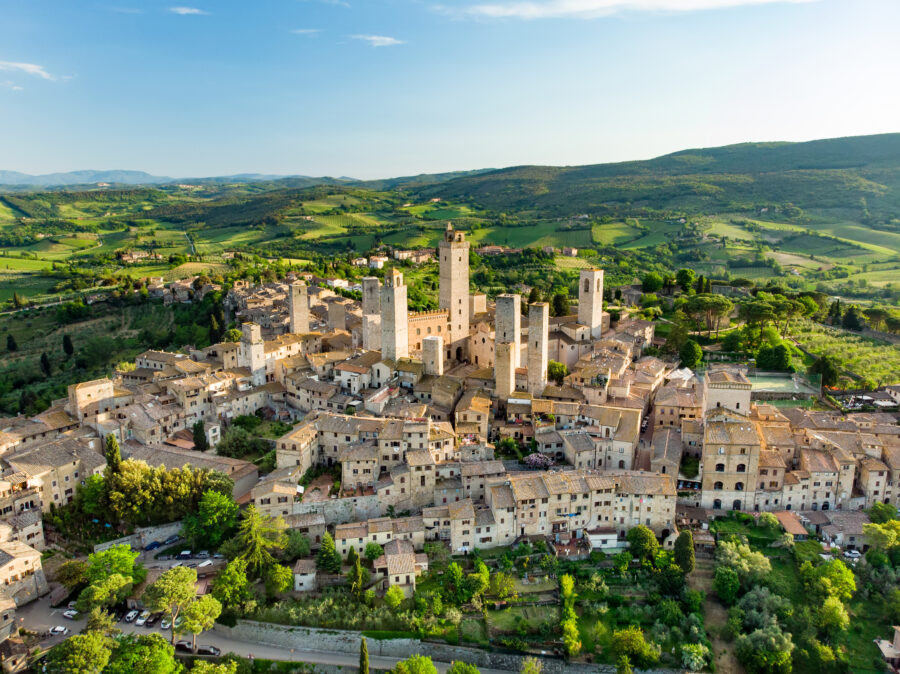
San Gimignano pops up from the Tuscan hills with its medieval towers—there were 72 at one point, now 14 remain. They call it “Medieval Manhattan” for a reason. It’s tiny, so you’ll wander the whole place in an hour or two.
The real draw is just roaming the stone streets and grabbing gelato from Gelateria Dondoli (it’s won world championships). San Gimignano makes Vernaccia, a crisp white wine you should try at one of the wine bars near Piazza della Cisterna.
If you don’t have a car, take a bus from Florence—it winds through Chianti country and takes about 90 minutes each way, so plan for that. Or just combine it with a Chianti wine tour since you’re heading that way anyway.
Before you leave Florence, treat yourself to bistecca alla fiorentina—a massive T-bone steak cooked rare over hot coals. It’s priced by weight and meant for sharing, but I’ve watched solo travelers tackle one alone with serious determination.
See Related: New Train Routes in Europe to Explore in 2026
Venice and the Veneto: Unraveling Canals and Culture
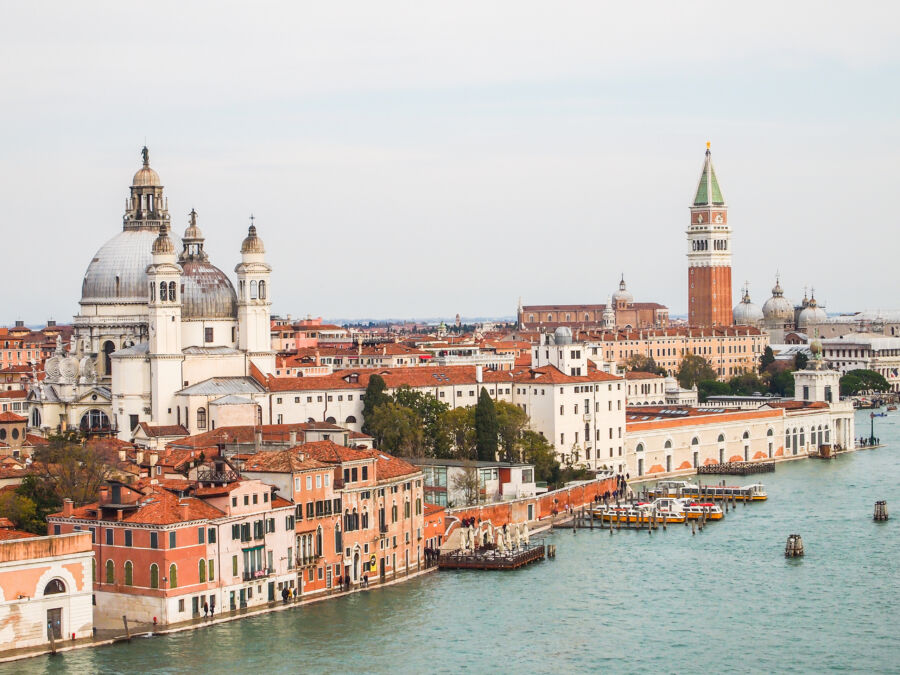
Venice rewards solo travelers who slow down and notice details others miss. You’ll find your own pace somewhere between the crowds at Piazza San Marco and the quiet canals where real Venetians live. It’s about knowing when to take in the iconic sights and when to just get lost, wandering under laundry lines and over tiny bridges.
Classic Venice: Piazza San Marco, Rialto Bridge, and Doge’s Palace
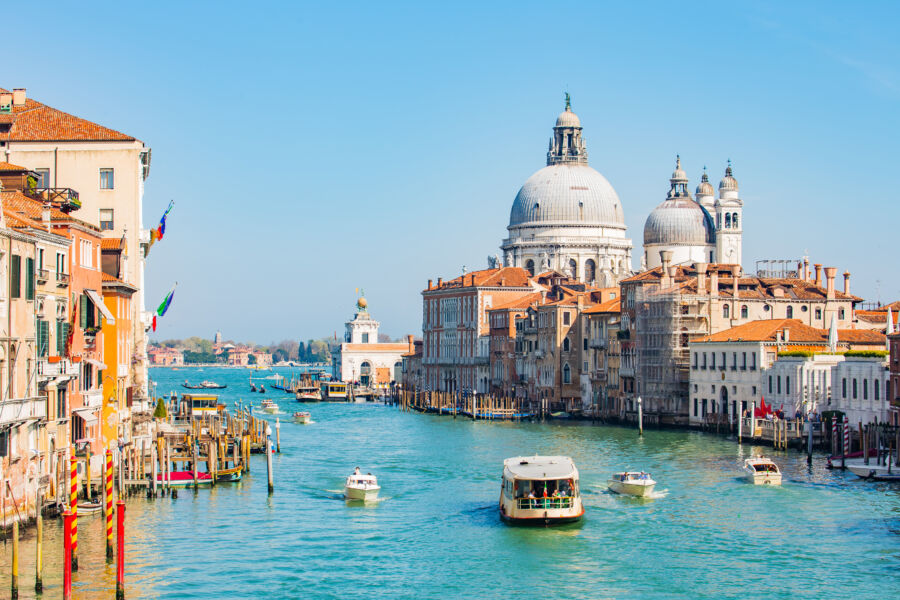
Piazza San Marco is where you’ll probably start. It’s crowded, and the cafes are, frankly, absurdly expensive (€12 for coffee if there’s live music), but St. Mark’s Basilica really does deserve the hype. Those gold mosaics practically glow. Go right at 9:30am when it opens—lines get wild later.
The Doge’s Palace next door walks you through Venice’s political history with ornate chambers and the famous Bridge of Sighs. Prisoners crossed it on their way to the cells. Book your ticket online to skip the line, and if you’re up for it, tack on the Secret Itineraries tour. You’ll wind through hidden passageways and the old prison system—it’s a bit eerie but fascinating.
Head up St. Mark’s Campanile (the bell tower) for the best view of Venice’s maze. It costs €10, but there’s an elevator, and seeing how all the winding streets connect is oddly satisfying.
Rialto Bridge is best early, before the crowds. Nearby, the market hums with locals buying seafood and veggies. By 10am, the bridge is packed with selfie-takers, so get there before if you want a quieter vibe.
Islands and Experiences: Murano, Burano, and Vaporetto Pass
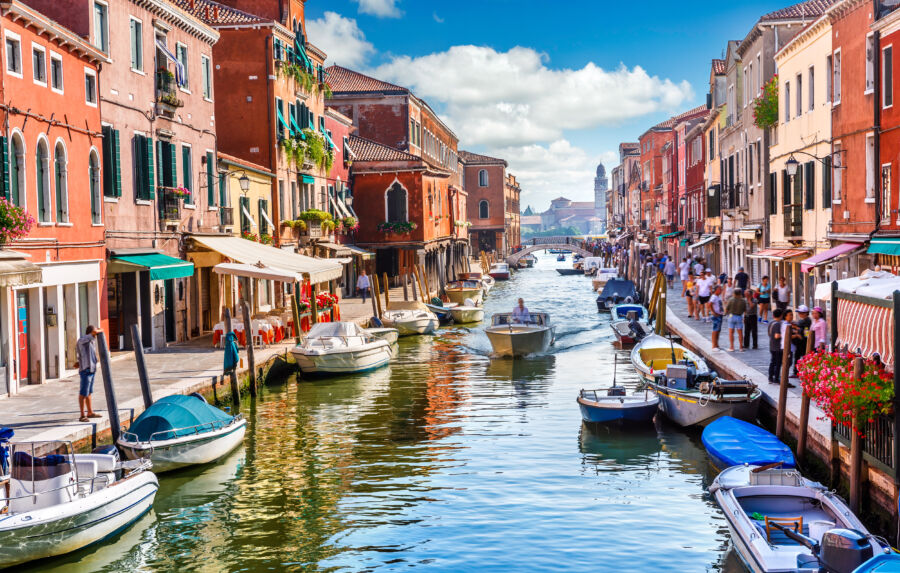
Snag a vaporetto pass your first day—48-hour or 72-hour passes save you money fast since a single ride is €9.50. The vaporetto (water bus) is your main way around, and Line 1 down the Grand Canal is as scenic as everyone says.
Murano and Burano are easy to combine in half a day. Take the vaporetto from Fondamente Nove (about 40 minutes total). Murano’s glass factories do free demos, though you’ll get the sales pitch after. Watch for a bit, then just say no thanks if you’re not buying.
Burano is the more photogenic one—bright houses in pinks, yellows, blues. The colors weren’t just for fun; fishermen painted them so they could spot home through the fog. It feels genuinely charming and less pushy than Murano. Grab lunch by the canal; the risotto de gò (goby fish risotto) is a local thing you won’t see everywhere.
Top Neighborhoods, Aperitivo, and Hidden Corners
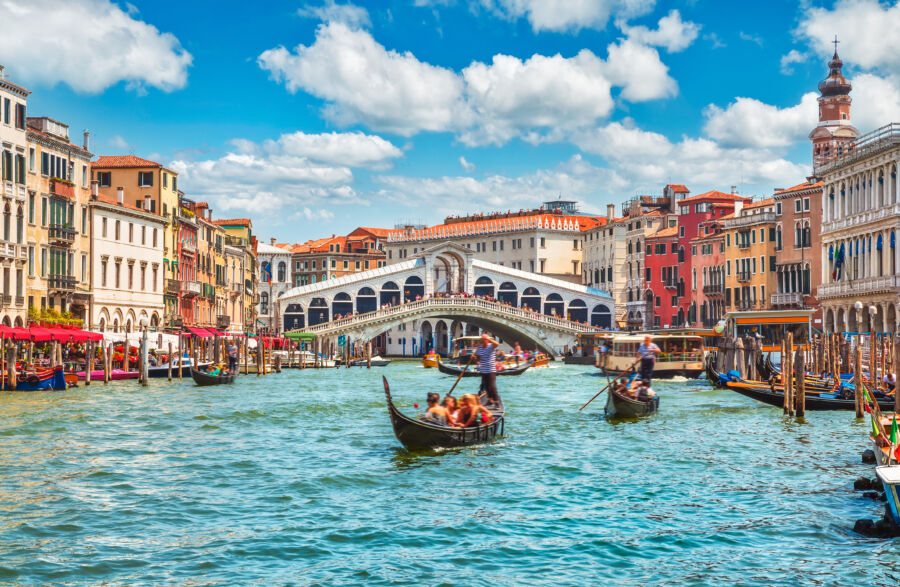
Where to stay in Venice can make a big difference. Cannaregio is more affordable and feels lived-in—kids play soccer in campi, neighbors chat outside bakeries. Dorsoduro near the university has a younger vibe and decent spritz bars. San Marco is central, but expect higher prices and tourist crowds at night.
Aperitivo runs 6-8pm all over Venice. Buy a drink (€4-8) and you’ll get snacks—sometimes just chips, sometimes a whole buffet. Venetians prefer cicchetti, small bites at bacari (wine bars). Al Timon in Cannaregio and Cantina Do Spade near Rialto are good spots to stand at the bar with locals.
The best things to do in Venice solo? Honestly, just wander. Head toward Santa Maria Formosa or the Jewish Ghetto—things get quieter. The Libreria Acqua Alta bookstore stacks books in bathtubs and gondolas to keep them dry. It’s quirky and fun to poke around.
Naples, Amalfi Coast, Pompeii, and the South
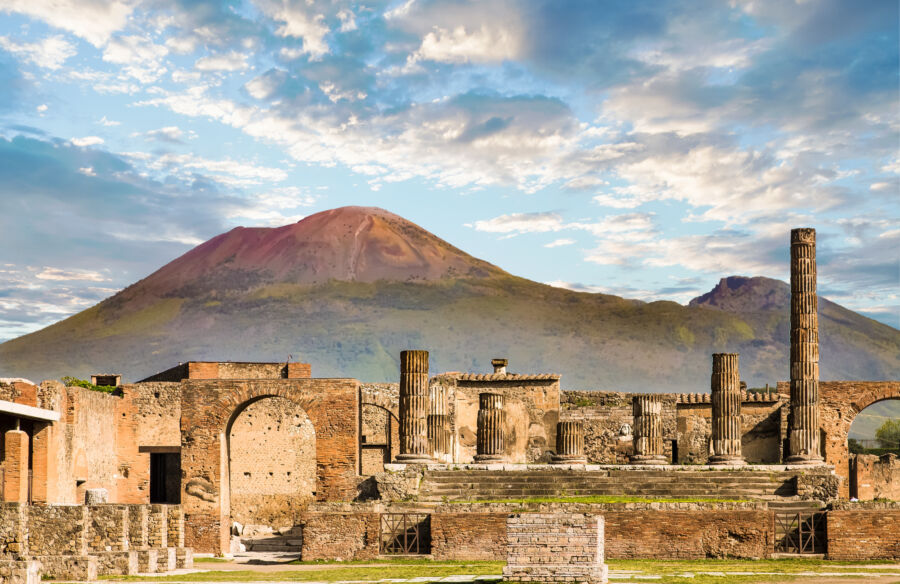
Southern Italy moves at its own speed, with bold flavors, ancient ruins, and coastal roads that’ll make your heart race. Naples brings gritty authenticity, the Amalfi Coast stuns with its views, and the archaeological sites feel like time travel.
Naples: Art, Food, and Historic Heart

Naples gets a bad rap, but honestly, it’s one of Italy’s most genuine cities. The energy is raw and real in ways polished spots just aren’t.
Start at Piazza del Plebiscito, the massive main square that manages to feel grand without being stuffy. From there, walk to Castel Nuovo—those medieval towers and the Renaissance arch are seriously impressive. The seafront Castel dell’Ovo sits on a tiny island and gives you killer views back toward the city and Mount Vesuvius.
The Duomo di Napoli holds the blood of San Gennaro, which supposedly liquefies three times a year. Believe it or not, the baroque chapel is worth a look.
But let’s be real—you’re here for the food. Naples invented pizza, and eating Neapolitan pizza here is almost a religious experience. The crust is soft and a bit charred, the sauce is simple, the mozzarella just melts. Try pizza al taglio (by the slice) from street vendors for a quick bite while exploring the historic center.
The Spanish Quarter’s narrow streets can feel chaotic, but that’s Naples. Keep your stuff close, enjoy the washing lines strung between buildings, and listen to locals shouting across balconies.
Pompeii, Herculaneum, and Mount Vesuvius
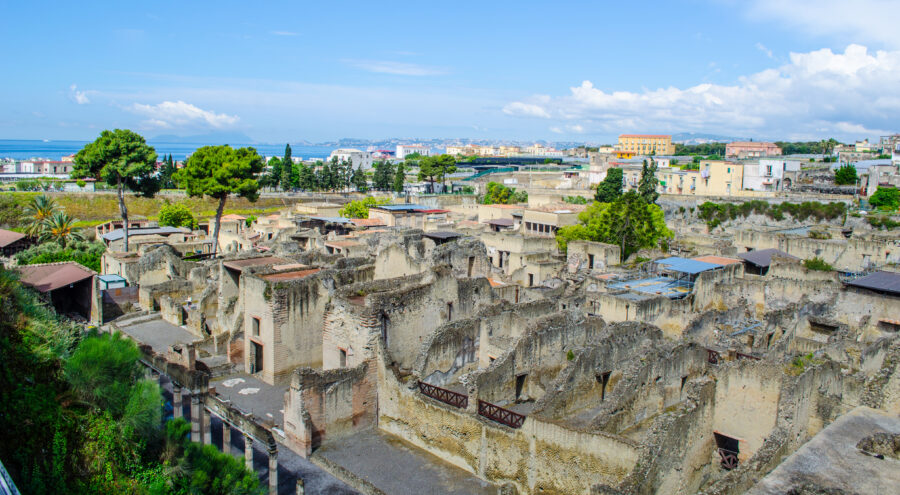
Pompeii needs at least half a day. The place is huge—an entire Roman city frozen under ash since 79 AD. You’ll walk ancient streets, spot chariot ruts, peek into homes with faded frescoes, and see the forum where Romans gathered.
The plaster casts of Pompeii’s victims are haunting. Seeing people in their final moments makes the tragedy hit hard, even after two thousand years.
Herculaneum is smaller but better preserved—deeper ash protected wooden structures and even some fabrics. If you’re short on time, Pompeii wins for sheer scale, but Herculaneum gives you more detail.
Mount Vesuvius still lets out the occasional puff of smoke; it’s just napping, not gone. You can drive partway up and hike the last bit to peer into the crater. On clear days, the Bay of Naples looks incredible from up there.
The Circumvesuviana train links Naples to Pompeii and Sorrento. It’s crowded and not exactly luxurious, so keep your bag in front of you, especially if traveling solo.
Sorrento, Positano, Amalfi, and Ravello

Sorrento works well as a base for the Amalfi Coast. It’s cheaper than Positano, has solid transport, and you get a mix of local life and tourist stuff. The town sits on cliffs above the sea, and you can swim at Bagni Regina Giovanna, a natural pool in the rocks locals prefer to the busier beaches.
The Amalfi Coast road is wild—narrow, winding, clinging to cliffs with buses squeezing past each other on hairpin turns. If you get carsick, sit on the right side heading south and take breaks in the towns.
Positano tumbles down the hillside in pastel layers—photographers go nuts here. It’s beautiful, but pricey and packed. Visit for a few hours, have lunch with a view, then move on.
Amalfi town has more going on, with a stunning cathedral blending Arab, Norman, and Byzantine styles. The piazza is lively, and side streets hide small shops selling limoncello and ceramics.
Ravello sits way above the coast and feels quieter, more refined. The gardens at Villa Cimbrone have terraces that float above the sea. Villa Rufolo hosts summer concerts—magical with those views.
Buses connect these towns often in high season, so you can explore without a car. Buy tickets at tobacco shops before boarding.
Day Trips and Detours: Expanding Your 2-Week Solo Journey
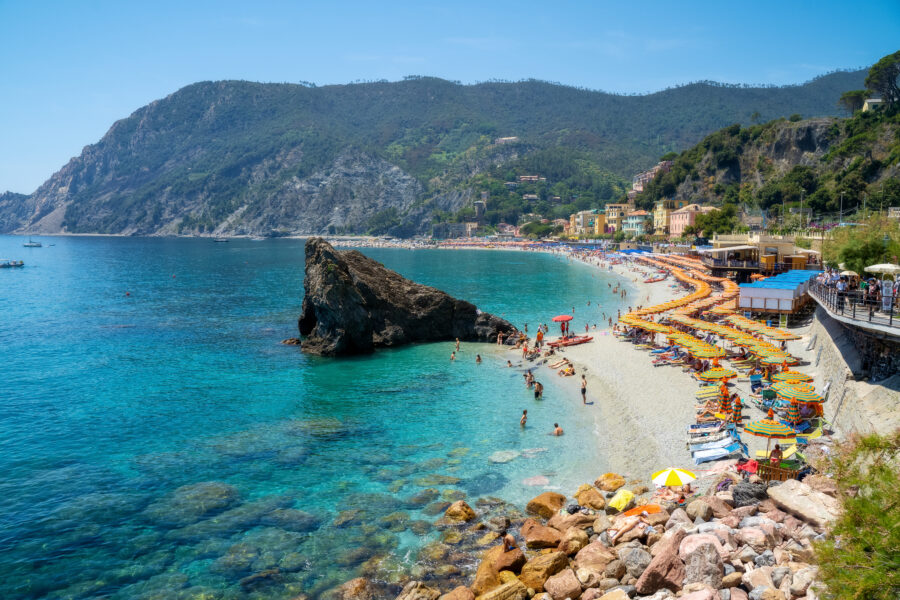
Italy’s tight geography means you can base in big cities and dip into some spectacular places that feel totally different. These side trips add depth without the hassle of packing up every other night.
Cinque Terre Villages and Italian Riviera Gems
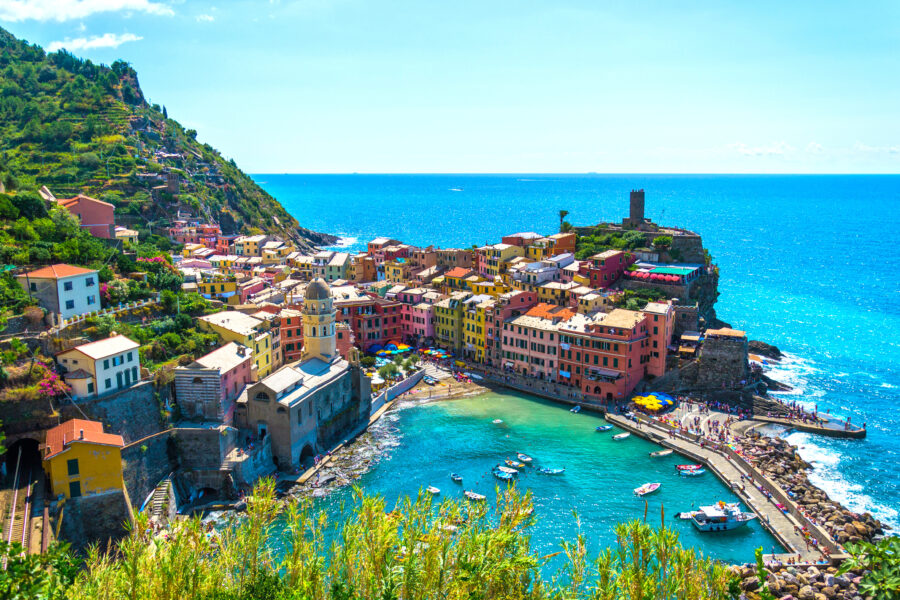
Give Cinque Terre a full day from Florence or La Spezia. The five villages—Monterosso al Mare, Vernazza, Corniglia, Manarola, and Riomaggiore—cling to cliffs, connected by hiking trails and trains.
Start early at Monterosso al Mare if you want a real beach. It’s the only one with decent sand, and the morning light is gorgeous. Then hop south by train, stopping at each village as you go.
Riomaggiore deserves some extra time for its harbor views. Grab lunch overlooking the boats and just relax a bit. The coastal path gets jammed after 11am, so if you’re hiking, go early or try the quieter upper trails.
Budget around €16 for the Cinque Terre train card—unlimited train rides between villages and trail access. Bring water and sunscreen; those trails are brutal under the midday sun.
Additional Must-See Cities: Milan, Verona, and Bologna
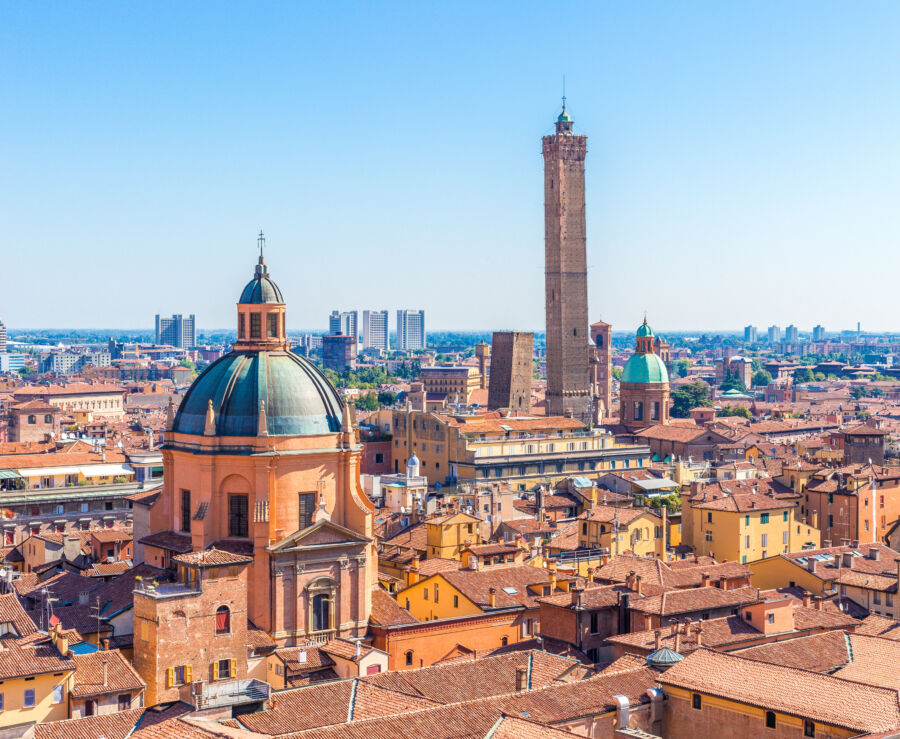
Milan is great as a starting point or a quick 2-3 day add-on. The Galleria Vittorio Emanuele II is more than shopping—it’s an architectural gem with a mosaic floor where locals spin on the bull for luck. Teatro alla Scala offers tours between shows, and Sempione Park gives you some green space after all that city.
Verona is an easy day trip from Venice (90 minutes by train). The Arena di Verona hosts summer opera in a real Roman amphitheater. Even without a show, just walking through this 2,000-year-old spot is wild.
Bologna flies under the radar, but shouldn’t. The food scene is top-notch—way better than most touristy cities. Take a pasta-making class or wander the porticoed streets sampling mortadella and tortellini. The medieval towers give you panoramic views without the Florence crowds.
Lake Como and the Northern Lakes
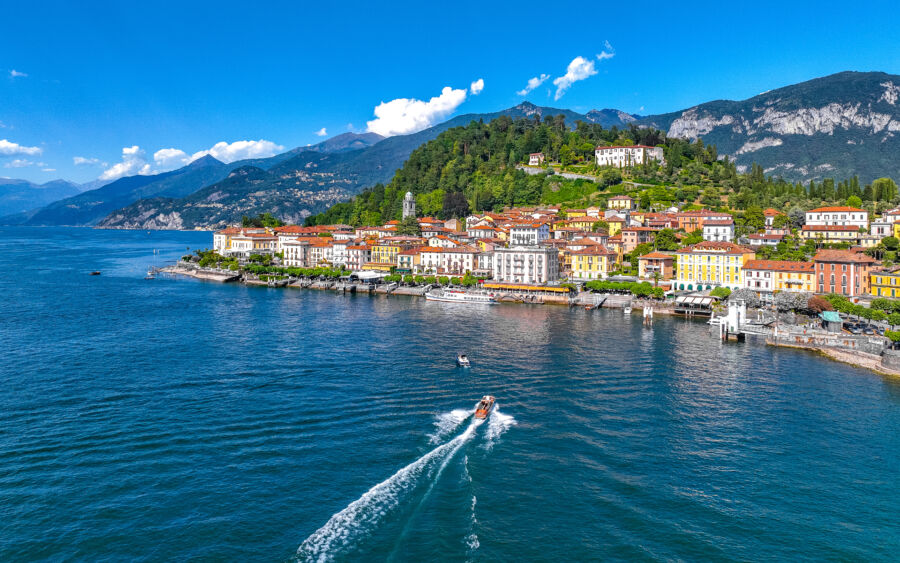
Lake Como sits about an hour north of Milan by train. If you want that classic lakeside vibe, stay in Varenna or Bellagio. The ferry system turns the lake into your own scenic highway, and honestly, those boat rides are a huge part of the charm.
Bellagio’s steep cobblestone streets might leave your legs aching, but the views across all three arms of the lake make it worth it. Varenna feels quieter and a bit more real—you’ll actually see people living their lives, not just groups with matching hats.
If you have extra days, try Lake Garda or Lake Maggiore. Garda’s southern shore gets pretty windy and draws windsurfers, while Maggiore’s Borromean Islands look like gardens drifting on the water. Any of these spots slow things down and let you recover from the fast pace of the cities.
See Related: Best Places to Visit in Europe This Year
Expert Solo Travel Tips and Safety in Italy

Traveling solo through Italy takes a mix of cultural awareness and practical know-how, not just what you’d find in a guidebook. Picking up a few Italian phrases, knowing how meals work, and following basic safety tips can turn your two-week trip from stressful to something you’ll actually enjoy.

Italians really appreciate it when you try their language, even if you butcher the pronunciation. Start with simple greetings like “buongiorno” (good morning) and “grazie mille” (thanks a lot). Those little efforts get you smiles and conversations you wouldn’t have in English.
Download Google Translate before you go—its camera feature helps you read menus and signs instantly. In big cities, lots of younger people speak English, but in smaller towns like those in Umbria or Le Marche, English gets pretty scarce.
Hostels and walking tours make it easy to meet other travelers. Book some group activities and tours in places like Rome or Florence if you want company. Hostels often do communal dinners or organize aperitivo outings just for solo guests.
Coffee bars are social hotspots in Italy. Stand at the bar instead of grabbing a table (cheaper, more lively). If you chat with locals during the morning espresso rush, you’ll find people in a good mood and open to a quick conversation.
Dining Alone: Food, Aperitivo, and Regional Specialties

Eating solo in Italy isn’t as weird as you might think. Italians take food seriously, whether you’re solo or not. Bring a book or just people-watch—no one cares.
Aperitivo (pre-dinner drinks with snacks) runs from 6-8 PM and is perfect for solo travelers. Buy one drink and help yourself to a buffet of everything from olives to pasta. Milan and Turin go big on aperitivo, but you’ll see it everywhere in the north.
Skip the restaurants near major tourist sites—staff rush you through bland meals. Walk a few blocks away from the crowds to find family-run trattorias where locals eat. Order the “piatto del giorno” (dish of the day) for a real taste of the region at a fair price.
Every region brags about their specialties. Florence has bistecca alla fiorentina, Bologna does tagliatelle al ragù (not spaghetti bolognese), and Naples makes pizza that ruins all other pizza forever. Skip the chain restaurants, really.
Solo Safety: Smart Travel Practices
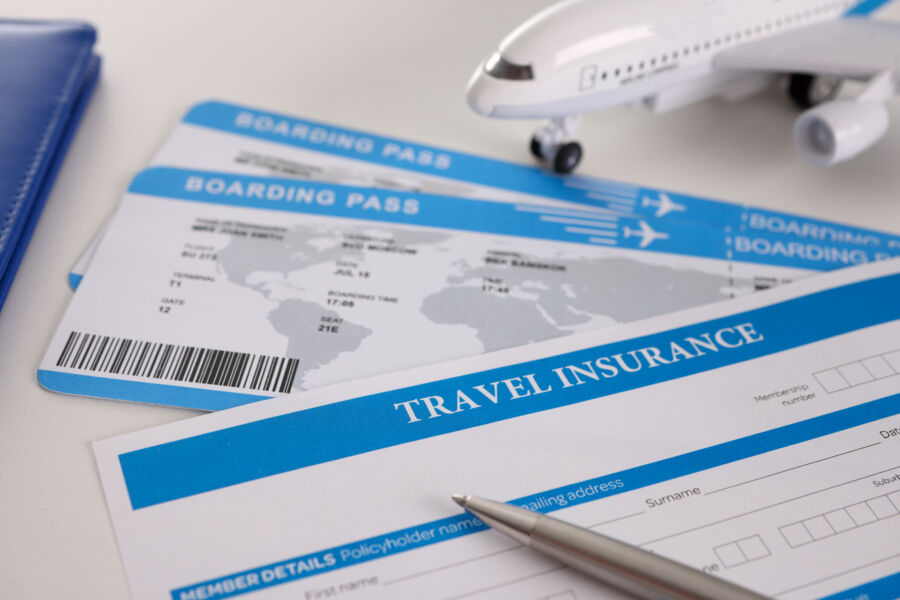
Italy’s one of the safer places to travel solo in Europe, but pickpockets love busy tourist spots. Keep your bag in front of you on crowded buses and trains. Go for a crossbody bag that zips up, not an open tote.
Buy travel insurance before you leave. It’ll cover medical stuff, trip cancellations, and lost gear. Italian healthcare is solid, but you want backup if things go sideways.
Share your plans with someone back home using messaging apps. Choose places to stay in central neighborhoods, even if they’re a bit pricier. Being able to walk home safely after dinner is worth it.
Train stations and metro stops attract scammers who offer “help” with tickets or luggage. Just say no and do it yourself. Save emergency numbers in your phone, especially 112 (works across Europe).
Go with your gut about people and situations. If something feels off, just leave. Toss some simple travel gear like door stops and portable chargers in your bag—they give you a little extra peace of mind.
Frequently Asked Questions

Solo travel in Italy raises all sorts of questions about safety, logistics, and how to actually enjoy your time there. Here’s some advice to help you sort out where to stay, how to keep your stuff safe, find real experiences, and mix big sights with hidden gems.
What unique local experiences should one include in a two-week Italian voyage for an authentic solo adventure?
Skip the cookie-cutter cooking classes and wander through a local market instead. At Florence’s Sant’Ambrogio Market, vendors who’ve been there for decades will tell you which tomatoes are actually good and might even share a family recipe if you ask.
Head to a local aperitivo hour in Milan’s Navigli district. Around 6 PM, bars put out free food when you buy a drink. It’s a great way to meet locals unwinding after work—way more fun than a touristy pub crawl.
Try a paper-making workshop at Amalfi’s Paper Museum. The town’s been making handmade paper since the 1200s, and you actually get to make your own sheets with old-school tools. It’s a lot more interesting than yet another church tour, if you ask me.
Spend a night or two at an agriturismo (working farm) in Tuscany. You’ll eat with the family, maybe help feed the chickens, and see what life is really like outside the tourist bubble. These family-run farms show you a side of Italy hotels can’t touch.
How can a solo traveler efficiently balance famous landmarks and off-the-beaten-path gems in a 14-day tour across Italy?
Book tickets for the big sights—Colosseum, Vatican Museums, Uffizi Gallery—before you even pack your bag. You’ll skip hours of waiting in line and have more time to explore backstreets.
Hit the famous landmarks early. Get to the Trevi Fountain at 7 AM and you’ll have it almost to yourself. Wait until mid-morning and you’ll be fighting for a spot to snap a photo.
Use afternoons to wander aimlessly. Rome’s Trastevere or Venice’s Cannaregio are best when you just follow whatever alley looks interesting. Honestly, some of my favorite moments happened when I got lost and found a street festival or a tiny trattoria.
Give yourself buffer days between cities. Spend a night in Sorrento instead of rushing back to Naples, or stop in Verona on your way from Florence to Venice. These in-between places often end up being the most memorable.
Keep your bag in front of you on public transit, especially in Rome and Naples. Pickpockets are slick and know exactly where tourists hang out. A cross-body bag with a zipper is a must.
Dress a bit more conservatively than you might at home. Italians notice when you show up in gym shorts and flip-flops for dinner. You don’t need to dress up, but clean jeans and a shirt help you blend in and sometimes even get you better service.
Learn a few basics: “Permesso” (excuse me), “Grazie” (thanks), and “Parlo solo inglese” (I only speak English). Even if you mess up the words, locals appreciate the effort and usually go out of their way to help.
If you just want a quick coffee, stand at the bar—it’s half the price of sitting. And don’t order a cappuccino after 11 AM. Italians think it’s strictly for breakfast, and you’ll stand out as a tourist if you break this rule.
Solo women should know Italian men can be pretty direct with compliments. A firm “No, grazie” usually does the trick, but if someone won’t take the hint, just walk into any shop or restaurant. Staff will look out for you—Italians are surprisingly protective of solo travelers.
What is the best way to manage accommodations and transport to maximize both comfort and immersion in local Italian life for a solo traveler?
High-speed trains between major cities are absolutely worth it. For example, the Rome to Florence trip takes just 90 minutes on the Frecciarossa—way faster than slogging through traffic for four hours. I usually book tickets on Trenitalia or Italo’s websites a couple weeks ahead to snag the best deals.
Skip the hotels right next to the big attractions. Instead, try staying in residential neighborhoods. Rome’s Monti district or Florence’s Oltrarno area let you see how locals actually live, and you’re still close enough to walk to the main sights. Honestly, you’ll probably pay less for your room and stumble on better places to eat.
If you’re staying more than two nights, renting an apartment is a smart move. With a kitchen, you can grab fresh stuff from local markets and just have breakfast at home. It’s cheaper, and you’ll get a little taste of daily life. Plus, hosts often share their go-to neighborhood spots, which is gold.
Switch up where you stay as you move around. I like starting in a hotel in the bigger cities for the easy check-in and amenities, but in smaller towns, guesthouses or B&Bs feel way more personal. Sometimes the family running the place will share stories or tips you’d never find in a guidebook.
Before your trip, download the Trenitalia app and save Google Maps for offline use. That way, you can check train times, buy tickets, and figure out directions even if you’re stuck without WiFi. Regional trains let you just hop on without booking ahead, so you can wing it with day trips if you feel like it.