Last modified September 14, 2026
Turning a long transatlantic layover into a proper Reykjavik stopover is one of the smartest moves in travel right now. With Icelandair offering free stopovers of up to 7 nights on flights between North America and Europe, you can transform a routine connection into an unforgettable Nordic adventure—without paying a cent of extra airfare. The sweet spot? A strategic 24–48 hour Reykjavik stopover gives you enough time to explore the city’s compact downtown, soak in geothermal waters, chase the Northern Lights (roughly September through April), and venture out to Iceland’s iconic Golden Circle.
For travelers crossing the Atlantic anyway, this is two destinations for the price of one ticket. Iceland sits perfectly between North America and Europe, making a Reykjavik stopover an incredibly cost-effective way to manage your overall 3-week Europe trip cost while exploring one of the world’s most photogenic capitals before continuing to your final destination.
This guide delivers everything you need to plan your stopover: exact 2026 prices, hour-by-hour itineraries tested by real travelers, current Icelandair stopover policies, and insider strategies from hundreds of successful stopover visits. Whether you’re landing on a crisp November morning with Northern Lights on your mind or maximizing summer’s midnight sun, we’ll show you exactly how to make your limited time in Iceland count.
Prices verified September 2026 · Exchange baseline: ~138 ISK per $1 USD
Reykjavik stopover in a nutshell: A Reykjavik stopover is a free add-on offered by Icelandair (1–7 nights) and PLAY (up to 10 days) that lets you break a transatlantic flight in Iceland for no extra airfare. You book it during checkout, sort your own hotel and tours, and walk away having visited two countries on a single ticket. The most popular versions are the 24-hour stopover (downtown Reykjavik + one signature experience) and the 48-hour stopover (add the Golden Circle or Blue Lagoon).
Estimated 24-Hour Reykjavik Stopover Budget
A budget 24-hour Reykjavik stopover costs approximately 20,000 ISK (~$145 USD) per person. Here is the realistic cost breakdown:
| Expense Item | Approximate Cost (ISK) | Cost (USD) | Operational Note |
|---|---|---|---|
| Flybus Airport Transfer (Round-Trip) | 7,998 ISK | ~$58 USD | Keflavík Airport (KEF) to BSÍ Terminal return |
| Hallgrímskirkja Tower Ticket | 1,400 ISK | ~$10 USD | Elevator to 360° observation deck |
| Casual Dining & Food (Hot Dog + Café) | 4,500 ISK | ~$33 USD | Bæjarins Beztu Pylsur + soup/coffee |
| Public Geothermal Pool (Sundhöllin) | 1,330 ISK | ~$10 USD | Authentic local thermal baths & sauna |
| Incidentals & City Transit | 4,772 ISK | ~$34 USD | Local Strætó bus or coffee |
| Budget 24-Hour Stopover Total | ~20,000 ISK | ~$145 USD | Excludes overnight accommodation |
Understanding the Icelandair stopover program
Icelandair’s stopover program remains one of travel’s best-kept open secrets. The airline charges zero additional airfare for adding 1–7 nights in Iceland on any transatlantic ticket between North America and Europe. This means you can book New York to London via Reykjavik, spend three days exploring Iceland, then continue to London—all for the same ticket price as a direct flight.
The program works on both the outbound and return legs, though not simultaneously. You can stop over either on your way to Europe or on your way back, and which leg you choose matters for optimizing your experience. Most travelers take the stopover on the outbound leg to break up jet lag and arrive in Europe refreshed rather than exhausted.
Duration flexibility ranges widely by fare class. Economy Standard and Saga Premium (business) fares include stopovers of 1–7 nights. Economy Flex and Saga Premium Flex fares extend this up to 21 nights, though anything beyond 7 nights can’t be booked online and requires contacting Icelandair’s service center directly. Economy Light fares—Icelandair’s cheapest—restrict stopovers to just 1–3 nights maximum, a critical limitation for budget bookers to note.
Booking couldn’t be simpler. When purchasing tickets on icelandair.com, select “Stopover in Iceland” during the booking process and choose your preferred number of nights.
The system automatically adjusts your itinerary with the appropriate arrival and departure dates. Adding a stopover to an existing booking can incur change fees plus any fare difference for different travel dates, so it’s best to book it correctly from the start.
The program includes flights only—accommodation, transportation, and activities require separate booking. However, Icelandair partners with local tour operators offering discounted packages for stopover passengers, including Blue Lagoon combinations and Golden Circle tours bookable directly through its site.
Iceland requires no visa for most travelers. US, Canadian, UK, EU, and Australian passport holders enjoy 90 days visa-free access as part of the Schengen Area agreement. Your passport must be valid for at least three months beyond your departure date and issued within the past 10 years.
Icelandair vs PLAY: how the two Iceland stopover programs compare
| Feature | Icelandair “Stopover” | PLAY “Stayover” |
|---|---|---|
| Max length | 1–7 nights (up to 21 on Flex fares, via service center) | Up to 10 days |
| Extra airfare | None | None |
| Which leg | Outbound or return (not both) | Outbound, return, or both |
| Cabin options | Economy Light/Standard/Flex, Saga Premium | Economy, low-cost model |
| Best for | Full-service flyers, more US/EU routes | Budget flyers wanting a longer stay |
Competitor PLAY Airlines offers a similar “Stayover” program that allows up to 10 days—longer than Icelandair’s standard offering—and it can be taken on the outbound leg, return leg, or both. If your travel dates and routes align, PLAY is well worth comparing before you book your Reykjavik stopover.
Getting from Keflavik Airport to Reykjavik: Your transport options

Keflavik International Airport (KEF) sits 50 kilometers (31 miles) southwest of Reykjavik—roughly 45 minutes by road. On a tight stopover, choosing the right transport option significantly impacts both your budget and your schedule.
Flybus remains the most popular choice, and for good reason. Operated by Reykjavik Excursions since 1979, these comfortable coaches depart 35–45 minutes after every arriving flight, eliminating schedule worries.
2026 prices: 3,999 ISK (about $29 USD) one-way, or roughly 7,599 ISK (about $55) round-trip. Children pay 1,999 ISK; under 6 ride free. The base service terminates at the BSI Bus Terminal in central Reykjavik after 45 minutes.
The Flybus+ upgrade adds door-to-door hotel service via minibus from BSI for an additional 1,200 ISK. Buses include free WiFi, USB charging, and two 23kg bags per person.
Purchase tickets online at flybus.is or via airport kiosks—advance booking gives you the flexibility to use the ticket any day while offering slight savings. From Reykjavik back to the airport, around 15 scheduled departures run daily from 3:30 AM through late evening.
Airport Direct by Gray Line Iceland offers nearly identical service at a marginally lower price: around 3,790 ISK ($27) one-way. Their buses also take 45 minutes and offer comparable amenities. The slight price difference rarely justifies choosing one over the other unless you’re booking a package deal.
Public Bus 55 (Strætó) is the budget option at 1,960–2,400 ISK ($14–17), but significant trade-offs apply. Journey time stretches to 80–90 minutes with limited schedules—only about 4 daily buses in winter, mostly mornings. The stop sits roughly a 5-minute walk from the terminal (not immediately outside), and service doesn’t align well with early or late flights.
Payment is by contactless card only; cash is not accepted. While it’s the cheapest route, this option suits only budget travelers with flexible schedules and patience.
Taxis cost 18,000–20,000 ISK ($130–145) for standard cars fitting 1–4 passengers. Larger vehicles for 5–8 people run approximately 26,000 ISK. No Uber or Lyft operates in Iceland, though the HOPP app provides ride-hailing at similar pricing to traditional taxis.
Private transfers typically charge €129–165 ($140–180) total for groups of 1–4, or €23–30 per person for larger groups. These offer door-to-door service, flight tracking, and luggage assistance, but rarely justify the premium unless you’re traveling with lots of bags or arriving at odd hours.
Rental cars provide maximum flexibility for exploring beyond Reykjavik. All major providers operate from KEF via free shuttles departing every 15 minutes from the P2 parking area. Daily rates range from $50–100, depending on vehicle type and season.
One-way rentals (picking up at the airport and returning in Reykjavik, or vice versa) incur approximately €50 in fees. Minimum rental periods of 24 hours work perfectly for stopover visitors planning Golden Circle or South Coast drives. Requirements include ages 20+ (23+ for large SUVs), a license held 12+ months, and a credit card for the deposit.
Winter driving demands experience and caution. Iceland’s November-to-March roads can be treacherous with ice, snow, and fierce winds. Check road.is multiple times daily for conditions and closures.
Headlights must stay on 24/7 by law. For inexperienced winter drivers, guided tours prove safer and far less stressful than self-driving.
My recommendation for a 24–48 hour Reykjavik stopover: Book Flybus round-trip (about $55) if you’re staying downtown and using tours. Rent a car only if you’re planning a self-guided Golden Circle or have 3+ people to split costs. Skip taxis unless you’re catching an odd-hour flight with lots of luggage.
Luggage storage solutions for stopover travelers

Smart luggage management transforms a stopover. Dragging suitcases around compact downtown Reykjavik wastes time and energy better spent exploring. If you’re traveling light with an Away toiletry bag and a single carry-on, you can skip the big lockers entirely and use the cheaper medium-sized ones.
BSI Bus Terminal offers ideal storage for Flybus passengers. Located at the main Flybus terminus (Vatnsmýrarvegur 10), automated lockers operate 24/7 with credit card payment. X-Large lockers (64×57×95cm) fitting full-size suitcases cost 3,990–4,990 ISK ($29–36) per 24-hour period.
Large lockers run 2,490–2,990 ISK ($18–22), medium 1,490 ISK ($11). Storage limits are 10 days in summer (June 1–September 14) and 30 days in winter. Drop your bags on arrival, explore unencumbered, and retrieve them before your airport departure—perfect for stopover visitors.
Downtown Reykjavik locations provide alternatives closer to the attractions. The Laugavegur shopping street facility (between #5 and #7, accessible from the Hverfisgata side) offers lockers in a parking garage at levels 1A and 2A.
Operating hours run 7:00 AM–midnight daily. X-Large lockers cost 2,990 ISK ($22), large 1,990 ISK ($15), medium 990 ISK ($7). The central location suits visitors spending full days downtown.
Keflavik Airport storage works for very short stopovers or those combining a Blue Lagoon visit. Located at the “Bike Pit” near the car rental counters, the 24/7 lockers charge 4,990–7,490 ISK ($36–54) per day depending on size—notably more expensive than city options. Summer storage maxes out at 4 days, while winter allows 30 days.
Hotel luggage storage is the easiest solution when you’ve booked accommodation. Nearly all Reykjavik hotels with 24-hour reception hold bags free for guests before check-in and after checkout.
Simply arrive early, store your bags, explore, then collect them later. Even hostels typically provide this service.
Pro tip: If you’re taking a day tour, most operators (Reykjavik Excursions, Gray Line, and others) let you bring luggage aboard at no charge, since tours often offer airport drop-off. Confirm when you book.
Reykjavik attractions: Top things to do on a stopover
Reykjavik’s compact downtown concentrates Iceland’s cultural heart into a walkable 3–5 kilometer radius. This geographic blessing means a 24–48 hour Reykjavik stopover genuinely suffices for hitting the major highlights without feeling rushed.
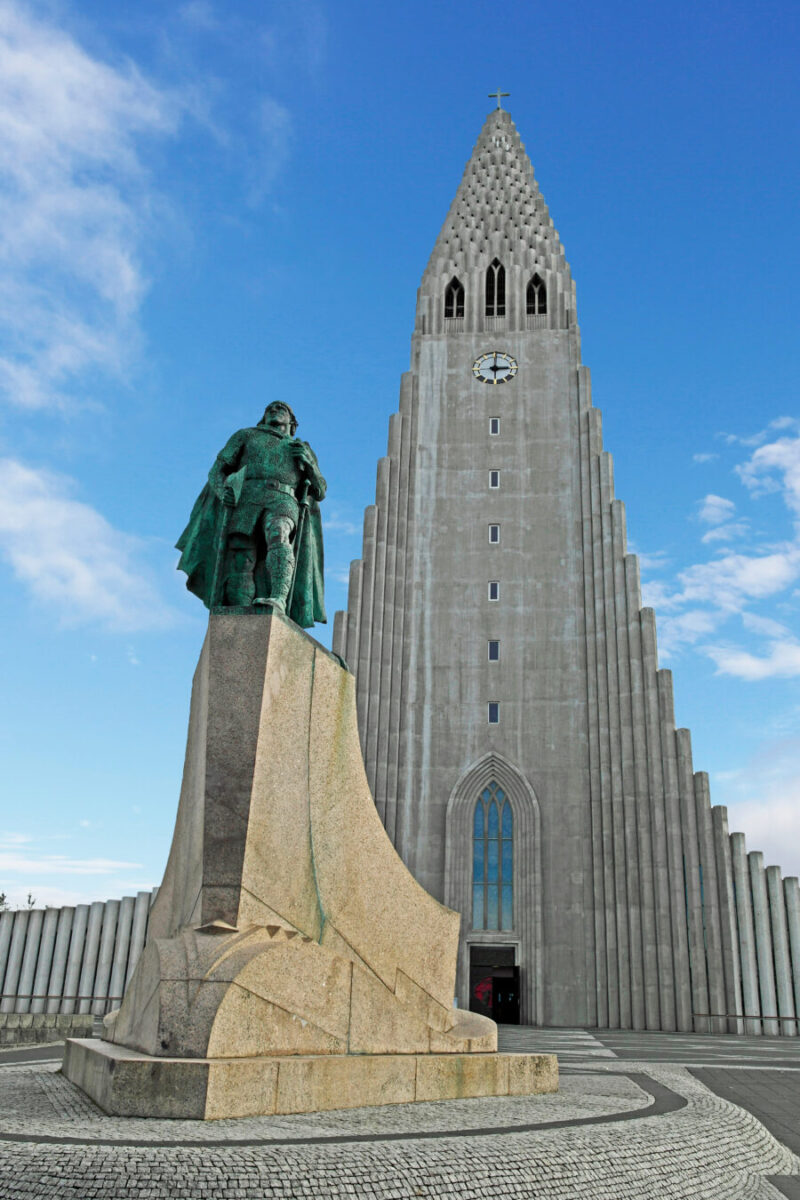
- Hallgrímskirkja Church dominates Reykjavik’s skyline at 74.5 meters tall. This striking basalt-inspired Lutheran church sits atop Skólavörðustígur (Rainbow Street), offering the city’s best panoramic views from its tower. 2026 admission: church entry free; tower access 1,400 ISK ($10) adults, 200 ISK children 7–16, 1,000 ISK seniors/students. Opening hours shift seasonally: summer (May 20–August 31) 9:00 AM–8:00 PM; winter 10:00 AM–5:00 PM. The tower closes 15 minutes before the church and stays closed Sundays 10:30 AM–12:15 PM during services. Allocate 45–60 minutes including the tower ascent. The massive 5,275-pipe organ occasionally performs free concerts—check schedules at hallgrimskirkja.is.
- Harpa Concert Hall dazzles with its honeycomb glass facade designed by artist Olafur Eliasson. Located at the Old Harbor waterfront (Austurbakki 2), this architectural masterpiece houses Iceland’s Symphony Orchestra while offering free public access to its kaleidoscopic interiors. Operating hours run 8:00 AM–midnight daily. Guided tours cost around 2,990 ISK ($20), though most visitors enjoy self-guided exploration. Budget 30–45 minutes wandering the levels, photographing light reflections, and enjoying harbor views.
- Sun Voyager (Sólfar) sculpture sits along Sæbraut road, a 10–15 minute walk east from Harpa. This stainless-steel “dreamboat” by artist Jón Gunnar Árnason commemorates Reykjavik’s 200th anniversary. Accessible 24/7 with free admission, it offers prime photo opportunities with Mount Esja as a backdrop—especially spectacular at sunrise, sunset, or under the Northern Lights. Allow 20–30 minutes for photos and soaking in the views.
- Old Harbor (Gamla Höfnin) deserves 1–2 hours for its colorful restored buildings, maritime museums, whale watching departures, and dining. The free outdoor walking area showcases Iceland’s fishing heritage with photogenic aqua and green buildings, old fishing boats, and mountain backdrops. The famous Bæjarins Beztu Pylsur hot dog stand lives here (around 820 ISK / $6 for “one with everything”). Additional attractions include the Whales of Iceland Exhibition, the Saga Museum (2,200 ISK), and the Maritime Museum. Whale watching tours (14,000–18,000 ISK) and Northern Lights cruises depart from these docks.
- Perlan Museum (Wonders of Iceland) offers Iceland’s best comprehensive indoor experience for weather contingencies. Located on Öskjuhlíð hill, 10 minutes from downtown, it features the world’s first indoor ice cave (maintained at -10°C), glacier and ice exhibitions, the Áróra Northern Lights planetarium show, volcano and earthquake displays, and a 360° observation deck. 2026 admission: 5,900–6,990 ISK ($45–53) adults; 5,490 ISK youth 6–17; under 6 free; observation deck only 890 ISK. Open daily 9:00 AM–7:00 PM (sometimes extending to 10:00 PM). Plan a minimum of 2–3 hours—this museum engages far longer than expected. Access via bus #18 or the free shuttle from Harpa.
- The National Museum of Iceland provides essential historical context for understanding Iceland’s development from Viking settlement through today. Located at Suðurgata 41 near the university, it houses over 2,000 artifacts in the permanent “Making of a Nation” exhibition. 2026 admission: 2,500 ISK ($18) adults; 1,500 ISK students/seniors 67+; under 18 free; includes a free audio guide in 9 languages and access to the Culture House. Open daily 10:00 AM–5:00 PM (May 1–September 15) and Tuesday–Sunday 10:00 AM–5:00 PM (September 16–April 30, closed Mondays in winter). Free guided tours run Saturdays at 11:00 AM. Budget 1.5–3 hours depending on your interest in history.
Walking distances between attractions remain blessedly short. Hallgrímskirkja to Harpa: 900m/12–15 minutes. Hallgrímskirkja to Sun Voyager: 1.5km/15–20 minutes. Hallgrímskirkja to Old Harbor: 1.2km/15 minutes. Hallgrímskirkja to the National Museum: 1.4km/17 minutes. A typical downtown loop covering Hallgrímskirkja → Rainbow Street → Laugavegur shopping street → The Pond → City Hall → Parliament → Old Harbor → Harpa → Sun Voyager spans roughly 3.8–5km, taking 2–3 hours without stops.
Best photo spots cluster predictably around the architectural icons. Shoot Hallgrímskirkja from the bottom of Skólavörðustígur for perfect frontal symmetry. Sun Voyager at sunrise or sunset creates stunning silhouettes against Mount Esja, and the same spot gives you a Northern Lights foreground in winter. Harpa’s kaleidoscopic glass begs for abstract reflection shots, especially from the waterfront. Old Harbor’s colorful houses pop against mountain backdrops. Perlan‘s observation deck delivers 360° city panoramas.
The Reykjavik City Card provides exceptional value for stopover visitors who hit multiple attractions. 2026 prices: 24-hour 5,000 ISK ($40); 48-hour 7,000 ISK ($55); 72-hour 9,000 ISK ($70).
Benefits include unlimited city bus travel, free entry to most museums (National Museum, Art Museums, Settlement Exhibition, Árbær), all swimming pools, the Perlan observation deck, plus restaurant and shop discounts. The card pays for itself with 2–3 museum visits plus bus rides—essentially a no-brainer for intensive sightseers.
Day trips from Reykjavik: Golden Circle, Blue Lagoon, and beyond
The Golden Circle is Iceland’s most popular route, covering three spectacular natural attractions within 300 kilometers of Reykjavik. Standard tours run 6–8 hours, visiting Þingvellir National Park (a UNESCO World Heritage site where you walk between the North American and Eurasian tectonic plates), the Geysir geothermal area (Strokkur erupts every 5–10 minutes, shooting 20–30 meters high), and Gullfoss waterfall (a massive two-tiered cascade). It’s the single best day trip for a 48-hour Reykjavik stopover.
2026 Golden Circle tour prices: Standard group tours cost 9,990 ISK ($72–90) from major operators including Reykjavik Excursions, Gray Line Iceland, Arctic Adventures, and BusTravel Iceland. Tours include hotel pickup/drop-off, an English-speaking guide, free onboard WiFi, and bathroom breaks. Lunch stops occur, but food isn’t included—budget 2,500–4,000 ISK ($18–30) for restaurant meals or bring a packed lunch.
Tours adding the Kerið volcanic crater rise to roughly £75 ($95). Combination tours pairing the Golden Circle with the Blue Lagoon run $100–200 depending on the lagoon package. Golden Circle plus snowmobiling costs $150–250+, while Golden Circle plus Silfra snorkeling reaches $180–250.
Pickup times: Morning tours depart 8:00–9:00 AM, with hotel pickups starting 30 minutes earlier. Allow a 30-minute pickup window as drivers visit multiple locations.
Return times typically fall between 5:00–7:00 PM. This 8–10 hour commitment suits 48-hour stopovers perfectly but squeezes a 24-hour visit.
Self-driving the Golden Circle: A rental car ($50–100/day) enables flexible exploration. The 190-mile loop takes 4+ hours of driving without stops—realistically 6–8 hours with proper sightseeing. Route 36 leads to Þingvellir (45 minutes from Reykjavik), then Route 37/365 to Geysir (50 minutes more), followed by a short drive to Gullfoss.
Return via Route 35/1. Parking is free at all attractions, though Kerið crater charges 400 ISK for entrance. Winter self-drivers must monitor road.is for ice and closures.
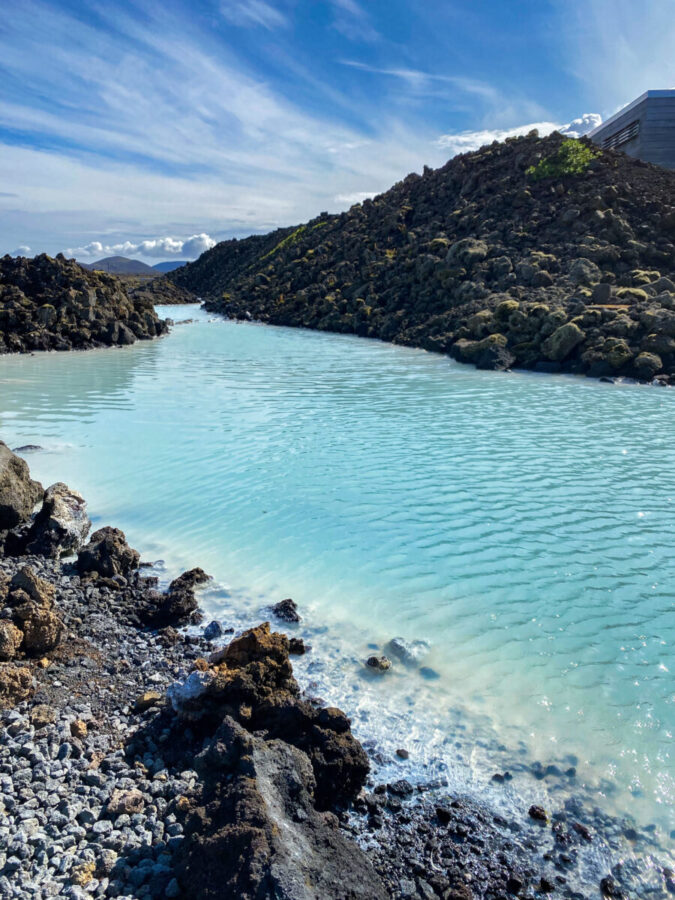
Blue Lagoon ranks among Iceland’s most iconic experiences—and most expensive. This milky-blue geothermal spa sits in a dramatic lava field on the Reykjanes Peninsula, 20 minutes from Keflavik Airport and 50 minutes from Reykjavik. The mineral-rich waters hold 37–39°C (98–102°F) year-round, while outdoor air can be freezing—creating that magical steam and quintessential Iceland experience. Its position between the airport and the city makes it the perfect bookend to a Reykjavik stopover.
2026 Blue Lagoon prices (dynamic pricing applies):
- Comfort package: from 11,990 ISK ($85–105) includes entrance, a silica mud mask at the mask bar, towel use, 1 drink, and access to the sauna/steam room/steam cave
- Premium package: from 14,990 ISK ($110–125) adds a bathrobe, slippers, a second drink, and two additional masks (algae, mineral)
- Signature package: from 18,490 ISK ($130–150) includes Premium benefits plus take-home skincare products and priority entrance
- Retreat Spa: from 79,990 ISK ($575+) for an exclusive multi-hour luxury spa experience with private lagoon access
Prices vary significantly by date, time, and demand. Peak times (weekends, midday) cost substantially more than early morning (8 AM) or late evening slots.
Booking 1–2 weeks ahead is essential—the Blue Lagoon sells out daily throughout the year. Book directly at bluelagoon.com or through platforms like GetYourGuide (which sometimes offers flat-rate pricing, avoiding dynamic surcharges).
Time allocation: Minimum 2 hours at the lagoon itself; 3 hours recommended for a relaxed experience. Adding transport from Reykjavik totals 4–5 hours. From Keflavik Airport it takes just 3–4 hours, making the Blue Lagoon perfect for an arrival- or departure-day stopover.
Operating hours: Summer (June 1–August 20) 7:00 AM–midnight; standard season (August 21–May 31) 8:00 AM–10:00 PM. Guests must exit the water 30 minutes before closing. Timed entry slots require arrival within your 1-hour window (e.g., 9:00–9:59 AM).
Transport options:
- From Reykjavik: Flybus and other shuttles with a Blue Lagoon stop ($40–50 round-trip when packaged with admission)
- From Keflavik: Many airport shuttles include Blue Lagoon stops
- Rental car: Free parking, 20 minutes from the airport, 45 minutes from Reykjavik
- Taxi: Expensive—approximately 15,000–20,000 ISK ($110–145) from Reykjavik
Essential Blue Lagoon tips from real travelers:
- Don’t get your hair wet: The water’s high silica content severely dries hair. Load up on conditioner before entering, keep your hair in a bun, or accept that you’ll need intensive conditioning afterward
- Bring a swimsuit; towels are included in all packages
- Lockers are included (your wristband serves as the key and waterproof payment method)
- Shower without a swimsuit before entering (required; private stalls available)
- A waterproof phone case is useful for photos
- Luggage storage is available in the parking lot—perfect for airport arrival/departure timing
South Coast tours offer the most dramatic scenery but require full days (10–11 hours). Tours visit Seljalandsfoss waterfall (walk behind the cascade), Skógafoss waterfall (a 60-meter drop), Reynisfjara black sand beach with its basalt columns (dangerous sneaker waves—stay well back from the water), Sólheimajökull glacier, and the village of Vík. Many South Coast operators now add a Katla ice cave excursion—a year-round, naturally formed glacier cave beneath the Kötlujökull glacier—for travelers who want a true glacier experience on a 48-hour stopover.
2026 prices: $100–150 from operators like Your Day Tours, Arctic Adventures, and Guide to Iceland; Katla ice cave combos run $190–250. Pickup is 8:00–8:30 AM, returning 6:00–7:00 PM. The South Coast suits 48-hour stopovers only—it’s too long for a 24-hour visit. (The famous Jökulsárlón glacier lagoon lies farther east and realistically needs a multi-day trip rather than a quick stopover.)
Northern Lights tours operate September–April, when darkness permits aurora viewing. The 2026/2027 winter remains one of the strongest aurora windows in over a decade: Solar Cycle 25’s maximum peaked in 2024–2025, but solar activity stays well above the long-term average through 2026 and into 2027. Tours typically run 4–5 hours, departing 8:00–9:30 PM (around 8:30 PM in November).
2026 Northern Lights tour prices: 12,990 ISK ($95–110) from Wake Up Reykjavik, Arctic Adventures, Gray Line Iceland, and Reykjavik Excursions. All include hotel pickup/drop-off, an expert aurora guide monitoring the forecast and KP index, hot chocolate, and a “free retry if no sightings” policy (subject to availability, usually valid 3 years). Tours drive 30–90 minutes from Reykjavik to darker viewing areas.
Success depends on three factors: clear skies (weather-dependent—check vedur.is), solar activity (KP index 2+ desired), and darkness (guaranteed September–April). Even single-night attempts enjoy 30–50% odds in November with the right tour; 5–7 night stays approach 90–99% probability.
Whale watching from Reykjavik offers accessible wildlife encounters. Classic 2–3 hour tours depart Old Harbor multiple times daily.
Elding (the longest-operating company) charges 14,500 ISK ($105) for adults and 7,250 ISK for children 7–15 on standard tours. RIB speedboat adventures run $150–200 for more thrilling 2-hour trips in smaller groups.
Tours provide warm flotation overalls and include a “free return ticket guarantee” if there are no whale sightings. Success rates exceed 90% in summer (April–October), dropping somewhat in winter but remaining viable in November. Commonly spotted species include minke whales, humpback whales, white-beaked dolphins, and harbor porpoises. Puffins appear only from May to August.
Sky Lagoon is a modern alternative to the Blue Lagoon. Located just 10–15 minutes from downtown Reykjavik, this oceanside geothermal spa boasts a dramatic North Atlantic setting. 2026 admission: 13,990–16,990 ISK ($115–140) including its signature 7-step spa ritual.
It’s open until midnight, making it perfect for pre-departure relaxation: less crowded than the Blue Lagoon, closer to Reykjavik, with more contemporary facilities—and increasingly popular with travelers seeking a quieter soak. For an even more local, budget-friendly geothermal experience, the city’s public pools (such as Laugardalslaug) cost around 1,330 ISK and the Secret Lagoon near the Golden Circle runs about 3,500–4,000 ISK.
Where to eat in Reykjavik: Budget to splurge
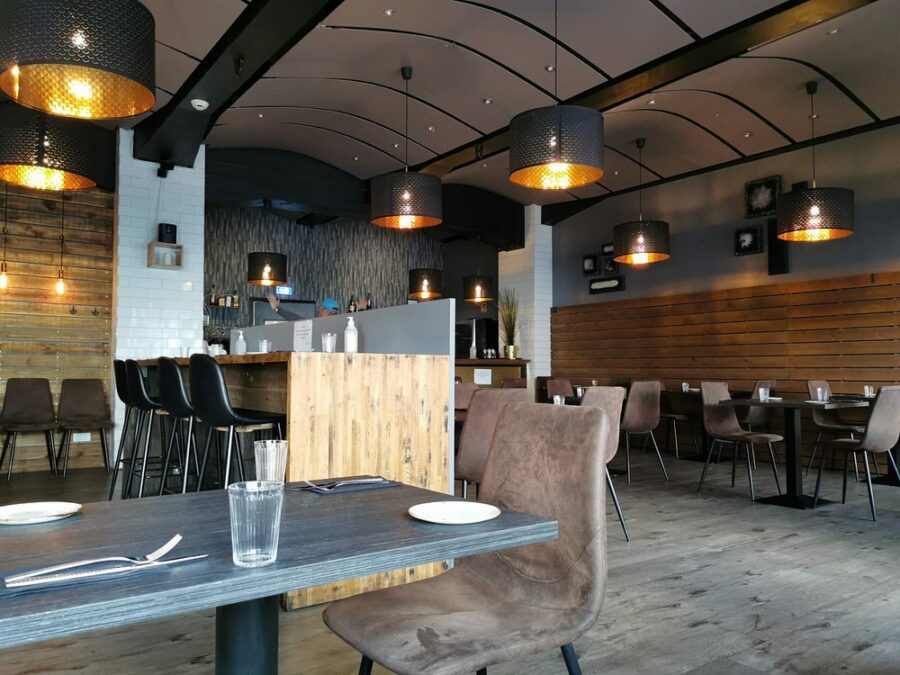
Iceland’s restaurant scene has evolved dramatically over the past 15 years, from limited options to a genuine culinary destination. That said, costs remain substantially higher than most destinations—strategic choices prevent budget destruction.
Budget dining (under $15 per meal):
- Bæjarins Beztu Pylsur (Tryggvagata 1, Old Harbor) serves Iceland’s most famous meal: hot dogs “with everything” for around 820 ISK ($6). Since 1937, this tiny stand has fed everyone from locals to Bill Clinton with its unique lamb-pork-beef blend topped with ketchup, mustard, remoulade, raw onions, and crispy fried onions. Two dogs make a filling meal for about $12. Even non-hot-dog fans consistently rave about these.
- Supermarket strategy: Bónus (the pink pig logo, cheapest) and Krónan are a lifesaver for tight budgets. Pre-made sandwiches cost around 798 ISK ($5.80); assembling sandwich ingredients for multiple meals runs $40–60 over 2–3 days. Fresh groceries (meat, vegetables) are expensive, but pantry staples (pasta, rice, canned goods) remain reasonable.
- Fast casual: Subway sandwiches average 1,529 ISK ($11) for a 6-inch and 2,349 ISK ($17) for a footlong. KFC meals run 2,399–2,499 ISK ($18–19). Mandi (Syrian) serves excellent lamb shawarma for 2,090 ISK ($15).
- Chickpea does falafel wraps for 1,890 ISK ($14). Icelandic Street Food (Lækjargata) offers traditional meat soup and fish stew for 1,500–1,800 ISK ($11–13)—beloved comfort food.
- Food halls: Hlemmur Mathöll (a converted bus station near Laugavegur) and Grandi Mathöll (Old Harbor) house diverse vendors serving global cuisines for 2,000–3,500 ISK ($15–25) per meal. Browse the options, order at the counters, and enjoy casual communal seating. Both showcase Iceland’s multicultural dining evolution.
Mid-range dining ($20–40 per meal):
- Lunch specials provide the best value—many restaurants offer 2–3 course lunch deals for 2,500–4,000 ISK ($18–30) versus double that at dinner. Apótek does a 2-course lunch for 7,990 ISK ($58) and a 3-course for 8,990 ISK ($65). Fiskmarkaðurinn (Fish Market) lunch specials run 7,190–8,790 ISK ($52–64).
- Café Loki (Lokastígur 28, directly opposite Hallgrímskirkja) serves traditional Icelandic home cooking at reasonable prices. Their famous rye bread ice cream—made from geothermally-baked bread—surprises with unexpected deliciousness. Lunch plates 2,000–3,500 ISK.
- Reykjavik Kitchen (Rauðarárstígur 8) blends an industrial-chic atmosphere with quality meals. Popular with locals and travelers alike, it serves lunch 11:30 AM–3:30 PM and dinner 5:00–10:00 PM. Mains 3,500–5,500 ISK ($25–40).
- Pizza: Blackbox Pizza makes sourdough 12-inch pies for 2,850–3,200 ISK ($20–23), with keto and gluten-free options, at two locations (Reykjavik, Akureyri). Pizzan offers large pizzas for 3,450–4,390 ISK ($25–32) with frequent pickup specials.
- Salads: Fresco and Local Salad provide build-your-own or menu options for 1,590–2,890 ISK ($12–21)—rare veg-forward choices in meat-heavy Iceland.
Upscale dining ($50–100+ per meal):
- Dill Restaurant (Hverfisgata 12) earned Iceland’s first Michelin star, showcasing New Nordic cuisine. Chef Gunnar Karl Gíslason creates tasting menus from seasonal Icelandic ingredients—expect dishes like wolffish with malted barley or lamb with wild herbs. The tasting menu starts around 15,000 ISK ($110) per person. The minimalist design mirrors Iceland’s landscapes. Reservations are essential, weeks ahead.
- Grillmarkaðurinn (Grill Market) (Lækjargata 2a) specializes in expertly grilled Icelandic meats and seafood. Its signature grilled puffin with bilberries and thyme ($65) receives consistent rave reviews—slightly gamey, smoky, surprisingly gentle. Entrées 6,990–9,690 ISK ($50–70). Sophisticated ambiance with an open kitchen. Open Sunday–Thursday 6:00–9:30 PM, Friday–Saturday 6:00–10:00 PM. Reservations strongly recommended.
- Fiskmarkaðurinn (Fish Market) (Aðalstræti 12) offers creative Asian-influenced fish preparations. The presentation rivals art, with flavors to match. Tasting menus are available alongside à la carte. Specials 7,190–8,790 ISK ($52–64), mains higher. Reservations recommended.
- Sjávargrillið (Seafood Grill) (Skólavörðustígur 14) serves outstanding lamb alongside the catch of the day. Its “Taste of Iceland” tasting menu provides excellent value versus à la carte ordering. Generous portions justify the premium pricing. Reservations necessary—extremely popular. Mains 6,000–9,000 ISK ($45–70).
- Skál! earned Michelin’s Bib Gourmand award (quality food at moderate prices) for innovative takes on Icelandic classics. It relocated from the Hlemmur food hall to its own space in 2024. Small plates 1,450–2,400 ISK ($10–18), mains 2,900–4,800 ISK ($20–35). The lamb tartare with wild herbs and the grilled baby gem lettuce with vinegar dressing earn special mention. Reservations wise.
- Matur og Drykkur (Old Harbor, Grandagarður 2) reinterprets traditional Icelandic recipes with modern technique. The cod’s head with dulse and béarnaise offers nostalgic, refined comfort. Rustic maritime decor honors Iceland’s fishing heritage. Mains 4,000–7,000 ISK ($30–50).
- Kol Restaurant (Skólavörðustígur 40, near Hallgrímskirkja) blends modern European cuisine with Icelandic ingredients. The beef tenderloin with truffle mashed potatoes and the miso-glazed cod both shine. Chic yet comfortable atmosphere, with an extensive cocktail menu. Mains 5,000–8,000 ISK ($38–60).
Icelandic specialties to try:
Icelandic lamb grazes the highlands eating arctic thyme, creating uniquely flavored meat found in everything from traditional stews (kjötsúpa) to grilled chops. Fresh Atlantic fish—cod, haddock, Arctic char, salmon—is caught locally and served expertly. Langoustine (Icelandic lobster) appears in soups, grilled whole, or in pasta dishes. Skyr (a protein-rich cultured dairy similar to yogurt) makes an excellent breakfast or dessert.
Adventurous eaters should try grilled puffin (dark, slightly gamey, smoky), fermented shark (hákarl—prepare for a strong ammonia scent), whale, or horse at upscale establishments. Less shocking options include plokkfiskur (fish stew with potatoes), rye bread (geothermally baked), and the beloved Icelandic hot dog.
Money-saving dining strategies:
- Shop Bónus/Krónan immediately for snacks and breakfast items—saves $40–60 daily
- Exploit lunch specials at nicer restaurants (same quality, half the price)
- The famous hot dogs make legitimate meals
- Fill reusable water bottles anywhere—Iceland’s tap water ranks among the world’s best
- Download the Appy Hour app for happy hour deals (typically 4–7 PM), slashing drink prices 30–50%
- Buy alcohol at Duty-Free before leaving Keflavik Airport—it saves substantially versus Icelandic stores and bars
Beverage costs: Beer 1,000–1,500 ISK ($8–11) per pint, wine from 1,500 ISK ($11) a glass, coffee 450–600 ISK ($3.50–4.50). Iceland heavily taxes alcohol by content percentage, making drinks expensive.
Tipping culture: Excellent news—tipping is NOT customary in Iceland. Service charges are already included in all prices, and workers receive fair living wages. Feel free to round up the bill or leave 5–10% for exceptional service, but you’re never obligated. This cultural difference saves considerable money versus North American expectations.
Where to stay for your Reykjavik stopover
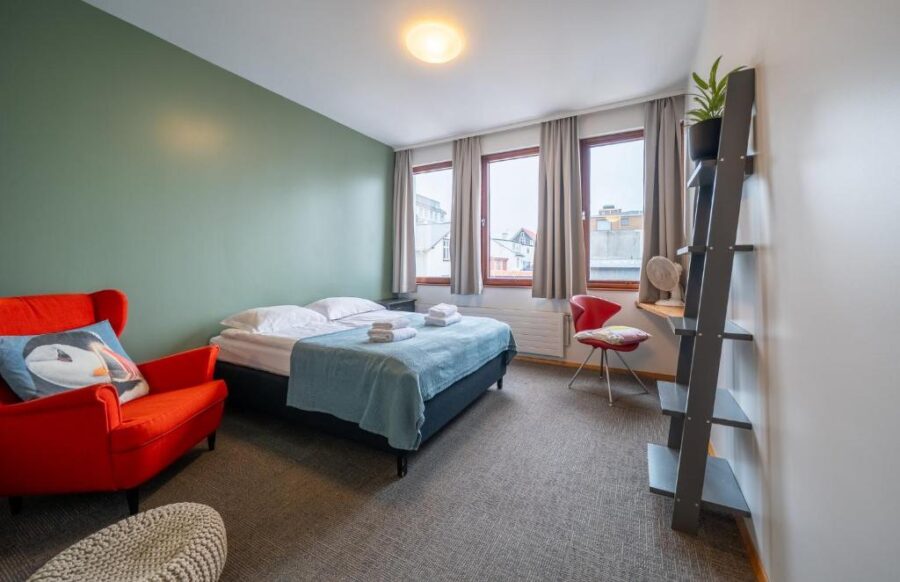
Budget options ($40–110/night):
- Loft Hostel (Bankastræti 7, Laugavegur) sits directly on the main shopping street, 0.2 miles from Harpa. Private ensuite rooms run around $150/night in high season; dorm beds $40–63. Surprisingly quiet despite the central location. 10 AM checkout, luggage storage available.
- KEX Hostel (Skúlagata 28) combines accommodation with an iconic bar-restaurant drawing locals and travelers. Dorm beds $40–68, private rooms available. Great social atmosphere.
- B47 Hostel (Barónsstígur 47) provides 24/7 luggage locker access in a popular downtown area. A mix of dorms and private rooms, shared bathrooms, walkable to everything.
- Hotel Cabin (Borgartún 32) averages $101/night near Laugardalur pool—basic but functional for sleeping between adventures. Free parking, slightly outside downtown (bus or car recommended).
Mid-range hotels ($130–250/night):
- Center Hotels operates multiple properties at consistent quality. Midgardur by Center Hotels (Laugavegur 120) runs $133/night with spa facilities, eco-certified 4-star, rated 9.4/10, with early check-in available. Center Hotels Plaza (Aðalstræti 4, $161/night) overlooks Ingólfstorg Square in Old Town with a 24-hour front desk and luggage storage. Center Hotels Laugavegur (9.2/10) offers late checkout downtown.
- Fosshotel Reykjavik (Þórunnartún 1, $136–150/night) sits on Laugavegur with a gym and an eco-certified restaurant. Airport shuttle ISK 11,020, parking ISK 4,500/day.
- Reykjavik Marina – Berjaya (Mýrargata 2, $136/night) overlooks the Old Harbor marina with a 24-hour front desk and luggage storage—an ideal location for whale watching departures.
- Hotel Reykjavik Centrum (Aðalstræti, rated 9.6/10) occupies Reykjavik’s oldest street with 89 rooms, a free airport shuttle, and kitchenettes. Reykjavik Residence Hotel (Hverfisgata 45, $150–180/night, 9.6/10) provides apartment-style accommodations with full kitchens, early check-in, and airport transfers.
- Hotel Lotus (Laugarásvegur 37, 9.6/10) runs a free 24-hour airport shuttle with continental breakfast included. Hotel Von (Laugavegur 101, 9.4/10) features modern Nordic design, early/contactless check-in, and a snack bar.
Luxury accommodations ($250–750+/night):
- The Reykjavik EDITION (Austurbakki 2) debuted in 2024 as Iceland’s first 5-star modern luxury hotel. Adjacent to Harpa at the Old Harbor, rates range $460–750+ in high season and $145–350 in shoulder season (or 60,000 Marriott points). Its 253 rooms feature panoramic harbor/mountain views, floor-to-ceiling windows, warm oak floors, Icelandic wool, and volcanic stone. Amenities include a full-service spa (hammam, thermal plunge, sauna, steam), a 24-hour gym, a 7th-floor rooftop bar (perfect for Northern Lights), Tides Restaurant (Michelin-level), three bars, and a coffee shop. A mandatory 7,000 ISK ($40–50) destination fee includes spa access, a welcome drink, and a $40 dining credit. Valet parking is ISK 7,000/day. Check-in 3 PM, checkout 11 AM.
- Hotel Borg by Keahotels (Pósthússtræti 11, $162–265+/night) holds the distinction of being Iceland’s first luxury hotel (opened 1930). Facing Parliament on Austurvöllur Square, its 99 rooms showcase Art Deco style with Philippe Starck fittings. Rated 8.5/10 overall; couples score the location 9.7/10. Borg Spa features hot tubs, steam baths, a sauna, a gym, and massages. Buffet breakfast is often included. Other luxury options: 101 Hotel (Design Hotels member, $347/night, spa), Reykjavik Konsulat Hotel (Curio/Hilton, $350/night, 9.1/10), Canopy by Hilton (Laugavegur, $317/night, 8.8/10), and Apotek Hotel (a former apothecary, $250–292/night, 8.8/10).
Seasonal pricing: Summer (June–August) peaks 83% higher than winter—August averages $674/night across categories. January–April drops 32–40%. September offers the best value month. Tuesday/Wednesday check-ins cost roughly 35% less than Friday/Saturday.
Booking strategies: Reserve 40–53 days ahead for optimal pricing. Summer requires booking 2–3 months early, as downtown sells out. Join loyalty programs (Marriott Bonvoy, Hilton Honors). Pay in ISK to avoid 2–8% currency conversion fees.
Best neighborhoods: Miðborg/Downtown (101) concentrates the hotels around Laugavegur—ideal for stopovers and maximizing time. You can walk to every attraction in 5–15 minutes. Vesturbær (Old West Side) offers quieter residential charm near the Old Harbor while keeping that walkability.
The perfect 24-hour Reykjavik stopover itinerary
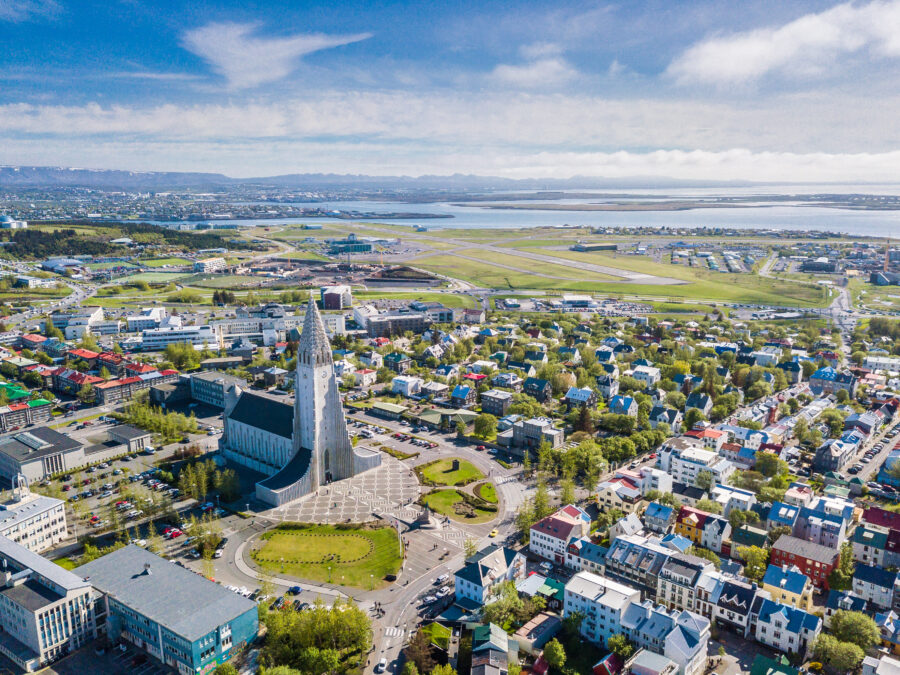
This optimized itinerary assumes a morning arrival (6–8 AM) and a next-day morning departure, giving you roughly 24 hours in Iceland.
Hours 0–2 (6:00–8:00 AM): Arrival
- Land at Keflavik, clear immigration (30–45 min)
- Collect baggage, buy a SIM if needed (Síminn Frelsi: 2,500 ISK for 20GB)
- Board Flybus (departs 35–45 min after your flight)
- 45-min journey to BSI; store luggage in lockers (3,990–4,990 ISK X-Large)
Hours 2–3 (8:00–9:00 AM): Breakfast
- Walk from BSI to downtown (15 min)
- Brauð & Co bakery for pastries and coffee (the citrus custard cruffin is highly recommended)
- Alternatively: Reykjavik Roasters for coffee purists
- Cost: 1,500–2,000 ISK ($11–15)
Hours 3–7 (9:00 AM–1:00 PM): Downtown exploration
9:00 AM: Hallgrímskirkja opens (summer) or 10 AM (winter). Ascend the tower immediately (1,400 ISK). 45 minutes total, including Rainbow Street exterior photos.
10:30 AM: Join the Free Walking Tour from Austurvöllur Square. CityWalk Reykjavik’s 2-hour tour covers history, Vikings, and culture. Tip-based (2,000 ISK / $15 minimum recommended).
12:30 PM: The tour ends near the Old Harbor.
Hours 7–10 (1:00–4:00 PM): Harbor & lunch
1:00 PM: Lunch at the Old Harbor
- Icelandic Street Food meat soup (1,500 ISK)
- Bæjarins Beztu two hot dogs (1,640 ISK)
- Matur og Drykkur upscale (3,000–5,000 ISK)
2:00 PM: Explore the Old Harbor, walk to Harpa (30–45 min), then continue to the Sun Voyager (20 min)
3:30 PM: Decision point:
- Option A: National Museum (2,500 ISK, 90 min)
- Option B: Perlan Museum (5,900–6,990 ISK, 2.5 hours)
- Option C: A local geothermal pool (around 1,330 ISK, 1.5 hours)
Hours 10–13 (4:00–7:00 PM): Dinner
5:30–6:30 PM: Dinner based on budget
- Budget ($15–25): Food halls, Subway, groceries
- Mid-range ($30–50): Skál!, Café Loki, Chickpea
- Splurge ($60–100): Grillmarkaðurinn, Fiskmarkaðurinn, Sjávargrillið
Hours 13–19 (7:00 PM–1:00 AM): Northern Lights (Sep–Apr)
A Northern Lights tour (12,990 ISK / $95–110) departs 8:00–9:30 PM. 4–5 hours, including transport, hot chocolate, and expert guides. “Free retry if no sightings” policy. The 2026/2027 winter still offers strong, above-average solar activity—excellent aurora odds.
Summer alternative: An evening Golden Circle tour, Sky Lagoon (open till midnight), or Reykjavik nightlife.
Hours 19–24 (1:00 AM–6:00 AM): Sleep & departure
4–5 hours of sleep. Catch the 6:00–6:30 AM Flybus for a 9 AM flight. Retrieve your luggage from BSI on the way.
24-hour costs:
- Budget: ~$234 (transport $55, luggage $29, food $30, activities $25, Northern Lights $95)
- Mid-range: ~$324 (+ better food $70, + Perlan $75)
- Luxury: ~$750+ (private transport, fine dining, premium experiences)
The perfect 48-hour Reykjavik stopover itinerary

Day 1: Follow the 24-hour itinerary above (Reykjavik downtown, attractions, Northern Lights).
Day 2: Golden Circle
- Tour option (recommended): 8:00–9:00 AM pickup, 9,990 ISK ($72–90). Visits Þingvellir National Park, Geysir, and Gullfoss. Returns 5–7 PM.
- Self-drive option: Rent a car the previous day ($50–100/24 hrs). Depart at 8 AM. Route 36 to Þingvellir (45 min, 1 hour stop), then to Geysir (50 min, 45 min stop), then to Gullfoss (10 min, 45 min stop). Optional: Kerið crater (400 ISK), Secret Lagoon (3,500–4,000 ISK). Return via Route 1. Total 7–8 hours.
- Lunch: 2,500–4,000 ISK at the Friðheimar greenhouse or Efstidalur II farm.
- Combination option: Golden Circle + Blue Lagoon on the return ($100–200 total depending on the lagoon package). Perfect for afternoon departures.
- Evening: Return by 5–6 PM. Shower, rest. Splurge dinner at Grillmarkaðurinn, Dill, or Fiskmarkaðurinn (8,000–15,000 ISK / $60–110). Optional second Northern Lights attempt or nightlife.
Day 2 alternative: South Coast (10–11 hours, $100–150). Visits Seljalandsfoss, Skógafoss, Reynisfjara black sand beach, Vík, and Sólheimajökull glacier; add a Katla ice cave for a glacier highlight. Requires a true 48-hour window.
Day 2 alternative: Whale watching + Sky Lagoon + museums. Morning whale watching (14,500 ISK, 2–3 hours), afternoon museums and the Grandi neighborhood, evening Sky Lagoon (13,990–16,990 ISK).
48-hour costs:
- Mid-range: ~$650–750 (accommodation $240, transport/tours $112, food $140, activities $160, optional Northern Lights $95)
- With Golden Circle + Blue Lagoon combo + splurge dinner: ~$900–1,100
- Budget: ~$400–500 (hostel, self-catered, Golden Circle rental split)
- Luxury: ~$2,400+ (EDITION Hotel, private tours, fine dining, spas)
November 2026: Why it’s perfect for a Reykjavik stopover
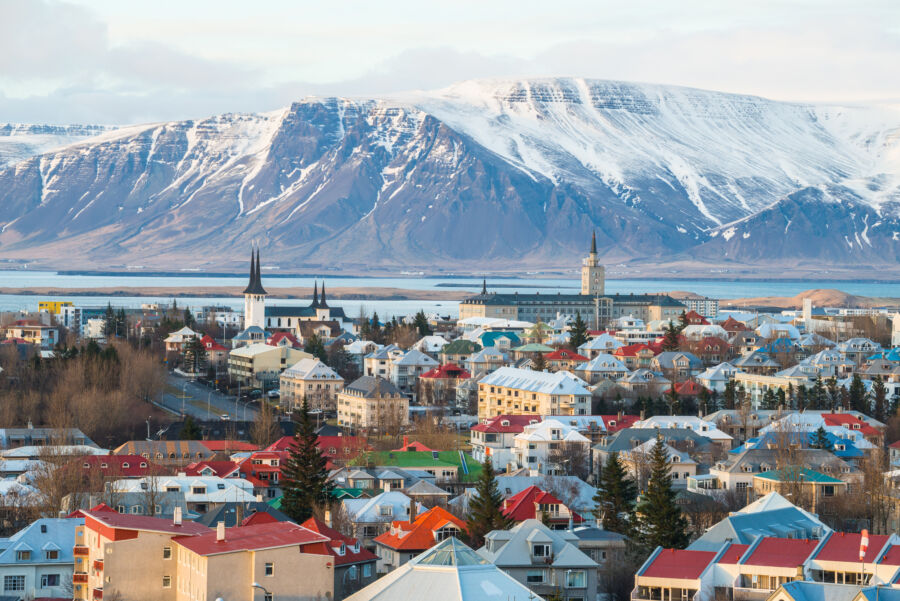
Advantages:
- Northern Lights prime time: Solar Cycle 25’s maximum peaked in 2024–2025, and activity remains well above the long-term average through 2026 and into 2027—keeping these among the best aurora conditions in over a decade. November’s 15–20 hours of darkness (sunset ~4:11 PM, sunrise ~9:45 AM) provides ample viewing windows. Even a 24–48 hour stopover carries reasonable odds with a guided tour.
- Shoulder pricing: Accommodation drops 30–50% below summer. Mid-range hotels fall from $250 to $150–180. Tours lose their summer premiums. You save hundreds on identical experiences.
- Fewer crowds: Summer congestion vanishes. The Golden Circle is genuinely enjoyable. Restaurants accept walk-ins. The Blue Lagoon is far less hectic.
- Dramatic winter landscapes: Snow-dusted mountains, frozen waterfalls, crystalline air. Low sun angles create a perpetual golden hour. The moody Icelandic aesthetic peaks.
- Iceland Airwaves: If you stop over in early November, the Iceland Airwaves music festival fills downtown Reykjavik venues with local and international acts—a bonus for music lovers timing a stopover.
Challenges:
- Limited daylight: Only 5–6 hours between sunrise and sunset restricts outdoor activities. Plan efficiently and maximize the morning hours.
- Cold, wet, windy: 0–3°C (32–37°F) daytime, below freezing at night. Wind chill feels like -5 to -10°C. Dress properly in waterproof layers.
- Tour cancellations possible: The Golden Circle rarely cancels; remote excursions may. Check policies and keep some flexibility.
- Road conditions variable: Self-driving requires winter experience and constant road.is monitoring. Consider tours if you’re uncertain.
Strategies:
- Arrive early and maximize daylight (outdoor attractions 10 AM–4 PM; indoor activities for the dark hours)
- Embrace hygge evenings (candlelit dinners, thermal pools under the stars, bar culture)
- Build schedule flexibility with backup indoor options
- Layer religiously (base + mid + outer + waterproof)
- Download aurora apps (Hello Aurora, My Aurora Forecast) and monitor the KP index and cloud cover
Seasonal comparison: June–August offers the midnight sun (20–22 hours of daylight), the warmest weather (10–15°C), and all roads open, but NO Northern Lights and peak crowds/prices (+50–83%). September–October balances weather and prices. January–February brings only 4–6 hours of daylight, the coldest temperatures, the lowest prices, and the highest Northern Lights potential. March–May sees increasing daylight and moderate temperatures, with May the best value.
Verdict: November suits travelers prioritizing the Northern Lights, dramatic winter aesthetics, and shoulder-season value—provided you’re properly dressed and accept the short days. Those needing sunshine should choose May, June, or September.
Practical essentials for your Iceland stopover
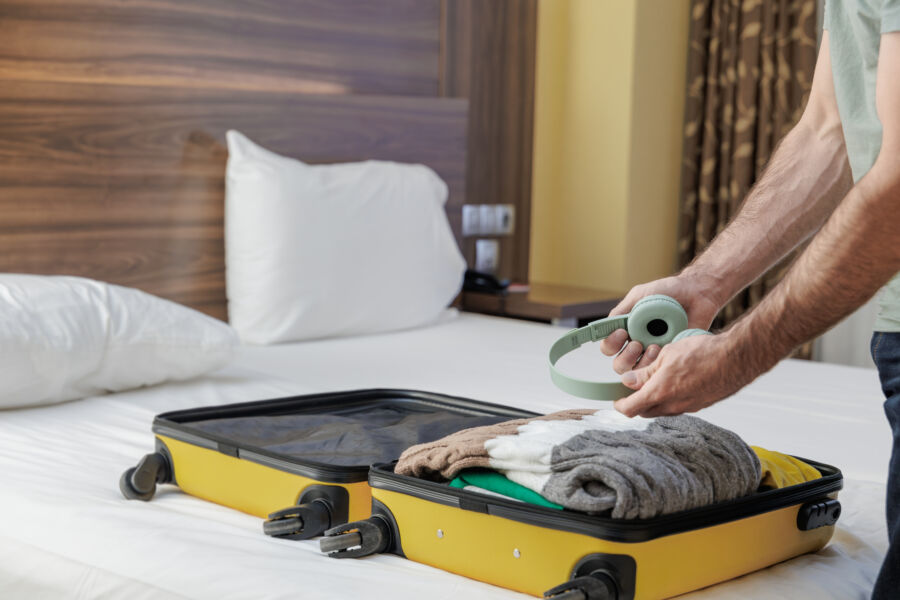
- Entry: US, Canada, UK, EU, and Australia = visa-free for 90 days (Schengen). Passport valid 3+ months beyond departure, issued within 10 years. ETIAS, the EU’s travel authorization, is expected to launch in late 2026—once live it will cost about €20 and last 3 years; check the current status before you fly.
- Currency: Icelandic króna (ISK). 1 USD ≈ 135–140 ISK. Iceland is a near-cashless society—cards are accepted everywhere, including gas pumps, toilets, and food trucks. Visa/Mastercard dominate. Chip-and-PIN required. Always pay in ISK (not your home currency). ATMs are at the airport, downtown, and gas stations (fees 275–495 ISK + 1% + your bank’s fees). Best: a Wise or Revolut card with no foreign fees.
- Tipping: NOT customary. Service is included and fair wages are paid. No obligation to tip restaurants, bars, taxis, tours, or hotels. Round up for exceptional service if you like, but it’s never required. Saves considerable money.
- Mobile: Free WiFi is widespread (hotels, cafés, airport). For data: a local SIM (Síminn Frelsi 2,500 ISK / $18 for 20GB) at the airport, or an eSIM ($4–32 depending on data). EU travelers roam free. Download: the 112 Iceland app, vedur.is (weather), road.is, the Strætó bus app, and aurora apps.
- Weather in November: 0–3°C (32–37°F) by day, -2 to -10°C at night. Wind chill -5 to -10°C. Around 17 rainy days (rain/snow mix). 70–79% humidity. Only 5–6 hours of daylight.
- Packing essentials: Layers (thermal base, fleece mid, waterproof outer), waterproof pants, wool socks, waterproof boots, a warm hat, waterproof gloves, a scarf or gaiter, sunglasses, lip balm, a swimsuit (a MUST for hot springs), a reusable bottle, a camera + extra batteries, and a daypack. Skip the umbrella (the wind will destroy it).
- Time zone: GMT/UTC+0 year-round (no DST). 5 hours ahead of the US East Coast, 8 hours ahead of the West Coast. For North Americans: arrive in Iceland in the evening, stay awake until 9–10 PM, and let morning sunlight help reset your clock.
- Safety: Emergency number 112 (English spoken, works without a SIM). Iceland is extremely safe. Download the 112 Iceland app (it sends GPS automatically). Medical care is excellent but expensive without insurance—verify your coverage or buy travel insurance.
- Common mistakes: Not checking daylight hours, underestimating distances (the Golden Circle is 4+ hours of driving minimum), forgetting to book the Blue Lagoon, inadequate clothing for wind, not booking Flybus round-trip, expecting American-style tipping, over-ambitious itineraries, ignoring winter road conditions, leaving insufficient airport-transfer time, and not testing chip-and-PIN before you go.
Final Thoughts
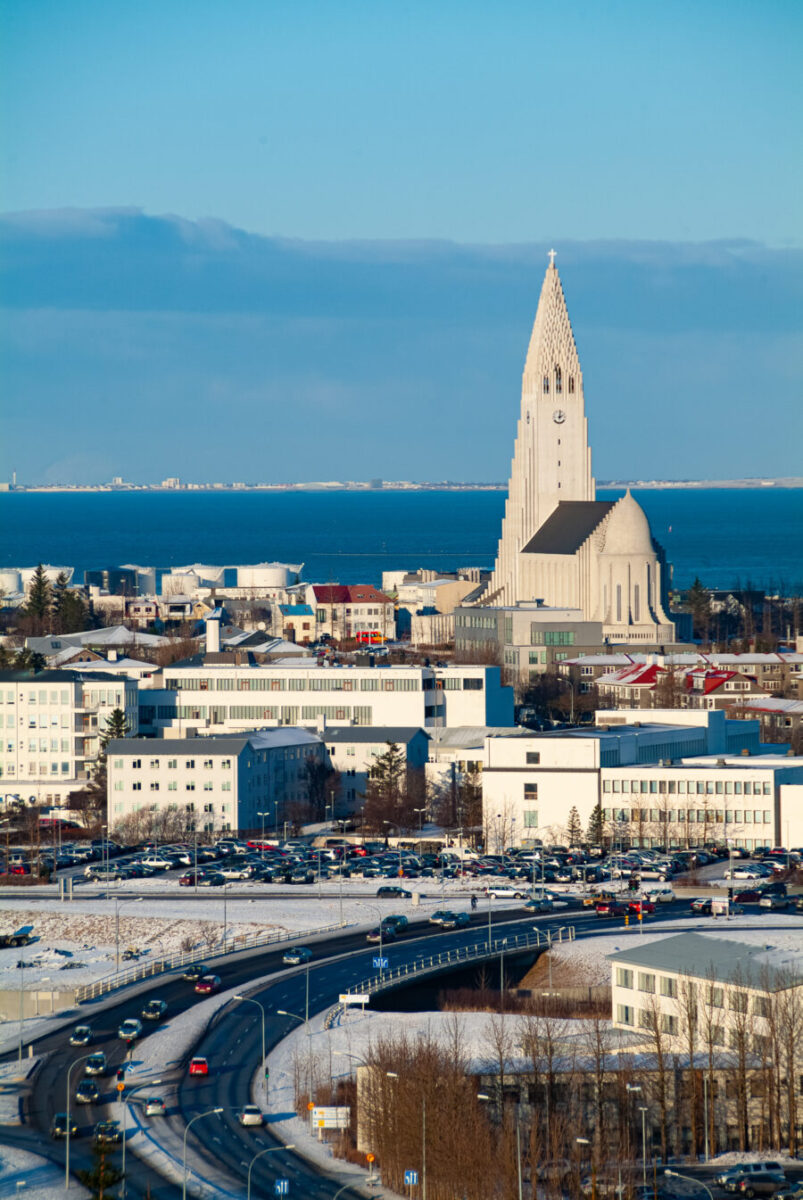
Iceland’s stopover program remains one of travel’s best deals—two destinations for the price of one airfare. Whether you have 24 or 48 hours, Reykjavik’s compact downtown, accessible attractions, efficient transportation, and dramatic natural wonders create memorable experiences without feeling rushed. The 2026/2027 winter especially shines, with still-strong Northern Lights conditions, shoulder-season pricing, and fewer crowds for those willing to embrace short days and bundle up properly.
The keys to a successful Reykjavik stopover: pre-book the Blue Lagoon and key tours, choose accommodations wisely in downtown Reykjavik, pack proper layers for wind and weather, keep realistic expectations about what’s achievable in limited time, and embrace Iceland’s expensive but excellent food scene strategically. With this guide’s current 2026 prices, real traveler insights, and optimized itineraries, you’re equipped to transform a simple layover into an unforgettable Icelandic adventure.
Frequently Asked Questions
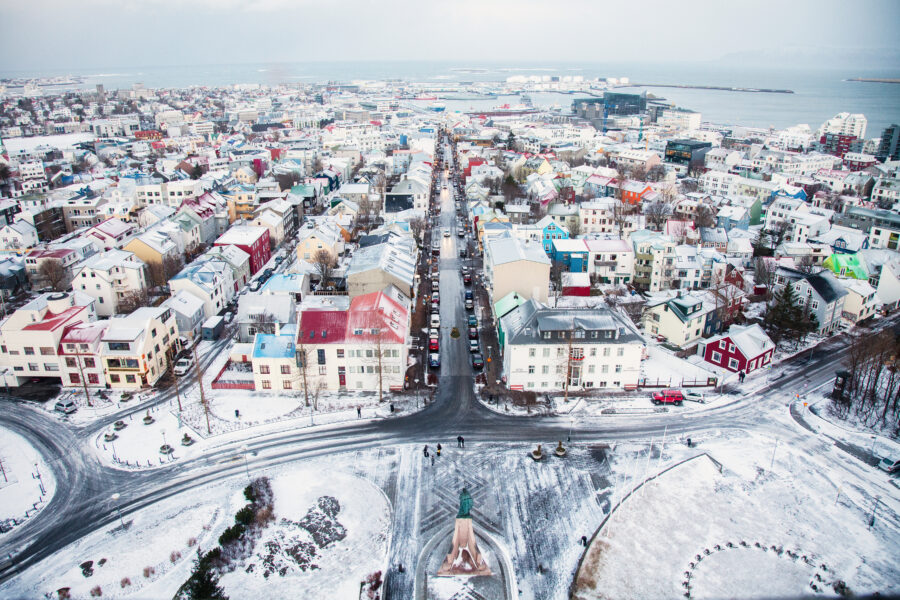
u003cstrongu003eIs 24 hours enough for an Iceland stopover?u003c/strongu003e
Yes, if planned strategically. Twenty-four hours allows experiencing Reykjavik’s compact downtown, one major attraction (Blue Lagoon OR Golden Circle OR intensive city exploration), quality dining, and potentially Northern Lights in winter. You won’t see everything, but you’ll capture Iceland’s essence while breaking up transatlantic travel. Our detailed 24-hour itinerary maximizes this timeframe.
u003cstrongu003eDo I need to pre-book tours?u003c/strongu003e
u003cstrongu003eAlways pre-book Blue Lagoonu003c/strongu003e—sells out weeks/months ahead, year-round. Northern Lights tours book 3-7 days ahead (fill up but more available than Blue Lagoon). u003cbru003eGolden Circle/South Coast tours need 2-5 days ahead in the shoulder seasons; summer requires 2-4 weeks. Upscale restaurants benefit from reservations. Generally: summer = more planning; winter = more spontaneity.
u003cstrongu003eHow much does a 24-48 hour stopover cost?u003c/strongu003e
Budget: $300-500 total (hostel dorms, self-catered, free activities). Mid-range: $650-900 (modest hotel, dining out, tours). Luxury: $1,800-3,000+ (luxury hotels, fine dining, private tours). Iceland ranks among Europe’s most expensive. Detailed cost breakdowns are provided in itinerary sections.
u003cstrongu003eCan I see Northern Lights on a short stopover?u003c/strongu003e
Possibly. Requires darkness (September-April only), clear skies (weather-dependent), and solar activity (unpredictable). November 2026 still offers excellent odds—solar activity remains well above the long-term average + long nights. u003cbru003eEven 24-hour stopovers can catch auroras with evening tours if the weather cooperates. Success odds: 1-2 nights = 30-50%; 5-7 nights = 90%+. Tours offer “free retry” policies, increasing odds.
u003cstrongu003eIs Blue Lagoon worth the cost and crowds?u003c/strongu003e
Opinions divide. u003cstrongu003ePros:u003c/strongu003e Iconic Iceland experience, stunning setting, genuinely relaxing, perfect jet-lag reset, and convenient airport proximity. u003cstrongu003eCons:u003c/strongu003e Expensive ($85-150), crowded, strict schedule creates stress for some. u003cbru003eAlternatives: Sky Lagoon (closer to Reykjavik, less crowded, more modern, $115-140), Secret Lagoon (cheaper, more natural), local swimming pools (fraction of cost, authentic Icelandic culture). Many travelers recommend doing the Blue Lagoon once for the experience, but exploring alternatives on future visits.
u003cstrongu003eWhat’s better: Golden Circle or South Coast?u003c/strongu003e
u003cstrongu003eGolden Circleu003c/strongu003e = more accessible (6-8 hours), geological wonders (tectonic plates, geysers, waterfalls), perfect for 24-48 hour stopovers, runs year-round with rare cancellations. u003cstrongu003eSouth Coastu003c/strongu003e = more dramatic scenery (waterfalls you can walk behind, black sand beaches, glaciers, Katla ice cave), requires a full day (10-11 hours), suits 48+ hour stopovers, more weather-dependent. u003cbru003eFirst-timers typically choose the Golden Circle; repeat visitors prefer the South Coast. Both excellent—choose based on time available.
u003cstrongu003eShould I rent a car or take tours?u003c/strongu003e
u003cstrongu003eToursu003c/strongu003e = stress-free, expert commentary, hotel pickup/drop-off, weather-appropriate driving, and social experience. Best for: winter visitors, non-drivers, solo travelers, and those wanting to relax. u003cbru003eu003cstrongu003eRental caru003c/strongu003e = flexibility, stop anywhere anytime, cost-effective for 3+ people, luggage stays with you. Best for: summer visits, experienced drivers, groups, those craving independence. u003cbru003eu003cstrongu003eNovember specifically:u003c/strongu003e Tours recommended unless you have winter driving experience—ice, wind, sudden storms challenge unfamiliar drivers.
u003cstrongu003eCan I do the u003c/strongu003eGolden Circle AND the u003cstrongu003eBlue Lagoon in one day?u003c/strongu003e
Yes, via combination tours ($100-200 depending on lagoon package) running 9-11 hours. These handle all logistics but make very long days. u003cbru003eAlternatively, self-drive the Golden Circle, then hit Blue Lagoon on return to Reykjavik (it’s 45 minutes from Gullfoss, 30 minutes from Reykjavik heading toward the airport). This works especially well for departure days—store luggage at Blue Lagoon, soak before flight.
u003cstrongu003eWhere should I stay for a stopover?u003c/strongu003e
u003cstrongu003eMidborg/Downtown (101 postal code)u003c/strongu003e around Laugavegur shopping street = ideal. Walk to all attractions in 5-15 minutes, maximum time efficiency. Specific recommendations: u003cbru003e- Budget = Loft Hostel, KEX Hostel; u003cbru003e- Mid-range = Center Hotels properties, Fosshotel Reykjavik, Hotel Reykjavik Centrum; u003cbru003e- Luxury = The Reykjavik Edition, Hotel Borg. Avoid staying near Keflavik Airport—you’ll miss Reykjavik’s charm, and the 45-minute commute negates any perceived convenience.
u003cstrongu003eIs November too cold/dark for Iceland?u003c/strongu003e
Depends on priorities. u003cstrongu003eToo cold/dark if:u003c/strongu003e you need sunshine, long sightseeing days, guaranteed smooth weather, warm temperatures. u003cstrongu003ePerfect if:u003c/strongu003e you prioritize Northern Lights, dramatic winter aesthetics, fewer crowds, lower prices, and you dress properly. u003cbru003eNovember averages 0-3°C (32-37°F) with 5-6 hours of daylight—challenging but manageable with preparation. 2026’s still-strong solar activity keeps November compelling for aurora hunters. Consider: May or September offer a middle ground (more daylight, milder weather, still reasonable prices).
u003cstrongu003eDo I need travel insurance for an Iceland stopover?u003c/strongu003e
Recommended. Iceland’s medical care is excellent but expensive without coverage. Verify your health insurance covers international emergencies, or purchase travel insurance including medical, evacuation, and trip interruption. u003cbru003eGiven Iceland’s unpredictable weather, which causes tour cancellations and flight delays, insurance provides peace of mind. November stopovers especially benefit from “cancel for any reason” coverage given weather variability.


