Last modified August 12, 2026
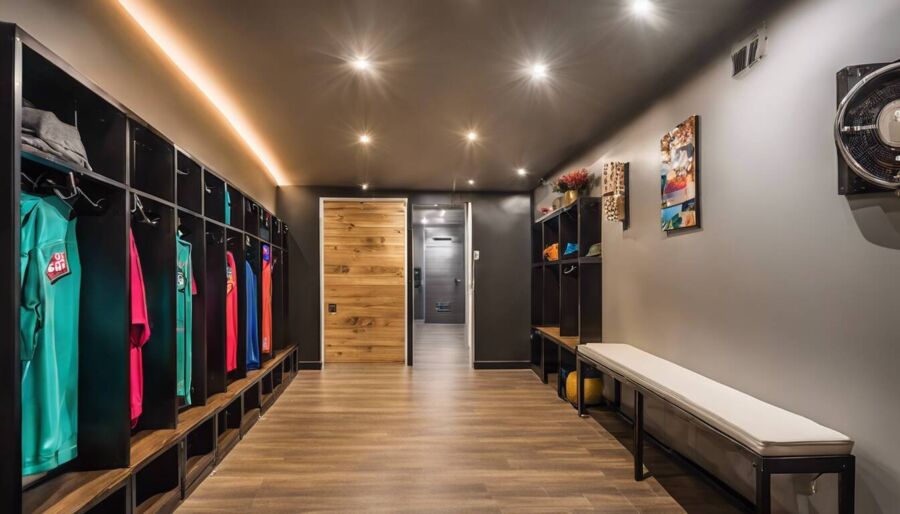
Yes. Most hostel dormitories include a locker, and at the large chains it is free. Generator states it has free lockers in every dorm room; Wombat’s says every room has a locker for each individual guest. So the question worth asking is not whether hostels have lockers but whether your bag is small enough to fit inside one and whether you hold the only key. Published dimensions range from 25 cm to 67 cm in one direction, so a 40-litre carry-on pack fits almost anywhere while a 65-litre trekking pack fails at some properties. And two travel insurers put the same condition in writing: cover for theft applies only when your things were locked away and only you could open the lock.
The short answer, in five lines
- Free lockers in every dorm are standard at Generator and Wombat’s, two of Europe’s largest chains.
- Published sizes vary wildly: Generator’s average under-bed locker is 93.8 x 67 x 28.8 cm, while YHA Melbourne Central’s in-room lockers are 85 x 25 x 45 cm.
- Bring your own padlock. Both chains sell one at reception if you forget, but buying on arrival costs more than packing one.
- Oversized bags go in a paid day-storage locker: from €1 at Generator, A$5 for four hours at YHA Melbourne Central.
- Travel Insurance Direct requires you to be “the only one with access to the key,” which a hostel-issued key does not satisfy.
Do hostels usually have lockers?
At established hostel chains, yes, and the operators say so on their own websites. Generator, which runs properties in Amsterdam, Barcelona, Berlin, Copenhagen, Dublin, Hamburg, London, Madrid, Paris, Rome, Stockholm and Venice, answers the question directly in its FAQ: “We have free lockers in all of our dorm rooms.” Wombat’s City Hostels, with sites in Vienna, Munich, London, Budapest and Leipzig, lists lockers as a standard room facility: “Every room is equipped with robust lockers for each individual guest.”
Independent and family-run hostels are where the answer stops being reliable, so treat the locker as a facility to verify rather than an amenity you can assume. A small guesthouse-style hostel with eight beds may offer a single shared cupboard, a safe at reception, or nothing at all, and some only offer lockers in common areas rather than in the dorm. Hostelworld and Booking.com both let you filter for lockers, and the listing will say whether they are free or paid, which makes the filter a faster way to find a secure dorm than emailing the property.
Membership networks do not guarantee it either. YHA Australia describes Hostelling International as a network of more than 2,500 hostels across 57 destinations, while its own membership page puts the figure above 3,000 properties. If a chain’s published numbers about itself disagree, treat any blanket claim about “all HI hostels” with the same caution and check the individual property page.
How big are hostel lockers, and will a 65-litre backpack fit?
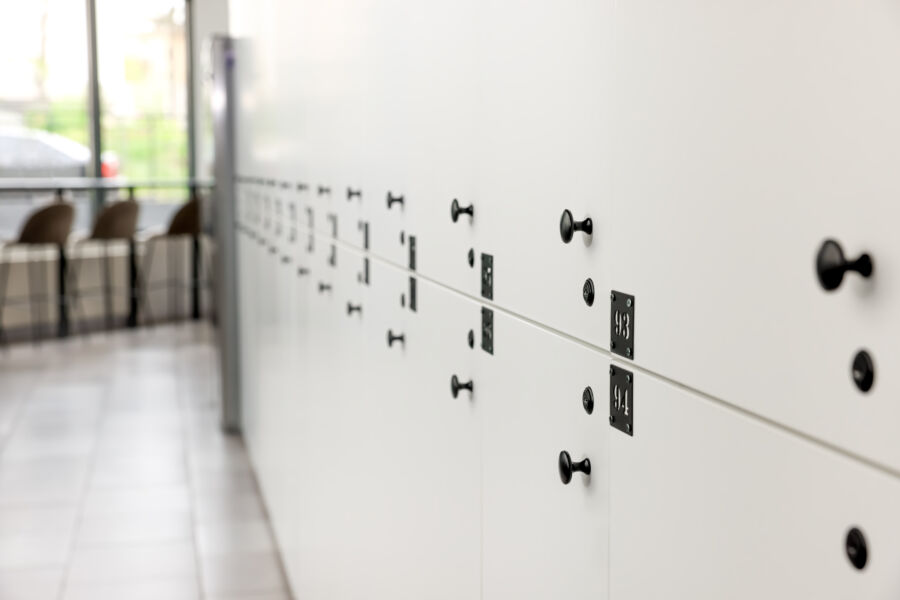
A 40-litre carry-on pack fits nearly every hostel locker; a 65-litre trekking pack fits some and not others, and the deciding number is the smallest dimension, not the volume. Very few hostels publish measurements, so the table below uses the two chains that do, plus the legacy steel locker size widely quoted for older properties. Volumes are computed from the published dimensions.
| Locker | Published size (W x H x D) | Computed volume | Daypack, 20 L | Carry-on pack, 40 L | Trekking pack, 65 L |
|---|---|---|---|---|---|
| Generator, average under-bed | 93.8 x 67 x 28.8 cm | about 181 L | Yes | Yes | Yes, with compression straps cinched |
| YHA Melbourne Central, in-room | 85 x 25 x 45 cm | about 96 L | Yes | Yes, laid flat | No, 25 cm height is the hard stop |
| Legacy steel locker, older properties | 30 x 45 x 45 cm | about 61 L | Yes | Only if soft-sided and part-empty | No |
Two practical consequences follow. First, the 28.8 cm depth at Generator and the 25 cm height at YHA both sit just under the 30 cm thickness of a loaded 65-litre pack, which is why travellers report the same bag fitting in one city and not the next. Locker size varies even within one chain, so emptying the top lid and pulling the compression straps tight usually recovers those few centimetres. A hard-sided suitcase has no such give, which is why a soft bag is the safer choice for dorm travel and backpacking. Second, a locker measured at 96 litres of volume can still reject a 65-litre bag, so ignore volume claims in reviews and look for the smallest published dimension.
If your bag genuinely will not fit, the chains have an answer rather than a shrug. Generator’s FAQ covers it: “We have storage lockers you can rent for 1, 6, 12 or 24 hours, with prices starting from €1.” That is the route to use, not leaving the pack beside your bunk.
Do I need to bring my own lock for a hostel locker?
Bring one. Both chains that publish a locker policy expect you to supply the lock and sell a spare only as a fallback. Generator’s wording is “You can bring your own padlock or buy one at reception.” YHA properties sell padlocks at reception too. Buying at the desk works, but you pay tourist pricing for a lock you already own at home, and stock runs out.
No hostel chain publishes the shackle size its lockers accept, which is the single most useful specification and the one nobody documents. Guides aimed at hostel travellers and lock retailers converge on a shackle diameter around 7 to 10 mm and a body width of 30 to 40 mm, on the reasoning that a padlock is far more often too large for a hostel hasp than too small, and that a shackle too thin for the hole cannot push the latch far enough to lock. Treat that as buying guidance rather than a standard, and pack two locks of different sizes if you are moving between properties.
| Lock type | Works when | Fails when | Insurance note |
|---|---|---|---|
| Small brass or steel padlock, 30 to 40 mm body | Standard hasp-and-staple locker doors | Hasp opening is narrower than the shackle | You hold the only key, which is what insurers ask for |
| Combination padlock | You lose keys often, or share a bag with a partner | Dials seize with grit; you forget the code | Same as above, provided you tell nobody the code |
| Flexible cable lock | Odd-shaped handles, mesh doors, luggage-room racks | Cable can be cut faster than a hardened shackle | Locking a bag to a bed frame is not a locker, so cover may not apply |
| Hostel-issued key or code | You forgot a lock entirely | Reception can usually open it | Weakest position: you are not the sole key holder |
Will travel insurance pay out if something is stolen from a hostel locker?
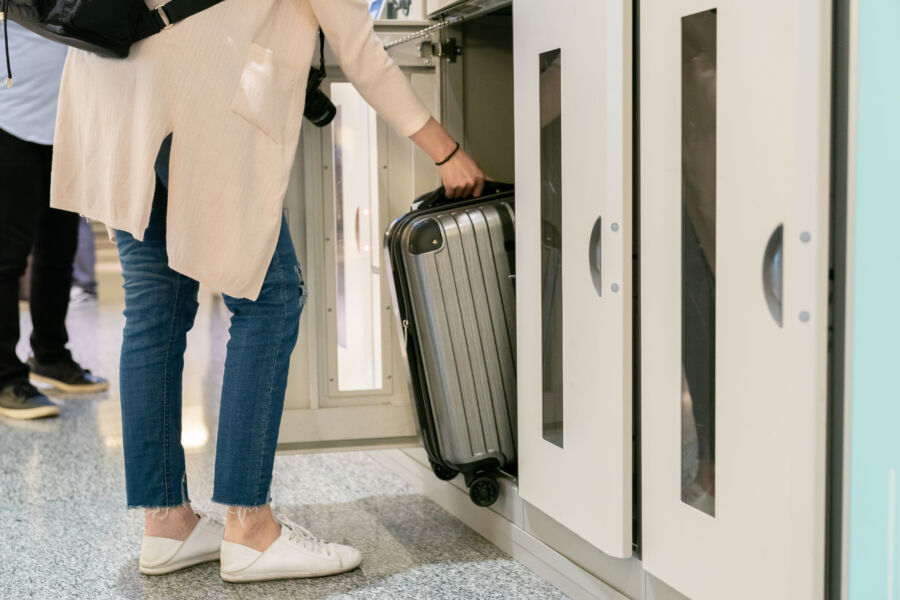
Only if you locked it away and only you could open the lock. Both insurers whose wording is quoted here make a hostel locker a condition of cover, not a nice-to-have. This is the part of the question most hostel guides skip, and it is the reason to pack a padlock even at a property that hands out keys.
Travel Insurance Direct, part of the nib group, states on its unsupervised-luggage page: “When you’re staying in a hostel, dormitory or other similar share accommodation, you will need to lock your items in a locker where you are the only one with access to the key.” It goes further on evidence: “For a claim to be considered, there needs to be evidence of forced entry and you must provide us with documentation confirming you’ve reported it to the police.”
1Cover, underwritten by HDI Global Specialty SE, says the same thing from the other direction: “We do not cover for damage to, theft of or loss of any items left unattended in hostel rooms unless they were stored in a locked safe or locker,” and advises keeping valuables “in a locked compartment which only you have access to.” Its definition of unattended includes an item “not under your control at the time of loss.”
Read those two clauses together and a pattern appears that changes how you use the locker. A hostel-issued key or a reception-resettable code means somebody other than you can open the door, and a theft with no broken lock leaves no forced entry to evidence. Your own padlock solves both problems at once: you become the sole key holder, and anyone getting in has to cut or break something. Policies differ, so read your own product disclosure statement, but the requirement is common enough to plan around.
| What you did | Locked in a locker? | Sole key holder? | Likely outcome under the wording above |
|---|---|---|---|
| Your own padlock on the dorm locker, lock cut, police report filed | Yes | Yes | Strongest position: locker condition met, forced entry evidenced |
| Hostel-issued key on the dorm locker, nothing broken | Yes | No | Weak: fails the sole-key-holder test and shows no forced entry |
| Bag padlocked to the bed frame | No | Yes | Likely declined: a bed frame is not a locker or safe |
| Bag left in an unlocked luggage room | No | No | Likely declined as unattended and not under your control |
| Laptop or camera in checked luggage on the flight in | Not applicable | Not applicable | Excluded outright by Travel Insurance Direct for those item types |
| Theft occurred but you filed no police report | Yes | Yes | Declined for lack of the documentation the insurer requires |
Are hostel lockers safe, and is your stuff safe in a hostel?
Safe enough for the theft they are designed to stop, which is opportunistic pocketing by someone walking through a shared room. A thin steel door and a 40 mm padlock will not defeat a determined thief with bolt cutters. What they do defeat is petty theft, the far more common scenario: an unlocked pack or an open suitcase sitting beside a bunk in a room that eight strangers hold a key card for. Most hostel guests are exactly who they appear to be, and a roommate is far more likely to lend you a charger than take your baggage, but you only need one exception. Experienced travellers treat the locker as routine rather than as a sign of distrust.
Chains layer other measures around the locker. YHA Melbourne Central requires key card access for building entry between 6pm and 7am, and again for each floor and for the female toilets. Hostelworld surfaces CCTV, 24-hour reception, key card access and women-only dorms as filterable facilities, which means you can select for them at the booking stage rather than discovering them on arrival.
The honest limitation: a locker buys peace of mind against theft, not against you forgetting the code, losing the key, or the door being left ajar while you shower. Common rooms, kitchens and shared luggage areas are where belongings go missing most often, because that is where people set a bag down and walk three metres away. Every operator charges for a replacement key, so the cheapest security habit is to always lock the door behind you, including for a five-minute trip to the kitchen or a late-night arrival when you are tired.
Where do you keep your belongings in a hostel while you sleep or shower?
While you sleep, keep valuable items in the locked locker and your phone and wallet inside the pillowcase or in a zipped pocket against the bed frame, not on the floor beside the bunk. For the shower, take a small dry bag or a zip pouch with your phone, key card and cash into the cubicle and leave everything else locked away. Hostel lockers are not waterproof and shower rooms are the one place where you cannot watch a bag, so this is the moment to avoid leaving anything loose. If you are choosing hostels for a long trip, en-suite dorms remove the corridor walk entirely, which is why chains like Wombat’s build private shower and toilet facilities into each dorm.
What do hostel lockers cost?
In-dorm lockers are usually free; the paid ones are the day-storage lockers you use before check-in or after check-out. Prices below are the operators’ own published rates in their own currencies.
| Operator | In-dorm locker | Day or luggage storage | Payment |
|---|---|---|---|
| Generator (12 European cities) | Free in all dorm rooms | Rentable for 1, 6, 12 or 24 hours, from €1 | Varies by property |
| YHA Melbourne Central | Included, 85 x 25 x 45 cm | Electronic lockers: 4 hours A$5 small, A$6 large; 24 hours A$10 small, A$12 large | Cash or card at the locker |
| Wombat’s City Hostels | Locker for each guest in every room | Luggage storage offered before check-in and after check-out | Not published |
| Independent hostels | Free, paid, or absent | Often a staff-supervised room rather than lockers | Sometimes a refundable key deposit |
Two costs travellers miss: the key deposit some independents take, which is refundable on return but ties up cash you may need for a night bus, and the replacement fee for a lost key. Both belong in the same mental column as the other small charges that inflate a budget trip, and they scale with how long you stay, which matters when you are comparing cheaper destinations for a long trip.
Can you leave your bags before check-in or keep your luggage after checkout?
Yes, at almost every hostel, and this is a separate service from the dorm locker. Generator answers it as its own FAQ item and offers rentable lockers by the hour. Wombat’s offers luggage storage before check-in and after check-out at all properties. YHA Melbourne Central puts electronic lockers on the ground floor, priced by size and duration.
The distinction matters for insurance. A hostel-supervised luggage room where staff take your bag behind a counter is closer to leaving it “with a person working for your accommodation provider,” which Travel Insurance Direct treats differently from an unattended bag. An open rack in a corridor is not. If you have a choice, take the locked locker over the open rack, even at €1.
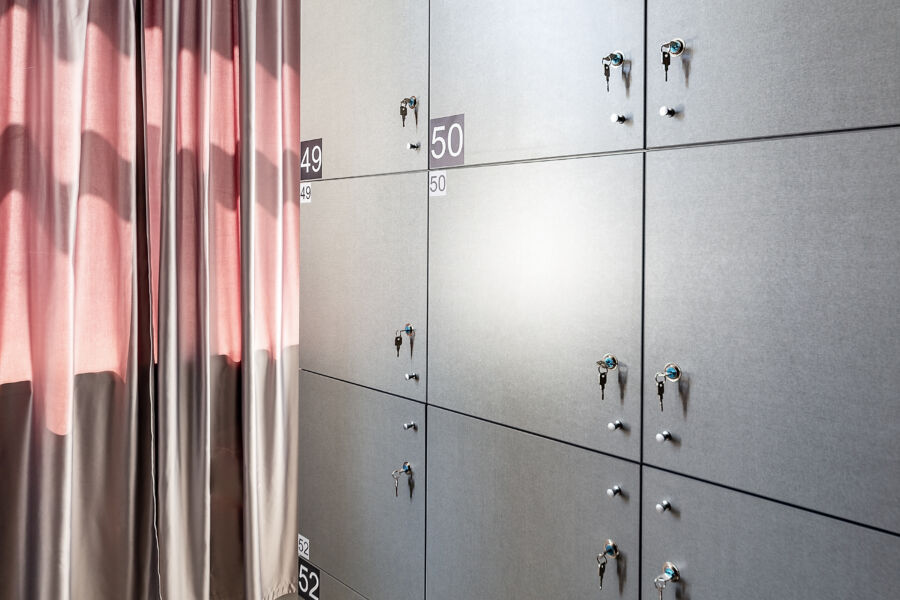
What types of lockers in hostels will you actually meet?
| Type | Where it is | Typical capacity | Lock | Best for |
|---|---|---|---|---|
| Under-bed drawer locker | Beneath your bunk, one per bed | A full carry-on pack, sometimes a trekking pack | Your padlock on a hasp | The whole bag, overnight |
| Full-height dorm locker | Wall of the dorm room | Pack standing upright plus a daypack | Your padlock, occasionally a hostel key | Longer stays and wet gear |
| In-room shallow locker | Wall or bedhead, wide and shallow | Documents, laptop, camera, clothes | Your padlock | Valuables when the pack lives elsewhere |
| Reception day-use locker | Ground floor or lobby | One large bag, sometimes two | Electronic keypad or hostel key | The gap between check-out and your train |
| Staffed luggage room | Behind the front desk | Any size, including bike boxes | Staff control, ticketed | Oversized items and multi-day gaps |
What should you store in the locker, and what stays on you?
Lock away anything expensive you are not carrying, and keep on your person the documents and cards you would need to recover from losing everything else. Splitting the two categories is the important habit, because it turns a theft into an inconvenience instead of a trip-ending event.
| In the locked locker | On your person | Never in checked luggage |
|---|---|---|
| Laptop, tablet, camera body and lenses | Passport or a photo of it plus one card | Laptop and tablet |
| Spare cash and a backup bank card | Phone, day cash, room key card | Phone and communication gear |
| The whole pack when it fits | Medication you need during the day | Camera and photographic equipment |
| Anything with a serial number and a receipt | Insurance policy number and emergency line | Jewellery and watches |
Keep the original receipts, or photographs of them, for tech and valuables. Travel Insurance Direct names this as its traveller tip precisely because a claim without proof of value gets settled at the insurer’s estimate rather than yours. A folder in your email account costs nothing and survives the loss of the bag. Deciding what to carry in the first place is the cheapest security measure available, and our packing checklist works through that in order.
What if the hostel doesn’t have lockers?
Work down this order, because each step is weaker than the one above it.
- Ask for the reception safe. Many hostels without dorm lockers still hold a safe for passports and cash, and that satisfies the “locked safe or locker” condition both insurers name.
- Rent a day locker for the hours you are out, even on a night you are sleeping there. At the rates above this is small money against a laptop.
- Use a paid left-luggage office at the nearest main station. Staffed and locked, and it keeps the valuables away from the room entirely. Main stations in most cities in the world run one, and the day rate is usually comparable to a hostel day locker.
- Carry the valuables with you in a crossbody bag designed to resist slashing and grabbing, and leave only clothes in the room.
- As a last resort, cable-lock the pack to a fixed bed frame. It deters a casual walk-off, but understand that it is not a locker and cover may not apply.
If none of that is available, the property is telling you something about itself. Rebooking to a hostel that filters as having lockers is usually cheaper than the risk of a night without lockers, and the Hostelworld and Booking.com facility filters make the swap a two-minute job.
How do I confirm lockers and hostel safety features before booking?
- Filter for lockers on Hostelworld or Booking.com, then read whether the listing says free or paid.
- Open the property’s own “your stay” or “rooms and facilities” page. YHA publishes exact locker dimensions per property; Generator publishes an average across the chain. Chain FAQs are more current than review text.
- If dimensions are not published, email one line: “What are the locker dimensions in the dorms, and do I need my own padlock?” Two answers, one message.
- Search recent reviews for the word locker rather than the word safe. Reviewers complain about size and shortage in specifics that marketing copy never carries, and a different hostel in the same chain can score very differently on the same question. If a property was recommended to you late at night by another traveller, check the listing anyway.
Choosing a bag that splits into a lockable main pack and a daypack you carry solves the size problem before it starts, which is one reason packs with detachable daypacks suit dorm travel. A soft-sided bag also compresses into a shallow locker in a way that a hard-shell case will not.
Six mistakes that cost travellers their locker protection
- Relying on a hostel-issued key or a reception-resettable code, then discovering the policy asked for sole key access.
- Locking the bag to the bunk instead of into the locker, which fails the “locked safe or locker” condition.
- Skipping the police report. Both insurers ask for documented notification, and a hostel incident form is not the same thing.
- Buying a padlock too large for the hasp, so the bag sits open all week.
- Putting the laptop or camera in checked luggage on the inbound flight, where a named exclusion applies before the trip even starts.
- Leaving the locker door closed but unlocked during a shower, which produces a theft with no forced entry to evidence.
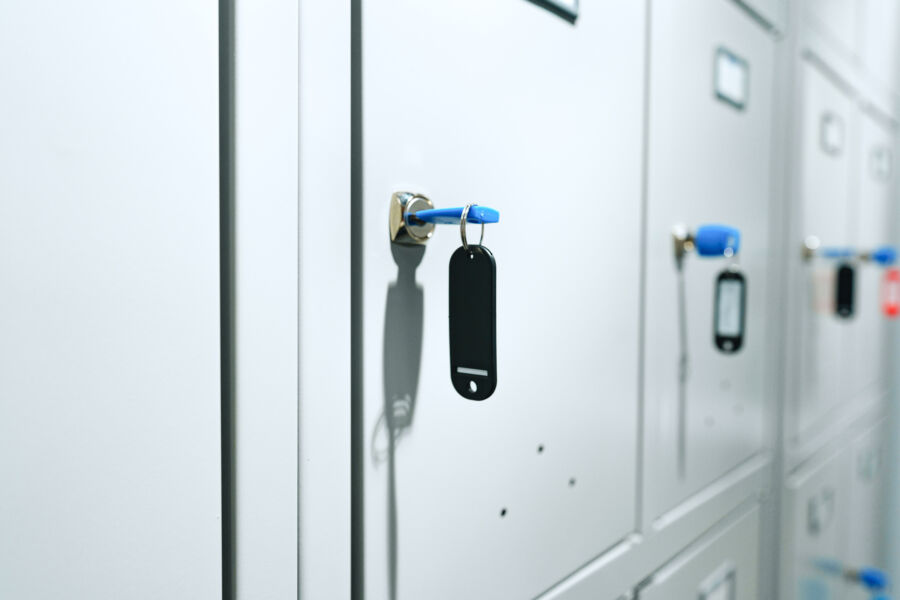
Frequently asked questions about hostel lockers
Do hostels usually have lockers?
At the major chains, yes. Generator states it has free lockers in every dorm room and Wombat’s says every room has a locker for each individual guest. Small independent hostels are inconsistent, which is why the locker filter on Hostelworld or Booking.com is worth using before you book.
Can I leave my stuff in a hostel dorm room?
You can, but travel insurance may not follow you. 1Cover states it does not cover theft of items left unattended in hostel rooms unless they were stored in a locked safe or locker, so anything left on or under the bed sits outside cover.
Are hostel lockers big enough for a large backpack?
Sometimes. Generator’s average under-bed locker is 93.8 x 67 x 28.8 cm, which takes a 65-litre pack once the compression straps are pulled in. YHA Melbourne Central’s in-room lockers are 85 x 25 x 45 cm, and the 25 cm height stops a loaded trekking pack. Check the smallest dimension, not the volume.
Do I need my own padlock for a hostel locker?
Bring one. Generator’s policy is that you can bring your own padlock or buy one at reception, and YHA sells them at the desk too. Your own lock also puts you in the position insurers ask for, as Travel Insurance Direct requires that you are the only one with access to the key.
Do hostels have security cameras?
Many do, and Hostelworld lets you filter for CCTV alongside key card access, 24-hour reception and women-only dorms. Cameras cover corridors and entrances rather than the inside of dorm rooms, so they help identify a thief afterwards more than they prevent the theft.
Where are hostel lockers located?
Usually inside the dorm, either as a drawer under your bunk or a cabinet on the wall. Day-storage lockers sit near reception instead: YHA Melbourne Central puts its electronic luggage lockers on the ground floor beside the bar and kitchen.
Is there an age limit for staying in a hostel?
Hostels set minimum ages, not maximums. Wombat’s lists a minimum age of 18 for its dorms and notes that different age policies apply depending on travel season and city. There is no upper limit at the chains, and YHA extends membership automatically to every first-time guest regardless of age.
What are the real downsides of a dorm compared with a hotel?
Shared space, shared noise, and the security admin covered above: you manage your own lock, your own key, and your own claim evidence. Bulky items such as a sleeping bag or a tent are rarely big enough to hold in the locker at all, so budget for day storage on those trips. Dorms are generally safe, and the safety tips that matter most are dull ones: keep your bags closed, always use the lock, and do not announce what is inside. In exchange you get a bed at a fraction of hotel pricing in the same district, plus facilities like guest kitchens and laundry that hotels charge for.
Sources and method
Locker dimensions, locker policies and storage prices in this article come from the operators’ own published pages rather than from review aggregation: Generator’s FAQ entries on dorm lockers and oversized luggage, YHA Australia’s “your stay” page for YHA Melbourne Central, and Wombat’s rooms and facilities page. Insurance wording is quoted from Travel Insurance Direct’s unsupervised luggage page and 1Cover’s hostel and hotel FAQ. Locker volumes and the fit calls in the size table were computed from those published dimensions against the reference pack sizes stated in the table caption, not taken from any source. Padlock sizing is presented as retailer and traveller guidance because no chain publishes the shackle specification its lockers accept.
Prices and policies change. Confirm locker cost and dimensions with the specific property before you rely on them, and read your own policy documents rather than the quoted extracts before making an insurance decision.
Editorial note: this page carries no affiliate or paid links. Padlocks and bags are described by specification rather than brand, and no operator named here has any commercial relationship with this site.
Last updated 11 August 2026. This update replaced the previous general overview with published locker dimensions from Generator and YHA, current day-storage prices in euros and Australian dollars, the padlock and locker-type comparison tables, and the travel-insurance conditions that decide whether a locker theft is covered. A 73 KB image embedded directly in the page source was also removed, which cut the article’s stored HTML from 95.6 KB to 39.4 KB even after all the new material was added. The next scheduled review is February 2027, or sooner if either chain changes its locker policy.


