Last modified August 17, 2026
So, you’re in Amsterdam and itching for a quick taste of Belgium without planning a whole separate adventure? The Brussels vs Bruges debate gets real fast. Both cities are just a few hours by train from Amsterdam Centraal, but honestly, they couldn’t feel more different once you roll into town.
It really comes down to how much time you want to spend on the train, what kind of vibe you’re after, and whether you’re just popping in for the day or planning to stay overnight. Brussels is a big, buzzing capital—think museums, grand squares, and that urban energy you either love or want to escape. Bruges is smaller, super walkable, and feels like stepping into a medieval storybook, all canals and cobblestones.
I’ve done this trip more times than I can count, and in this guide, I’ll break down the logistics, budgets, and the real pros and cons so you can pick the city that actually fits your style.
Key Takeaways
- Brussels is your move if you want lots of sights, museums, and nightlife, plus a slightly quicker train ride.
- Bruges is perfect if you want a quiet, stunning town you can see on foot in just a day.
- Both work for a day trip, but staying overnight—especially in Bruges—makes the whole experience way more relaxed.
Quick Answer for Amsterdam-Based Travelers
Here’s the deal: the Brussels vs Bruges choice is all about what you want to see, how you like to travel, and how much time you’ve got. Let’s keep it simple.
Choose Brussels for More Sights in One Day

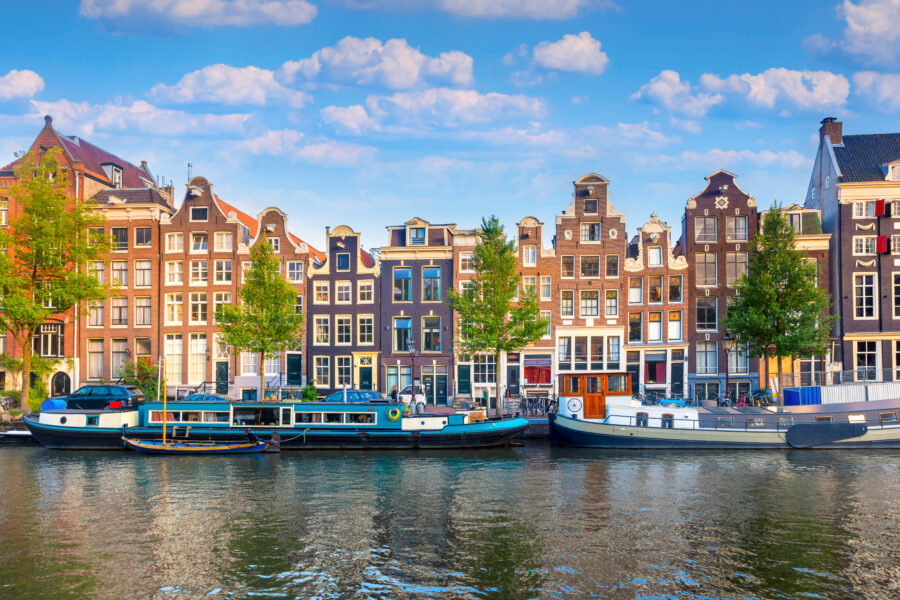
Brussels is closer. Hop on a direct Eurostar or Thalys from Amsterdam Centraal and you’ll be at Brussels-Midi in about 1 hour and 50 minutes—no changes, no fuss. That means more actual time to explore.
You get access to more than 70 museums, the Grand Place, the Atomium, Mini-Europe, and some seriously distinct neighborhoods. If you love packing your day with art, shopping on Avenue Louise, and maybe a late dinner in Sablon, Brussels has you covered.
Choose Bruges for Medieval Atmosphere and Ease on Foot
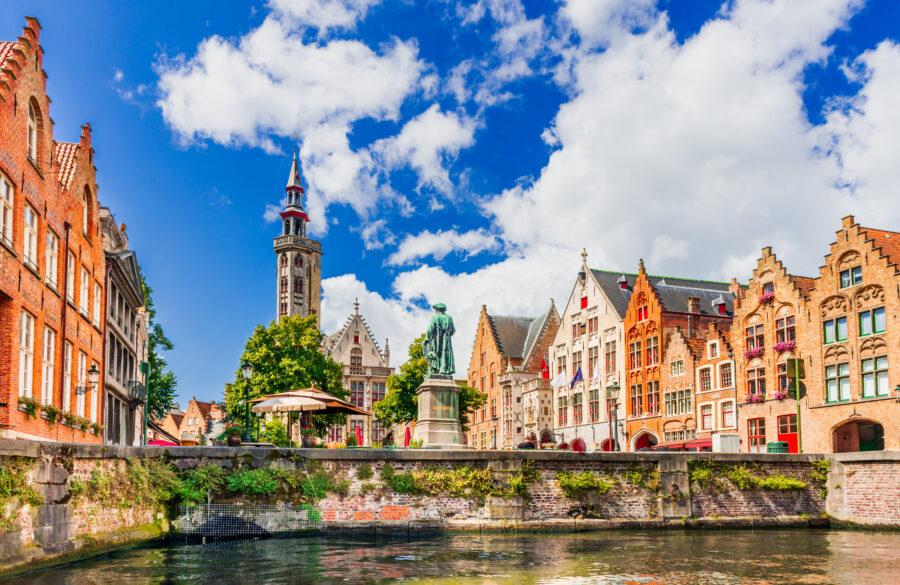
Bruges takes about three hours from Amsterdam, usually with a change in Brussels or sometimes Ghent. That’s an extra hour each way compared to Brussels. But you get a city so compact that you can walk from the train station to the Markt in 15 minutes and see everything without messing with transit.
When It Makes Sense to Visit Both
Got two or more days? Split them. Hit Brussels for the big-city buzz, then Bruges for something slower and scenic. The cities are only about an hour apart by train. It’s easy to base yourself in Brussels and day-trip to Bruges, then just head back to Amsterdam in one go.
Getting There From Amsterdam Centraal
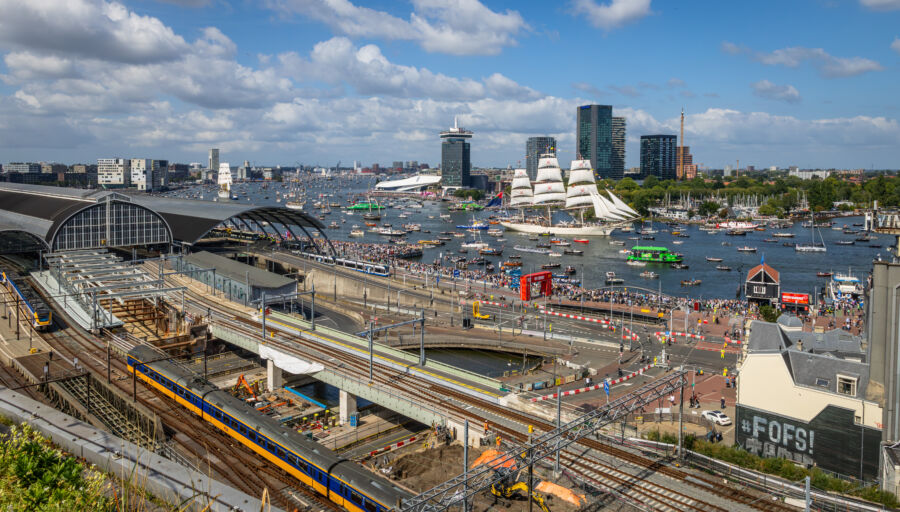
Everything starts at Amsterdam Centraal. Heading south into Belgium is pretty straightforward. Brussels is easier; Bruges needs one extra step. Knowing your train options and travel times makes planning way less stressful.
Direct and One-Change Train Options
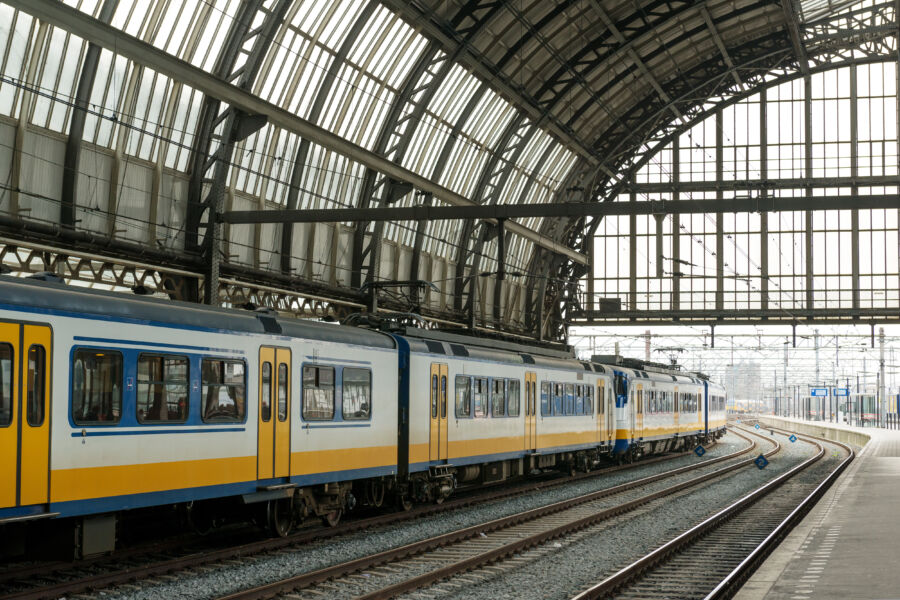
For Brussels, book a high-speed Eurostar (used to be Thalys) from Amsterdam Centraal straight to Brussels-Midi. No changes, just sit back. If you book early, fares start around €35 one way, but prices jump up the closer you get to your travel date.
For Bruges, there’s no direct train from Amsterdam. You’ll take the Eurostar to Brussels-Midi, then hop on a domestic IC (InterCity) train to Bruges. The IC trains run every half hour or so, and the transfer at Brussels-Midi is a breeze since it’s all one station.
You could also skip Brussels and go Amsterdam–Antwerp–Ghent–Bruges on IC trains. This route can be cheaper (sometimes €50–€70 round trip), but it’s longer and means at least one extra transfer.
Typical Journey Times and Return Timing
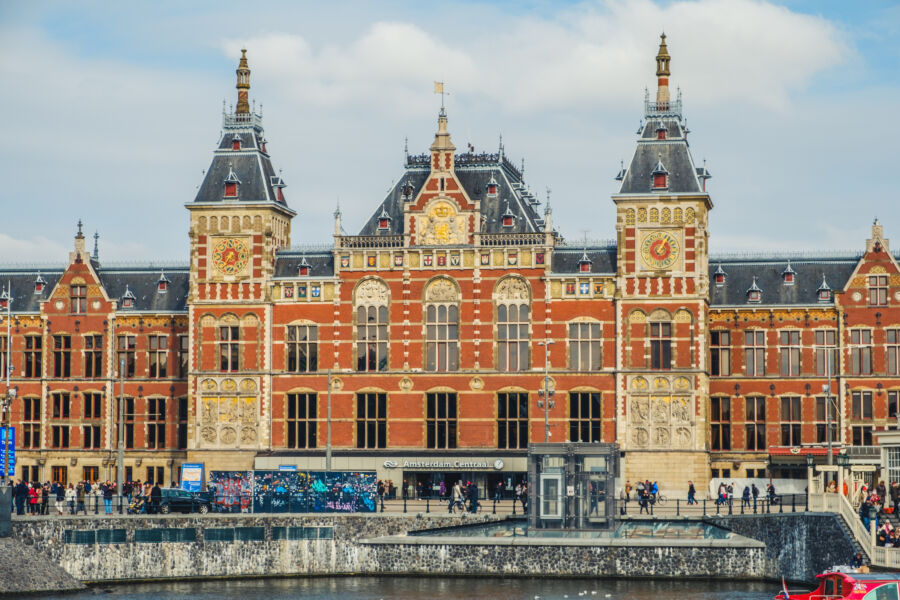
- Amsterdam to Brussels: about 1 hour 50 minutes (direct Eurostar)
- Amsterdam to Bruges: about 3 hours (Eurostar to Brussels-Midi, then IC to Bruges)
- Amsterdam to Bruges via Antwerp/Ghent: about 3.5 to 4 hours with transfers
If you’re doing a day trip, catch an early train around 7 or 8 a.m. and plan to be back in Amsterdam by 8 or 9 p.m. The last Eurostar from Brussels-Midi usually runs until about 9 p.m., so keep an eye on the clock in the evening.
Arrival Stations, Local Transfers, and Brussels Airport Connections
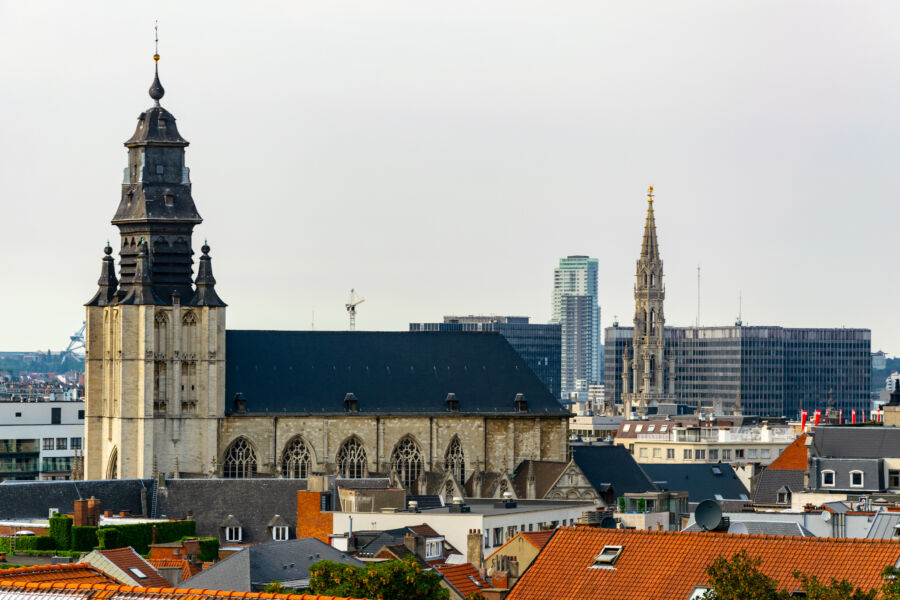
Eurostar drops you at Brussels-Midi (aka Brussels-Zuid), which is just south of the city center. From there, you can walk, hop the metro, or grab a local train to Brussels-Central or Brussels-Nord for different neighborhoods.
In Bruges, the IC train drops you at Bruges station, about a 15-minute walk from the historic center. No need for transit—just stroll into town.
Flying out of Brussels Airport (Zaventem)? There’s a direct train from Brussels-Midi that takes about 20 minutes. Bruges also connects directly to the airport, but it’s about 1 hour and 40 minutes, with a stop in Brussels.
See Related: Best Places to Visit in Belgium: Top Attractions and Hidden Gems
How Much Time and Money Each Trip Really Takes

Let’s be honest, travel cost and actual sightseeing hours can make or break your day trip. Brussels gives you more time on the ground. Bruges is a bit cheaper once you’re there, but you’ll spend more of your day on the train.
Sample Day Trip Budgets
Here’s a rough budget for a single day trip from Amsterdam, per person:
| Expense | Brussels | Bruges |
|---|---|---|
| Train (round trip, advance booking) | €70–€110 | €80–€120 |
| Lunch | €12–€20 | €12–€18 |
| Coffee and snack | €5–€8 | €5–€8 |
| Museum or attraction entry | €10–€18 | €8–€14 |
| Belgian waffles, fries, or chocolate | €5–€10 | €5–€10 |
| Estimated total | €100–€165 | €110–€170 |
Train fares are the big wild card. If you book Eurostar tickets two to four weeks ahead, you’ll save a chunk. The IC-only route to Bruges (via Antwerp and Ghent) can drop the train price, but you’ll pay with your time.
How Much Sightseeing Time You Keep
Leave Amsterdam at 8:00 a.m. and return by 9:00 p.m.? Here’s what you really get:
- Brussels: about 9 hours to explore after around 4 hours on trains.
- Bruges: about 7 hours on the ground, with 6 hours spent traveling.
Those two extra hours in Brussels can mean another museum or a proper dinner. In Bruges, at least you don’t waste time on local transit—everything’s right there.
Which Option Works Better for an Overnight Stay
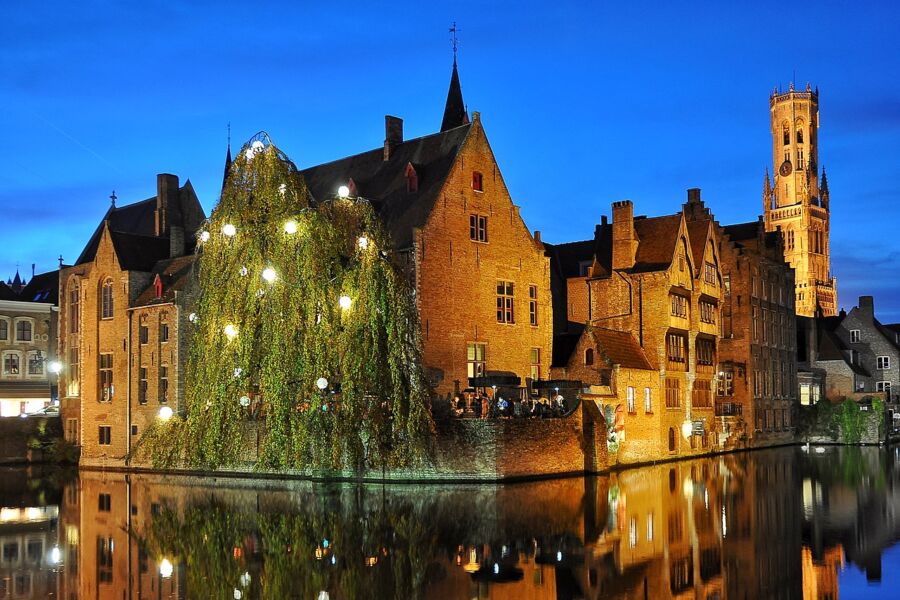
Staying overnight totally changes things. Bruges is magical after the day-trippers leave.
The canals and streets get quiet, and the light at dusk is unreal. Budget hotels start around €80–€110 per night.
Brussels is solid for an overnight too, especially if you want to check out the nightlife, eat late, or use it as a base for a morning train to Bruges. Hotel rates in Brussels are all over the place, but central spots start around €90–€130.
What You Will Actually Do in Brussels
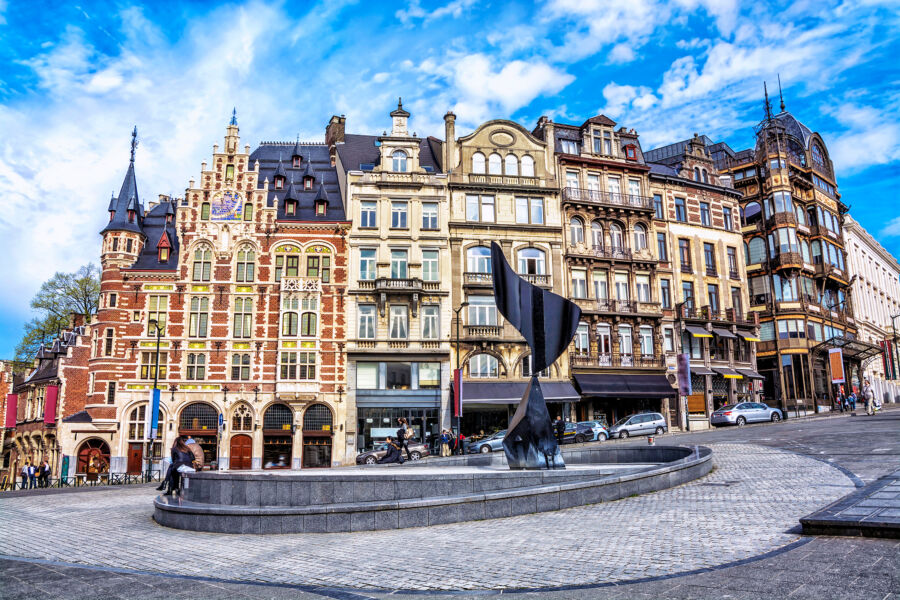
Brussels is for the curious traveler who wants variety. In just one day, you can wander through centuries-old architecture, hit a world-class art museum, eat a waffle on a busy side street, and still find time to relax in a park. The city is big, so having a plan helps.
Historic Center Highlights
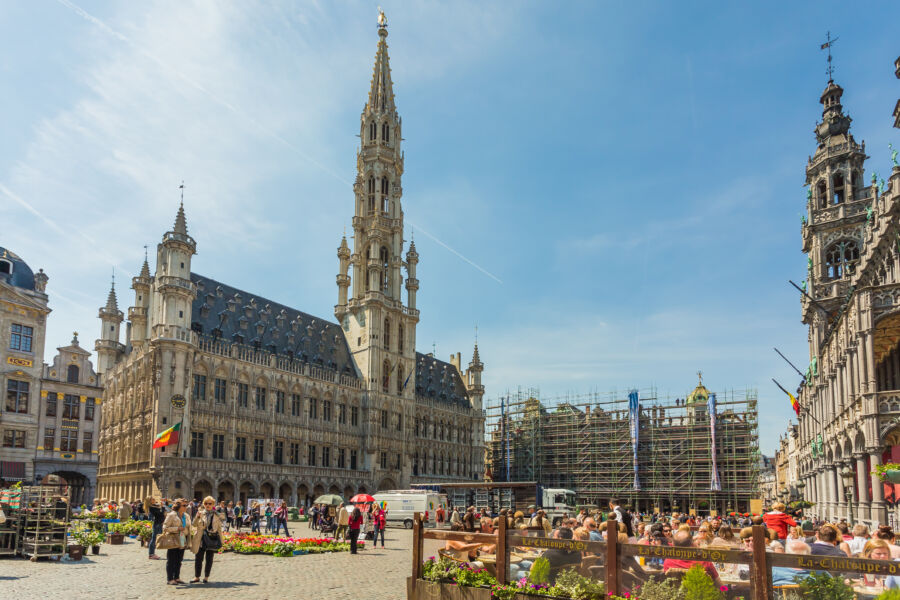
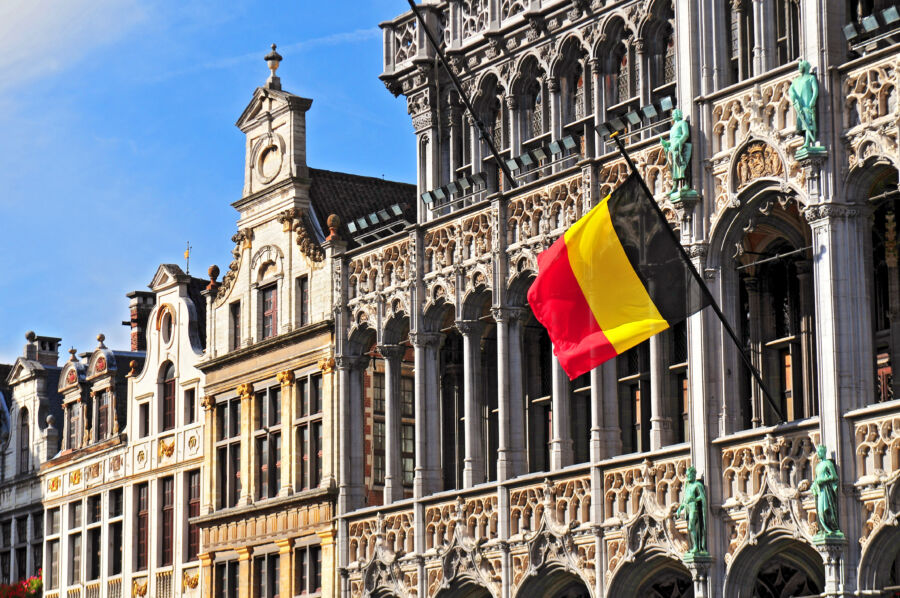
Start at the Grand Place—it’s honestly one of Europe’s best squares. The ornate guild houses and Gothic town hall deserve a slow lap. From there, walk over to Manneken Pis. It’s tiny and crowded, but hey, it’s iconic.
Then head up to Mont des Arts for a killer view of the city. The Royal Saint-Hubert Galleries are close by—great for a stroll or a chocolate stop.
Big-Ticket Sights Beyond the Core
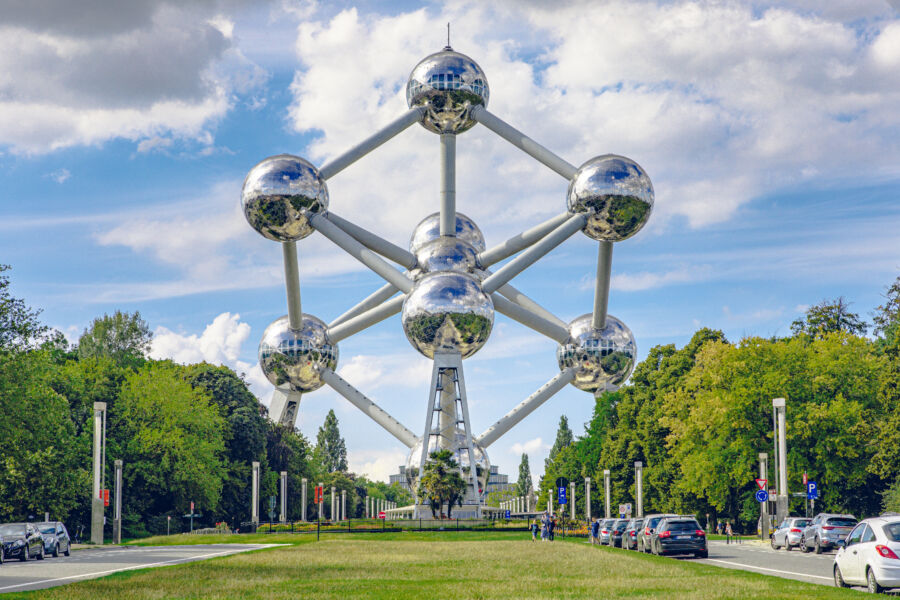
The Atomium, that futuristic steel thing everyone photographs, is up in the northern Heysel district. It’s about 30 minutes by metro. Mini-Europe is right next door with its quirky miniature landmarks. You’ll want at least two or three hours for both.
Parc du Cinquantenaire is in the east, featuring a triumphal arch and three museums. It’s perfect for a leg stretch if the weather’s good. Avenue Louise is south of the center and has high-end shops and cool Art Nouveau buildings.
Best Fit for Museums, Shopping, and Urban Energy
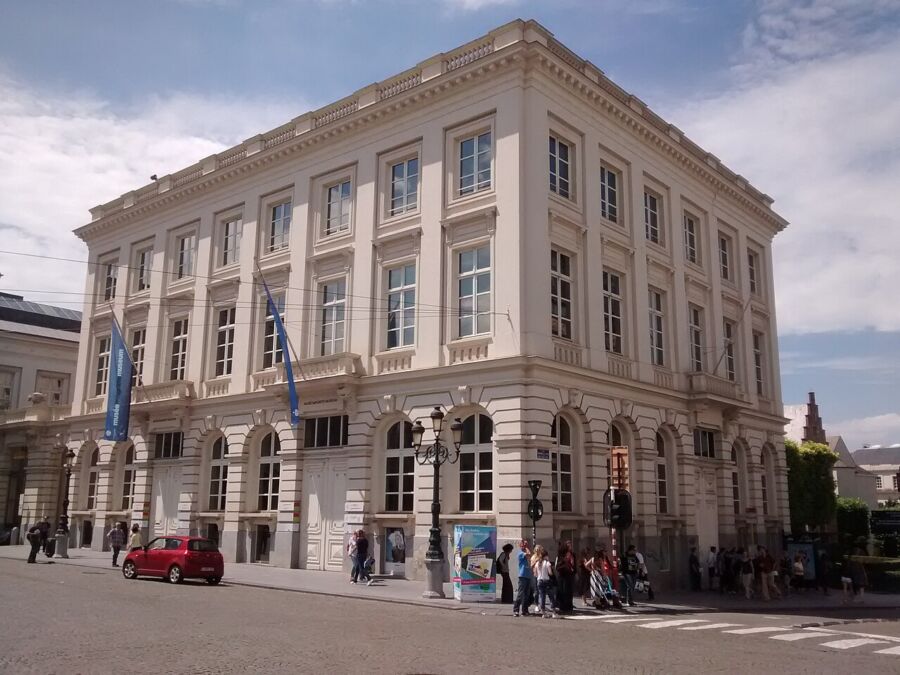
Brussels is museum central—Magritte Museum, Musical Instruments Museum, and plenty of art collections, both modern and classic. If museums are your jam, Brussels wins over Bruges every time.
The city also stays lively at night. Restaurants, bars, and live music keep things buzzing. If you want that capital-city feel with a Belgian twist, Brussels is the spot.
See Related: Best Places to Visit in Europe This Year
What You Will Actually Do in Bruges
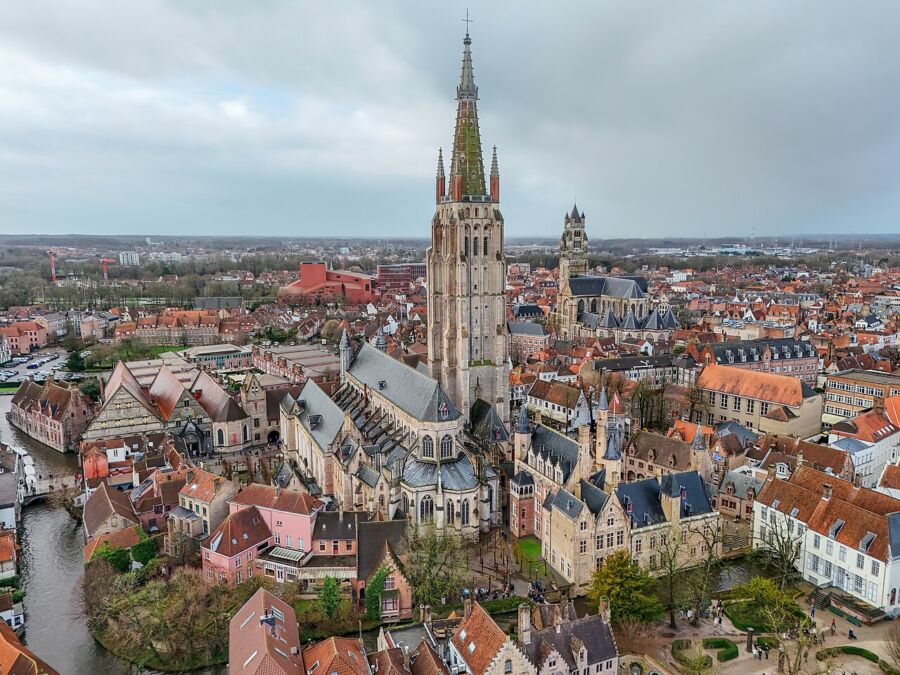
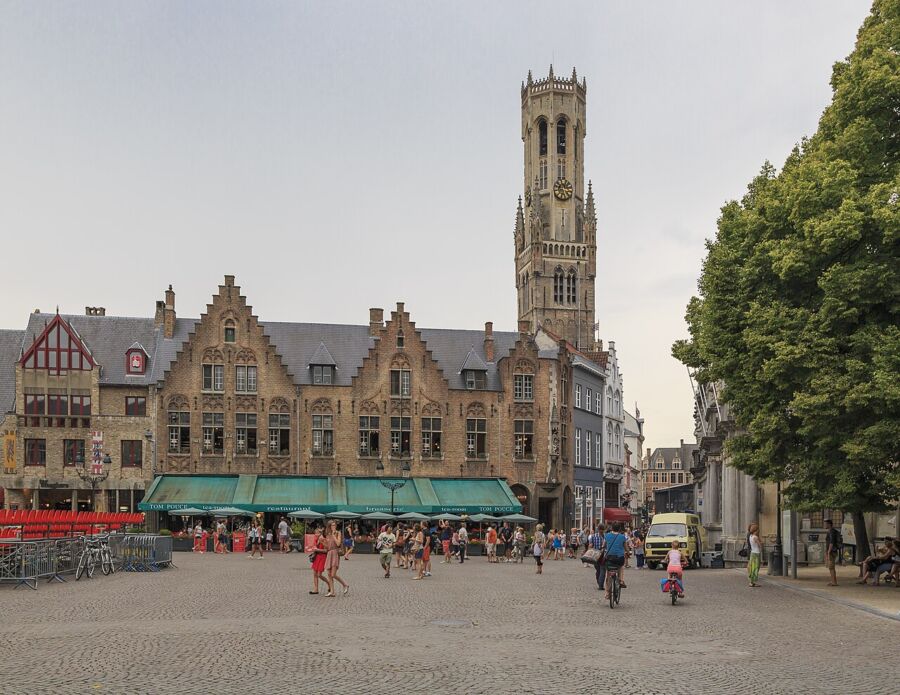
Bruges is basically the attraction itself. The medieval center is a UNESCO World Heritage site, and everything worth seeing is within a 20-minute walk of the Markt. Seriously, you can just wander—your feet are all the transport you’ll need.
Canals, Squares, and Storybook Streets
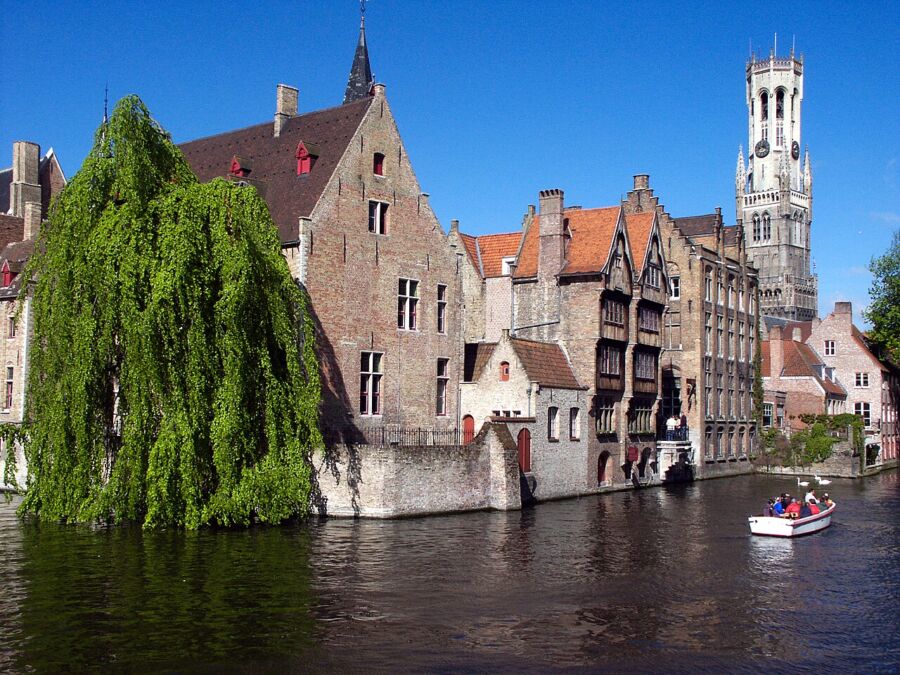
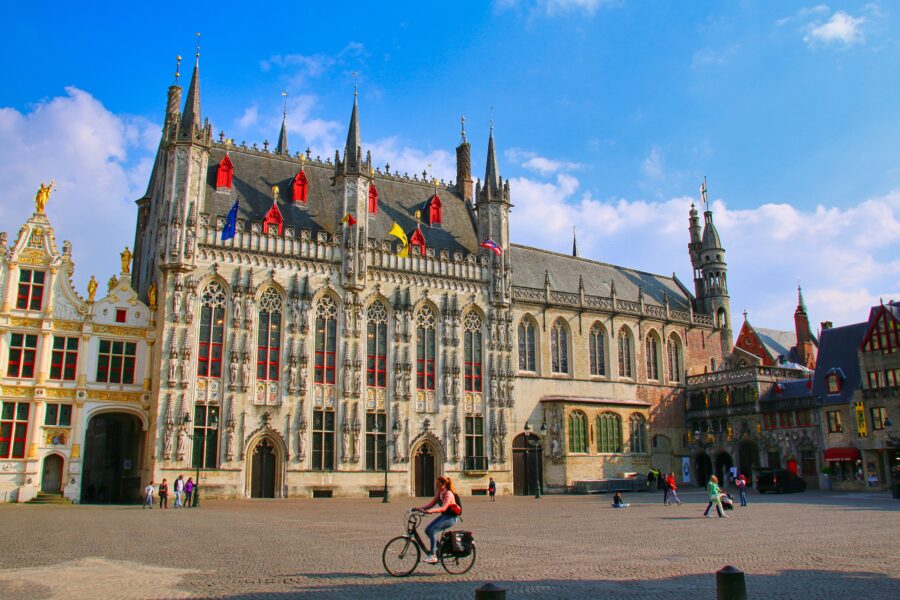
The Markt and the Burg are Bruges’ main squares, both wrapped in gorgeous Flemish architecture. I always find myself standing in the Burg, then wandering toward the canals—crossing those old stone bridges for views that really do live up to the “Venice of the North” hype. Rozenhoedkaai? You’ll spot everyone with a camera there, and honestly, I can’t blame them.
Minnewater Lake (locals call it the Lake of Love) sits at the south edge of the old town, right next to the Beguinage. The Beguinage is this quiet, UNESCO-listed courtyard that feels like a world apart. If you hop on a canal boat from the center, you’ll get about 30 minutes of floating and a totally different angle on the buildings—views you just can’t get walking around.
Museums, Churches, and Flemish Art

The Groeninge Museum is small but packed with Flemish Primitives—think Jan van Eyck, Hans Memling, and their crowd. You can see it all in about an hour, which is perfect if you’re trying to squeeze a lot into one day.
The Basilica of the Holy Blood hides in a corner of the Burg and draws both pilgrims and the just-plain-curious. The Church of Our Lady, meanwhile, shows off a marble Madonna by Michelangelo. Neither takes long to visit, but I always recommend popping in.
If you’re up for it, climb the Belfry Tower. You’ll get a killer view over the red rooftops, but fair warning: it’s 366 steep, narrow steps. I usually go early to skip the worst of the lines.
Best Fit for Couples, Photography, and Slow Travel
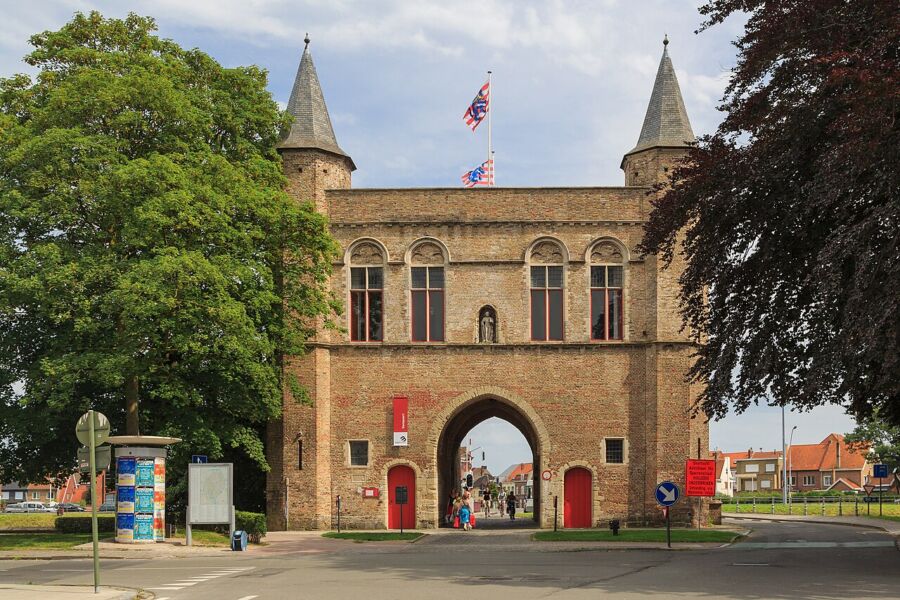
Bruges really shines when you take it slow. It’s a dream for couples, photographers, or anyone who prefers lingering by the canals with a coffee instead of racing through a checklist.
The Bourgondisch Cruyce area? Unreal at golden hour—bring your camera.
If you’re someone who likes a jam-packed itinerary, Bruges might feel small after four or five hours. But for relaxed travelers, that compact size is a huge plus.
Food, Beer, and Overall Travel Style
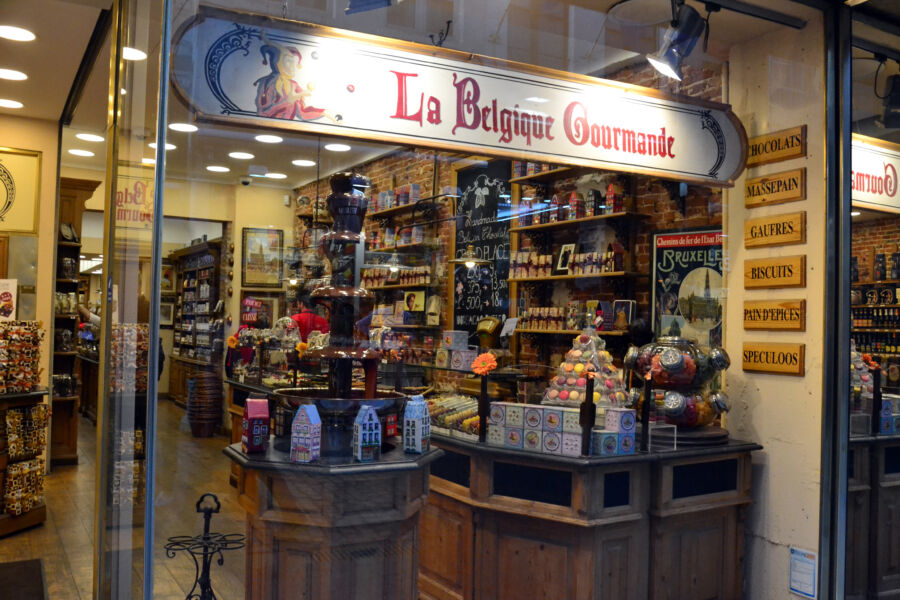
Belgium’s food and drink reputation really comes down to the classics: chocolate, waffles, fries, beer, and those rich Flemish dishes. Both Bruges and Brussels deliver, but the vibe and style are different enough that it could sway your decision.
Where to Go for Belgian Chocolate, Waffles, and Fries
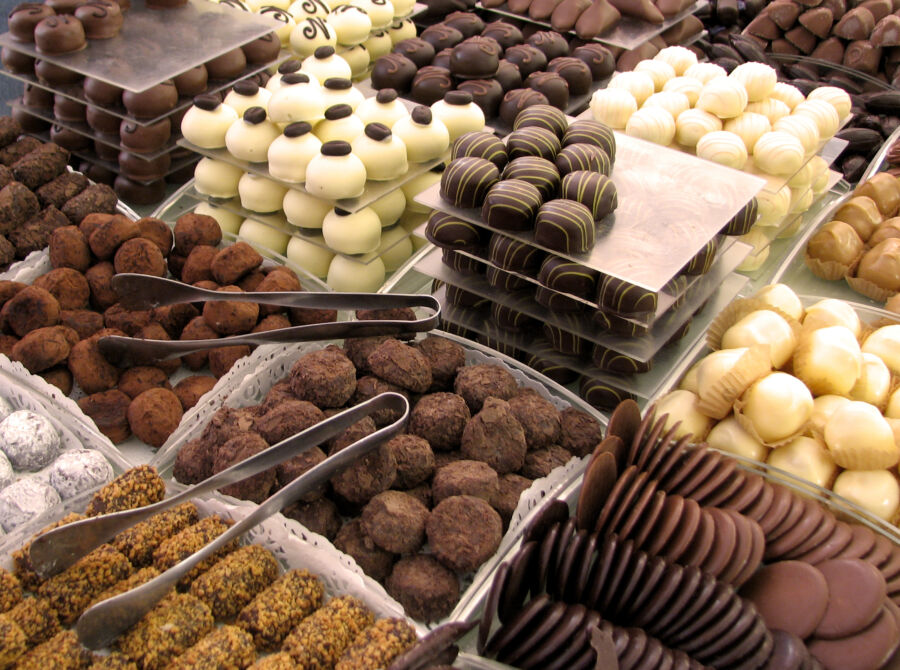
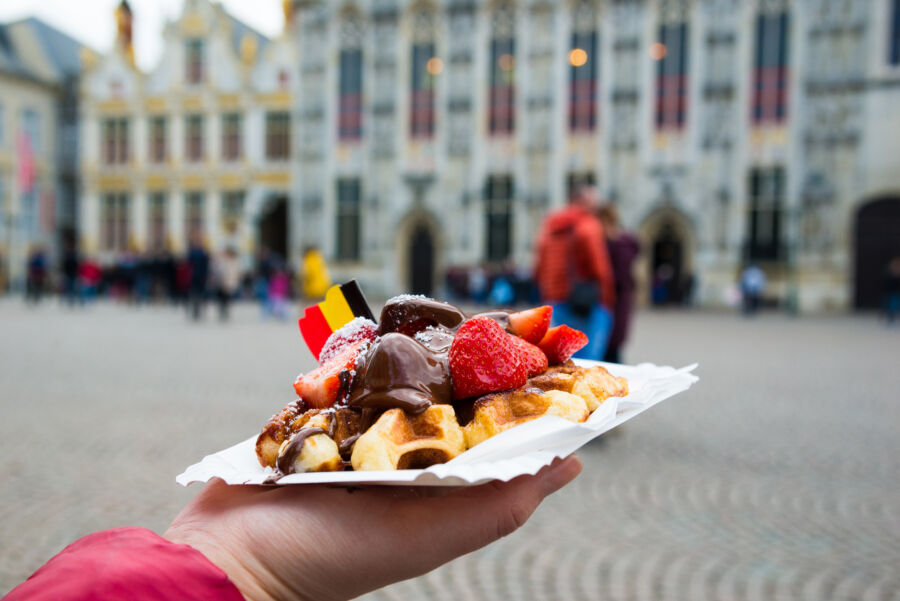
Bruges is honestly the place to dive into these foods. Chocolate shops line almost every street in the old center, and you can actually watch pralines being made by hand—always a crowd-pleaser. Waffle stands and frituren (those classic fry shops) cluster around the Markt, so you’re never far from a snack.
Brussels has all of that too, plus a bigger mix of global dining. If you want fancy chocolate, check out the Royal Saint-Hubert Galleries or the Sablon area.
Waffle fans should hit the street vendors near Grand Place for both Liège-style (thick and chewy) and Brussels-style (light and crisp). Fries? Everywhere. Paper cones, wild sauces, you get the idea.
Beer Culture and Brewery Stops
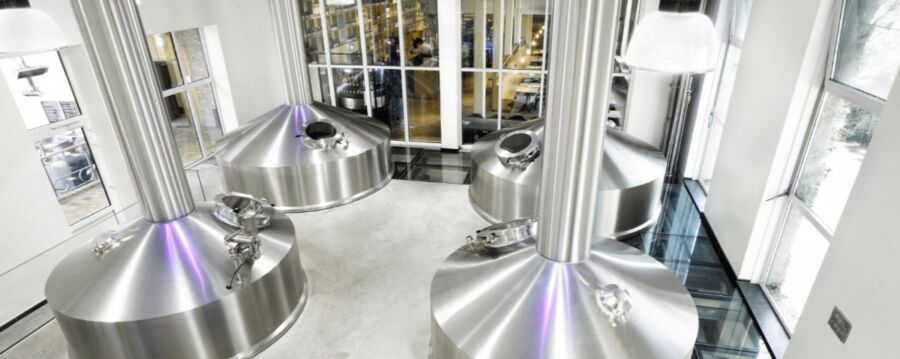
Belgian beer is a whole adventure. In Bruges, you can tour the Bourgogne des Flandres brewery right in the center, or check out De Halve Maan—the last big brewery inside the old town walls. Both are super walkable from the Markt, which is handy.
Brussels, being bigger, has way more beer bars. Around Place Saint-Géry, you’ll find some of the best.
The Delirium Café, near Grand Place, stocks over 2,000 beers (yes, really). If you want variety and a buzzing late-night scene, Brussels is the obvious winner.
Which City Matches Your Travel Personality
Think about what kind of day you’re hoping for:
- Craving a cozy, slow-paced vibe? Go Bruges. Fewer choices, more wandering, endless chocolate, and those canal-side breaks.
- Want variety, nightlife, and a cultural mix? Brussels is your city. More museums, more neighborhoods, and plenty to do after dark.
- Serious about food? Both cities deliver, but Bruges packs it all in close. Dishes like waterzooi and moules frites just taste better in a snug Bruges restaurant.
- Best beer crawl? Brussels, hands down—so many bars, and they stay open late.
See Related: Christmas in Belgium Itinerary: Magical Cities & Insider Tips
Frequently Asked Questions
Which city is better for a first-time visitor seeking classic Belgian sights and atmosphere?
For that postcard Belgian experience, Bruges is the safer pick. The medieval center, canals, and chocolate shops give you that instant “wow, I’m in Belgium” feeling. If you want more museums and a bigger city buzz, Brussels is a better fit.
How many days should I allocate to each city to see the main highlights without rushing?
One full day will cover Bruges nicely. Brussels is more spread out and packed with museums, so I’d give it one and a half to two days if you can. If you’ve only got a single day, either works, but Bruges feels easier to do without rushing.
Which destination offers more things to do at night, including bars, dining, and live events?
Brussels totally leads on nightlife. You’ll find restaurants, cocktail bars, live music, and late-night spots all over. Bruges gets quiet once the day-trippers leave, which can be a good thing or not, depending on your mood.
Which city has the better Christmas market experience and overall winter ambiance?
Bruges’ u003ca href=u0022https://www.realjourneytravels.com/christmas-in-belgium-itinerary/u0022u003eChristmas marketu003c/au003e is pure magic with its medieval backdrop—honestly one of my favorites in Europe. Brussels’ market on Grand Place is bigger and has a sound-and-light show that’s worth seeing. Both are great between late November and early January, so if you’re around, try to see each.
What is the easiest way to travel between the two cities, and how long does it take?
Hop on an IC (InterCity) train from Brussels-Midi straight to Bruges. The journey usually takes about an hour, give or take.u003cbru003eTrains leave roughly every 30 minutes, and you don’t need to worry about making a reservation. Honestly, it’s one of the easiest rail trips you’ll find anywhere in Belgium.


