

Last modified March 10, 2025
Planning a trip to Europe can be exciting, but figuring out the costs can be tricky. You might be wondering how much to budget for your dream European adventure. A typical 7-day trip to Europe costs around $1,800 per person, including flights, accommodation, food, and activities. But don’t worry – there are ways to make your trip fit your budget, whether you’re looking to splurge or save.
Europe offers something for every traveler and budget. From the stunning beaches of Greece to the historic streets of Paris, you’ll find endless options to explore. Costs can vary a lot depending on where you go and how you travel. Eastern Europe tends to be cheaper than Western Europe, and your choices for food and lodging can make a big difference in your overall spending.
Ready to start planning your European getaway? Let’s break down the costs and help you make the most of your budget. We’ll look at different ways to save money without missing out on amazing experiences. By the end, you’ll have a good idea of what to expect and how to plan for your perfect European adventure.
Key Takeaways
- A week in Europe costs about $1,800 per person on average
- Prices vary widely based on destination and travel style
- Smart planning can help you enjoy Europe on any budget
Understanding the Basics of Europe Trip Costs
Planning a Europe trip can be exciting, but it’s important to know what you’re getting into money-wise. Let’s break down the key costs you’ll face and what to expect as a budget-conscious traveler.
Defining a Travel Budget
Your Europe trip budget depends on a few big factors. Flights from the U.S. to Europe can cost $600-$1200 round-trip. Once you’re there, daily costs vary a lot. Eastern Europe is cheaper than Western Europe. You might spend $50-$90 a day as a backpacker or $200+ for a mid-range trip.
Here’s a rough breakdown for a week in Europe:
- Flights: $750
- Accommodation: $455
- Food and activities: $378
- Transportation: $200
Total: About $1800 for 7 days
Remember, these are averages. Your actual costs will change based on where you go and how you travel.
Budget Traveler Expectations
As a budget traveler, you can see Europe for $45-$90 per day. This means staying in hostels, eating cheap local food, and using public transport. You’ll need to be smart with your money, but it’s totally doable.
Some budget-friendly tips:
- Stay in hostels or budget hotels ($20-$100 per night)
- Cook some meals yourself
- Use free walking tours
- Look for student discounts
- Travel in the off-season
You might have to skip some pricey attractions, but you’ll still have an amazing time. Plus, you’ll meet other budget travelers and see Europe from a local perspective. It’s all about balancing costs with experiences.
Accommodation Options Across Europe

Europe offers a range of places to stay for every budget. From cheap dorm beds to comfy rental apartments, you’ve got options to fit your travel style and wallet.
Hostels and Budget Hotels
Hostels are perfect if you’re pinching pennies. You can snag a dorm bed for as little as €15-30 a night in many European cities. Shared rooms mean you’ll meet other travelers too. Private rooms in hostels cost more but are still cheaper than hotels.
Budget hotels are a step up in comfort. Expect to pay €50-100 per night for a basic double room. Chains like Ibis and Motel One offer clean, no-frills stays. Local guesthouses can be cheaper and more charming. Booking.com is handy for finding deals on both hostels and hotels.
Airbnb and Rentals
Renting an apartment or house can save you money, especially for longer stays or group trips. Airbnb and similar sites have tons of options. Prices vary wildly based on the city and season. A basic studio might cost €50-100 per night, while a whole apartment could run €100-200+.
You’ll get more space and a kitchen to cook meals. That can cut food costs big time. Rentals also let you live like a local in cool neighborhoods. Just watch out for extra fees and read reviews carefully before booking.
Transportation Costs and Tips

Getting around Europe can be a big part of your travel budget. Smart choices can save you money and add to your adventure. Let’s look at ways to move between and within European countries without breaking the bank.
Flights to and Within Europe
Flying to Europe can be your biggest expense. Look for deals on flights 3-6 months before your trip. Prices often drop in the off-season from November to March. Budget airlines like Ryanair and EasyJet offer cheap flights within Europe. But watch out for extra fees on luggage and seat selection.
Try to fly into major hubs like London or Frankfurt. From there, you can take cheaper flights or trains to your final stop. Midweek flights are usually less expensive than weekend ones. Be flexible with your dates to find the best deals.
Consider open-jaw tickets. Fly into one city and out of another to save time and money on backtracking.
Public Transportation and Eurail Pass
Once in Europe, public transport is often your best bet. City buses and metros are cheap and efficient. A day pass can save you money if you plan to make several trips.
For longer journeys, trains are comfortable and scenic. The Eurail Pass can be a good deal if you’re visiting multiple countries. It gives you flexible train travel across Europe. But do the math – sometimes point-to-point tickets are cheaper.
Buses are the cheapest option for long trips. Companies like Flixbus offer routes all over Europe. They’re slower than trains but can save you a lot of money.
Alternative Travel Styles
Renting a car gives you freedom but comes with costs. Gas is expensive in Europe, and parking can be a hassle in cities. It’s best for exploring rural areas or countries with limited public transport.
Ridesharing apps like BlaBlaCar let you catch rides with locals. It’s cheaper than renting a car and a great way to meet people. Just be aware that availability can be unpredictable.
Biking is popular in many European cities. Bike rentals are cheap, and you’ll see the city from a new angle. Some cities even have free bike-sharing programs.
Food and Dining: Savoring Europe on a Budget

Eating well in Europe doesn’t have to break the bank. With some smart choices, you can enjoy delicious local cuisine without emptying your wallet.
Street Food and Local Eateries
Street food is a budget traveler’s best friend in European cities. In Berlin, grab a currywurst for about €3. Paris offers crepes for around €5. In Prague, try trdelník, a sweet pastry, for about 100 CZK (€4).
Local eateries often have great deals too. Look for “menu del día” in Spain – a set lunch menu for €10-15. In Italy, stand at the bar in cafes for cheaper coffee and pastries. Gyros in Greece can be as low as €3.
Don’t be afraid to ask locals for recommendations. They know the best cheap eats that tourists might miss. And remember, lunch is often cheaper than dinner at restaurants.
Supermarket Meals and Picnics
Supermarkets are your secret weapon for budget meals. Buy fresh bread, cheese, and fruit for a quick breakfast or picnic lunch. Many stores have pre-made sandwiches and salads too.
In France, pick up a baguette, some cheese, and a bottle of wine for under €10. Italian delis offer amazing cured meats and cheeses. Greek supermarkets have delicious yogurt and honey.
Parks and public spaces are perfect for picnics. Enjoy your meal with a view of the Eiffel Tower or in an English garden. It’s a great way to save money and soak up the local atmosphere.
Don’t forget about local markets. They’re often cheaper than supermarkets and offer fresh, local produce.
Itineraries and Must-See Destinations
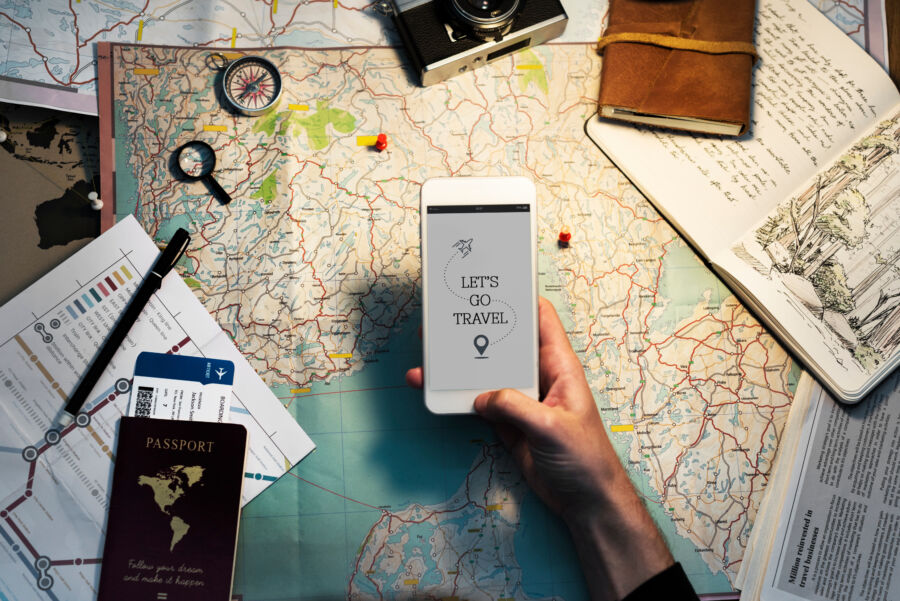
Planning your European adventure can be thrilling yet overwhelming. Let’s explore some classic routes and hidden gems to help you craft the perfect itinerary.
Western and Eastern European Highlights
Start your journey in London, where you can ride the London Eye and tour the Tower of London. Hop on the Eurostar to Paris and marvel at the Eiffel Tower. Then head to Rome to explore ancient ruins and world-class art. Don’t miss the Colosseum and Vatican City.
Next, venture east to Prague’s charming Old Town. Budapest’s thermal baths offer a relaxing break. Wrap up in Berlin, diving into its rich history and vibrant culture.
For a taste of Mediterranean flair, Barcelona’s Sagrada Familia is a must-see. In Amsterdam, cruise the canals and visit the Anne Frank House. Munich’s beer gardens are perfect for unwinding after a day of sightseeing.
Off the Beaten Path: Unique European Gems
Escape the crowds in Edinburgh, wandering its medieval streets and climbing Arthur’s Seat for stunning views. Head to Krakow for its well-preserved Old Town and sobering Auschwitz tours.
Bucharest, often overlooked, surprises with its mix of Communist-era architecture and Belle Époque buildings. For a fairy-tale experience, visit Český Krumlov in the Czech Republic.
The Plitvice Lakes in Croatia offer breathtaking natural beauty. In Portugal, skip Lisbon and explore Porto’s colorful streets and port wine cellars.
For a truly unique adventure, head to Iceland’s otherworldly landscapes. Soak in the Blue Lagoon and chase the Northern Lights near Reykjavik.
Backpacking Europe: A Comprehensive Guide

Planning a backpacking trip through Europe can be exciting but also a bit daunting. You’ll need to think about what to pack and how to handle visas and regulations. Let’s break it down into manageable steps.
Packing Essentials and Gear
When packing for your European adventure, less is more. Start with a good backpack – aim for 40-50 liters. It should be comfortable and fit your frame. Pack versatile clothing that you can mix and match. Think layers!
Don’t forget these essentials:
- Quick-dry towel
- Universal power adapter
- Comfortable walking shoes
- Waterproof jacket
- Padlock for hostel lockers
- Reusable water bottle
Bring a small daypack for sightseeing. Leave room in your bag for souvenirs. Remember, you can buy toiletries in Europe if you run out.
If you’re from outside the EU, you’ll likely need a Schengen visa. This visa lets you travel freely in 26 European countries for up to 90 days. Apply at least 3 months before your trip.
Some key points:
- Keep your passport valid for at least 6 months after your planned return.
- Have proof of funds and travel insurance.
- Book your first few nights of accommodation.
Rules can vary for non-Schengen countries like the UK, so check each country’s specific requirements. Keep copies of important documents in case of emergencies. And don’t overstay your visa – overstaying can lead to fines or future travel bans.
Maximizing Your European Adventure
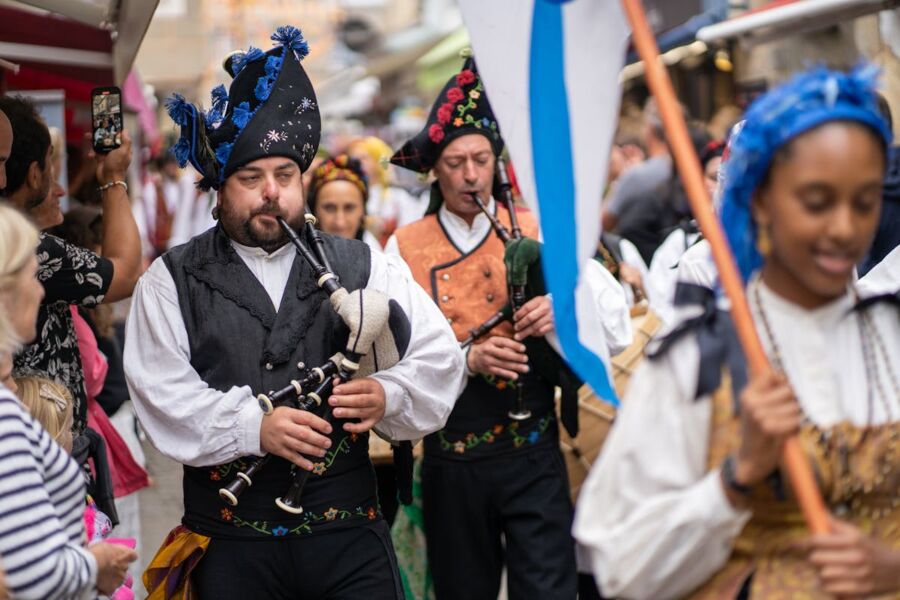
Making the most of your European trip is all about immersing yourself in local cultures, experiencing unique events, and connecting with people. Here’s how to squeeze every drop of excitement from your journey without breaking the bank.
Festivals and Seasonal Events
Timing your trip around local festivities can add a whole new dimension to your European adventure. Many cities host free or low-cost events that showcase their culture and traditions.
Munich’s Oktoberfest is a beer-lover’s dream, with lively tents and traditional Bavarian music. In Spain, you can join the tomato-throwing mayhem of La Tomatina or watch the running of the bulls in Pamplona.
For a magical winter experience, visit Germany’s Christmas markets. Sip mulled wine and shop for handmade gifts in charming wooden stalls.
Don’t forget smaller, local celebrations. These often offer a more authentic glimpse into daily life and can be easier on your wallet.
Learning Through Travel
Turn your trip into an educational experience without spending a fortune on tours. Many European cities offer free walking tours led by knowledgeable locals.
Visit world-class museums on their free days. The Louvre in Paris is free on the first Saturday of each month. In London, most major museums like the British Museum and National Gallery are always free.
Pick up some basic phrases in the local language. Even a simple “hello” and “thank you” can open doors and enrich your interactions.
Try your hand at cooking classes to learn about local cuisines. Some hostels offer free or cheap classes where you can make new friends while mastering paella or pasta.
Building Connections Across Cultures
Staying in hostels or using hospitality exchange networks can help you meet fellow travelers and locals. These connections often lead to insider tips and unique experiences you won’t find in guidebooks.
Attend local meetups or language exchange events. At these events, you can practice your language skills and might make lifelong friends.
Consider volunteering for a day or two. Volunteering is a great way to give back to the community you’re visiting and gain a deeper understanding of local issues.
Eat where the locals eat. Small, family-run restaurants often offer the best food at the best prices. Plus, you’ll get a taste of authentic local life.