 Real Journey Travels

Last modified November 26, 2026
Dreaming of extended adventures around the globe? Long-term travel offers incredible opportunities to immerse yourself in new cultures, create unforgettable memories, and gain fresh perspectives. Proper planning and preparation are key to making your extended journey a success.
Packing smart is crucial for long trips. Consider versatile clothing items that can be mixed and matched, and don’t forget essential travel gear like a reliable water bottle and comfortable walking shoes. It’s also wise to carry multiple payment methods, as relying on a single credit card can leave you stranded if issues arise.
Quick Planning Comparison & Takeaways
| Planning factor | Practical choice | Why it matters |
|---|---|---|
| Rest days | Stay put or choose a quiet destination with comfortable accommodation. | Creates space to recharge without filling another day with sightseeing. |
| Budget management | Research destinations in advance and budget carefully before committing to plans. | Helps stretch available funds and reduce unexpected financial surprises. |
| Travel routine | Make room for sleep, self-care, and low-key activities such as reading. | Keeps recovery part of the trip rather than an afterthought. |
| Payment backup | Carry multiple payment methods instead of relying on a single credit card. | Reduces dependence on one card if payment issues arise. |
| Packing choices | Choose mix-and-match clothing, comfortable walking shoes, and a reliable water bottle. | Prioritizes versatile clothing and useful essentials for an extended journey. |
| Health preparation | Stay up-to-date on vaccinations and purchase comprehensive travel insurance. | Makes health and safety part of preparation before the journey begins. |
- Choose rest-day accommodation for comfort and quiet. Keep reading, a relaxed café visit, or catching up on sleep as options, not obligations.
- Pair destination research with careful budgeting, then arrange backup payment methods. Managing spending and maintaining access to money solve different travel problems.
- Build regular breaks into your travel routine rather than waiting for burnout. Leave room for self-care alongside the places you want to explore.
Budgeting carefully and researching your destinations in advance can help you stretch your funds further and avoid unexpected surprises. Remember to prioritize your health and safety by staying up-to-date on vaccinations and purchasing comprehensive travel insurance. With these tips in mind, you’ll be well-equipped to embark on the adventure of a lifetime.
Planning Rest Days

Rest days are crucial when embarking on long-term travel. You need to schedule regular breaks to recharge and avoid burnout.
Here are some tips for planning effective rest days:
- Choose quiet destinations or stay put in one place
- Book accommodations with comfortable amenities
- Plan low-key activities like reading or relaxing at a café
- Catch up on sleep and practice self-care
Rest days also provide an opportunity to reassess your trip. Use this time to:
- Review your budget and adjust if needed
- Make any necessary changes to your itinerary
- Check in with loved ones back home
Remember, travel fatigue is real. Listen to your body and mind. If you’re feeling overwhelmed, it’s okay to take an extra day off.
Quality rest will leave you refreshed and ready to fully enjoy the next leg of your journey. Don’t feel guilty about taking breaks – they’re an essential part of long-term travel.
Managing Finances
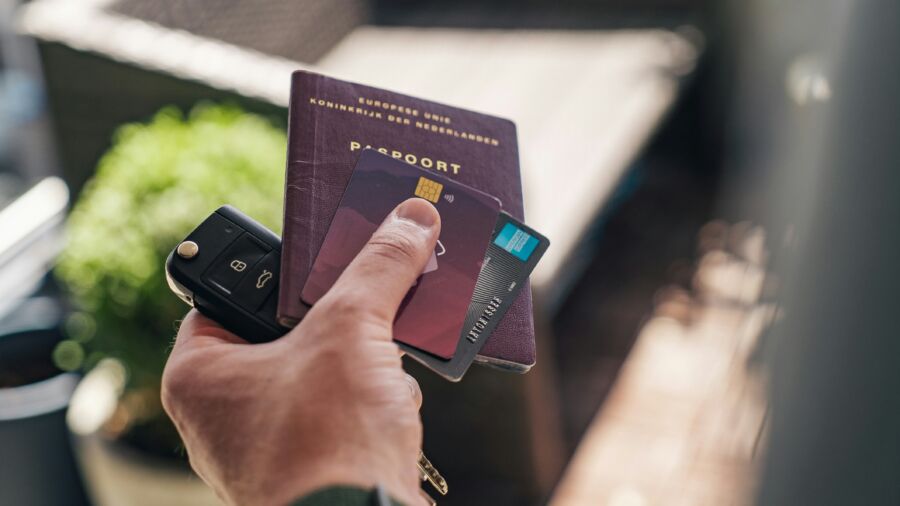
Budgeting is key for long-term travel success. Start by setting a daily spending limit that aligns with your overall travel fund. Track your expenses using apps or spreadsheets to stay on target.
Consider opening a travel-friendly bank account to avoid foreign transaction fees. Carry multiple payment methods, including cash and cards, for flexibility and security.
Look for ways to reduce costs without sacrificing experiences. Volunteer opportunities can provide free accommodation and meals. Slow travel allows you to take advantage of weekly or monthly rental discounts.
Research affordable destinations where your money stretches further. Southeast Asia and parts of Eastern Europe often offer great value for travelers on a budget.
Save money on transportation by booking in advance and being flexible with your dates. Consider overnight buses or trains to combine travel and accommodation costs.
Remember to set aside funds for emergencies and unexpected expenses. Having a financial cushion will give you peace of mind during your adventures.
Building A Travel Routine

Creating a routine while traveling long-term can help you stay grounded and productive. Start by setting a consistent wake-up time, even if it’s later than your usual schedule back home.
Plan your mornings to include activities that energize you, like exercise, meditation, or journaling. This sets a positive tone for the day ahead.
Dedicate time each day to exploring your new surroundings. Whether it’s trying local cuisine or visiting attractions, make sure you’re actively experiencing the culture.
Build in work or study periods if you’re a digital nomad or student. Find comfortable cafes or coworking spaces to maintain focus.
Don’t forget to schedule downtime. Long-term travel can be exhausting, so allow yourself rest days to recharge.
Try to maintain some familiar habits from home, like reading before bed or weekly video calls with loved ones. This helps combat homesickness and keeps you connected.
Avoiding Burnout Warning Signs

Feeling exhausted all the time? That’s a key sign of travel burnout. Pay attention to your energy levels and mood shifts.
Are you losing interest in exploring new places? When attractions that once excited you now feel like a chore, it’s time to reassess.
Physical symptoms can creep up too. Headaches, insomnia, or digestive issues may signal your body needs a break.
Watch for these red flags:
- Irritability or short temper
- Difficulty concentrating
- Skipping activities you’d normally enjoy
- Feeling overwhelmed by simple tasks
If you notice these signs, take action. Slow down your pace, stay put for a while, or adjust your itinerary. Remember, long-term travel is a marathon, not a sprint.
Build in rest days and self-care time. Don’t feel guilty about lazy mornings or quiet evenings in. Listening to your body and mind will help you avoid full-blown burnout and keep your travels enjoyable.
Frequently Asked Questions
How should I plan rest days during long-term travel?
Schedule regular breaks and consider staying in one place rather than moving to another destination. Choose quiet surroundings and comfortable accommodation. Keep activities low-key: read, relax at a café, catch up on sleep, or practice self-care. The goal is to recharge, not turn a rest day into another packed itinerary.
How can I prepare financially for an extended trip?
Research your destinations in advance and budget carefully to help stretch your funds and avoid unexpected surprises. Carry multiple payment methods rather than depending on one credit card. Budget preparation helps you manage spending, while payment backups reduce the chance that a problem with one card leaves you stranded.
What packing and health essentials should I prioritize?
Pack versatile clothing that can be mixed and matched, along with a reliable water bottle and comfortable walking shoes. For health and safety preparation, stay up-to-date on vaccinations and purchase comprehensive travel insurance. These essentials support an extended journey, but they do not replace regular rest and a manageable travel routine.


