
Last modified August 17, 2026
Trying to figure out where to stay in Cornwall? Honestly, it can feel like a headache—each coastal town has something unique going for it, from sandy beaches to quirky art scenes and wildly different price ranges.
The best area for you depends on your priorities: St Ives if you’re into art and beaches, Newquay for surf and nightlife, or Padstow if food and coastal walks are your thing. You just need to match the vibe to your plans.
Here’s a straightforward guide. You’ll find which towns work best for couples, families, or solo trips, what each place actually feels like, and some reliable hotels and cottages for a range of budgets. I’ve sifted through the options so you can skip the endless scrolling.
Key Takeaways
- Quickly see which Cornwall towns fit your travel style
- Compare top areas and hotel picks for every budget
- Find the right spot faster—no more drowning in browser tabs
Choosing the Best Area to Stay in Cornwall

What matters most to you—scenery, convenience, peace, or nightlife? North and south Cornwall each have their own personality, and getting between towns sometimes takes longer than you’d expect.
What to Consider When Selecting a Base

Think about how you’ll spend your days. Love beaches and water sports? North coast towns like Newquay or Bude have solid surf and big sandy beaches. If you want a slower pace, gardens, harbors, and art galleries, look at south Cornwall spots like Fowey or Falmouth.
I always check how close I’ll be to food shops and bus stops before booking. Parking can be a pain on narrow Cornish roads. Families might want self-catering cottages or B&Bs near a safe beach; for couples, smaller fishing villages like Mousehole or Port Isaac are a great fit.
It’s smart to compare early on sites with lots of listings, like booking accommodation. Sea views book up fast, especially in summer. If you don’t mind cooler weather, off-season stays are cheaper and quieter.
North vs. South Cornwall: Key Differences
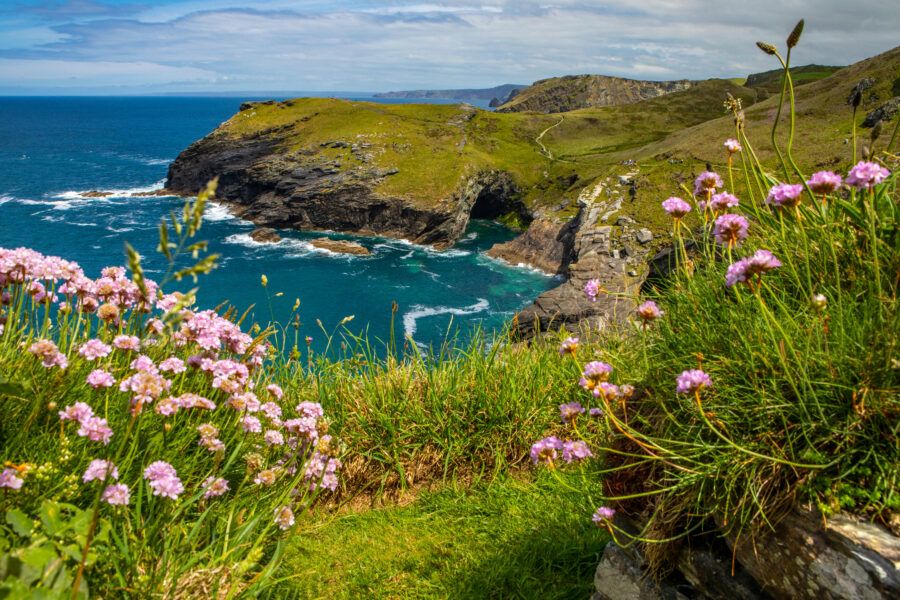
North Cornwall is wild and dramatic—think cliffs, surf beaches, and big skies. Towns like Padstow, Tintagel, and St Ives attract artists and outdoorsy types. The north coast just feels a bit more untamed.
South Cornwall is gentler, both in scenery and weather. Here you’ll find sheltered coves and old fishing harbors. Places like Looe, Falmouth, and St Austell are more relaxed, perfect for garden visits, sailing, or a swim in calm water.
| Region | Highlights | Best for |
|---|---|---|
| North Cornwall Coast | Surfing, cliffs, long walks | Adventurers, photographers |
| South Cornwall Coast | Calm seas, gardens, sailing | Families, couples |
Accessibility and Transport Tips

Getting around Cornwall takes a little planning. The main train line runs from Plymouth through Truro to Penzance, but many villages need a car or local bus. I often mix train travel with a short car hire to keep things flexible.
Driving lets you stop at beaches and viewpoints, but remember fuel and parking fees. Some car parks only take phone payments, and mobile signal can drop—so keep some coins handy.
If you’re coming from outside the UK, compare fares before booking. Try to find cheap flight tickets or flexible flight searches with Skyscanner. Newquay Airport or Truro train station usually make the easiest arrival points.
Buses run to most towns but often finish early in the evening. Double-check timetables, especially if you’ll be out late. In coastal towns, scooters and e-bikes are common, but those Cornish hills are no joke.
1. St Ives: Cornwall’s Artistic and Coastal Haven

St Ives blends art, sea air, and a relaxed pace you rarely find elsewhere. Galleries and beach cafés sit just steps apart, and the light here seems to inspire everyone. The town’s winding lanes and Atlantic views have drawn artists for generations.
Top Attractions in St Ives

Art is everywhere in St Ives. Tate St Ives sits above Porthmeor Beach, focusing on modern British art with local roots. It’s smaller than big-city museums but feels personal. The Barbara Hepworth Museum and Sculpture Garden lets you peek into her old studio and wander among her sculptures outside—definitely worth an hour or two.
Wander the backstreets and you’ll find independent galleries in old fishermen’s cottages. Sometimes I skip the big names and just pop into a tiny studio to chat with local artists about the light or the sea. If you’re visiting in September, the St Ives September Festival transforms the town with art, music, and poetry.
Best Accommodation Options in St Ives

There’s a solid mix of places to stay here, from hotels with sweeping sea views to cozy cottages. St Ives Harbour Hotel & Spa has a spa and a clifftop terrace overlooking the bay and Godrevy Lighthouse—it’s polished but never stuffy. Pedn-Olva Hotel sits right on the rocks above Porthminster Beach, giving you that classic Cornish view and the sound of waves at your window.
For more independence, look for self-catering spots like Heron Cottage near Tate St Ives or 11 Chy An Eglos in the town center. These are great if you want to cook fresh fish from the harbor. Parking is a real bonus here. If you’re after a friendlier, more personal feel, try B&Bs like No 27 The Terrace—a bit of seaside charm and a proper breakfast.
Beaches and Activities Near St Ives
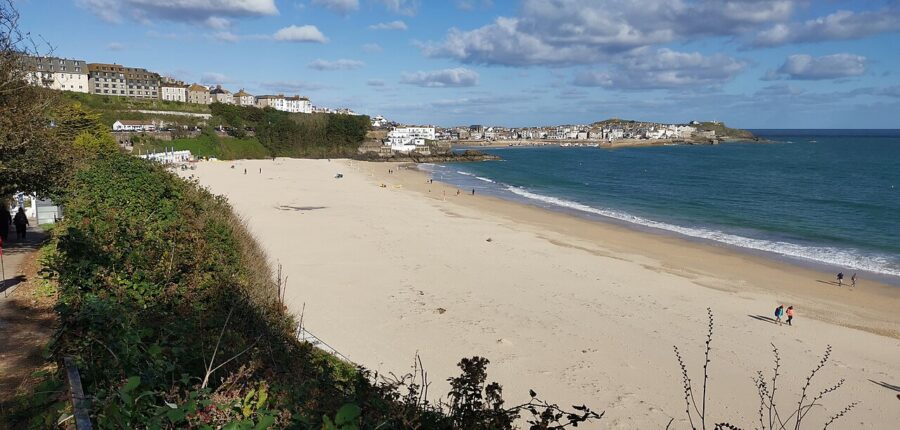
The beaches in and around St Ives are something else, especially when the sun’s out. Porthmeor Beach is right by the Tate and draws surfers when the Atlantic’s up. Early mornings, you’ll see locals riding the waves or just watching the sunrise. Porthminster Beach is calmer, good for swimming or paddleboarding, and the beach café there is worth a lunch stop.
A quick walk or train ride gets you to Carbis Bay, which is quieter and has that powdery sand. On breezy days, I like the South West Coast Path toward Zennor—the views from the cliffs are unreal. Art workshops pop up around town too, from pottery to sketching. Even if you’ve never picked up a brush, you’ll probably want to try capturing the light.
See Related: Top Places to Visit in the World: Unforgettable Destinations for Your Bucket List
2. Newquay: Surf, Sand, and Nightlife

Newquay is Cornwall’s surf capital, with a mix of beach energy, lively nights, and spots that work for anyone who wants the sea close by but still likes a bit of buzz. Think sandy beaches, ocean-view restaurants, and activities from aquariums to cliff walks.
Fistral Beach and Water Sports
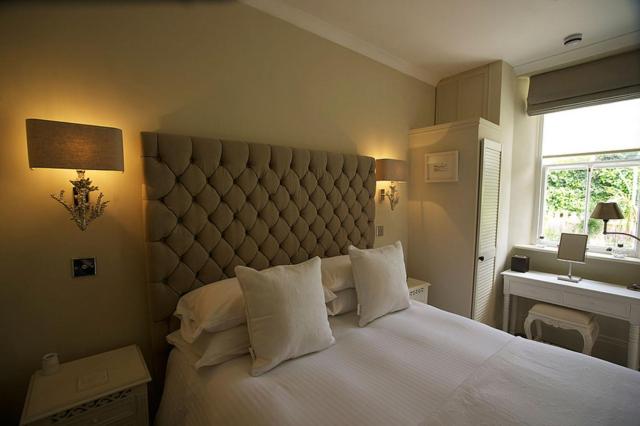
Fistral Beach keeps Newquay on every surfer’s radar. The waves work for beginners and those chasing something bigger. Surf schools line the sand, offering lessons and rentals—no need to book weeks ahead, but go early if you want a spot in the car park during summer.
You can rent boards by the hour or book a package at one of the surf shops nearby. The Headland Hotel looks right over the beach and is a handy spot for lunch after a morning in the water.
Nightlife and Dining Hotspots
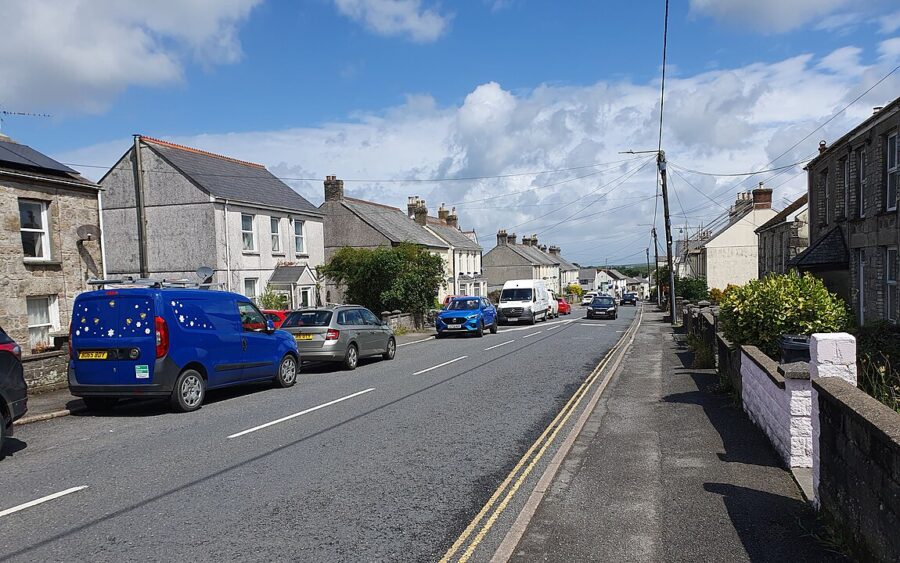
Newquay’s evenings range from lively bars to quieter bistros. Fore Street and the harbor area light up after sunset, with seafood spots and cider that actually tastes like apples. Near Fistral, some places serve up ocean views and stay open late with DJs—never feels forced.
For something quick, the fish and chip shops near Towan Beach do it right—thick chips, fresh fish, no fuss. If you want a proper night out, Belushi’s or Sailors are popular, especially during surf events. Personally, I lean toward the smaller pubs near the harbor—less noise, more character.
Family-Friendly Attractions in Newquay

There’s more than just surf here. The Blue Reef Aquarium on Towan Promenade lets you see rays, turtles, and reef sharks up close. It’s compact and the staff actually know their stuff, which makes a difference.
Families often stay near Porth Beach or Lusty Glaze, where the water’s calmer and tide pools keep kids entertained. The coastal walks are well-marked and easy enough for a casual afternoon out.
If you fancy a little adventure, grab an ice cream and follow the path west toward Pentire Head. You’ll get big Atlantic views and a bit of peace away from the busiest beaches. Sometimes the simplest walks are the ones you remember.
3. Penzance, Marazion & West Cornwall Towns

This part of Cornwall balances art, history, and those sweeping sea views. Old streets, tidal islands, and a few places to stay that make you feel like you’ve actually landed in Cornwall.
Culture and Art in Penzance

Penzance mixes stone lanes with a creative streak that’s hard to miss. The town sits on Mount’s Bay, and you’ll spot Georgian buildings and little galleries tucked between pubs. I once lost a whole afternoon in Morrab Gardens, just reading under the palms—it’s surprisingly calm for a town center.
Chapel Street is lined with independent art shops, quirky antiques, and locals who’ve been here forever. The Exchange Gallery brings in modern shows, while Newlyn Art Gallery just down the road focuses on Cornwall’s contemporary side. There’s a definite sense that artists and sailors both come here for the quality of the light.
If the weather’s on your side, take a swim in the Jubilee Pool, a 1930s Art Deco lido—now partly geothermally heated. For an affordable overnight, YHA Penzance is a clean, simple base within walking distance of both Penzance center and Newlyn’s harbor studios.
Exploring St Michael’s Mount
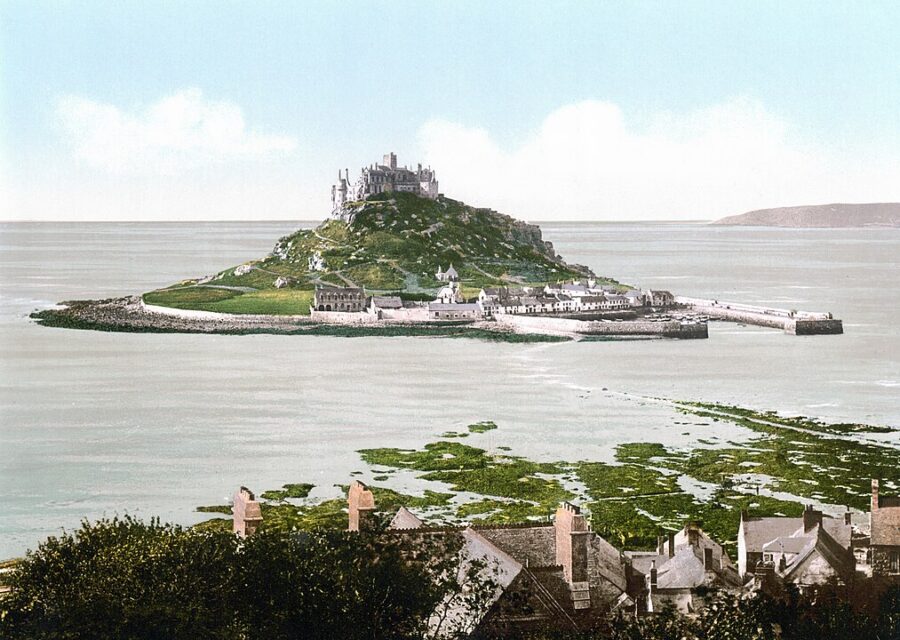
Marazion sits a few miles east of Penzance, and it’s noticeably quieter. Its main draw—St Michael’s Mount—is unmissable: a castle-topped island rising from the bay. When the tide’s out, you can walk the stone causeway across the sand; at high tide, little boats ferry you over instead.
The gardens and castle are worth the climb, especially if you get there before the crowds. Inside, you’ll find medieval armor and family portraits from the St Aubyn lineage. Grab a coffee at the café overlooking the water—honestly, the view makes you pause.
Marazion Beach stretches wide and open, perfect for barefoot walks or watching windsurfers. Parking fills quickly in summer, so plan ahead. There’s something satisfying about strolling the shoreline as St Michael’s Mount fades behind you with the incoming tide.
Where to Stay for Coastal Adventures

West Cornwall is easiest when you base yourself close to both beaches and fishing villages. For Mount’s Bay views, The Godolphin in Marazion has rooms overlooking the water. In Penzance, The Dolphin Tavern and The Dock Inn offer classic pub stays with solid food and seafront access.
If you’re after quiet, YHA Penzance sits on the town’s edge, surrounded by greenery and feeling more rural than it is. You’re a short drive from adventure spots like Sennen Cove, Mousehole, and Porthcurno. From cliff walks along Cape Cornwall to swimming in hidden coves, this part of Cornwall rewards anyone who loves the sea.
Bring sturdy shoes, a rain jacket, and just accept that sand gets everywhere. That’s the unofficial dress code.
4. Padstow & Camel Estuary: Food, Beaches, and Trails
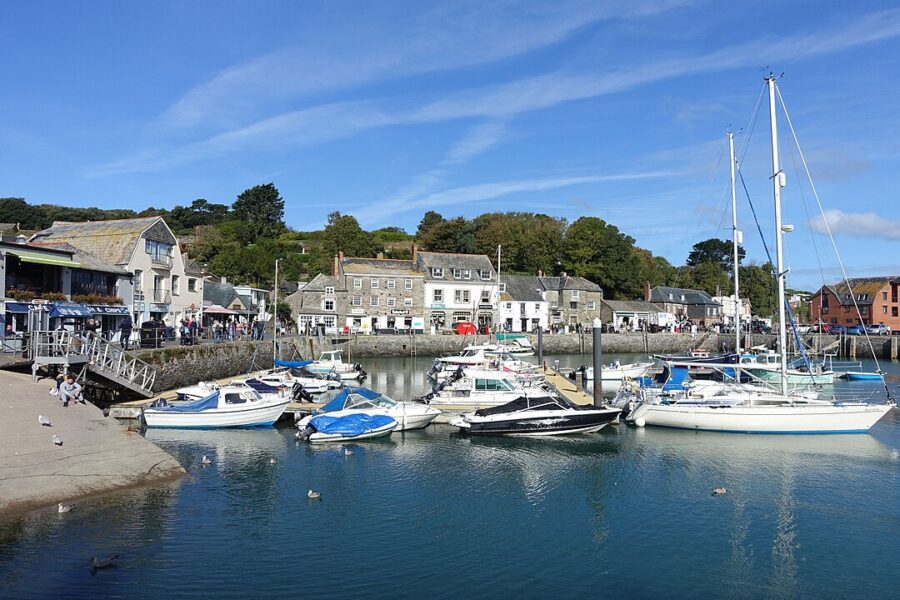
Padstow sits on the Camel Estuary along Cornwall’s north coast. It’s a place for seafood, coastal walks, and easy cycling routes inland. The area blends food, sea, and open-air adventure in a way that feels both laid-back and a bit polished.
Dining and Food Experiences

Padstow’s name is practically shorthand for seafood. You’ve got Rick Stein’s famous restaurants, but also small cafés serving crab sandwiches fresh off the boat. The harbor smells of salt and frying batter in summer, with lines for takeaway fish and chips as boats drift by.
For a slower meal, book a table overlooking the Camel Estuary—think scallops, mussels, and a glass of Cornish white. Once, I tried smoked mackerel pâté near the quay—so fresh it almost sparkled. Or wander a street or two back for pub classics or bakeries selling pasties that’ll keep your hands warm on a windy walk.
Eating well here doesn’t mean blowing your budget. Some places offer midweek set menus, and food trucks sometimes line the quay. Coming during quieter months makes it easier to nab a table and avoid peak prices. If you’re flying in, keep an eye on flight deals or cheap tickets—might as well save for dessert.
Beaches and Outdoor Activities
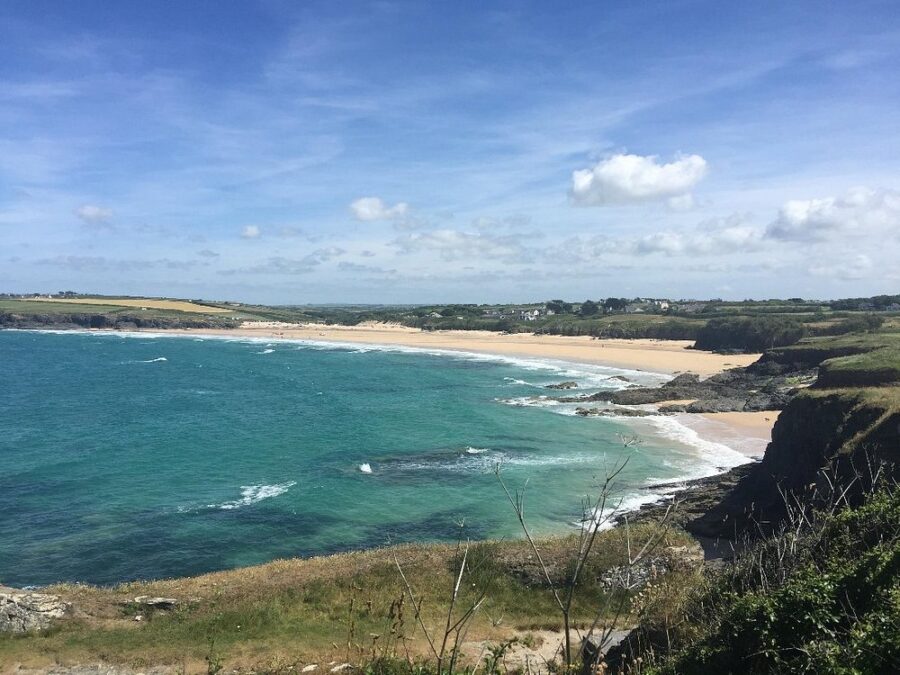
Padstow’s nearby beaches flip from calm to wild in minutes. Harlyn Bay and Constantine Bay are a quick drive—great for surfing or bodyboarding. On calm mornings, you’ll find long stretches of sand to wander.
The weather changes fast, so a light jacket is a must. One minute you’re sunbathing, the next the wind’s up, and waves crash over the rocks. Lifeguards watch these beaches in summer, and a few small cafés open by the dunes for quick coffee breaks.
Plenty of folks take the little ferry across to Rock. It’s a short ride, but it gives you a different view of the coast. Swim, paddleboard, or poke around the shops near the landing.
Camel Trail and Nearby Villages

The Camel Trail runs about 18 miles along a former railway, connecting Padstow to Wadebridge and Bodmin. It’s mostly traffic-free—perfect for cycling, jogging, or long, easy walks. I rented a bike one spring and followed the path as the mist lifted over the estuary—quiet enough to hear birds echoing from the mudflats.
You’ll pass old stone bridges and picnic spots on the way. Wadebridge is a great coffee stop, and if you continue, Bodmin feels more wooded and enclosed. The route’s gentle and wide, so it works for families.
From Padstow, it’s an easy drive to Port Isaac, a village of narrow lanes and fishing cottages. Spend an hour or two wandering—it’s photogenic, but not overly polished. Between that and the Camel Trail, you’ll see Cornwall’s quieter side.
See Related: Best Places to Visit in Europe This Year
5. Family-Friendly and Relaxing Coastal Retreats

Cornwall’s coast mixes fun and calm in ways that surprise you. In some towns, kids hunt crabs in rock pools while parents find a quiet bench for tea and sea views. The best spots balance outdoor play, family comfort, and those small, peaceful moments that stick in your memory.
Looe: Best for Families
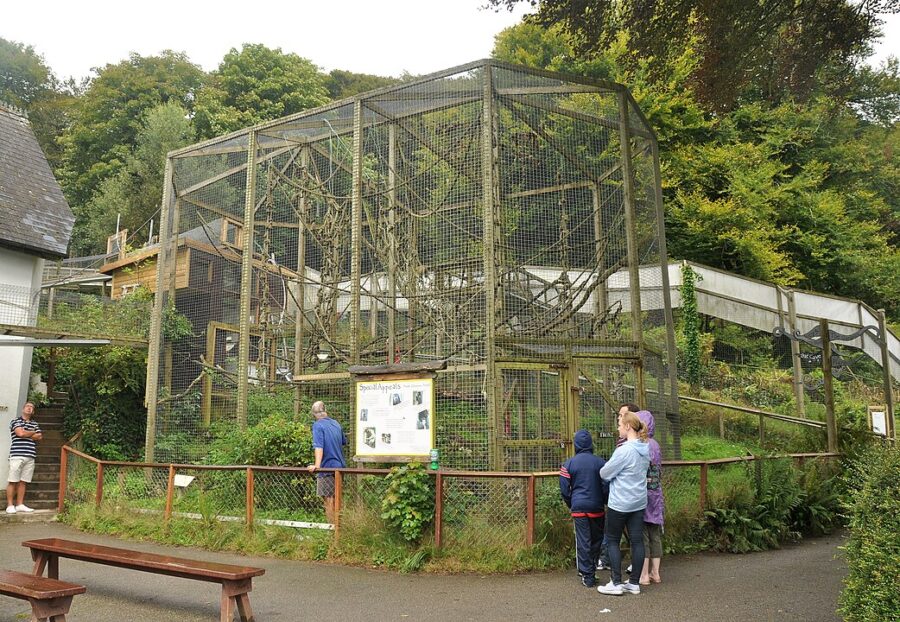
Looe is small enough that you can actually relax. The main beach sits right in town, so you’re not hauling buckets and towels far. When the tide’s out, kids hunt for shells and tiny fish, and you can grab a coffee without losing sight of them.
There’s plenty to fill a few days. The Monkey Sanctuary up in the valley is always a hit—the rescued monkeys have enough personality to keep everyone entertained. If you want more activity, take a boat trip or stroll the coastal path for dramatic views.
Most hotels and cottages here cater to families, with self-catering units and space to breathe after a sandy day. The pace suits kids who tire easily and parents who’d rather not drive between attractions.
Bude: Active Holidays Up North

On the north coast, Bude leans adventurous. Wide beaches stretch for miles, and surfers queue for waves even in drizzle.
If you like keeping the kids busy, Bude makes it easy. There are safe tidal pools, kayaking along the canal, and plenty of options for fun day tours and activities through local excursions.
The town stays friendly and unpretentious. You’ll find family-run guesthouses next to cafés serving fish and chips hot from the fryer. If the weather turns (it does), Bude’s indoor pool and play centres save the day.
Summer evenings here are some of Cornwall’s best. Sit on the cliffs with a blanket, watch surfers catch the last waves, and you’ll sleep well after a full day outdoors.
Fowey: Estuary Charm and Tranquility
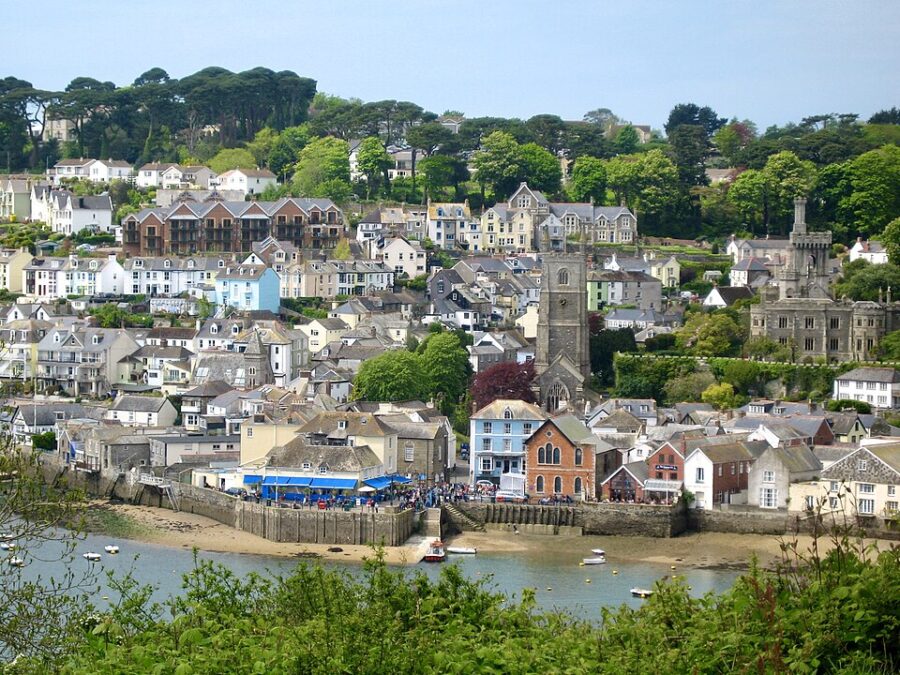
Fowey feels refined but never stuffy. The estuary creates calm waters where you can watch sailing boats and gulls drift by. It’s the kind of place where you spend a morning just sitting by the quay, watching the tide roll in.
Families who like things slower tend to love it here. The town’s compact, so you’re never far from food or beaches.
Take a ferry to Polruan or explore the shops tucked into narrow lanes. For kids, there’s just enough to do—small beaches, short river walks, and plenty of ice cream stops.
A handful of high-quality hotels sit above the harbour with family suites and spa treatments for tired parents. Add nearby woodland trails and sea views, and Fowey quietly wins you over.
6. Unique Cornish Destinations and Nature Escapes

Cornwall’s south coast blends peaceful coves, subtropical gardens, and small cultural cities with more to offer than you’d guess. You’ll move from wild cliffs to art spaces, theatres, and green retreats that make you want to linger.
The Lizard Peninsula: Wild Beauty and Seaside Walks
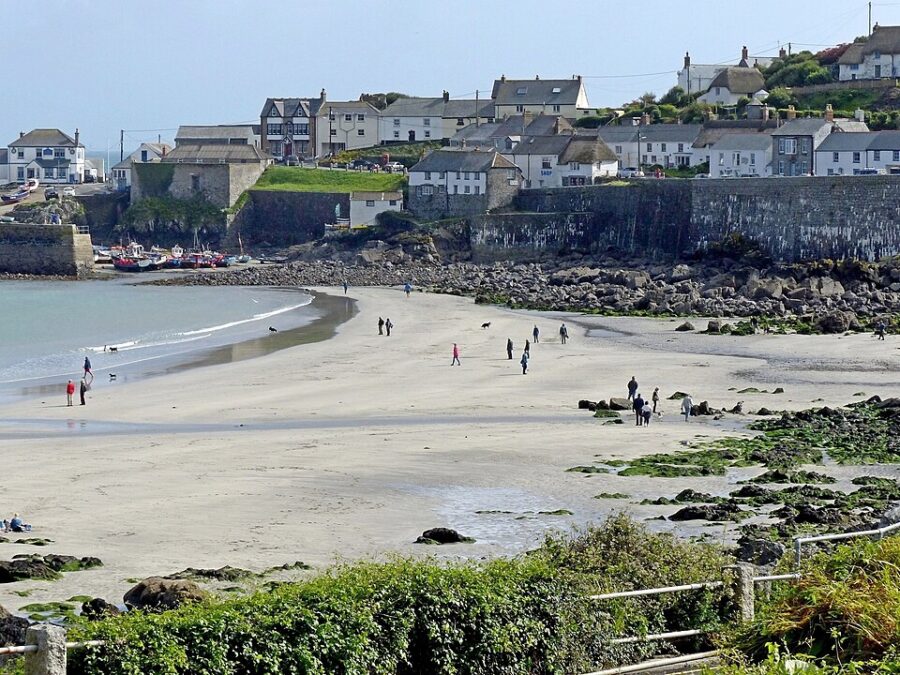
Drive down to the Lizard Peninsula and the roads narrow and twist toward sea views that look untouched. At Lizard Point, the southern tip of mainland Britain, cliffs drop into turquoise water and seabirds gather on the rocks. The coastal path here is steep in places, but the scenery’s worth it.
Villages like Mullion and Cadgwith keep their old-fashioned charm. Some cottages still have thatched roofs, and the harbors fill with tiny fishing boats. I still remember stopping for a crab sandwich near Kynance Cove—the sea spray reached my table.
For planning cliff walks or sightseeing, check out guided experiences and things to do, and tours. Local guides often know quiet paths you’d miss on your own.
Falmouth & Truro: Culture, Castles, and Gardens

The port town of Falmouth blends maritime history with art and live music. You’ll see sailboats across the harbor and the impressive Pendennis Castle on the headland, a nod to Cornwall’s naval past. The castle grounds are great for photos, especially at sunset.
Truro, just a short drive away, feels small but lively. Hall for Cornwall hosts everything from comedy to dance, and the Royal Cornwall Museum covers local geology, archaeology, and art. I’ve wandered its rooms on rainy days—it’s calm and never rushed.
Gardens, Theatres, and Unexpected Finds

Cornwall hides gardens that feel half-wild, half-curated. The Lost Gardens of Heligan wind through giant rhubarb, ferns, and ponds that look straight out of a film set.
Not far off, the Eden Project shows how plants shape different ecosystems. Those massive biomes are almost otherworldly, especially on hot days when the air thickens like a rainforest.
Then there’s the Minack Theatre, carved into coastal cliffs above Porthcurno. Watching a play with the sea as backdrop is hard to forget—I once sat there with a blanket and Cornish pasty, feeling like the ocean was part of the show.
If you’re planning a trip that blends nature, history, and performance, here’s a quick checklist:
- Minack Theatre: open-air plays with ocean views
- The Lost Gardens of Heligan: semi-wild Victorian gardens
- Eden Project: sustainable education and plant biomes
Each one invites you to slow down and see Cornwall’s creative side.
See Related: Breathtaking Best Beaches in Europe (With Hidden Gems!) 🏖️
Frequently Asked Questions

Cornwall draws visitors with its mix of rugged coastlines, charming fishing villages, and an easy-going atmosphere year-round. Some towns shine in colder months, while others are better for romance, coastal walks, or higher-end stays.
What are the top-rated locations in Cornwall for a winter getaway?
Cornwall in winter just hits differently—you get this u003ca href=u0022https://www.realjourneytravels.com/europe-winter-travel-without-crowds/u0022u003equiet magicu003c/au003e that summer can’t touch. St Ives, Padstow, Falmouth, and Mousehole stay lively, but you won’t have to elbow through crowds. You can wander empty beaches, grab proper fish and chips, and watch storms roll in from a warm pub by the sea.u003cbru003eBude’s also worth a look if you want wide-open space and a bit of wildness. It’s calm, not empty, and you’ll still spot surfers braving the cold. If you arrive early or need to stash your bags, there’s handy u003cstrongu003eu003ca href=u0022https://nannybag.pxf.io/09zYz3u0022u003eluggage storageu003c/au003eu003c/strongu003e nearby, so you can roam around without dragging your suitcase.
Can you recommend romantic retreats for couples in Cornwall?
For peace and a little luxury, Padstow and St Mawes are hard to beat. Padstow’s food scene is perfect for slow dinners and wine by the water. St Mawes feels private, with small beaches, standout seafood, and those classic views across the Fal.u003cbru003eIf you want something quieter, Mousehole is tiny but full of charm—especially when the harbor’s lit up in winter. It’s the kind of place where you can just wander, talk, and completely lose track of time.
Which areas of Cornwall are most accessible for travelers without a car?
Falmouth is easily the top choice. You can get there by train, ferry, or bus, and once you arrive, it’s simple to walk to shops, galleries, and beaches. St Ives is another good option—yes, the hills are a workout, but the train ride along Carbis Bay is worth it on its own.u003cbru003eIf you want a base with solid transport links, Truro is reliable. It’s small but connects well to places like Falmouth or Perranporth.
What are the best coastal towns in Cornwall for a seaside vacation?
For classic beaches and surf, Newquay and Bude are your best bets. Newquay’s got long sandy stretches—great for learning to surf or just watching the experts.u003cbru003eIf you’d rather slow things down, check out St Ives or Fowey. u003cbru003eTheir beaches are smaller and tucked away, with calm water and independent shops close by. And honestly, walking the clifftops around Marazion or Rock at sunset is a must—can’t recommend it enough.
Could you suggest some distinguished hotels in Cornwall for an upscale stay?
Padstow has boutique hotels with menus from well-known chefs—ideal if you want style and food to match. Across the estuary in Rock, you’ll find waterside luxury where you can step right onto the sand.u003cbru003eBodmin’s old jail is now a dramatic, surprisingly comfortable hotel—definitely unique. Falmouth also has elegant harbor hotels with good service and easy access to sailing or paddleboarding.
As a first-time visitor, what part of Cornwall should I explore for an authentic experience?
St Ives is tough to top for your first go. The art scene buzzes, the harbor’s always alive, and that sharp, salty air hits you right away. u003cbru003eGrab a hot pasty and park yourself by Porthmeor Beach—you’ll see locals diving into the freezing water like it’s nothing. That’s Cornwall showing off.u003cbru003eIf you can spare a day, drive inland to Bodmin Moor. It’s windswept, almost haunting, and packed with old legends. The landscape feels raw, and you’ll get a sense of Cornwall’s wilder edge—no filters needed.


