Last modified August 17, 2026
Wandering through Lisbon’s oldest streets in Alfama, you’ll feel like you’ve stepped into another era. Fado music floats from open windows, the air smells of grilled sardines, and pastel balconies display laundry flapping in the breeze. If you’re looking for Lisbon’s history, charm, and daily rhythms, an Alfama itinerary pulls it all together in one walkable neighborhood.
There’s no need to rush—this is a place that rewards you for slowing down. From the hilltop São Jorge Castle to the Portas do Sol viewpoint, every corner has its own story. I’ve lost track of how many hours I’ve spent getting lost in these alleys, always stumbling on something new—a quiet chapel, a hidden courtyard, or a street musician just playing for the love of it.
Key Takeaways
- How to plan a memorable day exploring Alfama
- Landmarks and corners you really shouldn’t skip
- Cultural and historic moments that make Lisbon come alive
Essential Planning Tips for Your Alfama Itinerary
Visiting Alfama means diving into Lisbon’s oldest and most atmospheric neighborhood. To make the most of your time, think about how you’ll get there, the best time to visit, how to use travel passes, and how to handle those famously steep and winding streets.
How to Get to Alfama
Getting to Alfama is easy from anywhere in Lisbon. The district sits between the Tagus River and São Jorge Castle, just east of Baixa. If you’re flying in, check KAYAK or Skyscanner for deals.
After landing, hop on the metro or grab a quick taxi to the city center. From there, you can walk uphill or catch a tram straight to Alfama. Buses work too, but honestly, they crawl through those narrow streets.
Best Times to Visit and Avoid Crowds
Alfama feels magical all year, but timing makes a difference. Spring (April–June) and fall (September–October) bring mild weather and fewer tourists. You’ll see locals chatting on stoops and the streets stay calm.
Midday in July and August? It gets hot and busy. Early mornings are peaceful—perfect for photos and quiet walks. Evenings work too, especially when fado music drifts from the little taverns.
If you’re here during Lisbon’s June festivals, expect parades and parties that last all night. It’s a blast, but if you’re a light sleeper, pack earplugs.
Using the Lisboa Card for Savings
The Lisboa Card saves both time and money. It covers unlimited rides on public transport—metro, buses, even the famous Tram 28. You’ll also get free or discounted entry to spots like the National Pantheon and Santa Justa Lift.
Buy the card online or at the airport. It’s good for 24, 48, or 72 hours. If you’re hitting a few sights in one day, it pays for itself fast.
I’ve used it a few times—it makes bouncing between neighborhoods like Alfama, Belém, and Chiado a breeze. Just remember to validate it before your first ride.
Alfama’s magic lives in its maze of cobbled lanes. Walking really is the best way to soak it all in. Wear comfortable shoes—the hills are no joke. You’ll stumble on hidden courtyards, tiled walls, and quiet viewpoints you’d never spot from a bus.
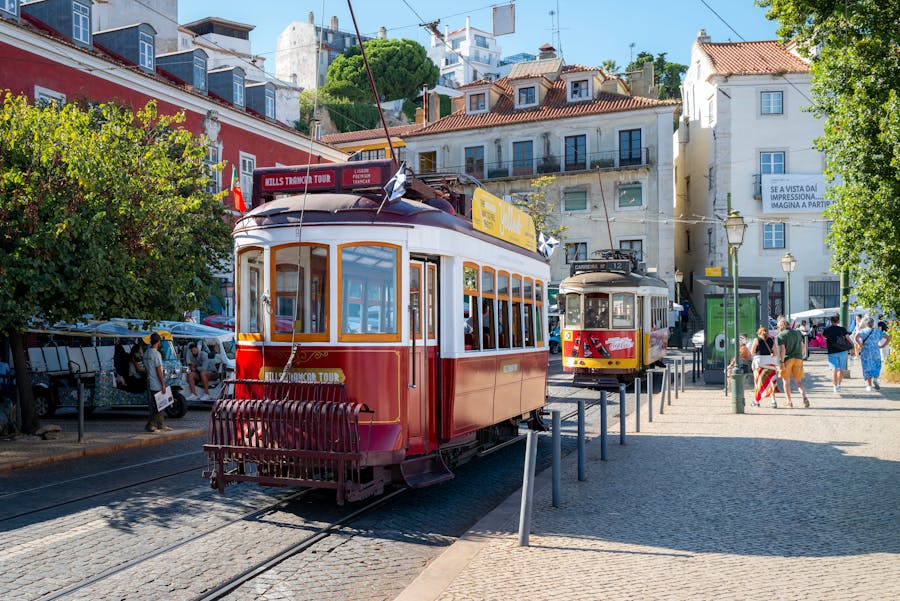
Still, Tram 28 is a classic. The vintage yellow tram winds through Alfama’s skinny streets, rolling past major landmarks. It fills up fast, so go early or late.
If you’re short on time or just tired, the tram helps you cover ground. But honestly, mix it up—ride up, then wander down on foot. That’s when you really feel Lisbon’s pulse.
For some peace of mind, consider travel insurance before your trip. It’s a small thing that can save you a lot of stress if anything goes sideways.
Must-See Sights and Landmarks
Alfama’s appeal comes from its ancient buildings, skinny lanes, and big river views. You’ll see centuries-old monuments next to lived-in homes, with laundry strung above cobbled streets and church bells echoing down the hill.
St. George’s Castle and Breathtaking Views

St. George’s Castle (Castelo de São Jorge) towers above the city. Built during the Moorish era, it still feels like a fortress from another time. The thick stone walls, towers, and battlements give you a sense of Lisbon’s medieval days.
Walk the ramparts for some of the best views of the Tagus River and red rooftops. I’ve lost hours just watching the colors shift over the city. Bring a camera, sure, but don’t forget to just stand and soak it in.
Inside, you’ll find a little museum with archaeological finds and a camera obscura that projects panoramic images of Lisbon. If you want more background, this guide to Alfama’s top attractions is a great resource.
Lisbon Cathedral: A Historic Icon
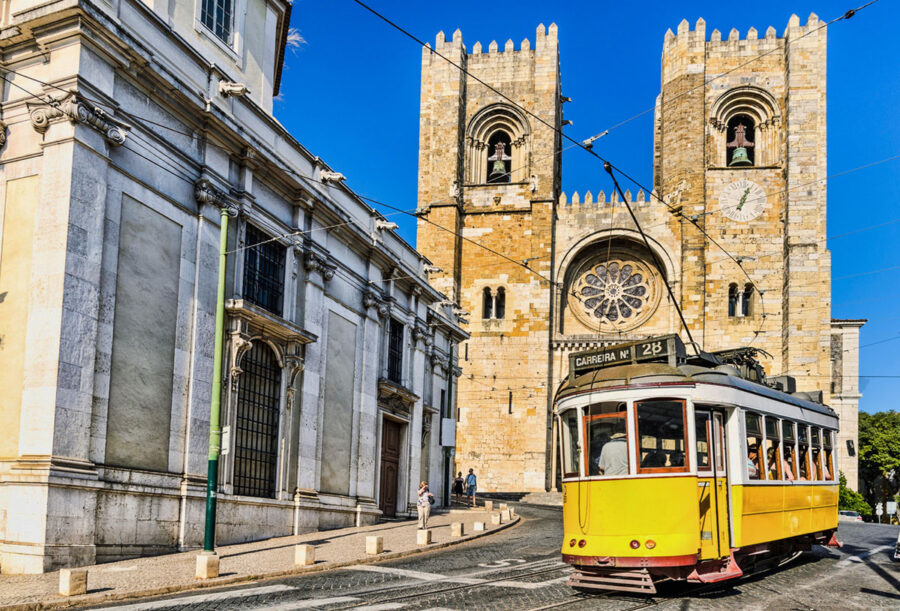
Lisbon Cathedral (Sé de Lisboa) stands as one of the city’s most iconic religious sites. Built in the 12th century, it’s survived earthquakes, fires, and plenty of repairs. The mix of Romanesque and Gothic styles shows Lisbon’s stubborn resilience.
Inside, you’ll find a small chapel for St. Anthony, who was born nearby. Locals still light candles here, especially during his feast. I remember ducking inside on a blazing afternoon—the cool air and faint wax smell made it feel like a quiet retreat.
The treasury holds religious artifacts, including a silver figure of the Baby Jesus used in Christmas processions. For more about the cathedral and nearby sites, check out this Alfama travel guide.
São Vicente de Fora Monastery and Tile Panels
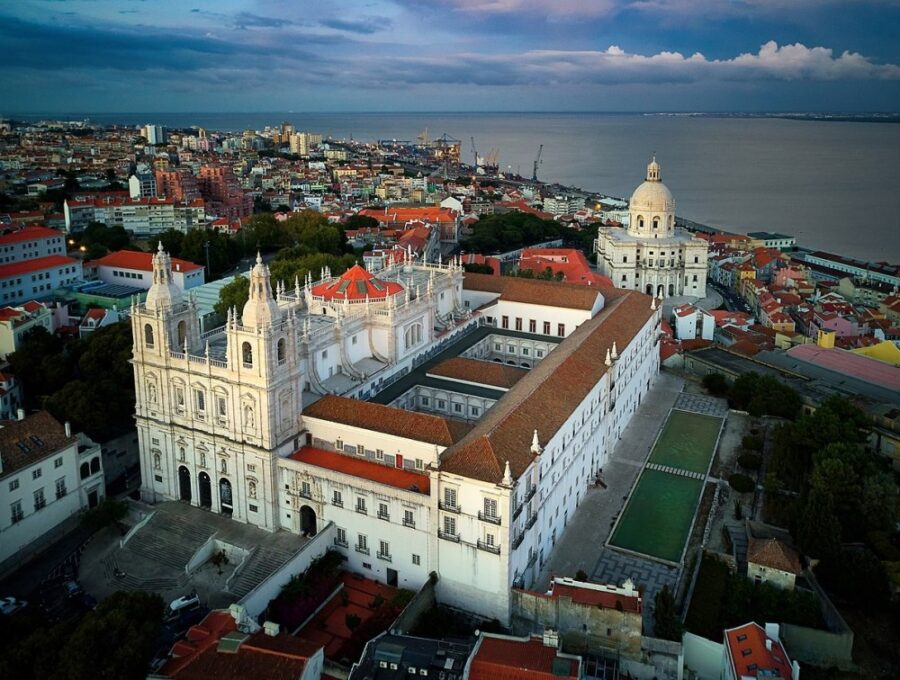
The São Vicente de Fora Monastery doesn’t get as much attention as it should, but it’s one of Lisbon’s most beautiful spots. It’s a quick walk from the Feira da Ladra flea market, easy to spot with its white facade and twin towers.
Step inside to see cloisters covered in blue-and-white tile panels showing scenes from daily life and old fables. I always stop to admire the ones with ships and markets—each one tells a story in ceramic.
The monastery also holds the royal pantheon of the Braganza dynasty and a rooftop terrace with one of Alfama’s best panoramic views. For more info, see this tourism guide to the Alfama district.
Picturesque Streets and Hidden Corners
Alfama’s real magic hides in its skinny alleys, tiled walls, and tiny plazas where daily life just happens. Laundry swings overhead, neighbors chat through open windows, and the smell of grilled sardines drifts from tucked-away taverns.
Rua da Galé and Rua dos Remédios
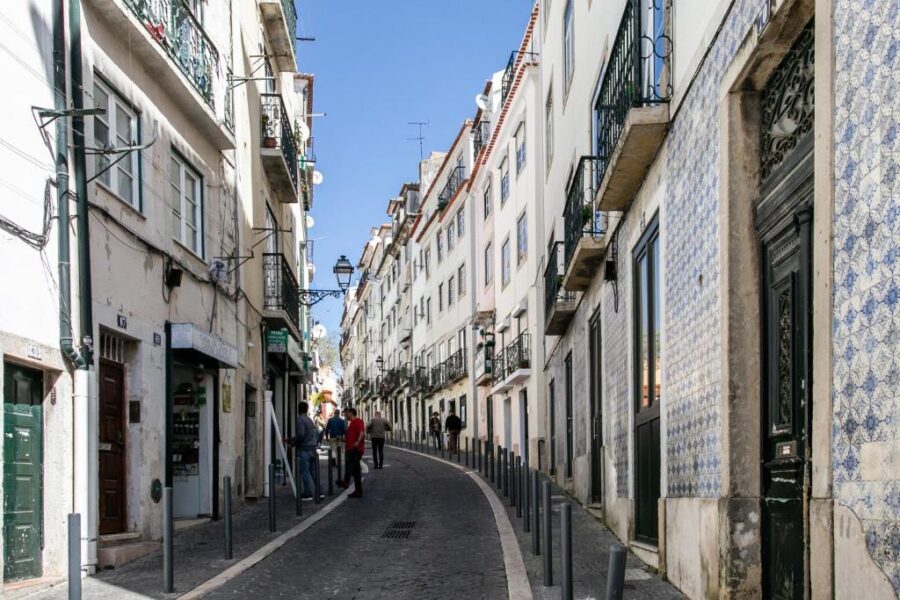
Rua da Galé and Rua dos Remédios run like the heartbeat of Alfama. These parallel streets twist through a maze of little cafés, pastel houses, and azulejo-covered walls. I once ducked into a café for coffee and ended up chatting with a local artist sketching the view—classic Alfama.
Don’t miss:
- Fado bars that come alive after dark
- Family bakeries selling warm pastéis de nata
- Murals and street art hidden behind doorways
If you’re planning ahead, cheap flights can make the trip wallet-friendly. The vibe shifts through the day—quiet mornings, lively nights—so walk both if you can.
Largo do Chafariz de Dentro

This small square feels frozen in time. Largo do Chafariz de Dentro takes its name from an old stone fountain that once supplied water to the area. Now, outdoor cafés surround it, perfect for resting your feet and watching trams rattle past.
The Museum of Fado sits right here, celebrating Portugal’s soulful music. Even if you skip the museum, you’ll often catch live performances drifting out in the evenings.
I love grabbing a seat at the corner café, ordering a bica, and just watching the world go by. Tourists, locals, musicians—it all blends together in a spot that still feels real.
Jewish Quarter and Rua de São Pedro

Alfama’s Jewish Quarter once held a thriving community before the 15th century. Walking these lanes, especially Rua de São Pedro, you can almost feel the layers of history under your feet. Look closely and you might spot old doorways and symbols carved in the stone.
Today, Rua de São Pedro hosts antique shops and quiet wine bars. It’s less crowded than the main tourist routes, making it perfect for slow wandering.
Pause near the top of the hill for one of Alfama’s most stunning river views—a little reward for taking your time.
Cultural Experiences Unique to Alfama
Alfama pulses with old Lisbon—music echoing through the lanes, locals chatting over grilled sardines, and festivals that spill into the streets. The district’s traditions show that Lisbon’s culture lives on in daily life, not just in museums or on postcards.
Fado Music and the Fado Museum
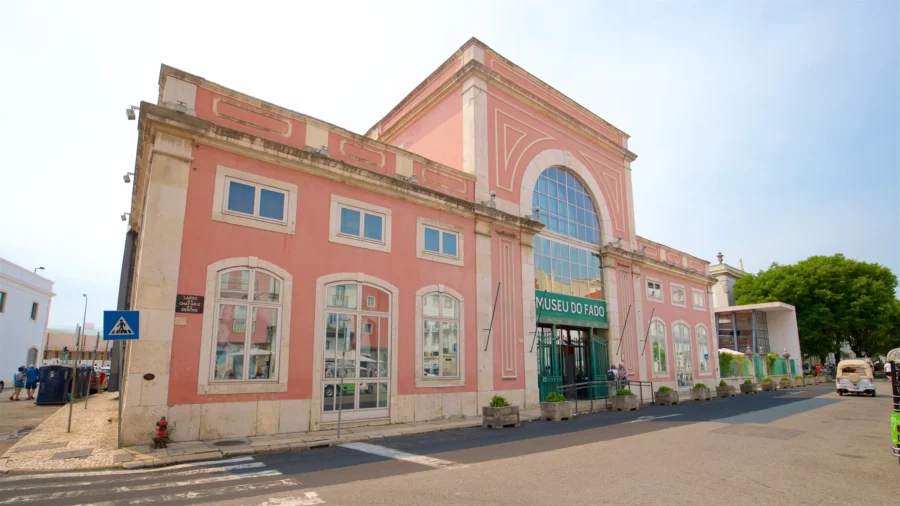
You can’t walk through Alfama without hearing Fado music drifting from a tavern. This soulful style, born right here in Lisbon’s working-class neighborhoods, tells stories of love, longing, and everything in between. Most nights, you’ll find tiny bars where singers pour their hearts out, backed by nothing but a Portuguese guitar.
I always make time for the Museu do Fado, where you can trace the history of this UNESCO-recognized art form. The exhibits—old recordings, instruments, portraits of legendary fadistas—help you appreciate what you’ll hear later that night in a live show.
Traditional Restaurants and Alfama Cuisine

Food in Alfama has that homemade vibe. Traditional restaurants squeeze into old stone buildings, often with handwritten menus and just a handful of tables. The scent of grilled sardines, cod, and garlic drifts out of open windows, especially in summer.
I always tell friends to try bacalhau à brás—shredded cod, eggs, and potatoes. It looks humble but tastes like comfort. Pair it with a glass of vinho verde and you’ll understand why locals linger over lunch.
Some spots host Fado nights, where dinner turns into a show. If you’d rather explore on your own, book walking and tasting tours through Viator. These usually include stops at family-run taverns and pastry shops tucked into the picturesque backstreets.
Street Festivals and Local Life

In the Alfama district, life spills out onto the streets, especially when summer festivals roll around. The wildest of all? Definitely the Festas de Santo António in June. Locals string up ribbons on their balconies, sardines sizzle on every corner, and the whole neighborhood turns into one big, joyful party that lasts until the early hours. It’s crowded, noisy, and honestly, you can’t help but get swept up in it.
Even when there’s no festival, Alfama never really slows down. On any given weekend, you might bump into a flea market tucked into a side street, a church procession winding through the alleys, or just a group of neighbors sharing a bottle of wine on the pavement. That’s the magic here—it’s not staged or polished for tourists; it’s just real life, happening right out in the open.
If you pause for a chat with someone who lives here, you’ll see how these traditions keep Alfama’s soul alive. There’s a kind of authenticity that makes you want to stay just a bit longer, even if you only meant to pass through.
Historic Churches and Religious Heritage
Lisbon’s oldest quarter shelters some of the city’s most meaningful sacred spaces. Church towers rise above the tangled lanes, each one a marker of centuries of devotion, art, and daily rituals. These buildings tell their stories through chipped stone carvings, blue-and-white tiles, and chapels that still draw both locals and travelers.
Igreja de Santo Estêvão
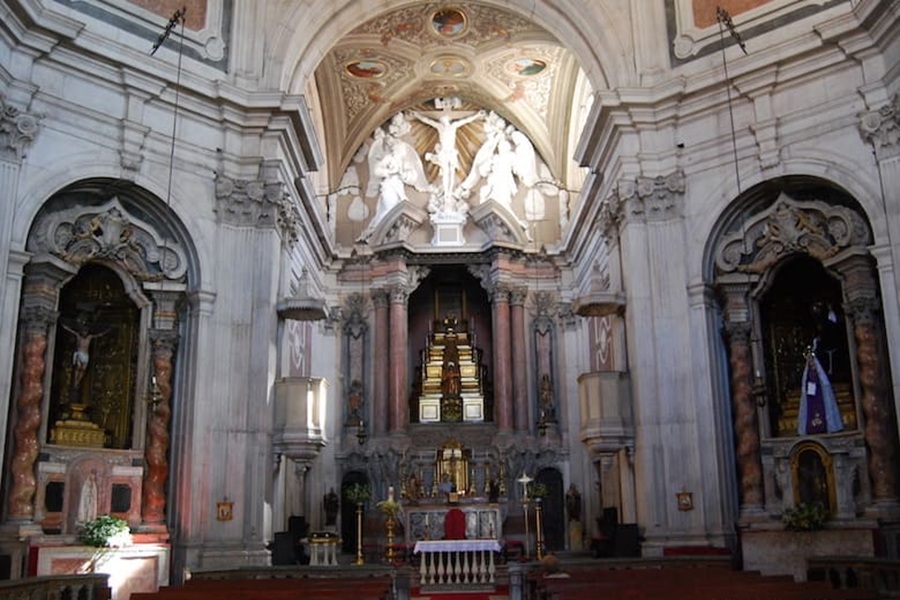
You’ll spot Igreja de Santo Estêvão perched on one of Alfama’s gentle hills, a bit hidden from the main drag. Its white façade and bell tower pop against the terracotta roofs, and inside, sunlight filters through high windows, casting a warm glow over gilded altars and painted ceilings.
People built the original church in the 12th century, then rebuilt it after the 1755 earthquake shook everything up. When I ducked inside on a sweltering afternoon, I immediately felt the hush—just the creak of old wood and the faintest echo of footsteps.
Climb up to the nearby terrace and you’ll catch a sweeping view of the Tagus River and Alfama’s maze of alleys. Not many big tour groups make it here, so it’s peaceful—a perfect spot to soak in the quiet side of old Lisbon.
Igreja de São Miguel
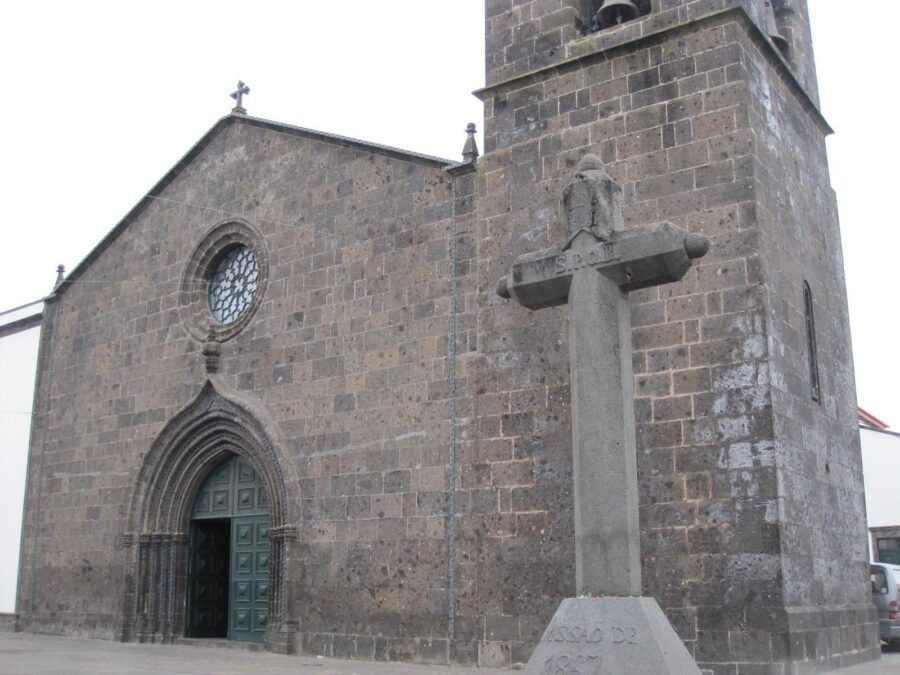
A short stroll downhill gets you to Igreja de São Miguel, a small but lively parish church anchoring one of Alfama’s central squares. During June’s celebrations for St. Anthony, Lisbon’s favorite patron, this place fills up with locals.
Step inside and you’ll find a Baroque interior that surprises most people—golden woodwork frames statues of saints, and the side altars show off delicate carvings of angels and the Baby Jesus. It’s not huge, but it feels warm and lived-in.
Once, I wandered in during a wedding rehearsal. The doors stood open, voices bounced off the stone, and for a moment, you could forget you were a visitor. These churches aren’t just monuments—they’re woven into daily life. Sometimes you’ll even catch kids playing outside while the bells ring overhead.
National Pantheon and Its Dome

The National Pantheon (locals call it Santa Engrácia Church) dominates the skyline with its massive white dome. It’s impossible to miss and stands as one of Alfama’s most iconic landmarks. Inside, you’ll find the tombs of national heroes, poets, and presidents.
Builders took their time with this one—it wasn’t finished until the 20th century. The interior feels open and bright, with marble floors laid out in geometric patterns. Climb to the dome’s terrace for one of the best views of the Tagus River and Alfama’s rooftops.
I always tell friends: don’t rush it here. Wander the galleries, read the inscriptions, and just let the place sink in. It’s both a spot for remembrance and a calm refuge, a real reminder of Lisbon’s enduring spirit.
Museums and Offbeat Attractions
Alfama packs in some of Lisbon’s most fascinating museums—quiet corners where the city’s layers of history come alive. You’ll stumble across stories buried beneath Roman ruins and memories of those who fought for freedom in tougher times.
Lisbon Museum and Roman Theater
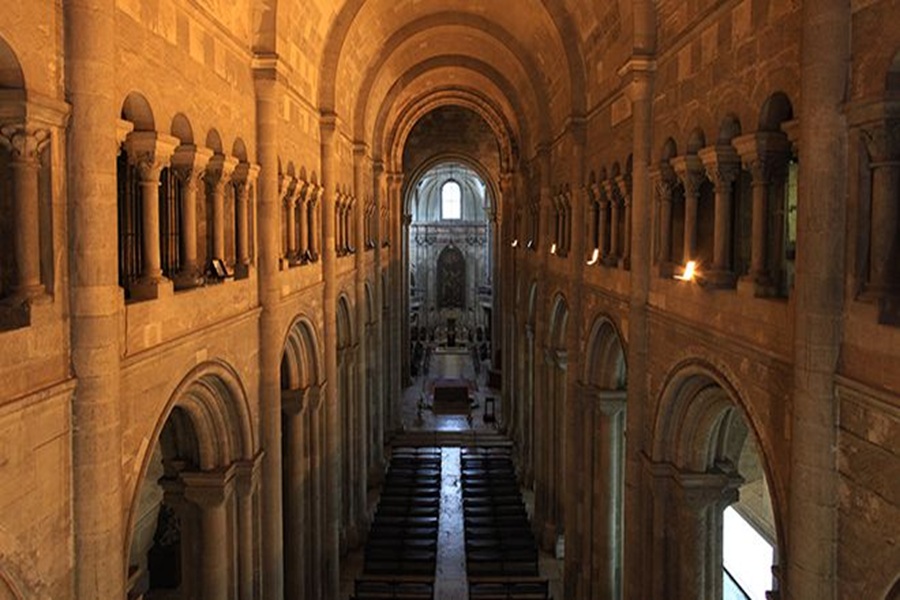
Tucked into the Alfama hillside, the Lisbon Museum and its Roman Theater give you a glimpse of the city long before the 1755 earthquake changed everything. The museum sits beside the excavated remains of a 1st-century Roman stage—yes, the real deal, where people once gathered for plays and civic meetings.
You can wander among ancient stone seats and spot fragments of columns that somehow survived centuries of earthquakes and city rebuilds. Inside, the museum displays pottery, coins, and sculptures dug up right here. It’s not big, but it’s packed with details.
The exhibits connect you to daily Roman life—what people ate, how they worked, how they entertained themselves. Unlike the larger museums uptown, this one feels personal, almost like you’ve stumbled upon a secret.
If you’re figuring out your route, the Lisbon Portugal Tourism guide lists all the details, including maps and directions through Alfama.
Aljube Museum: Stories of Resistance
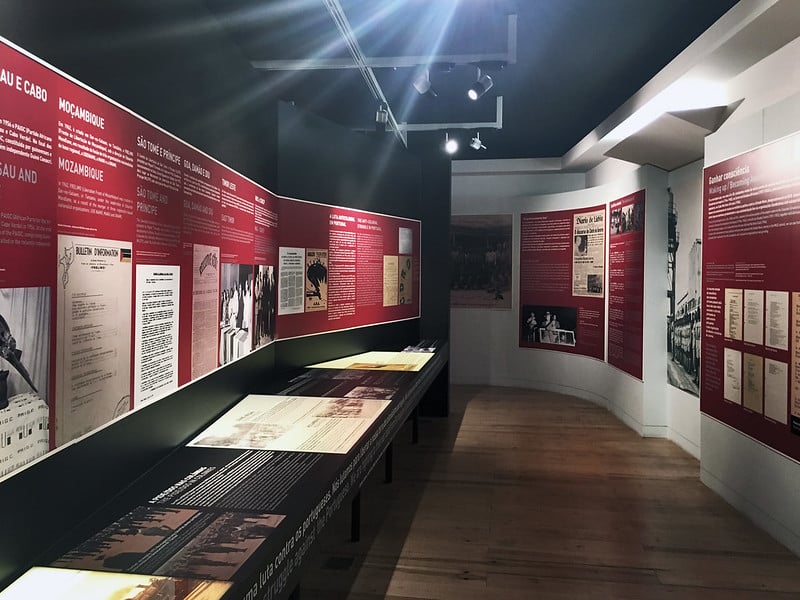
Just a short walk away, the Aljube Museum dives into a much darker chapter—Lisbon’s years under dictatorship. Set in a former political prison, the museum honors those who resisted the Estado Novo regime.
Each floor tells a piece of the struggle: underground newspapers, prison letters, and personal stories from people who refused to stay silent. The preserved cells are cold and narrow, a stark reminder of how fragile freedom can be.
I remember standing in front of a note scratched into the wall by a prisoner—it’s the kind of thing that sticks with you. The museum doesn’t overdo it; it just lets the stories speak for themselves.
For a full cultural route that includes the Aljube and other gems, the Alfama Cultural Guide lays out all the meaningful stops.
Frequently Asked Questions
Wandering Alfama means weaving through Lisbon’s oldest streets, where every corner hides a story. You’ll stumble on viewpoints, historic landmarks, and tiny spots that give the neighborhood its timeless charm. Go slow—this isn’t a place you want to rush.
What are the must-see landmarks when touring Alfama?
Don’t miss the u003cstrongu003eSé Cathedralu003c/strongu003e—it’s Lisbon’s oldest church—and the u003cstrongu003eCastelo de São Jorgeu003c/strongu003e, where you can take in sweeping city views. I always make time for u003cstrongu003eMiradouro de Santa Luziau003c/strongu003e; it’s a favorite for photos (and locals love it too). If you’re curious about Alfama’s musical side, the u003cstrongu003eFado Museumu003c/strongu003e is a must.
Can you recommend a route for a self-guided walking tour of Alfama?
I usually start near u003cstrongu003ePraça Martim Monizu003c/strongu003e and wind my way up to the castle. Then I head down through u003cstrongu003eRua de São Miguelu003c/strongu003e and u003cstrongu003eLargo do Chafariz de Dentrou003c/strongu003e. This path covers many of the highlights you’ll find in the u003ca href=u0022https://theabroadguide.com/lisbon-alfama-old-town-viewpoints-and-more-tuktuk-tour/u0022 target=u0022_blanku0022 rel=u0022noreferrer noopeneru0022u003eLisbon: Alfama Old Town TukTuk Touru003c/au003e, but walking lets you stop for coffee or photos whenever you want.
I’m a fan of the tiny u003cstrongu003eBeco das Cruzesu003c/strongu003e—the street art changes all the time, so you never know what you’ll find. There’s also a cozy courtyard café near u003cstrongu003ePortas do Solu003c/strongu003e serving homemade ginjinha. The u003ca href=u0022https://travel-buddies.com/alfama-and-mouraria/u0022 target=u0022_blanku0022 rel=u0022noreferrer noopeneru0022u003eAlfama and Mouraria walking touru003c/au003e points out a few little shops selling hand-painted tiles—definitely worth a look if you’re into crafts.
How much time should one allocate for a thorough exploration of Alfama?
Give yourself at least half a day, but honestly, a full day is better if you want to check out museums or linger at viewpoints. The u003ca href=u0022https://travel-buddies.com/alfama-and-mouraria/u0022 target=u0022_blanku0022 rel=u0022noreferrer noopeneru0022u003eAlfama and Mouraria touru003c/au003e lasts about two hours, which covers the basics, but you’ll want more time if you like to wander.
Where is the ideal place to begin a walking tour in Alfama?
I usually kick things off near the u003cstrongu003eTime Out Marketu003c/strongu003e or u003cstrongu003ePraça Martim Monizu003c/strongu003e—both are easy to reach by tram or metro. Lots of guided tours, like the u003ca href=u0022https://www.world-tourism.org/tuk-tuk-lisbon-alfama-viewpoints-local-flavors/u0022 target=u0022_blanku0022 rel=u0022noreferrer noopeneru0022u003eTuk-Tuk Lisbon: Alfama, Viewpoints u0026amp; Local Flavorsu003c/au003e, start around here too. They’re central and make it easy to loop back when you’re done.
What are some authentic local experiences available in Alfama?
Slip into a tiny tavern after dark and let a live u003cstrongu003eFado performanceu003c/strongu003e wash over you—trust me, there’s nothing quite like it. Grab a plate of grilled sardines at a no-frills, family-run tasca. Wander through the morning market, maybe strike up a conversation with a vendor or two. And if you happen to be around during a neighborhood festival, don’t just watch—jump in. The music, the laughter, the chaos in the streets… it’s Alfama at its best.


