Weekend in Vienna Itinerary: 2 Perfect Days of Culture & Cuisine
Updated October 20, 2025
Vienna feels like a city built for weekends. You can wander from grand palaces to cozy cafés, never feeling rushed. The Austrian capital blends history, art, and everyday charm in a way few places do. This weekend in Vienna itinerary lays out exactly how to hit the highlights, taste that famous coffee, and still have time to get a little lost.
You’ll walk through imperial courtyards, sip espresso where composers once sat, and spot flashes of modern Vienna tucked between centuries-old buildings. I’ve spent more weekends here than I can count, and every time, I slip right into Vienna’s rhythm—slow mornings, lingering lunches, and evenings wrapped in music.
Key Takeaways
- Plan a balanced weekend exploring Vienna’s top sights and neighborhoods.
- Discover local food, cafés, and cultural experiences worth your time.
- Find simple tips to make the most of your short stay in Austria’s capital.
Essential Weekend in Vienna Overview

Vienna weaves together imperial history and a laid-back, modern pace. Its charm really comes alive when you’re walking the streets, hopping on a tram, or just losing track of time in a café. A bit of planning goes a long way—especially with timing, transport, and a few local customs.
Must-Know Travel Tips
Vienna’s safe and easy to navigate, but small details can make your trip smoother. Locals care about punctuality, so trains, trams, and tours stick to the schedule. Carry some euros—lots of little cafés still don’t take cards.
If you’re eyeing museums or palaces, grab tickets online to dodge the lines. The Vienna Pass can be handy if you’re ticking off big sights like Schönbrunn Palace or the Hofburg.
Tap water’s clean and straight from the Alps—bring a refillable bottle. And if you’re booking flights, check cheap flights early since weekends fill up fast.
Consider travel insurance from trusted coverage before you go. It’s not required, but it’s smart—especially if you want to bike along the Danube River or take day trips.
Best Time to Visit
Spring (April–June) and fall (September–October) bring mild weather and fewer crowds. Outdoor cafés buzz, but you can still snag a table. Summer means festivals and long daylight—though prices jump and the heat can sneak up on you.
Winter’s another story—Vienna glows with cozy markets and steaming mugs of punch. The Christmas markets turn the city center into a sparkling wonderland, especially around the UNESCO World Heritage Site of the old town.
No matter when you go, pack layers. Vienna’s weather flips fast—sun one minute, drizzle the next. I always keep a small umbrella in my bag; it’s saved me wandering near the Rathaus more than once.
How to Get Around Vienna
Public transport here is a dream—fast, spotless, and simple. The U-Bahn runs late, and trams reach most neighborhoods. Pick up a 24- or 48-hour ticket that covers everything.
If you like walking, Vienna’s center is flat and compact. Sights like St. Stephen’s Cathedral and the Albertina are just a short stroll apart.
Taxis work well but cost a lot, so save them for when you’re tired. For a bit of adventure, rent a bike and follow the paths along the Danube River—you’ll see a side of Vienna most tourists miss.
And hey, cross only when the light’s green. It’s not just polite—locals expect it.
Where to Stay in Vienna
Every Vienna neighborhood has its own vibe. Some keep you close to imperial landmarks, others offer leafy parks or a creative buzz. Where you stay shapes your whole experience.
Innere Stadt: Historic Heart
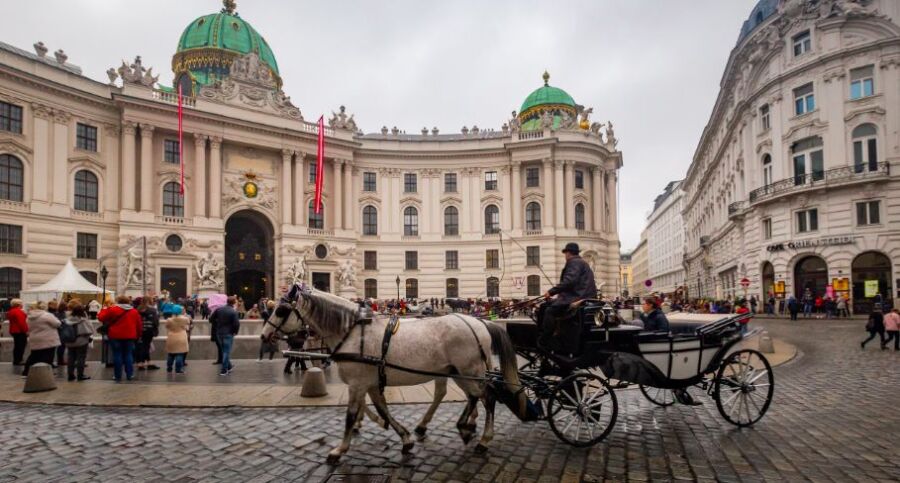
If you want to wake up surrounded by Vienna’s grandest sights, the Innere Stadt is your spot. This 1st District holds St. Stephen’s Cathedral, the Hofburg Palace, and those elegant coffeehouses that never seem to change. You can walk almost everywhere, which makes sightseeing a breeze.
Hotels here range from old-school luxury to tiny boutiques. Prices run high, but you get a front-row seat to Vienna’s best. I once stayed near Graben and could hear church bells echoing off the old walls—it felt like walking through a painting.
For a central base with museums, cafés, and shopping at your doorstep, you can’t beat it. Browse and book city-center hotels through affordable stays.
Leopoldstadt: Riverside Vibes
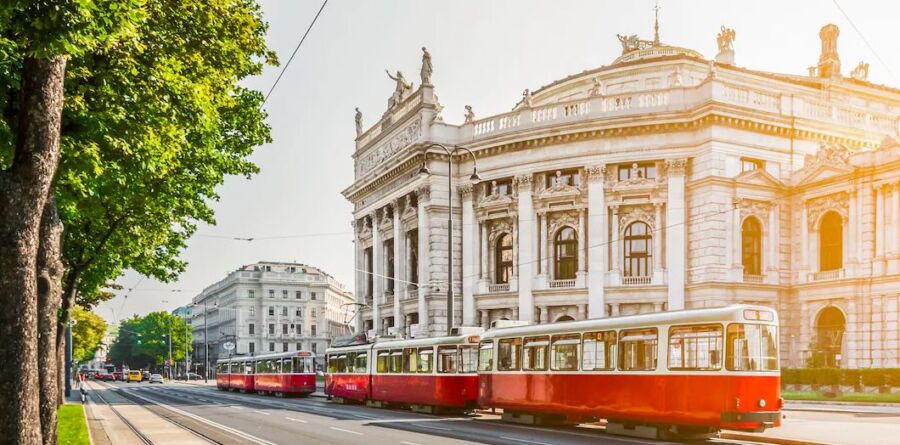
Just across the Danube Canal, Leopoldstadt is calmer but still close to the action. It’s a good pick if you like parks and a bit of local life over tourist crowds. The Prater amusement park and its giant Ferris wheel are here, plus big green spaces for walking or picnics.
You’ll find a mix of modern hotels and family-run guesthouses, and your money goes further than in the 1st District. I love grabbing a coffee from a corner bakery here before crossing the bridge into the center.
It’s a multicultural area, so food options are all over the map—Middle Eastern spots, classic Austrian taverns, you name it. Public transport’s excellent, so getting around is easy.
Neubau & MuseumsQuartier: Creative Scene
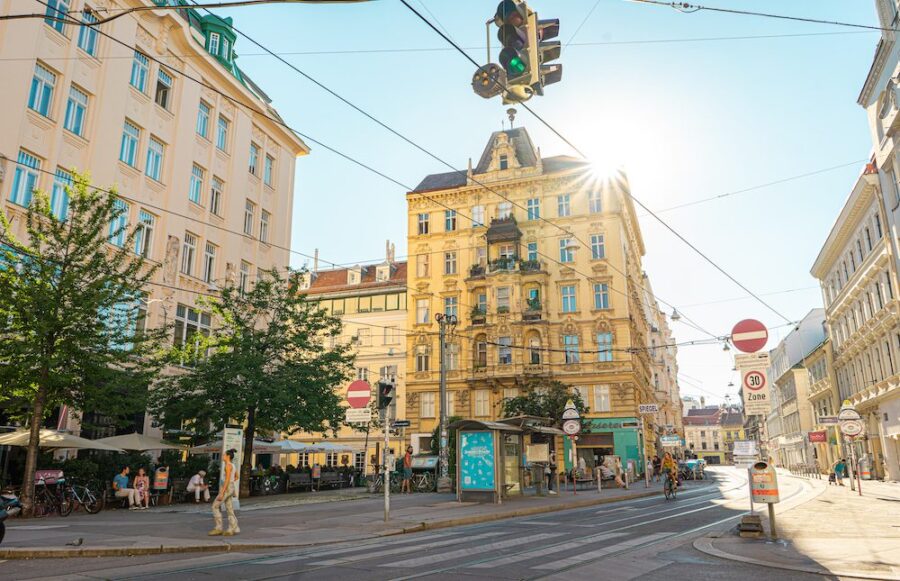
Neubau sits west of the center and draws a younger, creative crowd. It’s packed with indie shops, art galleries, and cafés that double as workspaces. The MuseumsQuartier anchors the area, housing big art museums and open courtyards where locals hang out after work.
If you like design hotels and a modern feel, this is your district. Rooms often have minimalist looks and local art. I once stayed near Spittelberg, a cobblestone pocket that feels like its own village—quiet at night, lively by day.
Trams and the metro make it easy to reach other parts of Vienna. Neubau really suits travelers who want culture and comfort without the crowds.
Wieden: Local Flavor Near Naschmarkt

South of the center, Wieden mixes calm streets with local energy. It’s home to the Naschmarkt, Vienna’s famous food market, where you can snack on everything from pastries to Mediterranean bites. Stay nearby and you’ll never go hungry.
Wieden has a bohemian edge—vintage shops, small galleries, and cozy cafés line the quieter streets. The Belvedere Palace is close, too, just a walk or tram ride away.
Most places to stay here are mid-range—stylish, not flashy. I like how the neighborhood feels lived-in but welcoming, giving you a taste of real Vienna life. If you want a mix of culture, food, and comfort, Wieden’s a solid bet.
Day 1: Vienna’s Iconic Sights & Culinary Delights
Vienna’s got imperial grandeur and everyday charm in equal measure. You’ll bounce from Gothic spires and royal apartments to grand opera halls and candlelit cafés—all within walking distance. The city’s mood shifts with every stop, from the bells of St. Stephen’s to the quiet clink of coffee cups as daylight fades.
Morning: St. Stephen’s Cathedral & Stephansplatz
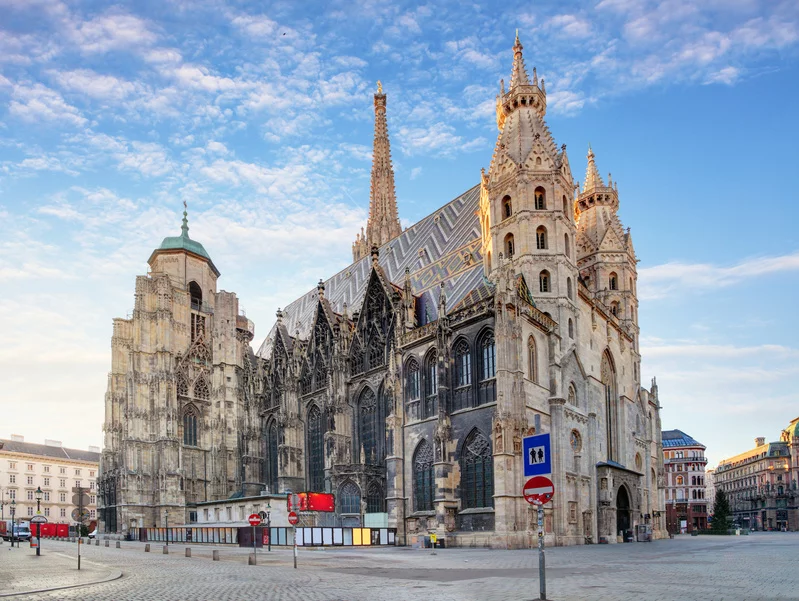
Kick off your day at St. Stephen’s Cathedral, right in the heart of Vienna. Its patterned roof and tall Gothic spire rule over Stephansplatz, where street musicians sometimes play classical tunes that make you remember why Vienna’s the City of Music.
Climb the South Tower if you’re up for it. The stairs are a workout, but the view—rooftops and the Danube peeking out—is worth every step.
Back at street level, wander the cobbled lanes around Graben and Kärntner Straße. These streets mix luxury shops with pastry places that smell like sugar and butter. Grab a quick Melange (Vienna’s take on a cappuccino) and a croissant before heading toward the Hofburg.
If you’d rather not plan every detail, you can always book guided city tours through Viator and just soak up the stories.
Late Morning: Hofburg Palace, Imperial Apartments & Sisi Museum
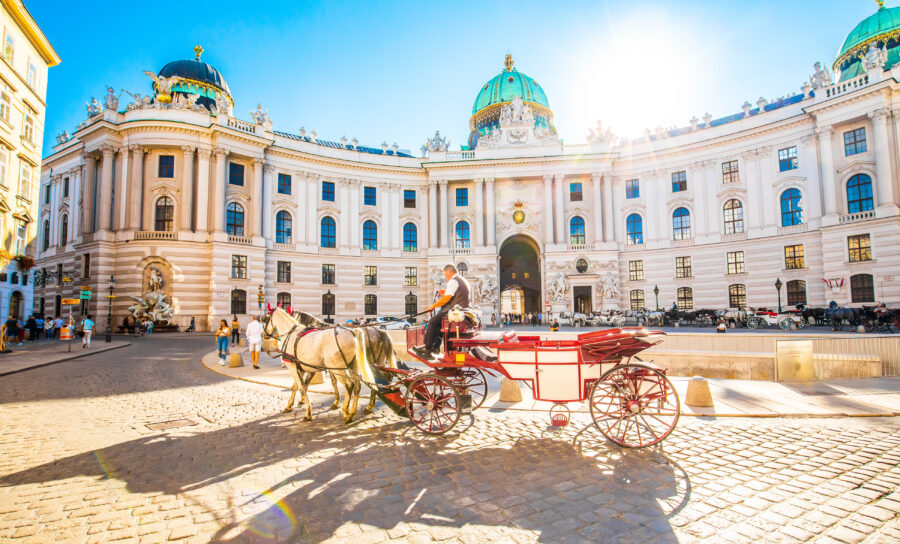
The Hofburg Palace once housed the Habsburg dynasty, and it still feels like the city’s center of power. Walk through the Imperial Apartments, where Emperor Franz Joseph and Empress Elisabeth—Sisi—once lived. The polished floors, chandeliers, and portraits hint at royal life.
The Sisi Museum gets more personal, with her gowns and travel diaries on display. I always find this part moving—it’s history through the things she left behind.
Outside, the palace courtyards open onto Heldenplatz. You’ll see horse-drawn carriages and maybe catch the Lipizzaner horses near the Spanish Riding School. If your feet are tired, hop on a carriage for a spin around the Ringstrasse. Or just watch the scene for a while.
Afternoon: Vienna State Opera & State Opera House
The Vienna State Opera isn’t just a venue—it’s a symbol of Vienna’s creative heart. Even without catching a show, take a guided tour of the State Opera House. The marble stairs and gold trim show how seriously Vienna treats its music.
If you’re lucky, you might hear a rehearsal echoing through the halls. I once stumbled on a tenor practicing scales—total goosebumps.
After your tour, the Albertina Museum is just a few minutes away, or you can stretch out in Burggarten. Grab a light lunch—maybe an open-faced sandwich or a small schnitzel—and take it slow before the evening buzz.
Evening: Café Culture and Classic Viennese Cuisine
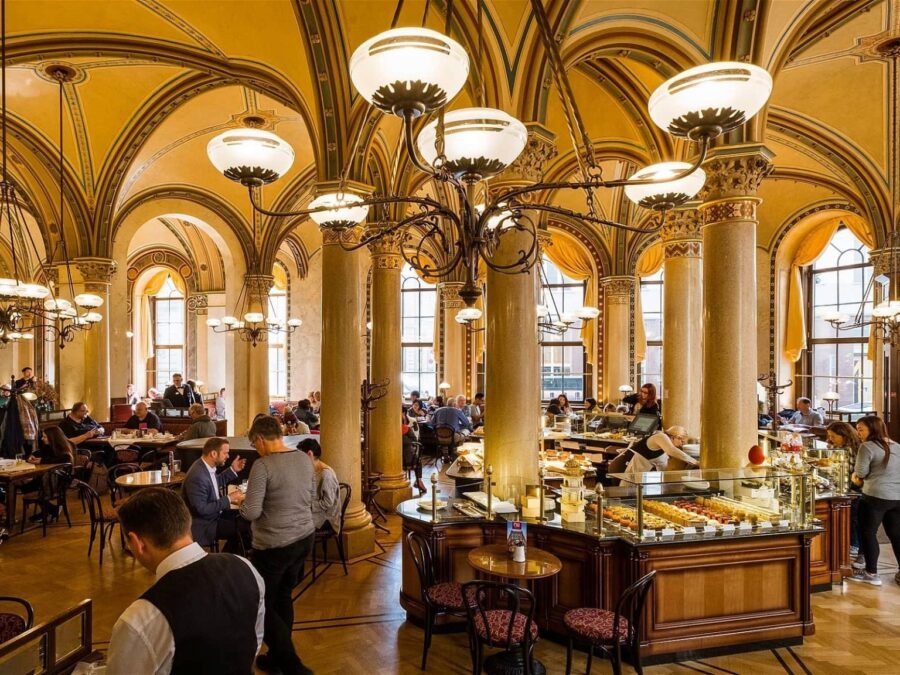
As the sun sets, Vienna’s cafés come into their own. Start at Café Central, a 19th-century spot where Trotsky and Freud once lingered over coffee. The marble tables and high ceilings make you want to slow down, sip your Melange, and watch the world go by.
For dinner, try Café Sacher, home of the original Sacher Torte—a rich chocolate cake with apricot jam. Pair it with Austrian red wine or a dessert wine if you’re feeling fancy.
If you want something savory, order a Wiener Schnitzel at a place like Meissl & Schadn. And if you’ve still got room, finish with Kaiserschmarrn, a fluffy, shredded pancake dusted with sugar.
Vienna lets you taste its history one bite, one note, and one café at a time.
Day 2: Palaces, Art, and Local Experiences
Vienna’s second day is all about royal history, fine art, and a bit of local flavor. You’ll roam through imperial halls, dip into world-class museums, and end up where locals unwind—open-air rides, riverside paths, and those easygoing evenings. It’s a full day, but not overwhelming. Vienna’s past and present really do sit side by side.
Morning: Schönbrunn Palace & Palace Gardens
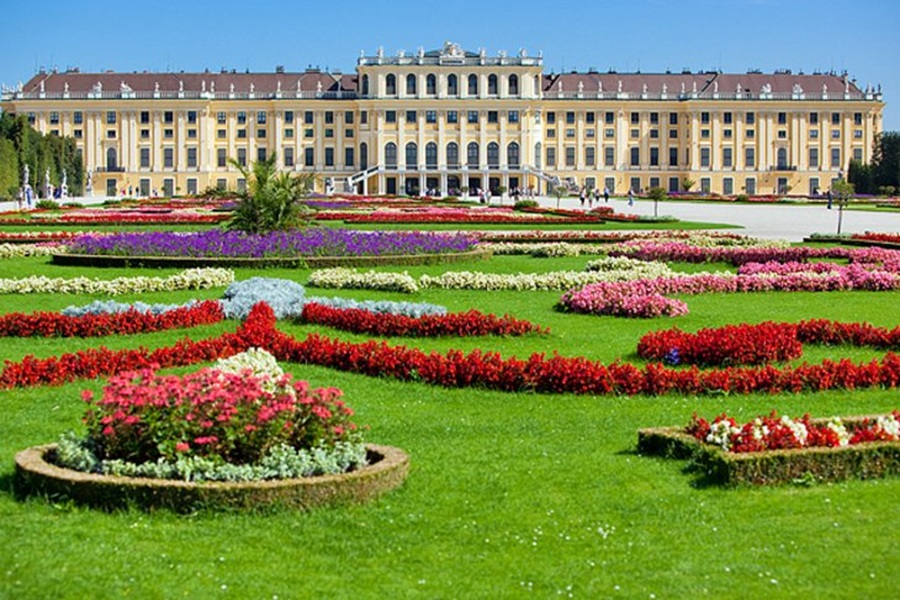
Start early at Schönbrunn Palace, the Habsburgs’ old summer retreat. The yellow façade glows in the morning, and inside, you’ll find rooms dripping with chandeliers and gold trim. I’d suggest joining a guided tour if you want more of the royal backstory.
After the palace, wander the Palace Gardens. They’re free, beautifully kept, and full of fountains, flowers, and neat hedges. Climb up to the Gloriette on the hill for a sweeping view of Vienna—totally worth it.
If you like things organized, you can book local tours that include skip-the-line entry or guided walks. Bring water, wear comfy shoes, and don’t rush—this place has plenty to offer.
Midday: Belvedere Palace & Baroque Architecture
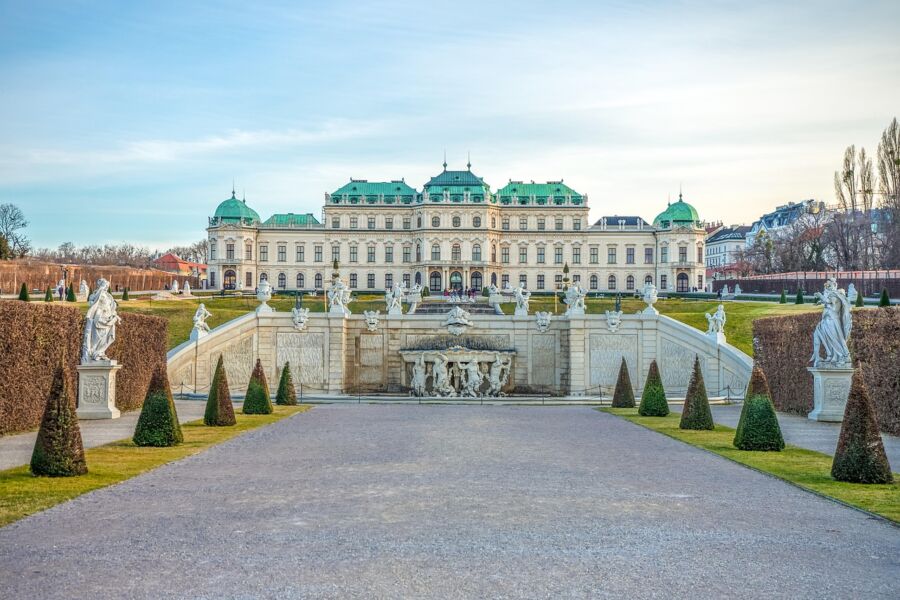
Next up, hop over to Belvedere Palace—it’s just a quick tram or metro ride. The place is actually two Baroque palaces joined by a garden that looks almost too perfect to be real. With its arched windows, bright white walls, and all those ornate sculptures, you get a real sense of Vienna’s 18th-century flair.
Inside the Upper Belvedere, you’ll run into Austrian art from the Middle Ages right up to the modern day. The big draw is Gustav Klimt’s The Kiss, sitting in a softly lit room where everyone sort of falls silent for a moment.
Stroll through the gardens between the Upper and Lower Belvedere for a breather. The fountains and perfect symmetry make for great photos, especially if you catch a sunny day. If you’re hungry, there’s a cozy café close by with light bites and classic Viennese pastries.
Afternoon: MuseumsQuartier, Leopold Museum & mumok

For the afternoon, wander over to MuseumsQuartier. It’s an old imperial stable complex turned creative hotspot—honestly, one of the best places in Vienna to just hang out. There’s art, design, and plenty of space to lounge or people-watch.
The Leopold Museum is all about Austrian modernism, featuring Egon Schiele and Gustav Klimt. It’s bright, easy to navigate, and doesn’t feel overwhelming. Just across the courtyard, mumok (Museum of Modern Art) throws you into a world of bold, contemporary art that feels like a jolt after all the old-world grandeur.
Grab a coffee from one of the outdoor cafés and settle in among students and locals. The vibe is relaxed, a welcome contrast to the stately palaces from earlier.
Evening: Prater Park & Danube River Stroll
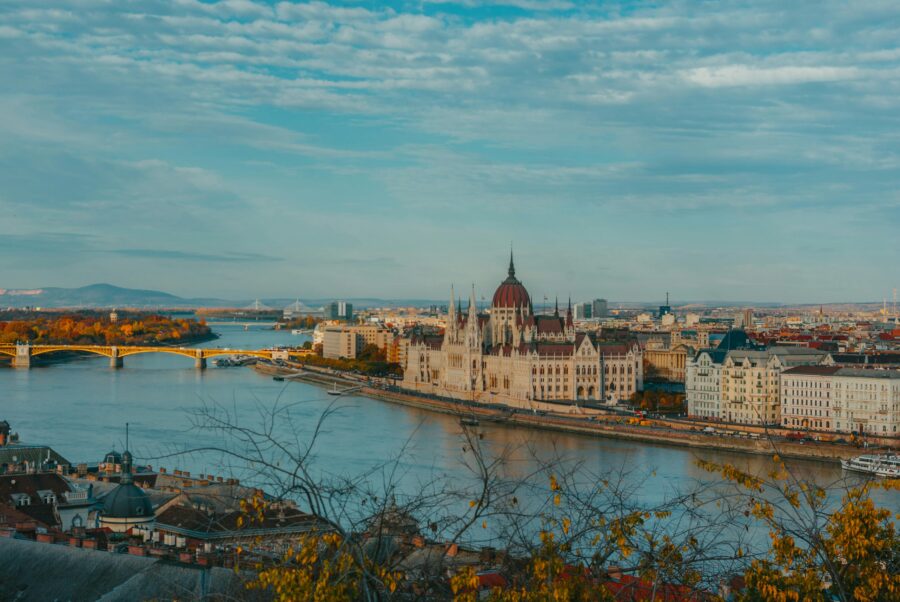
When the sun starts to dip, make your way to Prater Park. It’s a massive green space with old-school amusement rides. The Giant Ferris Wheel is a classic—slow, gentle, and the city views at dusk are pretty special. There are walking paths, food stalls, and little beer gardens if you want to kick back.
Afterwards, catch a tram over to the Danube River. Locals come here in the evenings for walks, cycling, or just drinks by the water. The air feels cooler, and the city lights reflecting on the river give everything a soft glow.
It’s a mellow way to close out your weekend—Vienna’s history, art, and everyday life all rolled together.
Unmissable Vienna Food & Coffee Experiences
Vienna’s food scene is a cozy mix of imperial tradition and everyday comfort. You’ll find hearty classics, sweet pastries, and a coffee ritual that’s more about lingering than rushing. The city rewards slow meals and a little curiosity about local flavors.
Naschmarkt Flavors & Local Markets

If you want a taste of Vienna beyond restaurant menus, start at Naschmarkt. It’s the city’s best-known market, stretching a full mile with stalls offering everything from Austrian cheeses to Turkish olives. I like to wander by mid-morning, when locals are shopping and vendors are swapping stories.
Pick up a plate of pickled vegetables or some fresh falafel from a food stand. There are also a few sit-down spots where you can sip Grüner Veltliner and watch the world go by.
For a quieter, more local feel, check out Karmelitermarkt in the 2nd district. It’s smaller, more neighborly, and the Saturday produce is fantastic. Bring cash, bring an appetite—vendors are generous with samples, and a little German goes a long way.
Classic Viennese Coffeehouses
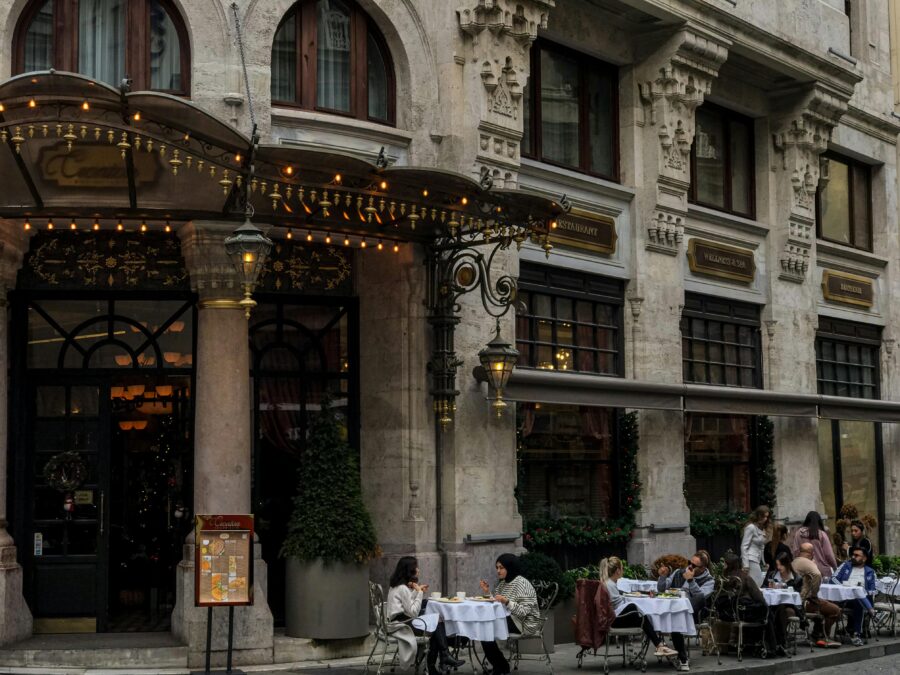
You can’t come to Vienna and skip the coffeehouses. They’re more like living rooms than cafés. Each one’s got its own crowd and rhythm. Café Central is grand and a bit dramatic, with marble columns and pastries that look almost too pretty to eat. I usually order a Melange (Vienna’s answer to a cappuccino) and a slice of cake.
Café Sacher, just by the State Opera, is another classic for its legendary Sacher Torte. It’s rich but not over-the-top, especially with a bit of whipped cream. Don’t rush—locals linger for hours, reading or chatting quietly.
If you’re after somewhere cozier, try Café Sperl or Café Landtmann. They’ve got that warm, slightly old-fashioned feel that makes Vienna’s coffee culture so inviting.
Signature Dishes to Try

Vienna’s comfort food is simple and filling. Wiener Schnitzel is a must—thin veal or pork, breaded and fried golden, usually with potato salad or lingonberry jam.
For dessert, go for Kaiserschmarrn—a fluffy, shredded pancake dusted with sugar and served with plum compote. It’s sweet, a little messy, and just right after a long walk.
And yeah, Sacher Torte lives up to the hype: dense chocolate cake with a layer of apricot jam. Pair it with a Melange—it doesn’t get more Viennese than that.
Here’s your cheat sheet:
- Wiener Schnitzel – classic main dish
- Kaiserschmarrn – traditional dessert
- Sacher Torte – chocolate cake with apricot jam
- Melange – signature Viennese coffee
Every bite gives you a taste of the city’s old-world charm mixed with everyday comfort.
Hidden Gems & Unique Vienna Activities
Vienna hides some of its most intriguing experiences right in plain sight. There’s creativity tucked into colorful buildings, traditions that still feel alive, quiet garden corners, and one of Europe’s most stunning libraries behind heavy marble doors.
Hundertwasser Village & Friedensreich Hundertwasser

Just next to the famous Hundertwasserhaus, the Hundertwasser Village feels like you’ve wandered into a painting. The artist Friedensreich Hundertwasser designed the place to break every rule of straight lines and symmetry. Floors curve, colors clash in a good way, and plants spill out everywhere.
You can browse little shops selling local crafts and design pieces inspired by Hundertwasser’s eco-friendly ideas. He wanted buildings to breathe and blend with nature, and you really see that in every crooked tile and rooftop tree.
There’s a quirky café inside where you might end up staying longer than you planned, just soaking in the details. It’s not huge, but it’s got a personality you won’t find anywhere else in the city.
Spanish Riding School & Equestrian Traditions

The Spanish Riding School has trained those elegant Lipizzaner stallions for over 450 years. Watching them is like stepping into another era. The riders practice classical dressage with a kind of discipline and grace you don’t see every day.
If you can, catch a morning exercise session. It’s quieter than a full show but you still get a close-up look at the connection between horse and rider. The hall—with its white walls, chandeliers, and soft light—makes everything feel ceremonial.
I remember standing in the gallery, watching a young horse learning its first steps. The trainer’s patience was incredible. It’s not just a performance; it’s a craft that Vienna keeps alive, generation after generation.
Burggarten & Palmenhaus Escapes

Behind the Hofburg Palace, Burggarten is like hitting pause in the middle of the city. Locals come to read, picnic, or just sprawl out on the grass. The star here is the Palmenhaus, a glass greenhouse that looks like it belongs in another century.
Inside, tropical plants grow under sweeping iron beams, and there’s a café tucked among the leaves. I love grabbing a quiet coffee here—especially if it’s raining and you can hear the drops on the glass roof.
If you’re into photography, the mix of palm leaves and Art Nouveau lines is a dream. And right outside, you’ll spot a statue of Mozart—a little nod to Vienna’s musical heart.
Austrian National Library Treasures

The Austrian National Library, set inside the Hofburg complex, is much more than a library. The State Hall, with its frescoed ceiling and marble columns, feels almost sacred. Shelves packed with leather-bound volumes line the walls, some centuries old.
You don’t have to be a history nerd to enjoy it. The scent of old paper, footsteps echoing off the polished floor—it all gives the place a certain dignity.
Go early if you can. Take your time in the hall, read a few inscriptions, and just let the atmosphere sink in. It’s one of those spots where you realize how much Vienna treasures art, learning, and beauty all at once.
Frequently Asked Questions
Vienna wraps up imperial history and a laid-back café culture in a way that makes even quick trips feel full. You’ll see that a couple of days can cover grand palaces, cozy coffee houses, and quiet corners where locals still linger.
What are the must-visit attractions for a 2-day weekend in Vienna?
If you’ve only got two days, stick to the essentials. Spend your first morning at Schönbrunn Palace—it’s huge, so give yourself a few hours. Then head to the historic center for St. Stephen’s Cathedral, the Hofburg Palace, and the Albertina Museum.
On day two, wander the Naschmarkt for snacks before checking out Belvedere Palace and its art. Cap things off with coffee and cake at Café Central or Café Landtmann—both are classics, and locals genuinely love them.
How can I make the most out of a 4-day Vienna itinerary?
With four days, you can slow down. After ticking off the main sights, dedicate a day to MuseumsQuartier—it’s packed with art, design, and street life. You might find yourself hopping between galleries and cafés for hours.
Use another day for Prater Park and a spin on the Giant Ferris Wheel, or take a short trip to Wachau Valley for wine tasting. I like to end longer stays at the Danube Canal, grabbing a drink by the water as the city unwinds.
Can you suggest a culturally rich 3-day itinerary for Vienna?
Three days means you can dig a little deeper. Start with the big imperial sights—Schönbrunn, Hofburg, and St. Stephen’s—then spend your second day with the art at Kunsthistorisches Museum and Belvedere.
On your last day, catch a classical concert or opera—affordable standing tickets are usually available at the Vienna State Opera. If music history’s your thing, pop into the Haus der Musik for interactive Mozart and Beethoven exhibits.
Vienna’s full of surprises if you know where to look. I’m a fan of Café Jelinek—it’s a bit worn around the edges, but that’s part of its charm. Vollpension is another favorite, with grandmothers baking cakes and swapping stories with guests.
You could head out to Donauinsel, a peaceful island on the Danube, or wander Setagayapark, a tiny Japanese garden that feels miles from the city. For something quirky, check out the Third Man Museum—it’s small but packed with character.
Are there any recommended itineraries for experiencing Vienna in December?
December in Vienna is magical—and pretty chilly, so bundle up. Start with hot chocolate at a café, then hit the Christmas markets at Rathausplatz or Belvedere Palace.
Spend some time indoors too—the Albertina and Kunsthistorisches Museum are cozy and rarely crowded early in the day. And don’t miss an evening stroll through the Graben and Kärntner Straße when the holiday lights are sparkling.
Where can I find the best free activities in Vienna during a short stay?
Vienna’s got a surprising amount to offer if you’re watching your wallet. Wander along the Ringstrasse and you’ll spot the grand State Opera, the impressive Parliament, and all sorts of historic architecture. If the weather’s decent, why not sprawl out for a picnic in Stadtpark, right by that famous golden Strauss statue?
Step inside St. Stephen’s Cathedral—it won’t cost you a thing unless you’re itching to climb the tower. The MuseumsQuartier has open-air art displays that are perfect for a relaxed stroll. And if you’re around in summer, swing by the film festival at Rathausplatz. It’s lively, totally free, and honestly, it’s one of the best ways to soak up the city’s vibe.