

Last modified August 17, 2026
You could spend weeks in Paris, but Le Marais has this instant magic that draws you in. Narrow cobblestone lanes, grand old mansions, and the smell of fresh croissants everywhere—this neighborhood is like wandering through a living postcard. A thoughtfully mapped Le Marais itinerary lets you soak up the best of Paris in one walkable, charming area.
You’ll drift from historic museums to cozy cafés and real-deal boutiques where locals actually shop. I’ve lost track of how many afternoons I’ve spent here, sipping espresso on Rue Charlot or people-watching at Place des Vosges. Honestly, it never feels old. Best part? Everything’s close, so you can wander at your own pace and just let the day unfold.
Key Takeaways
- Find the most interesting sights, museums, and hidden corners in Le Marais
- Savor authentic food, unique shopping, and that classic Parisian vibe
- Get tips for exploring Le Marais efficiently—without rushing
Essential Stops for a Perfect Le Marais Itinerary
Le Marais packs Paris’s best into a few lively blocks—graceful architecture, old markets, and streets buzzing with local life. Each spot has its own flavor, whether it’s a peaceful garden or a bustling café.
Place des Vosges Highlights
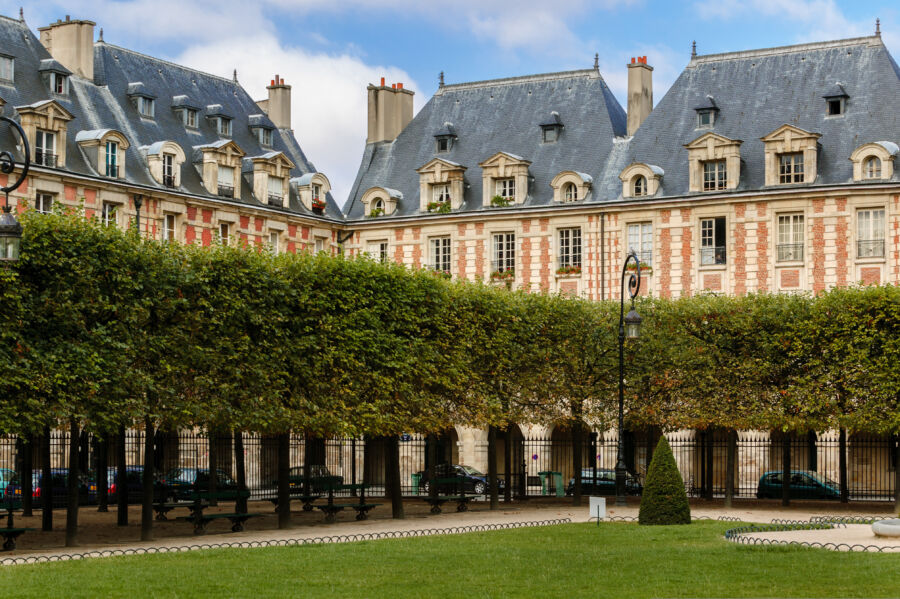
Place des Vosges is basically the soul of Le Marais. When you step into the square, with its red-brick arcades and neat lawns, you really feel like you’ve time-traveled. I usually grab a sandwich from a nearby boulangerie and park myself under the trees to watch the world go by. It’s such a simple pleasure, but honestly, that’s what Le Marais is all about.
They built the square back in the early 1600s, and you can still see the perfect symmetry everywhere you look. Art galleries and little boutiques hide under the arcades, just waiting to be discovered.
If you’re into history, check out some local experiences around Le Marais. Definitely pop into Maison de Victor Hugo on the corner—it’s free and gives you a peek into his world.
Marché des Enfants Rouges Experience

Marché des Enfants Rouges, Paris’s oldest covered market, dates back to the 1600s. It’s compact but bursting with energy, color, and all kinds of smells. Vendors shout in French, English, sometimes Arabic or Japanese. It’s a wild, delicious mix.
I like to swing by around lunchtime when the place is buzzing. Moroccan tagines, fresh pasta, Japanese bento—there’s something for every craving. No one’s in a hurry here. Just grab a seat at a communal table and soak it all in.
If you love food adventures, you can book nearby attractions and even join a guided tasting tour. It’s a fun way to see how Parisians eat, shop, and hang out.
Rue des Rosiers Walk
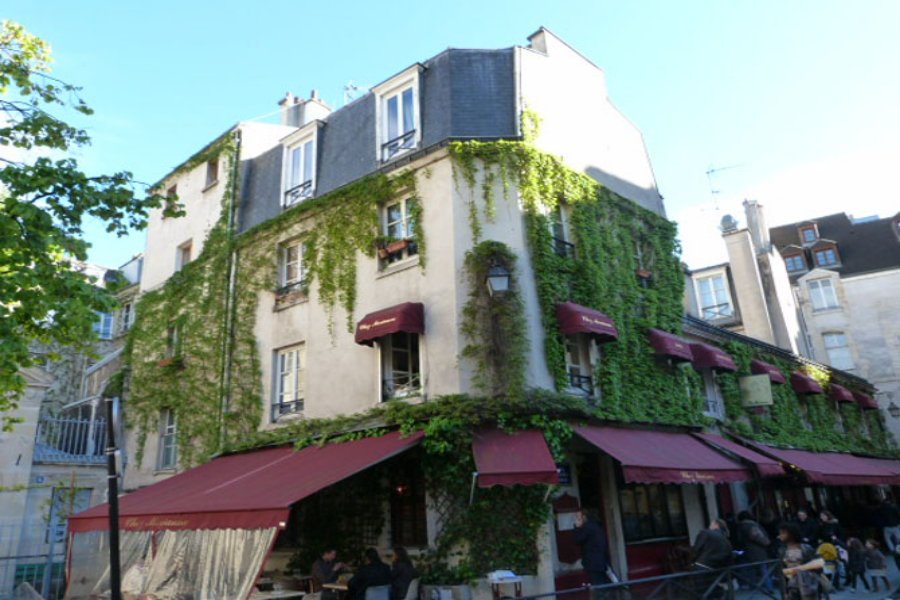
Rue des Rosiers sits at the heart of the Jewish quarter, and wow, it’s lively. The smell of falafel hits you before you spot the line at L’As du Fallafel. I still say it’s one of the best cheap eats in Paris—crispy, messy, and worth every bite.
But it’s not just about food. Bakeries, vintage shops, and kosher delis line the street. Take your time—every storefront has a story, shaped by generations of locals.
I usually stop for coffee at a café and just watch the flow of people. It’s a good reminder that Le Marais isn’t just a museum—it’s a real, living neighborhood.
Centre Pompidou Visit
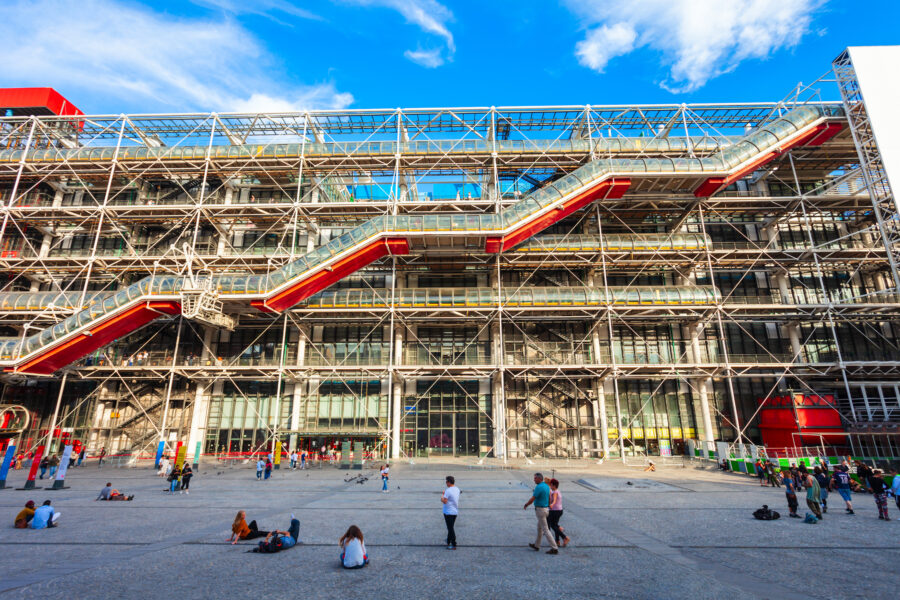
The Centre Pompidou’s bold, inside-out look splits opinions, but personally, I love it. Those exposed pipes, the glass escalators, and the open plaza give the place a raw, creative energy that fits Le Marais perfectly.
Inside, you’ll find one of Europe’s biggest collections of modern and contemporary art. The exhibits change often, so there’s always something new. Don’t miss the rooftop terrace—it’s got one of the best views in Paris, stretching from Montmartre to Notre Dame.
Pressed for time? Just hang out in the plaza. Street performers, sketch artists, and musicians keep the vibe lively.
Must-Visit Museums and Cultural Gems
Le Marais is packed with some of Paris’s most fascinating museums, all tucked inside stunning old mansions. Each one is like a little time machine, bringing the city’s art and stories to life. You can wander from history to literature to fine art in just a few blocks.
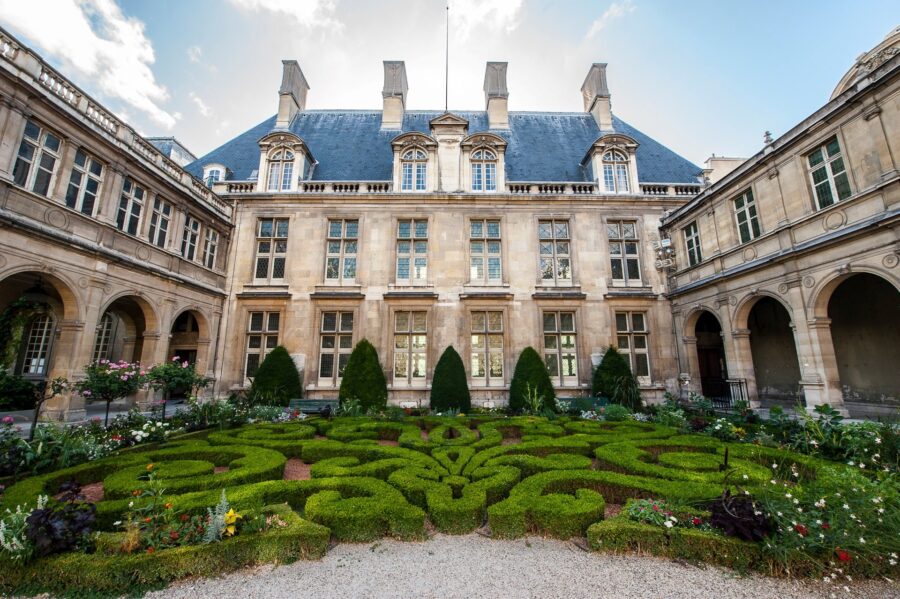
The Musée Carnavalet basically tells Paris’s whole story. It lives in two gorgeous 16th- and 17th-century mansions, with peaceful courtyards you can stroll before heading inside.
Every room feels like a snapshot from another era. You’ll spot old shop signs, portraits of revolutionaries, even Marcel Proust’s bed. I once spent nearly an hour in the French Revolution room—there’s just something about the atmosphere.
The permanent collection is free, so you can pop in for a quick look or linger. If you visit in spring or summer, grab a coffee in the little garden café. It’s one of those quiet spots you’d never expect in the middle of Paris.
| Quick Info | Details |
|---|---|
| Address | 23 Rue de Sévigné, 75003 Paris |
| Metro | Saint-Paul (Line 1) |
| Hours | 10 a.m.–6 p.m., closed Tuesday |
Exploring Picasso Museum
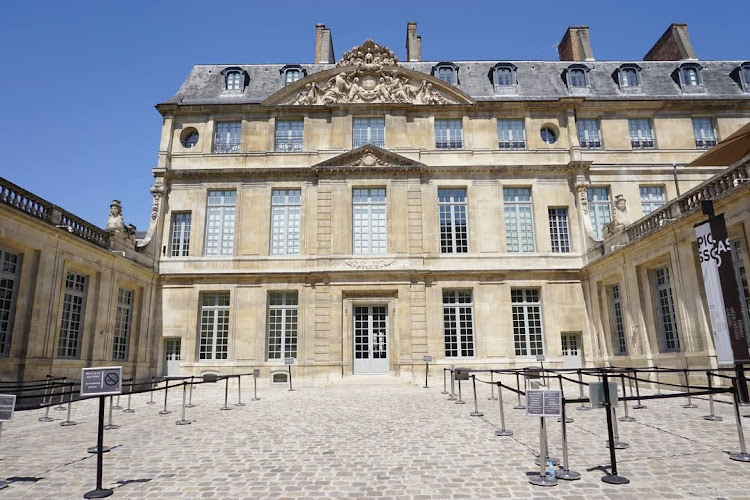
The Musée Picasso sits inside the Hôtel Salé, a grand old mansion that’s almost as impressive as the art. The place houses one of the world’s biggest Picasso collections—paintings, sculptures, sketches, even some of his personal stuff.
As you wander, you’ll see how his style kept shifting. Early portraits, wild Cubist experiments, and later works—each room feels different. I’ve always liked how they mix in pieces by artists Picasso admired. It gives you more context for his work.
There’s a little rooftop café, too, with a nice view over the rooftops of Le Marais. It’s a good place to sit, sip something, and let it all sink in.
| Quick Info | Details |
|---|---|
| Address | 5 Rue de Thorigny, 75003 Paris |
| Metro | Saint-Sébastien–Froissart (Line 8) |
| Hours | 9:30 a.m.–6 p.m., closed Monday |
Victor Hugo’s Apartment
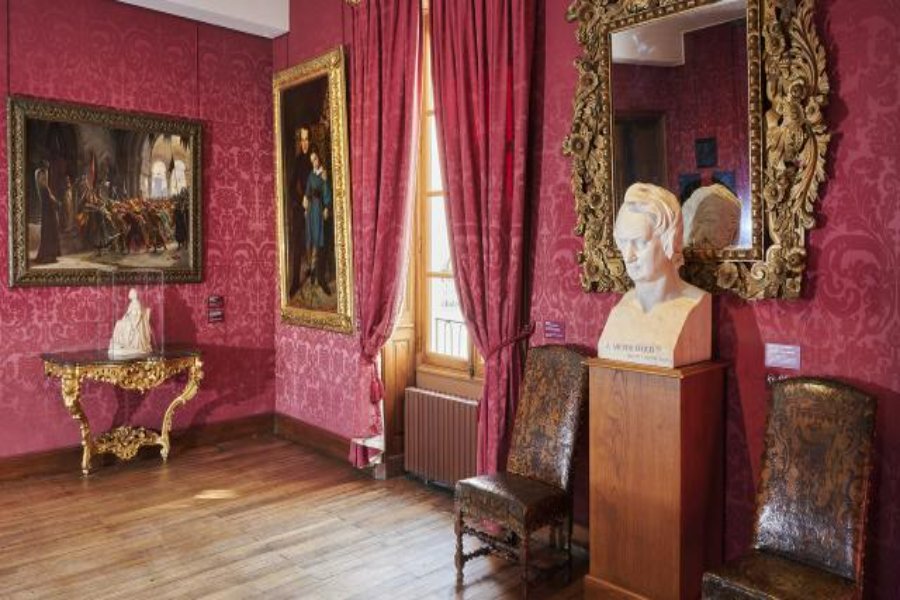
At Victor Hugo’s Apartment on Place des Vosges, you step right into the world of the guy who wrote Les Misérables. The rooms look much like they did in the 1800s, filled with his sketches, letters, and furniture.
It’s not huge, but it feels intimate. You can picture him writing by the window, looking out over the square. The Chinese-style salon he designed himself? It’s a quirky highlight.
Afterward, I usually stop at Café Mulot in the same courtyard. I’ll order a coffee and just watch the light shift over the arcades. These little Paris moments really stick with you.
| Quick Info | Details |
|---|---|
| Address | 6 Place des Vosges, 75004 Paris |
| Metro | Saint-Paul (Line 1) |
| Hours | 10 a.m.–6 p.m., closed Monday |
Hidden Streets and Historic Architecture
Between the big boulevards and lively cafés, Le Marais hides streets where you can almost hear the past echoing in the stone. You’ll stumble onto quiet lanes with medieval façades, fancy old doorways, and details that show how Paris grew from aristocratic roots into the city we know now.
Rue de Sévigné Secrets

Rue de Sévigné winds through the heart of Le Marais, linking elegant mansions with small artisan shops. It’s one of those streets that rewards a slow stroll. Look up—you’ll spot carved lintels, wrought-iron balconies, and plaques marking where notable Parisians once lived.
The Musée Carnavalet lives here, spread across two restored hôtels particuliers. Its courtyard is a lovely place to take a breather. Around the corner, you’ll find boutiques selling handmade jewelry and vintage prints—worlds away from the city’s usual tourist crowds.
If you pay attention, you’ll notice the Renaissance and Baroque touches everywhere. Some façades even lean inward, a little nod to medieval building styles. It’s easy to picture carriages rumbling down these cobbles, long before sidewalk cafés took over.
Architectural Marvels Near Hôtel de Ville
Just a few blocks from Hôtel de Ville, Paris’s grand town hall, you’ll find some of the city’s best civic architecture. The building’s elaborate sculptures and mansard roofs show off that 19th-century Parisian ambition.
Wander north toward Rue de Rivoli, and you’ll see old stone façades next to modern glass storefronts. Somehow, the mix just works. I like to pause at dusk when the streetlights hit the limestone—the carvings seem to glow.
Take a short detour down Rue des Barres, a quiet lane lined with medieval houses and the Gothic church of Saint-Gervais-Saint-Protais. The jumble of stone and narrow sightlines gives you a real sense of old Paris, before Haussmann’s grand redesign. It still feels like a secret, even right in the city center.
| Nearby Highlights | What Makes Them Special |
|---|---|
| Hôtel de Ville | Neo-Renaissance masterpiece with ornate sculptures |
| Rue des Barres | Narrow medieval lane with half-timbered houses |
| Saint-Gervais-Saint-Protais | One of Paris’s oldest churches, known for its layered architecture |
Foodie Favorites and Local Flavors
Le Marais is a place where every bite has a backstory. You’ll find pastries baked before dawn, falafel tucked into pita on ancient streets, and cafés where locals linger for hours. It’s a neighborhood for slow eating, aimless wandering, and savoring both tradition and reinvention.
Best Places for Croissants
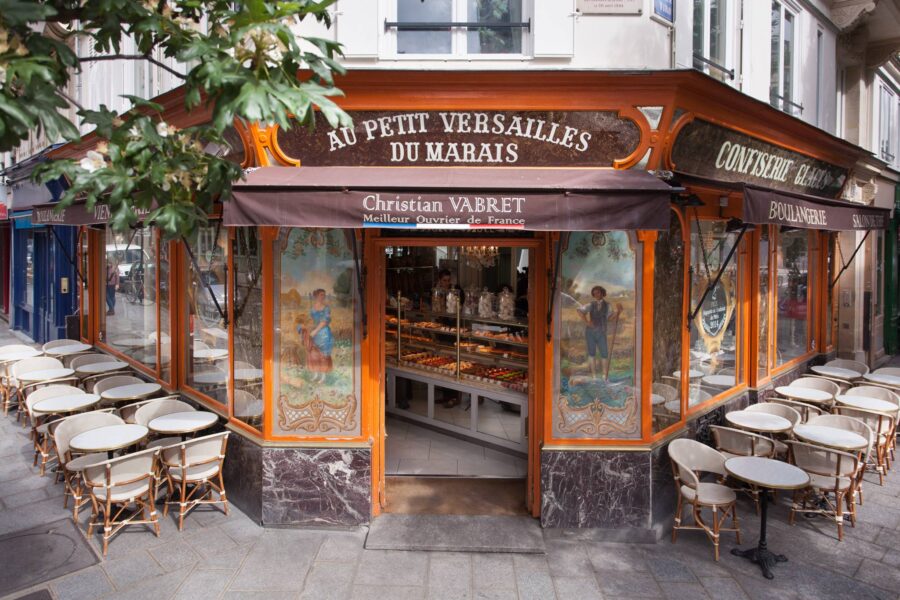
You can’t really start a day here without a croissant. The buttery smell drifts out of every bakery, but a few spots are worth a detour. I still remember my first one from Au Petit Versailles du Marais—super crisp, flakes everywhere, totally worth the mess.
Locals love Tout Autour du Pain on Rue de Turenne too. Their croissants are light but rich, with that satisfying pull when you break them open.
| Bakery | Specialty | Atmosphere |
|---|---|---|
| Au Petit Versailles du Marais | Classic croissant | Elegant, old-world charm |
| Tout Autour du Pain | Butter croissant | Cozy and casual |
| Carette | Viennoiseries & coffee | Perfect for people-watching |
Falafel and Jewish Quarter Eats

Walk down Rue des Rosiers and the smell of falafel will hit you before you even spot the shops. This narrow street pulses at the heart of the old Jewish Quarter, jammed with food counters and hungry locals. Everyone talks about L’As du Fallafel—it’s fast, a little chaotic, and honestly, always worth the mess.
But hey, don’t just stop there. I’m a fan of Mi-Va-Mi just across the way. The line moves quicker, and their falafel? Somehow even crispier. Toss in some hummus or grilled eggplant on the side, and you’ve scored a lunch that’s cheaper than most museum tickets.
Curious about the neighborhood’s blend of cultures? The Le Marais Guided Food Tour covers Jewish bakeries and old-school French shops, so you really get a taste of what makes this place tick.
Trendy Cafés and Bistros

Le Marais isn’t just about old-school bites—it’s one of Paris’s trendiest café scenes. Around Marché des Enfants Rouges, the city’s oldest covered market, food stalls serve up everything from Moroccan tagines to Japanese bento. I’ll be honest, I’ve lost track of time here more than once, lingering over lunch.
Coffee snobs, head to Fragments for an espresso that’ll ruin you for the rest. Their avocado toast is quietly addictive, too. And Les Philosophes on Rue Vieille du Temple keeps it classic—onion soup, steak-frites, and a glass of red that never lets you down.
Shopping, Boutiques, and Unique Finds
Le Marais blends old Paris with a modern edge. Cobblestone alleys hide designer boutiques, vintage markets, and artisan workshops. You can wander for hours, ducking into shops that actually feel personal and full of quirks—not just another polished storefront.
Concept Stores and Vintage Markets

If you love to browse, Le Marais is basically a playground. Start at Merci, a concept store mixing fashion, home goods, and design in one sunlit space. Their café tucked behind the shop is easy to miss but tough to leave.
Stroll Rue Vieille-du-Temple for minimalist French style at A.P.C. and The Kooples. If you want something more offbeat, Leclaireur curates collections that feel more like modern art than retail.
Vintage fans, don’t skip Free’P’Star or Kilo Shop. Racks overflow with retro jackets and denim, all sold by weight. I once snagged a killer leather bag there for under 20 euros—still gets compliments.
Want a quieter browse? The Marché des Enfants Rouges isn’t just for food. Tucked between food stalls, you’ll spot booths selling handmade accessories and vintage finds. It’s the best kind of shopping-snacking combo.
For a deeper dive, this Le Marais shopping guide maps out the best streets and boutiques around.
Artisan Shops and Galleries
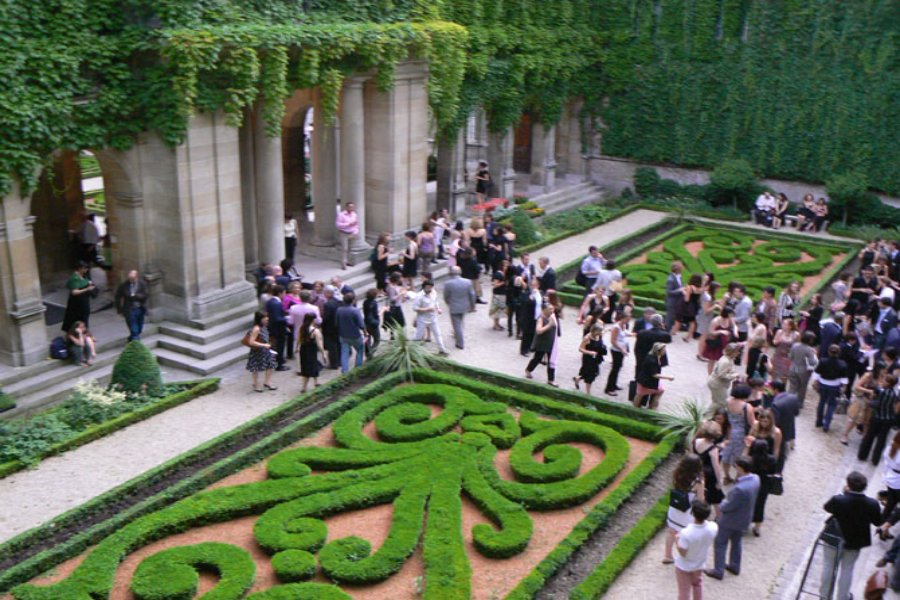
Le Marais has a creative streak that’s impossible to miss. Local artisans still work in tiny studios hidden behind courtyards or down crooked lanes. You’ll stumble on handmade jewelry, ceramics, and leather goods that just scream Paris.
On Rue des Francs-Bourgeois, La Chambre aux Confitures sells gourmet jams, and Oh My Cream focuses on clean French skincare—great for unique gifts that aren’t your usual souvenirs.
Art lovers, swing by Galerie Perrotin, a contemporary gallery in a grand old mansion. Even if you’re not buying, the shows are always worth a look. Nearby, smaller galleries spotlight up-and-coming artists—perfect for finding something unexpected.
Keep an eye out for pop-up studios. Every September during Les Journées du Patrimoine, many artists open their doors so you can peek at their process. These little moments are what make Le Marais feel so alive.
Need more insider stops? This Le Marais guide highlights spots where locals actually shop and hang out.
Leisurely Strolls and Scenic Walks
Le Marais rewards anyone who slows down. The neighborhood mixes centuries-old buildings with hidden green spaces and river walks that make you forget you’re in the middle of Paris. You’ll stumble on calm corners behind busy streets and riverside paths where the city’s buzz drops into the background.
Seine Riverside Promenade
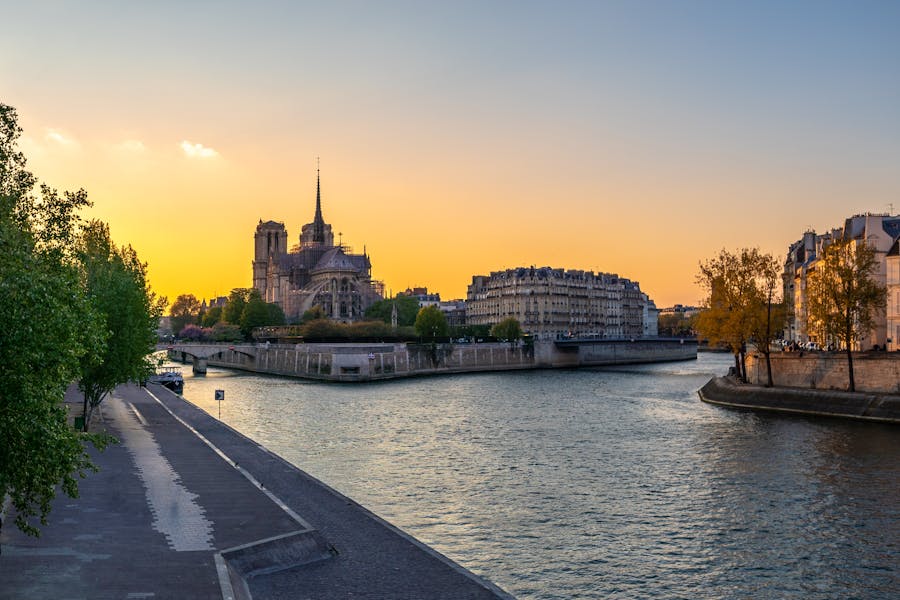
Walking along the Seine near Le Marais always feels timeless. I like starting by Pont Marie, where the cobblestone path runs right beside the water. Head west toward Île Saint-Louis and you’ll pass bookstalls and sleepy cafés opening for early-morning espresso.
If you keep going, the Voie Georges Pompidou becomes a pedestrian path that’s perfect for people-watching. Locals jog, couples dangle their feet over stone ledges, and you might catch a street musician near the bridges. It’s simple, but that’s the magic.
A few steps away, the narrow Rue des Barres brings you back to medieval Paris—timbered houses and quiet cafés like L’Ebouillanté, which gets a mention in the Discover Walks Le Marais route. Grab a terrace seat and watch the sun play on the river just beyond the rooftops.
Tip: Go early evening. The light on the Seine turns gold, and the crowds fade just enough to make it feel like your own secret.
Garden Retreats and Quiet Corners
When you’re over the crowds, duck into Place des Vosges. It’s one of Paris’s oldest squares and honestly, still one of the prettiest. The lawns stay perfectly trimmed, and the arcades hide cafés and tiny galleries. I love sitting under the trees here with a baguette sandwich, just watching the world go by.
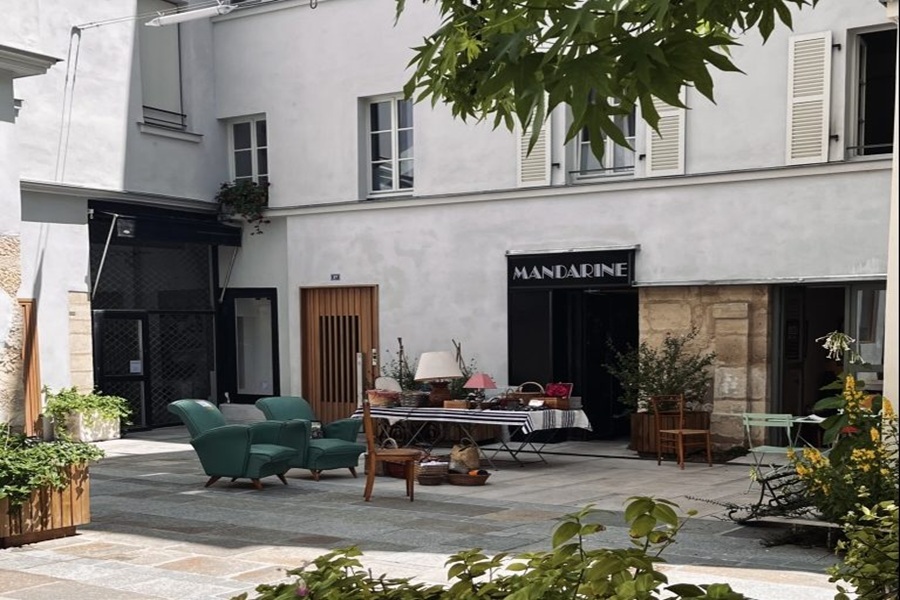
Not far off, Village Saint-Paul is a different kind of peaceful. Its courtyards hide antique shops and art studios, and it feels more like a sleepy village than the middle of Paris. You can wander without bumping elbows with tour groups every two minutes.
Looking for more greenery? Check out the small gardens behind Hôtel de Sully, right off the square. The hedges and stone benches make it a perfect spot to catch your breath before diving back into the busy streets.
Quick list of peaceful stops:
| Spot | What to Expect |
|---|---|
| Place des Vosges | Shaded lawns, fountains, and arcades |
| Hôtel de Sully Garden | Hidden courtyard with trimmed hedges |
| Village Saint-Paul | Antique shops and quiet cafés |
Each place gives you a different rhythm of Le Marais—slow, steady, and quietly beautiful.
Frequently Asked Questions
Le Marais blends centuries-old architecture, creative buzz, and a strong sense of local life. You’ll find art galleries in medieval courtyards, tiny bakeries with buttery pastries, and markets where actual Parisians shop. Best way to see it? On foot, with time to wander and get a little lost.
What are the top must-see attractions to include in a one-day Le Marais itinerary?
Start at u003cstrongu003ePlace des Vosgesu003c/strongu003e—it’s old, gorgeous, and full of atmosphere. Wander through u003cstrongu003eMusée Carnavaletu003c/strongu003e to trace the u003ca href=u0022https://www.realjourneytravels.com/tours/top-cultural-spots-in-paris-with-self-guided-audio-walking-tours/u0022u003ecity’s historyu003c/au003e, then dip into u003cstrongu003eMusée Picassou003c/strongu003e for a hit of modern art.u003cbru003eu003cbru003eIf architecture’s your thing, step inside u003cstrongu003eÉglise Saint-Paul-Saint-Louisu003c/strongu003e. I usually end my day poking around the small galleries near Rue Vieille du Temple—always something unexpected.
Which day of the week is ideal for experiencing the vibrant markets of Le Marais?
Sundays come alive, especially at u003cstrongu003eMarché des Enfants Rougesu003c/strongu003e, the oldest covered market in the city. Locals crowd in for Moroccan couscous or fresh oysters, and the vibe feels relaxed but busy.u003cbru003eu003cbru003eStaying nearby? Snag u003ca href=u0022https://www.booking.com/index.html?aid=2427303u0022 target=u0022_blanku0022 rel=u0022noreferrer noopeneru0022u003eBooking dealsu003c/au003e before the weekend rush for boutique hotels.
Can you recommend a route for a self-guided walking tour through Le Marais’ historic streets?
Start at u003cstrongu003eCentre Pompidouu003c/strongu003e, then wander down Rue des Francs-Bourgeois toward u003cstrongu003ePlace des Vosgesu003c/strongu003e. Head to Rue des Rosiers for the Jewish Quarter—grab a falafel if you’re hungry.u003cbru003eu003cbru003eLoop back via Rue du Temple to catch u003cstrongu003eHôtel de Villeu003c/strongu003e at sunset. Flying in just for the day? Compare u003ca href=u0022https://www.kayak.com/u0022 target=u0022_blanku0022 rel=u0022noreferrer noopeneru0022u003eflight optionsu003c/au003e for early arrivals so you can make the most of your stroll.
Skip the big-name boutiques and check out the vintage shops on Rue de Turenne. You’ll find secondhand pieces that feel way more authentic than anything from a chain.u003cbru003eu003cbru003eThere’s a tiny perfumery near Rue Charlot that blends custom scents—you’ll probably smell it before you see the door.
Are there specific local dining experiences in Le Marais that offer a true taste of Parisian culture?
Try a bistro serving u003cstrongu003educk confitu003c/strongu003e or u003cstrongu003esteak fritesu003c/strongu003e without any fuss. I once spent an entire afternoon at a café near Rue des Archives, just people-watching with an espresso and tarte Tatin.u003cbru003eu003cbru003eFor something more low-key, grab a crêpe to go and eat it in u003cstrongu003ePlace Sainte-Catherineu003c/strongu003e—a quiet little square most tourists skip.
How can visitors best experience the unique flea markets in Le Marais?
Honestly, you’ve got to show up early—before the crowds, while the vendors are still arranging their stalls. That’s when you’ll spot antique books, vintage jewelry, and those oddball furniture pieces that practically beg you to imagine their past lives.u003cbru003eu003cbru003eTraveling on a budget? I’d poke around for u003ca href=u0022https://cheapoair.pxf.io/yqoroDu0022 target=u0022_blanku0022 rel=u0022noreferrer noopeneru0022u003echeap flight dealsu003c/au003e or hop on a train. Why not save your euros for the real treasures?