Ultimate Road Trip Guide for America’s 250th Birthday: Explore Historic Routes, Hidden Gems & Events
Updated January 29, 2026
America’s 250th birthday is coming up this year, and honestly, there’s no better excuse to pack up the car and just go. The U.S. Department of Transportation rolled out the Great American Road Trip initiative just for this milestone, and it feels like the perfect nudge to finally take that cross-country drive you’ve been putting off.
Planning a road trip for America 250 means you get to see historic landmarks, stumble on hidden Revolutionary War sites, and soak up gorgeous landscapes—all while joining in on the nation’s big celebration. Every state’s got something going on, from fireworks at Mount Rushmore to quirky festivals in the original colonies. The best part? You can make your route as classic or offbeat as you want, whether you’re chasing Revolutionary War trails or poking around small towns that never make the travel blogs.
This guide’s here to help you plan a 250th anniversary road trip without losing your mind. We’ll cover everything from must-see historic sites to practical planning tips that’ll actually save you time, money, and headaches.
Key Takeaways
- America’s 250th brings unique celebrations and events to all 50 states throughout 2026
- Historic routes through the original colonies link Revolutionary War sites with modern attractions and nature spots
- Smart planning helps you mix famous landmarks with lesser-known local gems for a real-deal journey
Why a Road Trip Is the Best Way to Celebrate America 250
When you hit the road, you get to experience the semiquincentennial however you want, right where American history actually happened. The freedom of the journey is half the fun, and you’ll find stories out there that no textbook ever really captured.
The Spirit of the Semiquincentennial on the Open Road
There’s just something about a road trip that fits America’s 250th birthday. Behind the wheel, you tap into that restless energy that sent settlers west and made generations wonder what’s around the next bend.
The Department of Transportation’s Great American Road Trip gets it. They’ve mapped out routes that aren’t just about monuments—you actually feel the landscape shift as you cross state lines. You’re covering the same ground the founders did, not just reading about it from a distance.
But here’s what most folks overlook: the real celebration isn’t just on July 4, 2026. It’s in every roadside diner where locals swap stories about their town’s role in history. It’s the odd little historical markers you spot and decide to check out on a whim.
Unmatched Flexibility and Immersive History
Road trips give you a kind of freedom that group tours just can’t. See a sign for a Civil War battlefield you never heard of? Pull over. Want to linger in a colonial town because the living history demo was unexpectedly awesome? No problem.
No one’s telling you what matters most. Some folks want to see every founding site in Philly. Others would rather follow Route 66 through the heartland. Both ways are legit for experiencing America during this milestone.
Driving changes how you absorb history, too. Standing at Valley Forge after winding through Pennsylvania’s countryside hits different—you get Washington’s winter trek in your bones. The museum isn’t just an exhibit; you’ve seen the landscape, felt the miles, and realized just how isolated these places really were.
How Road Trips Unite American Culture and Exploration
Road trips are woven into American culture—they’re how we’ve marked big moments and made sense of this huge, complicated country. A semiquincentennial road trip keeps that tradition alive while letting you carve out your own piece of the celebration.
Everywhere you go, you’ll notice regional quirks—food, slang, how folks remember their history. That barbecue joint in Tennessee? It says as much about America as Independence Hall does. These discoveries turn “diversity” from a buzzword into something you live and taste.
The road brings people together in surprising ways. You’ll trade tips with families at rest stops, get local advice about hidden historic spots, and probably end up somewhere you never planned. That’s the magic of a road trip during America’s 250th—you’re adding your own story to the mix.
Essential Planning Tips for America 250 Road Trips
Book your accommodations early and plan your route around big events if you want to avoid the stress and high prices that’ll come with millions of Americans hitting the road. Smart timing and keeping your plans loose can be the difference between a fun adventure and a tourist trap nightmare.
Best Dates and Booking Strategies for July 4, 2026
If you’re aiming for Philadelphia, Boston, or Washington D.C. on July 4, 2026, book your stay at least six months in advance. Hotels near historic sites are already filling up and prices skyrocket as the date gets closer.
Try showing up a few days early or waiting until July 6th to visit big cities. You’ll still catch the festive vibe but skip the worst of the crowds and inflated prices.
Look for booking platforms that filter by cancellation policy. Plans change, and no one wants to eat a few hundred bucks if something comes up.
If you’re flexible, think about late June or early August instead. A lot of America 250 events run all summer, not just on Independence Day. Museums and historic sites will have special exhibits for months.
Creating Curated Itineraries and Travel Planners
Keep all your reservations, routes, and backup plans in one spot. Download a 16-page travel planner template or just scribble in a notebook—what matters is having it handy when you need it.
List your must-see sites first, then check the drive times between them. Most people forget how long it actually takes to explore a place, not just drive past it. If you’re trying to hit all fifty states, you’ll need at least 250 days. Most folks stick to one region, though.
The Great American Road Trip website has ready-made itineraries that connect major landmarks. These save you hours of research and help you catch cool spots you’d otherwise miss.
Leave some buffer days for random discoveries. Honestly, my favorite travel moments have come from taking a wrong turn and finding a tiny museum or a weird roadside marker that wasn’t on any map.
Budget-Friendly Advice and Timing Your Journey
Gas prices jump around, so check out fuel-efficient travel gear that’ll help you save. Packing a cooler and some camping gear can cut your food costs way down compared to eating out every meal.
National parks and monuments have free entrance days sprinkled throughout the year. Check the National Park Service website for those dates and plan accordingly.
Try traveling in May or September, not peak summer. Everything’s cheaper—hotels, tickets, you name it—and the crowds are smaller at places like Mount Rushmore or Independence Hall.
Set a daily budget for gas, food, hotels, and attractions. Track what you spend with a spreadsheet or budgeting app. Most people end up spending way more than they expect if they don’t keep an eye on it.
Historic Routes and Revolutionary War Trails
The eastern seaboard is packed with historic routes from the Revolutionary era, connecting battlefields and colonial cities from Boston all the way down to Yorktown. You can literally follow in the footsteps of founding fathers and soldiers who fought for independence 250 years ago.
Driving the Colonial Corridor: Boston to Washington, D.C.
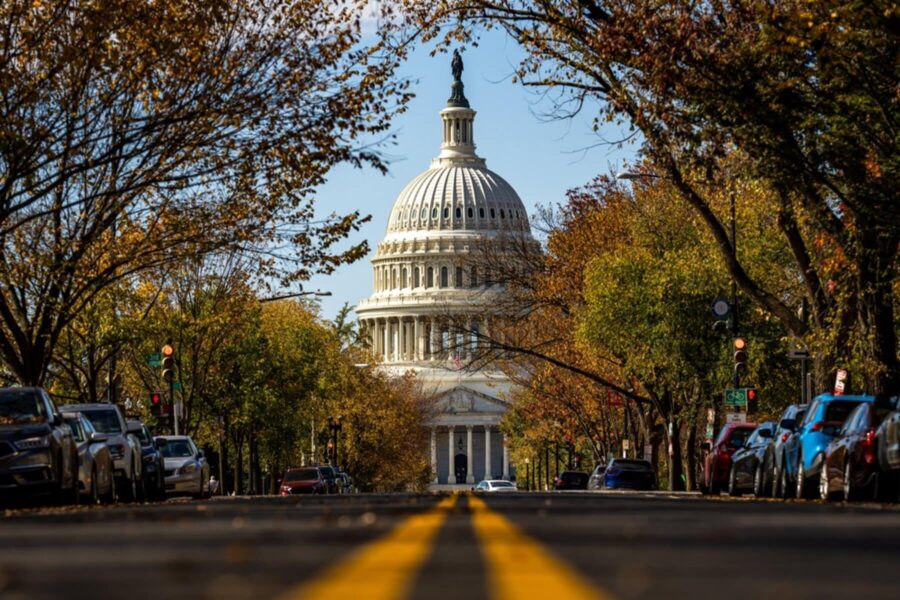
This drive cuts through the heart of Revolutionary America and hits all the big spots where independence was won. Start in Boston, where it all began, then head south through some of the country’s most historic ground.
The route runs about 450 miles and passes through Massachusetts, Rhode Island, Connecticut, New York, New Jersey, Pennsylvania, Delaware, Maryland, and Virginia. Give yourself at least a week if you actually want to see anything. Philadelphia’s right in the middle and really deserves two full days—Independence Hall and the Liberty Bell are just the start.
From Philly, swing down to Washington, D.C., and see how the Revolution shaped the government. Finish up at Yorktown, Virginia, where the British finally surrendered in 1781. The Colonial Parkway links Yorktown to Williamsburg and Jamestown, giving you a scenic 23-mile drive through centuries of American history.
Exploring the Freedom Trail and Revolutionary Road Trip
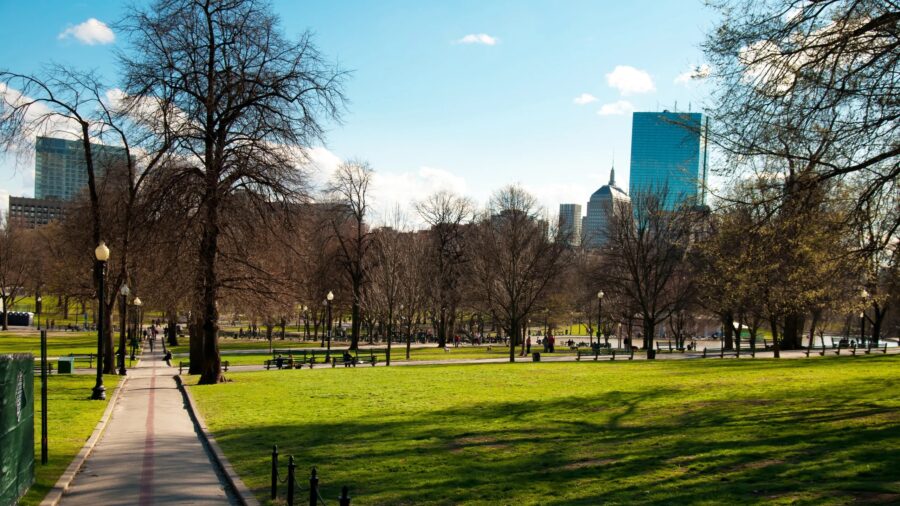
Boston’s Freedom Trail is the obvious starting point for most Revolutionary War trips. It’s a 2.5-mile walking path connecting 16 important sites with a red brick line in the sidewalk—seriously, you can’t get lost even if you try.
The trail takes you to Paul Revere’s House, the Old North Church (where the lanterns went up), and the Boston Massacre site. Faneuil Hall is still there, where patriots once argued about independence. The USS Constitution, the oldest commissioned warship still afloat, is at the end in Charlestown Navy Yard.
Don’t just stop at the Freedom Trail, though. Head out to Lexington and Concord, where the first shots rang out on April 19, 1775. Battle Road Trail lets you walk the same route British soldiers took during their messy retreat back to Boston. It’s about 5.5 miles and, thankfully, a lot quieter nowadays.
Iconic Byways Connecting America’s Past

Several scenic byways tie together Revolutionary War sites along the east coast. The Delaware River Scenic Byway follows Washington’s famous Christmas crossing. Standing where he launched those boats in that freezing weather? It’s wild—way more impressive in person.
New York’s Lakes to Locks Passage runs from Albany to the Canadian border, passing through Saratoga where American forces scored their first big win. That convinced France to join us, which, let’s be honest, changed everything. The battlefield park is huge—3,400 acres—and there’s a 9.5-mile tour road.
Virginia’s Historic Triangle links Jamestown, Williamsburg, and Yorktown on the Colonial Parkway. No stoplights, no strip malls, just tree-lined roads built to look old-fashioned. For a minute, you can almost forget what century you’re in.
America’s Mother Road: Route 66 and Other Scenic Routes
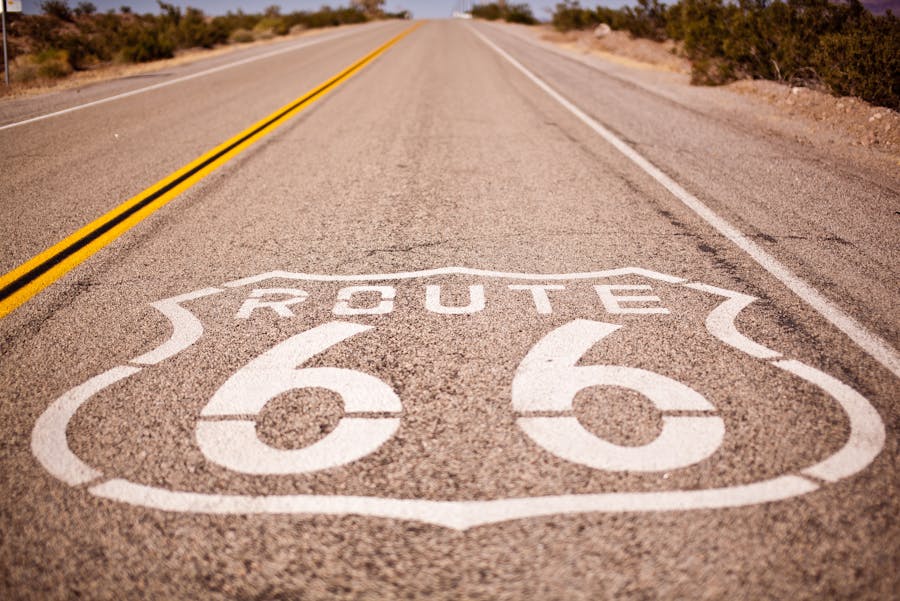
Route 66 has nothing to do with the Revolutionary War—it didn’t exist until 1926—but honestly, it belongs in any ultimate road trip guide. This 2,448-mile stretch from Chicago to Santa Monica is a different kind of American journey. Westward expansion, postwar optimism, and that irresistible call of the open road—it’s all there.
If you’re looking to find flight deals to kick off your adventure, you might fly into Boston or Chicago. Boston’s for Revolutionary history; Chicago is classic Americana. Some folks actually do both: east coast for the 250th celebrations, then west for something completely different.
Blue Ridge Parkway winds 469 miles through mountain views, linking Shenandoah National Park with Great Smoky Mountains. The Natchez Trace Parkway follows ancient Native American trails for 444 miles from Nashville to Natchez. These routes really show off how huge and varied the country became after independence.
Top Must-Visit Historic Sites and Landmarks
Philadelphia’s Independence Hall is the birthplace of American democracy. Colonial Williamsburg drops you into the 18th century, and battlefields like Valley Forge and Yorktown let you walk where patriots actually fought for freedom.
Independence Hall and the Liberty Bell in Philadelphia
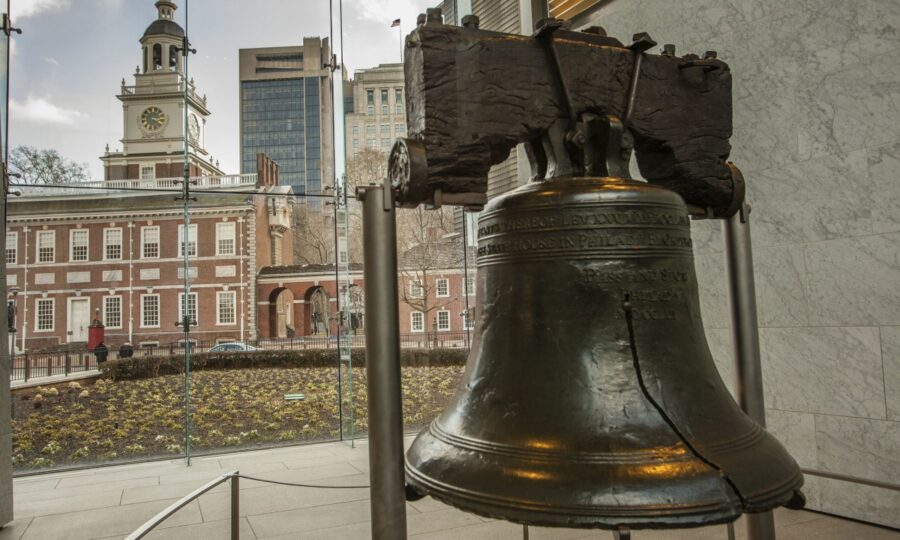
You can’t talk about America’s founding without starting in Philadelphia. Independence Hall is where they debated and signed both the Declaration of Independence and the U.S. Constitution. The building looks much like it did in 1776, and standing in the Assembly Room—it’s honestly a little goosebump-inducing.
The Liberty Bell sits just across the lawn in its own pavilion. Sure, everyone knows about the crack, but here’s the thing: there’s a Biblical inscription from Leviticus about proclaiming liberty throughout the land. That’s why abolitionists later claimed it as their symbol.
Pro tip: Book Independence Hall tour tickets online way ahead of time. They’re free but go fast, and summer 2026 will be packed. Early morning is your best bet before the tour buses roll in.
Independence National Historical Park is worth wandering, too. Carpenter’s Hall, where the First Continental Congress met, is right there. Benjamin Franklin’s grave at Christ Church Burial Ground? Yep, people still toss pennies for luck.
Colonial Williamsburg and Historic Taverns
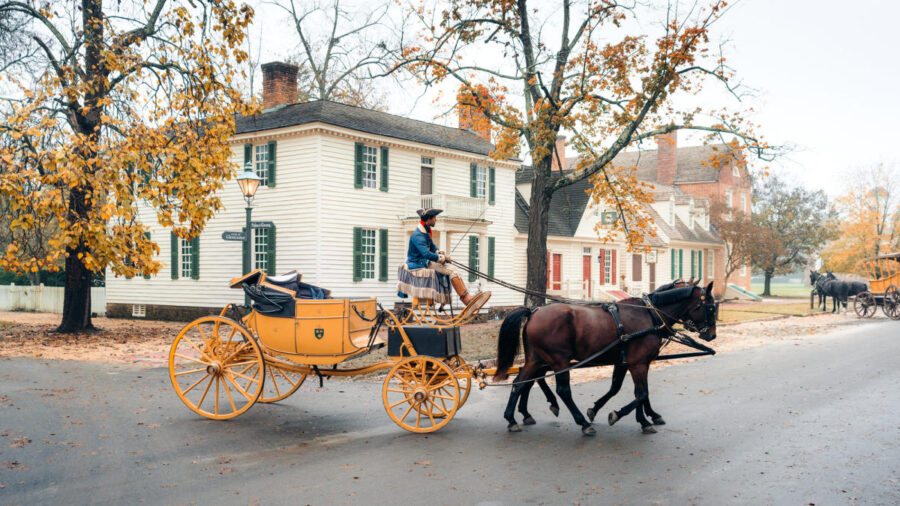
Colonial Williamsburg nails living history. It’s not just a museum—it’s a whole 301-acre town with costumed interpreters actually working 18th-century trades. The blacksmith forges iron. The printer sets type by hand.
The Governor’s Palace shows off British colonial power before the revolution. But honestly? The taverns tell you more about daily life. Shields Tavern and Chowning’s Tavern serve up period food (some dishes are surprisingly good, others…well, let’s just say they’re authentic).
Williamsburg connects deeply to the revolution. Patrick Henry gave fiery speeches at the Capitol. Thomas Jefferson studied law just down Duke of Gloucester Street. George Washington went to church at Bruton Parish.
You’ll want at least two days here. The ticket system can be a headache—just get the multi-day pass. And really, talk to the interpreters. They’re in character but will tackle tough questions about colonial politics, slavery, and daily life that you won’t get from brochures.
Valley Forge, Yorktown, and Revolutionary Battlefields
Valley Forge isn’t technically a battlefield, but Washington’s Continental Army nearly fell apart there in the brutal winter of 1777-78. Walking through the reconstructed soldier huts really puts the suffering in perspective. These guys had no shoes, barely any food, and somehow stuck it out long enough to win.
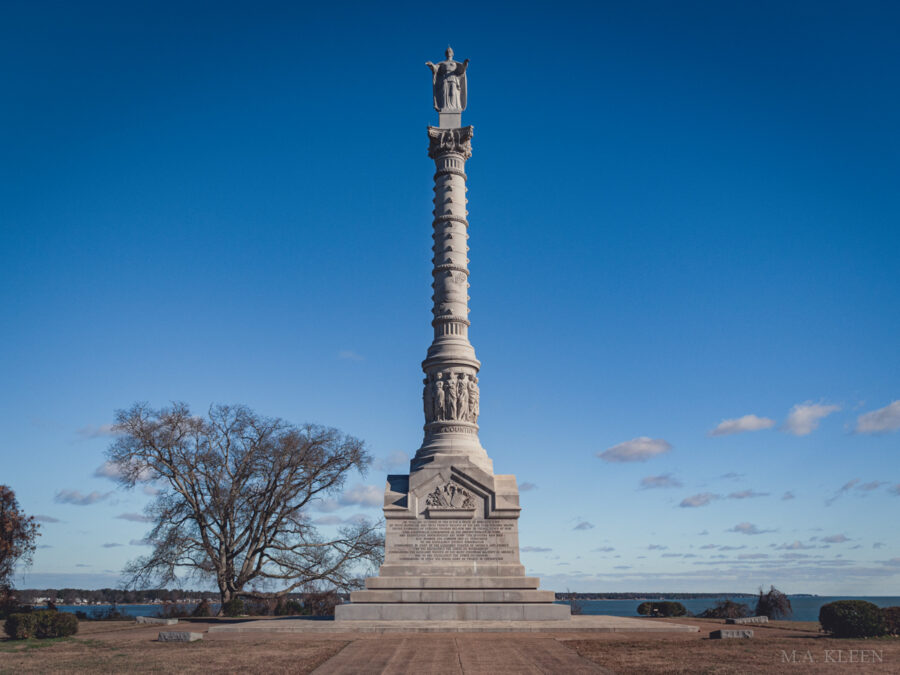
Yorktown is where the war ended in 1781. You can still see the original earthwork fortifications and stand on the bluffs over the York River where Cornwallis realized he was trapped. The Yorktown Victory Monument is impressive, but tracing the old siege lines is the real story.
Here’s the thing: Saratoga in upstate New York might be the most important battlefield you’ve never heard of. That victory in 1777 convinced France to join us. Without their help, we probably lose.
Revolutionary War Battlefield Quick Guide:
| Battlefield | Why It Matters | Best Feature |
|---|---|---|
| Bunker Hill (Boston) | First major battle | Climb the monument for views |
| Saratoga (NY) | Turned the war’s tide | Scenic driving tour |
| Valley Forge (PA) | Survival & perseverance | Winter encampment huts |
| Yorktown (VA) | Final victory | Original fortifications |
Most of these sites don’t charge admission, and their visitor centers usually offer films that give you some context before you head out.
Hidden Gems: Small Towns, Forgotten Cemeteries, and Local Experiences
America’s smaller spots hold some of the most genuine stories. You’ll stumble across pioneer graves beside Victorian storefronts, Revolutionary-era taverns still open for business, and local historians who bring lost moments back to life on guided walks.
Unearthing Rural Gems and Small-Town Museums
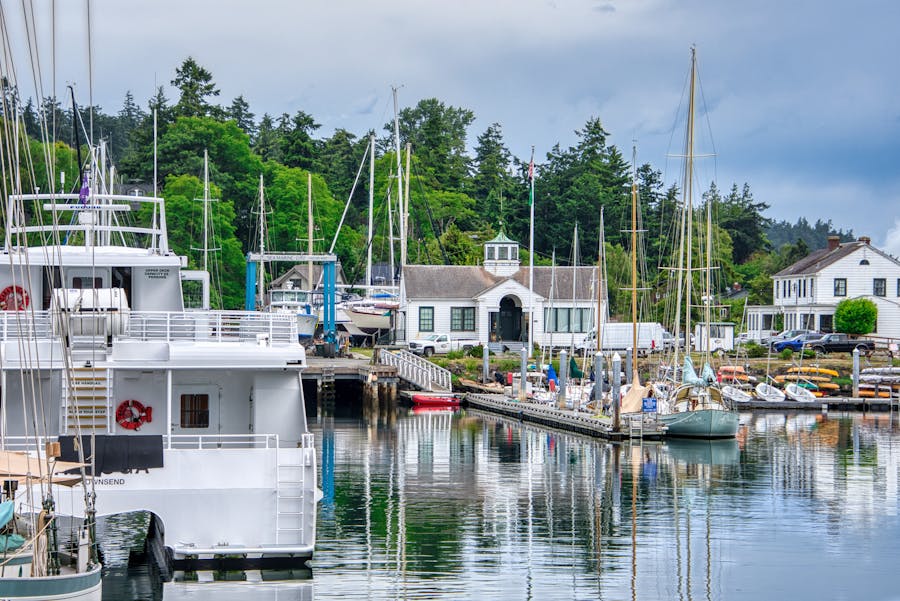
Port Townsend, Washington surprises a lot of people with its Maritime Heritage Center tucked among old Victorian seaport buildings. The nearby Laurel Grove Cemetery (from 1875) holds lighthouse keepers and shipwreck victims under headstones carved with anchors and nautical symbols. The Jefferson Museum of Art & History fills in the gaps about this town’s seafaring past.
In Leadville, Colorado—America’s highest incorporated city at 10,152 feet—Evergreen Cemetery preserves 1879 silver-boom history. Grab a self-guided map from the shed to trace old hearse routes and find the Potter’s Field section. The National Mining Hall of Fame downtown, though small, explains how regular prospectors shaped the Gilded Age.
Galena, Illinois crams 85 percent of its buildings into a National Historic District. Start at the Old Market House to get a feel for the lead-mining trade that built this Mississippi River town, then climb the steep Turner Hall staircase to Greenwood Cemetery, where steamboat captains and Ulysses S. Grant’s neighbors rest under elaborate limestone monuments.
Colonial Taverns and Historic Inns Off the Beaten Path

Gettysburg’s Dobbin House Tavern has served travelers since 1776. Order colonial-style meals in dining rooms that once hid escaped slaves on the Underground Railroad—the attic passageway is still there. Its location next to Soldiers’ National Cemetery makes it a natural stop after you see where Lincoln gave the Gettysburg Address.
Eureka Springs, Arkansas sits tucked in the Ozarks and offers the 1886 Crescent Hotel, known as “America’s Most Haunted Hotel.” The Victorian limestone building overlooks the Municipal Cemetery, where Civil War soldiers and early spa seekers who came for the “healing” springs now rest. Basin Spring Park downtown still has the original Victorian springhouse, where visitors once lined up with tin cups.
The Copper Queen Hotel in Bisbee, Arizona has welcomed guests since 1902 during the town’s copper-mining boom. Sip prickly-pear margaritas in the same saloon where miners blew their wages, then walk uphill to Evergreen Cemetery to see where those same workers ended up.
Walking Tours and Living History Reenactments

Vicksburg National Military Park hosts ranger-led walking tours through the 17,000-grave National Cemetery and along the 16-mile battlefield loop. Sometimes, evening programs feature bugle calls echoing across the Mississippi River bluffs. The U.S.S. Cairo gunboat museum gives you a hands-on experience you just can’t get from textbooks.
Every October, Eureka Springs puts on its Cemetery Walking Tour. Costumed locals stand beside graves in the Municipal Cemetery and tell the town’s wild stories. It’s more real than any ghost tour—these were actual people who built a Victorian spa town on crazy steep hills.
Jim Thorpe, Pennsylvania blends industrial heritage with Appalachian folklore on nighttime lantern tours of the Old Jail Museum. You’ll hear Molly Maguires legends and see the mysterious handprint a condemned Irish miner supposedly left on a cell wall—nobody’s managed to scrub it off. The borough cemetery holds graves tied to these coal-country stories, and guides explain how labor disputes shaped this “Switzerland of America.”
A lot of small towns now have self-guided tours through apps that use GPS to narrate as you walk. But honestly, nothing beats a local volunteer sharing family stories passed down for generations.
Exploring National Parks and Natural Wonders Along the Way
America’s 250th birthday is the perfect excuse to mix patriotic landmarks with the country’s most jaw-dropping landscapes. The National Park Service manages over 400 sites, and a bunch sit just a short detour from historic trails and revolutionary landmarks.
American Road Trip Routes through National Parks
Connecting history and nature on a road trip doesn’t mean you have to pick one over the other. The eastern seaboard alone gives you Shenandoah National Park in Virginia—drive Skyline Drive in the morning, hit Revolutionary War sites by afternoon.
Starting in the northeast? Acadia National Park in Maine pairs perfectly with Boston’s Freedom Trail. Watch the sunrise from Cadillac Mountain, then head south to explore where independence kicked off.
The Explore America initiative has made it way easier to plan these kinds of trips. Try the route from Philadelphia to Great Smoky Mountains National Park—you’ll pass through Gettysburg’s battlefields before reaching the misty peaks straddling Tennessee and North Carolina.
Out west, link the Lewis and Clark Trail with stops at Badlands and Theodore Roosevelt National Parks in the Dakotas. These parks still look much like they did when early explorers wrote about them.
Blending History with Scenic Beauty
Gateway Arch National Park in St. Louis is that rare spot where history and scenery really meet—it’s a monument to westward expansion and the literal gateway to scenic routes heading toward the Rockies. The arch tells the story of pioneers who passed right through here.
New River Gorge in West Virginia mixes coal mining history with some of the country’s best whitewater rafting. The bridge there is an engineering marvel—honestly, it rivals any historic structure you’ll see.
Don’t skip Mammoth Cave in Kentucky. The world’s longest cave system played a part in the War of 1812 when people mined saltpeter there for gunpowder. Underground tours reveal both wild geology and human history going back thousands of years.
Unexpected Outdoor Stops Near Historic Sites
Congaree National Park is about two hours from Charleston’s historic district, but hardly anyone bothers to visit. That’s great news if you like solitude—those towering bottomland forests practically belong to you. The boardwalk trail twists through trees that were already giants when the Declaration of Independence was signed. Pretty wild to think about, right?
Cuyahoga Valley, sandwiched between Cleveland and Akron, features the Ohio & Erie Canal Towpath Trail. You’re literally tracing the same route that once fueled America’s economy in the 1800s. These days, though, you’ll walk past waterfalls and spot wildlife instead of barges and businesses.
Biscayne National Park, just outside Miami, protects both coral reefs and old shipwrecks. The Maritime Heritage Trail lets you snorkel over sunken vessels with schools of fish darting all around—it’s honestly like exploring an underwater museum.
What are the best destinations to visit during America’s 250th birthday celebration road trip?
Philadelphia’s a must. Independence Hall and the Liberty Bell will have special events throughout 2026, and there’s just something about standing where the Declaration of Independence was signed 250 years ago. You can almost feel the history buzzing in the air.
Boston’s Freedom Trail links 16 historic sites in a single, walkable route. You’ll see the Old North Church, Paul Revere’s House, and even the site of the Boston Massacre—all in one afternoon if you’re up for it.
Mount Rushmore plans to go big with fireworks for the anniversary. The monument always feels impressive, but during a milestone year like this, it’s on another level.
Colonial Williamsburg in Virginia gives you living history—actors bring 1700s daily life to the present. It’s one of those rare places where history actually feels alive, not just a series of plaques you read and forget.
Washington D.C. will throw huge celebrations on the National Mall. The Smithsonian museums are already working on special exhibitions about the founding era and American history. Definitely worth planning for.
Charleston, South Carolina, offers a different angle on the Revolutionary period. The historic district preserves colonial-era homes and buildings, and Fort Sumter adds a Civil War chapter to your journey.
What unique events and festivities can road trippers expect in different states for America’s 250th birthday?
Every state’s got its own spin planned for July 4, 2026. Honestly, you can shape your route around whatever vibe you’re chasing.
Battlefields across the original thirteen colonies will host reenactments all summer long. Yorktown, Saratoga, and Valley Forge are going all out with period camps and live demonstrations.
Food festivals are everywhere, highlighting regional American flavors. From New England clam bakes to Southern barbecue throwdowns, there’s something for every taste bud—and it all ties into the anniversary theme.
Live music will be a big deal. Expect bluegrass in Appalachia, jazz in New Orleans, folk up in the Northeast—each spot brings its own soundtrack to the celebration.
The Department of Transportation’s Great American Road Trip campaign highlights over 200 destinations with interactive maps. Every state’s got curated itineraries linking historic landmarks and scenic drives. It’s almost overwhelming, but in a good way.
Historic Route 66 will throw celebrations along its entire stretch from Chicago to Santa Monica. Small towns are gearing up for festivals that channel the classic American road trip spirit.
If you’re hopping between cities, you might want luggage storage in the bigger spots. Honestly, it’s one of those little things that makes multi-stop travel way less stressful.
What are some lesser-known scenic drives that offer a unique perspective on America’s heritage for the 250th birthday?
The Mohawk Trail in Massachusetts actually predates European settlement and, by 1914, became one of America’s first scenic highways. It twists through the Berkshires, past old colonial towns and spots tied to the Revolutionary War. If you like a mix of history and hills, it’s hard to beat.
Virginia’s Crooked Road runs 330 miles through the birthplace of country music. You’ll cruise through coal mining towns and Appalachian valleys that shaped American culture in ways most textbooks just don’t mention. There’s something a little haunting and beautiful about the whole stretch.
The Great River Road traces the Mississippi all the way from Minnesota down to Louisiana. It’s wild to see how the river shaped settlements and trade long before highways crisscrossed the country. You feel the old rhythms of travel and commerce at every bend.
Ohio’s National Road was America’s first federally funded highway, starting back in 1811. When you drive it now, you pass through towns that grew up around this crucial link to the western frontier. There’s a sense of slow change, like you’re tracing the path of pioneers—minus the mud and wagons.
Kentucky’s Bourbon Trail isn’t just about whiskey, though that’s a big part. It tells the story of immigrant communities and farm traditions that helped create something uniquely American. The distilleries are interesting, but the landscape and old barns tell their own stories.
The Lincoln Highway stretches coast to coast as the first real transcontinental route. Some small sections still keep the original roadbed and those quirky vintage motels that really nail the vibe of early road trips. It’s a patchwork of nostalgia and Americana.
California’s El Camino Real links 21 Spanish missions built in the late 1700s and early 1800s. It’s a whole different founding story than the East Coast narrative most anniversary events talk about. You get a sense of layered histories, not just one version.
New Mexico’s Turquoise Trail between Albuquerque and Santa Fe winds through mining towns and pueblo communities that were here long before 1776. Honestly, sometimes the best way to understand America’s 250 years is to see what was already thriving before the country even began.