 Real Journey Travels
Last modified October 10, 2025
Montmartre really does feel like a little village tucked inside Paris. You wander up steep lanes, pass ivy-draped cafés, and hear street musicians echoing between old stone walls. If you map out your Montmartre itinerary, you’ll catch the best of the 18th arrondissement—without missing its secret corners. Whether you’re chasing art, history, or just a quiet terrace for coffee, this neighborhood always rewards a bit of curiosity.
Start your day at Sacré-Cœur, meander through artist squares, and finish with a city view that never gets old. I’ve wandered these hills more times than I can count, and somehow, every visit surprises me. Bring decent shoes (trust me on this) and maybe some sturdy travel gear, because Montmartre’s cobblestones are unforgiving.
Key Takeaways
- Tips for exploring Montmartre in a way that’s both fun and efficient
- A mix of must-see landmarks and hidden corners in the 18th arrondissement
- Practical advice for planning your own Montmartre adventure
How to Get to Montmartre

Getting to Montmartre in Paris’s 18th arrondissement is pretty straightforward once you know your metro stops. Those steep hills, cobblestones, and twisty lanes can trip you up, but with a good plan, you’ll skip the crowds and roll right into exploring.
Best Metro Stations for Arrival
Three metro stations drop you right into Montmartre: Abbesses, Anvers, and Blanche. Each one sets a different tone for your first steps in the neighborhood.
Abbesses Metro (Line 12) lands you right in the heart of things. It’s actually the deepest station in Paris—if you’re not up for 285 steps, just grab the elevator. I like popping out here when I want to start with breakfast or coffee near Rue des Abbesses before climbing higher.
Anvers (Line 2) is your straight shot to Sacré-Cœur. As soon as you exit, you’ll spot the basilica looming above. Head up Rue de Steinkerque or just hop on the Montmartre funicular—your regular metro ticket covers it.
Blanche (Line 2) sits by the Moulin Rouge and works great if you want to check out Pigalle before tackling the hill. If you’re coming from the airport, book flights through KAYAK or Skyscanner, take the RER B to Gare du Nord, then switch to Line 2.
Montmartre’s magic lives in its uneven, winding streets. But man, those cobblestones can do a number on your feet. Wear shoes with real support—I’ve watched plenty of folks limping by lunchtime.
The steepest climbs hit around Rue Foyatier and Rue du Chevalier de la Barre. Locals often jump on Bus 40 to dodge the worst hills. If you’re walking, zigzag your route uphill instead of attacking the slope head-on.
A small map comes in handy since GPS sometimes goes haywire among the old buildings. I usually start at Place des Abbesses and wander toward Rue Lepic or Rue des Saules. Along the way, you’ll stumble onto bakeries, cafés, and peaceful squares that seem a world away from the crowds below.
If you’re staying nearby, book a hotel close to the metro with Booking.com so you can stroll in on foot.
Tips for First-Time Visitors
Montmartre can feel like a labyrinth, so don’t rush. Early mornings are calm, and evenings glow with streetlights and buskers. I’d show up before 9 a.m. if you want photos without a sea of people.
Keep some coins handy—lots of cafés still want cash for your coffee and pastries. And keep an eye on your pockets, especially on the Sacré-Cœur steps; pickpockets know the area well.
For short trips, hunt for cheap flights and use public transport instead of taxis. The metro’s quicker and gives you a better feel for Paris anyway.
Mostly, just let yourself wander. Montmartre rewards the curious. Duck into side streets, peek into courtyards, and let the cobblestones lead you—you’ll find the best moments when you’re a little lost.
Best Time to Visit Montmartre

Montmartre’s mood shifts with the seasons, from spring’s blossoms to winter’s cozy lights. The best time to visit? That depends. Do you want quiet strolls, lively festivals, or just clear skies for those sweeping Sacré-Cœur views? Your timing can totally change your experience up here.
Seasonal Highlights and Events
Spring and autumn usually hit the sweet spot. In April and May, cherry trees bloom near Sacré-Cœur, and you’ll dodge the worst crowds. The air feels fresh, and the light just begs for photos.
Come October, golden leaves blanket the steps, and the Fête des Vendanges—Montmartre’s grape harvest festival—takes over the streets with parades and tastings from the local vineyard. You can dive into the details at Bellas Bold Adventures.
Summer has its perks—long days, open-air concerts—but it’s also packed. If you like a buzz, aim for June or July, when cafés spill onto sidewalks and painters set up shop in the sun. Winter, though, is a different kind of magic. The Christmas markets near Rue Lepic and Place du Tertre feel worth the chill.
Avoiding Crowds and Peak Hours
To have Montmartre mostly to yourself, show up early on a weekday. At sunrise, the steps of Sacré-Cœur are almost empty, and you’ll hear church bells instead of selfie sticks. It’s the best time for photos or a peaceful croissant before the day gets busy.
Weekends, especially Saturdays, get jammed. Tour groups pile in by midmorning and linger until late afternoon. If you go before 9 a.m. or after 6 p.m., you’ll catch softer light and a more local vibe.
Tuesdays always seem quieter—maybe because most tourists start with the Louvre or Eiffel Tower. If you like a slower pace, that’s your window for exploring lanes like Rue de l’Abreuvoir or Rue des Saules.
Weather Considerations
Paris weather can be a wildcard, but Montmartre’s hilltop spot means it often feels cooler and breezier than the rest of the city. Spring and fall usually sit around 15–20°C (59–68°F)—ideal for walking without breaking a sweat.
Summer can climb to 30°C (86°F), so bring water and a hat if you’re doing the stairs. The views are worth it, but there’s not much shade. Winter hovers near 5°C (41°F). Snow’s rare, but when it comes, Sacré-Cœur looks like something out of a snow globe.
Rain showers don’t last long. I keep a small umbrella handy and wait out the drizzle in a café like Le Consulat. Afterward, the wet cobblestones shine—one of those little Paris moments that sticks with you.
Essential Stops on Your Montmartre Itinerary
Montmartre is best when you take it slow. Every corner hides something—a garden, a mural, a bakery you never noticed before. You’ll hit the big sights, but don’t be surprised if a random street ends up your favorite part.
Sacré-Cœur Basilica and Panoramic Views

The Sacré-Cœur Basilica sits at Paris’s highest point, glowing white even on gray days. You can walk in for free any day, but climbing the dome (a few euros) rewards you with the city’s best views—Eiffel Tower, the Seine, endless rooftops.
I love going early, before the crowds and souvenir hawkers show up. The hush inside the basilica feels almost outside of time. If you’re into photos, sunrise or sunset turns the stone golden—honestly, it’s hard to take a bad shot.
You can book guided tours or activities through sites listing things to do in Paris if you want structure, but honestly, wandering solo feels way more rewarding here.
Square Louise Michel and the Funicular

At the foot of the hill, Square Louise Michel stretches out, a terraced park leading straight up to Sacré-Cœur. It’s a lovely spot to sprawl on the grass or just people-watch while accordion music drifts by. The climb is steep, but every step ups the view.
Too tired to climb? The Montmartre Funicular runs every few minutes and uses a regular metro ticket. It’s a quick lift and gives you a different angle on the neighborhood. Sometimes I ride up just for fun, then wander back down to hit the cafés and shops.
Rue du Chevalier de la Barre and the Sinking House
Right next to the basilica, Rue du Chevalier de la Barre curves quietly along the hillside. It feels frozen in time—cobblestones, ivy, barely any cars. The street leads to the famous “Sinking House,” a quirky optical illusion you get by tilting your camera against the slope.
Locals love bringing friends here for the classic photo. I spent a good ten minutes lining up the perfect shot, laughing with strangers who were trying the same. This little stretch really captures Montmartre—historic, playful, and always camera-ready.
Artistic and Historical Landmarks
Montmartre still pulses with creativity. Squares, tiny museums, old studios—painters, sculptors, and dreamers left their mark everywhere. You’ll spot hints of its bohemian past in open-air easels and quiet gardens where Renoir and Utrillo once walked.
Place du Tertre and Street Artists
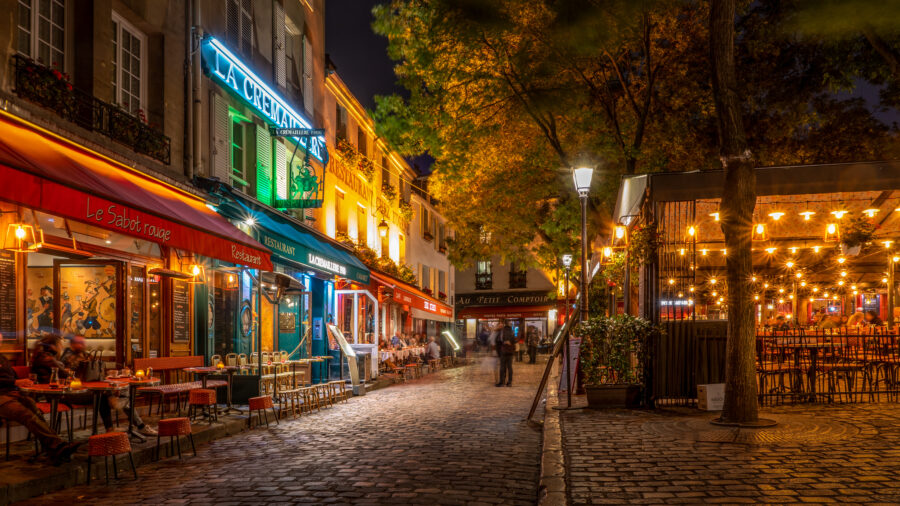
In the heart of Montmartre, Place du Tertre feels like a living art book. Every morning, local painters set up their easels, sketching portraits or selling little canvases. Some have worked here for decades, inheriting their spots from family.
I once sat for a quick charcoal portrait here—it turned out a bit lopsided, but that’s half the fun. The artists chat, joke, sometimes argue about technique. It’s not just a show; it’s tradition, and it keeps Montmartre’s creative spirit alive.
Grab a coffee at Le Consulat, a café where Picasso and Van Gogh once hung out, and watch the square come to life. According to Paris Top Ten’s Montmartre itinerary, mornings are the best time if you want to see the artists before the place gets crowded.
Musée de Montmartre and Renoir Gardens
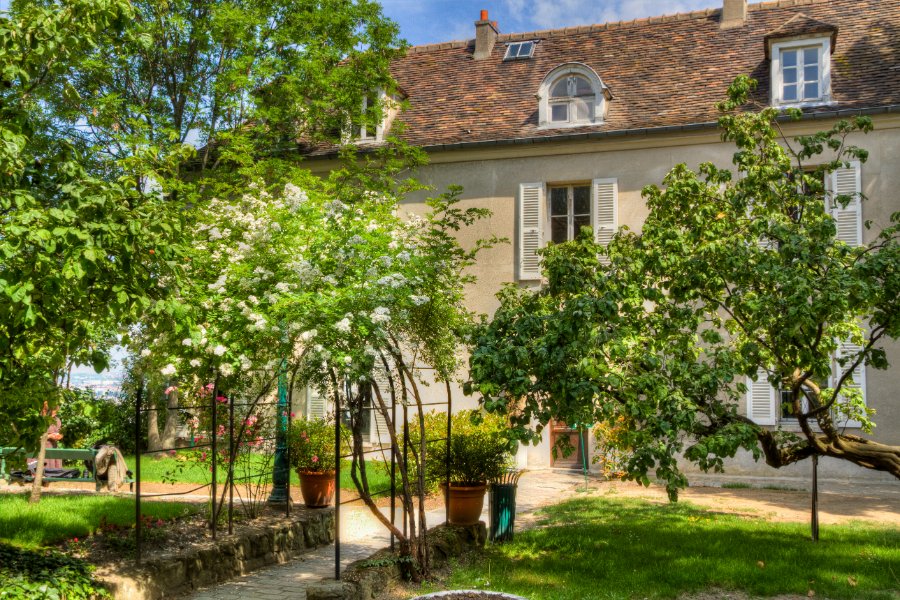
Hidden away on Rue Cortot, the Musée de Montmartre feels like one of those rare, quiet gems you stumble upon in a city that’s always buzzing. The museum fills the old studios where Pierre-Auguste Renoir, Suzanne Valadon, and Maurice Utrillo once lived and painted. You’ll wander through rooms packed with paintings, letters, and photos that chart Montmartre’s journey from sleepy hilltop to bohemian playground.
Step out into the Renoir Gardens, and suddenly it makes sense why artists flocked here. The gardens look out over the Clos Montmartre vineyard, one of Paris’s last working vineyards, which gets a lovely mention in Memories France’s Montmartre guide. It’s peaceful—the kind of place with leafy paths and benches that practically beg you to slow down and linger.
I like to bring a notebook and just sit for a while—it’s easy to picture Renoir painting La Balançoire right there, with the city humming below.
Dalí Paris Museum
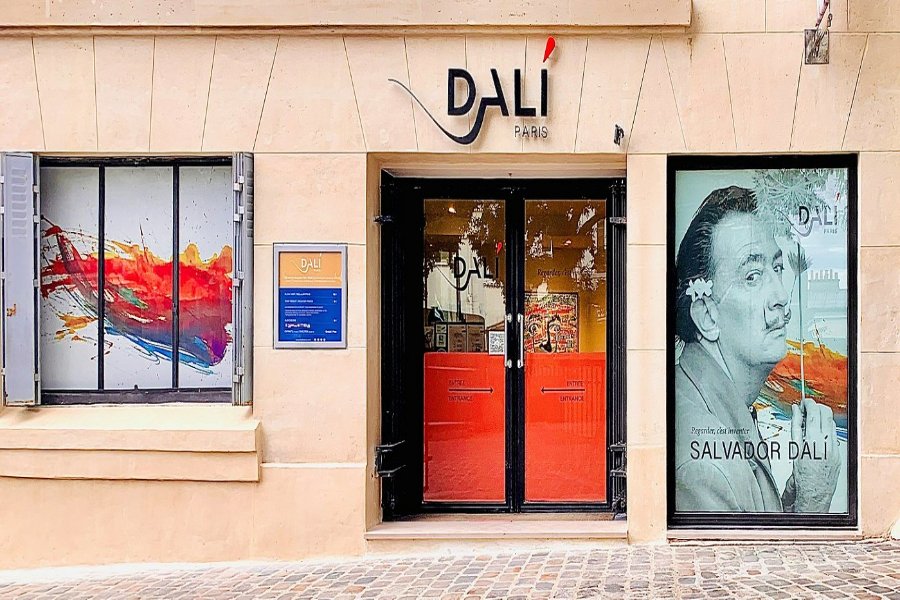
Not far from Place du Tertre, the Dalí Paris Museum plunges you straight into Salvador Dalí’s wild, surreal universe. It’s smaller than you might expect, but it’s crammed with his sculptures, engravings, and oddball furniture—all pulled from his wildest dreams.
Dalí’s spirit fits right in with Montmartre’s rebellious, avant-garde vibe. He shared that playful, rule-breaking energy with Picasso and the rest who once haunted these streets. You’ll spot the famous melting clocks and stretched-out figures, but there are plenty of lesser-known pieces that show off his humor and technical skill.
If you’re pressed for time, this place is honestly one of the most fascinating things to do in Montmartre. It’s bold, eccentric, and impossible to forget—much like Dalí himself.
Hidden Corners and Iconic Streets
Montmartre’s magic hides in the quiet lanes, pastel houses, and tiny details that most tourists just walk past. You’ll stumble into spots where artists once hung out, cafés that still feel like neighborhood living rooms, and statues locals treat like old pals. Every street here weaves together art, nostalgia, and that everyday Parisian rhythm.
Rue de l’Abreuvoir and La Maison Rose

If you’ve ever flipped through a postcard rack in Paris, you’ve probably seen Rue de l’Abreuvoir. This curving cobblestone street looks frozen in time, especially in the early morning. I like to walk it just after sunrise, when the shutters are still closed and the air smells faintly of fresh bread.
At the bend, you’ll spot La Maison Rose, a pink café that doesn’t even look real. Picasso and Modigliani once ducked inside, sketchbooks in tow. These days, it’s a lovely spot for lunch or a quiet coffee.
Keep walking downhill, and the view opens up to the city, framed by ivy-draped walls. It’s one of those moments where you just stop and think, This is it—this is Paris.
Tip: Go on a weekday morning. The light is perfect on those pastel walls, and you’ll have the place mostly to yourself for photos.
Le Consulat and Rue Norvins
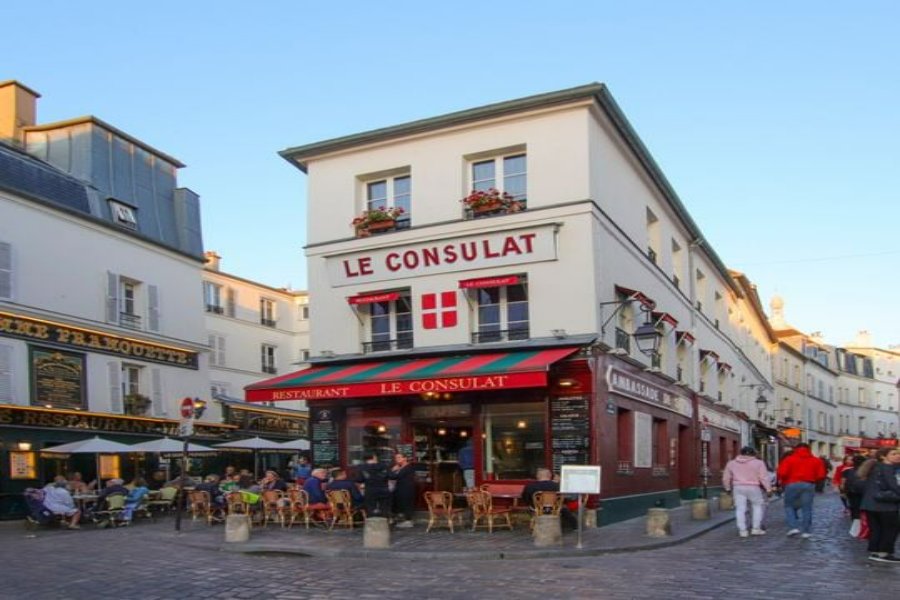
Just a few steps away, Le Consulat sits on Rue Norvins, another street that feels straight out of an old painting. The café’s red-and-white facade hasn’t changed much in a hundred years. Artists like Utrillo and Renoir used to gather here, and you can still feel that creative buzz if you grab a seat outside with a café crème.
Rue Norvins winds through the heart of Montmartre Village, lined with tiny galleries and souvenir shops. Sure, it can feel touristy, but if you slow down, you’ll spot iron balconies, hand-painted signs, and maybe even catch the sound of an accordion drifting from a busker nearby.
I always tell friends to walk here just before sunset. The golden light makes the buildings glow, and suddenly the crowds don’t matter so much.
Buste de Dalida and Place Dalida
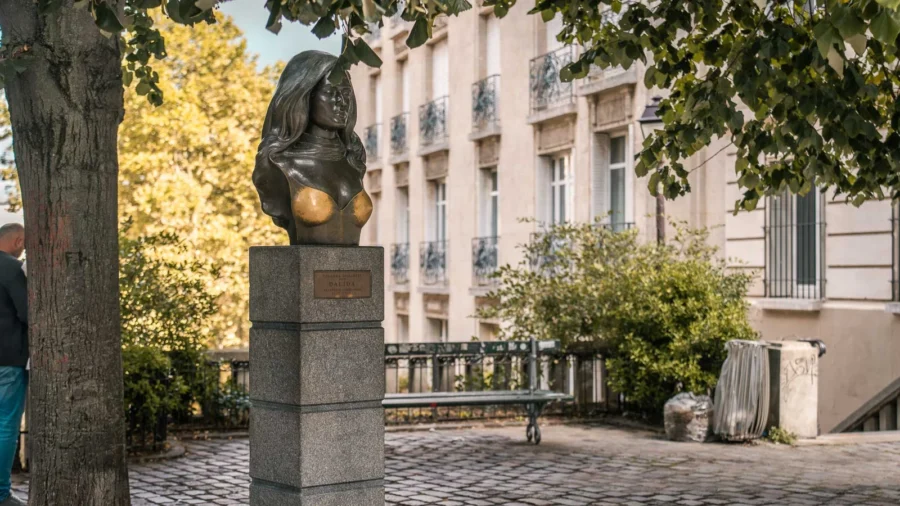
On a quiet corner, Place Dalida honors one of France’s most adored singers. Locals come by to touch the Buste de Dalida, a bronze statue that shines from years of gentle hands. Even if you don’t know her music, the spot has a gentle, almost sentimental vibe.
Elegant townhouses and leafy trees surround the square. It’s just off Rue Girardon, but it feels a world away from the crowds near Sacré-Cœur. I like to perch on the low wall and watch the sun move across the rooftops—it’s peaceful, almost meditative.
From here, you can wander back down Rue de l’Abreuvoir, looping toward the cafés and art stalls. It’s a small circle, but somehow it captures everything that makes Montmartre feel special: art, memory, and that quiet sense of belonging.
Montmartre’s Unique Experiences
Montmartre mixes old-world artistry with nightlife that never really fades. Between historic windmills and candlelit cabarets, you’ll stumble into places that still buzz with the creative energy that once drew painters and poets to this hillside village.
Moulin Rouge and French Cabaret Culture
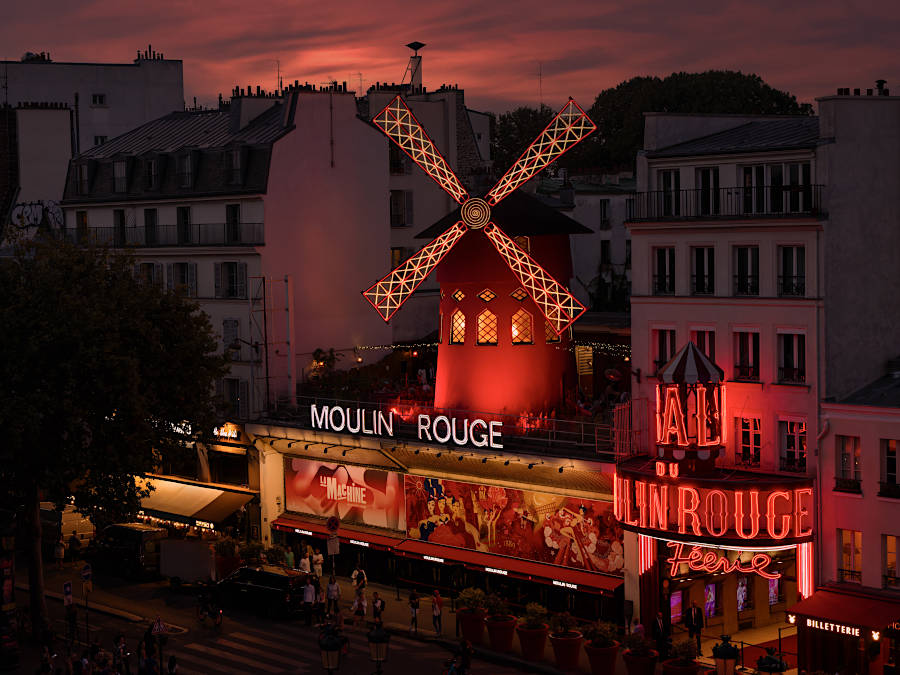
There’s no way around it—you can’t talk about Montmartre without mentioning the Moulin Rouge. That red windmill is a global symbol for Parisian nightlife. Since opening in 1889, it’s defined French cabaret—a heady mix of music, dance, and cheeky humor that still packs the house every night.
Inside, velvet seats, mirrored walls, and feathered costumes set the scene. The “Féerie” show, with its sequined dancers and live orchestra, keeps the cabaret’s roots alive while tossing in some modern sparkle. Dress up a bit—sneakers and shorts won’t cut it.
Curious about the history behind the glitz? Check out this guide to Montmartre’s attractions for a look at how the Moulin Rouge shaped the neighborhood. Yes, it’s touristy, but when the lights go down and the cancan starts, it’s hard not to get swept up in the magic.
Cabaret au Lapin Agile
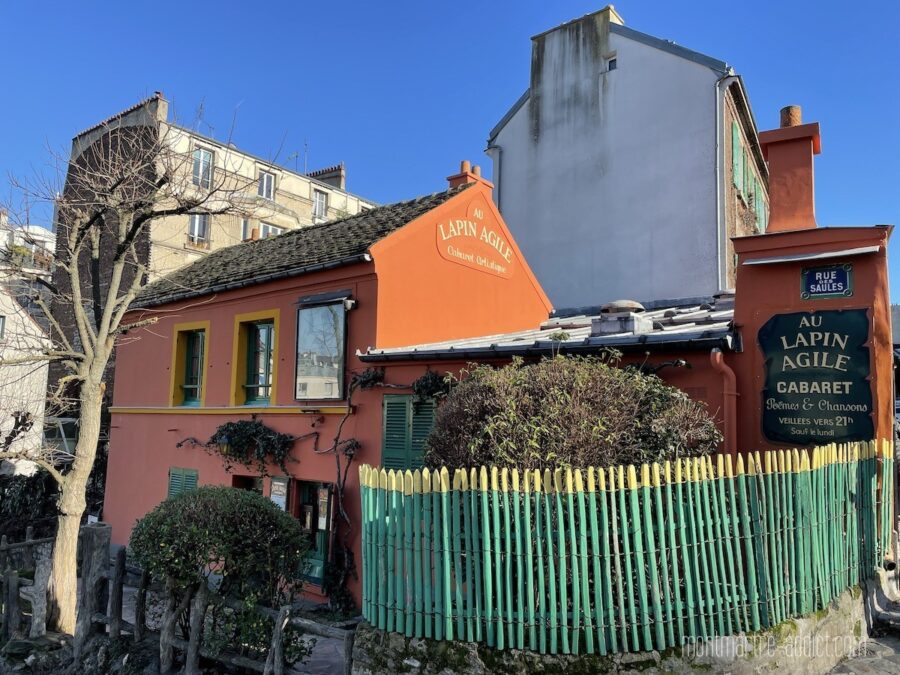
Down on Rue des Saules, Cabaret au Lapin Agile feels like a time machine. This tiny pink house with a rabbit painted on the wall once welcomed Picasso, Modigliani, and more poets than you can count. I still remember ducking through its low doorway one chilly night, half-expecting someone to start reciting verse.
Here, the show is simple—no microphones, no flashy choreography. Just chanson, poetry, and storytelling around candlelit tables. It’s intimate, a bit unpredictable, and that’s exactly what makes it special.
The Lapin Agile isn’t about spectacle; it’s all about soul. You’ll hear old French songs you might not totally get, but you’ll definitely feel them. It’s the kind of place that reminds you why Montmartre still beats with a bohemian heart.
Moulin de la Galette and Moulin du Radet
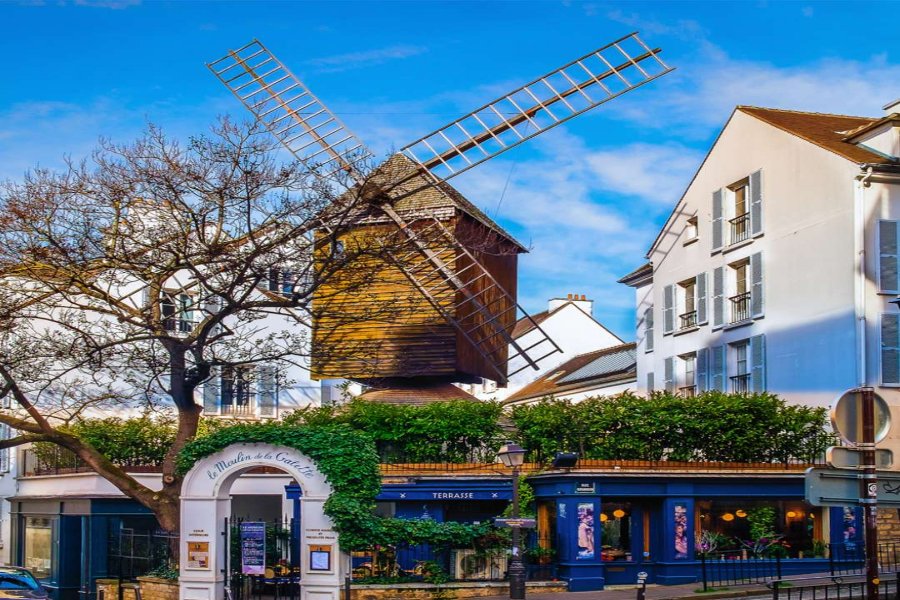
Two historic windmills—Moulin de la Galette and Moulin du Radet—still stand above Montmartre, reminders of the days when vineyards and farms covered the hill. The Galette, now part of a restaurant, once hosted wild Sunday dances that inspired artists like Renoir and Toulouse-Lautrec.
You might recognize it from Renoir’s painting Le Moulin de la Galette, with its carefree, open-air party vibe. These days, you can eat under the same sails, order classic French dishes, and try to imagine the laughter echoing through the courtyard.
Next door, the Moulin du Radet looks much the same as it did centuries ago. It’s not open to the public, but it’s worth a quick photo stop—especially at sunset, when the light catches the wooden blades. It’s one of those quiet corners that makes you get why movies like Midnight in Paris keep coming back to Montmartre’s magic.
Charming Parks, Squares, and Vineyards
When you need a break from the crowds, Montmartre’s quieter corners deliver. You’ll find shady gardens, cobbled lanes draped in ivy, and a working vineyard that still bottles wine every year. These spots reveal the neighborhood’s slower side—a blend of nature, history, and artistry.
Square Suzanne Buisson and Avenue Junot

Hidden behind the busy Rue Lepic, Square Suzanne Buisson feels like a secret locals’ garden. Neighbors come here to read or chat under chestnut trees. There’s a small statue of Saint Denis, holding his own head—a strange but oddly fascinating reminder that Montmartre means Mount of Martyrs.
Just a short walk away, Avenue Junot stretches out in quiet elegance. The early 20th-century townhouses blend Art Deco and modernist styles. I always stop at Villa Léandre, a cul-de-sac that looks more London than Paris. The pastel houses and calm air make it one of Montmartre’s most photogenic corners.
If you’re into hidden lanes and cool architecture, the Paris je t’aime guide has a nice walking route through Avenue Junot and the nearby squares.
Vigne du Clos Montmartre
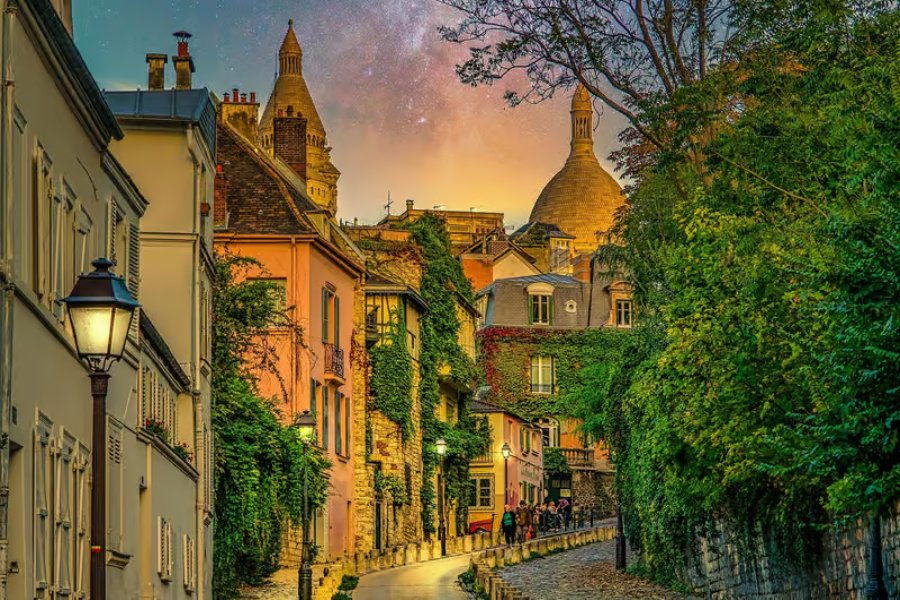
I still meet people who are surprised Montmartre has its own vineyard. The Vigne du Clos Montmartre sits between Rue des Saules and Rue Saint-Vincent, right behind the Musée de Montmartre. About 2,000 vines cover the hillside, producing roughly 1,000 bottles each year.
Every October, locals throw the Fête des Vendanges, a festival filled with music, parades, and food. The wine? It’s not exactly world-class, but it’s made with a lot of heart. I tried it at a café nearby—it’s light, rustic, and honestly full of charm, just like the area.
You can dig deeper into the vineyard’s backstory and festival at Paris je t’aime’s Montmartre walk.
Montmartre Cemetery
Down the hill from Place de Clichy, you’ll find the Montmartre Cemetery, shaded by tall trees and crossed by a bridge that carries Rue Caulaincourt. It’s peaceful—almost haunting—but in a beautiful way. Plenty of famous artists rest here, like Dalida, Degas, and Berlioz.
I like to wander the narrow paths early in the morning. The carved angels, mossy tombs, and stray cats all add to the atmosphere. Bring a map or jot down the section numbers; graves can be tricky to locate. It’s more than just a cemetery—it’s a stroll through Montmartre’s creative spirit, where art and memory linger in the air.
Self-Guided Walking Tour Tips
Walking Montmartre on your own gives you the freedom to go at your own pace, stumble into hidden corners, and soak up the neighborhood’s rhythm. You’ll want comfy shoes, a loose schedule, and a good dose of curiosity for these hilly, cobbled streets.
Suggested Walking Routes
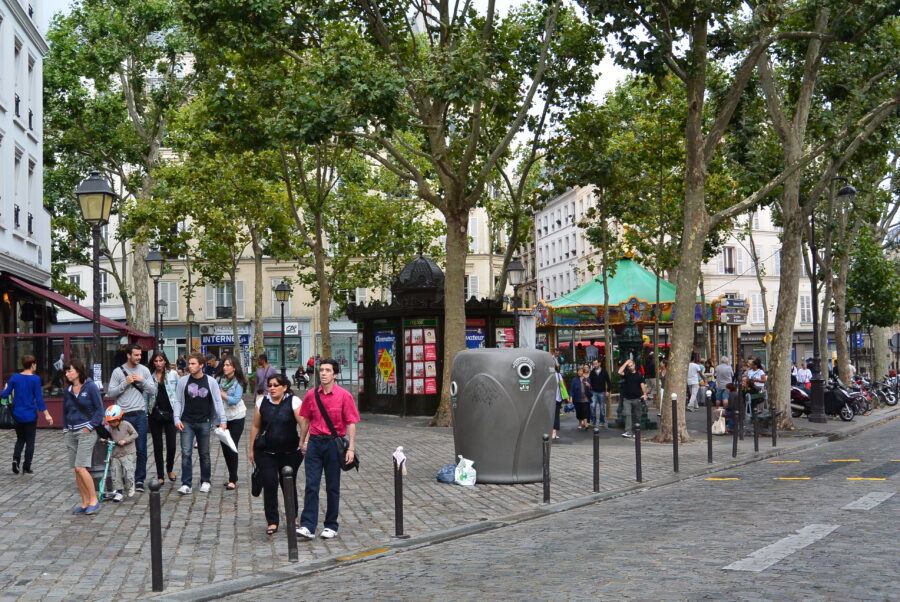
Kick things off at Place des Abbesses, near the Mur des Je t’aime (aka the Wall of Love). It’s a chill place to start before you wind your way up to the lively Place du Tertre. From there, wander the cobblestone streets lined with cafés and galleries—Picasso and Renoir once found inspiration here.
Head toward the Sacré-Cœur Basilica, but don’t be afraid to detour. I like to duck down Rue Norvins—it’s quieter and packed with charm. Be sure to spot Le Passe-Muraille, a quirky sculpture of a man walking through a wall, hidden on Rue Norvins near Place Marcel Aymé.
If you’d rather follow a mapped route, you can book local tours or just use them as inspiration for your own walk. Give yourself at least two hours, though you might end up staying longer if the crepes and photo ops call your name.
Must-See Photo Spots
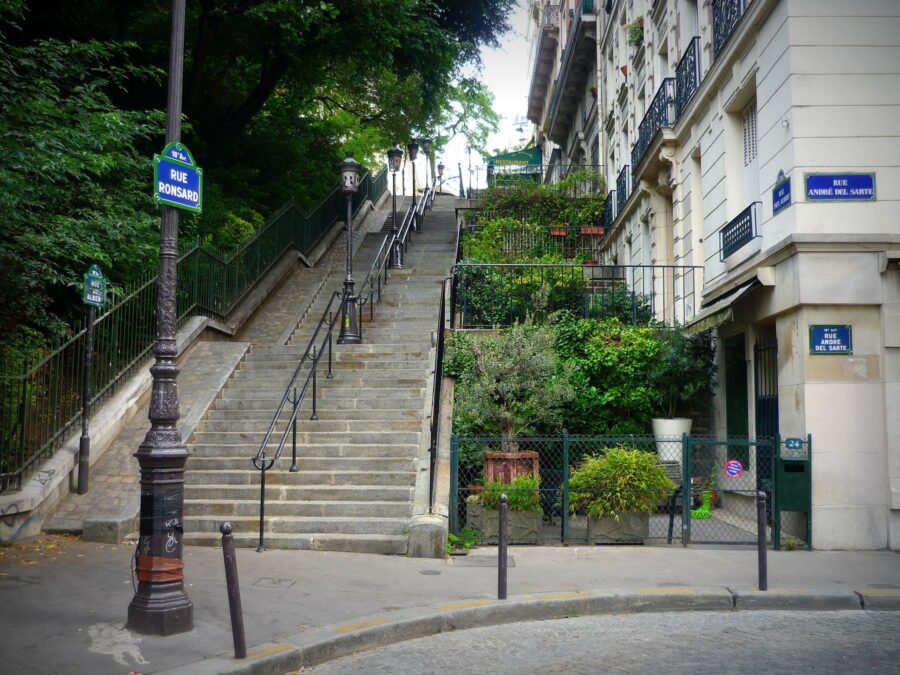
Montmartre rewards anyone who looks up and takes things slow. The top of the Sacré-Cœur steps? It’s one of the best panoramic views in Paris, especially if you catch it at sunset. But honestly, I’m just as drawn to the little things: ivy climbing old façades, pastel shutters, and that pink, storybook corner at La Maison Rose.
If you’re feeling a bit romantic, swing by the Mur des Je t’aime. Those blue tiles, covered in “I love you” in dozens of languages, make a killer photo backdrop. A few steps away, the narrow lanes behind Rue Lepic show off Montmartre’s bohemian side—without the crowds.
Want a photo that’s a bit less obvious? Try the Moulin de la Galette windmill or the quirky bronze figure of Le Passe-Muraille. Snap your shots in the early morning if you can—the cobblestones almost glow, and you’ll have the streets mostly to yourself.
Safety and Local Etiquette
Montmartre feels pretty safe, but pickpockets hang around Sacré-Cœur and the metro. Keep your bag zipped and don’t flash your valuables. If you’re lugging a suitcase before check-in, stash it at luggage storage options nearby.
Locals appreciate a little courtesy—just say bonjour when you walk into a shop or café. It’s tiny, but it counts. Try not to sit on church steps or block narrow paths when you’re taking photos; space gets tight, and people actually need to get by.
Don’t forget sturdy shoes. Those slopes and cobblestone streets get slick after rain. And if you’re stopping for a snack or a drink, pick a small, family-run spot instead of a chain. That’s how Montmartre keeps its magic.
Frequently Asked Questions
Montmartre mixes history, art, and daily life in a way that just feels different from the rest of Paris. There are quiet corners, buzzing cafés, and views that’ll make you stop in your tracks. You can see most of it on foot, which is honestly the best way to soak up the neighborhood’s bohemian vibe.
What are the top attractions to include in a two-day visit to Montmartre?
On your first day, wander between Sacré-Cœur Basilica, the Place du Tertre, and the Montmartre Museum. Each place has its own flavor—sacred, artsy, or just a bit nostalgic.
For day two, check out Rue des Martyrs for local shops and Villa Léandre for peaceful, leafy streets that feel miles from the crowds. If you travel a lot, I’d say it’s worth looking into travel insurance before you go, just in case your plans go sideways.
Can you recommend a route for exploring Montmartre on foot?
Start at Pigalle and wander uphill toward Rue Lepic—don’t miss the windmill at Moulin de la Galette. Keep going to Abbesses, then climb the steps up to Sacré-Cœur for that view.
I usually end my walk near Lamarck-Caulaincourt. There are quiet cafés here—perfect for resting your feet and watching the world go by.
Where are the best dining spots in Montmartre for an authentic Parisian experience?
Skip the tourist traps around Place du Tertre. Grab a table at Le Poulbot for cozy French comfort food, or Bouillon Pigalle for a classic meal that won’t break the bank.
Craving something sweet? Les Petits Mitrons on Rue Lepic bakes fruit tarts that locals actually line up for.
What unique activities does Montmartre offer for nighttime entertainment?
Sure, the Moulin Rouge is legendary, but there’s more out there. I like Bar à Bulles, tucked behind the windmill—locals hang out here, and it’s got a chill vibe.
Some nights, I just drift into one of the little jazz bars near Abbesses. No huge crowds, just solid music and a friendly crowd.
How can I access the Montmartre funicular, and what are its operating hours?
The Montmartre Funicular runs every day from about 6:00 AM to 12:45 AM. It connects the bottom of the hill near Anvers metro to the top by Sacré-Cœur.
Just use a regular metro ticket. It’s a lifesaver if you’re wiped after climbing around all day.
What historic steps should I visit in Montmartre for a panoramic view of Paris?
You really can’t miss the Rue Foyatier steps—they wind right up next to the funicular and, honestly, the view from the top feels straight out of a vintage postcard. Paris sprawls out below, all those rooftops and the basilica just waiting to be admired.
Looking for something a bit less crowded? Try the Lamarck-Caulaincourt staircase. The climb feels easier, and you’ll usually have the place to yourself. The views? Still absolutely worth it.


