Weekend in Munich Itinerary: 7 Must-See Sights & Local Tips
Updated November 10, 2025
A weekend in Munich gives you just enough time to see why this Bavarian capital feels both grand and down-to-earth. You can sip coffee on Marienplatz while the Glockenspiel chimes, wander through the English Garden, and still fit in a cold beer under the Chinese Tower. This itinerary lays out how to spend two days in Munich, mixing history, food, and local life without cramming too much in.
You’ll find yourself weaving along cobbled streets, ducking into centuries-old churches, exploring royal palaces, and catching glimpses of Munich’s love for art and design. If you’re anything like me, you’ll probably end up lingering in a beer hall, chatting with locals who make you feel oddly at home.
Key Takeaways
- Plan a smooth weekend through Munich’s must-sees
- Strike a balance between history, culture, and Bavarian flavor
- Pick up practical tips for exploring Munich like a local
Essential Travel Information for Your Munich Weekend
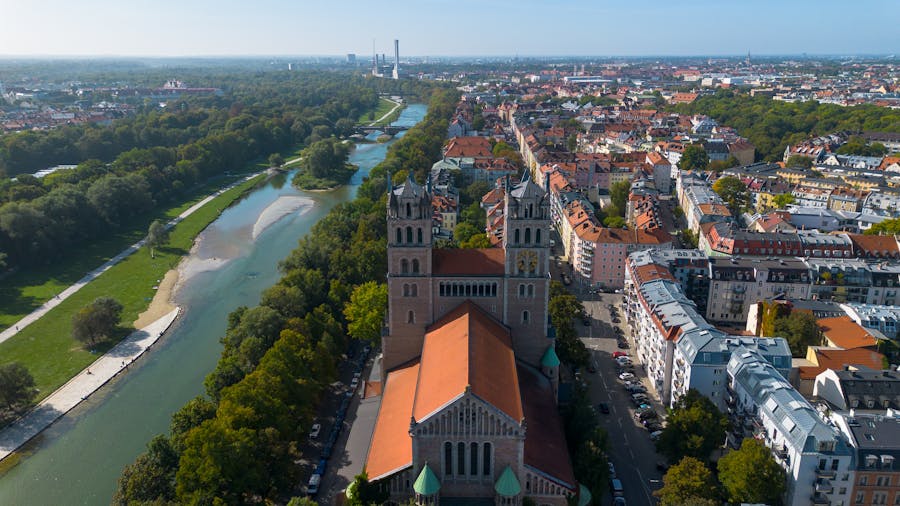
Munich is easy to reach, simple to navigate, and packed with great places to stay. Whether you’re flying in, arriving by train, or taking the tram, a bit of planning makes everything easier.
How to Get to Munich and Munich Airport Transfers
Munich Airport (MUC) sits about 35 kilometers northeast of the city. It’s one of Germany’s busiest, so chances are you’ll land there if you’re flying. Compare flight prices on Skyscanner or KAYAK before booking.
Getting downtown is straightforward. S-Bahn S8 or S1 trains run every 10 minutes and take about 40 minutes to reach Munich Central Station (Hauptbahnhof). Trains are reliable and much cheaper than taxis.
If you want extra convenience, airport shuttles and ride-shares are right by arrivals. Taxis take about 35 minutes, traffic depending. I’ve tried both, but the train usually wins for comfort and price—unless you’re wiped out or it’s late at night.
Munich’s public transport is top-notch. The S-Bahn reaches the suburbs and airport, while the U-Bahn connects most city sights. Buses and trams fill in the rest, so you really don’t need a car.
Tickets work across all systems. Buy them from machines or the MVV app. If you’re sightseeing, a day ticket usually saves you money.
Keep a small map or use offline navigation—stations can look alike, especially near Marienplatz. If you’re staying out late at a beer garden, check the last train times; the U-Bahn stops around 1 a.m. on weekdays.
Where to Stay: Best Districts and Unique Accommodations
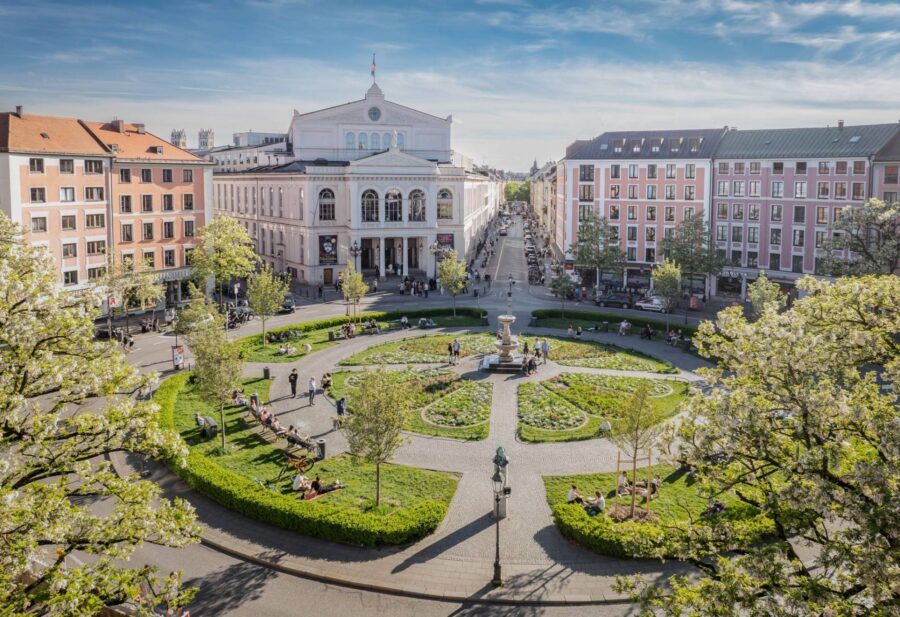
Munich’s neighborhoods range from lively to low-key. Altstadt-Lehel puts you in the heart of the old town near Marienplatz and Viktualienmarkt—super walkable, great for first-timers.
For a local vibe, Glockenbachviertel and Schwabing offer trendy cafés, boutique hotels, and nightlife. Families often lean toward Maxvorstadt for its museums and quieter streets.
Use Booking.com or Expedia to compare options. Munich hotels fill up fast during festivals, so book early. I once waited too long during Oktoberfest and ended up in a tiny guesthouse outside the city—charming, sure, but that S-Bahn ride back each night felt endless.
Day 1: Exploring Munich’s Historic Old Town
Kick off your weekend by wandering Munich’s Old Town, where centuries of history mix with lively markets and striking architecture. You’ll hit medieval churches, ornate halls, and one of Europe’s most famous clock shows—all within a short walk.
Marienplatz and the Glockenspiel Show
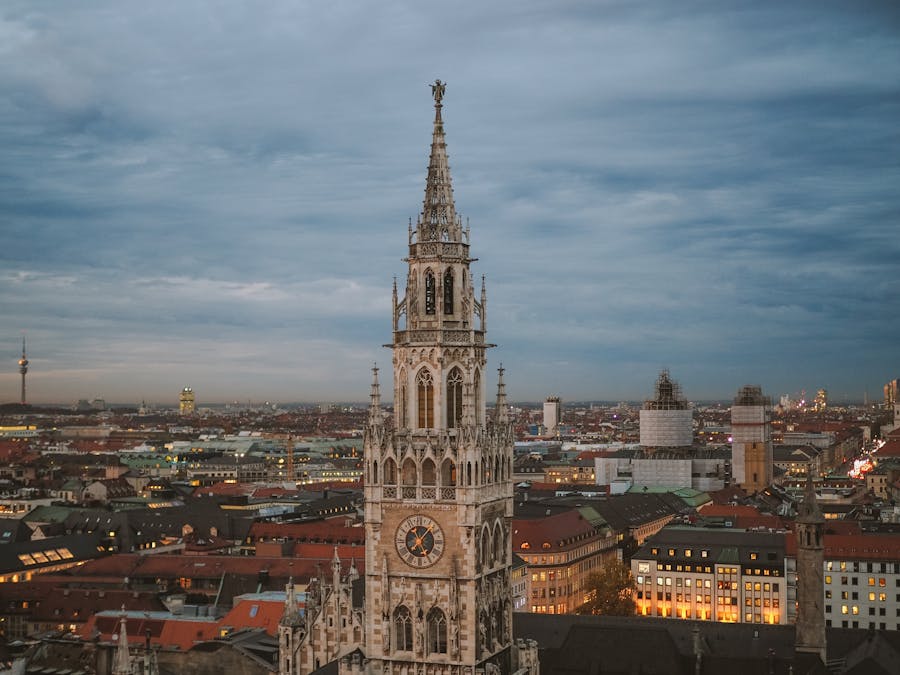
Marienplatz is the beating heart of Munich Old Town. Locals gather here, street performers play, and visitors start their day. I like to show up just before 11 a.m. to catch the Glockenspiel show—a quirky mechanical performance high on the New Town Hall tower.
The figures act out two events from Munich’s past—a royal wedding and the Schäfflertanz dance. The bells chime, the figures spin, and for a few minutes, everyone stops to watch. It’s simple, but there’s something charming about it.
When the show wraps up, stroll down Kaufingerstrasse, one of Munich’s busiest shopping streets. It’s lined with cafés and bakeries, perfect for grabbing a pretzel or espresso before you move on.
Discovering the New Town Hall and Old Town Hall

The New Town Hall (Neues Rathaus) towers over Marienplatz with its Gothic Revival façade and detailed stonework. You can climb the tower or take the elevator for sweeping views of the city and, on clear days, the Alps. Inside, grand halls show off Munich’s civic pride, but most people stick to the courtyard and tower.
Just a short walk east, the Old Town Hall (Altes Rathaus) looks almost fairy-tale-like next to its newer neighbor. Built in the 15th century, it now houses a small Toy Museum—a quick visit, but worth it for the contrast. The New Town Hall feels monumental; the Old Town Hall, delicate and medieval.
If you’re into photography, these two buildings together make a great shot, especially with late afternoon light.
Frauenkirche and the Devil’s Footprint

From Marienplatz, head a few minutes north to the Frauenkirche, officially the Cathedral of Our Dear Lady. Its twin onion-domed towers are Munich’s most iconic landmarks, visible from just about anywhere. The brick exterior looks plain, but step inside and the space opens up dramatically.
Near the entrance, look for the Devil’s Footprint—a dark mark in the floor, supposedly left by the devil himself. Legend says he stomped there after being tricked by the builder. Whether you buy the story or not, it adds a bit of mystery to the visit.
You can climb one of the towers for a panoramic view over Munich and the Alps. I usually go near sunset when the rooftops glow gold.
Viktualienmarkt: Munich’s Culinary Heart

Just south of Marienplatz is Viktualienmarkt, an open-air market running for over 200 years. You can easily lose track of time here.
Stalls sell everything from fruit and cheese to sausages, honey, and flowers. Locals grab lunch at the central biergarten, sitting under chestnut trees with a plate of roast pork or a pretzel the size of your head.
If you want to try traditional Bavarian foods, this is the spot. Sample obatzda (a cheese spread) or a slice of leberkäse from a butcher stand. And if you’ve still got energy, wander down Maximilianstrasse—Munich’s elegant shopping avenue, perfect for an evening stroll before dinner.
Day 1 Afternoon: Palaces, Beer Halls, and Bavarian Traditions
In the afternoon, dive into Munich’s royal heritage and its famous beer culture. You’ll move from ornate palace halls to leafy courtyards, then end with hearty food and local beer in lively spots that really capture the city’s spirit.
Munich Residenz: Royal History and Art
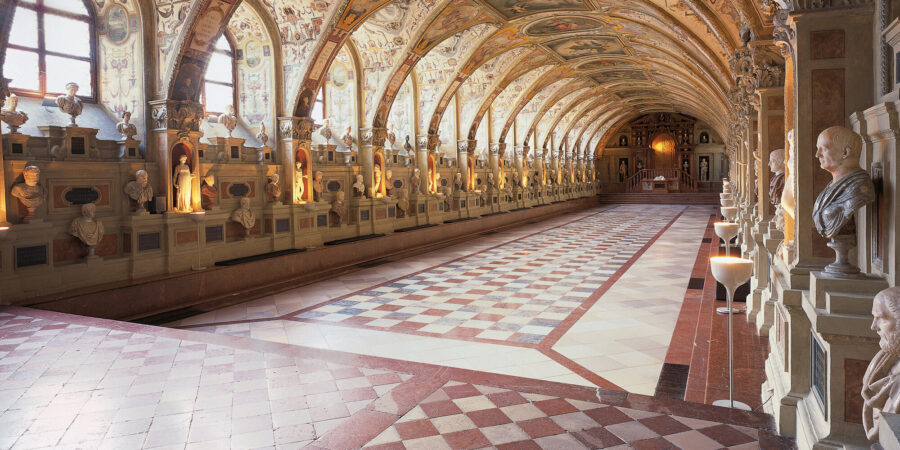
The Munich Residenz sits right in the city center, and honestly, it’s packed with history. Once home to the Wittelsbach dynasty, it’s now a museum showing how Bavaria’s rulers lived and displayed their wealth.
Walk through ornate halls, mirrored galleries, and the Antiquarium, a long Renaissance hall with sculptures and frescoes. It’s one of Europe’s grandest palace interiors, but what sticks with me isn’t just the scale—it’s the detail.
I remember stopping in the Treasury, staring at a jeweled crown that seemed too delicate to have survived centuries. If you’re short on time, focus on the Antiquarium and the Treasury—they really capture the Residenz’s essence.
Hofgarten and Odeonsplatz
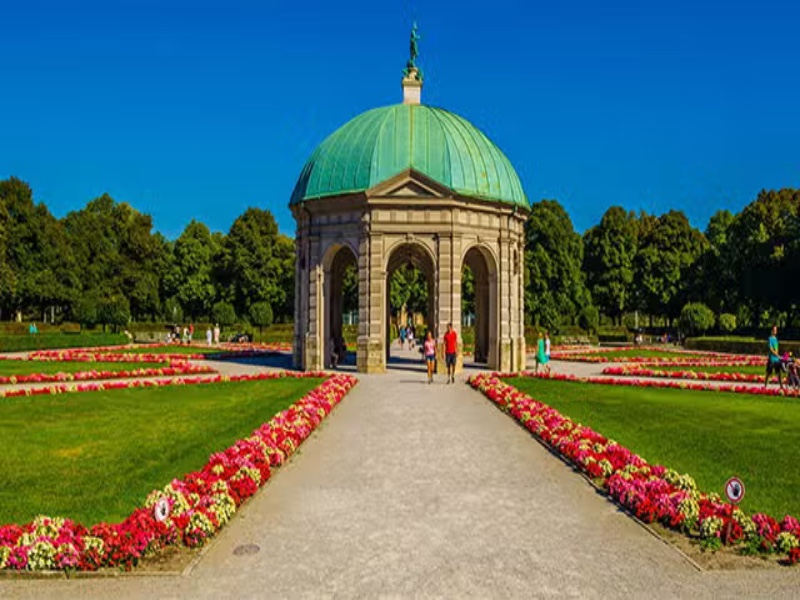
Step outside and you’ll find the Hofgarten, a peaceful courtyard garden—a welcome break from the city buzz. Locals sit by the fountains, listen to street musicians, or just enjoy the symmetry of the hedges and flowerbeds.
At the center stands the Diana Temple, where you might hear a violinist playing under the dome. It’s a small moment, but very Munich—elegant yet relaxed.
Just beyond is Odeonsplatz, a grand square framed by the Theatine Church and the Feldherrnhalle. The architecture here leans Italian, with warm yellow facades and arched loggias. I usually grab a quick espresso from a nearby café and just watch people pass by.
Hofbräuhaus and Classic Beer Halls
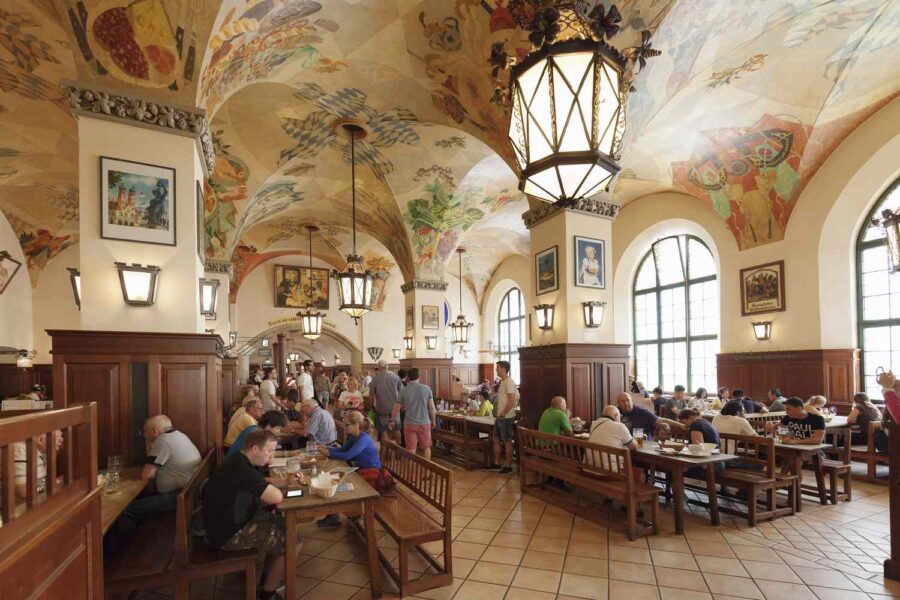
When people picture Munich, they probably imagine a beer hall, and none is more famous than the Hofbräuhaus. Founded in 1589, it still draws locals and visitors for its long wooden tables, brass bands, and beer served in hefty mugs.
Sure, it’s busy and loud, but that’s part of the fun. Try to sit near the band—the oompah tunes set the mood. If you want something less crowded, check out Hofbräukeller or Andy’s Krablergarten. Both have great beer and a more relaxed vibe, especially in summer when the outdoor tables fill up.
Tip: Bring cash; many traditional beer halls still don’t take cards.
Sampling Bavarian Cuisine: Pretzels, Schnitzel, and More
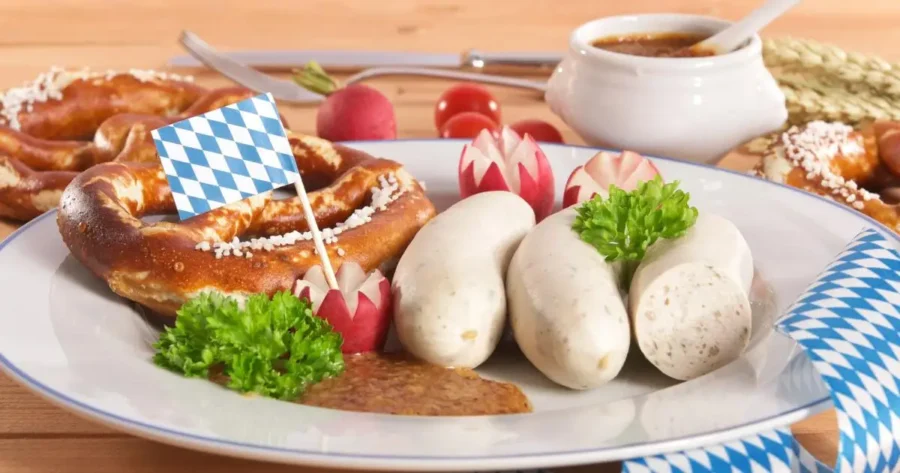
No afternoon in Munich is complete without tasting Bavarian cuisine. Grab a soft, salted pretzel—they’re everywhere, from market stalls to beer gardens. Pair it with Obatzda, a creamy cheese spread that’s richer than it looks.
For something heartier, go for schnitzel or Schweinshaxe (roasted pork knuckle). These dishes might sound heavy, but after a day of walking, they really hit the spot.
Here’s a quick guide to local favorites:
| Dish | What It Is | Best With |
|---|---|---|
| Pretzel (Brezn) | Fresh-baked bread twist | Beer or Obatzda |
| Schnitzel | Breaded veal or pork cutlet | Potato salad |
| Weißwurst | Veal sausage with mustard | Soft pretzel |
| Schweinshaxe | Roasted pork knuckle | Sauerkraut |
You’ll find these classics at beer halls all over the city, but honestly, some of my best meals have been at smaller places where the menu changes with the season. Keep it simple, order local, and enjoy the comfort food that makes Munich’s scene so inviting.
Day 2: Art, Culture, and Iconic Parks
On your second day, slow down a bit—less rushing between sights, more time to soak up Munich’s creative side. Explore world-class art, stroll among neoclassical buildings, check out hands-on science exhibits, and unwind in one of Europe’s largest city parks with a beer in hand.
Alte Pinakothek and Art Galleries in Kunstareal

Kick off your morning in Kunstareal, Munich’s museum quarter. This area’s crammed with centuries of art history. The Alte Pinakothek is the real draw—think Dürer, Rubens, Rembrandt, and plenty more from the 14th to 18th centuries.
Standing in front of Rubens’ huge canvases, I honestly felt tiny. The building has this classic academic vibe—high ceilings, soft light, the kind of place where every painting seems to glow a bit more than usual.
If you’ve got a little extra time, wander over to the Neue Pinakothek (it’s under renovation, but they pop up select works elsewhere) or the Pinakothek der Moderne for modern art and design. You’ll get a sense of how art shifted from medieval altarpieces to Bauhaus furniture.
Quick tip—grab a coffee at the museum café before you leave. Locals swear by it, and it’s way calmer than your average city spot.
Königsplatz, Glyptothek, and Lenbachhaus
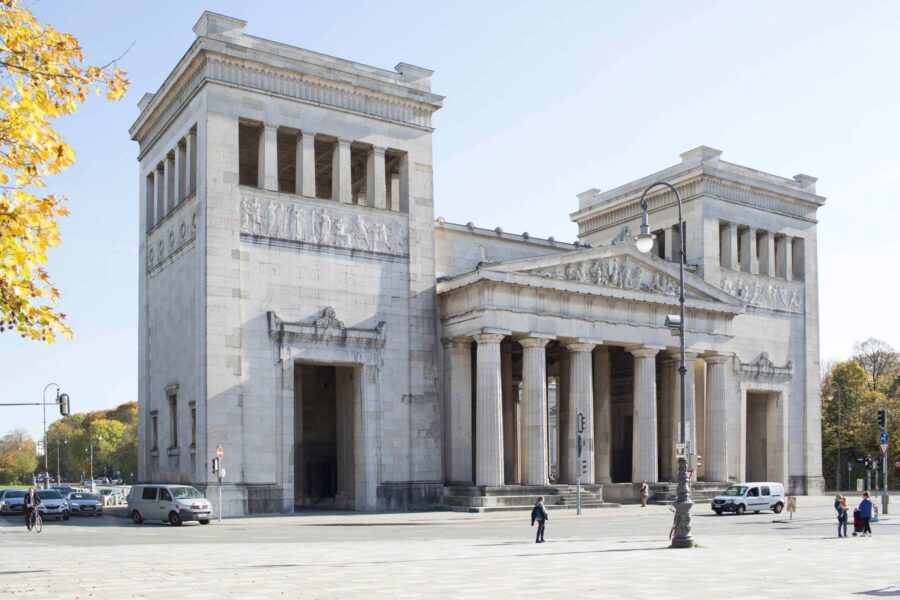
Stroll over to Königsplatz, a big open square wrapped in Greek-style buildings. It’s almost impossible not to pause here. The symmetry, those columns, the hush—it’s like you’ve stepped into another era.
The Glyptothek sits right on the square, packed with ancient Greek and Roman sculptures. The marble statues catch the daylight just right, and somehow they feel almost alive. I never thought I’d be into sculpture, but this place kind of changed my mind.
Right across the street, Lenbachhaus flips the script. Inside, you’ll find wild colors and abstract shapes from the Blue Rider group—Kandinsky, Marc, Münter. It’s a total contrast to the classical stuff just next door.
If it’s summer, bring a snack and sprawl on the Königsplatz grass. Locals chill here between museums, and it’s a prime spot for people-watching.
Deutsches Museum: Science and Technology Wonders
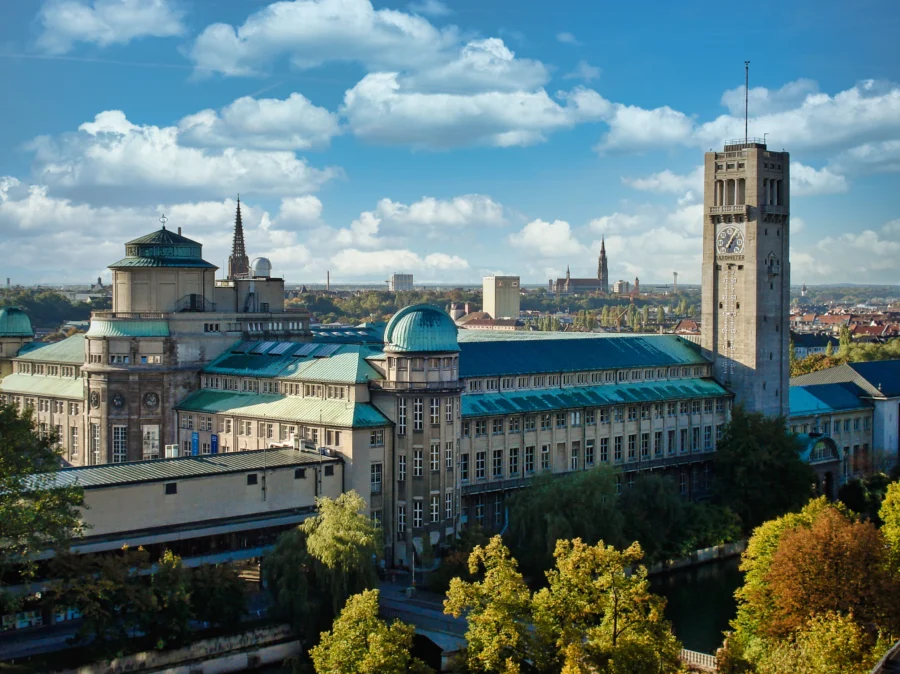
Next, head to the Deutsches Museum, one of the world’s biggest science and tech museums. It sits on an island in the Isar River, which already makes the visit feel a bit special. Inside, you’ll find hands-on exhibits on everything from early airplanes to quantum physics.
Even if science isn’t your thing, there’s always something to grab your attention. I once got stuck for half an hour just watching the model mining operation—moving machines, sound effects, the whole deal. Kids and adults both get hooked here, which says a lot.
Give yourself at least two hours, maybe more if you’re the curious type. The museum café does solid sandwiches and the river view isn’t bad for a midday pause.
English Garden and the Chinese Tower
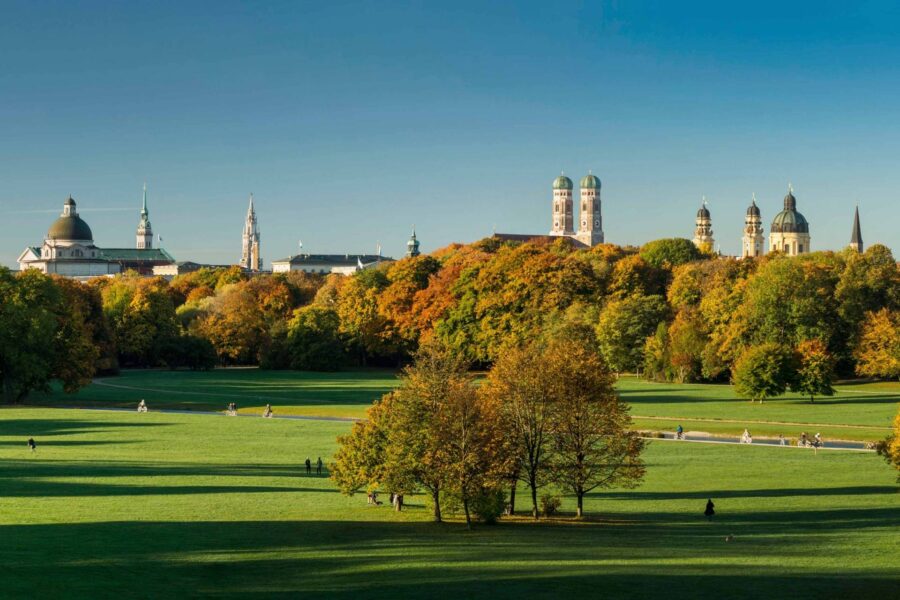
Wrap up your day in the English Garden, Munich’s sprawling green escape. It goes on for miles—winding paths, quiet streams, open meadows. You’ll spot joggers, cyclists, and maybe even some surfers catching the Eisbach wave near the entrance.
Make your way up to the Monopteros, a little Greek-style temple perched on a hill. The view over the rooftops is simple but lovely, especially if you catch it at sunset. From there, it’s an easy walk to the Chinese Tower, home to one of Munich’s most famous beer gardens.
Find a spot under the chestnut trees, order a pretzel and a Maß of beer, and just let the city’s easygoing vibe sink in. After a full day of art and wandering, it’s the perfect way to unwind.
Day 2 Afternoon: Royal Grandeur and Modern Marvels
Munich manages to blend royal history and cutting-edge design in a way most cities just can’t pull off. You’ll bounce from grand old palaces to sleek steel structures celebrating engineering—all just a short tram ride apart.
Nymphenburg Palace and Its Museums
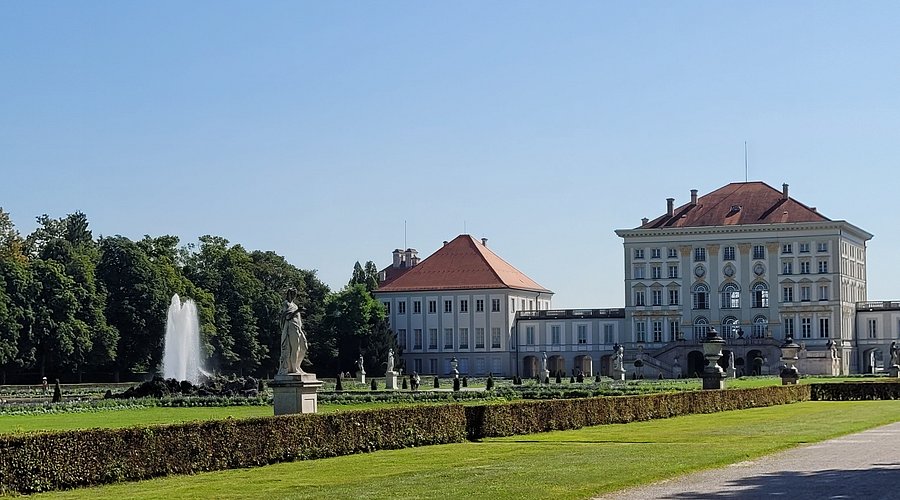
Begin your afternoon at Nymphenburg Palace, a vast Baroque estate that was once home to Bavarian royalty. The long canal and perfectly lined gardens make it feel like a laid-back, local cousin of Versailles.
Inside, you’ll wander through ornate halls bursting with frescoes and mirrors. The Gallery of Beauties—a series of portraits King Ludwig I commissioned—always draws a little crowd. But honestly, don’t rush; the side museums are just as interesting.
The Marstallmuseum (in the old stables) shows off royal carriages and sleighs that once rolled out for parades. Nearby, the Porcelain Museum highlights delicate Nymphenburg pieces still made by hand. If you head behind the main building, you’ll stumble across smaller pavilions like Amalienburg, each with its own quirks and quiet corners for a quick break.
BMW Welt and BMW Museum Experience
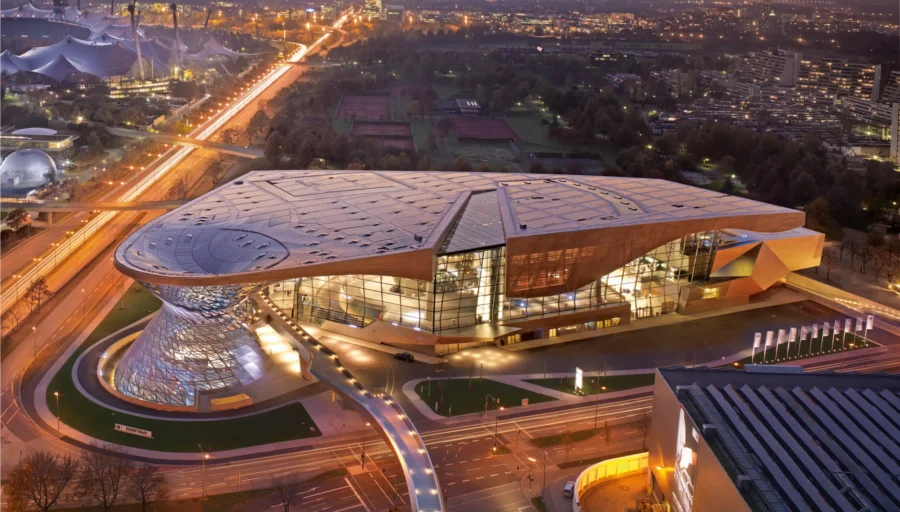
From royal carriages to modern horsepower, BMW Welt is a total shift. The futuristic glass-and-steel building by Olympiapark is both a showroom and an experience center. Even if cars aren’t your thing, the architecture alone is worth a look—it’s like walking through a moving sculpture.
Inside, you can check out new BMW models, motorcycles, and concept vehicles up close. Staff sometimes let you sit inside select cars, which keeps it fun and hands-on. Across the street, the BMW Museum traces the company’s story with exhibits on design, engineering, and innovation.
If you’re short on time, stick to the circular exhibition halls. They show how BMW’s tech has changed over the decades. The post-war motorcycles section always gets me—it’s more about rebuilding than just machines.
Olympiapark: Olympiastadion and Olympiaberg Views
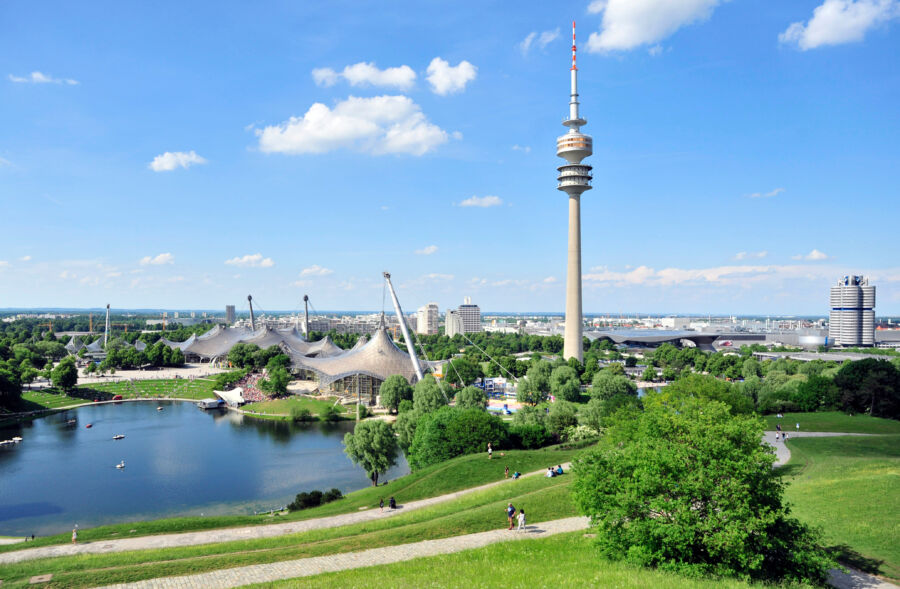
End your afternoon at Olympiapark, built for the 1972 Olympics. The sweeping tent-like roofs of the Olympiastadion still look futuristic, even after fifty years. You can join a short guided tour to peek into the stands and locker rooms, or just wander the grounds on your own.
For a quiet spot, climb up Olympiaberg, the park’s man-made hill made from wartime rubble. From the top, you’ll get one of Munich’s best views—BMW’s silver towers on one side, the Alps on the horizon. Bring a snack, sprawl on the grass, and watch the city fade from afternoon to evening. It’s a peaceful, almost meditative way to close out the day.
Unique Munich Experiences and Memorable Day Trips
Munich’s got creative neighborhoods, cozy cafés, and centuries of history, plus easy access to some of Bavaria’s top sights. Spend your morning in a local bakery, your afternoon in an artsy district, and still have time to hop a train to castles or memorials that tell deeper stories.
Glockenbachviertel and Alternative Neighborhoods

If you want to see Munich beyond the postcard-perfect stuff, start in Glockenbachviertel. The neighborhood feels young and creative—small design shops, vintage stores, easygoing bars. Locals come for brunch or a riverside drink.
I like to wander down Müllerstraße and pick a corner café for some people-watching. The vibe is friendly and lived-in, a nice change from the polished city center. You’ll spot colorful street art between old buildings—a real blend of Munich’s old and new.
Nearby, Schlachthofviertel and Türkenstraße have a similar pulse. Art studios, music venues, and pop-up markets keep things interesting. Give yourself a few hours to just wander—you’ll stumble onto something cool.
Local Cafés and Bakeries: Man Versus Machine, Zöttl, and More
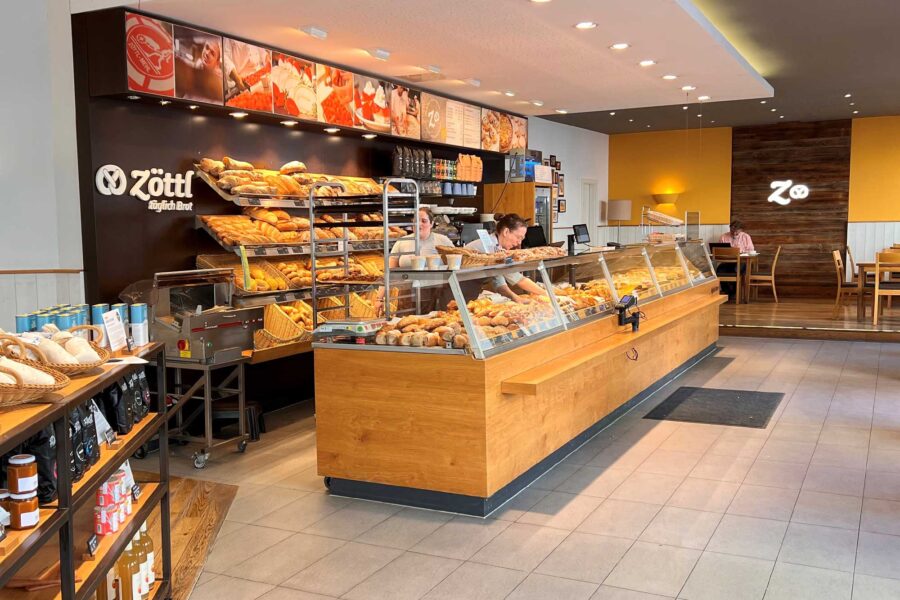
Munich takes its coffee and pastries pretty seriously. Man Versus Machine is a tiny specialty roaster, and their espresso is some of the smoothest I’ve had in the city. It’s a solid way to start your morning.
If you want tradition, Bäckerei Zöttl has been baking for generations. Their pretzels are soft inside, just salty enough, and the butter croissants are simple but spot-on. I usually grab one and snack while wandering Viktualienmarkt.
Other favorites: Café Fräulein for its cozy, homey feel, and Café Jasmin if you’re after a retro 1950s vibe. Munich’s café culture encourages you to slow down—grab a seat, sip slowly, and just watch the world go by. It’s the kind of thing that makes you feel like you belong, even if you’re only here for a few days.
Seasonal Events: Oktoberfest and Local Festivals
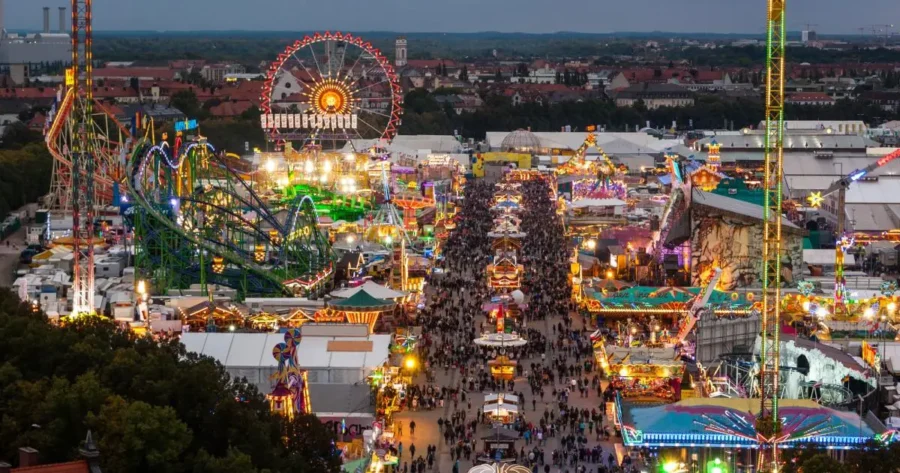
You can’t talk Munich without mentioning Oktoberfest. Even if beer isn’t your thing, it’s worth seeing once—the sheer scale is wild. Giant tents, local bands, families in Trachten. For a calmer experience, go early in the day.
The rest of the year, Munich hosts smaller festivals that keep the local traditions alive. The Auer Dult market (three times a year) mixes antiques, crafts, and all sorts of Bavarian snacks. In December, the Christkindlmarkt lights up Marienplatz with mulled wine and holiday cheer.
If you’re planning around one of these, book early—flights and hotels disappear fast. You might find deals by checking cheap flight alerts a few months ahead.
Best Day Trips: Neuschwanstein Castle, Dachau, and Beyond
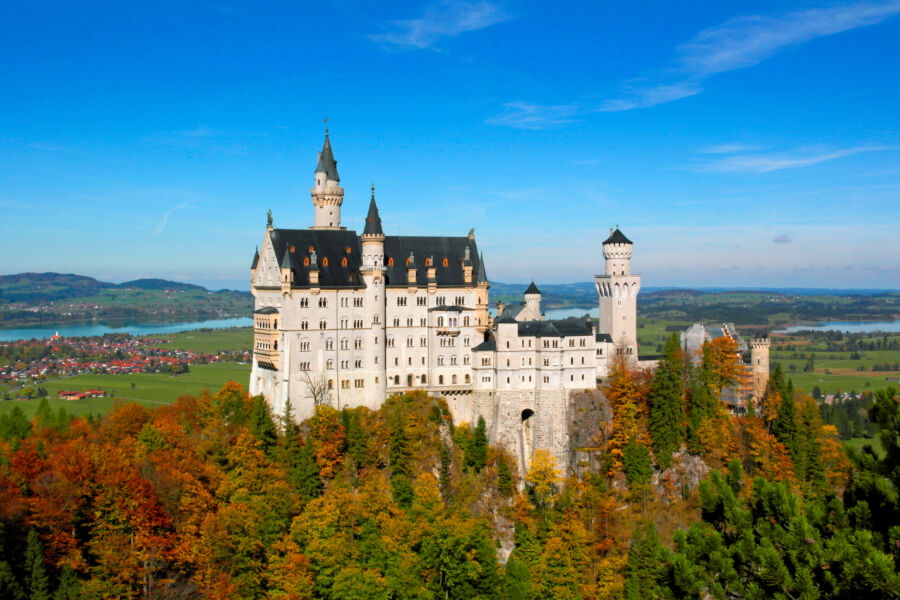
Munich is perfect for day trips. The big one is Neuschwanstein Castle, built by King Ludwig II. It’s about two hours away by train and bus, and the mountain setting looks straight out of a fairy tale. The inside is ornate, but honestly, the view from Marienbrücke bridge is the real highlight.
For something more reflective, visit the Dachau Memorial Site, just half an hour from the city. It’s a sobering place, but handled with care and respect.
Other good options: Nymphenburg Palace (if you missed it in town) or a quick trip to Lake Starnberg for a peaceful afternoon by the water. Transportation and guided day tours are easy to arrange, and if you want more flexibility, check out local activities that mix sightseeing with small-group vibes.
Frequently Asked Questions
Munich’s got a mix of history, food, and culture that works for any length of trip. Whether you’re squeezing in a weekend or have a full week, you can fit in the big sights—and still find quieter corners locals love.
What are the must-see attractions for a 2-day weekend trip to Munich?
With just two days, start at Marienplatz. Watch the Glockenspiel, then head to the Frauenkirche for sweeping city views.
Swing by the Viktualienmarkt for snacks and people-watching. In the afternoon, wander the English Garden, maybe grab a beer at the Chinese Tower. Day two: check out the Residenz, Odeonsplatz, then make a quick detour to Olympic Park or BMW Welt.
How can one optimally spend 3 days in Munich during the winter season?
Winter in Munich is all about cozy vibes, especially during the holidays. You’ll find Christmas markets at Marienplatz and the Tollwood Winter Festival near Olympic Park.
Duck into museums like the Deutsches Museum or Alte Pinakothek to warm up. And seriously, don’t skip a hearty Bavarian meal—Schweinshaxe and mulled wine just hit differently after a cold day outside.
Can you suggest a culturally immersive 4-day itinerary for a weekend in Munich?
Four days means you can slow down. Explore Nymphenburg Palace, then dive into Munich’s art scene at Museum Brandhorst or Lenbachhaus.
Take a walking tour through the Altstadt, or maybe join a local cooking class—learn to make pretzels or schnitzel. I did one near Sendlinger Tor once; it was messy, but honestly the most fun I’d had that trip.
What unique experiences should I include in a 5-day Munich itinerary?
With five days, you can blend city sights and nearby adventures. Head to the Dachau Memorial Site—it’s heavy, yes, but it matters. Jump on a train out to Neuschwanstein Castle or maybe Augsburg if you’re after a different vibe.
When you’re back in Munich, grab an evening in Glockenbachviertel. The little bars and cafés there really bring out the city’s younger, more creative side.
Is a weekend sufficient to experience the highlights of Munich?
A weekend? You’ll get a taste, not a full plate. You can squeeze in the main sights and a beer garden or two, but Munich’s got layers you’ll miss.
If you map things out—stick to the old town, stroll through the English Garden, pick one museum—you’ll catch the city’s rhythm. I’ve managed it in two days before. Didn’t feel rushed, just the right kind of tired.
What lesser-known spots should I visit during a 7-day stay in Munich?
A week in Munich gives you time to look past the usual sights. Check out Westpark—it’s got peaceful trails, little temples, and lakes where locals actually hang out, not just tourists. Or hop on the tram to Giesing. This old working-class neighborhood has a laid-back vibe and some great local breweries you probably won’t find in the glossy travel mags.
If you’re after something quiet, wander through the Alter Südfriedhof. Artists and philosophers lie beneath mossy stones, and the place feels almost otherworldly in the morning. It’s a bit haunting, but in a way that makes you want to linger.