Gracia Barcelona Itinerary: 7 Must-See Gems & Local Secrets Revealed
Updated October 14, 2025
Just north of Barcelona’s hectic center, Gràcia shows off its small-town soul and big personality. Its maze of narrow streets, bustling plazas, and creative buzz make it one of the city’s most authentic neighborhoods. With a solid Gràcia Barcelona itinerary, you’ll soak up the area’s charm and still catch its best-kept secrets.
You’ll wander local markets, sip coffee in sun-warmed squares, and maybe stumble into a street performance during Festa Major if your timing’s lucky. I still remember losing my bearings in those winding alleys and landing at a tiny tapas bar where locals laughed louder than the music—pure magic, honestly.
Key Takeaways
- Find the best ways to explore Gràcia’s culture and daily rhythm
- Learn how to pace your visit to hit highlights and local favorites
- Grab insider tips for food, nightlife, and linking Gràcia with the rest of Barcelona
Essential Gràcia Highlights
Gràcia brings together modern creativity and old-world charm. Its winding lanes, lively plazas, and Gaudí masterpieces invite you to explore at your own pace. Art, architecture, and daily life all blend together here, just steps apart.
Park Güell Experience

If you skip Park Güell, you’re missing one of Gaudí’s wildest dreams. The park sits high on Carmel Hill, giving you sweeping city and sea views. Those wild ceramic mosaics and curvy benches? They almost feel like a playground built for grown-ups.
Go early—trust me. Morning light makes the tiles glow, and you’ll hear birds instead of crowds. If you want to hit a few sights in one day, book activities ahead so you’re not stuck in line.
Pack water and wear real shoes; the park’s hills are no joke. Don’t miss the Hypostyle Room with its forest of columns, or the iconic Dragon Stairway—everyone wants a photo there.
Casa Vicens Tour

Casa Vicens marks Gaudí’s first big leap into house design, and it’s a great place to spot his early flair. The mix of Moorish, Gothic, and nature-inspired touches, plus those brilliant tiles, really make it stand out. It’s smaller than his later buildings, but that’s part of why it feels so personal—you can actually see the details.
Inside, the rooms come alive with color and light. I once lost track of time just staring at the ceiling patterns. They’re mesmerizing.
If you’re into guided tours, book one that also covers other Gaudí spots. It’s a handy way to see how his style changed across the city.
Plaça de la Virreina Stroll

Plaça de la Virreina is a peaceful square with a true neighborhood vibe. Small cafés, kids kicking soccer balls, neighbors chatting under shady trees—it’s all here. The Church of Sant Joan sits quietly at the center, offering a simple beauty that contrasts with Gaudí’s wild style.
Grab a coffee and linger. I like to sketch the old facades from an outdoor table—it’s that kind of spot. You’ll also find cool boutiques and vintage shops tucked in nearby lanes.
Drop by in the evening, and you might catch some live music or a tiny art market. It’s not trying to impress; it’s just Gràcia, being Gràcia.
Plaça del Sol Vibes

Plaça del Sol is where Gràcia really lets loose. Locals pack the square, catching up with friends, sharing tapas, and soaking up the warm night air. I’ve spent more than a few evenings here, perched on the fountain’s edge with a cold drink and good company.
During the day, cafés and bars serve up simple, tasty bites. Grab some patatas bravas or a vermouth spritz. No one’s in a rush here—the mood is pure, laid-back social.
If you’re around for Festa Major de Gràcia, the whole square explodes with color and music. Neighbors decorate the streets, and Plaça del Sol becomes the party’s heart. For a moment, you’ll feel like you belong to the city, not just passing through.
Unique Local Experiences
In Gràcia, daily life feels close and real. You’ll browse markets that have stood for generations, stroll lively streets lined with indie cinemas and cafés, and step into shops that show off Barcelona’s creative, eco-minded spirit. Every corner reveals how locals actually live—not some tourist fantasy.
Mercat de la Llibertat Discoveries
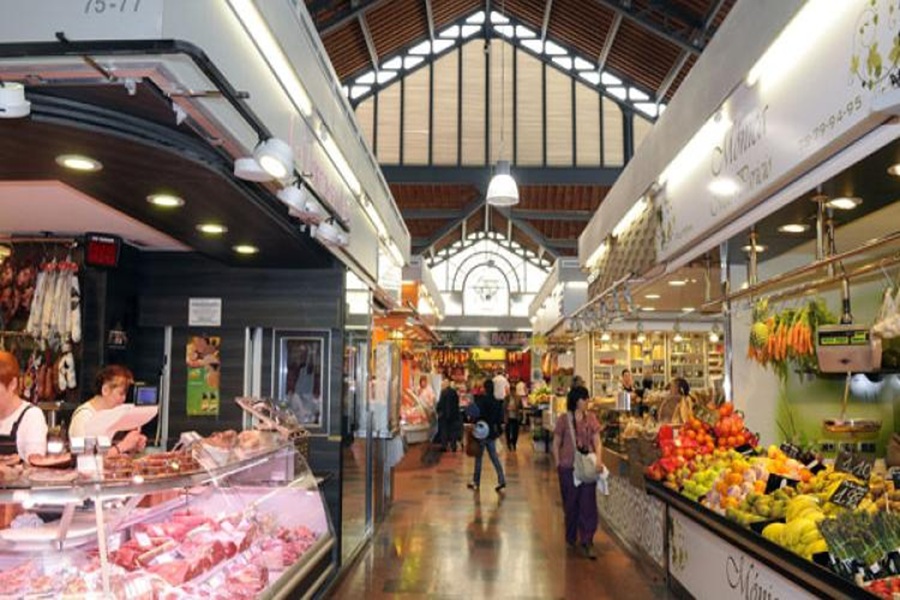
Mercat de la Llibertat hides inside a modernist building that’s fed Gràcia for over a century. Miquel Pasqual i Tintorer designed the iron structure, giving it a bright, open feel.
Inside, you’ll find everything from fresh seafood and Catalan cheeses to handmade pastries. I once spent ages chatting with a butcher about the best cuts for grilling—folks here love to talk food.
Grab a tapa at the counter and eat standing up, just like the locals. The market’s not just for groceries—it’s a meeting point. For more ideas on local eats and markets, check out this guide to Gràcia’s local experiences.
Tip: Show up early when the place buzzes and the produce looks its best.
Carrer Verdi Walks

Carrer Verdi runs straight through Gràcia’s heart and pulses with neighborhood life. You’ll pass indie cinemas, cozy terraces, and quirky shops that give the street its unique flavor.
I usually start at Plaça de la Virreina and meander down, stopping for a coffee or gelato. The smell of roasting beans and fresh bread follows you the whole way.
Locals stroll here in the evenings, especially before dinner. It’s perfect for people-watching or catching a film at Cines Verdi. For more suggestions, this list of things to do in Gràcia is pretty handy.
Don’t miss: Murals and tiny art galleries tucked between the shops.
Olokuti Eco Shopping
If you’re into eco-friendly finds, Olokuti on Carrer Astúries is a gem. It’s part store, part hidden garden. Out back, you’ll find a quiet spot to sip organic tea and escape the city noise.
Shelves are stacked with fair-trade gifts, handmade jewelry, and green home goods. I picked up a recycled notebook here once—it still smells faintly of the paper mill.
Olokuti shows off Gràcia’s creative, eco-conscious side. Locals linger, admiring the craftsmanship instead of rushing. Curious about similar spots? This Gràcia neighborhood guide has more.
Good to know: They sometimes host film screenings or art pop-ups in the garden—worth checking the schedule.
Cultural Events and Festivities
Gràcia thrives on community spirit. The neighborhood weaves tradition and creativity through lively festivals, art competitions, and street shows that turn everyday corners into cultural stages.
Festa Major de Gràcia Insights

Every August, Gràcia bursts into a week-long celebration: the Festa Major de Gràcia. Locals cover entire streets in handmade decorations—paper flowers, cardboard sculptures, wild colors. It’s not just for show; each street competes for Best Decorated Street, and the rivalry’s been going for over a century.
The 2025 festival happens from August 15 to 22, with the opening speech on August 14 (official guide). You’ll catch concerts, castells (those wild human towers), and correfocs—fire runs where devils dance through sparks.
Love music? Don’t miss Festigàbal, a cozy indie fest during the same week. Or just wander to Plaça del Folk for folk and world music. One summer night, I stood there surrounded by locals singing in Catalan and felt how deeply this festival roots people to the neighborhood.
Artistic Street Life
Even when it’s not festival season, Gràcia feels like an open-air gallery. Murals, mosaic benches, and spontaneous performances pop up in tiny squares. Street musicians gather near Plaça del Sol, filling the air with jazz or flamenco.
Neighbors who create festival art often run year-round workshops or pop-up galleries. Walk down Carrer de Verdi and you might stumble onto a small art cinema or a handmade jewelry stall.
This creative buzz keeps Gràcia lively all year. It’s easygoing, a touch bohemian, and totally real—the kind of vibe that pulls in travelers who want Barcelona beyond the postcards.
Gràcia’s Food and Nightlife Scene
Gràcia brings together old Catalan flavors and a youthful, buzzing energy in its restaurants and bars. Cozy tapas joints sit next to creative cocktail lounges, all tucked along winding streets that stay lively well into the night.
Catalan Cuisine Hotspots

You don’t have to leave Gràcia to taste real Catalan cooking. Small restaurants serve up pa amb tomàquet, grilled veggies, and fresh seafood that remind you Barcelona’s a coastal city.
Chefs here care about their ingredients—simple olive oil, ripe tomatoes, perfectly grilled meat. For a local favorite, grab dinner at a family-run tavern near Plaça del Sol. These places feel casual, but the food always hits the spot.
If you’re curious, the Gràcia Evening Food Tour lets you sample tapas, wine, and sweets while picking up a bit of neighborhood history. No need to stress about reservations.
A few spots even offer vacuum-packed local products to take home—something most travelers skip, but it’s a cool souvenir (see this local guide).
| Dish | Description | Try It At |
|---|---|---|
| Escalivada | Roasted peppers and eggplant with olive oil | Traditional bodegas |
| Botifarra | Grilled Catalan sausage | Tapas bars near Plaça de la Vila |
| Crema Catalana | Caramelized custard dessert | Local bakeries |
Trendy Bars and Cafés
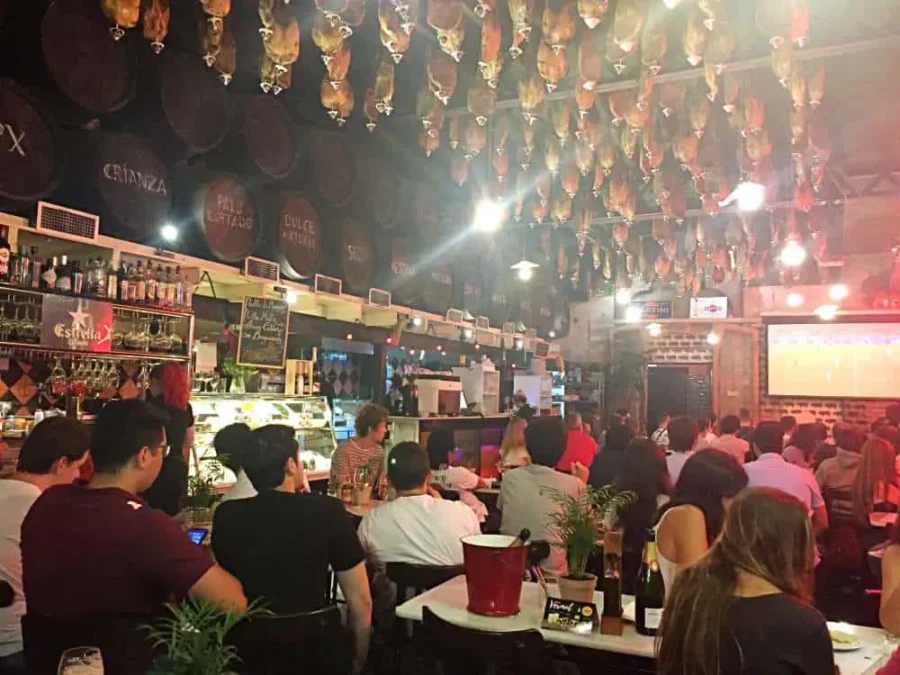
As the sun sets, Gràcia’s nightlife feels more friendly than flashy. Locals hang out in small plazas with a beer or vermouth, chatting late into the night. Bars here lean toward craft cocktails and natural wines, not big clubs.
Many cafés double as music venues after dark. Some host acoustic sets or DJs, but the mood stays chill. I’ve lost hours at hole-in-the-wall bars where the owner remembers your drink after just one visit.
For a blend of culture and nightlife, check out venues in this Gràcia neighborhood guide. Festivals and live music pop up all year, so you’ll always have a reason to stay out.
Prefer a quieter night? Grab a terrace seat, order a vermut, and watch the squares fill up with laughter. It’s some of the best people-watching in Barcelona, hands down.
Connecting Gràcia with Barcelona’s Iconic Districts
Walking from Gràcia into central Barcelona feels like flipping through the city’s history. Each district nearby—Eixample, the Gothic Quarter, El Born, Las Ramblas—offers its own beat, from modernist buildings to medieval alleys and buzzing markets. You can wander between them on foot or hop on the metro, discovering how each piece adds to Barcelona’s story.
Exploring Eixample

Eixample sits just south of Gràcia, and honestly, you might not even notice when you’ve crossed over. Gràcia’s winding lanes suddenly give way to Eixample’s wide, orderly streets, and there’s this instant sense of space. The area’s known for its Modernisme architecture—especially Gaudí’s wild creations like Casa Batlló and La Pedrera.
I usually kick things off at Passeig de Gràcia, where designer shops and classic cafés line the boulevard. I’ll wander, stare at those wild, ornate facades, and stop for a cortado at a random corner café. The buildings here really tell stories—balconies curve like bones, some tiles shimmer like the sea.
If you’re trying to see the highlights fast, here’s a simple walking loop:
| Stop | Highlight | Tip |
|---|---|---|
| Passeig de Gràcia | Gaudí landmarks | Go early for a quieter stroll |
| Rambla de Catalunya | Shops & tapas bars | Grab vermouth and olives mid-afternoon |
| Plaça Catalunya | Central hub | Handy for catching the metro south |
Eixample flows right into the Gothic Quarter, so after Gràcia, it just makes sense to drift this way.
The Gothic Quarter Essentials

The Gothic Quarter (Barri Gòtic) really does feel like time travel. You find yourself hemmed in by twisting alleys, secret courtyards, and old stone walls that practically hum with history. Getting lost here is half the fun—don’t fight it.
One rainy afternoon, I ducked into a tiny bakery near Plaça del Rei. The smell of fresh bread, the echo of church bells, and the drizzle outside—honestly, it felt like a movie set.
Don’t skip these spots:
- Barcelona Cathedral – climb up for those city views.
- Plaça Sant Jaume – Barcelona’s political core.
- Carrer del Bisbe – snap a photo of the iconic bridge.
Walking from Gràcia to the Gothic Quarter takes about 30 minutes, or you can hop on the metro (Line 3) to Liceu or Jaume I.
El Born Adventures
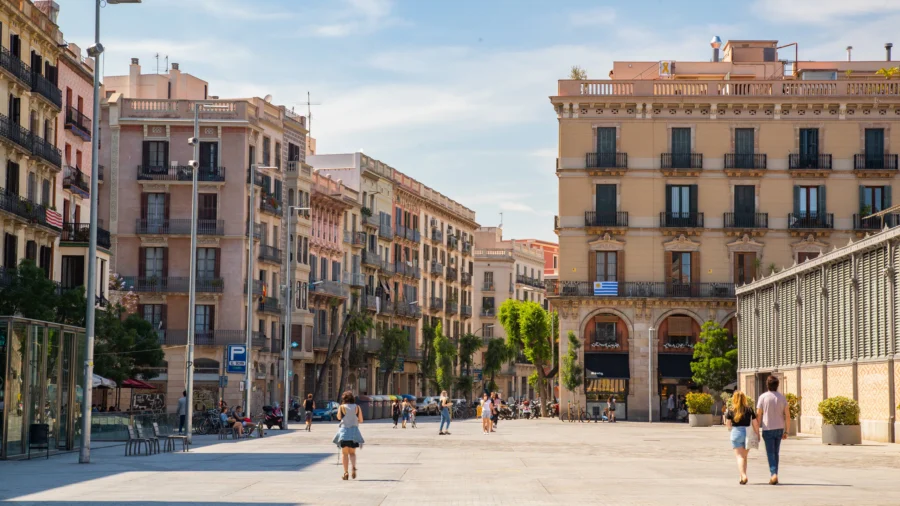
Head east from the Gothic Quarter and you’ll land in El Born, where old Barcelona meets creative energy. Ancient streets twist around modern galleries and lively tapas bars. The vibe? Somehow both buzzing and laid-back. I love how locals hang out in Plaça de Sant Pere while visitors poke through indie boutiques.
Start at the El Born Centre de Cultura i Memòria—it’s an archaeological site that lays out layers of the city’s past. Then wander toward Santa Maria del Mar, a church that feels calm even when the streets get busy.
Hungry? Carrer de la Princesa has tapas that are tasty and don’t break the bank. The Picasso Museum hides in the narrow lanes nearby, with a collection that shows off Picasso’s early days.
If you’re coming from Gràcia, the metro to Arc de Triomf drops you close. Walk down Passeig del Born and you’ll get a feel for the neighborhood before you even get there.
Las Ramblas Connections
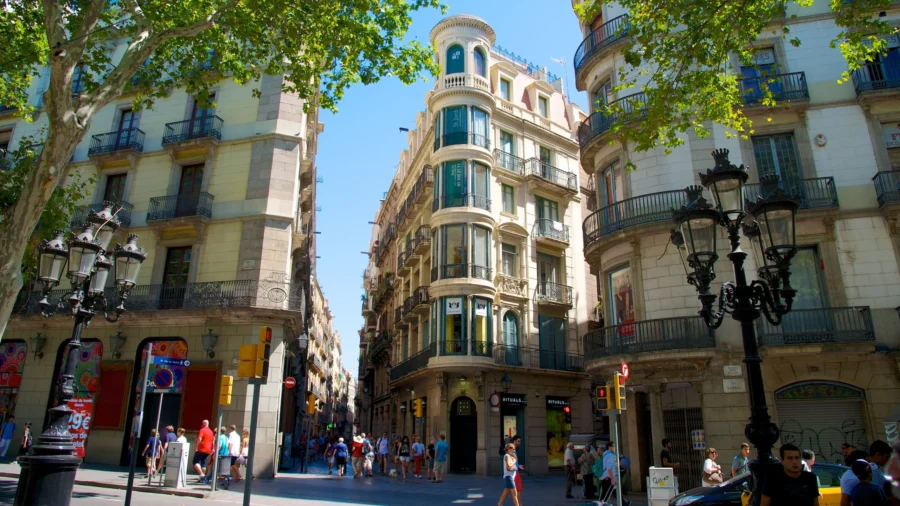
Las Ramblas—yep, it’s Barcelona’s most famous street, running from Plaça Catalunya down to the sea. It’s busy, sometimes overwhelming, but if you know where to look, it’s still a classic.
I like to start at the top near Plaça Catalunya and just meander down. You’ll pass flower stalls, street performers, and the wild colors of La Boqueria Market—perfect for grabbing a snack.
Don’t miss:
- Gran Teatre del Liceu – historic opera house.
- Plaça Reial – palm trees, cafés, and a lively vibe.
- Mirador de Colom – Columbus statue at the end of the street.
From Gràcia, Metro Line 3 gets you to Liceu in no time. Las Ramblas is touristy, sure, but it’s also a slice of everyday Barcelona—just bring a little patience and curiosity.
Expert Tips for Planning Your Gràcia Itinerary

Gràcia rewards you if you slow down. Plan around the neighborhood’s rhythm, pick a place to stay that fits your vibe, and figure out how you want to weave through its narrow streets and plazas. Little details—like when to go or where to crash—really shape your experience.
Best Times to Visit
Gràcia buzzes all year, but some seasons just work better. Spring and early autumn? Perfect for walking from Plaça del Sol to Park Güell without sweating buckets. In August, the Festa Major de Gràcia takes over—streets fill up with wild decorations and live bands. It gets crowded, but honestly, it’s unforgettable.
Want peace and quiet? Try May or late September. Locals linger in cafés, plazas feel chill, and there’s room to breathe. Winter stays mild, and you can wander through Gaudí’s early works like Casa Vicens without the crowds.
I always pack light, breathable clothes and comfy shoes. A small backpack and a reusable water bottle? Non-negotiable. Travel gear like that makes wandering so much easier.
Accommodation in Gràcia
If you stay in Gràcia, you’ll wake up to the sound of neighbors chatting in the plazas—not honking cars. The area has small boutique hotels, family-run guesthouses, and apartments tucked onto quiet streets. Booking.com lists everything from budget-friendly rooms to stylish suites with balconies.
For local flavor, find a place near Plaça de la Virreina or Carrer Verdi. You’ll be close to cafés and indie shops, but still away from the tourist crush.
One time, I rented a tiny attic flat with a terrace that looked out to Tibidabo. It wasn’t fancy, but it felt like home. That’s Gràcia for you: it’s about comfort, not flash, and personality wins over perfection.
Getting Around the Neighborhood
Walking is the way to go in Gràcia. The streets are narrow, lined with cafés, and often closed to traffic. You’ll see more on foot than you ever could by bus or metro. If you’re in a rush, the L3 metro line connects you easily to the rest of your Barcelona itinerary.
For day trips, taxis and rideshares work fine. I sometimes rent a bike to reach Park Güell or Eixample—it’s a fun way to cover more ground.
Driving here is a headache, so skip it unless you absolutely have to. Bring a small map or download offline directions—cell service can get spotty in some alleys. And seriously, don’t rush. Gràcia is best when you let yourself wander.
Frequently Asked Questions
Gràcia mixes creative energy, Catalan pride, and a chill village vibe right in the heart of Barcelona. You get lively plazas, colorful buildings, and a local rhythm that’s just easy to love. It’s a spot where you can sip coffee, meander down narrow lanes, and stumble across art when you least expect it.
What are the must-visit attractions in Gràcia for first-time visitors?
Start with Park Güell, Gaudí’s playful masterpiece that overlooks the city. Those mosaic benches and sweeping views? Worth every step.
Wander through Plaça del Sol, the heartbeat of Gràcia where locals gather from morning till late. Check out Casa Vicens, Gaudí’s first major house, for a more low-key look at his early genius (see the Gracia District Barcelona guide).
Skip the main roads and slip into the side streets for the best finds. I once stumbled on a tiny spot near Plaça de la Virreina—no sign, just locals, and the tortilla was perfect.
Try cozy cafés like La Fourmi or Vreneli Café (both in the Barcelona Gracia guide). These places keep things real and aren’t just for tourists.
What are the top boutique hotels or accommodations in the Gràcia neighborhood?
If you want something small and stylish, Aparthotel Silver near Fontana metro blends comfort and neighborhood charm. The Gracia District Barcelona guide also lists Generator Hostel, a budget spot that’s surprisingly chic and social.
I’ve tried a few local apartments, too—many have balconies over leafy courtyards, which is about as Gràcia as it gets.
Could you provide tips on experiencing the local culture of Gràcia?
Visit during Festa Major de Gràcia in mid-August. Streets explode with handmade decorations, and neighbors try to outdo each other. It’s loud, colorful, and pure Catalan spirit.
Even outside festival season, you’ll feel the community—locals chatting in Catalan, indie shops, small galleries. Just sit in a plaza, watch the world go by, and let the neighborhood’s rhythm pull you in.
Where can one find the best examples of modernist architecture in Gràcia?
Besides Casa Vicens, stroll Carrer Gran de Gràcia and spot buildings with wrought-iron balconies and floral tiles. Some hide little courtyards that feel frozen in time.
Modernism in Gràcia isn’t staged—it’s lived-in. People still shop and live in these old houses, which gives the area a rare kind of authenticity.
What are some lesser-known but interesting spots to explore in Gracia’s Gothic Quarter?
Okay, so Gracia doesn’t really have a Gothic Quarter like the main city center, but honestly, a few of its old streets still give off that medieval vibe. Wander over to Carrer de Sant Domènec—these narrow lanes and weathered stone façades practically whisper stories from Gracia’s days as a village.
If you’re after a peaceful spot, try slipping into Plaça de la Vila de Gracia just after sunrise. That old clock tower? It’s watched Gracia transform from a sleepy village into one of Barcelona’s most cherished neighborhoods.