 Real Journey Travels
Last modified February 6, 2026
The East Coast almost feels like a living museum, packed with historic sites from New England’s colonial towns all the way down to Civil War battlefields and the country’s earliest settlements. If you’re planning a history-heavy East Coast road trip, you really can’t skip Independence Hall in Philly, Boston’s Freedom Trail, Colonial Williamsburg, or the National Mall in D.C. The trick is to balance drive time with actually soaking in each landmark—nobody wants to spend all day in the car, right? This itinerary helps you connect with the people and moments that shaped the nation, while keeping your trip doable and not overwhelming.
Key Takeaways
- Hit major historic cities like Boston, Philadelphia, and Washington D.C. to catch the most iconic Revolutionary and Colonial-era sites
- Keep your schedule flexible so you can jump into guided tours or wander through hands-on exhibits
- Mix up your landmark visits with some local eats and nature stops for a road trip that doesn’t feel like homework
Ultimate East Coast Road Trip Routes for History Lovers
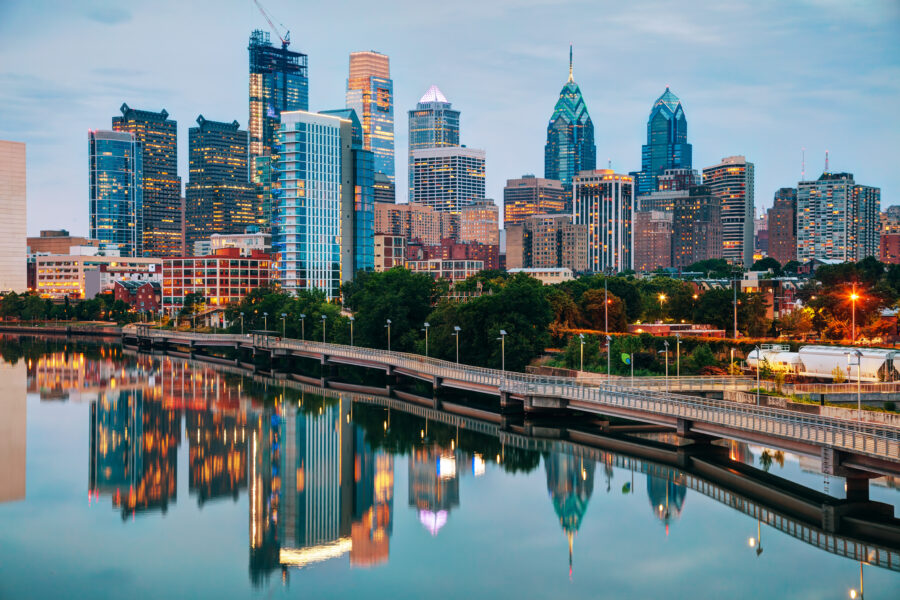
You’ll find a bunch of distinct driving routes along the East Coast that string together the country’s most important historic sites—think Revolutionary War battlefields up in New England and Civil War trails farther south. Each route drops you right into the places where American history actually went down.
1. Colonial New England and Revolutionary Sites
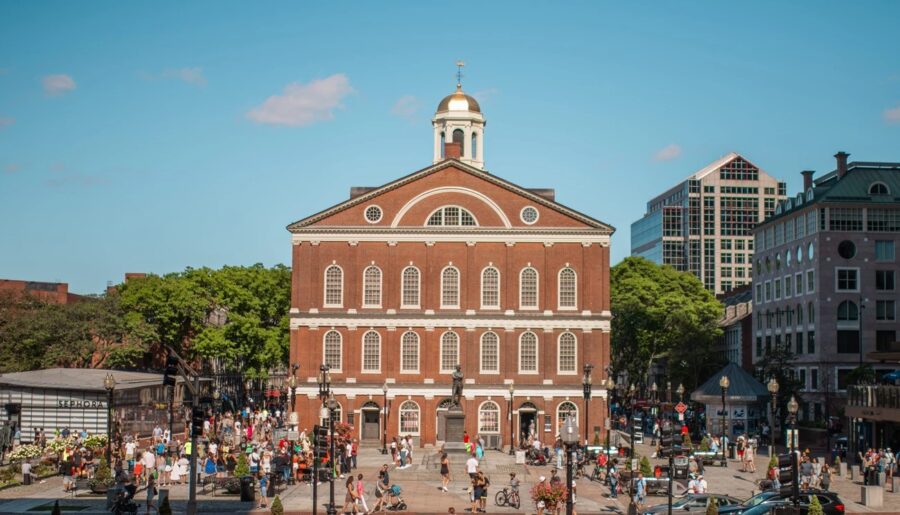
Kick things off in Boston. The Freedom Trail is a 2.5-mile walk that takes you past 16 different Revolutionary War spots. You’ll pass Paul Revere’s House, the Old North Church, and a bunch of sites in the Boston National Historical Park—all telling the story of how colonists pushed back against British rule.
Next, drive out to Minute Man National Historical Park in Concord and Lexington. Here, the “shot heard ‘round the world” started the Revolution on April 19, 1775. You’ll walk the actual Battle Road where colonial militia faced off with British troops.
After that, head south to Valley Forge in Pennsylvania, about four hours from Boston. This is where Washington’s Continental Army toughed out a brutal winter. You can join ranger programs, and the reconstructed soldier cabins give you a real sense of what those troops went through.
2. Mid-Atlantic Founding Landmarks
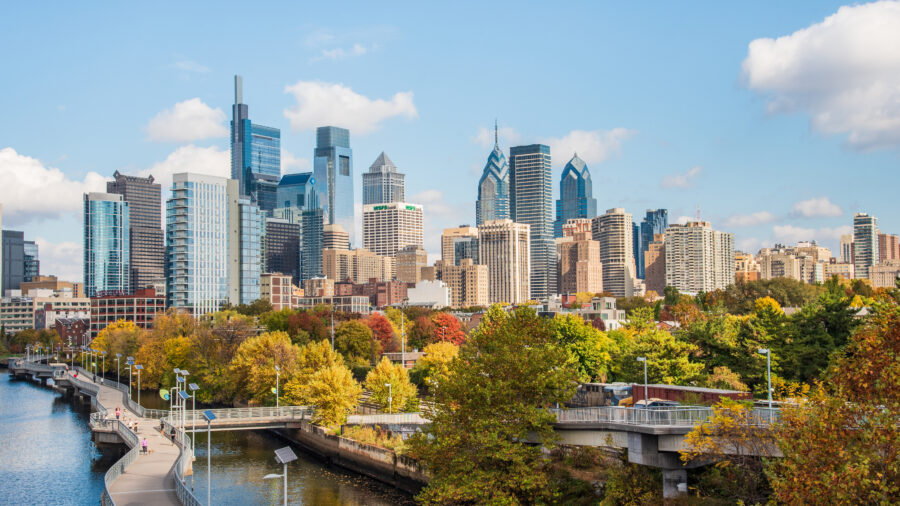
Philadelphia really deserves at least two days. Independence Hall is where delegates debated and signed both the Declaration of Independence and the Constitution. You’ll need to snag free timed tickets from the National Park Service ahead of time.
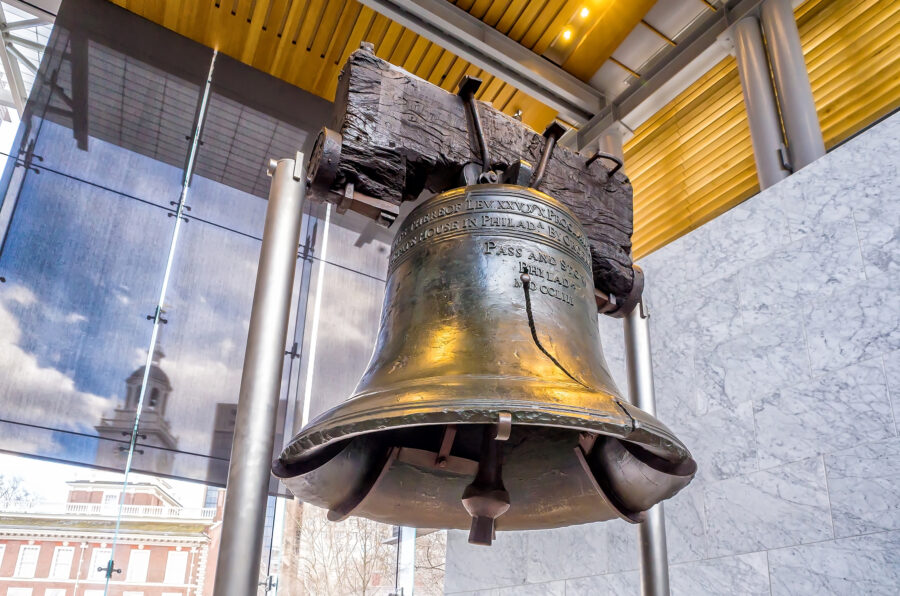
The Liberty Bell is just across the street in its own pavilion. You don’t need a ticket to see it, and the exhibits do a great job explaining how this cracked bell became a symbol of freedom.
Keep heading south to Mount Vernon, Washington’s estate on the Potomac. The mansion tour shows you how Washington lived when he wasn’t off leading armies or running the country. The grounds have his tomb, working farms, and a museum packed with artifacts.
3. Civil War Trails and Presidential Estates
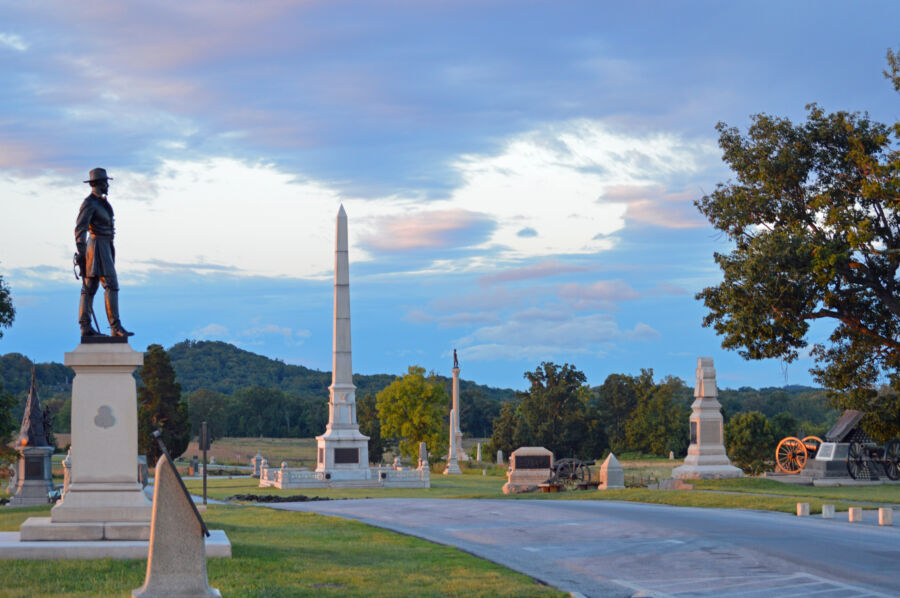
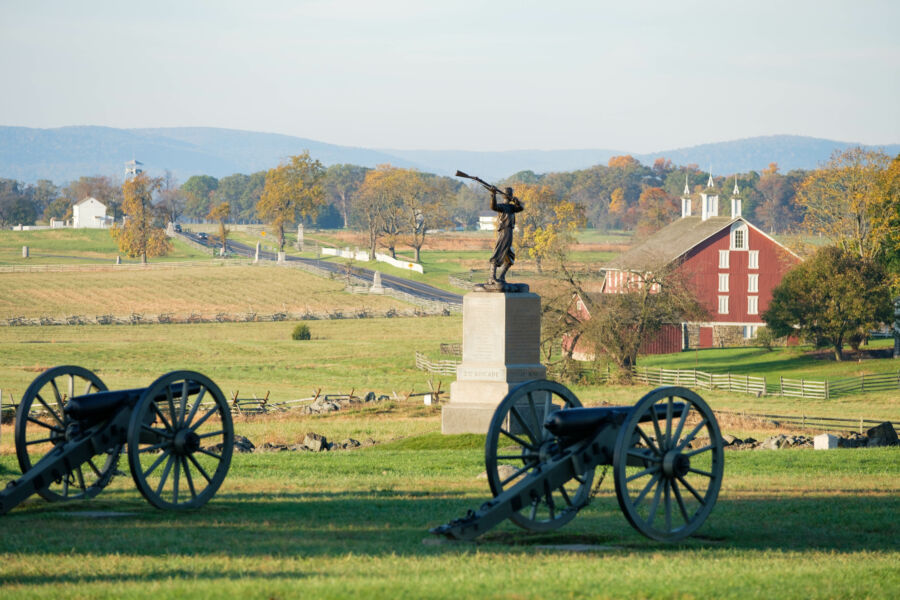
At Gettysburg National Military Park, you’ll get a real sense of the bloodiest battle in American history. Check out the visitor center’s film and museum to get your bearings, then drive the battlefield tour route—stop at Little Round Top and Cemetery Ridge for the full effect.
Keep rolling south into Virginia, where Civil War history pops up everywhere. Civil War Trails connect multiple battlefields, with markers and wayside exhibits along the way. Richmond, once the Confederate capital, has a bunch of sites, including the American Revolution Museum at Yorktown (which covers both the Revolution and Civil War).
At Yorktown Battlefield, the Revolutionary War ended when Cornwallis surrendered to Washington in 1781. You can walk the battlefield trails and check out a reconstructed siege line that shows how the Americans and French boxed in the British.
4. Southern Heritage and Coastal History
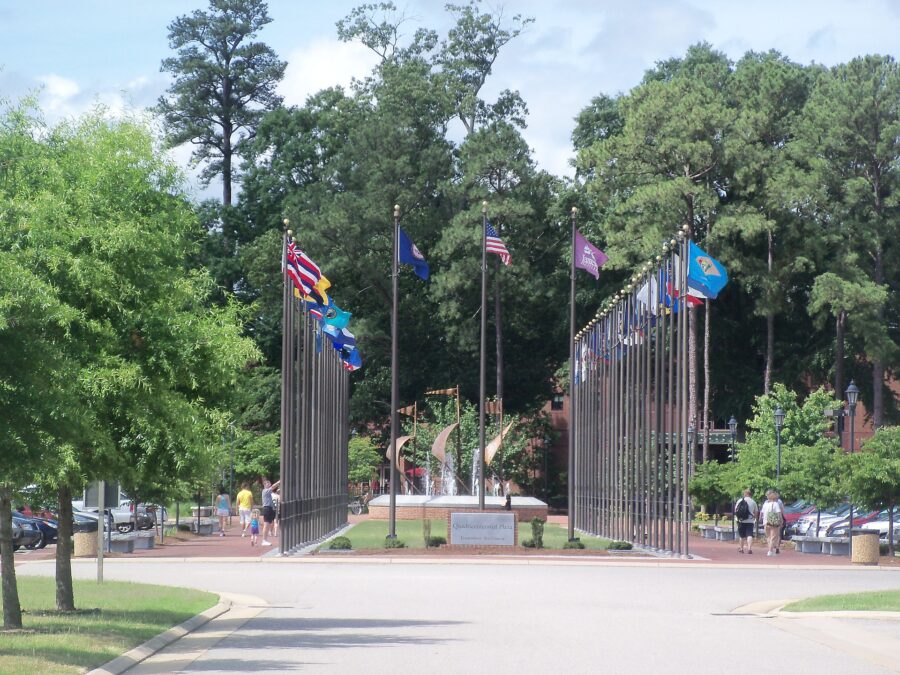
Virginia’s Historic Triangle is a must—three huge sites all close together. Jamestown Settlement and Historic Jamestowne preserve the first permanent English colony, founded in 1607. The settlement is a living history museum with recreated ships and a Powhatan village, while Historic Jamestowne has the real archaeological site.
Colonial Williamsburg is basically a whole town reimagined as it was in the 1700s. Costumed interpreters show off colonial trades and daily life. You’ll want to spend at least a day here; the historic area covers 301 acres and hundreds of restored buildings.
Drive down to Charleston, South Carolina, and you’ll hit Fort Sumter National Monument. This is where the Civil War started on April 12, 1861, when Confederate forces fired the first shots. You’ll take a ferry out to the island fort and walk the grounds where Union troops held out for 34 hours before surrendering.
5. Key Historic Cities to Explore
Boston blends Revolutionary history with colonial charm. Beyond the Freedom Trail, wander Beacon Hill’s federal-style rowhouses and cobblestone streets—they look almost like they did two centuries ago.
Philadelphia puts you right in the middle of founding-era sites. The National Constitution Center has interactive exhibits that make the Constitution actually interesting, and you can walk the same streets where Franklin and Jefferson argued about independence.
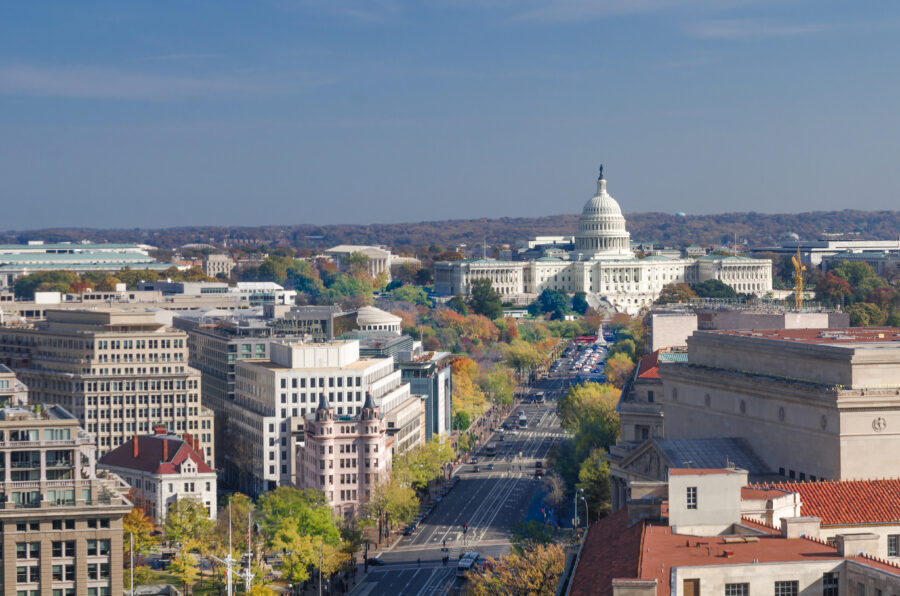
Washington, D.C. isn’t just about monuments. At the National Archives, you can see the original Declaration of Independence and Constitution. The Smithsonian museums on the National Mall, like the National Museum of American History, have treasures like the Star-Spangled Banner flag.
New York City brings you the Statue of Liberty, a symbol of the immigrant experience and American ideals—even if it showed up a bit later than most of these sites. The Battery area nearby still has forts and markers from the Revolutionary War. Charleston caps your southern route with antebellum architecture, plantations that tell tough but important stories about slavery and wealth, and waterfront views where you can spot Fort Sumter.
Essential Historic Landmarks and Must-See Stops

The East Coast squeezes more American history into a few hundred miles than anywhere else. From battlefields to the actual founding documents, these cities are packed with the landmarks that shaped the country.
Boston’s Freedom Trail and Historic Sites
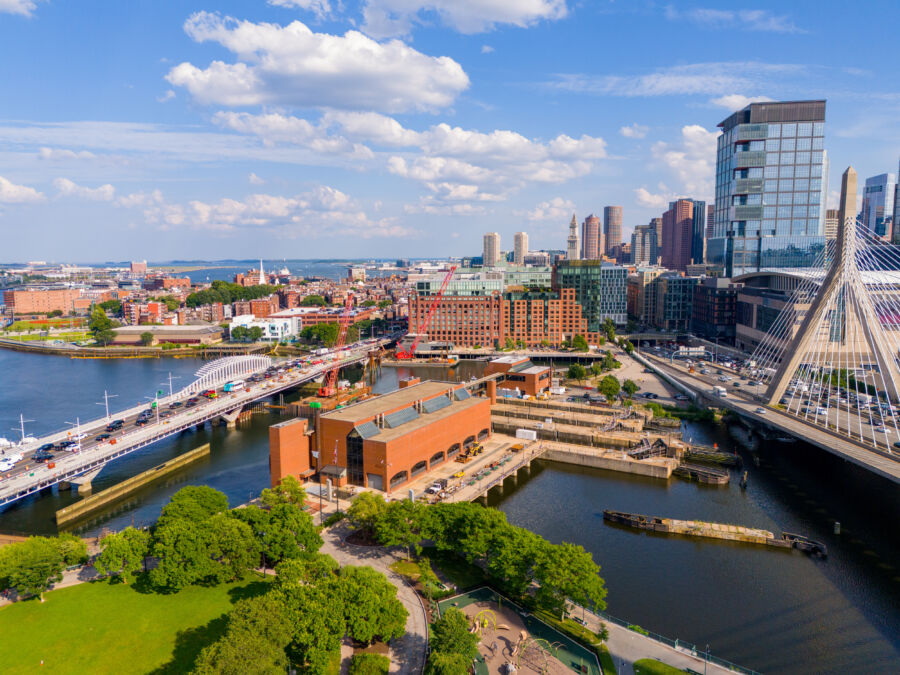
Boston’s Freedom Trail is a 2.5-mile red brick path that links 16 historic sites. You’ll walk through the same streets where colonists plotted rebellion and fired the first shots of the Revolution.
The USS Constitution sits in the Charlestown Navy Yard, still afloat as the world’s oldest commissioned warship. Built in 1797, “Old Ironsides” got her nickname in the War of 1812 when British cannonballs bounced off her hull. You can tour the ship for free and watch sailors in period dress show you what life at sea looked like.
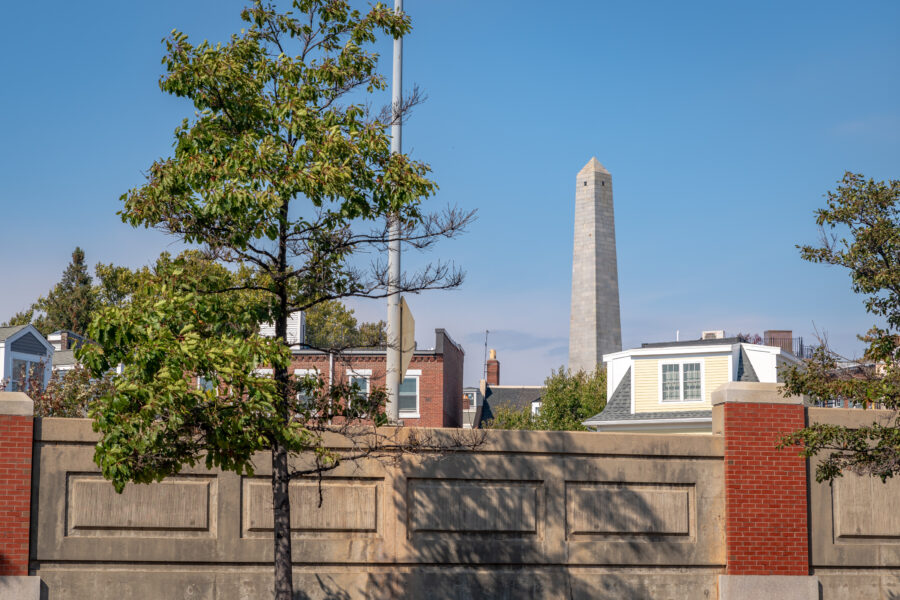
The Bunker Hill Monument rises 221 feet above where colonial militia faced British regulars in 1775. That battle proved untrained Americans could stand up to professional soldiers. Climb the 294 steps—the view over Boston Harbor is totally worth it.
Faneuil Hall has been called the “Cradle of Liberty” ever since Samuel Adams and others fired up crowds there before the Revolution. The building still hosts meetings on the ground floor, and museum exhibits fill the top floors. Outside, street performers and food vendors keep Quincy Market buzzing, just as they have for ages.
Philadelphia’s Birthplace of America
Philadelphia holds the buildings and documents where America really became America. Independence Hall is where the Declaration of Independence and the Constitution were both signed. You’ll need a timed ticket to get inside, but they’re free and it’s worth planning ahead.
The Liberty Bell sits across the street in its own center. The crack running up the side is iconic—rangers share stories about how the bell became a symbol for abolitionists and suffragettes long after it stopped ringing.
At the National Constitution Center, interactive exhibits and live performances bring the founding documents to life. “Freedom Rising” uses a 360-degree screen to tell America’s story, and Signers’ Hall fills up with bronze statues of all 39 men who signed the Constitution. Wander Old City’s cobblestone streets and you’ll literally walk in Benjamin Franklin’s footsteps—he lived, worked, and experimented here for decades.
New York City’s Icons of Immigration and Liberty

The Statue of Liberty greeted millions of immigrants as they sailed into New York Harbor. France gave the 305-foot copper statue to America in 1886, and she’s been holding up her torch ever since. You’ll need ferry tickets to reach Liberty Island, and if you want to climb to the crown, book months ahead.
Ellis Island processed over 12 million immigrants between 1892 and 1954. The museum tells their stories with photos, artifacts, and recordings. You can even search for your own ancestors in the database.
Back in Manhattan, the National 9/11 Memorial honors the 2,977 people killed in the 2001 attacks. Two reflecting pools sit where the Twin Towers once stood, with every victim’s name inscribed around the edges. The memorial is free and open to all, while the museum charges admission.
Washington, D.C. National Mall and Memorials
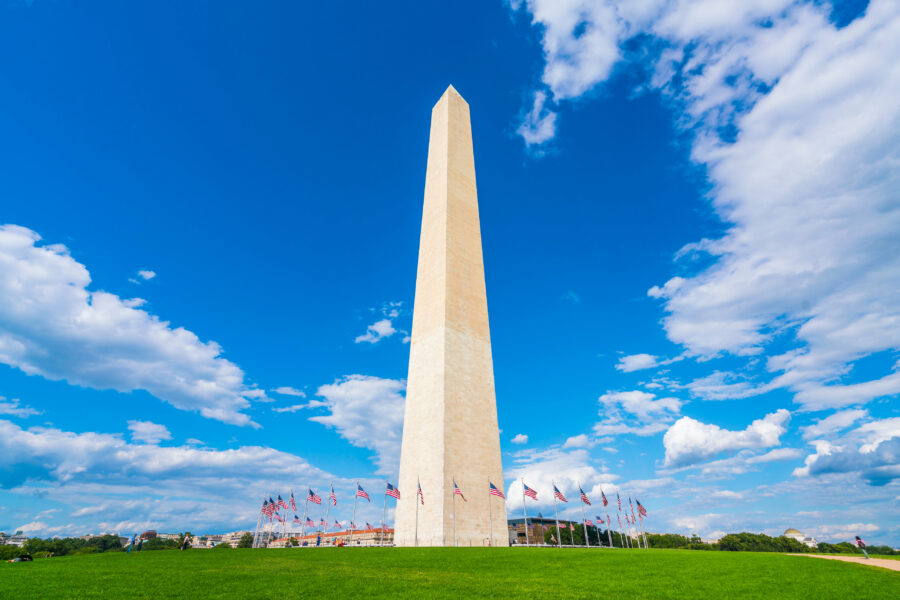
The National Mall stretches two miles from the Capitol to the Lincoln Memorial. You’ll pass monuments to presidents, war heroes, and civil rights leaders—all lined up in one epic walk.
The Lincoln Memorial holds a 19-foot marble statue of Abraham Lincoln, deep in thought. The Gettysburg Address is carved into one wall, and his Second Inaugural Address fills another. Stand on the steps where Martin Luther King Jr. gave his “I Have a Dream” speech—goosebumps are almost guaranteed.
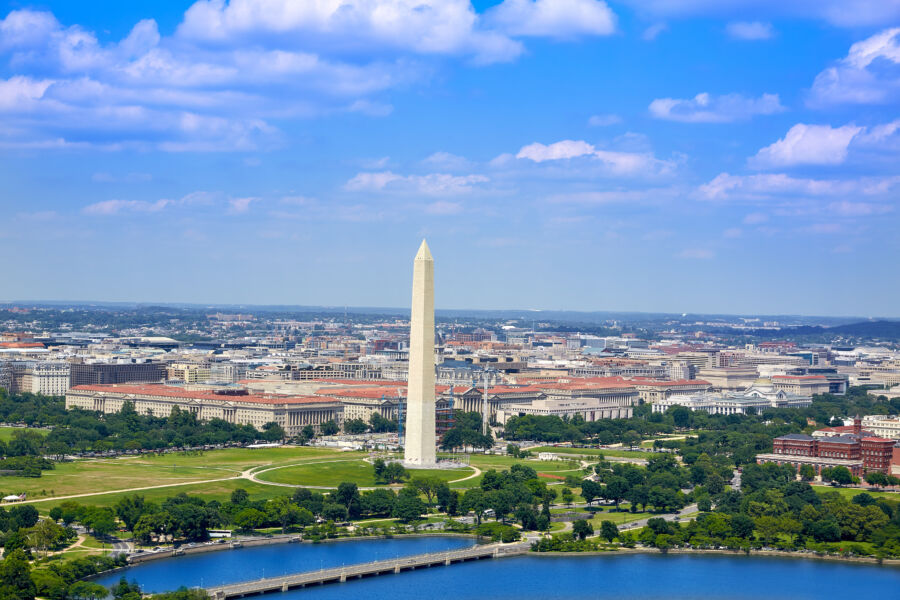
The Washington Monument—that 555-foot obelisk—dominates every D.C. skyline photo. Washington never wanted monuments to himself, but Congress went ahead after he died. Free tickets get you to the top, but they vanish fast.
The Jefferson Memorial sits by the Tidal Basin, surrounded by cherry blossoms. Thomas Jefferson’s statue stands 19 feet tall inside, with lines from the Declaration of Independence carved all around. Sunrise or sunset here? The marble glows pink and gold—absolutely stunning.
Don’t skip the Vietnam Veterans Memorial, Korean War Veterans Memorial, or World War II Memorial. Each one tells a different piece of America’s story of sacrifice and service.
See Related: The World’s Busiest Cities
Road Trip Planning: Timing, Route Options & Logistics
Planning an East Coast road trip means making savvy choices about when to go, which routes to follow, and how to juggle all the details. Spring and fall really give you the best weather for exploring historic sites, and picking smart routes helps you spend more time sightseeing and less time staring at the highway.
Best Season for Historical Touring
Spring (April to June) and fall (September to November) are your sweet spots for an East Coast history trip. You’ll dodge the worst summer heat and the winter cold that can shut down outdoor sites.
Spring brings mild temps—think 60s and 70s—across most of the region. D.C.’s cherry blossoms bloom in late March and early April. In the fall, you get crisp air and smaller crowds at big landmarks once school’s back in session. Walking into Independence Hall in Philly without elbowing through tour groups? That’s the dream.
Summer (July and August) gets muggy, and hotel prices shoot up. If you have to go in summer, start your days early—hit outdoor sites before 10 AM and save museums for the afternoon.
Winter can work if you stick to cities with plenty of indoor options. Boston’s Freedom Trail isn’t as fun in January snow, but the city’s museums stay open all year.
Suggested Itineraries by Duration
If you’ve only got a week, focus on one corridor. Start in Boston, roll through New York and Philadelphia, and finish in Washington D.C. That’s about 450 miles and covers the big Revolutionary War and founding sites without feeling frantic.
With two weeks, you can head south into Virginia. Add Colonial Williamsburg, Jamestown, and Monticello.
You’ll have time to detour to Gettysburg, too. The whole stretch runs about 800 miles.
Three weeks? Go big. Start in Maine or Boston and drive all the way to Charleston, South Carolina. That’s 1,200+ miles, from Salem’s witch trials to Charleston’s antebellum mansions. You’ll need to average about 60 miles of driving a day to balance road time and sightseeing.
Plan on 2-3 hours at major museums, and 1-2 hours for outdoor sites like battlefields. Leave some wiggle room—trust me, you’ll stumble on unexpected gems along the way.
Scenic Byways and Routing Tips
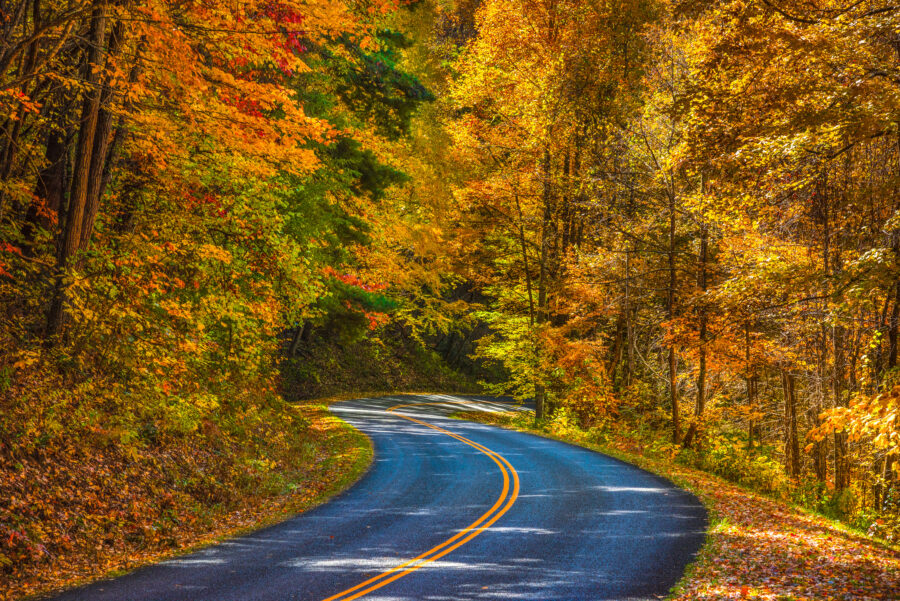
The east coast has some scenic byways that blend beautiful drives with a sense of history. The Blue Ridge Parkway links Shenandoah National Park in Virginia to the Great Smoky Mountains in North Carolina. It stretches 469 miles across Appalachian highlands, passing Civil War sites and Appalachian cultural centers along the way.
Skyline Drive runs 105 miles through Virginia’s Shenandoah Valley. You’ll find plenty of overlooks and easy access to Civil War battlefields. In New Hampshire, the Kancamagus Highway winds through White Mountain National Forest and goes by old logging camp ruins.
If you’re after ocean views, the Overseas Highway down to the Florida Keys doesn’t offer much history but the scenery is something else. The Chesapeake Bay Bridge-Tunnel in Virginia gives you a dramatic water crossing and glimpses of the bay where key naval battles happened.
You’ll probably spend most of your trip on major highways. Interstate 95 covers the entire East Coast from Maine to Florida.
The New Jersey Turnpike helps you get through that state quickly. US Route 40, the Historic National Road, traces America’s first federal highway through Maryland and links up with several historic towns.
Try to avoid driving through big cities during rush hour—traffic crawls from 7-9 AM and 4-7 PM on weekdays. Route planning tools help you estimate drive times and spot bottlenecks before you hit the road. Download offline maps before you set out each day, since cell service can drop out in rural spots between historic sites.
Top National Parks and Natural Landscapes Along the Way
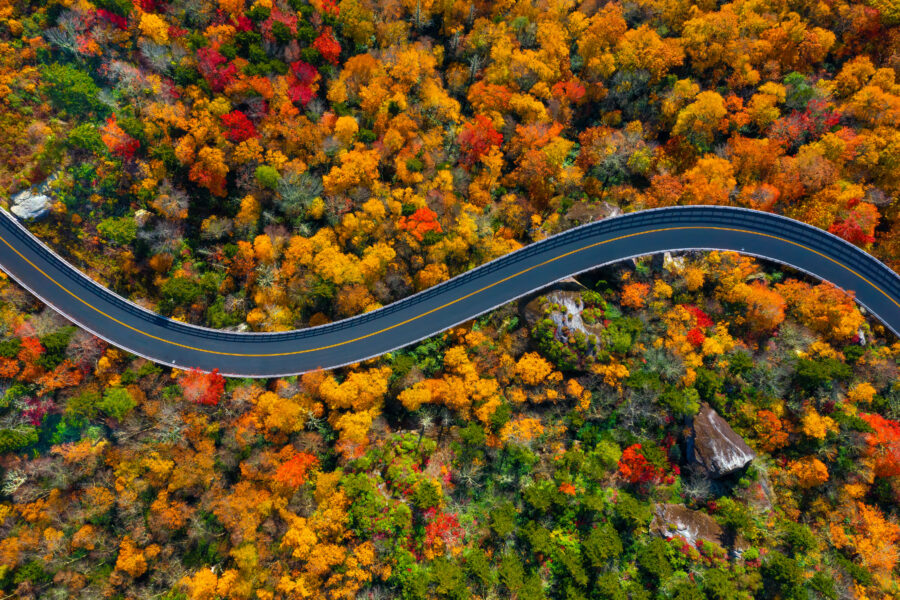
The East Coast is packed with national parks and natural areas that tie directly into America’s founding story and cultural roots. Mountain ranges once sheltered early settlers, and coastal preserves line the old shipping routes that shaped the nation.
Appalachian Mountains and Blue Ridge Parkway
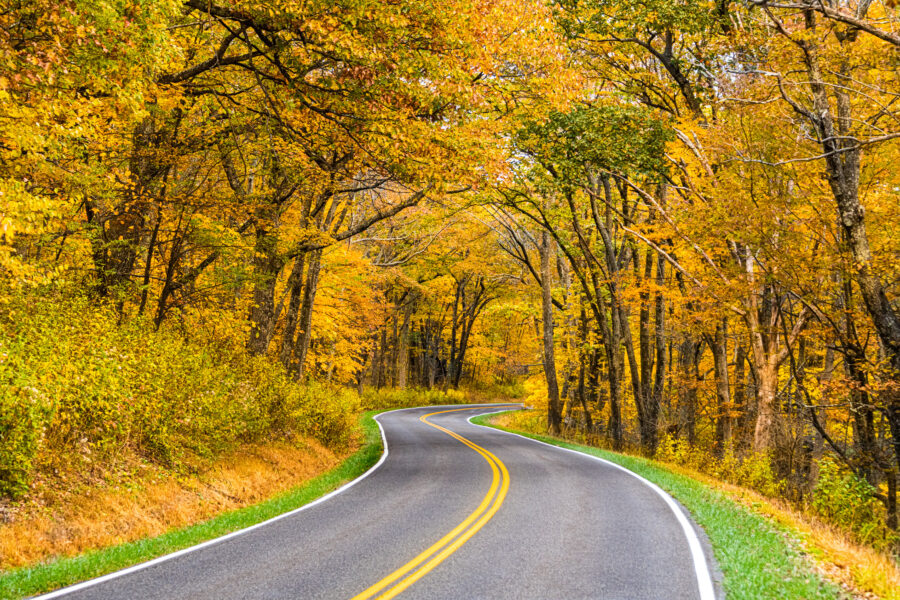
Great Smoky Mountains National Park hugs the Tennessee-North Carolina border and has way more history than most folks expect. Cherokee settlements thrived here for centuries before Europeans arrived, and at Cades Cove you can check out preserved 19th-century homesteads and churches. The cove’s loop road passes by old buildings that early Appalachian settlers put up, so you get a real feel for frontier life.
Shenandoah National Park in Virginia came into being after the government relocated about 500 mountain families in the 1930s. Skyline Drive follows the ridge for 105 miles, and at different overlooks you’ll spot stone walls and old foundations from those displaced communities.
The Blue Ridge Parkway links these two parks over 469 miles. Along the way, you’ll drive through spots touched by Revolutionary War skirmishes and Civil War troop movements. The parkway itself was a Depression-era public works project—thousands found work building it. Mile markers guide you from one historic region to the next, and you can pull off at places like Mabry Mill, a restored 1910 grist mill that shows how mountain communities operated.
Clingmans Dome stands as the Smokies’ highest point at 6,643 feet, offering wild views across five states. Cherokee people saw these mountains as sacred, and later, moonshiners hid out in the remote peaks during Prohibition.
New England’s Coastal Beauty
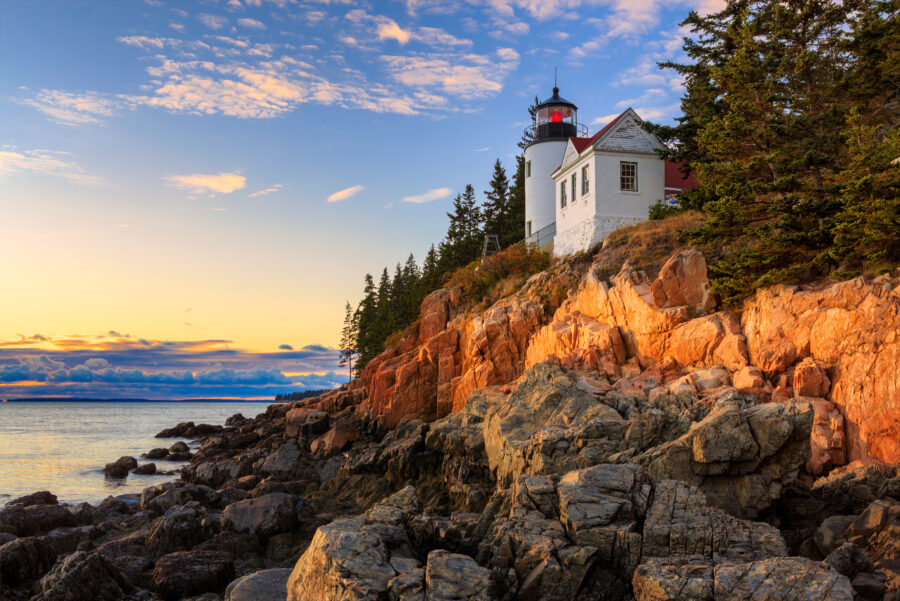
Acadia National Park sits on Maine’s Mount Desert Island and was the first national park east of the Mississippi. The Rockefeller family and other wealthy Americans donated this land in the early 1900s, and their old carriage roads still wind through the park. You can drive up Cadillac Mountain to catch the first sunrise in America at certain times of year.
Bar Harbor sits just outside the park and once served as a summer playground for America’s Gilded Age elite. Many of their “cottages” (really, mansions) burned in the Great Fire of 1947, but you can still wander the historic buildings downtown.
The park’s granite cliffs and rocky shores reveal a geological story millions of years old. But the human history is just as layered—the Wabanaki people lived here for over 5,000 years before French explorers arrived in 1604. The island switched between French and English hands several times before the Revolutionary War finally settled things.
Southern Parks and Scenic Coastlines
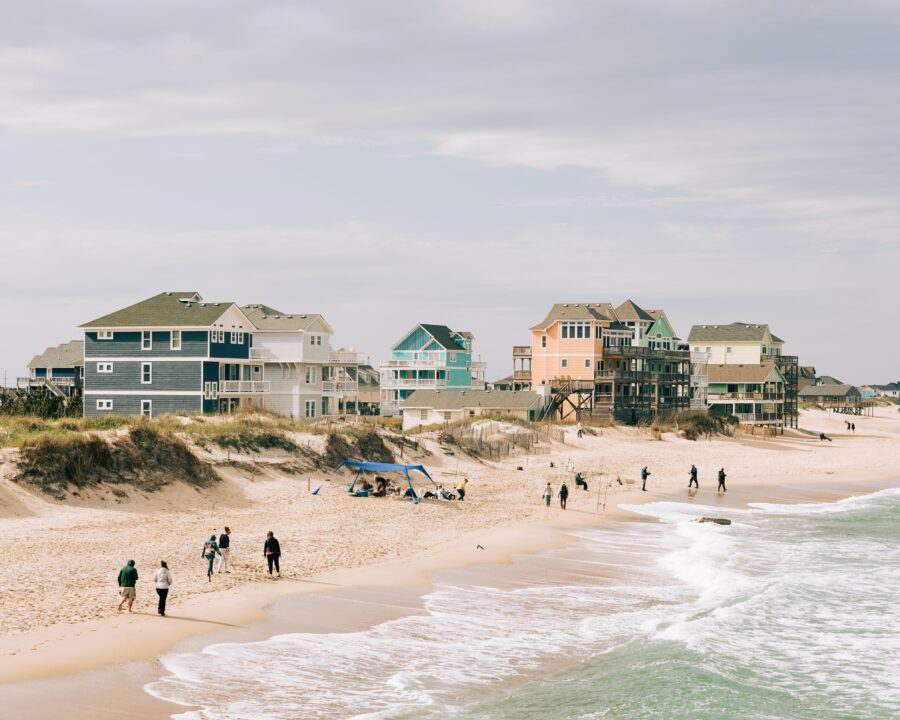
North Carolina’s Outer Banks stretch along 200 miles of barrier islands, where some of the earliest English settlers tried their luck. The Wright Brothers picked Kitty Hawk for their first flight in 1903, and you can stand on that very spot today. Jockey’s Ridge State Park protects massive sand dunes that still shift and change, just like they did when sailors used them for navigation centuries ago.
These islands have a wild maritime history. Blackbeard met his end here in 1718, and hundreds of ships have wrecked off the coast—so many that people called it the “Graveyard of the Atlantic.” The Cape Hatteras Lighthouse, built in 1870, warned sailors away from the dangerous Diamond Shoals.
Further south, coastal routes pass through Charleston and Savannah—cities whose architecture and street plans look much like they did in colonial days. The flat terrain and tidal rivers made the region perfect for rice and indigo plantations, though that prosperity came at the terrible cost of enslaved labor.
Florida Keys and Historic Routes

Everglades National Park covers 1.5 million acres of subtropical wilderness. Native American groups like the Seminole found refuge here during forced removal attempts in the 1800s. The park only came into existence in 1947, after decades of developers draining wetlands and hunters nearly wiping out bird populations for their feathers.
The Overseas Highway to the Keys follows Henry Flagler’s railroad, finished in 1912 to connect Key West to the mainland. The 1935 Labor Day Hurricane wrecked much of the railroad, and workers later converted it to a road. You’ll cross 42 bridges, including the famous Seven Mile Bridge.
Big Pine Key has the National Key Deer Refuge, which protects a subspecies found nowhere else. Bahia Honda State Park gives you beach access and a look at the old Bahia Honda Rail Bridge, now just a reminder of Flagler’s ambitious project.
Dry Tortugas National Park sits 70 miles west of Key West and is only reachable by ferry or seaplane. Fort Jefferson, a massive coastal fortress built between 1846 and 1875, never saw battle but did serve as a Civil War prison. Dr. Samuel Mudd, convicted for conspiracy in Lincoln’s assassination, got imprisoned here—though he later received a pardon for treating yellow fever victims during an outbreak.
See Related: Best Winter Destinations in the US: Snowy Escapes You Can’t Miss
Historic Eats and Regional Flavors for Road Trippers

You can’t really say you’ve explored East Coast history without tasting the foods that shaped these places. From Boston’s harbor to the southern tip of Florida, every stop has dishes that tell a bit of America’s story.
Classic Dishes in Major Cities
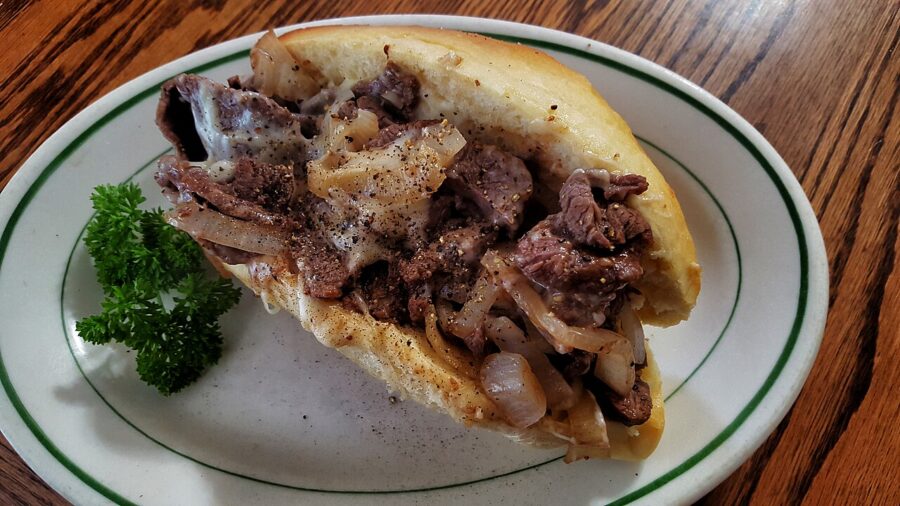
If you’re in Philadelphia, stop for a Philly cheesesteak. Pat Olivieri supposedly invented it in the 1930s by throwing beef on his hot dog grill. Locals will argue about Pat’s versus Geno’s, but honestly, most sandwich shops in town do it right. Thinly sliced ribeye, melted cheese (Whiz, provolone, or American), and a proper Amoroso roll—that’s the magic.
Boston’s got New England clam chowder at nearly every corner. The creamy, potato-heavy soup started as a humble fisherman’s meal and grew into a New England icon. Try it at Quincy Market after walking the Freedom Trail, or pop into one of the North End’s Italian joints.
Charleston? Shrimp and grits is the move—a Lowcountry classic locals have eaten for breakfast since the 18th century. In D.C., don’t skip the half-smoke, a spicy smoked sausage that Ben’s Chili Bowl has served since 1958.
Coastal Seafood Traditions

Maine lobster rules the northern coast, and summer means lobster rolls at every beach town from Portland to Bar Harbor. Connecticut serves them warm with butter, while Maine prefers them cold with mayo. Try both if you can—seriously, it’s worth it.
The Chesapeake Bay region runs on blue crabs. Maryland’s crab cakes and Old Bay seasoning are the heart of local food culture, going back to Native American fishing traditions. You’ll find crab houses with brown paper–covered tables and wooden mallets ready for action.
The Outer Banks and coastal Carolina serve she-crab soup, a creamy bisque with crab roe that’s been a Charleston favorite since the 1700s. Down in Florida, stone crab claws (served cold with mustard sauce) are only available October through May.
Unique Food Experiences Along the Coast

Key West’s key lime pie isn’t just a dessert—it’s a must-eat. The tart, condensed milk filling on a graham cracker crust came about because Florida Keys fishermen didn’t have fresh milk or refrigeration.
In Colonial Williamsburg, you can eat at historic taverns where they serve 18th-century recipes like peanut soup and Sally Lunn bread. The menus come straight from colonial cookbooks and kitchen archaeology.
If you drive Route 1 through New England, you’ll spot clam shacks and oyster bars everywhere, many run by the same families for generations. You’re eating the same seafood that fed settlers and indigenous people for centuries. And don’t skip the roadside farm stands in Virginia and the Carolinas for boiled peanuts—a snack Confederate soldiers carried during the Civil War.
Insider Tips and Practical Advice for History Buffs
A little planning can turn a good historical road trip into a fantastic one. Book ahead, check accessibility at historic sites, and know where your dollars will stretch furthest.
How to Maximize Your Historic Visits
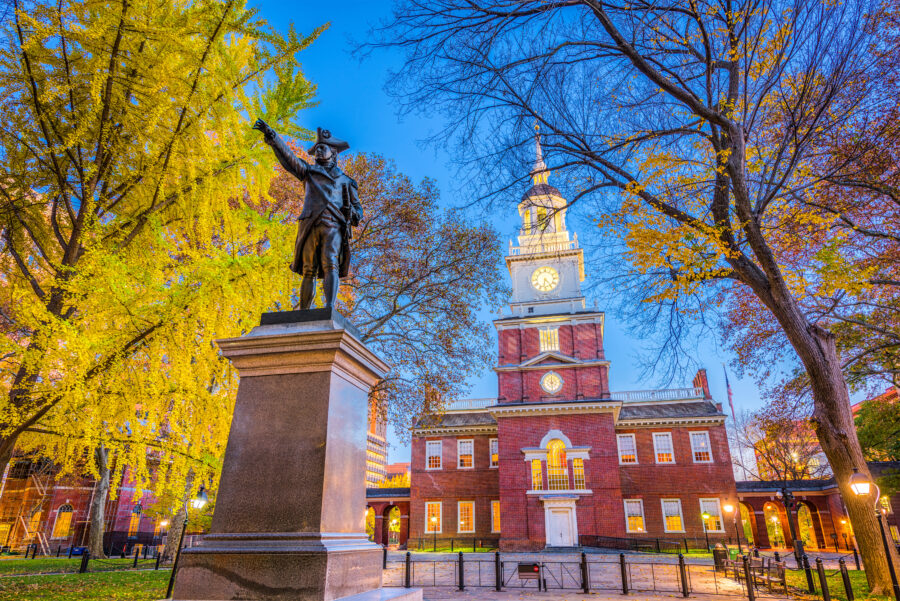
Book tours at least two weeks in advance. Independence Hall in Philadelphia and Mount Vernon both limit daily visitors, and walk-up spots disappear fast in spring and summer.
Visit major museums early on weekdays. The Smithsonian museums open at 10 AM, and you’ll have smaller crowds if you show up right at opening. The National Museum of American History gets crowded by noon, especially near the Star-Spangled Banner.
Download audio guides before you arrive. Many historic sites offer free apps with detailed info as you walk, so you can skip waiting for guided tours and explore at your own pace.
Join ranger-led programs at National Park Service sites. These free talks and walks give you stories and details you won’t find on plaques. Rangers have a way of making history feel alive.
If you’re planning to visit several parks, grab an America the Beautiful Pass ($80). It covers entrance fees at all federal recreation sites and national parks.
Traveling with Kids and Accessibility
Most big historical sites offer junior ranger programs to keep kids interested. Your kids can fill out activity booklets and earn badges while learning history. The programs work well for ages 5-13.
You can request wheelchairs at most visitor centers. Colonial Williamsburg, Gettysburg, and the Smithsonian museums all provide free wheelchairs on a first-come basis. For bigger sites, call ahead to reserve a mobility scooter.
Pack snacks and water. Many historic buildings don’t allow food inside, but you’ll find eating areas nearby. This saves money and keeps everyone happy between exhibits.
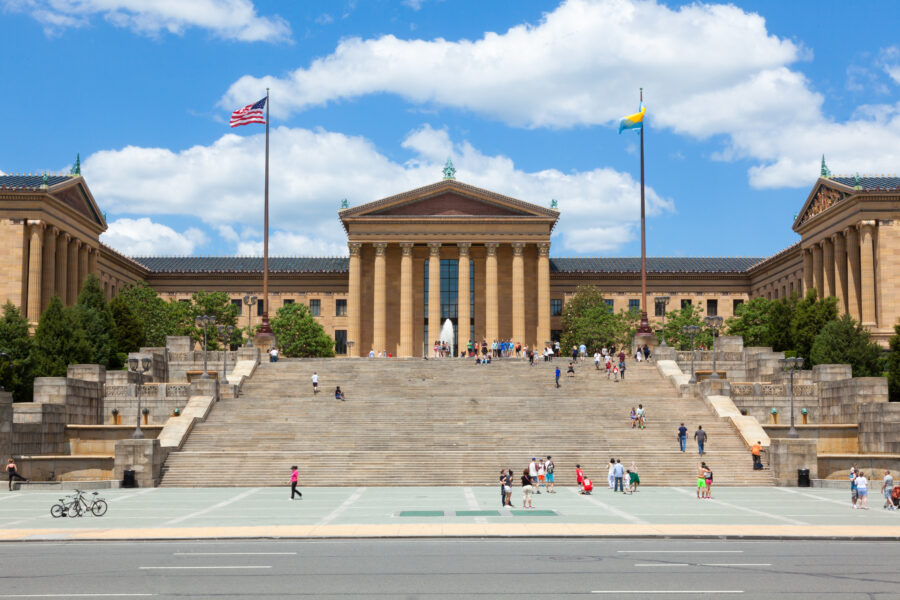
Look up sensory-friendly hours at museums. The Philadelphia Museum of Art and several others offer special times with reduced noise and lighting for visitors with sensory sensitivities.
Budgeting for Museums and Attractions

Many of the best museums are free. All Smithsonian museums skip admission fees, saving a family of four about $100 per day compared to typical museum prices. The National Archives and Library of Congress are free, too.
If you’re hitting multiple paid attractions, buy city passes. Philadelphia’s CityPASS includes six major sites for $67 (adult price), which is a lot less than paying separately. Boston and New York have similar deals.
Hold off on gift shops until your last stop. Museum stores charge about the same everywhere, so buy souvenirs at the end instead of lugging them all week.
Eat lunch before 11 AM or after 2 PM at restaurants near historic districts. Many places offer early bird or late lunch specials that cost 20-30% less than peak hours. You can book activities and tours through platforms that don’t ask for upfront payment.
Free parking is out there if you know where to look. Street parking in residential neighborhoods near historic districts often has no meters. Walk an extra 10 minutes and save $20-30 per day on parking.
See Related: Most Underrated National Parks in the World
Frequently Asked Questions
Planning a historical road trip along the East Coast brings up lots of practical questions—like which sites are really worth your time, how to map out your route, and what time of year works best for exploring America’s founding story.
What are the top historical sites to visit on an East Coast road trip?
The East Coast packs in hundreds of important historical sites. Independence Hall in Philadelphia, for example, is where American democracy really got started—both the Declaration of Independence and the Constitution were signed right there.
If you swing through Virginia, Colonial Williamsburg pulls you straight into 18th-century life. You’ll wander across 300 acres of restored buildings and meet costumed interpreters who show off colonial trades and daily routines. It’s surprisingly immersive, and honestly, it’s hard not to learn something new.
Boston’s Freedom Trail weaves together 16 historic sites over just 2.5 miles. You’ll pass by Paul Revere’s House, the Old North Church, and the spot where the Boston Massacre happened. The self-guided walk usually takes about 2-3 hours, but you might want to linger at a few places.
Gettysburg National Military Park in Pennsylvania marks a turning point in the Civil War. The massive battlefield stretches across 6,000 acres and features more than 1,300 monuments and markers. Walking the grounds really helps you picture the pivotal 1863 battle.
Mount Vernon in Virginia, George Washington’s plantation, gives you a glimpse into the first president’s private life and the realities of slavery in early America. The estate sits right along the Potomac River and includes original buildings, gardens, and a museum. There’s a lot to take in.
Which cities are must-visits for history enthusiasts traveling along the East Coast?
If you’re into history, Boston is a no-brainer. The American Revolution echoes through every corner, from the massacre site downtown to the harbor where colonists dumped British tea. You can feel it.
Philadelphia totally earns its nickname as the nation’s birthplace. Besides Independence Hall, you’ll find the Liberty Bell, Betsy Ross House, and the National Constitution Center all within a short walk.
Washington D.C. just overflows with American history. The Smithsonian’s 19 museums cover pretty much every angle of the nation’s story. You could spend days here and still not see it all.
Charleston, South Carolina, brings a different vibe to American history. Its preserved antebellum architecture and Fort Sumter, where the Civil War kicked off, really help you understand the South’s role in shaping the country.
Williamsburg and nearby Jamestown in Virginia let you dive into America’s earliest English settlements. Jamestown was founded in 1607, making it the first permanent English colony in North America.
Can you suggest a road trip itinerary that covers key historical events of the American colonies?
Kick things off in Plymouth, Massachusetts. The Mayflower II replica and Plimoth Patuxet Museums recreate the 1620s Pilgrim settlement. You’ll spend a day here getting a sense of how English colonists and the Wampanoag people lived side by side.
Head down to Boston for a couple of days to check out colonial sites. Tour the Paul Revere House, the oldest building in downtown Boston, and stop by Faneuil Hall, where Samuel Adams and others plotted revolution.
Next, spend a day in Newport, Rhode Island. The Touro Synagogue, built in 1763, stands as America’s oldest synagogue and symbolizes religious freedom in the colonies.
Make your way to New York City for two days. See Federal Hall, where George Washington took his oath as the first president, and grab a bite at Fraunces Tavern, a favorite gathering spot during the revolution.
Plan three days in Philadelphia for Independence National Historical Park. Independence Hall, the Museum of the American Revolution, and nearby Valley Forge all deserve your time.
In Williamsburg, spend two days exploring the colonial capital. Restored buildings and interpreters show you how government, commerce, and daily life worked before independence.
Wrap up in Jamestown and Yorktown, Virginia, over two days. Jamestown Settlement digs into early colonial struggles, and Yorktown Battlefield marks the spot where American independence was won in 1781.
How can you incorporate visits to landmarks from the American Revolution into an East Coast road trip?
The geography of the Revolution stretches from Massachusetts to South Carolina, but you can hit the major sites with a smart route. Start off in Lexington and Concord, Massachusetts, where the “shot heard ’round the world” kicked off everything on April 19, 1775.
Boston’s revolutionary landmarks are nice and close together. The Old State House, site of the Boston Massacre, sits just steps from the spot itself—look for the circle of cobblestones in the street.
Drive out to Saratoga Springs, New York, and check out Saratoga National Historical Park. The 1777 American victory here convinced France to support the revolution, which completely shifted the war’s direction.
Give Philadelphia at least two days for all its revolutionary history. Besides Independence Hall, don’t miss the Betsy Ross House and the Museum of the American Revolution, which opened in 2017 with some seriously immersive exhibits.
Valley Forge National Historical Park sits about 30 minutes from Philly. Washington’s army toughed out the brutal winter of 1777-78 here, and you can tour reconstructed soldier huts and Washington’s old headquarters.
Princeton Battlefield in New Jersey is only about an hour from Philadelphia. Washington’s 1777 win here gave the Americans a much-needed morale boost after crossing the Delaware.
Finish up at Yorktown Battlefield in Virginia. The siege here in 1781 ended the war when British General Cornwallis surrendered to Washington.
What is a reasonable timeframe to explore significant U.S. history sites on the East Coast?
If you want to do a thorough East Coast history road trip, you’ll need at least two weeks. You’ll cover roughly 1,000 to 1,500 miles, depending on the route and how many side trips you squeeze in.
Three weeks gives you some breathing room to actually absorb what you’re seeing, not just check boxes. You’ll have time to linger in places like Boston, Philadelphia, and Washington D.C. without feeling like you’re always rushing.
If you’re focused on colonial and revolutionary history, 10 to 14 days works if you stick to the Boston-to-Williamsburg stretch. That way you can spend two or three days each in Boston, Philadelphia, and the Virginia historic triangle.
A long weekend works for regional trips. You can cover Boston’s Freedom Trail in detail, or focus on Philadelphia’s Independence National Historical Park and Valley Forge.
Think about the season when you plan. Summer brings crowds and heat, especially in Virginia. Spring and fall offer better weather and fewer crowds at outdoor sites like battlefields.
Museums and historic sites can eat up more time than you’d expect. Independence Hall tours run on timed tickets and sell out days in advance during peak season. Gettysburg’s battlefield can easily take a full day if you want to really understand the battle.


