
Last modified August 17, 2026
Wandering through Trastevere is like slipping into a different Rome—one that moves at its own pace and feels alive with locals, not just tourists. You’ll catch the scent of espresso drifting from a tiny café, hear laughter bouncing off old stone walls, and suddenly realize: this is the Rome you were hoping to find. This Trastevere itinerary shows you exactly how to soak up the neighborhood’s best sights, food, and tucked-away corners—all in a single, memorable day.
You’ll wander past medieval churches, sip wine in bustling piazzas, and climb up Gianicolo Hill for those postcard-worthy city views. I’ve spent more mornings than I can count getting lost here, and every time, something new pops up—a bakery hidden under a tangle of ivy, or a street musician playing under a flickering lamp.
Key Takeaways
- Hit Trastevere’s top landmarks, cafés, and scenic spots in just one day
- Dive into authentic local food and lively piazzas packed with character
- Follow a relaxed walking route that really captures the spirit of Rome
Essential Trastevere Itinerary Overview
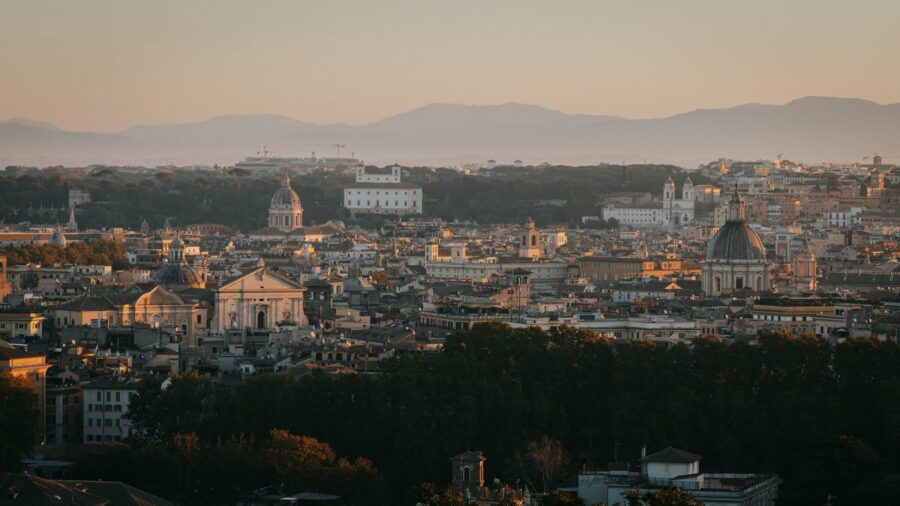
Trastevere draws you in with its narrow cobbled lanes, ivy-draped walls, and a rhythm that just feels slower than the rest of Rome. You’ll want to plan your time—balancing sightseeing, meals, and those aimless strolls—to really catch its local flavor and stories.
How Many Days to Spend in Trastevere
You can cover Trastevere’s highlights in a single day, but honestly, two days let you dig deeper. With a day, you’ll see the Basilica di Santa Maria, wander Via della Lungaretta, and settle in for dinner at a cozy trattoria.
Stick around longer and you can meander through the Orto Botanico gardens, climb Janiculum Hill for a sunset, or duck into smaller churches like Santa Cecilia. I’ve spent lazy afternoons just people-watching in Piazza Trilussa, espresso in hand, and that’s when Trastevere feels most itself.
If you’re pressed for time, try to put Trastevere at the end of your Rome trip—after the Colosseum and Vatican, this neighborhood is the perfect way to slow down and soak it all in.
Best Time to Visit Trastevere
Spring (April–May) and fall (September–October) are hands-down the best times to visit. The weather’s gentle, the crowds thin out, and you can actually breathe in those narrow streets. Summer? It gets hot, and the stone lanes seem to hold onto every bit of heat.
In winter, the vibe shifts. It’s quieter, hotel prices drop, and the locals take back their favorite cafés. I love those chilly evenings with a glass of wine and a plate of cacio e pepe.
If you’re keeping an eye on your budget, hunt for low airfare deals on sites that help you fly cheap to Rome. I’ve lucked out with shoulder-season flights that made it easy to stay an extra day or two.
Getting to Trastevere from Rome
Trastevere hugs the west bank of the Tiber, just across from the Historic Center. You can stroll across Ponte Sisto from Campo de’ Fiori in about 15 minutes. It’s a pretty walk, especially at sunset.
Getting here by public transport is simple. Tram 8 runs from Piazza Venezia, stopping along Viale di Trastevere—right in the heart of things. If you want more flexibility, fly into Fiumicino Airport and grab a taxi or ride-share.
The first time I visited, I got totally turned around in the winding alleys—but honestly, that’s half the fun. Every wrong turn brought me to a hidden café or a quiet little square I’d never have found otherwise.
Staying Overnight in Trastevere
Stay overnight, and Trastevere shifts. Once the day-trippers vanish, the streets glow under lanterns and musicians fill the piazzas. You’ll find everything from budget guesthouses to chic boutique hotels tucked inside old stone buildings.
I usually try to stay near Piazza Santa Maria—it’s central, walkable, and surprisingly peaceful at night. For rates and rooms, Booking.com makes it easy to filter by location and what matters most to you.
If you crave quiet, look near Via Garibaldi or up by Janiculum Hill. Waking up to birdsong instead of scooters? That’s a luxury in Rome.
Top Sights and Landmarks in Trastevere
Trastevere weaves sacred art, Renaissance beauty, and street life together in a way that just feels unique. Ancient mosaics, riverside piazzas, and hidden corners all tell their own stories about Rome’s layers and daily rhythm.
Santa Maria in Trastevere Basilica
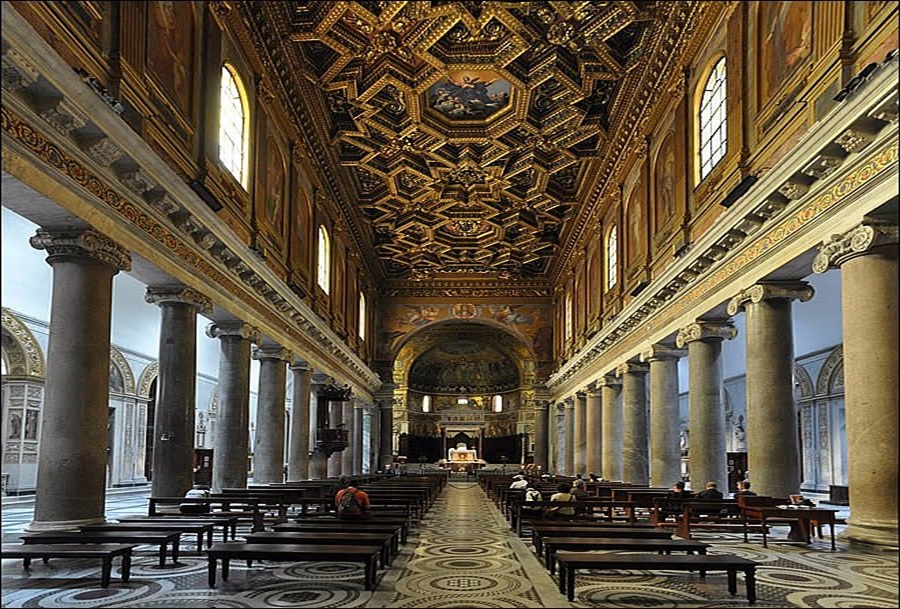
The Basilica of Santa Maria in Trastevere stands as one of Rome’s oldest churches, right at the heart of the neighborhood. Its golden mosaics catch the light, especially the 12th-century apse scenes. I’ve stood there tracing the details—Mary, Christ, saints glowing under soft lamps.
One afternoon, I walked in while a local choir was rehearsing. Their voices filled the arches, making the whole place come alive. The church sits on Piazza Santa Maria in Trastevere, a lively square where people perch on the fountain steps with their coffee. It’s a great spot to pause before you duck back into the maze of alleys.
Villa Farnesina and Renaissance Art

Stroll a few minutes from the river and you’ll find Villa Farnesina, a Renaissance villa that feels like a secret. Built in the 1500s for a banker, it’s packed with frescoes by Raphael’s crew. The Loggia of Cupid and Psyche steals the show—my neck always gets a little sore from staring up, but it’s worth it.
The rooms brim with mythological scenes and soft colors that make the art feel intimate, not just grand. It’s usually less crowded than the big museums in central Rome, so you can actually breathe and linger. Down the street, Palazzo Corsini houses the National Gallery of Ancient Art if you want to keep your art walk going.
More on Villa Farnesina and nearby spots in this local itinerary of Trastevere.
Piazza Trilussa and Vicolo del Cinque

Piazza Trilussa greets you right as you cross Ponte Sisto into Trastevere. A statue of the poet Trilussa looks out over street musicians and late-night crowds. It’s busy, sure, but it somehow captures Rome’s spirit—casual, noisy, and beautiful in its own way.
From there, wander into Vicolo del Cinque. It’s one of the prettiest little streets around, with cobblestones, ivy, and tucked-away trattorias. I once stumbled into a tiny wine bar here where locals argued about soccer and politics over glasses of Frascati. Those unplanned moments? That’s Trastevere.
For more walking route ideas, check the perfect day itinerary for Trastevere.
Via della Scala Hidden Gems
Via della Scala flies under most people’s radar, but it’s worth a slow wander. The tiny Piazza Santa Maria della Scala holds a peaceful church and one of Rome’s oldest pharmacies. Step inside the Antica Farmacia di Santa Maria della Scala—the wooden cabinets and glass jars look frozen in time.
You’ll find a handful of cozy cafés along the street, perfect for ducking away from the crowds. I usually grab a coffee here before heading to Piazza San Cosimato, just a few blocks away. It’s a street that feels lived-in, with locals chatting on stoops and laundry fluttering from windows.
For more on these lesser-known corners, check out this comprehensive Trastevere travel guide.
Scenic Views and Outdoor Spaces
Trastevere gives you some of Rome’s most peaceful open-air spots—perfect for catching your breath between churches and trattorias. From sweeping hilltop views to quiet riverside walks, these places show you a softer side of the city.
Belvedere del Gianicolo Panoramas
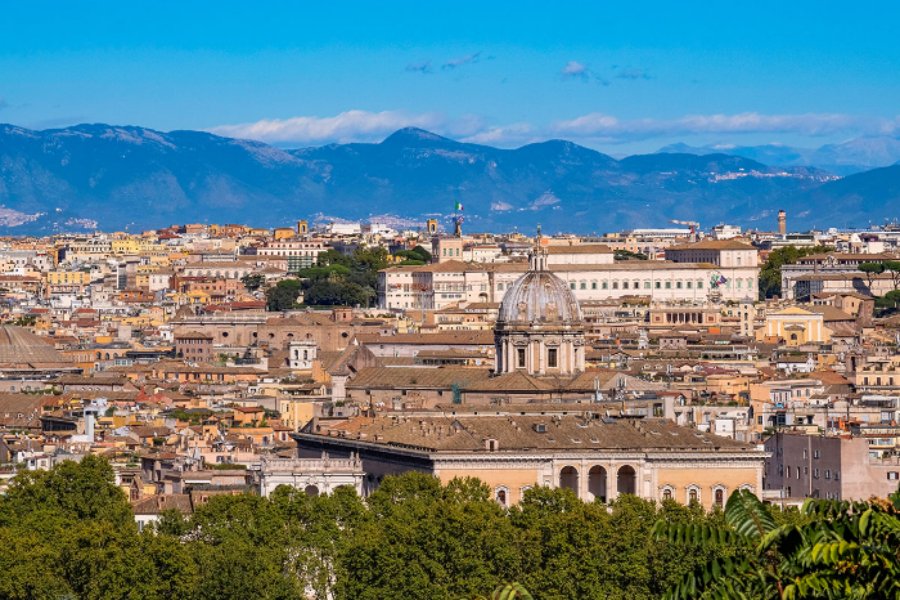
You’ll find the Belvedere del Gianicolo perched just above Trastevere, almost floating over Rome. The view rolls out across rooftops, domes, and bell towers—on a clear morning, you might spot St. Peter’s glowing in the distance.
Locals come here for sunset, when the city turns golden. I once grabbed a gelato nearby and watched families point out landmarks to their kids. It’s simple, calm, and quietly grand.
Bring some binoculars or use the telescopes to spot details. Statues of Italian heroes line the terrace, adding a dash of history to the view. If you want a walking route that swings by here, the Trastevere walking tour itinerary covers it and helps you plan your steps.
Gianicolo Hill Walks
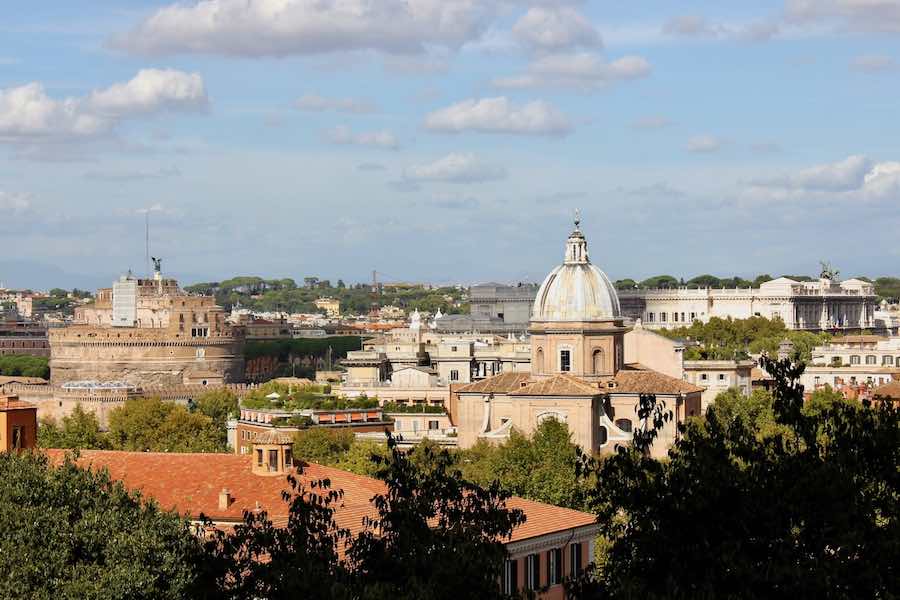
Gianicolo Hill rises behind Trastevere with gentle paths shaded by pines. It’s not one of Rome’s “official” seven hills, but honestly, it’s probably the most relaxing. The climb’s easy, and you’ll pass fountains, monuments, and gardens along the way.
I like to start near the Fontana dell’Acqua Paola, a huge marble fountain that feels like a secret cousin to the Trevi. From there, follow winding lanes toward Piazzale Garibaldi. Benches and overlooks make perfect pit stops.
If you time it right, come around noon to catch the daily cannon firing—a quirky tradition that’s been going since the 1800s. The Trastevere Self Guided Walk in Rome includes this stretch and is especially lovely at dusk.
Tiber River Promenade
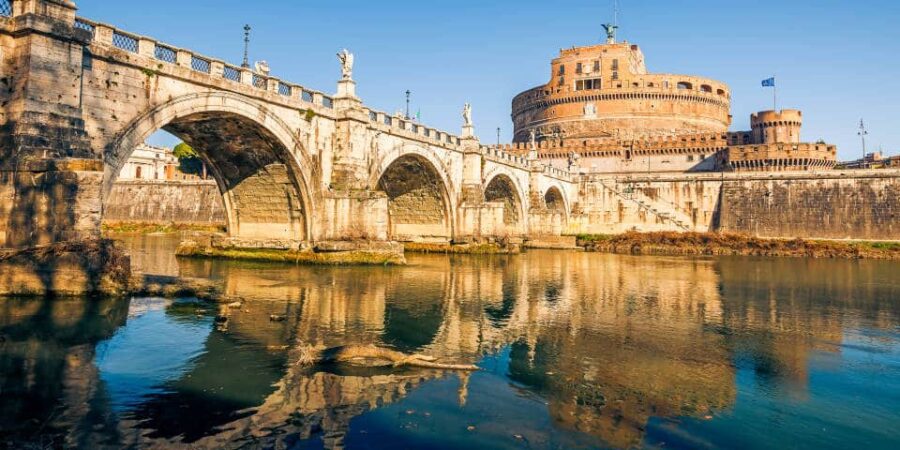
The Tiber River wraps around Trastevere, offering a riverside path that feels miles away from city chaos. The promenade snakes along the embankment, shaded by plane trees that turn gold in autumn.
Start near Ponte Sisto, cross to the Trastevere side, and wander south. Early mornings are best—joggers, cyclists, and a few fishermen keep things quiet.
I sometimes stop at a riverside café for espresso and just watch the water drift under ancient bridges. Rome isn’t just monuments—it’s movement, pause, and the little in-between moments. For more ways to explore Trastevere’s outdoor charm, see this guide to Trastevere’s scenic districts.
Self-Guided Trastevere Walking Tour
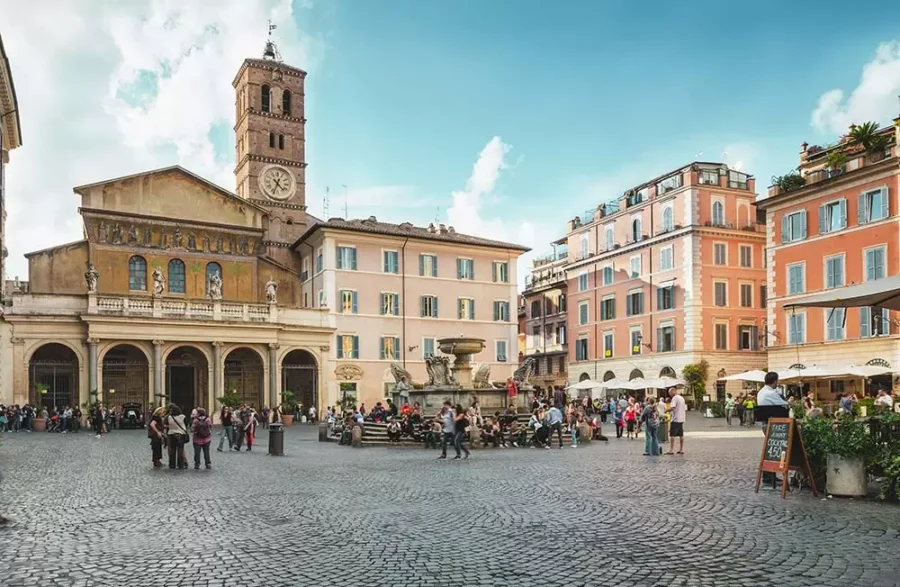
Walking through Trastevere lets you see a Rome that feels lived-in and real. You’ll pass quiet courtyards, centuries-old churches, and trattorias that smell like garlic and wine. This walk blends history, food, and daily life in a way no bus tour ever could.
Trastevere Walking Tour Map
A decent map keeps you from getting hopelessly turned around in Trastevere’s tangled cobblestone lanes. Personally, I like grabbing the GPSmyCity Trastevere walking tour on my phone—it works even when you’re offline and highlights essentials like Piazza Santa Maria and Villa Farnesina.
If you’re more old-school, just swing by a kiosk near Piazza Trilussa for a paper map. I always circle the spots I refuse to skip: the Basilica di Santa Maria in Trastevere, the Botanical Garden, and Tiber Island. Those are non-negotiable in my book.
I usually hit the streets around 9 a.m., before tour groups clog the alleys. The ochre buildings practically glow in the morning, and for a few minutes, church bells actually win out over the scooters. Keep your map close, but honestly, you should let yourself get lost a bit—some of the best espresso bars hide in the least expected corners.
Suggested Walking Routes
Start at Gianicolo Hill for a killer panorama, then wander down toward Via della Scala and Piazza Santa Maria. If you take your time, snap photos, maybe stop for a coffee, you’ll spend about two hours on this loop.
Or, if you’re in town on a Sunday, kick things off at Porta Portese. The flea market buzzes with antiques, vinyl, and enough random finds to keep you busy. From there, stroll along Via di Porta Portese into Trastevere, finishing up near Tiber Island—sunset here is a treat.
Thinking about venturing beyond Trastevere? You can easily hop to other neighborhoods or check out more tours and activities nearby.
Trust me, wear comfortable shoes—the cobblestones can be brutal. And bring a refillable water bottle; the public fountains dish out cold, fresh water all day long.
Tips for Exploring on Foot
Trastevere rewards slow wandering. Pause often, look up, watch the ivy spill down balconies. Duck inside churches, even if they look plain—some hide dazzling gold mosaics or faded frescoes from centuries ago.
Plan your snack breaks with care. Grab pizza al taglio for lunch, or if it’s hot, go for a grattachecca (shaved ice with syrup). If you’d rather have a guide show you around, there are plenty of local tours with tastings and history.
Evenings are the real magic hour. Locals spill into the piazzas, musicians play near the fountains, and the glow from the string lights makes everything feel cinematic. Just watch your bag—pickpockets know distracted tourists when they see them.
Authentic Food and Drink Experiences
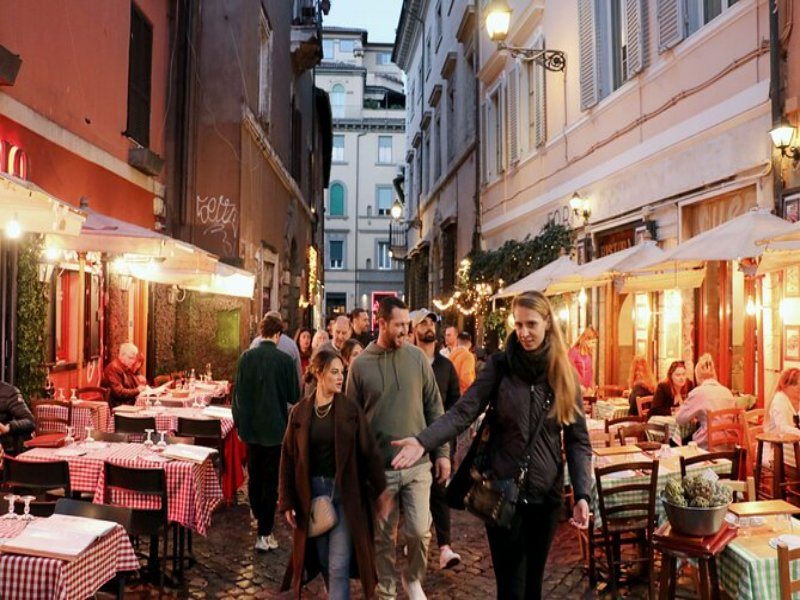
Eating in Trastevere is like flipping through a Roman family cookbook. You’ll taste recipes handed down for ages, sip wine in bars that feel like someone’s living room, and discover pizza that ruins you for anywhere else. Every meal tells a story—if you’re paying attention.
Classic Roman Cuisine to Try
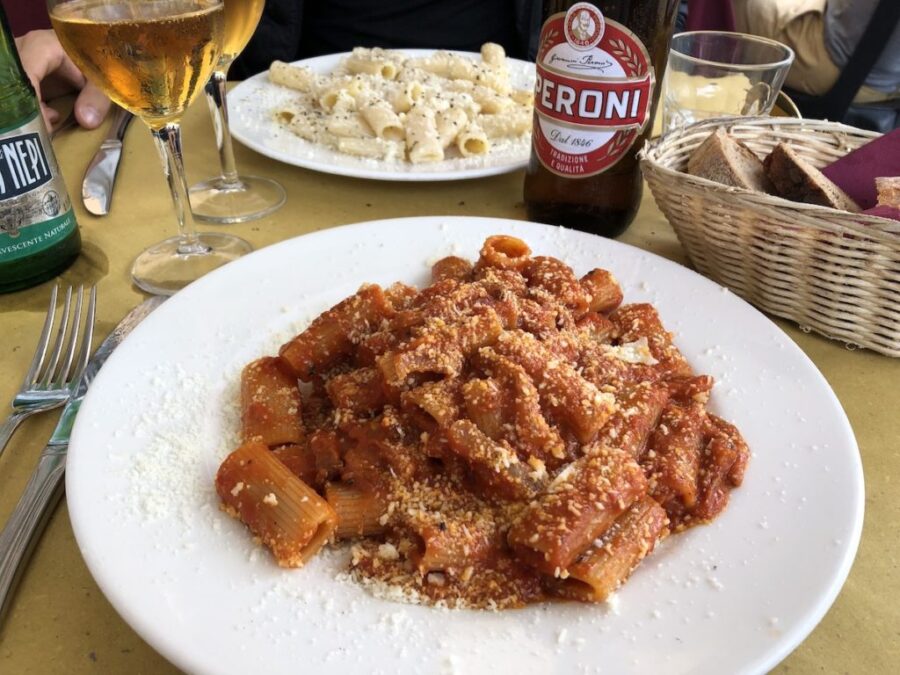
Roman food keeps things simple and punchy. Most dishes stick to just a few local ingredients: olive oil, pecorino, cured pork. You can’t go wrong with cacio e pepe, carbonara, or amatriciana—they’re all about perfectly cooked pasta.
Craving something heartier? Order trippa alla romana (tripe in tomato sauce) or saltimbocca alla romana—veal with prosciutto and sage. Old-school trattorias like Trattoria da Augusto or Osteria da Zi Umberto serve these classics without any fuss.
Want to dig deeper? Sign up for a local tasting like the Rome: Trastevere Food Tour with Wine Tasting and Local Expert Guides. You’ll get to try authentic dishes and hear the stories behind them.
Where to Eat Roman Pizza

People in Trastevere get passionate about pizza. Roman pizza—pizza tonda—is thin, crisp, and cooked super fast in a wood-fired oven. It’s not heavy, so eating a whole pie by yourself isn’t a challenge.
Head to Pizzeria ai Marmi (locals call it “the morgue” because of the marble tables). It’s noisy, packed, and totally worth it. The margherita is a classic, but I always go for anchovies. L’Elementare Pizzeria is another favorite—fresh toppings, chill vibe.
If you’re up for something different, Seu Pizza Illuminati experiments with toppings like octopus or truffle cream. It’s a bit of a walk from the center, but the creative menu and pillowy crust make up for it.
Best Cafés and Bars in Trastevere
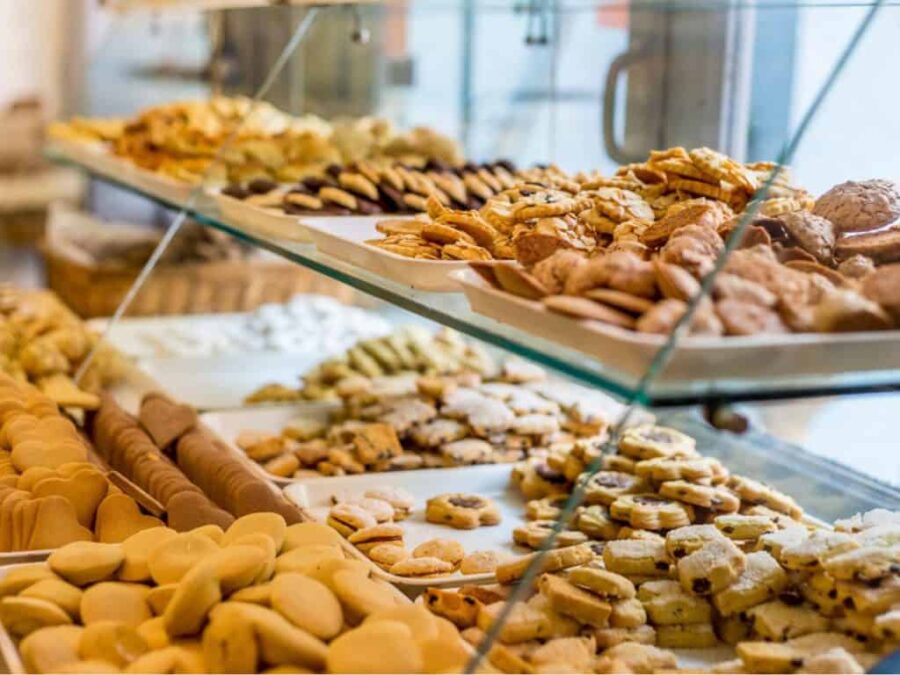
Mornings in Trastevere start with espresso and something sweet. Locals line up at Le Levain for croissants or Biscottificio Artigiano Innocenti for cookies baked in an oven older than most of us. Both spots feel like you’ve stepped into someone’s kitchen.
Afternoons and evenings, the bars take over. Bar San Calisto is a no-frills classic—cheap drinks, plastic cups, and locals chatting in the square. It’s a slice of real Rome, no pretense.
For a trendier scene, try Freni e Frizioni near the river for cocktails and a lively patio. Or check out Latteria for good wine and small bites in a cozy setting. Each spot reveals a different side of Trastevere—one espresso, one glass, one story at a time.
Day Trips and Nearby Highlights
From Trastevere, you can reach legendary landmarks and quieter Roman neighborhoods in no time. A short walk or tram ride gets you to the Vatican or to places that show off a whole other side of the city.
Visiting the Vatican and Vatican Museums
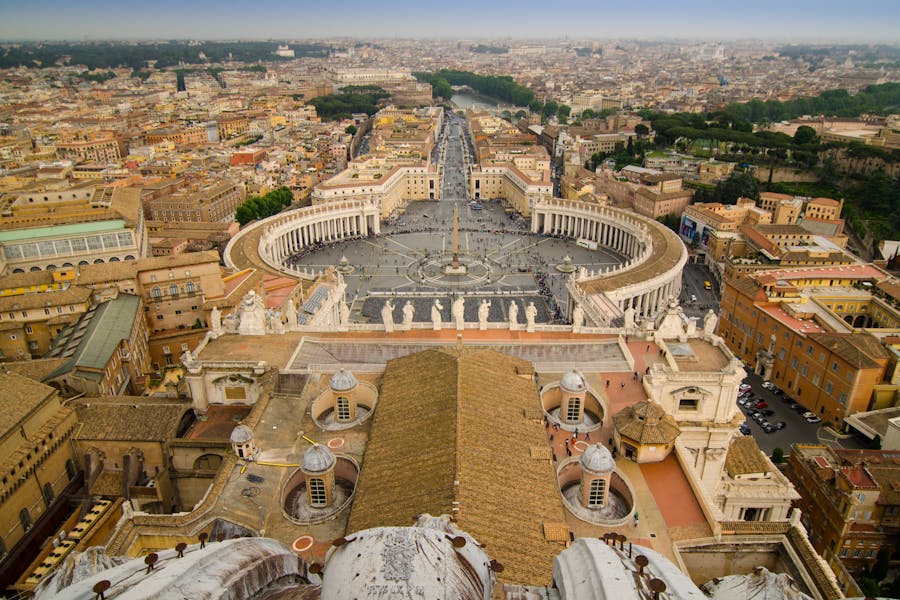
You’ll reach Vatican City from Trastevere in about 25 minutes—it’s the world’s tiniest country and where the Pope calls home. I always try to arrive early, before St. Peter’s Square fills up. Nothing beats the morning sun lighting up the dome of St. Peter’s Basilica.
Inside, Michelangelo’s Pietà stops you in your tracks, and climbing to the dome gives you a view you won’t forget. The maze really begins in the Vatican Museums—endless halls packed with treasures.
Book a skip-the-line ticket or early tour if you can. The Sistine Chapel is the grand finale. Even after seeing it in a thousand photos, standing under that ceiling is something else. I like to linger when I can—rare moments of quiet are worth waiting for.
Exploring Beyond Trastevere

After the Vatican, slow things down. Walk up to Gianicolo Hill above Trastevere for sweeping city views. The climb is short but steep, and you’ll pass fountains, shrines, and the Garibaldi Monument, which locals love at sunset.
Craving more bustle? Cross the Tiber to Campo de’ Fiori or the Jewish Ghetto. Both are close and packed with cafés, bakeries, and little shops. I usually detour for fried artichokes near Portico d’Ottavia—simple, but oh so Roman.
Need a break from city streets? Hop on tram 8 to Villa Doria Pamphilj, one of Rome’s biggest parks. Locals jog, picnic, or just nap under the pines. It’s a great way to catch your breath before jumping back into Trastevere’s energy.
Frequently Asked Questions
Trastevere has more than just postcard views and busy piazzas. You’ll stumble on centuries-old art, hidden trattorias, and quiet lanes that pulse with real Roman life. It’s lived-in, not staged—and that’s what makes it special.
What are the top attractions to visit in Trastevere during a day tour?
Start your day at the u003cstrongu003eBasilica di Santa Maria in Trastevereu003c/strongu003e—it’s one of Rome’s oldest churches, famous for its golden mosaics. Wander over to u003cstrongu003ePiazza Trilussau003c/strongu003e, where musicians and locals hang out. For views, climb u003cstrongu003eGianicolo Hillu003c/strongu003e and watch the city stretch out below. If you want a step-by-step plan, check u003ca href=u0022https://www.lonelyplanet.com/articles/perfect-day-itinerary-trastevere-romeu0022 target=u0022_blanku0022 rel=u0022noreferrer noopeneru0022u003eLonely Planet’s Trastevere itineraryu003c/au003e.
Skip the obvious tourist spots. u003cstrongu003eDa Enzo al 29u003c/strongu003e serves carbonara that tastes like it came straight from a Roman grandma’s kitchen. I’m a fan of u003cstrongu003eLe Levainu003c/strongu003e too—a tiny bakery that mixes French and Roman styles, perfect for breakfast or a quick coffee. For something different, try u003cstrongu003eTrapizzinou003c/strongu003e—Roman stews stuffed into warm bread pockets, just like u003ca href=u0022https://www.lonelyplanet.com/articles/perfect-day-itinerary-trastevere-romeu0022 target=u0022_blanku0022 rel=u0022noreferrer noopeneru0022u003eLonely Planet’s guideu003c/au003e suggests.
What are the best evening activities to experience in Trastevere?
Evenings buzz here. Grab an u003cstrongu003eaperitivou003c/strongu003e at u003cstrongu003eFreni e Frizioniu003c/strongu003e, then drift along the u003ca href=u0022https://www.realjourneytravels.com/tours/rome-city-sights-highlight-bike-tour/u0022u003ecobblestone lanesu003c/au003e while street performers play. If you want peace and quiet, cross u003cstrongu003ePonte Sistou003c/strongu003e for a lantern-lit view of the Tiber. Nightlife often spills into u003cstrongu003ePiazza Trilussau003c/strongu003e—u003ca href=u0022https://www.gotraveldaily.com/one-day-trastevere-itinerary-rome-gotraveldaily/u0022 target=u0022_blanku0022 rel=u0022noreferrer noopeneru0022u003eGo Travel Daily’s itineraryu003c/au003e nails the vibe.
Where can I find unique shopping experiences in the Trastevere neighborhood?
You’ll find u003ca href=u0022https://www.realjourneytravels.com/places/viale-ceccarini-area-with-lots-of-shops-bars-ice-cream-places-plenty-to-see-and-do/u0022u003eartisan shopsu003c/au003e selling jewelry, leather, and ceramics along u003cstrongu003eVia della Lungarettau003c/strongu003e and u003cstrongu003eVia del Morou003c/strongu003e. I once spent ages chatting with a shoemaker who still crafts sandals by hand. Shopping here feels more like making friends than just browsing.
What are the most picturesque streets in Trastevere that are a must-visit?
u003cstrongu003eVicolo dei Vascellariu003c/strongu003e might be Rome’s narrowest street, and definitely one of the most photogenic. u003cstrongu003eVia della Scalau003c/strongu003e and u003cstrongu003eVia della Pellicciau003c/strongu003e are perfect for slow strolls or people-watching over coffee. The cobblestones, ivy, and laundry strung overhead make every corner feel straight out of a movie—just like u003ca href=u0022https://romaeternalcity.com/en/article/trastevere-places-itinerary/u0022 target=u0022_blanku0022 rel=u0022noreferrer noopeneru0022u003eRoma Eternal City’s itineraryu003c/au003e describes.
Are there any boutique hotels in Trastevere that offer a truly local experience?
Absolutely—u003cstrongu003eVOI Donna Camilla Savelliu003c/strongu003e blends a touch of history with a relaxed vibe inside what used to be a 17th-century convent. u003cstrongu003eHotel Santa Mariau003c/strongu003e hides just off the main piazza, yet feels unexpectedly calm, thanks to its courtyard dotted with orange trees. If you’re after something a bit more modern, I’d suggest u003cstrongu003eVilla Agrippina Gran Meliáu003c/strongu003e. You’ll get some incredible views over the neighborhood—no wonder u003ca href=u0022https://www.lonelyplanet.com/articles/perfect-day-itinerary-trastevere-romeu0022 target=u0022_blanku0022 rel=u0022noreferrer noopeneru0022u003eLonely Planet’s Trastevere itineraryu003c/au003e gives it a mention.


