One Day in Nassau Itinerary: The Ultimate 2026 Guide to Unmissable Sights & Experiences
Updated March 22, 2026
Nassau calls to you with its turquoise waters and colorful colonial streets, but when you’ve only got a single day, making the right choices becomes everything. A well-planned one day in Nassau itinerary lets you experience swimming pigs in Exuma, exploring historic downtown landmarks, tasting authentic Bahamian cuisine, and soaking up sun on pristine beaches—all before your ship sails. I’ve seen plenty of visitors lose precious hours wandering without direction or falling for tourist traps that just don’t deliver.
Your Nassau Bahamas adventure should be more than that. Whether you’re in port for the day on a cruise or squeezing in a quick escape, this guide skips the fluff and gets straight to what actually matters. You’ll figure out how to mix culture and beach time, jump between Paradise Island and downtown without wasting time, and try the flavors locals actually crave.
Key Takeaways
- Explore downtown Nassau’s markets and historic sites early, before the crowds hit
- Book island excursions to Exuma or Rose Island ahead of time to get the most out of your beach and adventure hours
- Wrap up your day at a beach club or local restaurant for a real taste of Bahamian culture and food
Essential Planning Tips for Your Day in Nassau
Getting the most out of your Nassau visit is all about timing, moving around smartly, and knowing a few local basics that’ll save you headaches.
When to Visit and What to Expect
Nassau’s busiest season runs mid-December through April, with temps hanging in the 70s and 80s and not much rain. That’s when you’ll get the best weather, but also the highest prices and the thickest crowds.
Summer gets muggy and brings afternoon rain showers, but honestly, that’s when locals flock to the beaches. If you want to see Nassau at its most real, summer’s got its charm.
Hurricane season is June through November, with September and October being the riskiest. If you’re coming then, grab travel insurance that covers weather messes.
Most cruise ships pull in early and leave by evening, so everything near the Nassau cruise port gets slammed from 9 AM to 3 PM. If crowds get on your nerves, plan your beach time or find quieter spots during those hours.
Getting Around Nassau and Nearby Islands
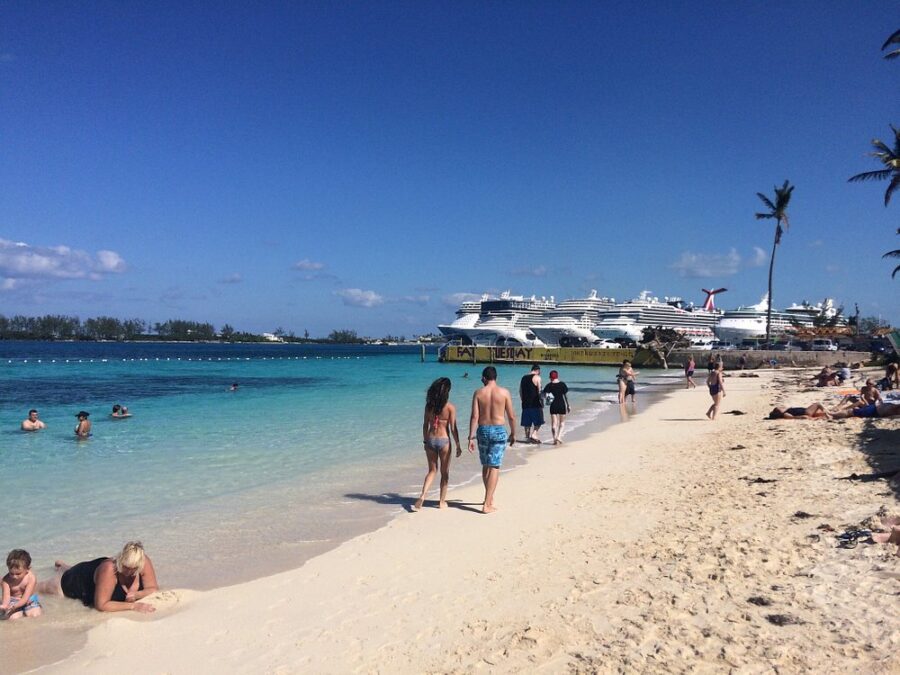
New Providence Island, where most stuff is, isn’t that big. Taxis line up at the cruise port and charge fixed rates—expect $30-40 for longer rides. Not cheap, but hassle-free.
Jitney buses (local buses) cost just $1.25 a ride and run main routes all day. They’re safe, easy, and honestly give you a slice of real Bahamian life. Just check for route numbers in the windshield.
If you’re staying longer than a day, renting a car might work, but remember: Bahamians drive on the left. You can compare rental rates at the airport or downtown.
Water taxis zip between Nassau and Paradise Island for about $6 each way. They’re quicker and more fun than driving, and you skip the bridge toll.
Currency, Language, and Local Customs
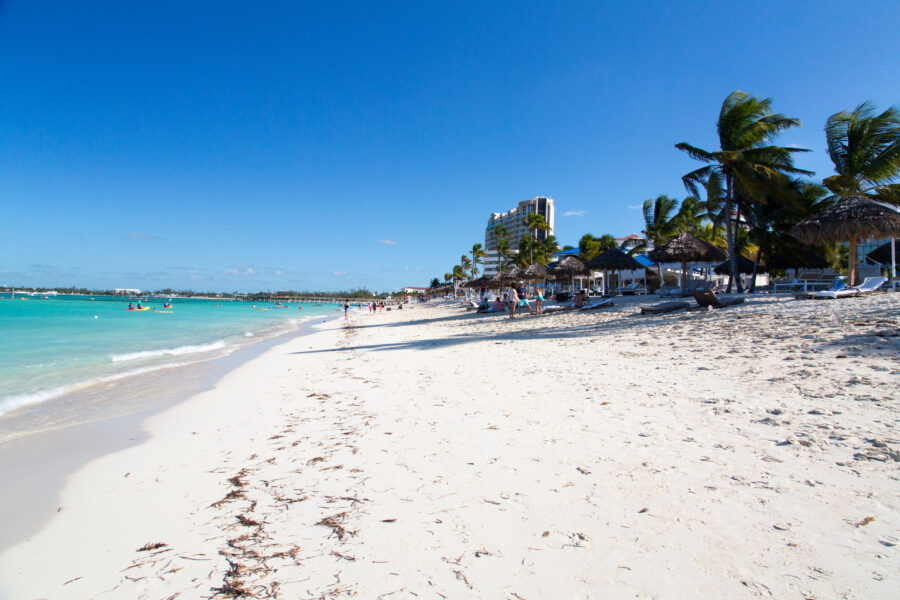
The Bahamian dollar matches the US dollar, 1:1, and you can use both everywhere. Most places take cards, but keep some cash for jitneys or small vendors.
English is the official language, though the Bahamian accent and local sayings give it some flavor. Life moves at a slower pace here, so expect things to take their time—just roll with it.
Tipping is pretty much like the US: 15-20% at restaurants (but check if gratuity’s already on the bill), $1-2 per drink at bars, and $5-10 for taxis depending on distance. Many restaurants automatically tack on a 15% gratuity.
Dress is casual during the day, but a few nicer restaurants want men in long pants at dinner. Beachwear stays at the beach—cover up before heading into town or shops out of respect for local norms.
Best Morning Experiences in Downtown Nassau
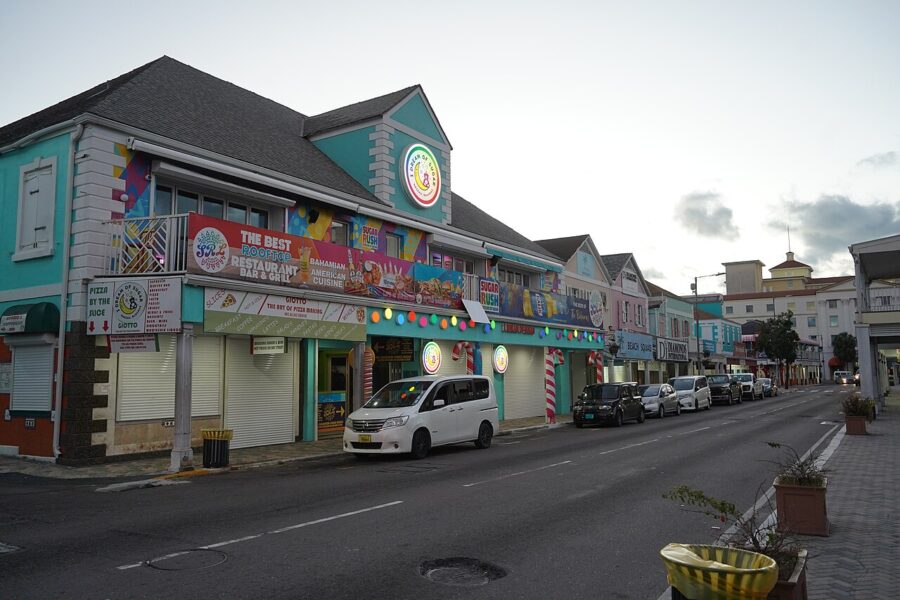
Downtown Nassau wakes up with pastel colonial buildings, busy markets, and historic spots—all within walking distance from the cruise port. Mornings are cooler, making it the best time to explore before the heat kicks in.
Arriving at Prince George Wharf and First Impressions
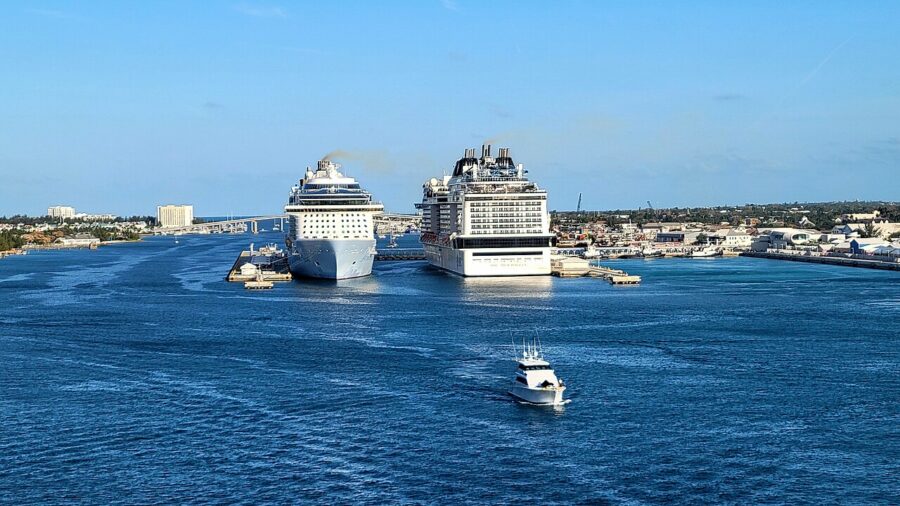
You’ll step off at Prince George Wharf and get hit with Nassau’s lively energy. The terminal got a facelift recently, so it’s clean and has plenty of shops if you need something quick.
My advice? Don’t hang around the terminal shops too long. They’re convenient, but you’ll find better deals and more authentic stuff just a few minutes into town. Taxi drivers and tour operators will try to get your attention, but if you’ve got plans, just keep walking and smile.
That turquoise water grabs you right away. Even if you’ve been here before, it’s worth pausing for a photo or two before you head out.
Exploring Bay Street and Rawson Square
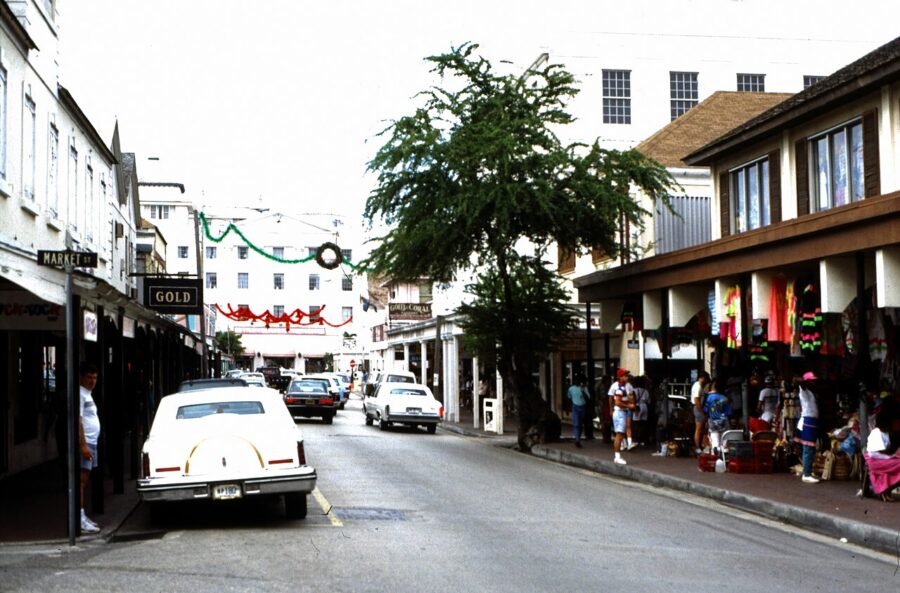
Bay Street is the main drag—think duty-free shops, local boutiques, restaurants, all tucked into those classic pastel buildings.
Rawson Square sits right in the center and works as a natural meeting spot. There’s a small park with benches under the trees, perfect for a rest. The statue honors Sir Milo Butler, the first Bahamian Governor-General.
Shops on Bay Street open around 9 AM. You’ll see everything from jewelry to souvenirs, but don’t rush to buy at the first stop. Prices swing a lot, and some places will negotiate a bit (just not as much as at the Straw Market).
Vibrant Finds at Nassau Straw Market

The Nassau Straw Market is where things get lively. Just off Bay Street, local artisans sell handwoven straw hats, bags, wood carvings, and all sorts of Bahamian crafts.
What you’ll find here:
- Straw hats, bags, baskets
- Wood carvings
- T-shirts, fabric goods
- Local soaps and oils
- Trinkets and souvenirs
Vendors are friendly but can be persistent—it’s part of the deal. They’ll call out as you pass, but it’s all pretty lighthearted. Bargaining is expected here. The first price is rarely the real price, so start around half and see where it goes.
Not everything is truly handmade, even if they say so. Look for little imperfections—that’s usually a good sign it’s real. When you buy genuine straw work, you’re supporting a tradition that’s been passed down for generations.
History at the Queen’s Staircase and Fort Fincastle

The Queen’s Staircase might look simple, but it’s steeped in history. Enslaved people carved these 66 steps out of limestone between 1793 and 1794. Later, they named it for Queen Victoria.
You’ll find the stairs tucked into a shaded limestone canyon, with water dripping down the walls and tropical plants everywhere. It’s about a 10-minute walk from downtown, and climbing the steps only takes a few minutes.
At the top, you’ll reach Fort Fincastle. Built in 1793, the fort is shaped a bit like a paddle-wheel steamer (or maybe a ship’s bow, depending who you ask). It never saw battle, but the views over Nassau and the harbor are fantastic.
Tips for visiting:
- Wear comfy shoes
- Bring water if it’s hot
- Local guides at the bottom offer tours for tips
- Fort Fincastle charges about $1-2 for adults
These two spots give you a real sense of Nassau’s colonial history and the struggles that shaped the Bahamas. And those views from the fort? Worth every step.
Dive Into Culture: Unique Nassau Landmarks
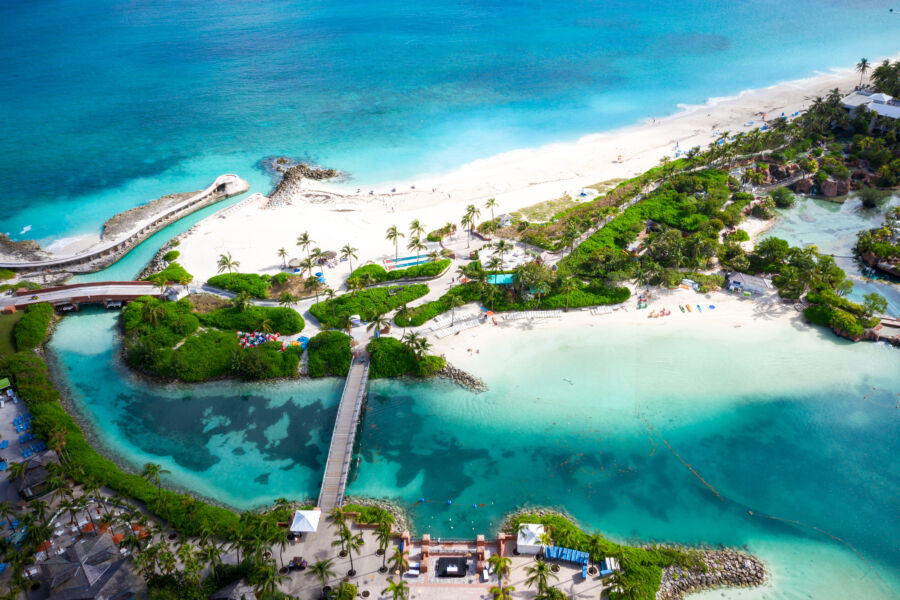
Nassau’s got more going on than just beaches and rum punch. The museums and landmarks tell stories of resistance, creativity, and some wild characters from the island’s past.
Discovering the Pompey Museum

The Pompey Museum is in one of Nassau’s oldest buildings, Vendue House, where enslaved people were once auctioned. It’s small but packs a punch, telling the story of slavery and emancipation in the Bahamas.
Named for Pompey, who led a rebellion in 1830, the museum displays artifacts, documents, and exhibits tracing the path from enslavement to freedom. You’ll see stories about the Middle Passage, daily life during slavery, and the resistance movements that led to emancipation in 1834.
Since it’s right on Bay Street, you can pop in for 20-30 minutes between other stops. But honestly, take your time. The stories here deserve it, and you’ll walk out with a much deeper sense of what the Bahamas is really about.
Local Art at the National Art Gallery of The Bahamas
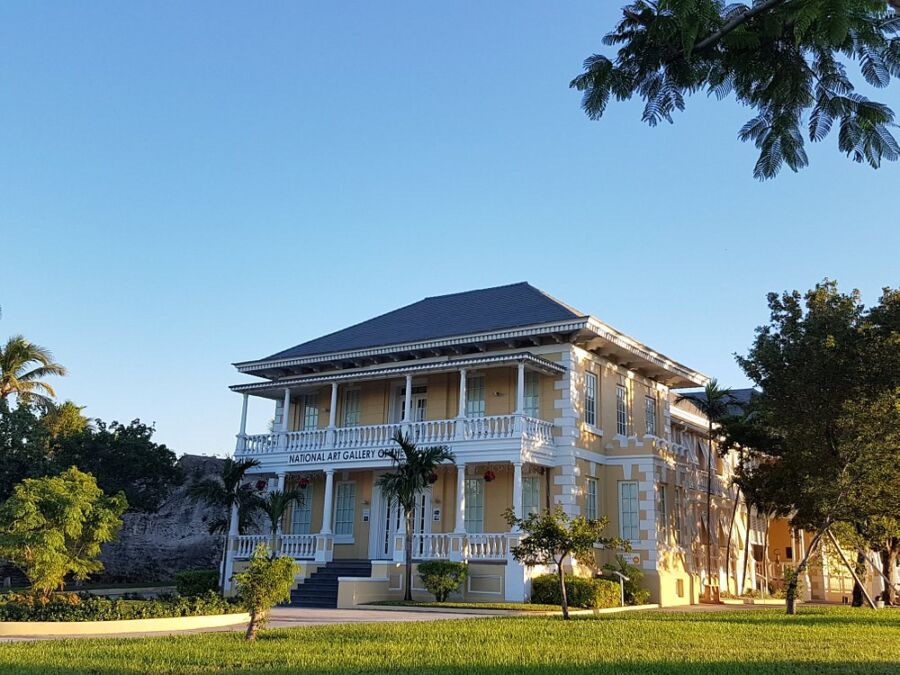
If you want a taste of Bahamian creativity, hit the National Art Gallery of The Bahamas. It’s set in the historic Villa Doyle and showcases work by Bahamian and Caribbean artists across generations.
The gallery’s permanent collection includes paintings, sculpture, and mixed media that reflect island life, history, and culture. You’ll spot everything from classic landscapes to bold contemporary pieces that make you think.
The building itself is stunning—high ceilings, tons of natural light, and colonial charm. Admission is affordable, and the staff actually care about sharing local art with visitors.
Rum, Chocolate & Cigars: John Watling’s Distillery and Graycliff
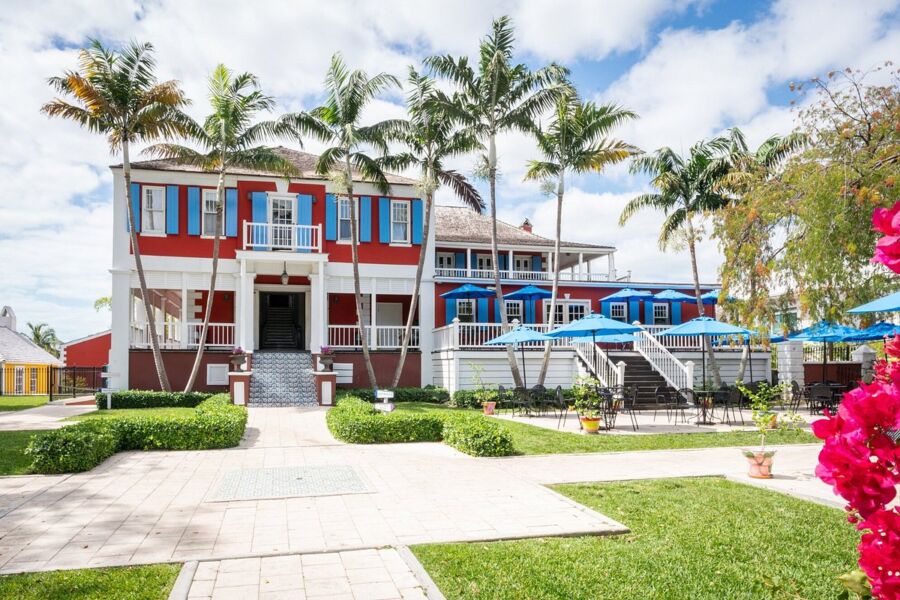
John Watling’s Distillery sits in the old Buena Vista Estate, where you can tour the grounds and watch rum made the Bahamian way. They make small-batch rums, and tastings are usually included. You’ll learn about fermentation, aging in oak barrels, and what sets Bahamian rum apart.
Just down the road, Graycliff offers a different kind of treat. This luxury spot has one of the world’s best cigar factories and a massive wine cellar. You can tour the chocolate factory, watch master rollers craft cigars, or splurge on a fancy meal at the restaurant.
Pirate Lore at the Pirates of Nassau Museum

Nassau was basically pirate HQ back in the early 1700s, and the Pirates of Nassau Museum brings that wild era back to life. You’ll walk through a replica pirate ship, see recreated Nassau streets from the Golden Age of Piracy, and learn about infamous pirates like Blackbeard and Anne Bonny.
The museum is interactive and fun—try on pirate costumes, check out the ship, and imagine life as a pirate. It’s not huge, but it’s well done and gives you context for all the pirate stuff you’ll see around the island.
And if all that pirate lore makes you thirsty, stop by Pirate Republic Brewing Company near the cruise port. They brew craft beers with pirate-inspired names, and it’s a great spot to grab a cold one before heading back to your ship.
Midday Culinary Adventures: Savor Authentic Bahamian Cuisine
Nassau’s food scene wakes up at midday, when locals head to their favorite spots for fresh seafood and classic dishes. The best way to get a real taste of Bahamian cuisine is by eating where the locals eat—not at the resort buffets.
Lunch at Arawak Cay’s Fish Fry

Arawak Cay, which locals just call “The Fish Fry,” sits a little west of downtown Nassau and is probably the most authentic lunch spot you’ll find on the island. The place is a row of colorful wooden shacks and restaurants right on the water, and you’ll catch the smoky scent of the grills before you even get close.
Each vendor puts their own spin on Bahamian classics, but Twin Brothers and Goldie’s always seem to draw the biggest crowds. The vibe is super chill—locals and tourists share picnic tables, and everyone just soaks it in. You’ve got to try the cracked conch: they pound it thin, bread it, and fry it up until it’s golden and crispy.
The peas ‘n’ rice is different at every spot because each cook uses their own family recipe, usually passed down for generations. Most plates come with coleslaw and a baked macaroni that’s got this unexpected hint of sweetness. Meals run $12-18, and honestly, the portions are so big you might want to split one.
Try Local Favorites: Conch Fritters and Conch Salad
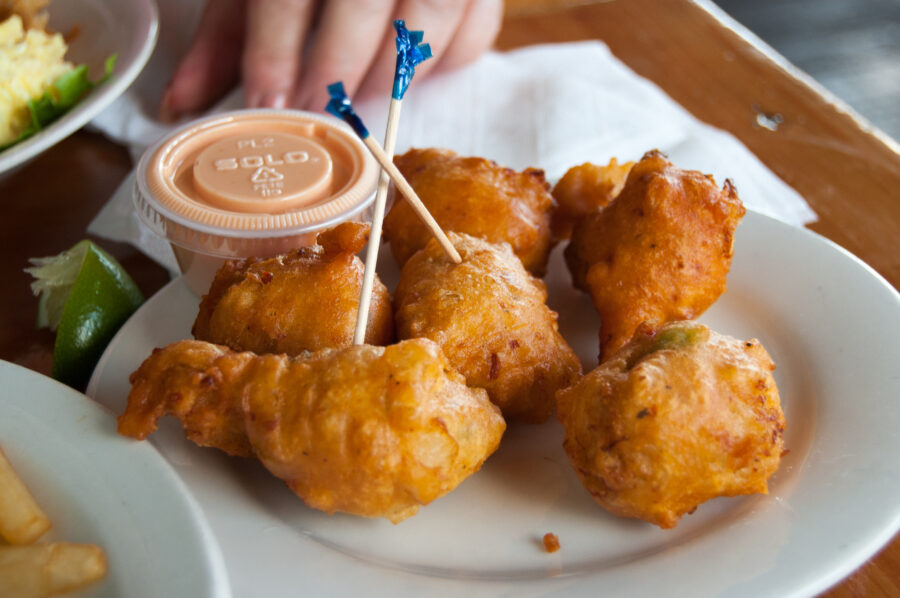
If you haven’t eaten conch at least three ways, did you even visit Nassau? Conch fritters are the go-to snack, and every stand at Arawak Cay seems to have their own version.
The best fritters come out crispy on the outside, soft and doughy inside, packed with conch, peppers, and celery. Some places toss in hot pepper, so if you’re not big on spice, just ask before you order.
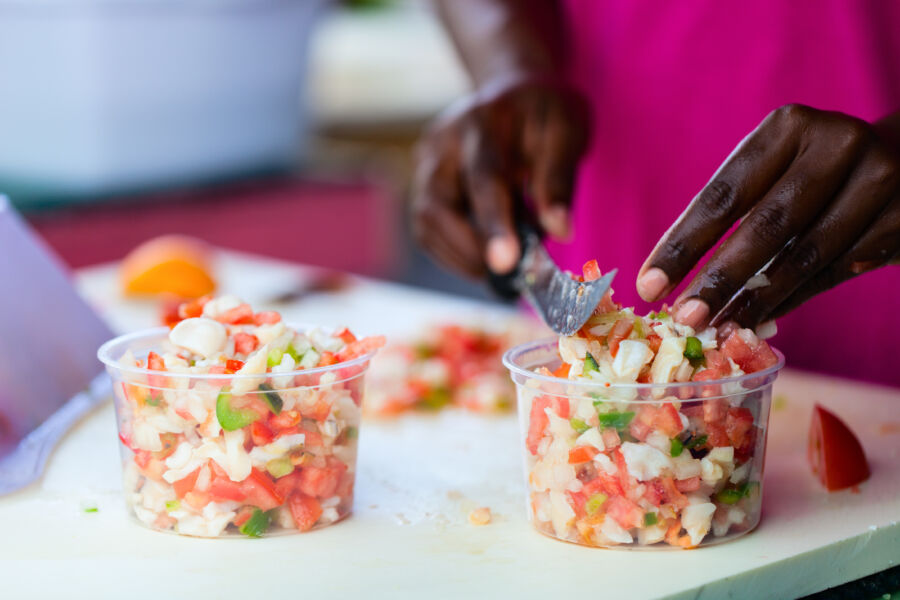
But conch salad is where things get really interesting. The vendor pulls a live conch from its shell right in front of you, then dices it up crazy fast. They’ll mix it with tomatoes, onions, peppers, and a lot of citrus juice that “cooks” the meat. It’s got a chewy, tender texture, and the lime makes it super refreshing on a hot day. Most stands charge about $8-10 for a pretty generous cup.
Exploring Nassau’s Seafood and Bahamian Food Scene

Nassau’s seafood scene goes way beyond Arawak Cay. Check out the downtown fish market near Potter’s Cay Dock—it opens early and stays busy through lunch. Vendors sell everything from grouper to lobster tail, and the prices will probably make you question why you ever paid so much for seafood back home.
If you’re trying to save on your trip, skip the tourist restaurants and eat where the locals do. Potter’s Cay also has stands selling johnnycakes—those slightly sweet, fried breads that go perfectly with stewed fish.
You could book a small group food tour with Tru Bahamian Food Tours, hitting five tasting spots in about three hours. But honestly? Wandering and following your nose is half the fun.
Island Hopping and Signature Nassau Excursions
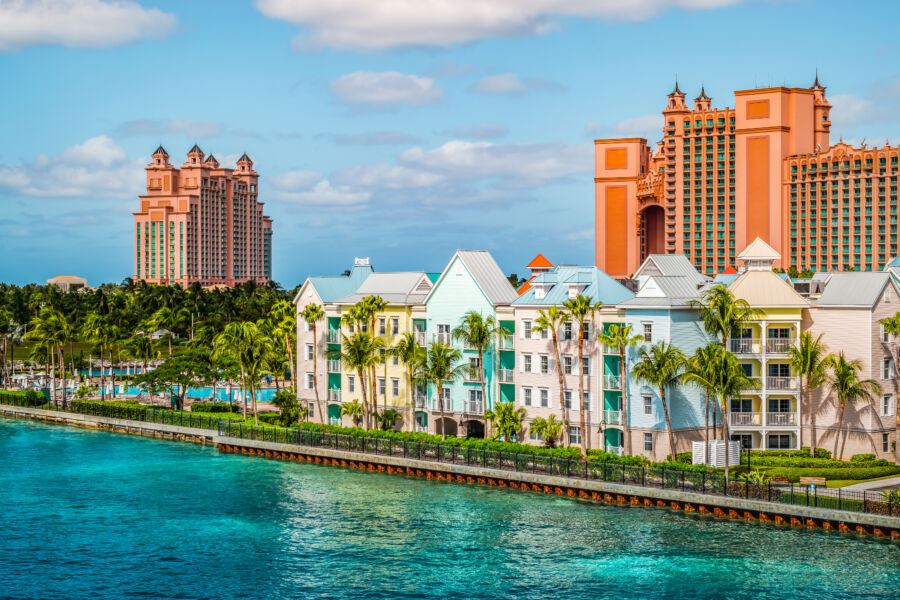
Nassau’s real magic kicks in once you get off the main island. There are private islands with powdery sand, marine parks packed with sea life, and yes, those famous swimming pigs you keep seeing everywhere.
Paradise Island and the Atlantis Resort Experience
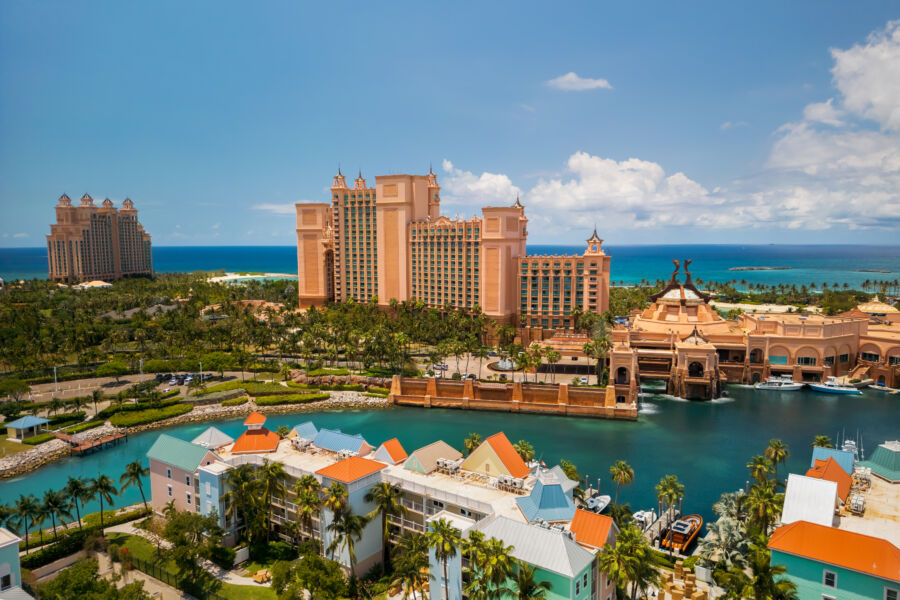
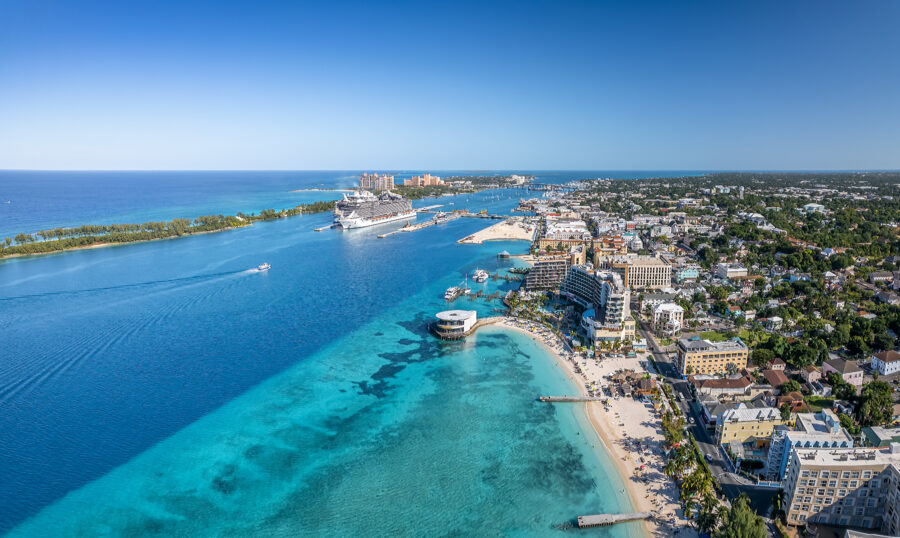
Paradise Island sits just across the harbor from Nassau, connected by two bridges. If you’re feeling ambitious, you can walk, but most folks just grab a water taxi from the cruise port for about $6 each way.
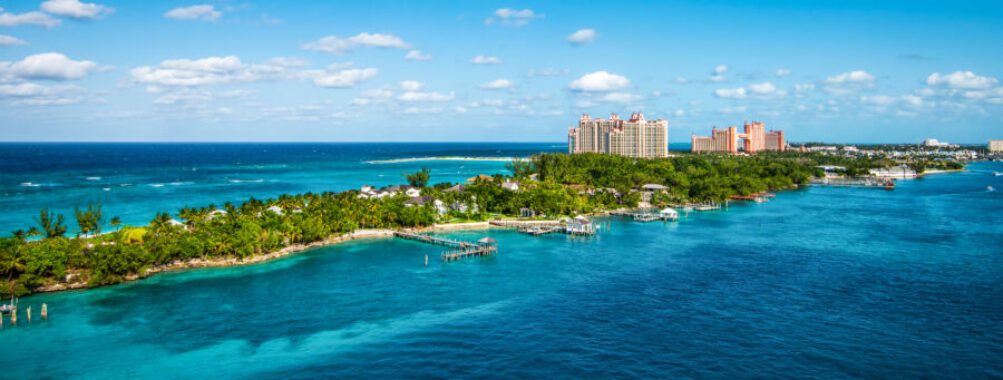
The giant pink Atlantis Resort is impossible to miss. Even if you’re not staying there, you can buy a day pass and check out the property. It sprawls across 141 acres, with pools, beaches, and a bunch of dining options.
Day Pass Options:
- Beach and grounds access (cheapest)
- Aquaventure waterpark access
- Marine habitat and aquarium access
- Combo passes (best deal if you want everything)
They don’t let you just wander in for free anymore—security checks for wristbands now. If you book a tour or a dining reservation, though, you’ll at least get a peek inside without buying a full day pass.
Aquaventure and Atlantis’ Marine Wonders
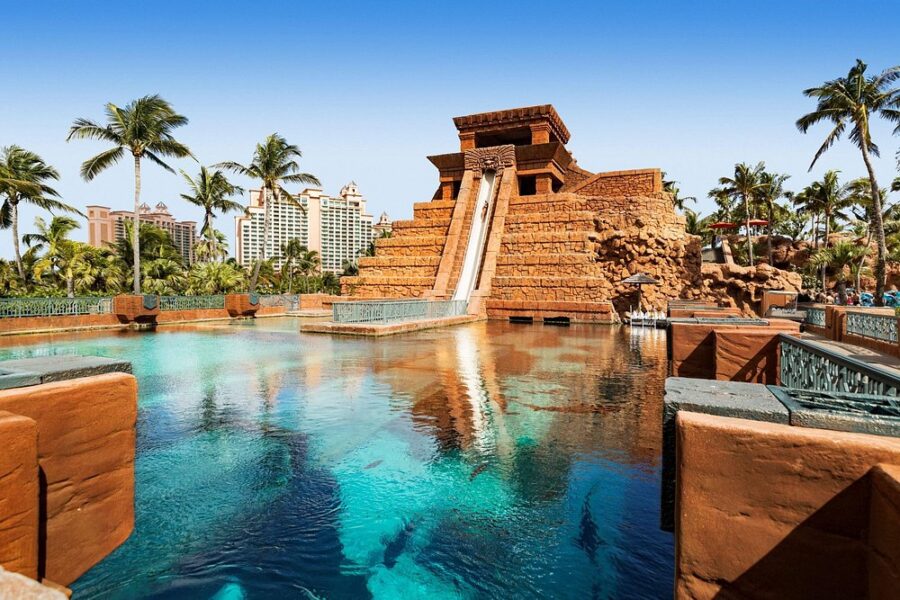
Aquaventure, the resort’s waterpark, is honestly pretty wild. You’ll find water slides that shoot you through shark-filled lagoons (don’t worry, you’re in a clear tube), a mile-long lazy river with rapids, and a bunch of pools.
The marine habitats hold over 50,000 aquatic animals. You can walk through glass tunnels surrounded by sharks, rays, and tropical fish. Ruins Lagoon and Predator Lagoon are the main attractions, with floor-to-ceiling views of all sorts of marine life.
If you’re traveling with kids, this is probably the top pick for a shore day. The waterpark keeps everyone busy for hours. Just be ready—day passes start around $150-200 per person, depending on the season.
Book through tour operators if you want transportation included from the cruise port.
Escape to Blue Lagoon, Rose Island, and Pearl Island
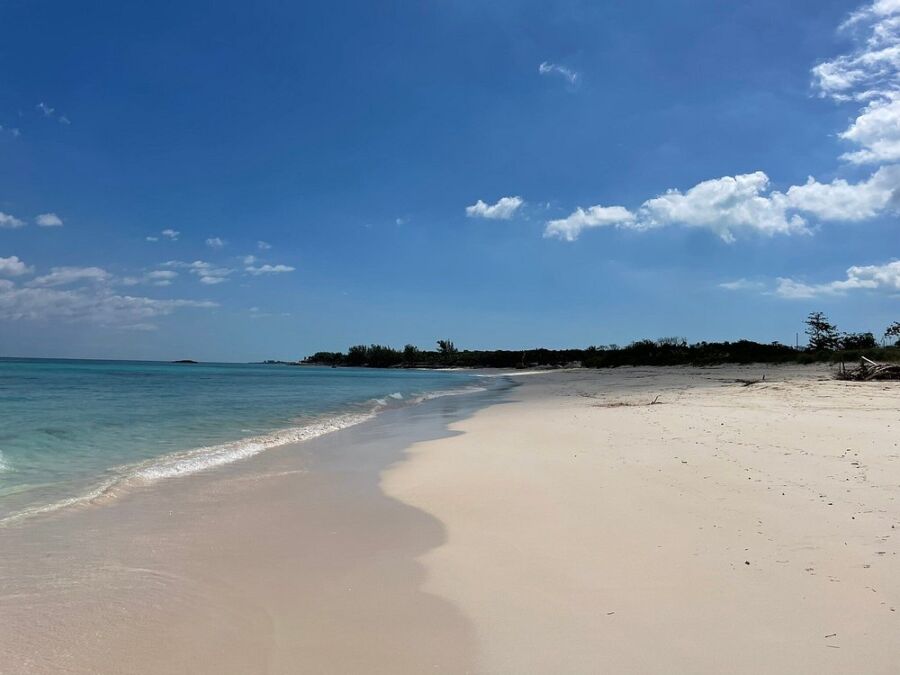
These three private islands are a whole different scene from the big resorts. They’re smaller, quieter, and all about natural beauty.
Blue Lagoon Island is the most built-up. You can swim with dolphins, meet sea lions, or just chill on the beach. The island has changing rooms, a restaurant, and usually includes beach chairs.
Rose Island is the most secluded. It’s basically an uninhabited cay with gorgeous beaches and awesome snorkeling right off the shore. Most tours here are small groups focused on snorkeling the reefs.
Pearl Island is the one with that picture-perfect white lighthouse. The water is calm and clear as glass. It’s ideal if you want to swim, snorkel, and just relax—no big crowds or over-the-top activities.
Most of these excursions last 4-6 hours and include boat rides, lunch, and beach gear. You’ll want to book these activities ahead of time, especially during busy cruise weeks.
Splurge-Worthy: The Exuma Swimming Pigs Day Trip
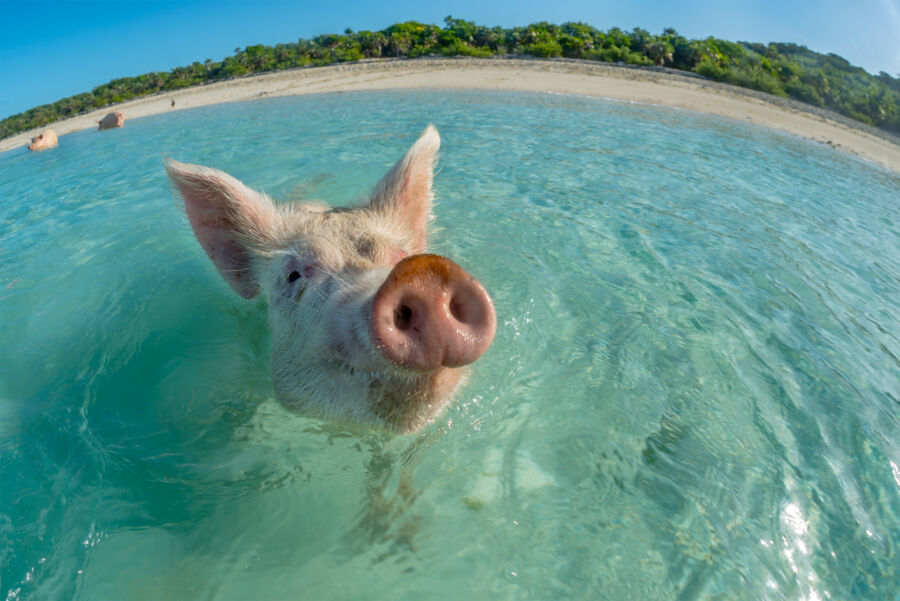
Okay, let’s be real—the Exuma swimming pigs are nowhere near Nassau. You’re looking at a 35-mile trek to Big Major Cay, where the pigs live. It’s doable as a shore excursion, but you’ll spend most of your day getting there and back.
Most trips leave early and don’t return until late afternoon. You’ll travel by speedboat or small plane. The boat ride takes about 90 minutes each way and costs $400-600 per person. Flying is faster, but can run $700-800 or more.
These tours usually stop at a few other cays, not just pig beach. You’ll see iguanas at Allen’s Cay, snorkel at Thunderball Grotto, and swim at sandbars that pop up out of nowhere.
Honestly? If Nassau is just a cruise stop for you, maybe save the Exuma pigs for a longer Bahamas trip. The cost and travel time will eat up your whole port day, and you’ll miss out on everything else Nassau offers. But if you’re set on it, book way in advance—these tours sell out quick.
Beach Bliss: Nassau’s Most Stunning Coastlines
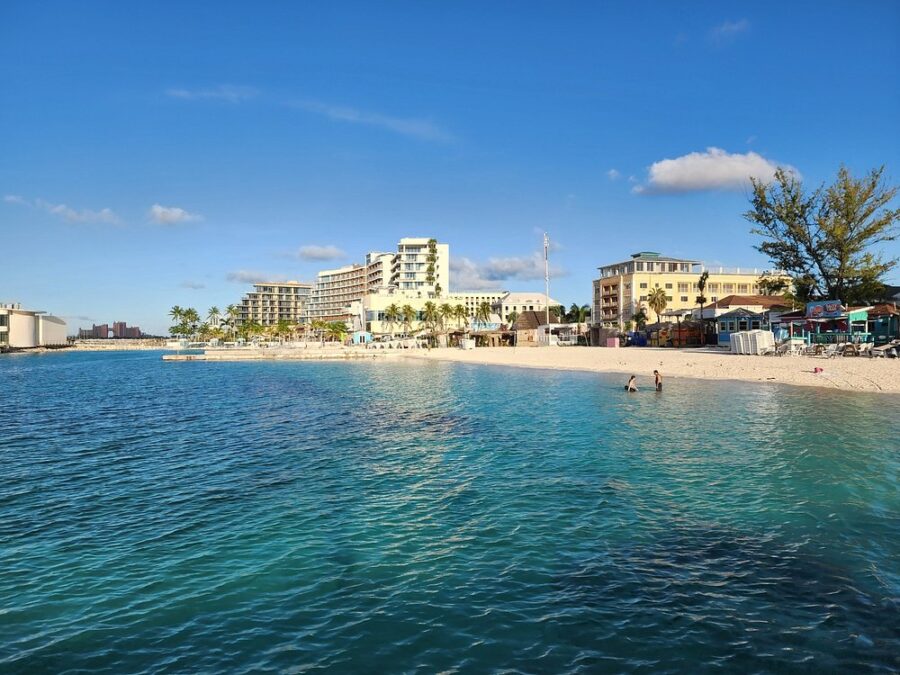
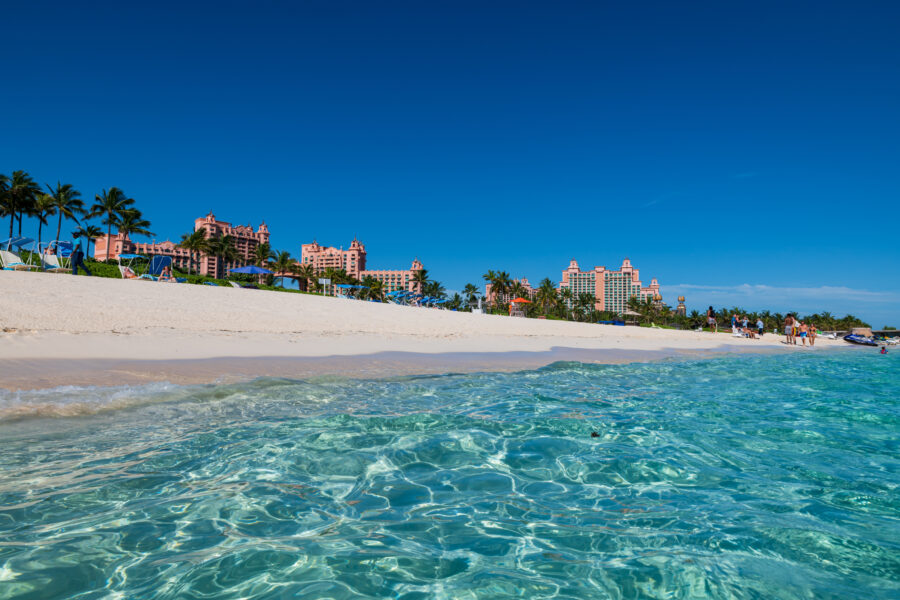
Nassau’s beaches go from lively social spots near the cruise port to quiet turquoise hideaways along the north coast. You’ll get powdery white sand and clear water almost everywhere, but each beach has its own vibe and little quirks.
Junkanoo Beach: The Closest and Lively Beach
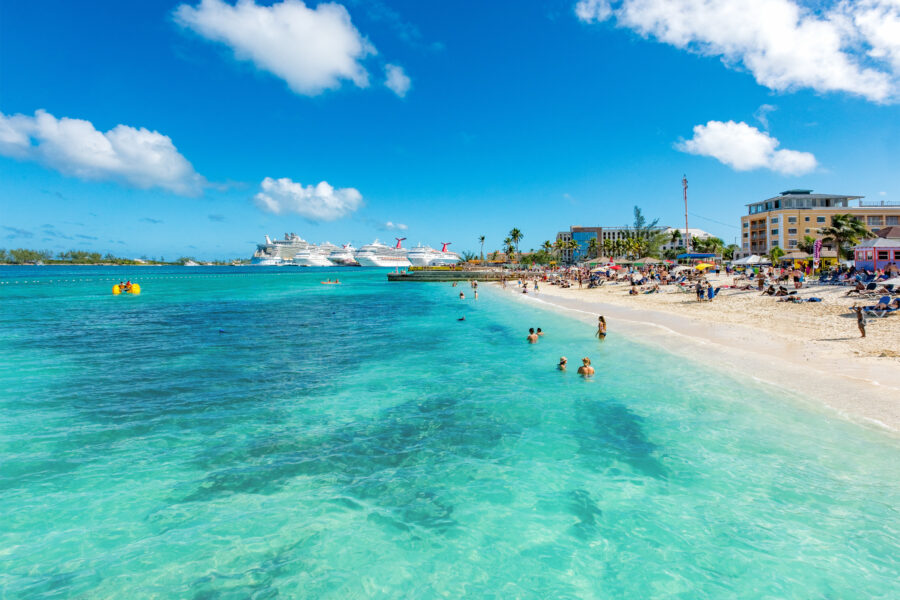
Junkanoo Beach is just a 10-minute walk west of the cruise port, making it the easiest option if you’re tight on time. Honestly? It’s become my favorite quick beach stop in Nassau. It’s totally free and has this laid-back, local energy you just don’t get at the bigger resorts.
You can rent a beach chair for about $10-15, and there are plenty of food and drink vendors selling fresh conch salad, rum punch, and cold Kalik beer right on the sand. The water is shallow and calm for about 50 feet, so it’s great for swimming—even for beginners.
It does get crowded on cruise days, especially from 11am to 3pm. But if you show up before 10am or after 3pm, it’s much quieter. Vendors will come by offering hair braiding or jet ski rides—a simple “no thanks” works if you’re not interested.
Iconic Cable Beach and Love Beach Retreats
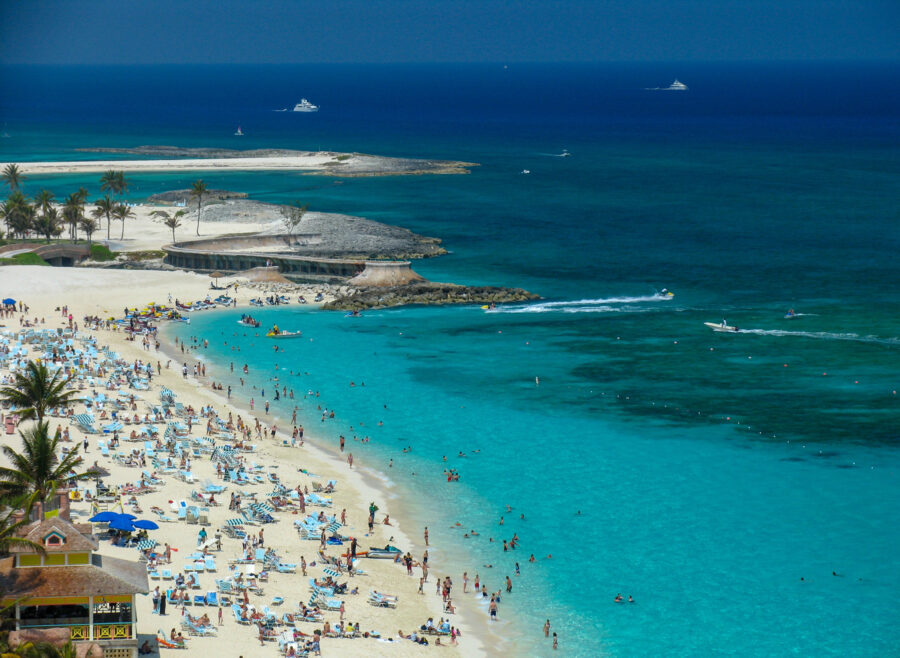
Cable Beach runs for three miles along Nassau’s north coast, lined with big resorts like Melia Nassau Beach and Sandals Royal Bahamian. You can use the public areas for free, though parking gets tough on busy days. The sand is softer than at Junkanoo, and the water turns this unreal shade of turquoise—makes for great photos.
Love Beach is farther west and feels like a secret hideout. It’s quieter, less crowded, and rocky cliffs create little private coves. You’ll need a taxi to get here (about $25-30 from downtown), but it’s worth it if you want to escape the crowds. The beach is narrow, and there aren’t many facilities, so bring your own snacks and drinks.
Tips for Choosing the Best Nassau Beach
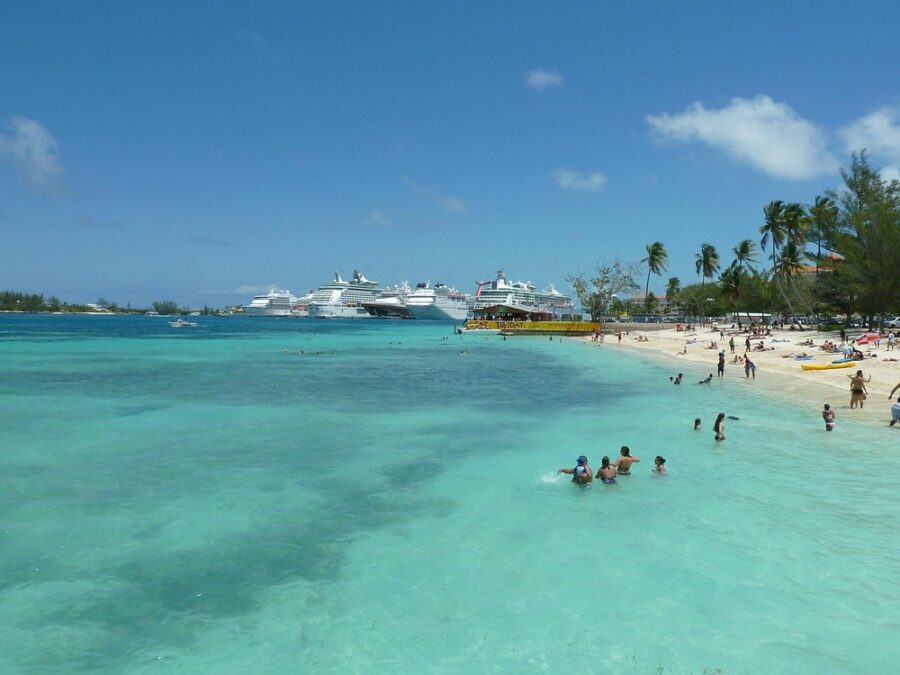
Pick Junkanoo Beach if you only have a couple hours and want something easy from the cruise port. It’s lively, close, and gives you that real Nassau beach feel without spending extra on taxis.
Go for Cable Beach if you want better facilities and calmer water, and you don’t mind sharing space with resort guests. There are beach bars for food and drinks, and you can usually use their restrooms if you buy something.
Choose Love Beach if you’re staying overnight and want something quiet or romantic. There’s not much shade, so bring an umbrella if you burn easily. The snorkeling’s better here, too, thanks to the rocky areas that attract more fish.
Frequently Asked Questions
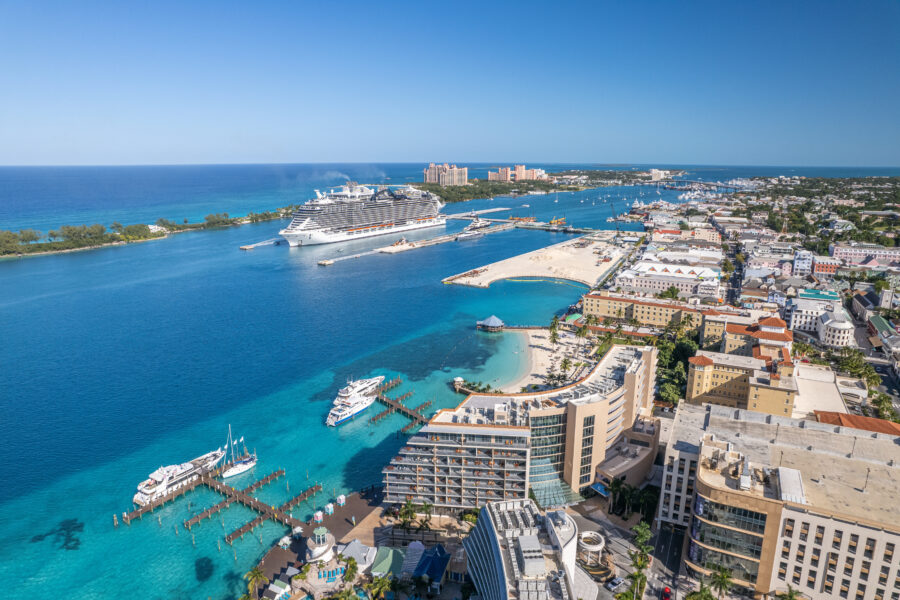
A quick Nassau stop brings up a bunch of practical questions. Here’s what you need to know about sights, local flavor, budget options, walking routes, and where to eat.
What are the must-visit attractions for a day trip in Nassau?
You’ve got to see the Queen’s Staircase. It’s 66 steps carved out of limestone by enslaved people in the late 1700s, leading up to Fort Fincastle. The view from the top is pretty impressive.
Fort Fincastle itself is shaped like a ship’s bow and was built to defend Nassau from pirates. The combo ticket for both is usually around $5, which feels like a bargain.
John Watling’s Distillery gives free tours where you can learn about rum making and sample a few varieties. The distillery is set in an 18th-century estate called Buena Vista, and the grounds are really pretty. Parliament Square is your classic Nassau postcard shot—pink and white colonial buildings, the Queen Victoria statue, and lots of photo ops.
How can I experience the local culture during a short stay in Nassau?
Head to Arawak Cay—locals call it The Fish Fry—where actual Nassau residents eat. The strip of colorful restaurants serves up real Bahamian food, and you’ll be sitting next to people who live here, not just cruise passengers.
Try to catch some rake and scrape music at one of the venues. This Bahamian folk music uses a saw, drums, and accordion, and honestly, you won’t hear it at the big resorts.
The Straw Market is a chance to meet local artisans who weave baskets, hats, and bags by hand. Sure, there’s touristy stuff, but if you chat with the vendors, you’ll meet craftspeople who’ve been weaving for decades and have stories about techniques passed down through their families.
On Sunday mornings, you’ll hear church bells all over the city. Bahamians take church seriously, and the gospel music coming from places like St. Francis Xavier Cathedral gives you a real glimpse into island life.
Adelaide Village barely gets a mention in most guidebooks, but this small settlement west of Nassau was founded by freed African slaves in the 1830s. The place has a unique character, and if you swing by the heritage site, you’ll get a glimpse into the community’s history.
Clifton Heritage National Park sits way out on the western tip of New Providence Island. You’ll stumble across Taino Indian ruins, old colonial plantation remains, and beaches that are almost always empty—most visitors just don’t bother coming out this far from the cruise port.
Ardastra Gardens, Zoo and Conservation Centre lets you see Bahamian wildlife up close, especially the national bird—the flamingo. Sure, the marching flamingo show is a bit touristy, but the place does real conservation work and it’s surprisingly peaceful to wander around.
Primeval Forest National Park protects one of the last patches of old-growth forest in the Bahamas. The trail is short and winds through native vegetation, offering a sense of what the island looked like before all the development.
What budget-friendly activities are available to travelers with only one day in Nassau?
Walking around downtown Nassau won’t cost you anything. You can check out Parliament Square, the Straw Market, Bay Street’s colonial buildings, and Rawson Square—all on foot, all for free.
Public beaches like Western Esplanade and Junkanoo Beach are open to everyone. Just bring your own towel and snacks, and you’ve got yourself a free afternoon by that turquoise water.
Climbing the Water Tower at Fort Fincastle costs just a few bucks, and the panoramic views are honestly just as good as the pricey ones elsewhere. On a clear day, you can spot Paradise Island, the cruise port, and neighborhoods stretching across New Providence.
You can explore historic sites like Christ Church Cathedral on your own without paying anything. The cathedral has been around since the 1670s, and the architecture alone is worth a look.
A lot of rum distilleries, like John Watling’s, offer free tours with complimentary tastings at the end. Free entertainment and free samples? Why not.
Can you recommend an itinerary for a self-guided walking tour of Nassau?
Start at Prince George Wharf where the cruise ships pull in. Head east along Bay Street—the main shopping drag—until you reach Parliament Square. It’s about a 10-minute walk.
From Parliament Square, go south down Parliament Street until you hit Shirley Street, then hang a left. You’ll see signs for the Queen’s Staircase, just a quick 5-minute stroll from there.
Climb the Queen’s Staircase and you’ll end up at Fort Fincastle. Check out the fort, then head back down and walk northwest on Elizabeth Avenue toward Government House. There’s a statue of Christopher Columbus out front that’s worth a look.
Keep going north until you hit Bay Street again, then turn right. Walk east past the Straw Market and browse the vendors. After that, you can cut through Rawson Square to see the cruise terminal area and maybe grab a drink at Pirate Republic Brewing Company.
This whole loop takes about 2–3 hours if you’re moving at a relaxed pace and stopping for photos. Definitely wear comfortable shoes—Nassau’s sidewalks can be pretty uneven.
What dining options should I not miss during a brief visit to Nassau?
Goldie’s Conch House at Arawak Cay does some of the best cracked conch you’ll find anywhere on the island. They pound the conch thin, bread it, and fry it up until it’s golden and crisp—sort of a Bahamian take on schnitzel. Locals practically line up for it, and honestly, I get why.
Twin Brothers, also at The Fish Fry, goes all out with their fried snapper and peas and rice. You get a mountain of food, and the prices don’t make you wince like some places closer to the resorts.
McKenzie’s Fresh Fish & Conch isn’t right in the middle of all the tourist hustle, but wow, the seafood is fresh. They make conch salad right in front of you—chopping up the conch, peppers, onions, and squeezing in the citrus. It’s almost hypnotic to watch, and the taste is unreal.
Café Matisse downtown feels like a different world. It’s Italian, tucked into a renovated colonial house with a courtyard. If you start to get seafood fatigue (it happens), their pasta is just what you need.
If you’re after a quick breakfast or lunch, The New Duff on West Bay Street has been a staple for locals since the 1950s. Their breakfast sandwiches and Bahamian-style