
Historic Jamestowne
About Historic Jamestowne
Description
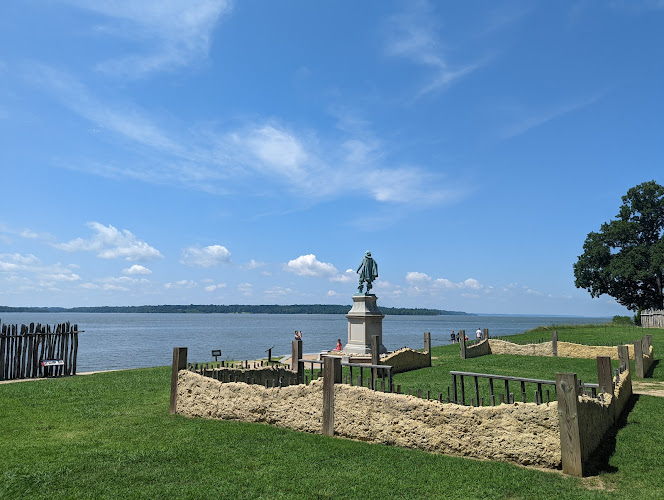
Historic Jamestowne is one of those rare places where you can quite literally walk across the ground that shaped the beginning of the United States. It’s not just a museum behind glass cases—it’s an active archaeological site where history is still being uncovered. Visitors often find themselves watching archaeologists at work, brushing away centuries of soil to reveal artifacts that belonged to the very first English settlers in North America back in 1607. That’s the magic of this place: you’re standing exactly where those first footsteps were taken, and you can still feel the weight of it.
The site includes a reconstruction of the original fort and village, complete with costumed interpreters who bring the 17th century back to life in a way that feels surprisingly personal. It’s immersive without being over-the-top, and it makes learning about early colonial life accessible for kids and adults alike. The atmosphere is a mix of reverence and curiosity. Some visitors are struck by the solemn history—after all, this was a place of hardship, survival, and conflict—while others are simply fascinated by the living history performances and the chance to chat with archaeologists about their discoveries.
Yes, not everyone walks away enchanted. Some people expect more flashy exhibits or bigger reenactments, and they might feel a little underwhelmed if they’re used to theme-park style attractions. But if you’re the kind of traveler who values authenticity and wants to feel genuinely connected to the past, Historic Jamestowne delivers something powerful and memorable. It’s family-friendly, accessible, and surprisingly peaceful considering its importance. Personally, I’ve always found it grounding—like time slows down a bit when you’re there, and you can almost hear the echoes of history in the breeze.
Key Features
- Reconstruction of the 1607 James Fort and surrounding village
- Costumed interpreters portraying early settlers and Powhatan people
- Active archaeological excavations visitors can watch in real time
- An on-site museum showcasing artifacts uncovered at Jamestowne
- Gift shop with books, souvenirs, and locally inspired items
- Café and restaurant for snacks or a sit-down meal
- Guided tours led by knowledgeable rangers and historians
- Wheelchair-accessible entrances, restrooms, and parking
- Family-friendly environment with interactive elements for kids
- Military discounts and seasonal live performances
Best Time to Visit
If you ask me, spring and fall are the sweet spots for visiting Historic Jamestowne. The weather in Virginia during those seasons is mild enough that you can wander the grounds comfortably without the summer humidity slowing you down. In spring, the greenery around the James River makes the whole place feel alive, while autumn brings crisp air and colorful foliage that adds a beautiful backdrop to the historic ruins.
Summer is definitely doable, especially if you’re traveling with kids on school break, but be prepared for heat and humidity. The upside is that the site often hosts more live performances and special programs during peak tourist season, so you might catch some extra activities. Winter, on the other hand, is quieter—fewer crowds, but also fewer scheduled events. That said, there’s something kind of special about wandering the grounds in the stillness of winter, with fewer distractions and more space to reflect on what happened there centuries ago.
How to Get There
Historic Jamestowne is located on Jamestown Island in Virginia, not far from Williamsburg and Yorktown. If you’re already exploring the Colonial Parkway, it’s a straightforward drive that feels like part of the experience itself—rolling woods, glimpses of the river, and a sense of stepping back in time before you even arrive. Most people drive in, as it’s the easiest and most flexible way to reach the site. Parking is available close to the visitor center, and it’s accessible for those with mobility needs.
If you’re staying in Williamsburg, you can reach Jamestowne in less than 20 minutes by car. Public transit options are limited, so driving or joining a guided tour group is your best bet. Some travelers opt to combine their visit with nearby attractions like Jamestown Settlement or Colonial Williamsburg, creating a full day (or even weekend) of exploring early American history.
Tips for Visiting
First things first: wear comfortable shoes. You’ll be walking across a mix of paths, grassy areas, and uneven ground near the archaeological digs, so sturdy footwear makes the day easier. Bring water, especially in summer, because Virginia heat can sneak up on you. And don’t forget sunscreen—there’s shade in spots, but much of the site is open.
If you’re into history, I’d recommend joining one of the ranger-led tours. They add so much context you might miss otherwise, like pointing out where the original palisade walls once stood or explaining the significance of certain artifacts. For families, the costumed interpreters are a hit with kids, and the interactive style keeps younger visitors engaged without feeling like a lecture.
Plan to spend at least half a day here. Honestly, if you’re a history buff, you could easily spend longer—between the museum, the fort, the archaeological sites, and just wandering along the James River, time passes quickly. The café is handy if you get hungry, but I’ve also seen families bring picnic-style snacks to enjoy in the designated areas.
One last tip: keep an open mind. Historic Jamestowne isn’t about flashy entertainment; it’s about authenticity and discovery. If you go in expecting to see history as it’s still being uncovered, you’ll walk away with a deeper appreciation for the people who lived, struggled, and survived here over 400 years ago. And maybe, like me, you’ll find yourself reflecting on how much of our present is rooted in what began on that little patch of land by the river.
Key Features
- Reconstruction of the 1607 James Fort and surrounding village
- Costumed interpreters portraying early settlers and Powhatan people
- Active archaeological excavations visitors can watch in real time
- An on-site museum showcasing artifacts uncovered at Jamestowne
- Gift shop with books, souvenirs, and locally inspired items
- Café and restaurant for snacks or a sit-down meal
- Guided tours led by knowledgeable rangers and historians
- Wheelchair-accessible entrances, restrooms, and parking
Tours & Activities
GetYourGuide provides this tour inventory. We may earn a commission if you book through it; verify current availability, prices, and terms with the provider.
Visitor Reviews
There are no reviews yet. Be the first one to write one.
Share Your Experience
Have you visited Historic Jamestowne? Help other travelers by leaving a review.