Passau Itinerary: Unmissable Experiences for a Perfect Visit
Updated September 23, 2025
Planning a trip to Passau can feel a bit overwhelming—three rivers meet here, the history goes deep, and there are more winding streets than you’ll ever cover in a day. That’s exactly why having a plan helps. A well-structured Passau itinerary lets you hit the highlights without rushing and still leaves room to soak up the city’s slower rhythm.
You’ll wander cobbled alleys spilling into bright squares, climb up to fortress views stretching over the Danube, and step inside a cathedral with one of the world’s largest pipe organs. That blend of riverfront calm and baroque grandeur really makes Passau memorable.
Table of Contents
- Key Takeaways
- Essential Passau Itinerary Overview
- How Many Days to Spend in Passau
- Best Time to Visit Passau
- Getting to Passau and Transportation Tips
- Exploring the Heart of Passau: Old Town Highlights
- Strolling the Cobblestone Streets
- Discovering Artists Alley
- Historic Residenzplatz and Bishop’s Residence
- St. Stephen’s Cathedral: Baroque Masterpiece
- Baroque Architecture and Art
- The Largest Church Organ Experience
- Attending an Organ Concert
- Veste Oberhaus and Scenic Overlooks
- History of Veste Oberhaus Fortress
- Panoramic Views of the City of Three Rivers
- Riverfront Walks and the Dreiflüsseeck
- Innpromenade and Riverside Cafés
- Dreiflüsseeck: The Three Rivers Confluence
- Unique Passau Experiences and Local Culture
- Passau City Festival and Seasonal Events
- Viking River Cruise Stopover Tips
- Shopping for Local Art and Souvenirs
- Frequently Asked Questions
- What are the top attractions to visit during a 2-day stay in Passau?
- How can I experience the essence of Passau in just one day?
- What are some unique activities to do while in Passau?
- What are some must-visit shopping spots in Passau?
- Could you suggest how to best enjoy Passau’s walkable cityscape?
- Book Your Dream Experience
- More Travel Guides
Key Takeaways
- A clear itinerary helps balance history, culture, and relaxation
- Top highlights include the cathedral, fortress, and riverfront walks
- Unique experiences give a deeper feel for local life and traditions
Essential Passau Itinerary Overview
Passau, a Bavarian town where the Danube, Inn, and Ilz rivers converge, offers a unique blend of history, culture, and stunning riverside beauty. To make the most of your visit, it’s worth planning how long to stay, when to go, and how to get around once you’re there.
How Many Days to Spend in Passau
With just one day, you can see the essentials—St. Stephen’s Cathedral, the Old Town, and maybe climb up to Veste Oberhaus for the best views. But honestly, that’s pretty rushed.
Two days means you can squeeze in a river cruise, a museum, and a relaxed evening at a beer garden. If you’re up for a longer Passau itinerary, three to five days lets you slow down and maybe take a day trip into the Bavarian Forest or to nearby Vilshofen.
Three days usually feels just right. You’ll have time to dig into the city’s history, enjoy the river, and not feel like you’re racing from one sight to the next.
Best Time to Visit Passau
Spring and early fall are tough to beat. The weather’s mild, crowds are lighter than in summer, and there’s still plenty of life in the Old Town cafés. April through June and September into early October usually work best.
Summer’s gorgeous, but expect more tourists—river cruise groups especially. If you don’t mind the bustle, those long evenings on the Danube are pretty special.
In winter, the Christmas markets turn the city into something magical. Just pack warm clothes and sturdy travel gear—the cobblestones get slick.
Getting to Passau and Transportation Tips
Passau sits close to the Austrian border, so you can reach it easily by train from Munich, Linz, or Vienna. If you’re flying in, check flights through KAYAK and hop on a train. Munich Airport is usually the most straightforward option.
Once you’re in town, you really don’t need a car. The Old Town is walkable, and most sights are within 15 minutes on foot. If you’re staying overnight, book a riverside hotel through Booking.com so you can stroll out in the evenings without thinking about transport.
Buses cover the outskirts, but honestly, walking is half the fun. Just wear comfy shoes—those cobbles are no joke after a long day.
Exploring the Heart of Passau: Old Town Highlights
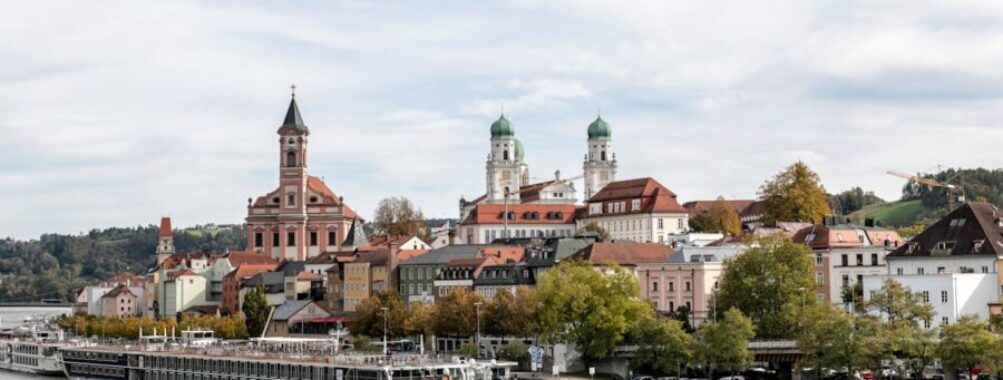
Passau’s Old Town sits right where the Danube, Inn, and Ilz rivers meet, earning its “City of Three Rivers” nickname. It’s compact but packed with detail—baroque facades, narrow alleys, and quiet squares that reward wandering without a plan.
Strolling the Cobblestone Streets
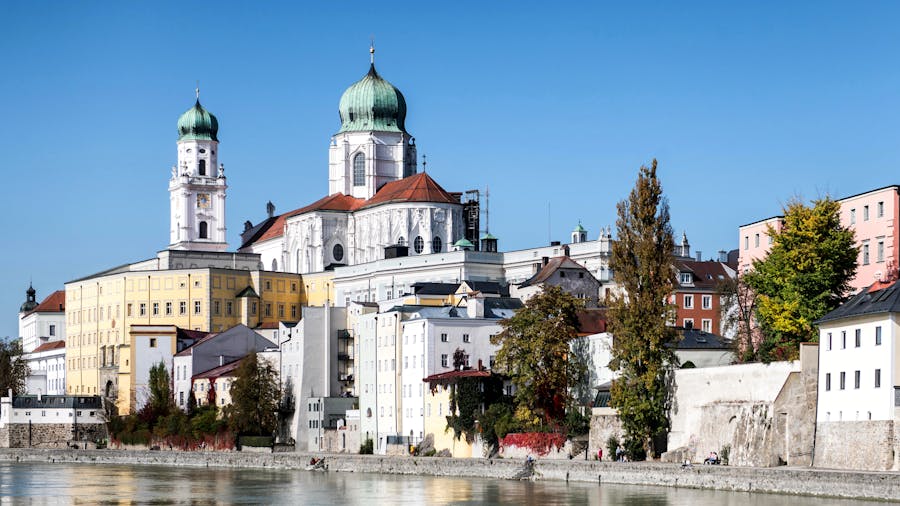
Walking these streets feels like stepping back in time. Cobblestones twist and turn, pastel buildings show off Passau’s baroque side, and every so often you’ll stumble into a little square with a tucked-away fountain or statue.
I’d start near St. Stephen’s Cathedral and just let yourself drift. Sure, the cathedral gets all the attention for its massive organ, but the lanes around it are what stick in my memory. Cafés spill onto the sidewalks, and church bells echo down the streets.
Don’t rush. The Old Town is small enough to cross on foot, but it’s the details—wrought-iron signs, hand-painted shopfronts—that really make it.
Discovering Artists Alley
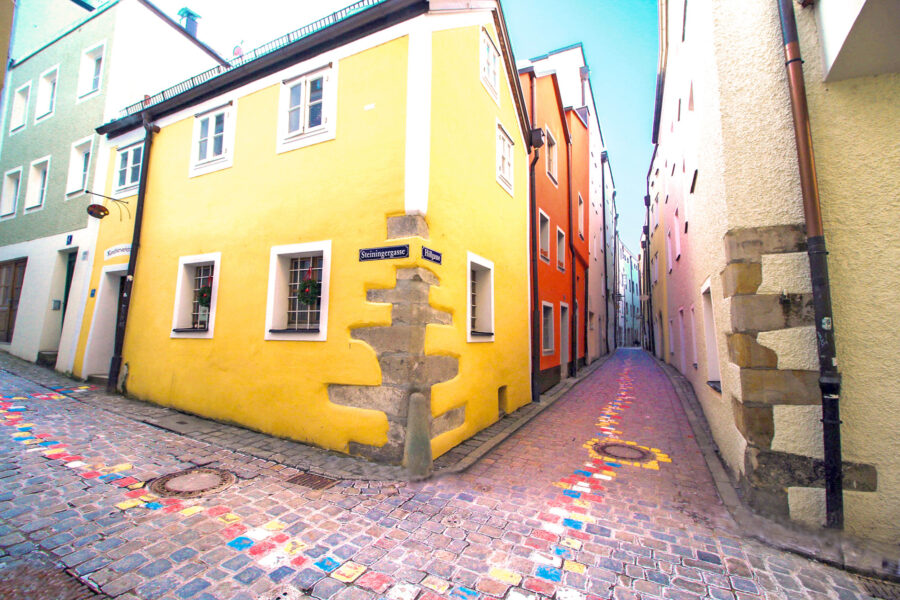
Artists Alley, or Höllgasse, feels both hidden and alive. Studios, galleries, and workshops fill the lane, with local artists showing off everything from glasswork to handmade jewelry. Sometimes the artist’s right there, happy to chat about what they’re making.
I like picking up a small piece of art here instead of the usual souvenirs. Even if you’re just browsing, every doorway has something unexpected.
In summer, you might catch outdoor exhibits or live demonstrations. It’s colorful and creative—a nice break from Passau’s heavier history.
Historic Residenzplatz and Bishop’s Residence
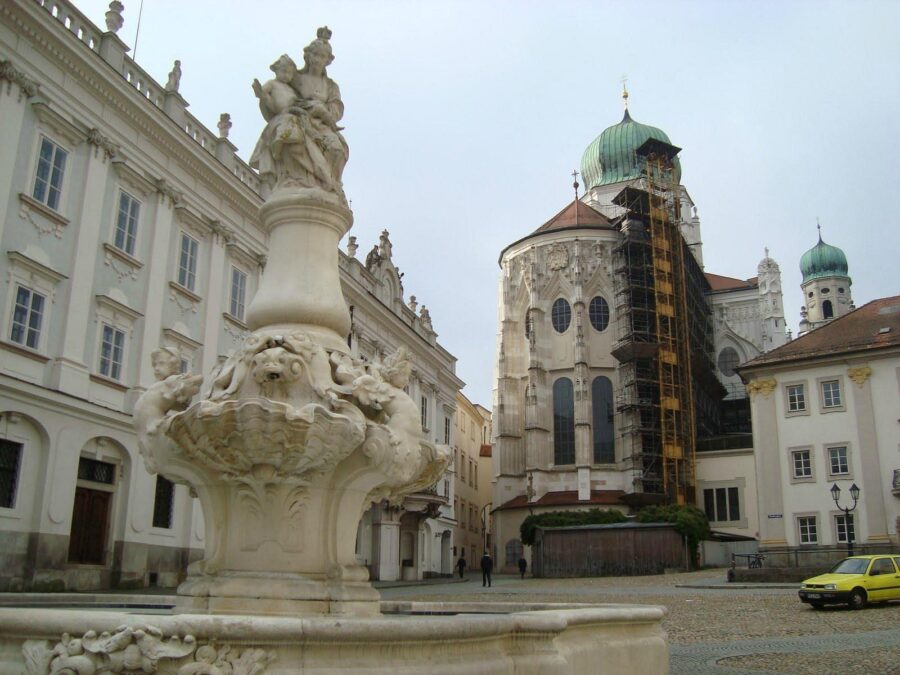
Residenzplatz anchors the Old Town, surrounded by buildings that once showed off the prince-bishops’ power. The Bishop’s Residence stands out with its ornate stucco and grand presence. Even if you skip the inside, the exterior is worth a look.
The square buzzes, especially on market days when vendors set up stalls with local produce and crafts. Grab a seat at a café and watch life go by—it gives you a real feel for Passau’s pace.
The cathedral sits just steps away, and the Bishop’s Residence hints at the city’s long run as both a spiritual and political center.
St. Stephen’s Cathedral: Baroque Masterpiece

St. Stephen’s Cathedral is more than a landmark—it’s the city’s cultural and spiritual heart. You’ll find stunning baroque design, centuries of history, and the unforgettable sound of the world’s largest cathedral organ.
Baroque Architecture and Art
Step inside and the baroque style hits you right away. Soaring white walls, heavy stucco, gilded altars—it’s grand, but not in a stuffy way. After the fire of 1662, Italian architects Carlo Lurago and Giovanni Battista Carlone rebuilt the cathedral with bold flair.
I remember craning my neck at the frescoes by Johann Michael Rottmayr. The ceiling paintings float overhead, and sunlight through tall windows gives everything a soft glow. It’s the sort of place where you slow down without even trying.
Outside, those white towers and green domes pop against the skyline. If you look closely, you’ll spot the old Gothic chancel peeking through—a reminder of the earlier church. That blend of Gothic and baroque makes it stand out among Bavarian cathedrals.
Don’t skip the choir stalls or the pulpit. Even if you’re not usually into architecture, the craftsmanship here is hard to ignore.
The Largest Church Organ Experience
This cathedral houses the largest church organ in the world. Nearly 18,000 pipes and hundreds of stops—yeah, it’s massive. The organ’s sections are scattered throughout the church, so the sound comes at you from every direction.
I sat in a pew during a rehearsal once, and that first deep note shook the whole place. You don’t just hear it—you feel it. It’s almost too much, but in the best way.
Here’s a tip: move around while the organ’s playing. The acoustics change depending on where you stand. Up front, the high notes are crisp; in the back, the bass rolls heavy. It’s like different “sound zones” in the same building.
Even if you’ve heard pipe organs before, nothing really compares to this one. The sheer scale makes it unforgettable.
Attending an Organ Concert
If you can, catch one of the daily organ concerts. They’re short—about 30 minutes—but you’ll really get a sense of what this instrument can do. Tickets are cheap and easy to grab at the entrance.
The program usually mixes classics with newer pieces, so even if you’re not a classical music buff, it’s still interesting. I’ve heard Bach’s Toccata here, and honestly, it felt like the cathedral was built for that exact moment.
Concerts usually run late morning, so you can fit them in easily. And in summer, the cool cathedral interior feels amazing after the heat outside.
Arrive a bit early if you can. Sitting quietly as the place fills up adds to the anticipation. When those first notes ring out, you’ll be glad you didn’t rush in last minute.
Veste Oberhaus and Scenic Overlooks
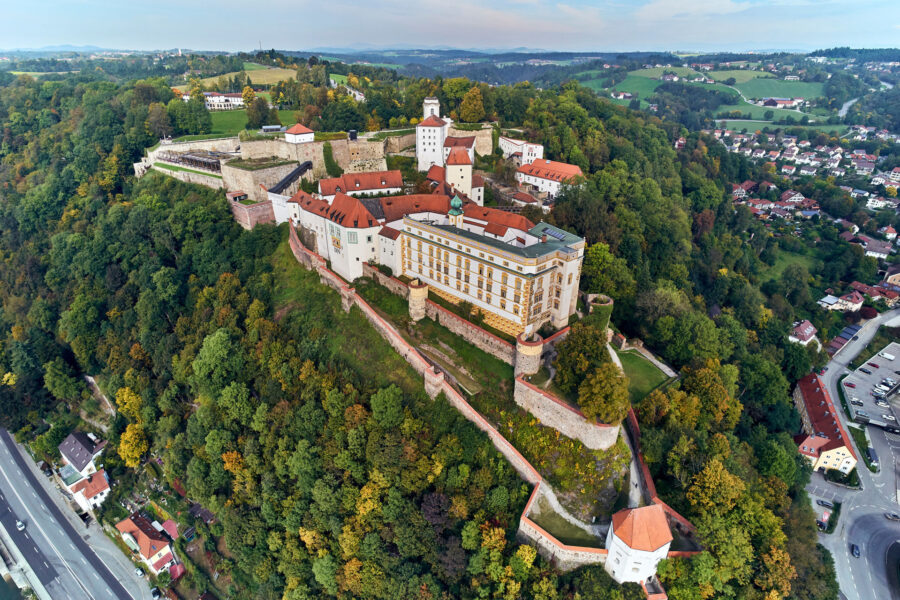
Sitting high above Passau, this fortress gives you both history and unmatched views. You’ll find yourself learning about centuries of power while catching sight of where the three rivers meet—one of Europe’s most striking landscapes.
History of Veste Oberhaus Fortress
The Prince-Bishops of Passau founded Veste Oberhaus in 1219. It wasn’t just a fortress—it was their home, a symbol of authority, and a stronghold against uprisings. When you walk the grounds now, you’re exploring one of the largest surviving castle complexes in Europe.
The fortress has served as a military base, a prison, and now a museum. Inside, you’ll find exhibits on local history, medieval weapons, and Passau’s role in regional politics.
I remember climbing that cobbled path—steep, for sure—and imagining how intimidating this place must have looked to anyone approaching. If you’re into architecture, check out the thick walls, towers, and gates. They’re a real lesson in medieval defense that actually worked.
You can get there by car or bus, but some travelers prefer the short, steep hike from the Ilz riverbank. There’s parking near the entrance, and the Oberhausmuseum covers both the exhibitions and the castle’s inner courtyards.
Panoramic Views of the City of Three Rivers
The real showstopper here is the view. From the fortress terraces, you can look down and watch the Danube, Inn, and Ilz rivers come together. That’s where Passau gets its nickname—“City of Three Rivers.” Most days, the rivers look noticeably different in color: the Inn’s green, the Danube’s blue, and the Ilz almost black.
If you ask me, late afternoon is the sweet spot. The light turns soft, rooftops glow, and you can pick out the baroque domes of St. Stephen’s Cathedral, the old town’s winding lanes, and hills rolling off toward Austria.
There’s a restaurant up there, Das Oberhaus, where you can grab a coffee or beer outside and just take it all in. It’s one of those rare places where you don’t just get a view—you actually get a sense of how the city fits together.
If you like photography, bring a wide-angle lens. The scale is tough to capture otherwise, honestly. And don’t be in a hurry; it’s worth just standing there, watching boats drift along the Danube and realizing you’re at a crossroads that’s shaped Passau for centuries.
For more on planning your visit, the Passau tourism site has details about what to see in and around the fortress.
Riverfront Walks and the Dreiflüsseeck

Walking along Passau’s rivers, you’ll see why it’s called the City of Three Rivers. There are quiet paths, a handful of cozy cafés, and that wild river junction where the Danube, Inn, and Ilz all meet up.
Innpromenade and Riverside Cafés
The Innpromenade is an easy place to slow down. You walk right beside the Inn River, its green water flowing down from the Alps. The path is flat, a bit shaded, and honestly, it’s pleasant even when it gets warm.
I like to stop at one of the riverside cafés—not fancy, but you can sip a coffee or beer and watch barges go by. There’s something nice about how simple it is.
Keep walking and you’ll find benches and quiet spots where locals read or chat. It’s a good place to people-watch, and you never feel rushed.
Quick tip: mornings are peaceful, evenings get livelier. Try both if you can.
Dreiflüsseeck: The Three Rivers Confluence
The Dreiflüsseeck is where the Danube, Inn, and Ilz meet. It’s a short walk from the old town, and you can actually see the three colors before they blend—the green Inn, the dark Ilz, and the blue-brown Danube. It sounds made up, but it’s real when you’re standing there.
From the peninsula, you get a wide river view. The Ilz slides in quietly to the left, the Inn pushes in from the right, and the way the currents swirl together is pretty mesmerizing. It changes with the seasons, too.
Walk all the way to the tip and stand between the two bigger rivers. It feels like Passau’s reaching out into the water. If you want more background on why the Inn often looks stronger, Passau Tourism’s guide to the Dreiflüsseeck is a good read.
Bring a camera, but don’t just stare through it. Give yourself a few minutes to watch the flow—it’s simple, but it sticks with you.
Unique Passau Experiences and Local Culture

Passau mixes small-town traditions with some big cultural energy. There are festivals that spill into the streets, river cruises that make the city buzz, and local crafts that actually mean something when you bring them home.
Passau City Festival and Seasonal Events
If you’re here in summer, the Passau City Festival is the main event. Streets turn into open-air stages with live music, food stands, and performances tucked into every corner. Locals show up in big numbers, so it feels way more genuine than most city fests.
December brings Christmas markets—mulled wine, gingerbread, and handmade ornaments fill the old town. Smaller celebrations pop up all year, from river parades to concerts in old churches.
If you like planning around events, check out things to do ahead of your trip. Try to catch at least one festival—it’s the best way to feel Passau’s community spirit, honestly.
Viking River Cruise Stopover Tips
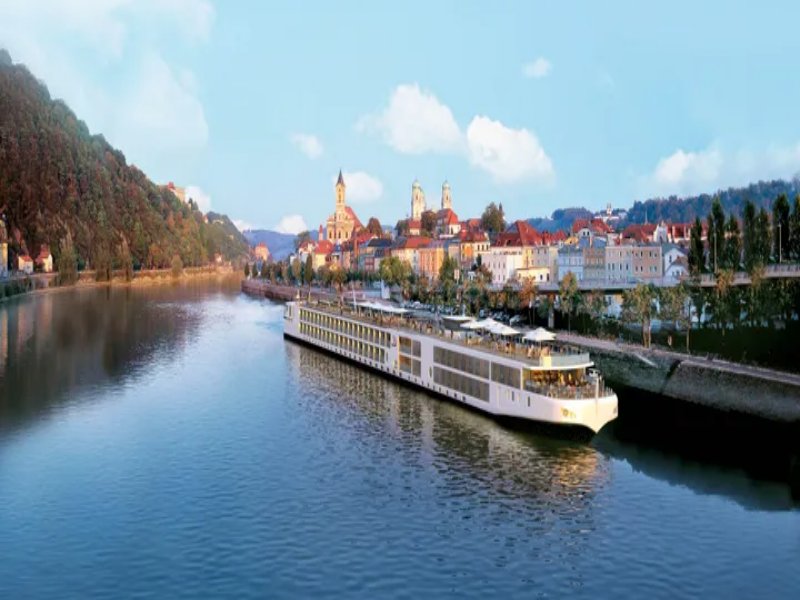
Lots of people first see Passau on a Viking River Cruise. If you’re only in town for a day, you’ll want to make it count. The old town is compact; you can walk from the pier to St. Stephen’s Cathedral in under 15 minutes. If there’s an organ recital, don’t miss it—it’s one of the biggest church organs anywhere.
Take a quick walk up to Veste Oberhaus fortress if you can. The view where the rivers meet is worth the climb. If you’re short on time, even sitting with a coffee by the river gives you a feel for Passau’s slower pace.
Booking a guided walking tour with GetYourGuide can help you hit the highlights without wandering in circles. With just a few hours, having someone show you around is a big help.
Shopping for Local Art and Souvenirs
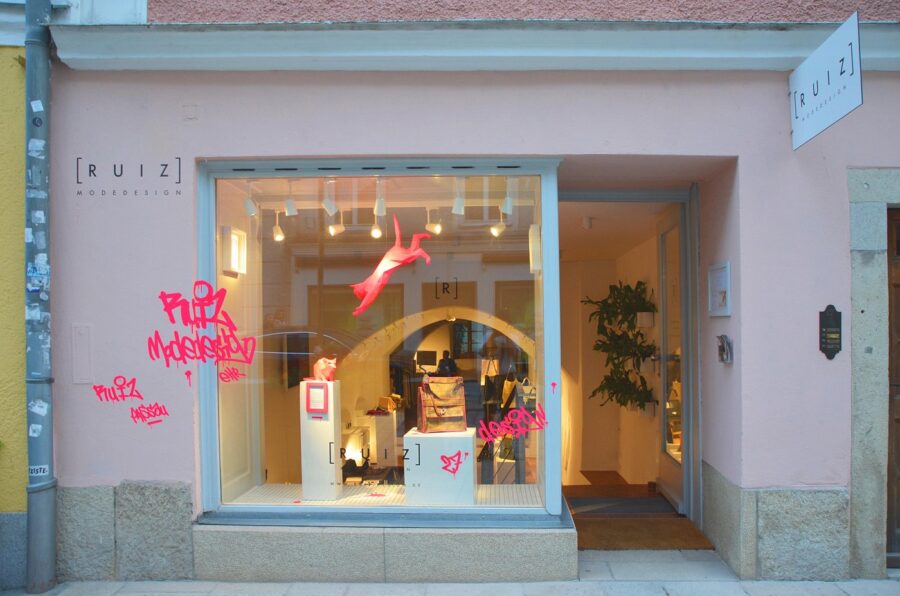
Passau’s shops lean handmade, not mass-produced, which makes souvenir hunting way more fun. In the old town, you’ll spot small galleries with prints and ceramics from local artists. I once bought a watercolor of the Danube that still hangs in my kitchen—not tacky, just a good memory.
There’s even a quirky dachshund museum (yes, really), and its gift shop is full of everything from postcards to dachshund-shaped mugs. For something more classic, look for Bavarian glassware or wood carvings. These usually come from family-run workshops that have been around forever.
Markets are worth checking out, especially during festivals. You’ll see stalls with textiles, jewelry, and local treats like honey or schnapps. Even if you don’t buy anything, browsing gives you a feel for the region’s craft scene and daily life.
Frequently Asked Questions
Passau’s easy to explore on foot, and its small size makes it great for short visits. You get a mix of history, river views, and local vibes—no need for a long itinerary to get a feel for the place.
What are the top attractions to visit during a 2-day stay in Passau?
If you’ve got two days, start in the Old Town. The cobbled streets and pastel houses are perfect for wandering. Don’t skip St. Stephen’s Cathedral—it’s got one of the world’s largest church organs.
On day two, head up to Veste Oberhaus Fortress for the big river views. The Glass Museum is worth a quick visit if you like European glasswork. Finish with a river walk in the evening—it ties everything together.
How can I experience the essence of Passau in just one day?
If you’re short on time, stick to the essentials. Wander the Altstadt, stop by Domplatz for the cathedral, and catch an organ concert if you can—it’s not something you’ll forget.
Grab lunch at a Bavarian spot, then stroll along the rivers. Even in a day, you’ll get why people call this the “City of Three Rivers.” If you can, squeeze in a quick climb to the fortress for that classic view.
What are some unique activities to do while in Passau?
A river cruise shows you Passau from a different angle. Floating along the Danube, you really feel how the rivers shape life here. If you’re hungry, try a Bavarian breakfast—Weißwurst and pretzels (and yes, beer if you want to go local).
You could also take a day trip to the Bavarian Forest National Park or towns like Vilshofen. For something quieter, spend some time in a smaller church like St. Paul’s—it’s simpler, but the atmosphere is peaceful.
What are some must-visit shopping spots in Passau?
Look for small boutiques in the Old Town. I’ve found handmade ceramics and local glassware that make way better souvenirs than fridge magnets.
If you like markets, check out Viktualienmarkt for regional foods and wines. It’s not huge, but it’s a good stop if you enjoy browsing local specialties.
Could you suggest how to best enjoy Passau’s walkable cityscape?
You don’t really need a car in Passau. Just start along the riverside paths and drift into the Old Town. Where the three rivers meet at the Dreiflüsseeck, you can literally see the colors of the water blending—it’s simple, but honestly, it’s kind of mesmerizing.
Don’t rush the side streets. They’re packed with little cafés and quirky shops, and honestly, you’ll spot things you’d never notice if you hurried. The walk up to the fortress is a bit of a workout, but wow, the view pays you back.
If you want more ideas, here’s a handy 5-day Passau itinerary that mixes in history, food, and time by the river.