

Last modified August 17, 2026
Picking where to stay in Puglia isn’t always obvious. The region stretches from the white towns of the Valle d’Itria to the sunny edges of Salento, and each spot has its own personality. The best places to stay in Puglia depend on your vibe—maybe you want Monopoli’s coastal energy, the peaceful countryside near Locorotondo, or the city buzz of Bari.
This guide breaks down the top areas, allowing you to match your trip style with the right place. You’ll see which parts are best for beaches, food, or exploring history, plus a few local spots that don’t show up on most lists. I’ve researched for you, comparing towns, coastlines, and hotels, so you can plan your stay without spending all night clicking through tabs.
Key Takeaways
- Figure out which part of Puglia actually fits your travel style
- Compare coastal towns, countryside stays, and city bases fast
- Get trusted hotel picks and booking tips to plan with confidence
How to Choose Where to Stay in Puglia
Finding your base in Puglia starts with understanding the region’s layout. The area stretches across southern Italy’s heel, bordered by the Adriatic on one side and the Ionian on the other, with olive valleys and whitewashed towns in between. Getting around and deciding how many stops to include depends on your trip style—relaxing, sightseeing, or a mix.
Overview of Puglia’s Regions
Puglia covers a long, narrow part of Italy known as Apulia, and the landscape shifts as you head south. The Gargano Peninsula in the north has forests and cliffs that drop into blue water, while the central Valle d’Itria is all about trulli houses and farm stays. Farther south, Salento starts to feel almost Greek, with sandy Ionian beaches and baroque towns like Lecce.
The Adriatic Coast has more developed seaside towns—think Polignano a Mare or Monopoli—if you want sea views and plenty of cafés or nightlife. Inland, villages and masserie offer a slower pace.
Honestly, I usually suggest picking one inland base and one coastal base. That way, you get both beach days and countryside drives without feeling rushed.
Valle d’Itria is a handy spot if you want to reach both the Ionian and Adriatic sides. It’s central and works well for first-timers who’d rather not pack up every day.
Getting Around: Renting a Car or Using Public Transport
Driving gives you real freedom in Puglia. Public transport works between main towns, but buses and trains rarely sync well in rural areas, where the best scenery hides.
Renting a car in Italy is usually the smart move. You’ll reach remote beaches, hilltop villages, and countryside masserie on your own schedule.
Most airports—Bari and Brindisi—have agencies where you can rent a car easily. Roads are straightforward, but expect narrow lanes in old towns and some creative local driving. Parking’s tight in historic centers, so check if your hotel offers on-site spots or nearby lots.
If you’d rather not drive, base yourself near train lines or in coastal towns with regular regional buses. It’s possible, just slower. When I tried public transport for a week around Lecce, it worked, but a lot of rural wineries and beaches were out of reach.
How Long to Spend in Puglia
Puglia’s size catches people off guard. It takes about five hours to cross from the Gargano Peninsula to Salento’s tip.
For a quick trip, stick to one area. Five days works best around the Valle d’Itria or Adriatic Coast, where towns are close together.
If you’ve got two weeks, split your time between coast and countryside or check out both seas—the Adriatic and Ionian—without rushing. Three or four towns is plenty; more than that and you’ll spend half your trip unpacking.
I recommend at least three nights per base. That gives you time for lazy mornings, long lunches, and those random detours that always end up as the best part of the trip.
Best Places to Stay in the Itria Valley
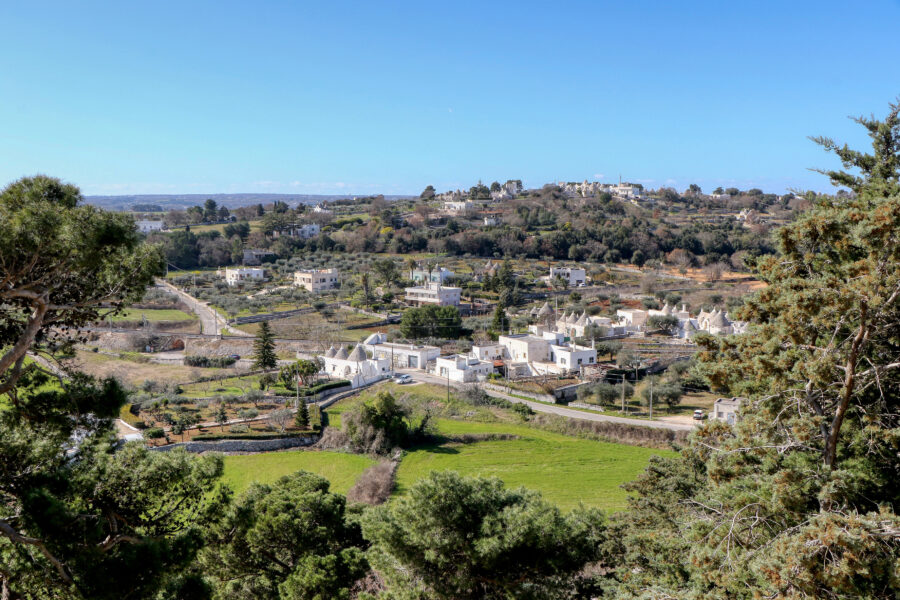
The Itria Valley is right in the heart of Puglia, and it feels quietly authentic. Towns here mix whitewashed hilltop centers with countryside full of olive trees, winding lanes, and old stone farmhouses. Ostuni’s bright skyline, Locorotondo and Martina Franca’s rural calm, and Alberobello’s trulli houses are all within short drives.
Ostuni: The White City Experience
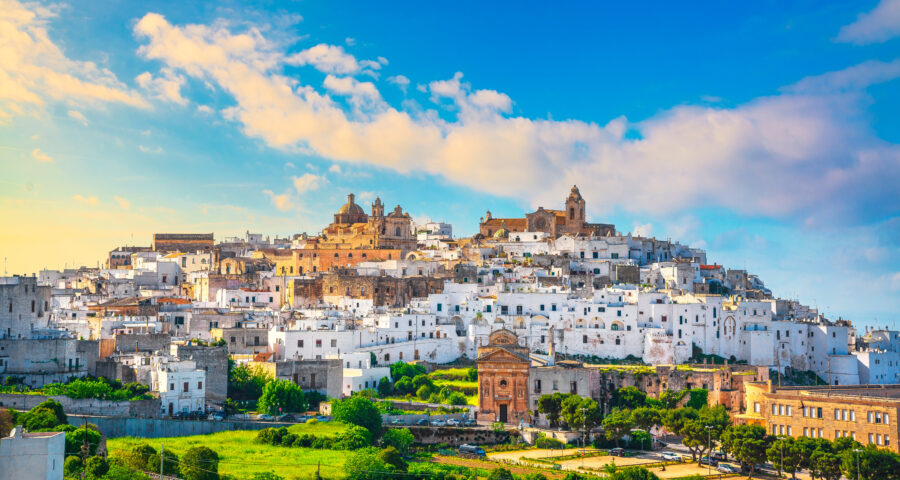
Ostuni pops out of the landscape—the whole hilltop glows white in the sun. Staying here puts you close to Puglia’s coast and history at once.
The old town climbs up steep, narrow streets filled with cafés, craft shops, and small homes with blue doors. A lot of people stay just outside the walls in masserie—restored farmhouses with pools and olive grove views.
Inside town, boutique hotels and B&Bs hide in centuries-old buildings, sometimes with rooftop terraces looking down to the Adriatic. You’ll find small restaurants serving fresh seafood and local wines. With a car, beaches along the Costa Merlata are less than fifteen minutes away, but Ostuni itself feels peaceful after dark.
| Best for | Details |
|---|---|
| Atmosphere | Historic, coastal, walkable |
| Stay Type | Boutique hotels, masserie |
| Nearby Attractions | Old Town, Costa Merlata beaches |
Locorotondo and Martina Franca: Countryside Retreats

Locorotondo and Martina Franca are right in the middle of the Itria Valley. Both have that classic white-stone look, but their personalities differ.
Locorotondo is quieter, with tidy lanes and flowered balconies. Martina Franca, just a few kilometers away, has fancier Baroque palaces and a livelier center.
Having a car helps; you can drive to Alberobello or Ostuni for the day, then return to the peaceful hills in the evening. Local wineries and trattorias are scattered everywhere between towns.
| Best for | Details |
|---|---|
| Atmosphere | Quiet countryside, scenic views |
| Stay Type | Trulli, farmhouses, small inns |
| Nearby Attractions | Wine tasting, hilltop villages |
Alberobello: Stay Among the Trulli Houses

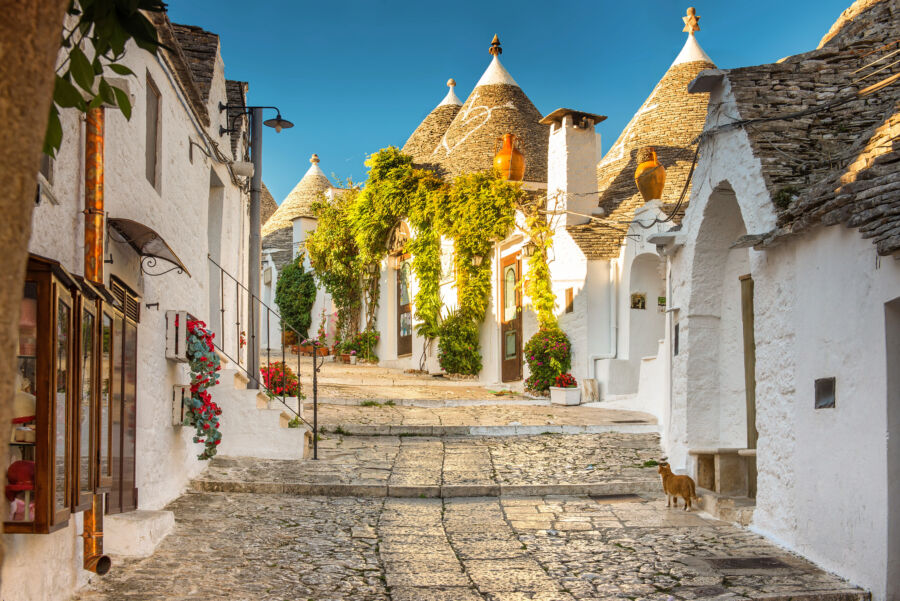
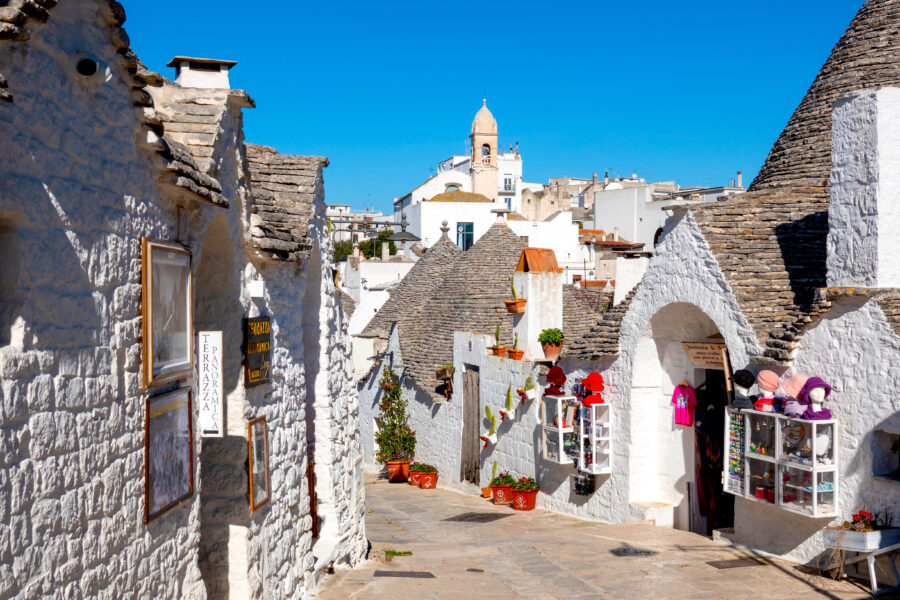
Alberobello really is one of a kind—hundreds of trulli with gray cones and white walls fill the old quarter, Rione Monti. It’s a UNESCO World Heritage Site, so yes, it’s crowded during the day.
But if you stay overnight, you get the quiet version after the crowds leave. That’s when the stone lanes glow, and you actually feel the history.
Many trulli are now small guesthouses. Sleeping in a 300-year-old building with Wi-Fi and a good shower is a fun twist.
You can pick between polished hotels or family-run spots where the owner might drop off pastries for breakfast. Waking up under one of those cone roofs is something you don’t forget.
| Best for | Details |
|---|---|
| Atmosphere | Historic, iconic, photogenic |
| Stay Type | Trulli guesthouses, boutique hotels |
| Nearby Attractions | Rione Monti, craft shops, heritage walk |
See Related: Best Places to Visit in Europe This Year
Where to Stay on the Coast: Adriatic & Ionian Areas

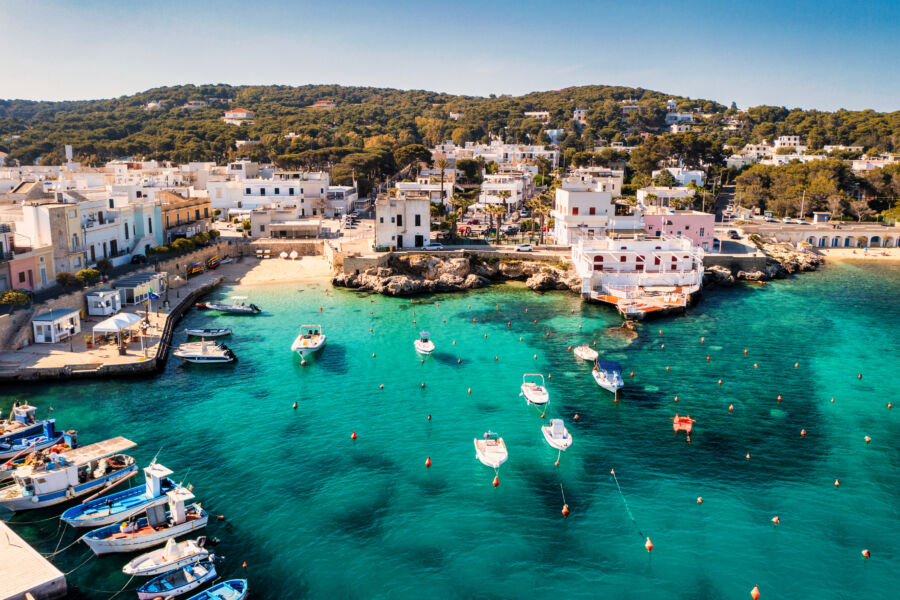
The Adriatic side of Puglia draws you in with cliffside towns, whitewashed walls, and little coves, while the Ionian is all about softer sand and warmer water. You’ll see history and modern coastal life blend here, from old ports and fishing villages to masseria stays tucked among olive groves.
Polignano a Mare: Cliffside Views & Beaches
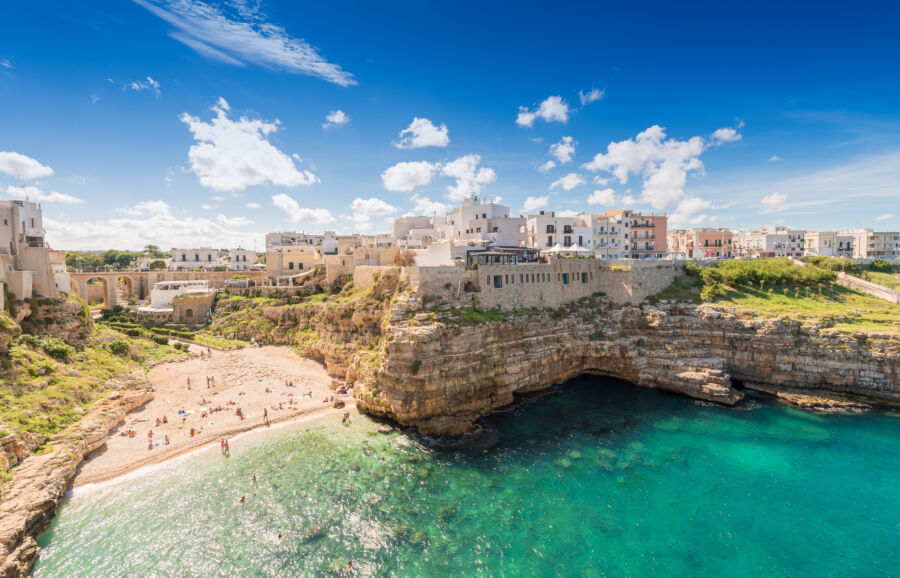
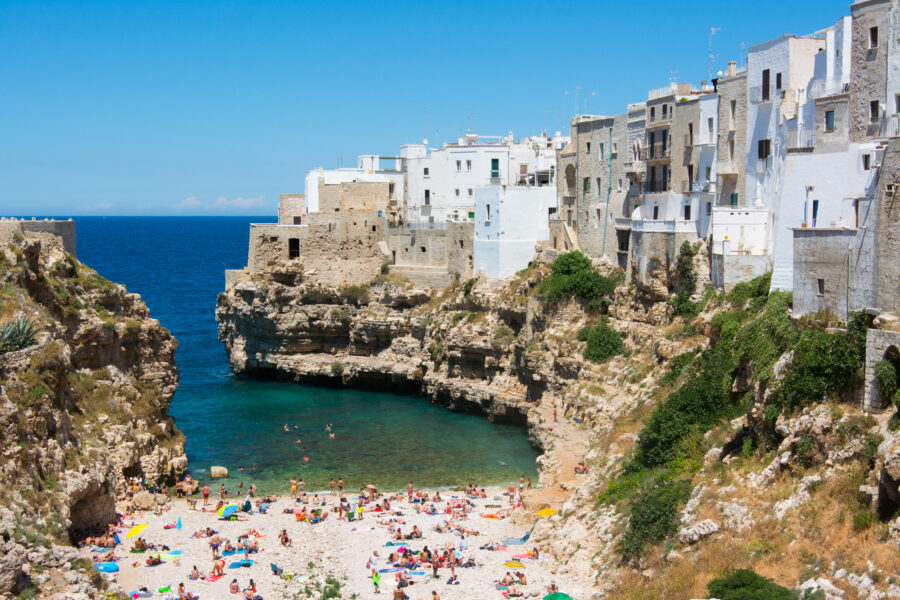
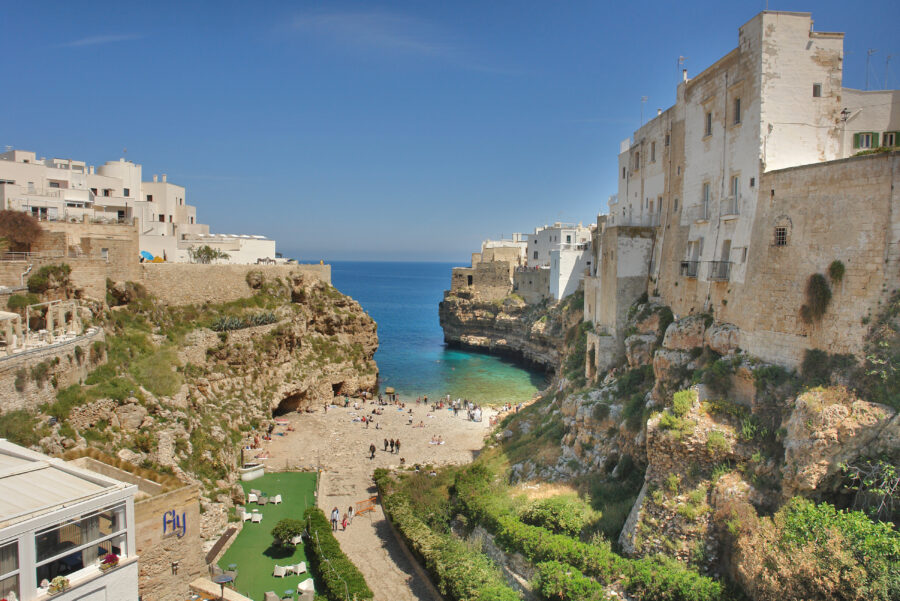
Polignano a Mare sits dramatically over the Adriatic, and the first view is a stunner. Limestone cliffs drop straight into clear water, and the main beach, Lama Monachile, sits wedged between rock walls. It’s small but unforgettable.
If you like scenic dinners, Grotta Palazzese—a restaurant inside a sea cave—is honestly worth the splurge once. The view is the real star. Some hotels, like Hotel Grotta Palazzese have terraces that catch the sea breeze at night, and the old town lights reflecting off the cliffs are hard to beat.
Polignano is compact, walkable, and packed with small apartments or villas right over the sea. It’s not the cheapest area, but waking up to waves hitting the rocks under your window is something special.
Monopoli & Fasano: Historic Seaside Towns
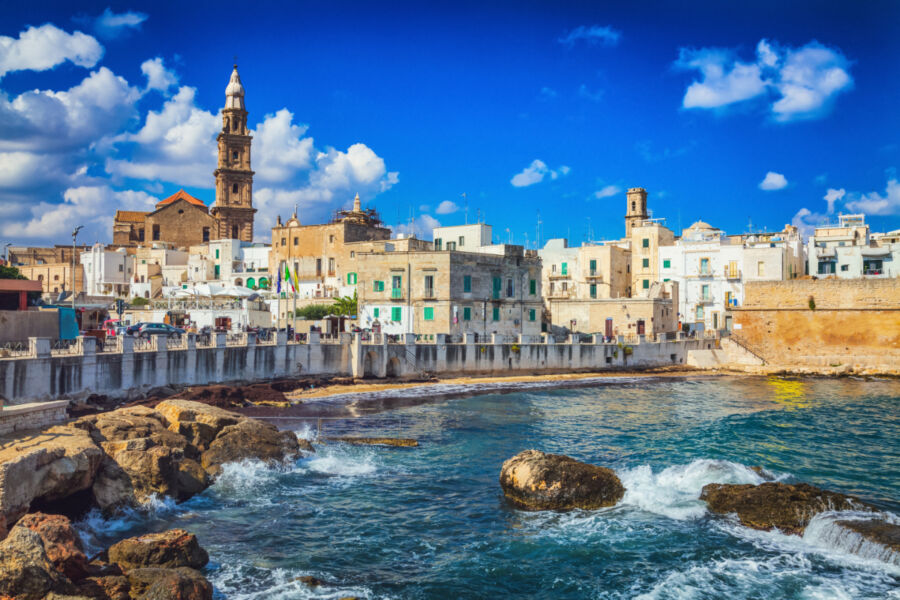
Monopoli has a real, lived-in coastal feel. Fishing boats still line the port, but you’ll also find rooftop bars, stylish small hotels, and a few places with quiet pools behind stone walls. I once stayed near the old harbor in a little apartment overlooking the sea walls—waking up there was pure calm.
Beaches south of town stretch into clear-water coves, easy to reach by bike or car. A short drive inland, Fasano brings countryside charm with its masserie—fortified farmhouses now turned into rustic hotels. Many have olive-tree courtyards, tennis courts, and pools surrounded by stone.
| Area | Highlights | Type of Stay |
|---|---|---|
| Monopoli | Old town harbor, sandy beaches | Boutique hotels, seaside apartments |
| Fasano | Countryside with olive groves | Masserie with pools, villas |
Both towns are perfectly placed between Bari and the Valle d’Itria, so you get easy access to both coast and countryside.
Savelletri: Luxurious Resorts and Masserie

Savelletri feels quieter and a little more exclusive. The coastline is lined with upscale masserie and beach clubs focused on privacy and comfort. Borgo Egnazia stands out—stone-paved lanes, spa, tennis courts, even private villas with their own pools.
Even if you don’t stay at the big resorts, Savelletri’s small port and nearby beaches have a laid-back pace. You can walk by fishing boats or swim in clear, shallow water.
Everything moves more slowly here. You’ll find farm-to-table restaurants, rooftop terraces for espresso, but nothing feels overdone. If you want luxury that still feels like Puglia, this area gets it right.
Highlights of The Salento Peninsula

At the bottom of Italy’s heel, the Salento Peninsula stretches between the Adriatic and Ionian Seas. It blends Baroque towns, rocky cliffs, and calm turquoise waters. The area balances culture and beach life—you can spend a morning wandering Lecce’s ornate streets and later jump in the sea near Otranto or Gallipoli without a long drive.
Lecce: The ‘Florence of the South’

Lecce gets called the “Florence of the South” for good reason—those Baroque facades, carved from creamy limestone, really do glow at sunset. Strolling Piazza del Duomo, you’ll catch that golden light, and honestly, it’s hard not to slow your pace just to stare a little longer.
The Basilica di Santa Croce is almost absurdly ornate. Everywhere you look—mythical beasts, fruit, angels, all twisting around the columns. If you can, go early before the crowds show up, and grab a pasticciotto (the local custard pastry) from a nearby café.
Backstreets hide tiny design shops selling ceramics—classic Puglian craftsmanship at its best. But Lecce isn’t just a checklist of sights.
Come evening, music drifts from wine bars, and locals linger under the arches. It’s the kind of place you might plan to breeze through, then end up staying an extra night just because.
Otranto: History and Beach Bliss
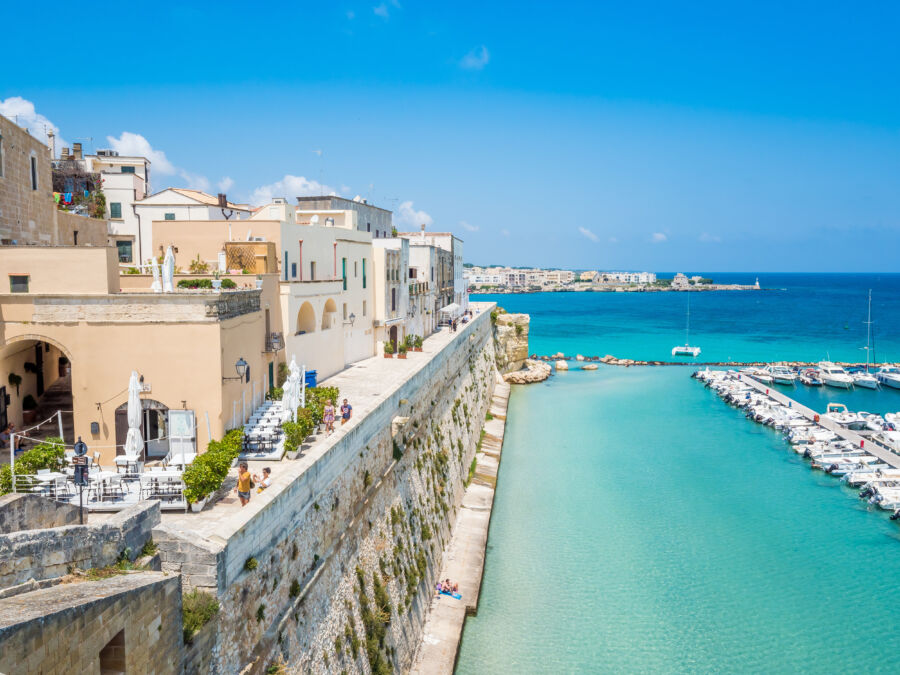
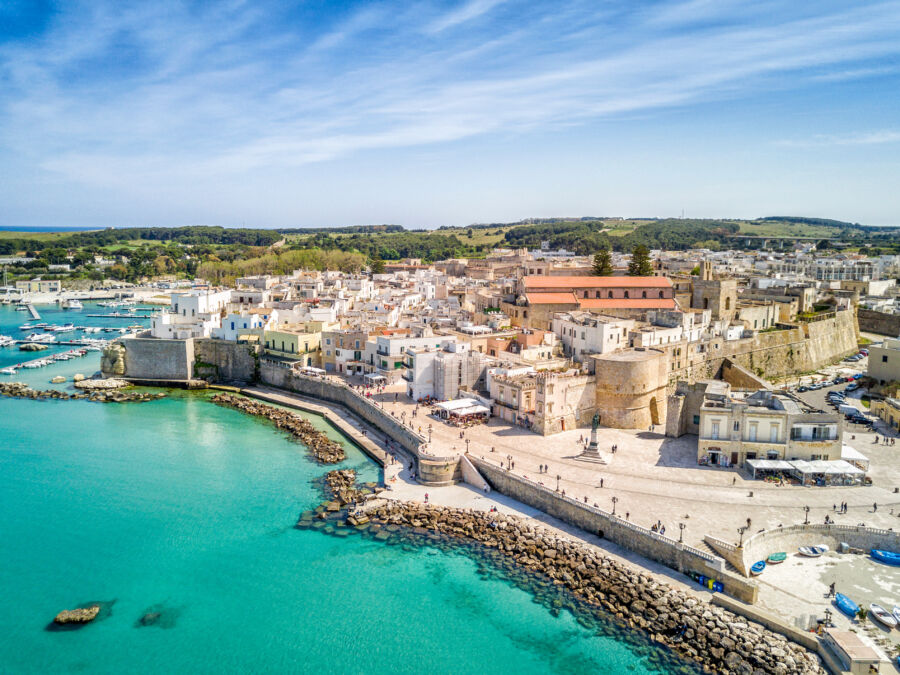
Otranto balances its past and the sea in a way few towns manage. The old center clings to the Adriatic, its whitewashed alleys tumbling down to clear water where swimmers slip straight off the rocks. Above it all, the Otranto Cathedral stands out for its 12th‑century mosaic floor—knights, animals, and everyday medieval scenes underfoot.
The Aragonese Castle dominates the skyline. Walk the ramparts at dusk, and the sea turns silver, stretching endlessly. For overnights, check guesthouses along the Bastioni, those old seafront walls—nothing like waking up to waves on stone.
Nearby coves like Baia dei Turchi and Porto Badisco are just a quick drive away. Even in peak summer, Otranto’s mix of history and wild coastline keeps things feeling a bit off the beaten path.
Gallipoli: Old Town Charm and Nightlife
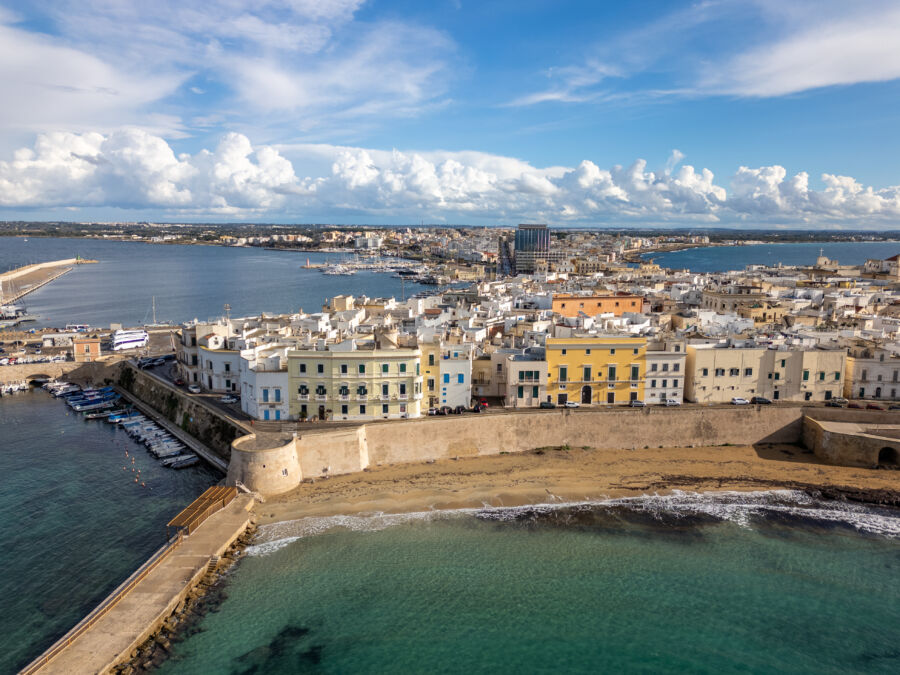
Over on the Ionian coast, Gallipoli splits into two parts: the island-like Old Town and the modern mainland. The Old Town sits behind thick walls, its stone lanes winding from tiny churches to open terraces above the fishing boats.
If you can, book a room near the bastions. Palazzo del Corso and Palazzo Presta both sit inside the fortifications with prime harbor views. After dinner, you can just wander out, gelato in hand, and catch the sea breeze.
As night falls, Gallipoli buzzes. Beach bars along the coast crank up the music, especially in summer.
But honestly, the real star is the Puglian cuisine: fresh fish, unfussy pastas, and olive oil on everything. You might plan for a night, but don’t be surprised if you stay longer.
Northern Puglia & The Gargano Peninsula
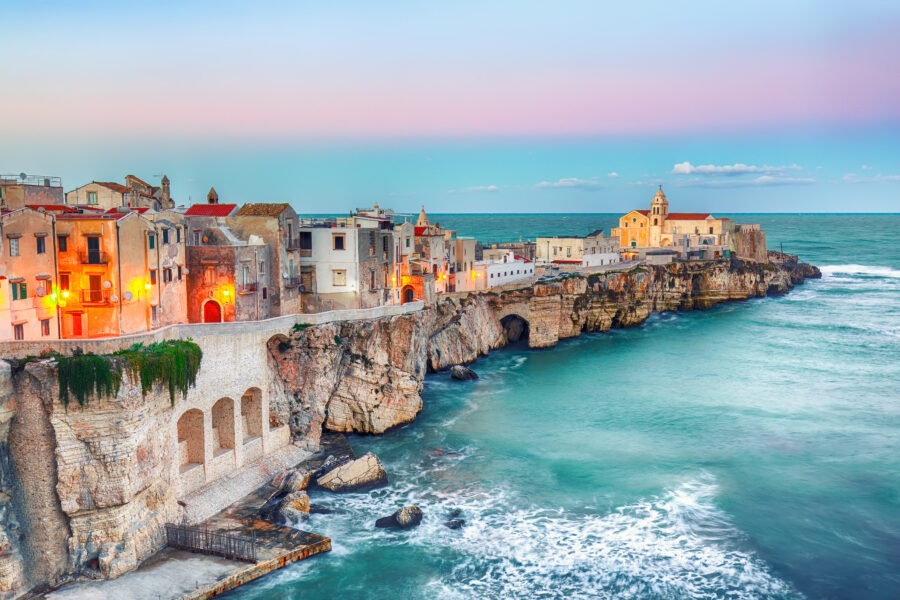
This part of Apulia catches a lot of travelers off guard. The coastline is wild—cliffs, little coves—while inland, forests and limestone peaks feel almost untouched. You’ll find quiet beaches, winding roads, and towns that feel a world away from the busy resorts down south.
Vieste: Beaches and Outdoor Adventures

Vieste perches on a dramatic white headland above the Adriatic. The old town climbs the cliff, its narrow lanes circling limestone houses and ending in wide sea views. Spiaggia di Pizzomunno and Baia di San Lorenzo both have soft sand and calm, shallow water—easy spots for a swim or a kayak.
Vieste works as a base if you want some activity but still crave that small-town vibe. Mornings mean seaside walks; afternoons, maybe a hike above olive groves. For stays, most people pick small family-run hotels or masserie tucked in the hills—quiet but close enough to town.
If you’re driving, don’t skip the coastal road to Peschici. It’s slow and winding, but each turn reveals another bay or a stand of pines stretching toward the sea. Bring snacks—trust me, you’ll want to stop for photos.
Gargano National Park: Nature Stays

Gargano National Park covers much of the peninsula, protecting forests, cliffs, and even islands. In the Foresta Umbra, pine, oak, and beech trees cool the air and shade the trails. I once saw a deer cross the path at dawn—couldn’t believe how silent it was.
For a real nature escape, check out agriturismi and eco-lodges between Monte Sant’Angelo and Vico del Gargano. Many serve food from their own farms—think orecchiette with local caciocavallo. You’ll probably want a car; buses are rare.
Head south and you hit the Basilicata border, where karst plateaus and canyons replace the beaches. The landscape flips fast—coast one hour, mountains the next. Gargano rewards slow travel and mornings that start with cicadas, not car horns.
Unique Stays and Accommodation Types in Puglia
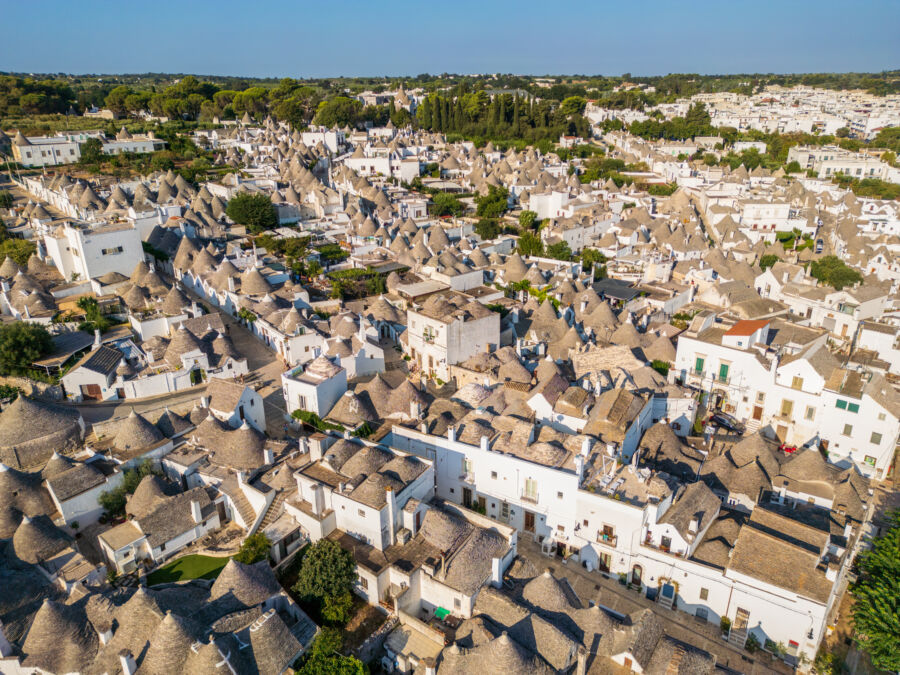
Puglia’s blend of old architecture, white towns, and farm estates turned small resorts means you get plenty of unusual places to sleep. Stay in a trullo, unwind on an olive farm, or rent a seaside villa and fall asleep to waves.
Trulli and Historic Homes
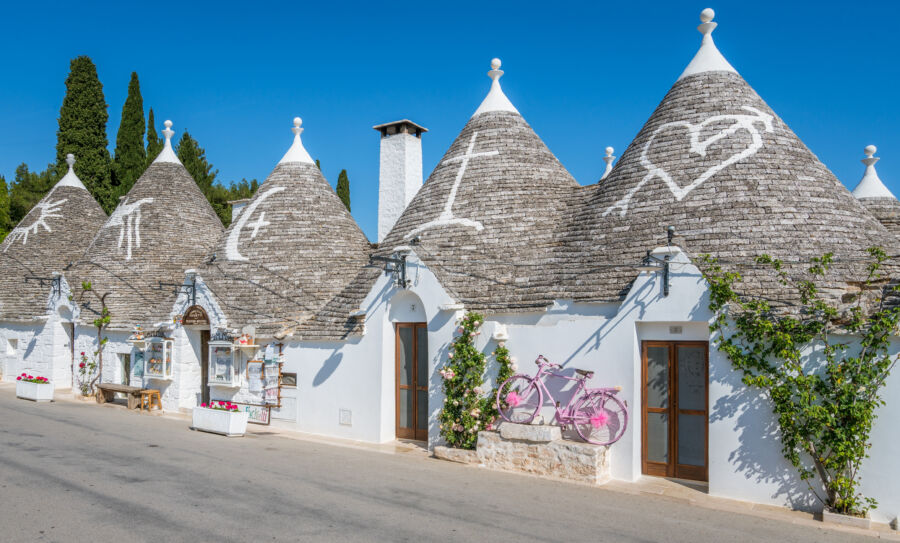
You’ve seen the Alberobello trulli—those round stone houses with gray cone roofs. These trulli, built centuries ago without mortar, are southern Italy icons. Now, many are restored as cozy lodgings with private courtyards and thick stone walls that stay cool all summer.
It’s not exactly hotel living—trulli are quirky, sometimes tiny, but that’s the fun. Some clusters work as boutique hotels, merging several houses into one spot.
For a taste of the old days, a night in a trullo gives you a real sense of place. In towns like Locorotondo and Martina Franca, you’ll also find historic homes with vaulted ceilings and balconies over winding alleys—nice if you want a little extra space.
Boutique Hotels & Masserie
Puglia’s masserie—old farm estates ringed by olive trees—have become some of the region’s best boutique hotels. Some still make olive oil or wine, and many serve meals from their own gardens.
Expect thick stone arches, white courtyards, maybe a pool or a tiny spa. I once learned to make orecchiette in a masseria courtyard outside Fasano—one of those travel moments that sticks.
You’ll need a car for most masserie, but the quiet countryside makes it worthwhile. It’s more like joining a family farm (with better beds) than a typical hotel.
Coastal Villas and Apartments
Apartments in Vico del Gargano or Otranto work well for independent travelers—shop the local market, cook dinner, settle in. Many rentals sit inside historic buildings with stone walls and arched ceilings, but with simple, modern interiors. It’s a good setup if you’re out exploring all day and want your own kitchen at night.
See Related: Best Places to Visit in Italy This Year
Insider Tips for Booking & Enjoying Your Stay
When you go, what you eat, and how you plan can change your whole Puglia trip. Dig into local food, wander small towns, and pick a few historical sights—don’t just hop hotel to hotel.
When to Visit and Book Your Stay
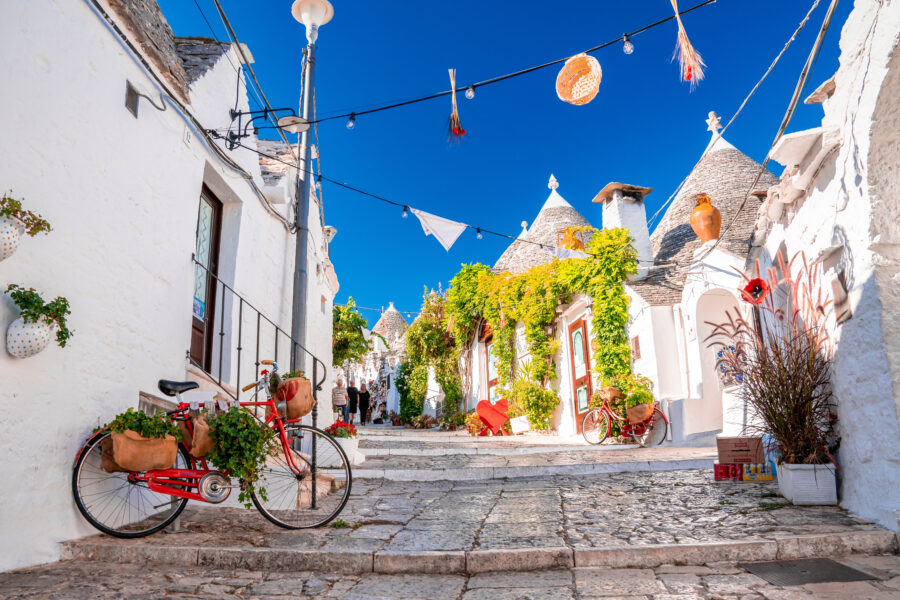
Book early, especially between May and September—coastal hotels fill up quickly. Learned that the hard way in Polignano a Mare: prices doubled in a week. For better deals and fewer crowds, try spring (April–June) or early fall (September–October).
If you’re flexible, aim for midweek stays. Smaller guesthouses sometimes offer deals or upgrades.
Compare options on Booking.com or KAYAK for last-minute finds. Rural masserias often want direct bookings, but perks like home-cooked breakfasts or olive-oil tastings can make it worth the extra step.
Renting a car helps, but towns like Bari Vecchia or Alberobello are best on foot. Always check about parking—old centers usually ban cars.
Local Food Experiences and Restaurants
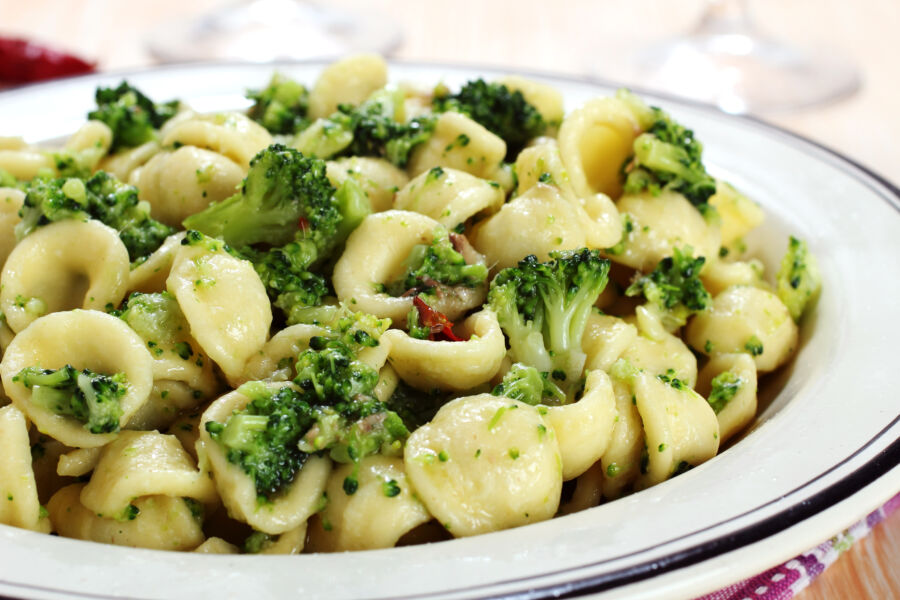
Don’t skip orecchiette, Puglia’s signature pasta. On La Via delle Orecchiette in Bari Vecchia, you’ll see women rolling it by hand right on the street—one of those details that sticks with you.
For street food, try panzerotti or focaccia barese—simple, perfect with a glass of local wine. On the coast, go for grilled octopus or sea urchin pasta. Inland, expect lamb, broad beans, and wild greens.
Many masserias serve meals with their own produce. At one near Ostuni, breakfast was fresh ricotta and fig jam, still warm from the kitchen—pretty unforgettable.
Top Sights Near Popular Stays

Puglia’s history is everywhere. In Bari Vecchia, walk from the harbor up to Basilica di San Nicola—the cool, quiet interior and sea breeze through the doors make it special. Nearby, Palazzo Calò has a rooftop view worth catching at sunset.
If you’re based around Monopoli or Polignano a Mare, use GetYourGuide or Viator for coastal cruises or wine tastings. Small group tours often stop at olive mills using old stone presses.
Farther south near Lecce, admire Baroque facades, then take a short drive to Salento’s beaches. Mixing city days and quiet coastlines lets you settle into Puglia’s pace.
Bari: Staying in the Region’s Capital
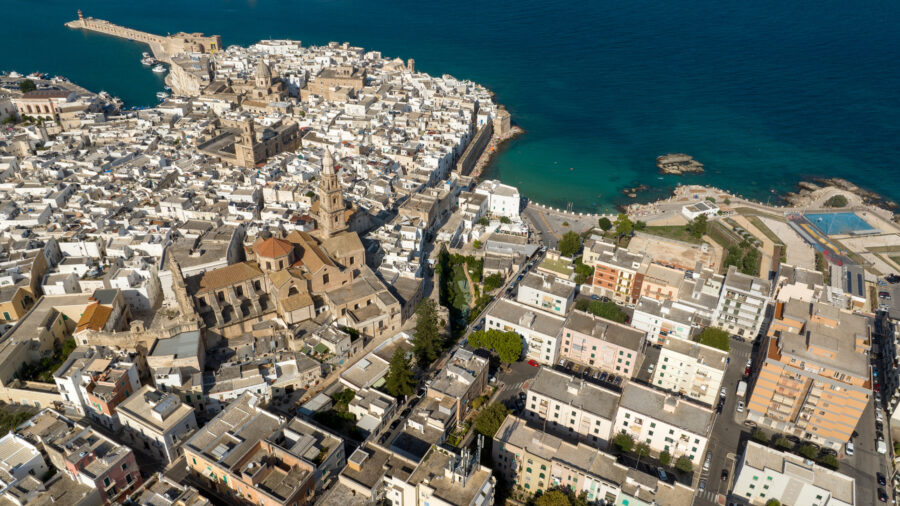
Bari blends old-world charm with a lively modern edge. You can wander from narrow medieval lanes full of homemade pasta aromas to sleek shopping streets in just a few minutes. Centuries of trade and faith left both grand landmarks and humble traditions that still shape daily life here.
City Center vs. Bari Vecchia
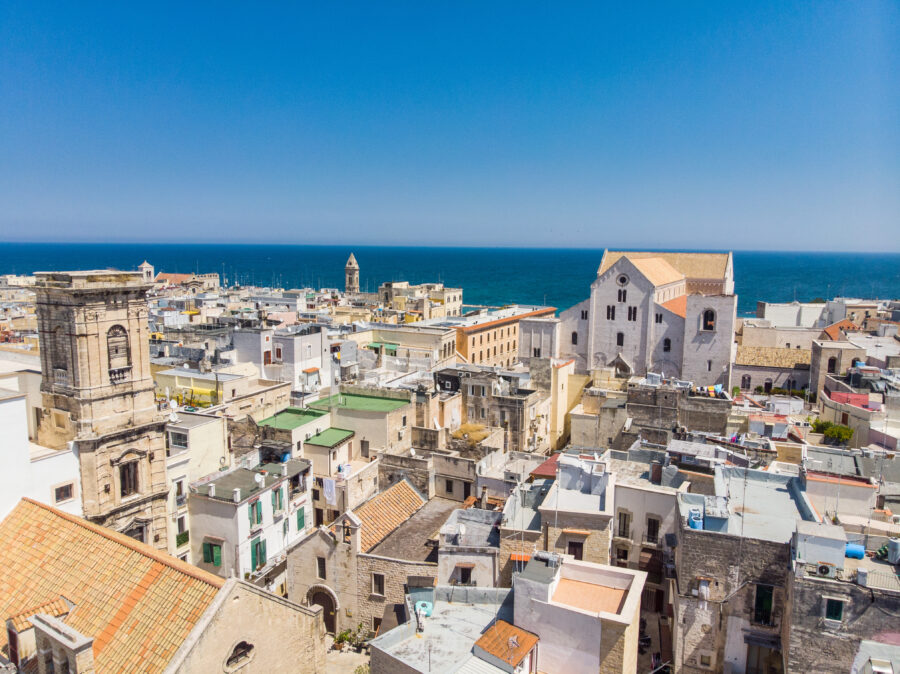
Bari has two main faces: the modern Murat district and the ancient Bari Vecchia, split by a neat grid of 19th-century streets. Murat’s organized, practical, and close to the train station, so you’ll find a range of hotels here—from simple, wallet-friendly places to stylish picks like Palazzo Calò. It’s a smart base if you’re planning day trips across Puglia.
Bari Vecchia, though, is the city’s character. Here, stone alleys wind between sun-bleached houses, and families still shape orecchiette by hand on La Via delle Orecchiette.
The neighborhood buzzes from morning coffee to midnight walks. It’s louder, a bit chaotic, and feels personal in a way the modern center just doesn’t. If you’re after atmosphere over order, this is the place.
| Area | Best for | Highlights |
|---|---|---|
| Bari Vecchia | History, food, walking | Basilica di San Nicola, street pasta, and local life |
| Murat (City Center) | Shopping, transport, day trips | Petruzzelli Theatre, Via Sparano, train links |
Cultural Sights and Food Scene
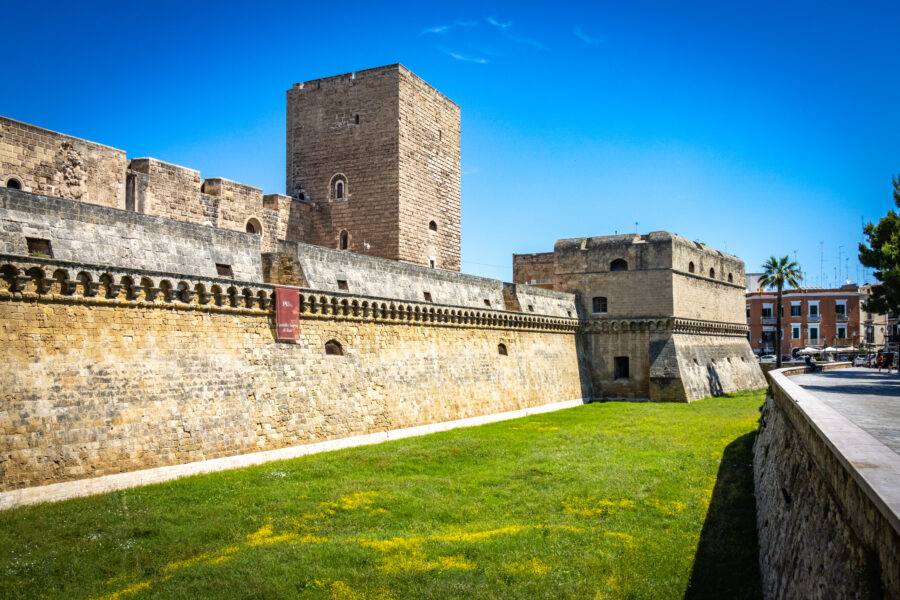
Bari’s history hits you from the start with the Basilica di San Nicola, a 12th-century church that draws pilgrims from all over. Step inside on a quiet morning and you’ll catch the hush, maybe the creak of a pew. Right nearby, the Castello Svevo stands as a reminder of Bari’s days guarding the Adriatic trade.
But honestly, the city’s real culture shows up in the little moments—a trattoria’s clatter, the smell of fried sgagliozze drifting through old streets. Sometimes you’ll see women debating sauce recipes near Piazza del Ferrarese.
That’s classic Bari. Grab focaccia barese straight from the oven or try seafood pasta at a no-menu spot by the port. The food’s simple, unpretentious, and it tells you more about Bari than a museum ever could.
See Related: Breathtaking Best Beaches in Europe (With Hidden Gems!) 🏖️
Frequently Asked Questions
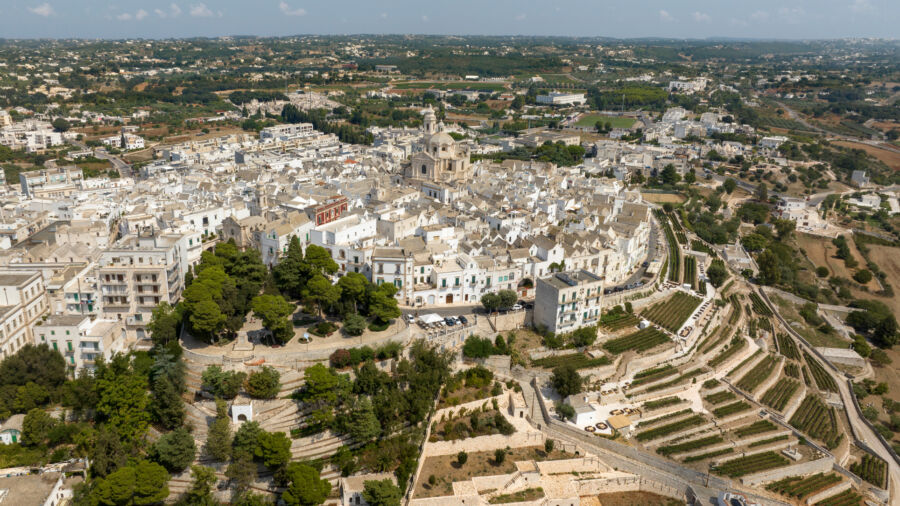
Puglia’s personality shifts with each town. Some are made for quiet escapes, others for beach days or slow drives through the countryside. Where you stay depends on your travel style and what you want from your trip.
Which towns in Puglia offer the best accommodation for couples?
For u003ca href=u0022https://www.realjourneytravels.com/unique-vacation-spots/u0022u003ecozy, peaceful staysu003c/au003e, head to u003cstrongu003eLocorotondou003c/strongu003e or u003cstrongu003eAlberobellou003c/strongu003e. These Valle d’Itria towns are all whitewashed homes and u003cemu003etrulliu003c/emu003e huts—ideal if you want privacy and a bit of charm. Those trulli really are unique; at night, the cool stone and quiet make them surprisingly romantic.u003cbru003eIf you want more action, u003cstrongu003ePolignano a Mareu003c/strongu003e is a great pick. Its sea cliffs and tangled lanes feel almost cinematic, and you’ll find plenty of restaurants with Adriatic views. Just a heads-up: rooms with sea views go quickly, so book ahead.
What are the top-rated places to stay in Puglia for beach access?
For beaches, look along the Adriatic and Ionian coasts. u003cstrongu003eMonopoliu003c/strongu003e gets you close to sandy coves and still feels authentic. If you’re after wilder stretches and fewer crowds, stay near u003cstrongu003eViesteu003c/strongu003e up north—though it’s a bit of a drive.u003cbru003eIf you’re chasing turquoise water and sun, the u003cstrongu003eSalento Peninsulau003c/strongu003e is your best bet. u003cstrongu003eOtrantou003c/strongu003e and u003cstrongu003eGallipoliu003c/strongu003e have some of the clearest water in Italy, and you’ll find plenty of small hotels or seaside apartments just steps from the shore.
As a first-time visitor, where should I establish my base in Puglia?
For a first visit, u003cstrongu003eBariu003c/strongu003e or u003cstrongu003eOstuniu003c/strongu003e are both smart choices. Bari is the transport hub, so it’s easy to fly in and take day trips by car or train. The old town feels authentic—lived-in, not staged.u003cbru003eOstuni, the “White City,” gives you sweeping views, old buildings, and quick access to the coast. If you like wandering narrow streets but still want the beach nearby, Ostuni’s a solid pick.
For a full week’s stay, which Puglia locations come highly recommended?
For a week, splitting your time between the u003cstrongu003eValle d’Itriau003c/strongu003e and u003cstrongu003eSalentou003c/strongu003e works well. Start near u003cstrongu003eMartina Francau003c/strongu003e or u003cstrongu003eCisterninou003c/strongu003e for the inland villages, then head south to u003cstrongu003eLecceu003c/strongu003e for history, food, and easy day trips to the coast.u003cbru003eIf you’d rather stay put, u003cstrongu003eOstuniu003c/strongu003e is central and has enough going on nearby that you won’t run out of things to do. Plus, evenings on the hilltop are hard to beat.
When visiting in September, what are the ideal Puglia towns to stay in?
September’s a sweet spot—warm, breezy, less crowded. u003cstrongu003ePolignano a Mareu003c/strongu003e and u003cstrongu003eMonopoliu003c/strongu003e still offer beach weather but without the summer rush. Inland, u003cstrongu003eLocorotondou003c/strongu003e and u003cstrongu003eMartina Francau003c/strongu003e are cooler than in July or August, so you can actually enjoy eating outside.u003cbru003eDown in u003cstrongu003eLecceu003c/strongu003e, the baroque streets are perfect for wandering, and you’ll still have time to drive out for a swim on the Ionian coast. Mid-September feels like a local secret—quiet, but still with plenty of life.
In terms of convenience and travel, which area in Puglia is optimal for those with a car?
If you’re driving, base yourself around the u003cstrongu003eValle d’Itriau003c/strongu003e—think u003cstrongu003eAlberobellou003c/strongu003e, u003cstrongu003eCisterninou003c/strongu003e, or u003cstrongu003eOstuniu003c/strongu003e. The roads here are in good shape, and you can hit either coast in under an hour. Parking’s way less of a headache than on the coast, too.u003cbru003eSkip staying right in Bari or Lecce if you plan to explore daily. Sure, they’re worth a visit, but city traffic gets old quickly. Instead, pick a countryside farmhouse (u003cemu003emasseriau003c/emu003e) as your home base. You’ll get more space, easy parking, and those quiet mornings overlooking olive groves—honestly, that’s one of Puglia’s best perks.