Tallinn vs Riga Old Town: 7 Key Differences Every Traveler Should Know
Updated September 5, 2025
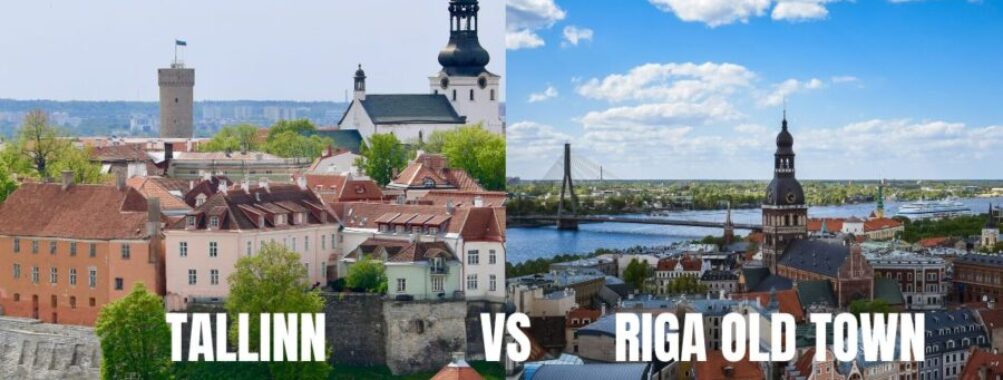
If you’re stuck choosing between Tallinn and Riga, let’s be honest—their Old Towns are what really tip the scales. Both have UNESCO-listed centers, all cobblestones and towers and centuries-deep stories, but the vibes? Couldn’t be more different. Tallinn’s Old Town feels like you’ve time-traveled to the Middle Ages, while Riga’s Old Town is a mashup of medieval charm and the pulse of a bigger, busier city.
Tallinn’s so compact, you can just wander and let yourself get lost—it’s almost like someone built an open-air museum and forgot to put up fences. Riga stretches out with grand Art Nouveau avenues and nightlife that keeps things lively long after the sun sets. So, do you want fairytale coziness or a city that never really sleeps? That’s the real question.
Table of Contents
- Key Takeaways
- Old Town Atmosphere and Medieval Charm
- Cobblestone Streets and Architecture
- UNESCO World Heritage Status
- Toompea Hill and Castle
- Iconic Landmarks: House of the Blackheads vs Alexander Nevsky Cathedral
- Architectural Highlights and Cityscape
- Art Nouveau in Riga
- Gothic and Hanseatic Heritage in Tallinn
- Modern Districts: Telliskivi and Rotermann Quarter
- Cultural Experiences and Museums
- Signature Museums and Exhibits
- Creative Spaces and Local Art
- Festivals and Annual Events
- Dining, Drinking, and Nightlife
- Traditional Cuisines and Local Specialties
- Craft Beer and Mulled Wine Scenes
- Nightlife Vibes: Bars and Clubs
- Shopping and Accommodation Options
- Boutique Hotels and Unique Stays
- Local Markets and Shopping Streets
- Accessibility, Transportation, and Day Trips
- Airports and Public Transit
- Traveling Between the Cities
- Popular Excursions: Jurmala Beach, Lahemaa National Park, Pirita, Kalamaja
- Frequently Asked Questions
- What unique architectural styles can be observed when comparing the old towns of Tallinn and Riga?
- How do the historical narratives of Tallinn’s and Riga’s old towns differ?
- Can you highlight the differences in the culinary experiences between Tallinn’s and Riga’s old towns?
- What are some hidden gems in Tallinn and Riga’s old towns that a seasoned traveler should not miss?
- How do the artisanal shopping experiences in the old towns of Tallinn and Riga compare?
- What are the best strategies for exploring the old towns of Tallinn and Riga to fully appreciate their cultural heritage?
- Book Your Dream Experience
- More Travel Guides
Key Takeaways
- Tallinn gives you a smaller, medieval Old Town with loads of character
- Riga mixes historic streets with a bigger, buzzier city vibe
- You’ll find totally different culture, food, and nightlife in each spot
Old Town Atmosphere and Medieval Charm
The second you step into either Old Town, you’ll feel the weight of history. Tallinn leans into its medieval bones, while Riga dazzles with ornate facades and those grand civic buildings that make you wonder if you should’ve worn something fancier.
Cobblestone Streets and Architecture

Walking Tallinn’s Old Town? It’s like drifting through a living museum. Narrow, winding cobblestone streets snake between merchant houses that have been around since the Hanseatic League days. The place is so compact, you can explore it on foot without getting lost—or, well, not for long.
Riga feels bigger, and honestly, it is. Its Old Town blends medieval buildings with those famous Art Nouveau masterpieces. There are colorful facades, elaborate carvings, and wide boulevards that make it feel open and a bit less claustrophobic than Tallinn.
If you’re after small-scale medieval magic, Tallinn’s your spot. Prefer a mix of styles and a city that feels like it’s always moving? Riga’s got you covered. Both are gorgeous, just in their own ways.
UNESCO World Heritage Status

UNESCO gave Tallinn’s Old Town its stamp of approval back in 1997. That’s mostly because the medieval layout is still intact—city walls, towers, the whole nine yards. You can actually walk along parts of the old fortifications, which is pretty wild.
Riga also holds UNESCO status, but for a different reason. Sure, the medieval core matters, but the real showstopper is the Art Nouveau district—one of the world’s largest. Buildings here are smothered in intricate sculptures and floral designs you just won’t see in Tallinn.
So, yeah, both wear the UNESCO badge, but the experience? Totally different. Tallinn is all about that preserved medieval cityscape. Riga’s magic is in the blend of medieval and early 20th-century architecture.
Toompea Hill and Castle

Tallinn’s Old Town splits into two: lower and upper. Up on Toompea Hill, Toompea Castle has been watching over the city for centuries. Estonia’s parliament sits there now, but you can still wander around the old walls and towers.
The view from up top? Unreal. Red rooftops roll out below you, and you can see all the way to the Baltic Sea. It’s the kind of spot you’ll keep coming back to, camera in hand.
Riga doesn’t really have anything like this. The Old Town is flat, with its energy focused more on big squares and lively boulevards than on dramatic viewpoints. That alone makes Tallinn feel more layered, while Riga feels open and easy to explore.
Iconic Landmarks: House of the Blackheads vs Alexander Nevsky Cathedral
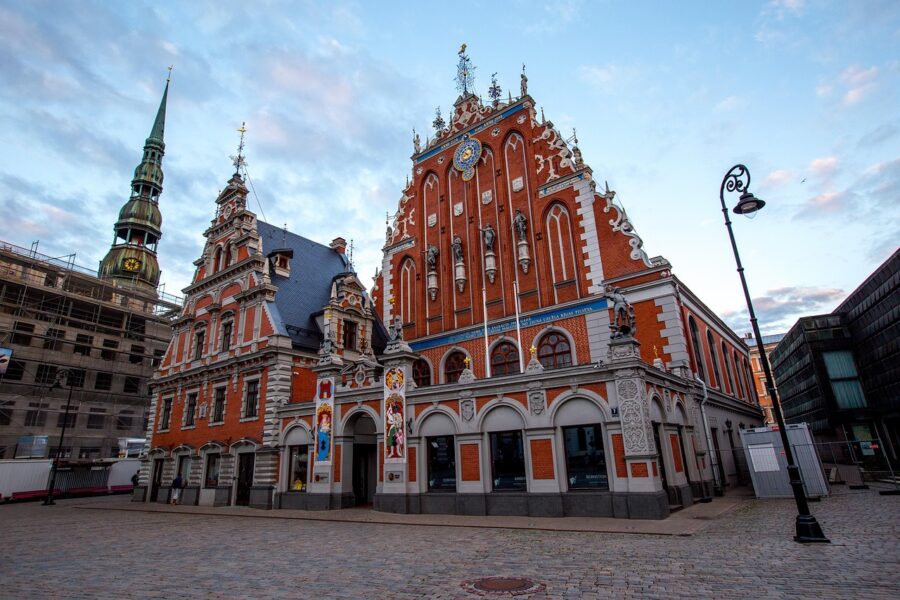
In Riga, the House of the Blackheads steals the show. Built in the 14th century for a guild of unmarried merchants, it was destroyed in World War II and rebuilt later. Now it’s basically the face of the city—you’ll probably find yourself circling back to it, even without meaning to.
Tallinn’s big head-turner is the Alexander Nevsky Cathedral, a Russian Orthodox church from the late 1800s. Its onion domes and lavish details really pop against the medieval backdrop of Toompea Hill. Locals have mixed feelings about it, thanks to its Russian imperial roots, but visitors flock to it anyway.
These landmarks say a lot about their cities. Riga’s guild house screams trade and mercantile history. Tallinn’s cathedral hints at the layers of German, Danish, and Russian influence that have shaped Estonia. Each adds its own twist to the Old Town vibe.
Architectural Highlights and Cityscape
You really get to know a city through its streets and buildings. Riga shows off with its flourishes and decorative facades, while Tallinn holds tight to its medieval heart with stone towers and guild halls. Then you stumble into the newer districts, where old warehouses sit next to glassy modern offices, and you realize these places are still changing.
Art Nouveau in Riga

If architecture is your thing, Riga is a gold mine. The city’s stash of Art Nouveau buildings is one of Europe’s biggest, and you’ll spot it right away on Alberta Street. Sculpted faces, floral flourishes, swirling lines—these places are more art than architecture.
The first time I walked down Alberta, I nearly tripped from looking up too much. Lions, owls, mythological creatures—they’re all carved into the stonework, staring right back at you.
What surprises a lot of travelers is just how much of Riga, even beyond the Old Town, is wrapped in this style. Whole neighborhoods feel like open-air galleries. And if you’re short on time, the Art Nouveau Museum is tucked right into one of these beauties for a quick, immersive hit of the era.
Gothic and Hanseatic Heritage in Tallinn
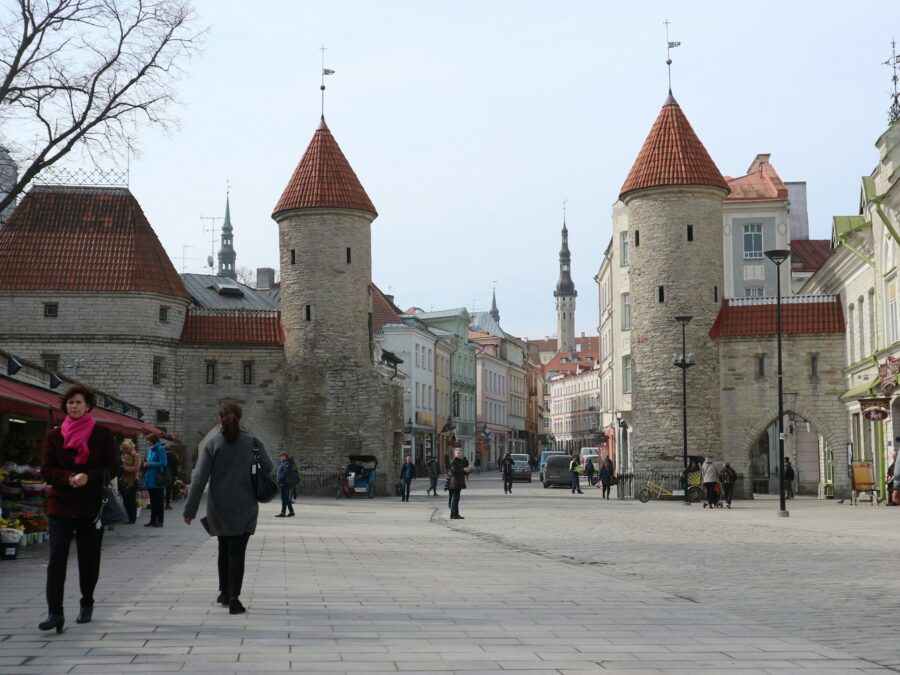
Tallinn feels like a medieval time capsule. Step through the Viru Gate or stand in the main square by the Town Hall, and you’ll feel the city’s Hanseatic roots in every stone. Merchant houses, warehouses, narrow cobbles—they all whisper stories from centuries past.
I always tell friends to climb up to Toompea Hill for that panoramic view of red rooftops and spires. Up there, you can almost hear the old guild leaders plotting their next big deal.
Tallinn’s charm is in how intact it feels. Gothic churches like St. Olaf’s and St. Nicholas’ still anchor the city, refusing to be overshadowed by anything modern. The past feels close enough to touch.
Modern Districts: Telliskivi and Rotermann Quarter
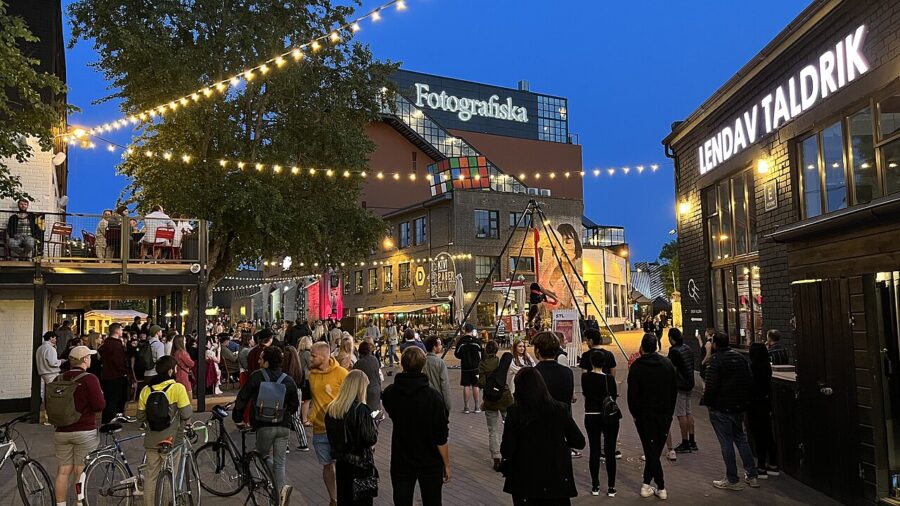
But hey, it’s not all medieval nostalgia. Tallinn’s got a modern edge too, especially in Telliskivi Creative City and the Rotermann Quarter—both former industrial zones that now pulse with food, design, and nightlife.
Telliskivi is like this artsy little village. Old factories now house indie shops, galleries, and craft breweries. Street art covers nearly every wall, and there’s always a market or festival popping up. It’s where Tallinn’s creative side really lets loose.
The Rotermann Quarter is sleeker—think glass towers beside brick warehouses. You’ll find stylish restaurants, boutiques, and offices here. Walking through after the Old Town feels a bit like jumping into the future, but it works. It shows how Tallinn balances medieval roots with a modern spirit.
Cultural Experiences and Museums
Tallinn and Riga both serve up history, but they go about it differently. Tallinn leans hard into its medieval roots with carefully kept spaces, while Riga throws in art nouveau, Soviet grit, and an arts scene that’s still a bit rough around the edges.
Signature Museums and Exhibits

In Tallinn, the Estonian Open Air Museum is one of those places you wander into and lose track of time. It’s a patchwork of historic farmhouses, windmills, and chapels from all over Estonia. Walking around feels less like a museum and more like you’ve time-traveled to the countryside.
Riga’s standout is the Latvian National Museum of Art—the biggest collection of Latvian art anywhere. But don’t miss the Museum of the Occupation of Latvia. It’s heavy, but it gives you the backstory on the city’s more recent past.
If you want something a little more offbeat, Riga’s Central Market is a must. Set inside old Zeppelin hangars, it’s part food market, part cultural landmark. You’ll find everything from smoked fish to pickled veggies. It’s messy, lively, and tells you a lot about local life.
Creative Spaces and Local Art

Tallinn’s Telliskivi Creative City is packed with galleries, design shops, and cafes where you’ll probably bump into artists. It’s not just for looking—it’s a place to hang out, grab a craft beer, and soak up the city’s modern creative buzz.
Riga’s art scene feels more scattered, less predictable. Art nouveau is everywhere, but the local art pops up in the quirkiest corners. I once wandered into a tiny gallery by Bastejkalna Park and ended up chatting with the artist over a glass of wine. That kind of thing just happens here.
If you’re the digital nomad type, Tallinn’s probably the better bet. Cafes double as workspaces, and the design-forward vibe is real. Riga’s more spontaneous, sometimes a little rougher, but always full of surprises.
Festivals and Annual Events

Tallinn’s Christmas markets are pure magic. The medieval square, twinkling lights, maybe a dusting of snow—it’s the kind of scene you see on postcards. The food’s pricey, but the atmosphere? Totally worth it, especially if you’re into mulled wine and handmade ornaments.
Riga’s Christmas markets are a bit easier on the wallet and spread out over a few squares. They feel more modern, less straight out of a fairy tale, but still super festive. Plus, Riga usually gets clearer winter skies, which is a win for outdoor wandering.
When it’s not the holidays, Riga goes all-in on music and street festivals. The city always feels like it’s ready for a party—live bands, DJs, pop-up events everywhere. Tallinn’s a bit calmer, focusing more on cultural events, museums, and exhibitions.
Honestly, if you want your nights to feel unpredictable, Riga’s your city. For history and tradition wrapped up in seasonal celebrations, Tallinn’s the safe bet.
Dining, Drinking, and Nightlife
Tallinn cozies up with taverns and medieval-themed dining, while Riga is a playground for foodies who crave variety and late-night action. Both cities love their drinks, from craft beer to mulled wine, but the nightlife? That’s where their personalities really start to clash.
Traditional Cuisines and Local Specialties
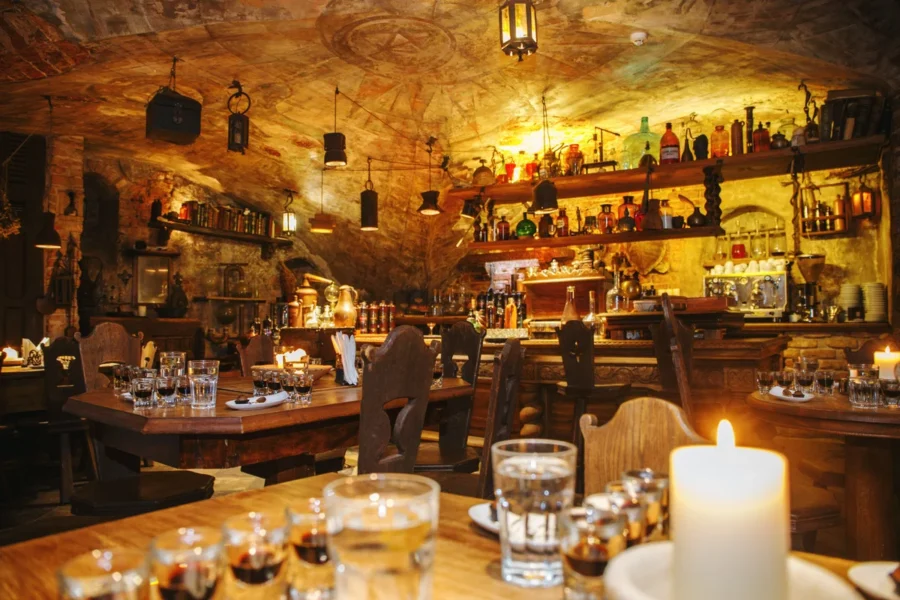
Menus in Tallinn love to show off the city’s Hanseatic roots. You’ll spot hearty rye bread, elk stew, and pickled veggies, often served in those moody, candlelit cellars that feel ripped from a medieval storybook. I actually tried a creamy mushroom soup in a clay pot once—honestly, it was like eating in another century.
Riga? It’s got a more adventurous vibe. Sure, you’ll find classics like grey peas with bacon, but the city isn’t shy about mixing things up. There’s everything from easygoing food halls to places that have caught Michelin’s eye.
Don’t leave Riga without tasting Riga Black Balsam. Locals mix this strong, herbal liqueur into cocktails or even coffee. It’s got a bitter, earthy kick—almost medicinal. Not everyone loves it, but hey, it’s a rite of passage.
Craft Beer and Mulled Wine Scenes

Both cities have jumped into the craft beer trend, but they do it their own way. Tallinn feels younger, a bit hipster, especially if you wander around Telliskivi Creative City. Small breweries, local IPAs, and stouts pop up everywhere, usually paired with live music or street food. It’s laid-back and never tries too hard.
Riga’s beer scene feels bigger and a touch more polished. You’ll find massive beer halls and smaller taprooms pouring creative brews. I remember a bar near the Old Town where the bartender practically insisted I try a smoked porter. It was heavy, sure, but went down surprisingly smooth.
When winter rolls in, everything changes. Tallinn’s Christmas market draws crowds for its mulled wine, steaming with cinnamon and cloves. Riga does mulled wine too, but Tallinn’s medieval square, dusted in snow, just makes it taste a little more magical.
Nightlife Vibes: Bars and Clubs

If you’re chasing late nights, Riga wins hands down. The Old Town buzzes with bars, cocktail lounges, and clubs that don’t seem to close. You can wander from a cozy wine bar to a pulsing dance floor in minutes. The energy is infectious, and meeting new people feels almost too easy.
Tallinn’s nightlife is more low-key and close-knit. You’ll find clubs, but most nights end in a snug pub or cocktail bar hidden in a stone cellar. I once spent hours in a spot where the bartender made infusions from scratch. It felt more like a friend’s place than a bar.
Here’s a quick comparison:
| City | Nightlife Style | Best For |
|---|---|---|
| Riga | Energetic, varied | Clubbing, bar-hopping, cocktails |
| Tallinn | Relaxed, intimate | Pubs, craft cocktails, small gatherings |
So if you want all-night energy, Riga’s your city. But if you’d rather sip something special and actually hear your friends, Tallinn’s the cozy choice.
Shopping and Accommodation Options
Tallinn and Riga both blend old-world charm with modern comforts—whether you’re hunting for a unique souvenir or a memorable place to sleep. I love finding boutique hotels tucked into winding alleys, and markets where the locals actually shop.
Boutique Hotels and Unique Stays

If you want to wake up inside the Old Town walls, Tallinn’s boutique hotels nail that storybook vibe. Many hide inside restored medieval buildings, all wooden beams and stone cellars. It’s not just a hotel—it’s a time machine.
Riga offers more variety. You’ll see elegant Art Nouveau townhouses turned into stylish stays, plus sleek modern hotels right on the edge of the cobbled Old Town. Walking everywhere from your room? Totally doable.
If you’re the type who likes to compare a bunch of boutique hotels and modern options, start browsing accommodation options before you go. Family-run inns, polished city hotels—both cities have plenty to choose from.
Local Markets and Shopping Streets

Shopping in Tallinn feels personal. The Old Town is dotted with tiny shops selling handmade wool, linen, and ceramics. Head to the Rotermann Quarter for a modern twist—design stores and fashion boutiques everywhere. I love the mix of old and new.
Riga’s Central Market is legendary, set inside old Zeppelin hangars. You can buy smoked fish, local cheese, or just wander endless aisles of fresh produce and pastries. Locals shop here, not just tourists.
If you want something more relaxed, Alberta Street and its nearby boutiques showcase Latvian designers. And honestly, if you’re into architecture, Riga’s shopping streets are just as fun to look at as the stores themselves. Tallinn’s shops feel cozier, Riga’s have more range. It really depends on your mood.
Accessibility, Transportation, and Day Trips
Getting to Tallinn or Riga is easy, and moving around once you’re there? Even easier. Both cities open up awesome day trips along the Baltic, whether you’re flying in, hopping a bus, or escaping to the beach for the afternoon.
Airports and Public Transit

Both capitals have modern airports with solid European connections. Riga International Airport is the biggest in the Baltics. Tallinn’s is smaller but super efficient. I’ve found flights into Riga are often cheaper, but Tallinn sometimes wins if you’re pairing it with Helsinki. Tools like KAYAK or Skyscanner make comparing routes a breeze.
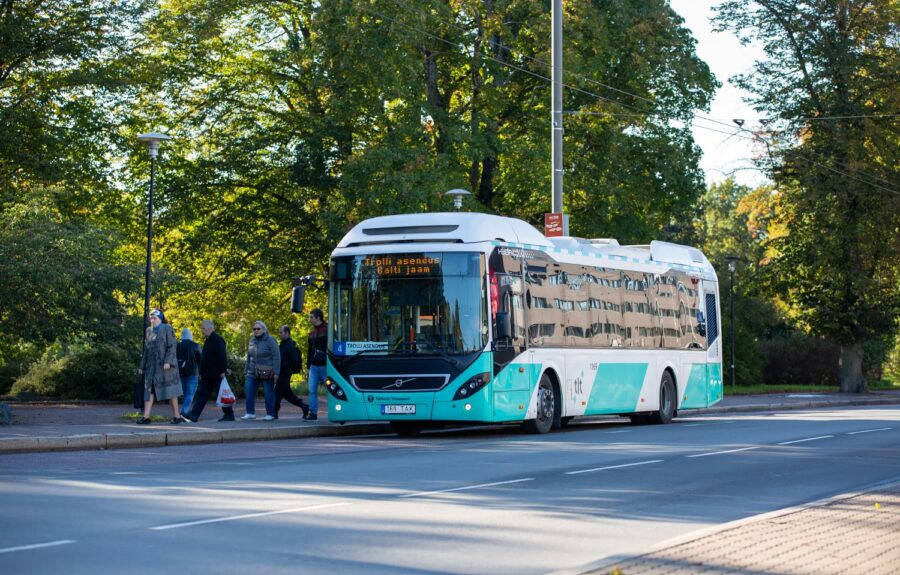
Once you’ve landed, public transit is simple. Riga runs buses, trams, and trolleybuses all over, though the Old Town is best explored on foot. Tallinn’s network is easy too, and locals actually ride for free. Visitors pay just a little, and you can zip over to neighborhoods like Kalamaja or Pirita in no time.
Traveling Between the Cities
Tallinn and Riga sit about four hours apart by road. Buses run often, they’re comfy, and most have Wi-Fi. I’ve done the ride myself, and honestly, it’s one of the easiest trips in the Baltics.
Trains exist, but they’re slower, so most people skip them. If you’re in a hurry, rent a car and drive. The route is flat and straightforward, but winter can get a bit dicey. No direct ferries connect Riga and Tallinn, but from Tallinn, you can hop over to Helsinki in just two hours.
Popular Excursions: Jurmala Beach, Lahemaa National Park, Pirita, Kalamaja

Day trips are where these cities really come alive. From Riga, Jurmala Beach is the classic escape—just a 30-minute train ride for long sands and charming wooden villas. I’ve gone in July for a swim and in January for snowy walks, and both felt totally worth it.
Tallinn’s got its own escapes. Lahemaa National Park is about an hour away—forests, bog trails, manor houses, and so much fresh air. If you want something closer, Pirita is a quick bus ride from Old Town, with its beach, marina, and echoes of Soviet Olympic history.
Inside the city, Kalamaja is the place for a half-day wander. Old wooden houses, street art, indie cafés—it’s a different world from the medieval core. Foodies and design fans will love it. You can book guided tours through Viator, but honestly, just exploring on your own is half the fun.
Frequently Asked Questions
Tallinn and Riga both have beautiful old towns, but they don’t feel the same when you’re actually there. The differences show up in the architecture, the food, the shopping, and all those little corners most tourists miss.
What unique architectural styles can be observed when comparing the old towns of Tallinn and Riga?
Tallinn surrounds you with medieval walls, spires, and stone towers, like something out of a fairytale. The city feels compact and fortress-like, with Gothic churches and merchant houses that barely seem to have changed in centuries.
Riga stands out for its Art Nouveau buildings. Wander outside the Old Town core and you’ll spot ornate facades, curved lines, and wild sculptures. The Old Town itself mixes Gothic, Baroque, and Renaissance, making it more of a patchwork than Tallinn’s medieval consistency.
How do the historical narratives of Tallinn’s and Riga’s old towns differ?
Tallinn’s Old Town tells the story of a Hanseatic trading hub. Every narrow lane or guild hall feels connected to its merchant past, and you get this sense that the city’s identity was shaped by trade with Scandinavia and Germany.
Riga’s history feels a bit heavier. The city has layers—German knights, Swedish kings, Soviet rulers. Places like the House of the Blackheads or St. Peter’s Church show how often Riga was rebuilt and reshaped by outsiders.
Can you highlight the differences in the culinary experiences between Tallinn’s and Riga’s old towns?
Tallinn loves its hearty, rustic food—smoked fish, potatoes, and rye bread everywhere. Cafés lean into the medieval vibe, serving mead and stews in clay bowls.
Riga’s Old Town offers more variety. You’ll see traditional Latvian dishes like potato pancakes and dumplings, but also plenty of modern restaurants and bars. It’s the kind of place where you can grab local comfort food for lunch and then go all-in on fine dining at night.
In Tallinn, check out St. Catherine’s Passage. It’s a quiet lane lined with artisan workshops that most folks never find. I also like slipping into the tiny courtyards off Vene Street—sometimes you feel like you’ve wandered into someone’s secret garden.
In Riga, don’t miss the Three Brothers, the oldest residential buildings in the city. They’re tucked away but worth the hunt. And I have to mention Riga’s Central Market in those Zeppelin hangars—technically outside the Old Town walls, but so close and absolutely worth it.
How do the artisanal shopping experiences in the old towns of Tallinn and Riga compare?
Tallinn’s Old Town is packed with tiny craft shops selling handmade ceramics, wool, and amber jewelry. Some are touristy, but if you dig into the quieter streets, you’ll find real workshops where artisans work right in front of you.
Riga has more variety—antique shops, quirky boutiques, food markets. The Central Market stands out for local treats and souvenirs that don’t feel mass-produced. If you love hunting for one-of-a-kind finds, Riga probably has the edge.
What are the best strategies for exploring the old towns of Tallinn and Riga to fully appreciate their cultural heritage?
If you’re heading to Tallinn, get out there early—before the cruise ship crowds flood in and the cobblestones start buzzing. I always wander up to Toompea first for those sweeping views.
After that, let yourself drift down into the lower town. That’s where the medieval magic really sneaks up on you. Honestly, don’t rush it.
Skip the urge to just hang around the main square. There’s so much more tucked away down those winding lanes—you never know what you’ll stumble upon.
Now, Riga’s a different vibe. The Old Town sprawls out more, so you’ll want to mix up your strolls with some well-earned breaks in cozy cafes.
I’d say join a walking tour, especially one that winds through those stunning Art Nouveau streets just outside the Old Town walls.
It’s the best way to catch Riga’s personality—there’s always something unexpected waiting around the next corner.