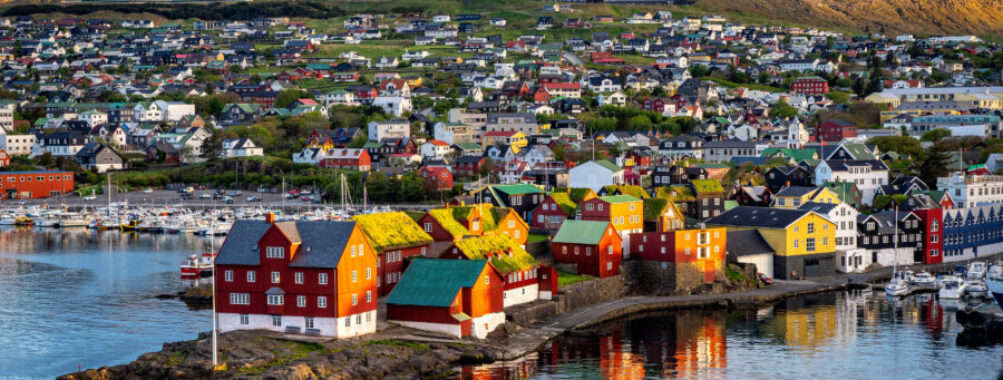
Where to Stay in the Faroe Islands: Best Areas & Hotels for All Budgets
Updated December 15, 2025
Figuring out where to stay in the Faroe Islands isn’t always straightforward. The islands are compact but scattered, and each area brings its own flavor.
You’ll want a spot that lets you roam but also offers some peace when the weather turns moody. Your best base depends on your travel style—Tórshavn for easy access, small villages for scenery, or somewhere off the grid for full-on quiet.
Here’s a sharp breakdown of the top areas, who they suit, and a few reliable hotel picks for every budget. No need to scroll through endless lists—I’ve compared the options so you can plan fast and actually get out there.
Key Takeaways
- Match Faroe Islands areas to your travel style
- See what kinds of stays and comforts each spot offers
- Get quick tips for picking a place without overcomplicating things
Table of Contents
- How to Choose Where to Stay in the Faroe Islands
- Key Factors: Location, Budget, and Experience
- Time of Year and Special Events
- How to Book Accommodation in Advance
- Best Places to Stay in the Faroe Islands
- Staying in Tórshavn: Capital Highlights
- Exploring Eysturoy and Gjógv
- Northern Isles: Klaksvík, Leirvik, and Beyond
- Remote & Scenic Villages
- Types of Accommodation Available
- Hotels and Guesthouses
- Hostels and Budget Options
- Airbnb and Private Rentals
- Unique Stays and Amenities
- Waterfront Boathouses and Cottages
- Properties with Hot Tubs and Views
- Traditional Turf Houses
- Camping in the Faroe Islands
- Best Campsites and Facilities
- Wild Camping and Regulations
- Tips for an Unforgettable Stay
- Booking Activities and Tours
- Where to Find Puffins and Wildlife
- Insider Advice for First-Time Visitors
- Frequently Asked Questions
- What are the top-rated accommodations in the Faroe Islands for luxury travelers?
- Can you recommend some hidden gem lodgings in the Faroe Islands for an authentic experience?
- Which towns in the Faroe Islands offer the most convenient access to major tourist attractions?
- For travelers visiting in September, what lodging options in the Faroe Islands provide the best experience?
- What unique stays are available on Airbnb in the Faroe Islands that offer an immersive local ambiance?
- How do the accommodation options vary between the islands within the Faroe Islands?
- Book Your Dream Experience
- More Travel Guides
How to Choose Where to Stay in the Faroe Islands
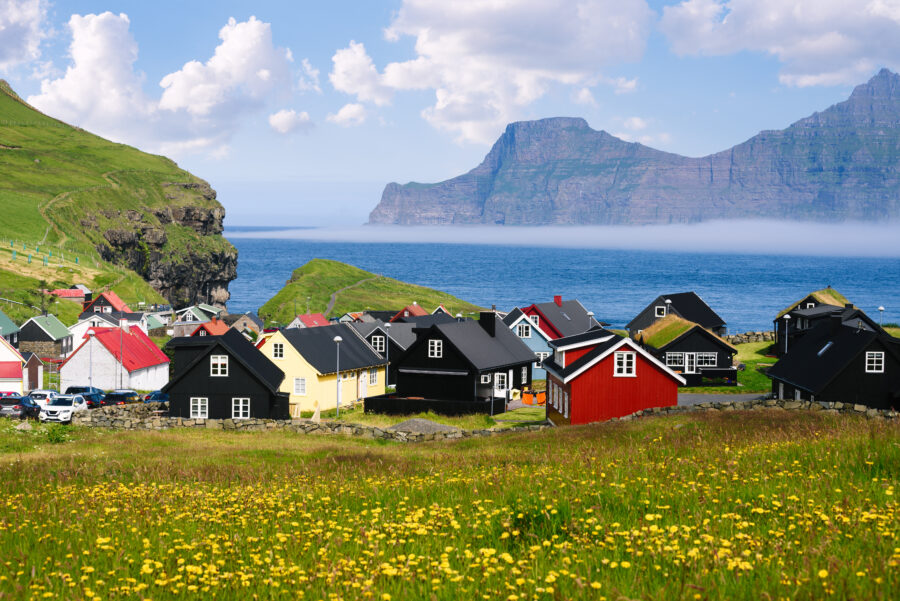
Choosing accommodation here is about balancing convenience, price, and the kind of experience you want. The islands may be small, but each spot—from a city hotel to a seaside cottage—changes how you’ll see the place and how easily you’ll get around.
Key Factors: Location, Budget, and Experience
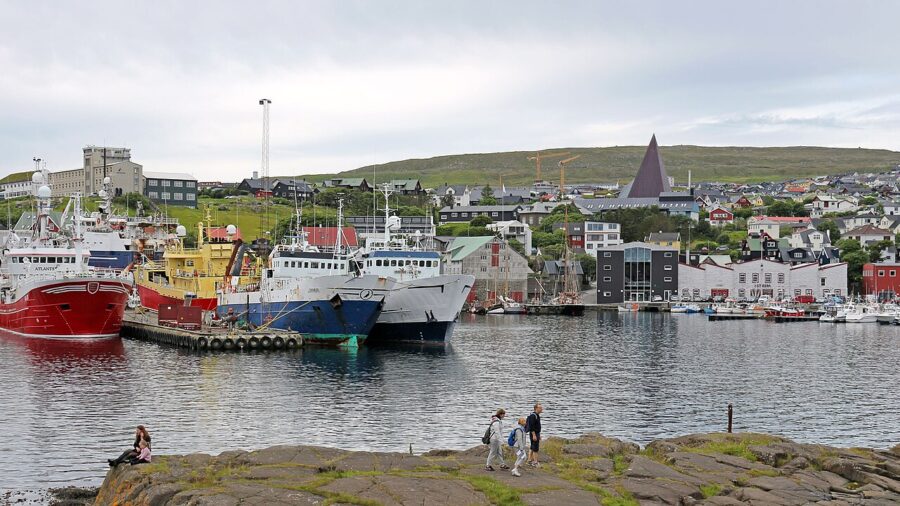
First, think location. Tórshavn—the capital—puts you near restaurants, shops, and tour pickups. It’s handy for day trips if you’d rather not change hotels. Outlying villages like Gjógv or Runavík give you more quiet and scenery, but you’ll drive more.
Costs swing quite a bit. A city hotel might include breakfast and Wi-Fi, while rural guesthouses or self-catering places are usually simpler and cheaper. Prices spike in summer, so set your budget early.
Experience counts, too. Some travelers go for traditional turf-roof cottages for the culture, others pick mountain huts or seaside lodges for the views. I’ve stayed in a hillside cabin near Eysturoy—just sheep and sea outside—and waking up there felt different every day.
| Type of Stay | Best For | Extra Tips |
|---|---|---|
| Hotel (Tórshavn) | Convenience, tours | Book early in summer |
| Guesthouse | Local charm | Bring cash for small shops |
| Cottage/Apartment | Privacy | Good for self-driving trips |
Time of Year and Special Events
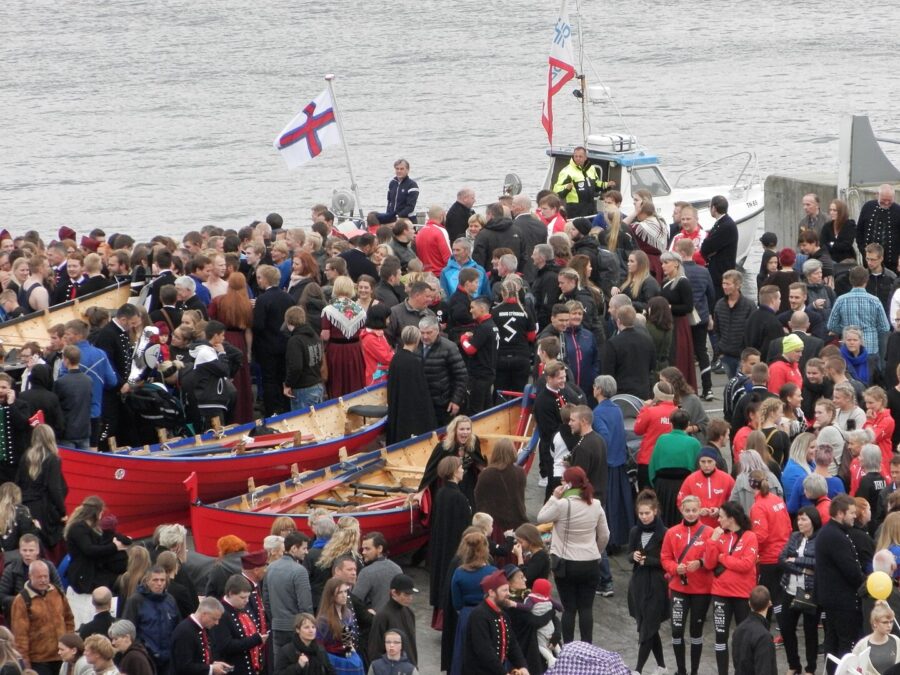
Summer (June–August) is busiest, and rooms fill up fast. Long daylight hours, frequent ferries, and festivals like Ólavsøka in late July mean Tórshavn sells out quickly.
Autumn and spring are quieter, though the weather can get weird. Lower prices, fewer people. Winter brings short days, but if you’re after solitude or hoping for northern lights, it’s a good bet.
If you’re eyeing an event, check local calendars before booking. Even tiny villages throw concerts and cultural days that might change your plans. Always check travel routes; rough seas or wind can delay ferries.
How to Book Accommodation in Advance
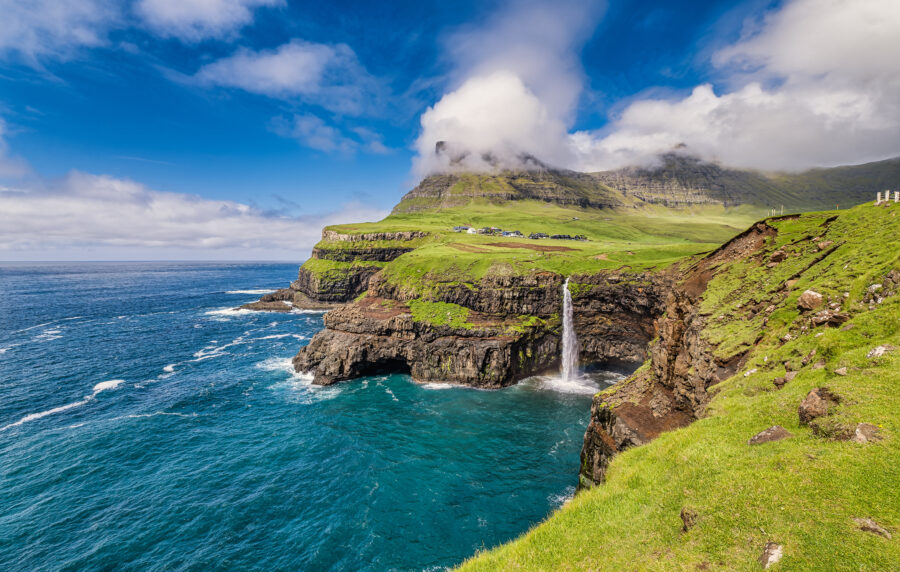
There aren’t many hotels or guesthouses, so booking early—sometimes months ahead—really helps. Use sites that compare hotels and rentals across providers to spot deals or flexible policies. Search Flights, Hotels & Rental Cars is handy for syncing flights and stays.
Most people use booking platforms, especially for smaller towns where inns rarely have their own websites. Before you pay, double-check if breakfast or airport transfer comes with the room; not all do.
It’s wise to message your host a week before arrival—weather can shift ferry times or cause last-minute changes. People here usually reply quickly if you reach out early.
Best Places to Stay in the Faroe Islands
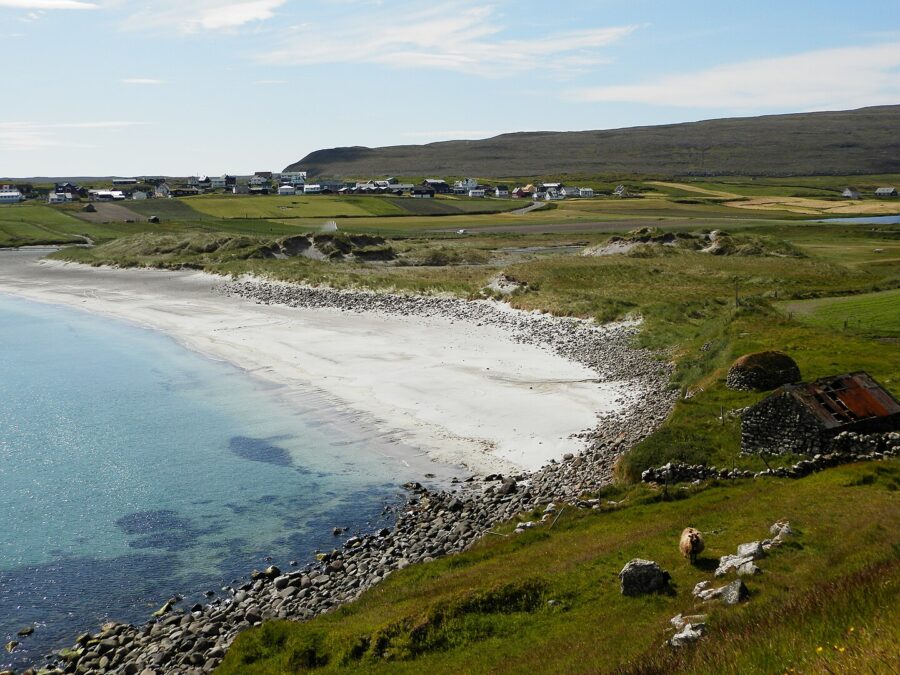
There’s no universal answer for the best base in the Faroe Islands. It depends on what matters to you—access to cafés and ferries, quiet valleys, or wild sea cliffs. Roads wind, tunnels twist, and every area feels a bit like its own island.
Staying in Tórshavn: Capital Highlights
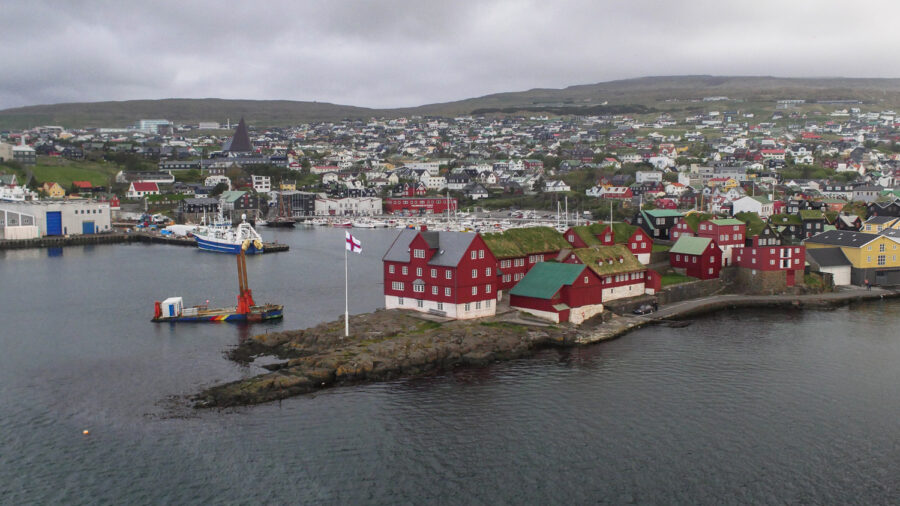
Most travelers start in Tórshavn on Streymoy Island. It’s home to about 20,000 people and has the islands’ widest range of hotels, restaurants, and shops. Stay in town and you can walk to the harbor, the Nordic House, and the old Tinganes district—no car needed at first.
For something comfortable but stylish, Hotel Føroyar sits on a hill above town with big views and sheep right outside. If you’d rather something small and homey, Tórshavn’s guesthouses serve up cozy rooms and homemade breakfasts.
Tórshavn is also practical for booking ferries and tours through sites like Expedia. Even if you’ll head out to other islands, starting here makes it easy to get your bearings.
Exploring Eysturoy and Gjógv
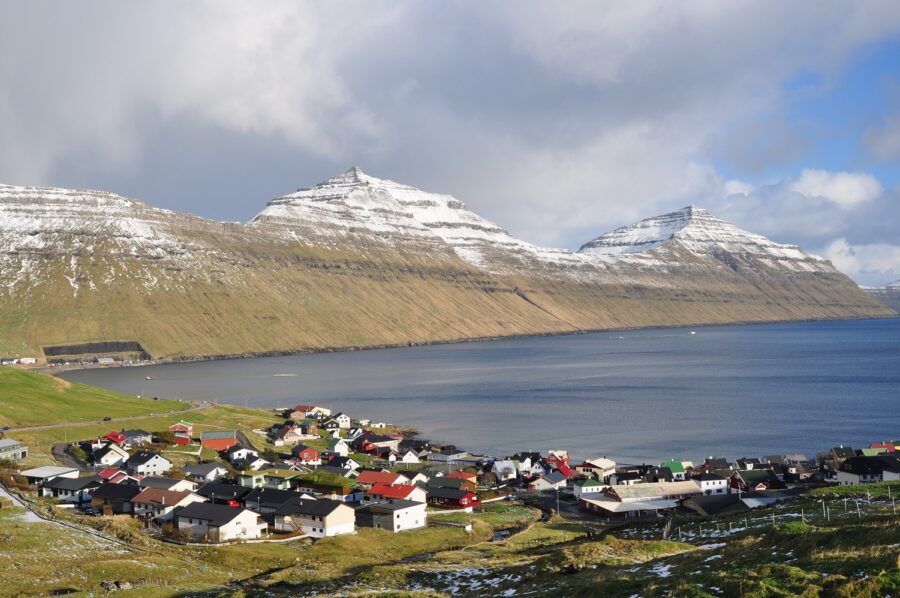
Eysturoy lies just north of the capital and feels more rural, but you can still get there easily. The village of Gjógv sits in a dramatic gorge—honestly, it’s one of the prettiest spots. Gjáargarður Guesthouse is the go-to here: simple rooms, a little restaurant, and views that make you forget about Wi-Fi.
Hike from Gjógv up Slættaratindur, the highest mountain in the islands. If you get a clear day (not guaranteed), the summit shows off the whole archipelago. Roads twist along cliffs and lakes, so drive slow—you’ll want to stop for photos, anyway.
Eysturoy’s north connects by tunnel to Klaksvík, so you can do easy day trips. Travelers who like quiet evenings and early mornings tend to love Gjógv; if you want a pub or a shop nearby, check out Eiði or Fuglafjørður.
Northern Isles: Klaksvík, Leirvik, and Beyond

The Northern Isles suit those who like small port towns with a bit of grit. Klaksvík is the Faroes’ second biggest town—think working harbor, bakeries, a couple of good cafés, and a laid-back vibe. It’s also the jumping-off point for ferries to Kalsoy Island with its sea stacks and winding roads.
Leirvik is quieter but has friendly guesthouses and solid hiking access. Underwater tunnels link you to Eysturoy and Borðoy, so getting around is easier than you’d expect.
If you stay up north, keep an eye out for local festivals or music nights at community halls. They’re small, but you’ll get a real taste of Faroese life—no crowds, just locals, hot soup, and folk music.
Remote & Scenic Villages
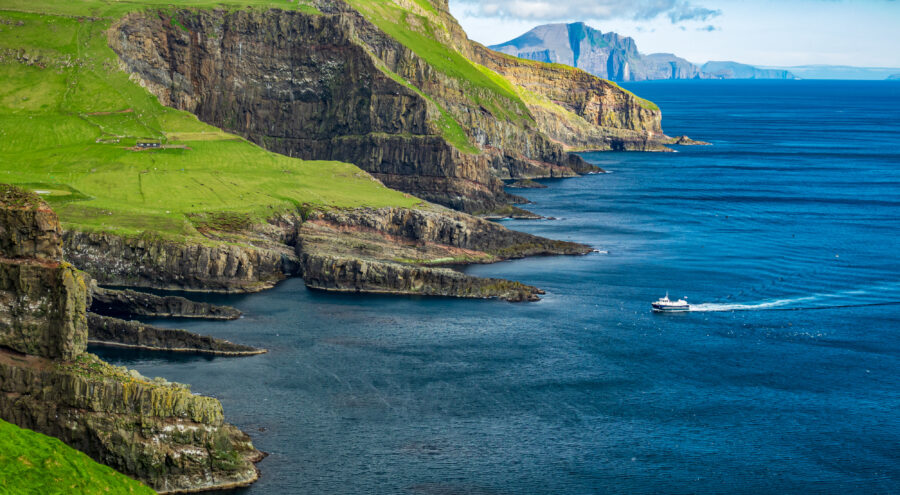
Off the main routes, you’ll hit villages that feel frozen in time. Kirkjubøur on Streymoy, Sandoy, and Mykines all offer a slower pace and wild scenery. Kirkjubøur, once the medieval heart of Faroese culture, still has centuries-old wooden houses people actually live in.
In these spots, accommodation usually means family-run guesthouses or turf-roof cottages. You give up convenience for immersion—no nightlife or fancy menus, but you’ll eat homemade fish soup straight from someone’s kitchen.
It’s honestly worth spending at least one night in a remote village just to feel the quiet and the wind. Bring layers, waterproofs, and patience for ferry schedules. That isolation? It’s part of the magic.
See Related: Hidden Boutique Hotels in Europe That Redefine Luxury
Types of Accommodation Available
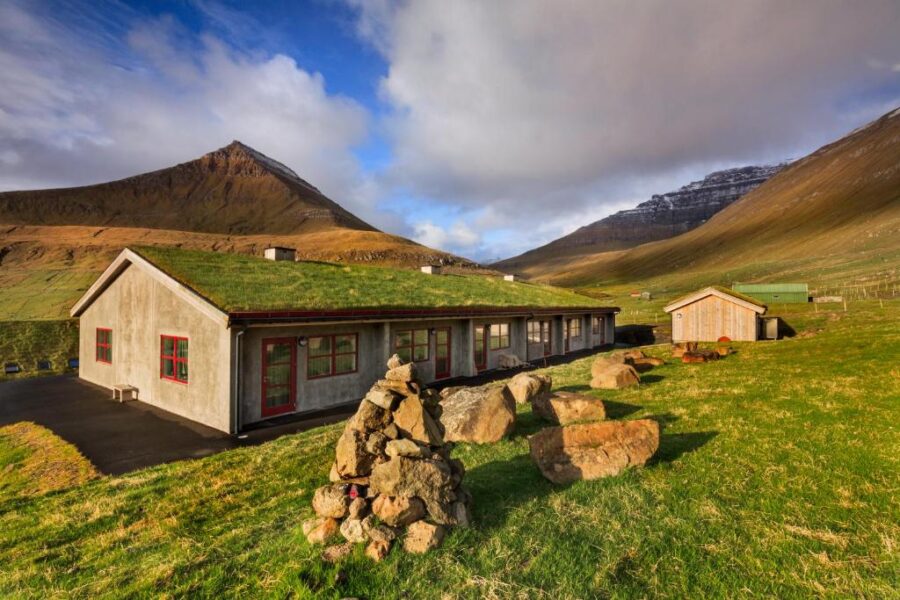
You’ll find modern hotels, family-run guesthouses, and remote cottages that look straight out of a fairy tale. Prices range, so your choice is more about comfort level than strict budget. The real charm here is in small-scale stays where you actually meet locals and feel woven into island life.
Hotels and Guesthouses
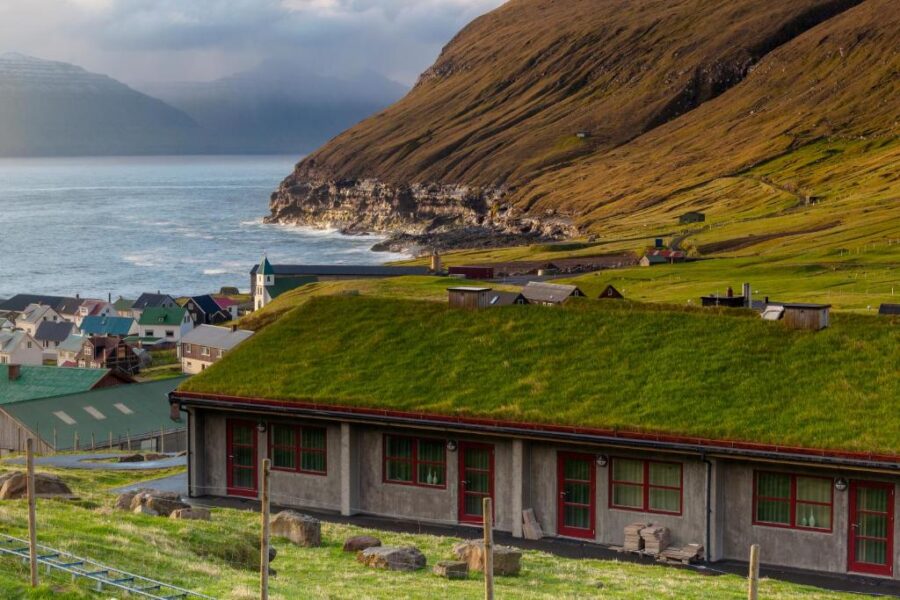
Most hotels in the Faroe Islands are small, friendly, and clean. In Tórshavn, places like Hotel Føroyar and Hotel Havgrím give you modern Scandinavian style with harbor or hillside views. The vibe is relaxed—soft lighting, wool blankets, a quiet bar where everyone seems to know each other.
Outside Tórshavn, it’s mostly guesthouses. Many are converted homes with just a few rooms, run by locals happy to share stories and strong coffee.
Staying in one of these places gives you a deeper look at Faroese daily life. You can easily book flights to match your stay with nearby Nordic destinations using find cheap flight tickets.
If you have a car, staying outside Tórshavn is worth it. Smaller islands like Vágar or Eysturoy have cozy inns surrounded by mountains and fjords—and you dodge the higher city prices. Rooms usually come with breakfast, and some guesthouses bake fresh bread every morning.
Hostels and Budget Options
Travel isn’t cheap here, but hostels make it doable. Tórshavn’s hostel scene is basic—no parties, just clean bunks, shared kitchens, and travelers swapping stories over instant noodles. Handy if you’re catching an early ferry or bus.
Some small towns have community-run options that double as cultural centers or hiking bases. These give you a low-cost bed and a link to local life. Camping’s an option too, but the weather’s fickle—bring all the waterproofs.
A few hostels have laundry and gear storage, which helps when your boots are soaked from a foggy hike. Mix hostels and rural cabins if you’re moving between islands to keep costs balanced. Compare low-cost routes on Skyscanner before you finalize plans.
Airbnb and Private Rentals
Short-term rentals have popped up all over, letting you stay close to nature without giving up comfort. On sites like Booklocal.fo and Vert.fo, you’ll find turf-roof cottages, seaside flats, and family homes—each with its own quirks. Some offer fishing gear or kayaks; others stock homemade jam from the owners’ gardens.
I once booked an Airbnb above a fjord in Gjógv—wind howled all night, sheep grazed below. Not fancy, but it felt honest and peaceful. That’s typical here: clean, cozy places with killer views.
If you’re traveling with friends, renting a house saves money and gives you a kitchen. Cooking local salmon or Faroese lamb yourself can be as memorable as any restaurant. Many hosts greet you in person and share tips on hidden viewpoints or the best bakery nearby.
Unique Stays and Amenities
Staying in the Faroe Islands often feels like joining a quiet conversation between land and sea. Expect places designed for slow mornings by the water, steamy hot tubs, and cozy nights in homes that carry centuries of stories.
Waterfront Boathouses and Cottages
Waking up to waves and seabirds right outside your window? That’s the magic of the Faroe Islands’ boathouses and coastal cottages.
Most sit so close to the water you can almost taste the salt in the air. Around Sørvágur, you’ll spot plenty of simple sea-view cottages overlooking the harbor.
Expect the essentials: kitchenettes, cozy living spaces, and decks that practically hang over the water. Rainy days here don’t feel like a letdown—they’re an excuse to hunker down with a book or just watch the weather roll in. Boat tours to Drangarnir and Mykines leave right from the harbor, so you’re never far from adventure.
I once stayed in a wooden cottage on Vágar. Looked basic, honestly, but when the wind picked up, I realized why Faroese houses are built the way they are—solid, no nonsense, shutters rattling but never letting in a draft.
| Feature | Common in Coastal Cottages |
|---|---|
| Sea view | Yes, often direct |
| Kitchen | Usually basic but full |
| Access to tours | Walking distance in many |
Flying in on a budget? Last-minute flight deals can make a longer stay surprisingly doable.
Properties with Hot Tubs and Views
After a long hike in unpredictable weather, slipping into a hot tub with a view of cliffs and mist feels downright luxurious. Some hotels and rentals set their tubs on decks that catch the sunset over the fjords—an unbeatable combo of warmth and scenery.
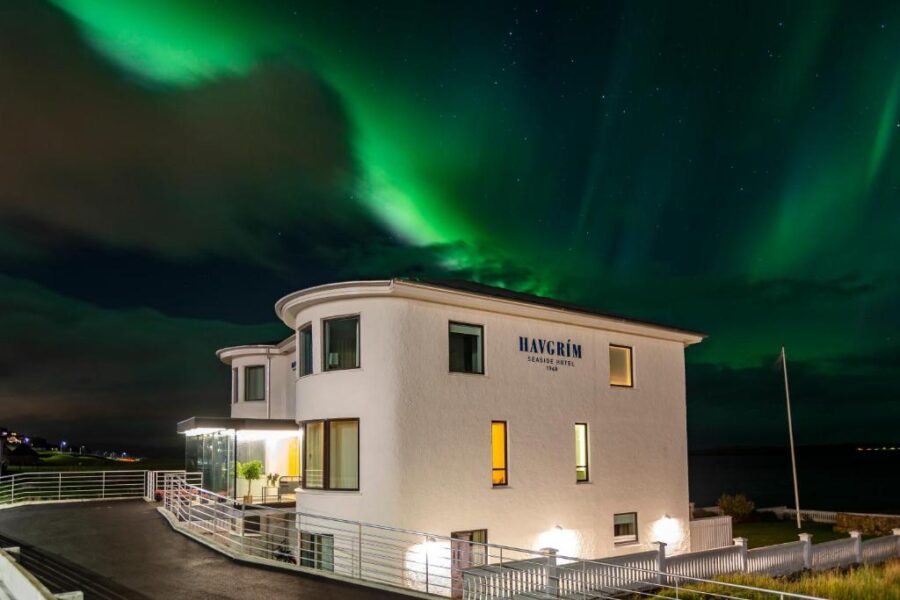
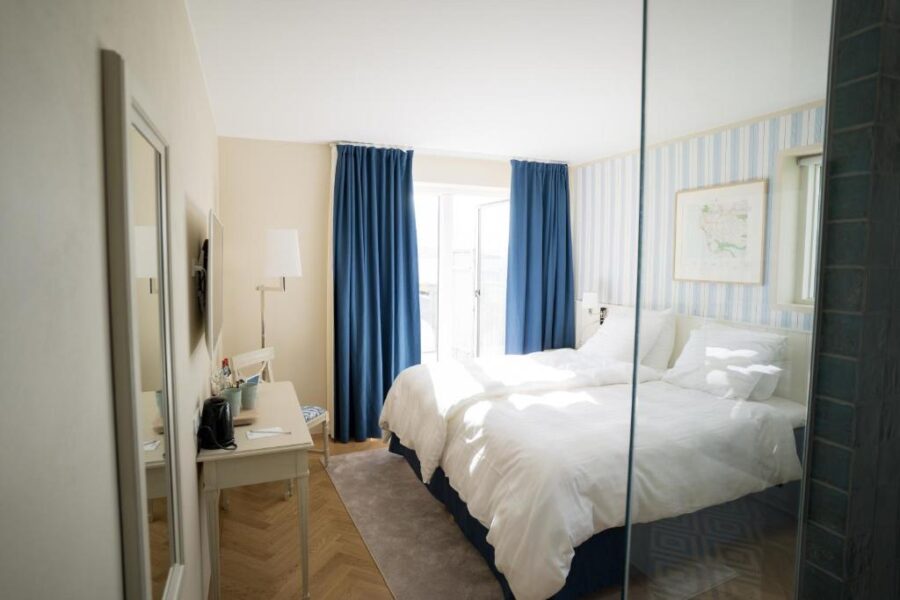
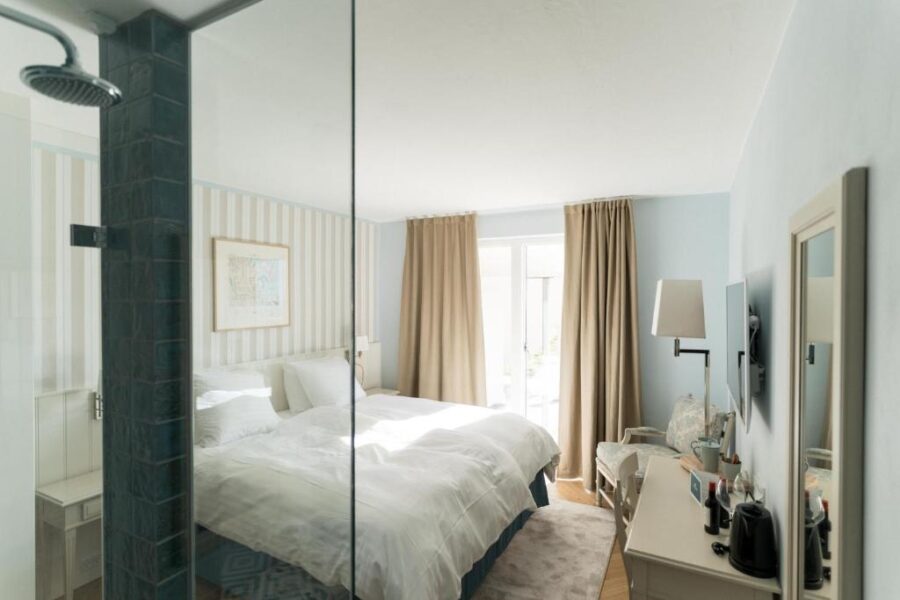
The Havgrim Seaside Hotel 1948 in Tórshavn stands out here. Many rooms open right onto the sea, and a few have tubs overlooking the bay. You can finish dinner and head straight for a soak while fishing boats hum in the distance.
Travelers sometimes get so caught up in sightseeing they forget to just pause. Sitting in hot water, watching fog drift over Streymoy, you start to get the Faroese rhythm—slower, more observant.
Traditional Turf Houses
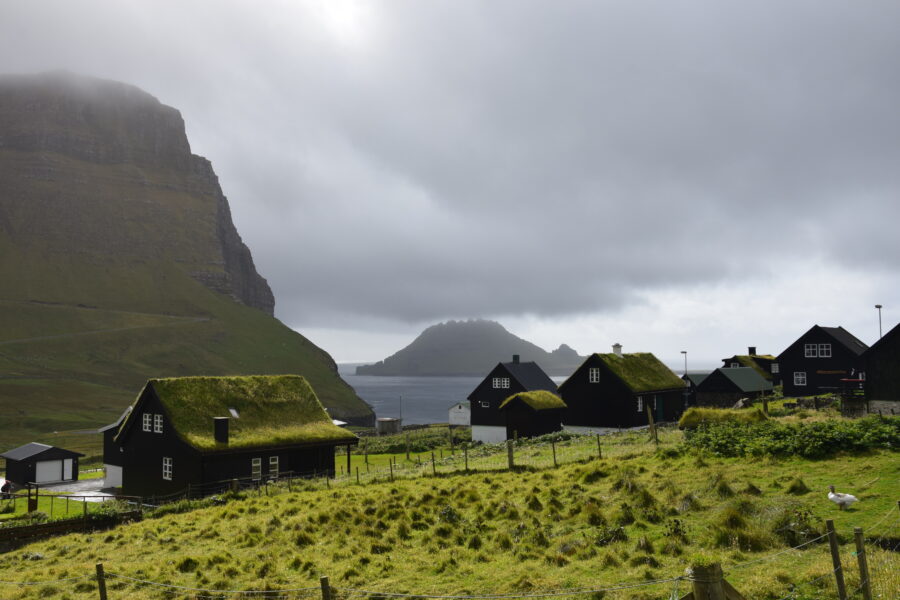
Turf-roof houses are a living piece of Faroese history. Locals built them to survive wild winds and keep warmth in, but these days, they’re some of the most atmospheric places to stay around. You’ll spot them in Gásadalur and near Tórshavn—modern comforts tucked under thick green roofs.
I spent a couple nights in a turf cottage on Vágar, and the quiet was almost startling. The roof muffled every sound. Inside, a wood stove handled both heat and ambiance. The owner mentioned trimming the turf like grass; it’s both roof and garden—how’s that for multitasking?
What to expect:
- Two to four bedrooms
- Small, modern kitchens
- Stone foundations, timber interiors
They’re snug, floors can be a bit uneven, and there’s nothing quite like them—proof that comfort doesn’t always mean brand new.
See Related: Lofoten Islands vs Faroe Islands: Ultimate Travel Comparison & Insider Tips
Camping in the Faroe Islands
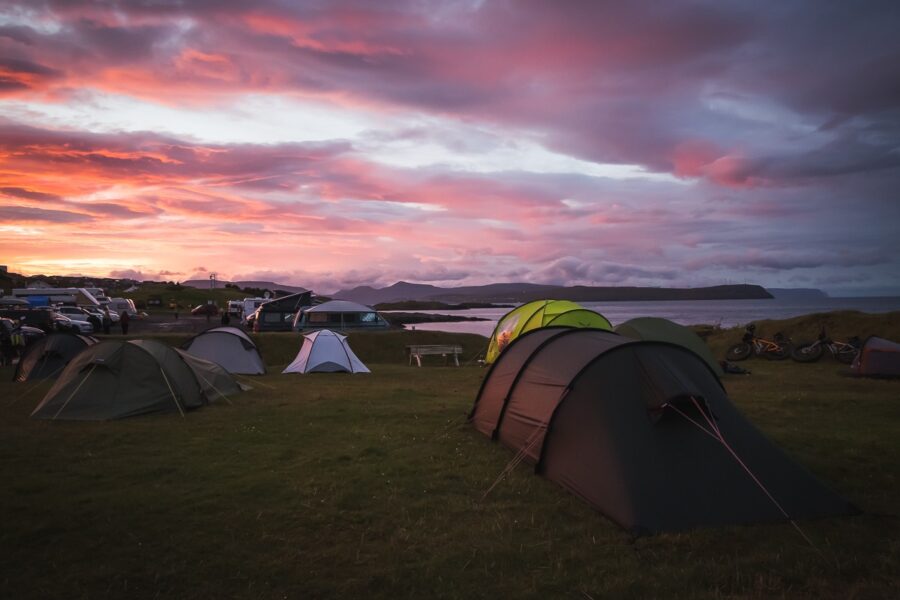
Camping here puts you right in the middle of landscapes that change with every cloud. Green cliffs, open sea, fog so thick you could almost lean on it. It’s all about keeping things simple and being ready for anything: good gear, respect for local rules, and a healthy sense of flexibility.
Best Campsites and Facilities
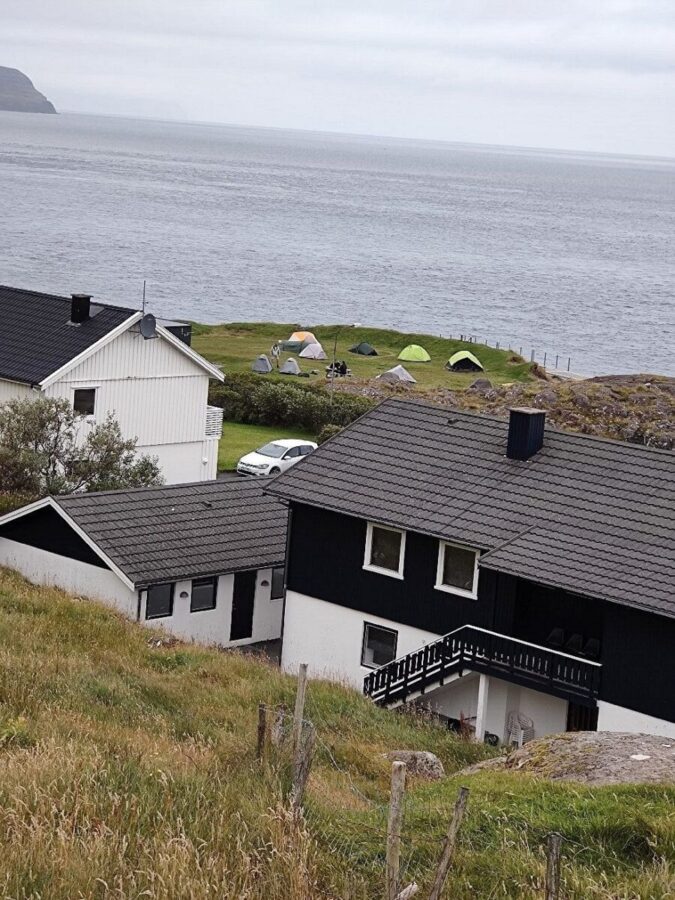
About twenty official campsites dot the islands, from Tórshavn Camping near the capital to small outposts on Mykines, Kalsoy, and Fugloy. Each has its own vibe. Some offer showers, kitchens, and electricity for campervans; others are just grassy fields with basic washrooms.
If you want convenience, stick close to bigger towns for easy access to shops and fuel. The camping.fo site lists each location’s facilities, prices, and contacts. Pitching a tent in Tórshavn, even in drizzle, gives you a killer view of the old harbor.
Weather turns on a dime, so bring waterproof, windproof gear and tough ground stakes. A few sites are tents-only, others for RVs. You can often borrow cooking gas at fuel stations—one less thing to lug around, and honestly, it’s a lifesaver when you’re soaked and craving coffee.
Wild Camping and Regulations
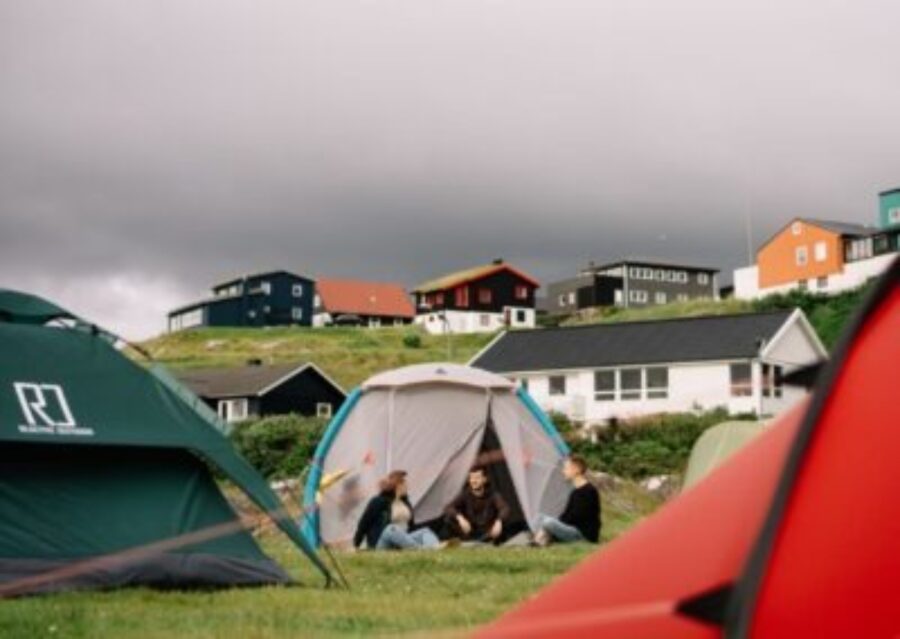
Wild camping? Not allowed. You have to stay in designated campsites. Locals take land and wildlife protection seriously—setting up a tent outside these sites can get you fined.
I get the urge to find a hidden spot, but sticking to official areas keeps sheep and pastures safe. Some villages, like Tjørnuvík and Múli, don’t even allow campervans because the roads are just too tight. Go where you’re welcome, and you’ll avoid headaches.
Always pack out your trash and watch for posted signs. It’s just good manners. Check the weather at www.lvf.fo before heading out—storms can sneak up fast.
Tips for an Unforgettable Stay

A little planning pays off here. Book tours early, know the top wildlife spots, and get familiar with a few local customs—it all smooths out your trip.
Booking Activities and Tours
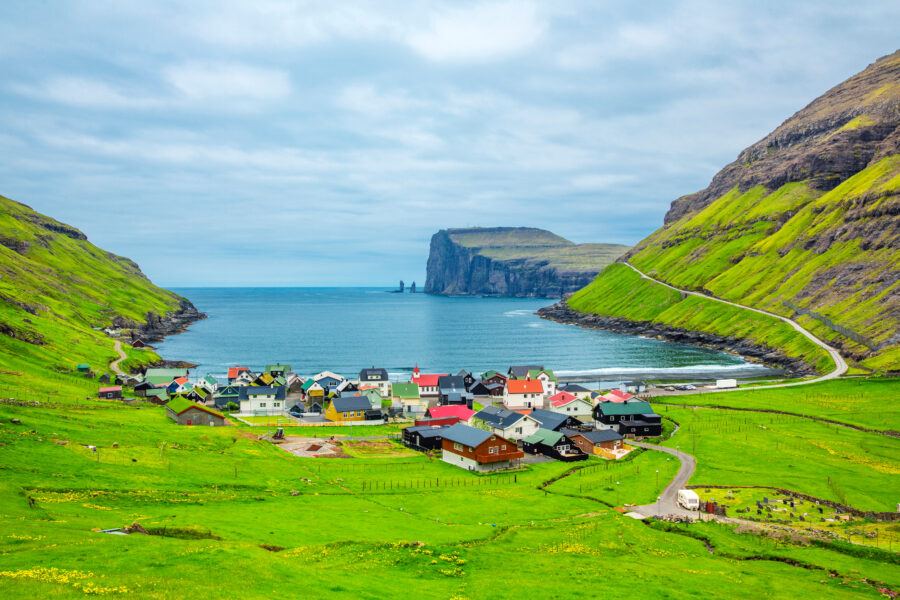
Book your tours ahead, especially from June to August when small groups fill up quickly. Sea kayaking, hiking to Múlafossur, or ferrying to Mykines all have limited spots. Reserving via trusted platforms like GetYourGuide or Viator saves you scrambling later.
If you’d rather keep things flexible, just book essentials—airport shuttle, a must-do boat trip, maybe one guided hike—and leave the rest open. Ferry schedules can change with the weather, so double-check before heading out. I once missed the last ferry from Nolsoy; waiting in a tiny café wasn’t the worst, but it taught me to respect the Faroese clock.
Pack for every season—sometimes in the same day. Waterproof jacket, tough shoes, and a thermos of hot tea go a long way.
Where to Find Puffins and Wildlife
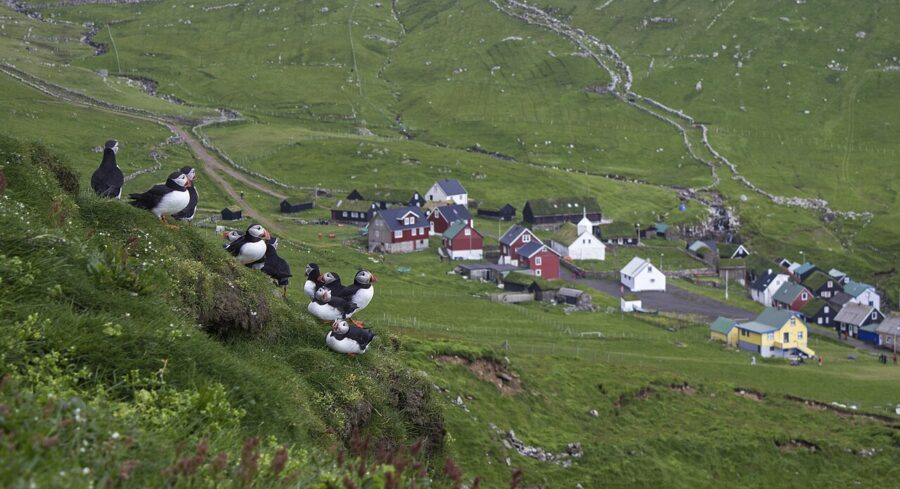
Puffins steal the show here, especially on Mykines from May to late August. Thousands gather on cliffs that drop into the Atlantic. Local guides can show you the best (and safest) spots—many trails cut through delicate nesting grounds.
On Vagar, seabirds hover over Gásadalur’s cliffs. Boat tours around Vestmanna get you close to sea stacks packed with kittiwakes and fulmars. It’s chilly, but worth it.
Keep your distance—binoculars beat selfies—and stick to marked paths. Sheep are everywhere, and fences usually mean private land. Locals appreciate politeness, so always ask before crossing.
Insider Advice for First-Time Visitors

Weather rules everything. Ferry times, photo plans, even dinner hours shift when storms roll in. Locals plan loosely; you should too. Build in buffer days for big hikes or tours.
Carry some cash—not every café takes cards. Public buses are reliable but infrequent, so renting a car gives you real freedom. Parking’s free almost everywhere, but narrow roads need patience.
Faroese folks are friendly but reserved. A smile and quick hello go far, but don’t expect long conversations unless they start them. And stock up on groceries if you’re outside Tórshavn—village shops close early and the next one might be far.
See Related: Best Places to Visit in Europe This Year
Frequently Asked Questions

The Faroe Islands offer everything from sleek hotels to down-to-earth guesthouses and remote cottages. Each island has its own pace—some convenient, some peaceful, some so quiet you’ll wonder if you’re the only one around.
What are the top-rated accommodations in the Faroe Islands for luxury travelers?
For comfort, Hilton Garden Inn Faroe Islands in Tórshavn is tough to beat. Big rooms, ocean views, and excellent dining. Hotel Hafnia and Hotel Føroyar also blend traditional design with modern perks.
Upscale hotels in Tórshavn usually include free breakfast and easy access to ferries and buses. Check that your room has good Wi-Fi—bad weather can keep you indoors longer than you’d expect. It’s also wise to look into travel insurance before booking, since delays happen.
Small guesthouses dot the northern and southern islands. I once stayed at a farmhouse near Klaksvík where the owner cured lamb in her backyard and lent me a raincoat when a storm hit. Those moments matter.
Look for cottages in Gjógv or Bøur. Many hosts serve breakfast with local eggs and jam, and some rent out turf-roof cabins. Staying in these places gives you a genuine glimpse of daily life.
Which towns in the Faroe Islands offer the most convenient access to major tourist attractions?
Tórshavn is the best base. It connects by bus or ferry to most islands, and most tours start here. Vágar is next for its airport and sights like Múlafossur and Lake Sørvágsvatn.
Klaksvík is great for exploring the north. The ferry to Kalsoy leaves right from town—perfect for the Kallur Lighthouse hike. Each town has at least one grocery store and a few cafés, so you won’t be stuck.
For travelers visiting in September, what lodging options in the Faroe Islands provide the best experience?
September brings unpredictable weather—some days crisp, others stormy. Tórshavn works well then, as most restaurants and museums are still open, and the weather’s a bit milder than on the outer islands.
If hiking’s your goal, Vágar and Eysturoy keep trails open into early fall. Plan for shorter daylight. Use luggage storage at airports or ferry terminals to keep things easy between islands.
What unique stays are available on Airbnb in the Faroe Islands that offer an immersive local ambiance?
Airbnb options range from turf-roof cabins to colorful harbor apartments. I once rented a fisherman’s house in Norðragøta with a wood stove and fjord views—it felt like a postcard. Many hosts offer homemade meals or guided hikes.
These stays are often outside main towns, so a rental car helps. You’ll wake up to sheep right outside, and the quiet is something else. Bring groceries—shops close early, even in summer.
How do the accommodation options vary between the islands within the Faroe Islands?
Every island’s got its quirks. Vágar leans modern, with hotels and apartments close to hiking routes and the airport. Over on Suðuroy, you’ll find small family-run inns—sometimes the owner’s neighbor pops in for a chat, and it feels more like staying with friends than at a business.
Eysturoy’s picking up speed, especially since the new road tunnel makes it easy to reach the capital. There are more mid-range hotels now, and a few guesthouses with great fjord views.
Kalsoy and Sandoy, though? Options are sparse. Expect a handful of guesthouses or private rentals—definitely not a place for room service or round-the-clock staff. You’ll need to plan ahead. Double-check ferry or helicopter schedules; missing one can leave you stranded for a day or longer.