
Last modified August 17, 2026
Picking between an Airbnb and a hotel? Honestly, it’s never as simple as it sounds. Both have their moments, both have their headaches. If you’re after comfort, safety, and a little pampering for a short stay, hotels usually take the cake. But for longer trips or that “I live here now” feeling, Airbnb often comes out ahead. The trick is figuring out what matters to you—your trip style, your budget, and what makes you feel at home.
I’ve crashed in just about everything—from windowless shoebox hotels to Airbnbs where the host left me a loaf of fresh bread every morning. Sometimes you crave the crisp sheets and room service of a hotel; sometimes you want to pad around in your socks and make pancakes at noon. Price is only part of the story. It’s really about the vibe you want for your adventure.
Key Takeaways
- Hotels usually bring more safety, service, and amenities
- Airbnb shines for longer stays or quirky, one-of-a-kind experiences
- The “best” choice depends on your trip length, budget, and travel style
Key Differences Between Airbnb and Hotels

Sure, both give you a bed for the night, but the similarities pretty much end there. The whole experience—how you settle in, how you’re looked after—can be night and day.
Accommodation Types and Options
Hotels tend to follow a formula: single rooms, doubles, suites—maybe a penthouse if you’re feeling fancy. There’s comfort in that predictability, and sometimes you just want to know exactly what you’re walking into.
Airbnb? Total wild card. One day you’re in a downtown loft, the next you’re in a treehouse or a yurt. That barn in rural France where a rooster became my alarm clock? Still makes me laugh.
Hotel rooms usually come with the basics: bed, bathroom, TV, maybe a desk. Airbnbs can surprise you with kitchens, laundry, patios—stuff that makes longer stays or family trips way easier.
Traveling with a group? Airbnb can save you a bundle compared to booking several hotel rooms. But if you’re solo or just need a place for one night, hotels often work out cheaper once you add up all the Airbnb fees.
Atmosphere and Guest Experience
Hotels feel polished, sometimes even a bit buttoned-up. Everything’s neutral, professional, and you’re a “guest” in every sense. The vibe barely changes from city to city with big brands.
Airbnb stays? They feel way more personal—sometimes in ways you’ll love, sometimes not so much. Maybe you’re surrounded by someone’s travel souvenirs or their collection of oddball art. It can make the stay stick in your memory, for better or worse.
Honestly, I’ve had hosts leave me homemade bread (score!) and I’ve also landed in places that reeked of last night’s takeout. That’s the gamble—more personality, but less predictability.
Hotels are built for travelers, so you get better soundproofing, blackout curtains, and climate control. In an Airbnb, you might hear every footstep upstairs or end up wrestling with a weird old radiator.
Service and Support
Hotels keep staff on-site around the clock. If your shower explodes at 2 a.m., someone’s there to help. Room service, daily cleaning, concierge tips—it’s all part of the deal.
Airbnb hosts? Well, it’s a mixed bag. Some are super responsive, others disappear when you need them most. If something breaks, you’re crossing your fingers the host picks up the phone—and cares.
Hotel brands stick to their standards, so you know what to expect. With Airbnb, it’s down to the personality and priorities of whoever owns the place. I’ve had hosts who answered in minutes and others who ghosted me when the lock jammed.
See Related: How to Negotiate Airbnb Rates Long Term: Insider Tactics for Major Savings on Monthly Stays
Price Comparison and Hidden Fees
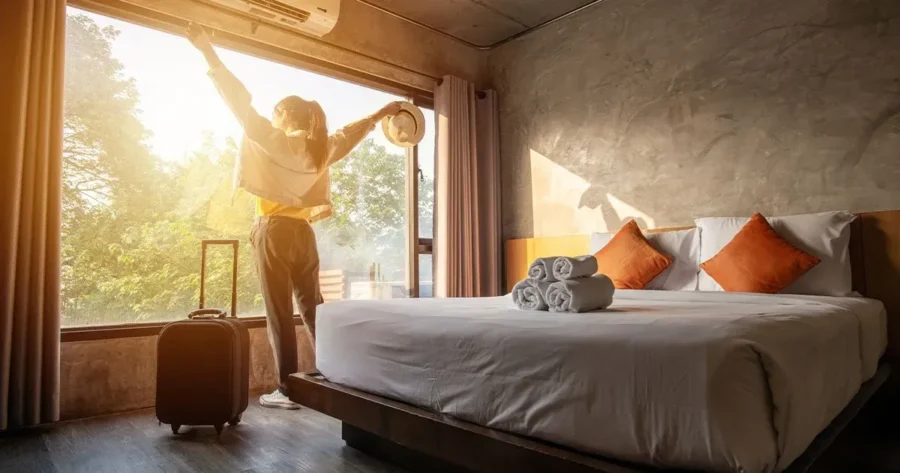
Comparing hotel and Airbnb prices? It’s not as straightforward as it looks. Nightly rates might seem similar, but hidden fees can tip the scales either way. How you travel—solo, as a couple, or with a crew—changes the math.
Average Nightly Rates
At first glance, budget hotels sometimes undercut Airbnbs for quick trips. A decent hotel in the city could run $120 a night, while a one-bedroom Airbnb might list at $100. But wait for the fees.
Hotels usually bundle in Wi-Fi, toiletries, and cleaning. Airbnbs often flash a low nightly price, then pile on extras as you check out.
Timing and location can turn everything upside down. Beach towns in summer? Both options spike, but hotels might throw out last-minute deals on search sites. Airbnb prices hold firm when demand’s high, especially for standout spots.
Cleaning Fees and Extra Charges
Here’s where Airbnb can sting. Many hosts tack on a one-time cleaning fee—sometimes $25, sometimes $150+. Doesn’t matter if you stay one night or ten, so short trips feel the squeeze.
There’s also Airbnb’s service fee (a percentage of your subtotal), plus local taxes. Some hosts even charge for early check-in, pets, or extra guests.
Hotels have their own “extras”—resort fees, parking, breakfast—but cleaning fees are rare. Most of the time, you can see the total cost up front, especially if you’re using a site that shows all-in prices, like when you book flights and hotels together.
Value for Families and Groups
Traveling with family or friends? Airbnb can be a wallet-saver. Split a $300 three-bedroom rental six ways and you’re at $50 each—a steal compared to three hotel rooms.
You also score a kitchen, laundry, and hangout space, which makes group trips smoother. Cooking a couple of meals at “home” can save you way more than you’d expect.
Hotels fight back with connecting rooms and suites, so you’re close but still get privacy. For shorter group trips, the lack of cleaning fees and included amenities might put hotels back in the running, especially if convenience beats out space.
Amenities and Comfort

Where you stay shapes your comfort level. The little things—like who makes your bed, how easy it is to grab a snack, or whether there’s a pool—start to matter a lot once you settle in.
Daily Housekeeping vs. Self-Service
Most hotels include daily housekeeping by default. Fresh towels, a made bed, sparkling bathroom—you barely have to think about it. That’s a big relief after a long day exploring.
With Airbnb, you’re mostly on your own. Wash your dishes, take out the trash, and sometimes even strip the bed before you leave. For longer trips, having a washer and dryer is a game-changer—especially with kids in tow.
Some boutique hotels now let you skip housekeeping for privacy or eco reasons. In Airbnbs, you might be able to pay for a mid-stay clean, but it’s usually not as smooth as hotel service.
If you love coming back to a freshly reset room, hotels have the edge. Prefer a more relaxed, homey routine? Airbnb nails that.
Room Service and On-Site Dining
Hotels often spoil you with room service—and wow, does that hit the spot when you’re jet-lagged and starving. Most also have restaurants or cafés on site, so you can eat without hunting down a table.
Airbnbs? It’s DIY or local eats. If you’re into trying new cafés or cooking breakfast in your pajamas, this is your playground.
Hotel food can be pricey, but you know what you’re getting and when you can get it. Airbnb gives you total freedom, but you’ll have to do the work.
On a tight schedule? Sometimes it’s worth it to pay a little more for that midnight burger delivered to your door.
Pools, Gyms, and Other Facilities
Most mid-range and fancy hotels have pools, gyms, or spas—sometimes all three. Even budget chains usually throw in a fitness room. It’s super handy if you want to squeeze in a workout or a swim without leaving the building.
Airbnbs range widely. Some splurge listings have private pools, but most don’t offer shared amenities. If you end up in a residential apartment, you might get access to a building gym or rooftop, but always double-check before booking.
Hotel pools are a built-in win for families. For solo travelers, a gym downstairs keeps your routine on track. With Airbnb, you’ll need to plan or pay extra for those perks.
Hotels make these extras effortless. Airbnbs make them possible—just not guaranteed.
See Related: The Ultimate Guide to Travel Hacking: Maximize Rewards Without Sacrificing Financial Health
Location and Accessibility

Where you stay affects your whole trip. Being central saves time and energy, but sometimes a quiet neighborhood is the real treat. It’s all about what you want out of your travels—action or downtime, or maybe a mix of both.
City Centers vs. Residential Areas
Hotels usually plant themselves right in the thick of things. Step outside and you’re steps from restaurants, shops, and sights. If time’s tight or you hate long commutes, this is gold.
Airbnbs often hide in residential neighborhoods. That means quieter nights, local cafés, maybe even a bakery downstairs. I once stayed above a bakery, and waking up to the smell of fresh bread? Worth the longer bus ride.
If nightlife and sightseeing are priorities, a central hotel wins. Craving a slower, more local pace? Airbnb’s got your back.
Proximity to Attractions
Staying close to the action can save a ton of time, especially on a whirlwind trip. Hotels in tourist hubs put you within walking distance of museums, historic spots, and guided tours.
Some Airbnbs are right next to the must-sees, but many are tucked away and require some planning. That’s not all bad—being further out can mean cheaper eats and fewer crowds.
Think about your plans. If you want to hit several attractions a day, being close matters. Don’t mind a commute? You might discover corners of the city most tourists miss.
Transportation and Convenience
Hotels in the center usually sit near metro stops, bus lines, or even airport shuttles. That’s a game-changer if you’re relying on public transit. Some even offer car rentals through Booking.com, which is perfect for day trips.
Airbnbs in residential areas can be farther from main transit. Always check bus or train schedules—especially late at night. I’ve learned (the hard way) that saving on rent can cost you hours in transit.
If you’re bouncing around the city, pick a spot with solid transport links. If you’re sticking to one neighborhood, having a grocery store or café nearby might matter more.
Safety, Security, and Flexibility
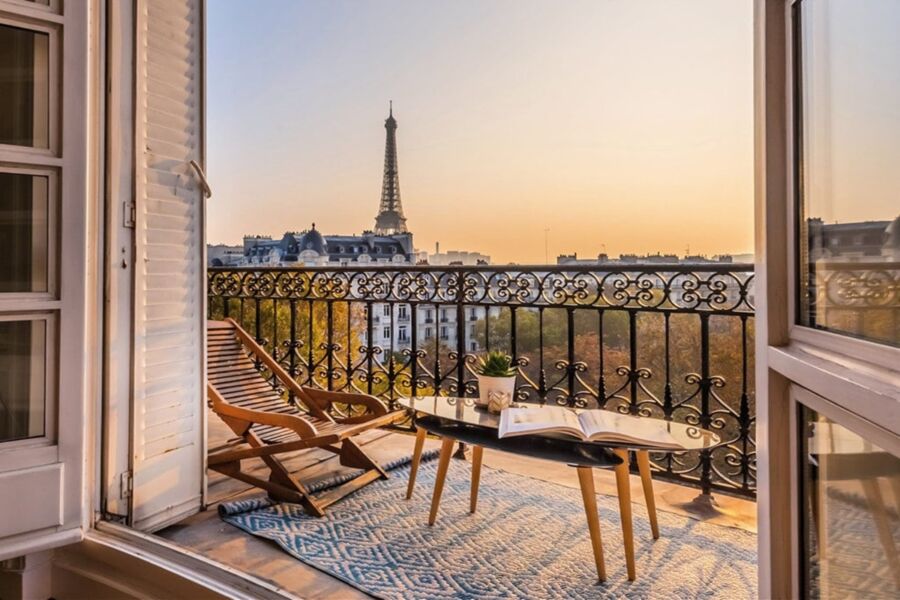
When you’re weighing hotels against Airbnbs, the way each handles safety, security, and booking changes can really impact your trip. The differences show up in how they keep guests safe, how they deal with booking changes, and what actually happens if your plans go sideways at the last minute.
Security Measures and Support
Hotels usually staff their front desks around the clock. You get keycard access, cameras in the lobby, and sometimes even a security guard hanging out near the elevators. If you lose your key or spot something weird, you can just walk downstairs and get help instantly.
Airbnb security? That’s all over the map. Some hosts install smart locks and cameras outside, and you might find safety equipment like smoke or CO2 detectors. Others, though, just hand you a key under the mat and call it a day.
If you’re the kind of traveler who needs backup plans, hotels have your back with fire safety inspections, emergency procedures, and locked storage for your stuff. With Airbnb, you have to dig into the listing and comb through reviews to figure out what’s there.
Honestly, if you want peace of mind—especially abroad—get travel insurance that covers accommodation mishaps. You never know.
Cancellation Policies
Hotels usually keep things straightforward with cancellations. A lot of them let you cancel for free up to a day or two before check-in—sometimes even the same day if you’re lucky and book a flexible rate.
Airbnb? The rules change with every host. You’ll see “Flexible,” “Moderate,” or “Strict” policies, and each one has its cutoff for refunds. The stricter it is, the less likely you’ll get your cash back if your plans fall apart.
With Airbnb, you only get service fees back if you cancel early enough. Hotels don’t tack on those platform fees, so you’re not jumping through as many hoops for a refund.
If you’re booking way ahead and your plans are shaky, definitely filter for flexible cancellation first. Don’t skip this step.
Last-Minute Cancellations
Hotels rarely bail on you at the last minute. Once you’ve got a confirmation, you’re set—unless something wild happens like a hurricane or some overbooking fiasco. Even then, they’ll usually find you another room nearby.
Airbnb hosts do sometimes cancel close to your trip. Perhaps there’s a plumbing issue, or they’ve double-booked. Airbnb will refund you, but scrambling for a new place—especially during busy seasons—can be a nightmare.
If you’re traveling for a big event or during holidays, it’s worth thinking about this risk. Sure, hotels can cost more, but at least you’re not left searching for a bed the night before your flight.
See Related: The Ultimate Guide to Solo Travel
Choosing Based on Travel Style
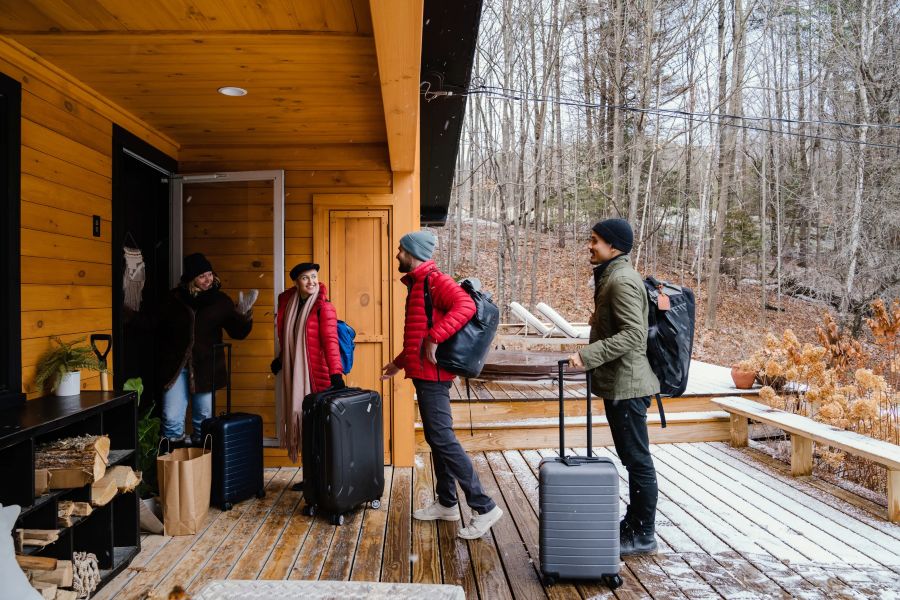
Where you stay comes down to your style, your crew, and what you need day-to-day. Price matters, but so does comfort, privacy, and how much hassle you’re willing to tolerate for a little more flexibility.
Best for Family Vacation
Traveling with kids? Space becomes the holy grail. Standard hotel rooms feel tiny after a couple of days, especially when you’re tripping over snacks and stuffed animals.
An Airbnb or Vrbo usually gives you a kitchen, separate bedrooms, and maybe even a backyard. That means you can make pancakes in your pajamas and let the kids burn off energy without worrying about the neighbors banging on the wall.
Hotels do have family perks—think pools and on-site restaurants—but you’ll probably need two rooms if you want to spread out. That can get pricey fast.
If you’re staying more than a few days, having a washer and dryer in your rental is a lifesaver. Who wants to lug two weeks’ worth of sandy clothes home from the beach?
Best for Business Trip
On business? You probably want reliability and zero surprises. Fast Wi-Fi, a desk, and maybe a coffee shop in the lobby so you can caffeinate before that 8 a.m. call.
Hotels shine here. There’s always someone at the front desk, rooms are consistent, and you’re usually close to where you need to be. If something breaks, you just call downstairs and someone fixes it.
But if you’re in town for a few weeks, an Airbnb can be a solid option. You get a kitchen, more room, and you’re not stuck eating takeout every meal.
For short trips, though, hotels almost always win on convenience. Late check-in, early check-out, no cleaning fees, and you’re out the door.
Solo and Long-Term Travelers
Traveling solo? You can pick based on your mood or budget. If you’re bouncing between cities, a small hotel near the action keeps things simple. You get safety, quick check-in, and no surprises.
If you’re sticking around for a while—maybe working remotely—an Airbnb with a kitchen and a comfy workspace makes life way easier. Unpack, settle in, and start living like a local.
Private rooms in shared Airbnbs can be a budget-friendly sweet spot. You get kitchen access and save money, but you do have to be okay sharing space with strangers. I’ve done this in small towns where hotels were overpriced, and honestly, it worked out—just be ready for a little awkwardness.
If you’re a social butterfly, hostels or co-living spaces might be your thing. But if you crave privacy and stability, hotels and rentals are the way to go.
Frequently Asked Questions
Trying to pick between an Airbnb and a hotel? It’s not just about the money. Space, flexibility, amenities, and how much you want to dive into local life can totally change your trip.
What are the cost benefits of staying in an Airbnb versus a hotel for extended travel?
Staying longer than a week? Airbnb often comes out cheaper—especially if you’re with family or friends. You’re not paying for every extra room, and cooking your meals saves a ton.u003cbru003eu003cbru003eHotels add up quick with daily rates, fees, and parking. Airbnb’s cleaning fee can sting, but it’s usually a one-time thing.
How do the amenities offered by Airbnb rentals compare to those provided by hotels?
Hotels are all about convenience: pools, gyms, daily cleaning, and room service. They’re built for travelers who want it easy.u003cbru003eu003cbru003eAirbnbs feel more like home. You can do laundry, cook, and unpack your travel gear. If you like spreading out, this is the way to go.
What should travelers consider when evaluating the safety and security of Airbnbs versus hotels?
Hotels usually put staff at the desk 24/7, keep cameras rolling in public areas, and use keycards for doors. That’s a big comfort if you’re somewhere new.u003cbru003eu003cbru003eAirbnbs are a mixed bag. Whole homes give you privacy but security really depends on the host. Always check reviews, look for deadbolts, good lighting, and make sure you’re in a safe neighborhood.
How does the experience of local culture differ when staying in an Airbnb compared to a hotel?
Airbnbs drop you into real neighborhoods. You’ll shop at local markets, maybe chat with neighbors, and stumble on spots most tourists miss.u003cbru003eu003cbru003eHotels usually sit in busy, central areas. That’s great for sightseeing, but you might feel a little cut off from the day-to-day vibe of the city.
What are the pros and cons of choosing an Airbnb over a hotel for business travel?
Airbnbs can be better for longer stays or if you want to work in peace. Just be sure to check the Wi-Fi speed and that there’s a desk before you book.u003cbru003eu003cbru003eFor business, hotels are tough to beat—quick check-in, solid Wi-Fi, and meeting rooms right downstairs.
How do the cancellation policies of Airbnb compare with those of traditional hotels?
Hotels usually let you cancel for free if you do it a day or two before your stay. That kind of flexibility can really save your skin when plans go sideways.u003cbru003eu003cbru003eWith Airbnb, it’s a bit of a mixed bag. Each host decides their policy, so you might find anything from super chill to almost no refund at all. Seriously, always double-check the details before you hit that “book” button—some hosts won’t give anything back if you cancel last minute.


