
Last modified August 17, 2026
Figuring out where to stay in Alentejo isn’t always straightforward. The region stretches from wild Atlantic beaches to the Spanish border, and each part has its own flavor—quiet wine estates, whitewashed hill towns, and coastal villages that still feel refreshingly unspoiled. You’ll find the best stay in Alentejo by matching what you’re after—rural escape, seaside downtime, or a brush with history—to the right spot.
This guide cuts straight to it: the top areas, who they’re best for, and hotels worth your attention—from cozy farmhouses to stylish wine resorts. I’ve combed through dozens of stays so you don’t have to. In just a few minutes, you’ll know exactly where to land.
Key Takeaways
- See which Alentejo areas fit your travel style.
- Find top stays for different budgets and vibes.
- Get booking tips that actually help you save time and money.
How to Choose Where to Stay in Alentejo
The right place depends on your priorities—wine country, quiet coastlines, or historic towns. Options range from converted convents and medieval castles to small guesthouses run by local families.
Overview of Alentejo’s Regions
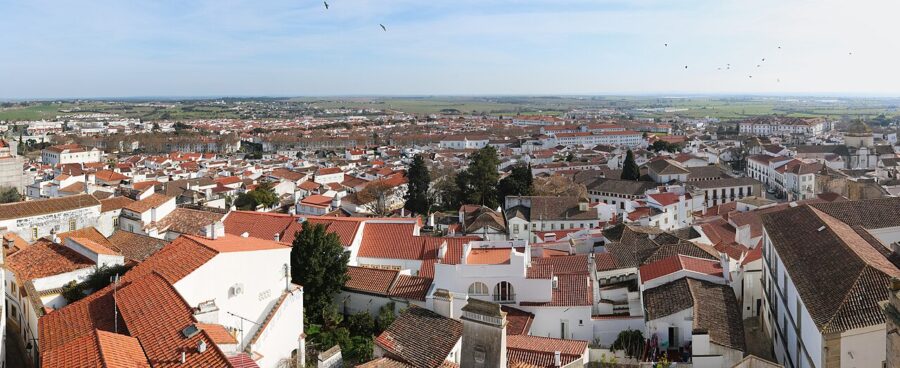
Alentejo covers nearly a third of Portugal, so distances matter more than you might expect. Up north, around Portalegre and Marvão, you’ll find mountains, forests, and cooler air. The central region—think Évora, Estremoz, Vila Viçosa—is packed with history and makes day trips easy.
Head south, and the coast near Comporta, Santiago do Cacém, and Vila Nova de Milfontes brings a totally different atmosphere. Olive groves give way to sand dunes and salty breezes. Plenty of travelers split their time between inland and coast to get a bit of both.
If you’re planning a slower trip, it’s smarter to base yourself in one region for a few days rather than zigzagging across the map. Alentejo rewards patience.
Types of Accommodation Available

There’s a wide mix: pousadas (historic hotels), rural estates, and boutique wine hotels, often in beautifully restored old buildings. Staying in a converted convent or castle lets you feel the region’s history up close—some date back centuries.
Prefer privacy? A countryside holiday home is great for self-catering. Many are simple farmhouses with terraces overlooking cork forests or vineyards. If I’m traveling with friends, I usually lean toward this—cooking together, sipping local wine, and stretching out slow mornings.
Budget B&Bs and guesthouses dot the beaches and small towns. Most are family-run and serve regional breakfasts—think fresh bread, cheese, and homemade jam. It’s a broad range, so pick what pace and price suit you best.
Getting Around the Region

Public transport is pretty sparse in Alentejo, so renting a car is almost always the way to go. Roads are quiet, and having a car means you can stop at hilltop villages or roadside markets whenever you want. It also opens up rural stays that buses just don’t reach.
If you’re sticking to Évora or Beja, you can get by without a car—both towns are walkable and have some public transport. But for coastal spots like Comporta or Melides, you’ll need your own wheels.
Map out travel times before booking. A one-hour drive on Google Maps can stretch if you’re behind a herd of sheep or winding through back roads—charming, but best not left to chance.
Best Areas to Stay in Alentejo
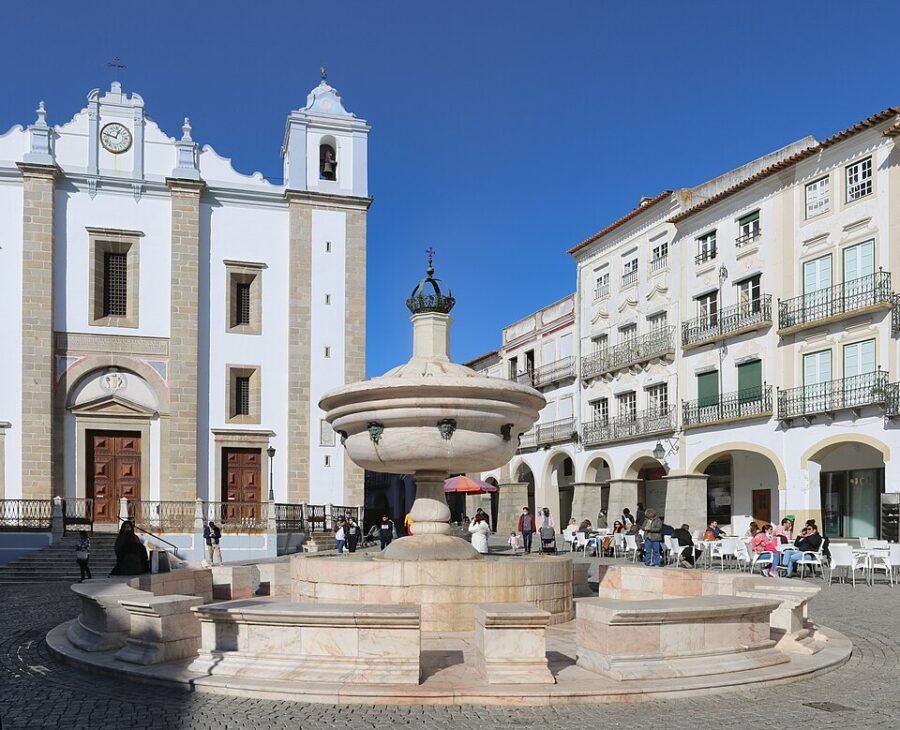
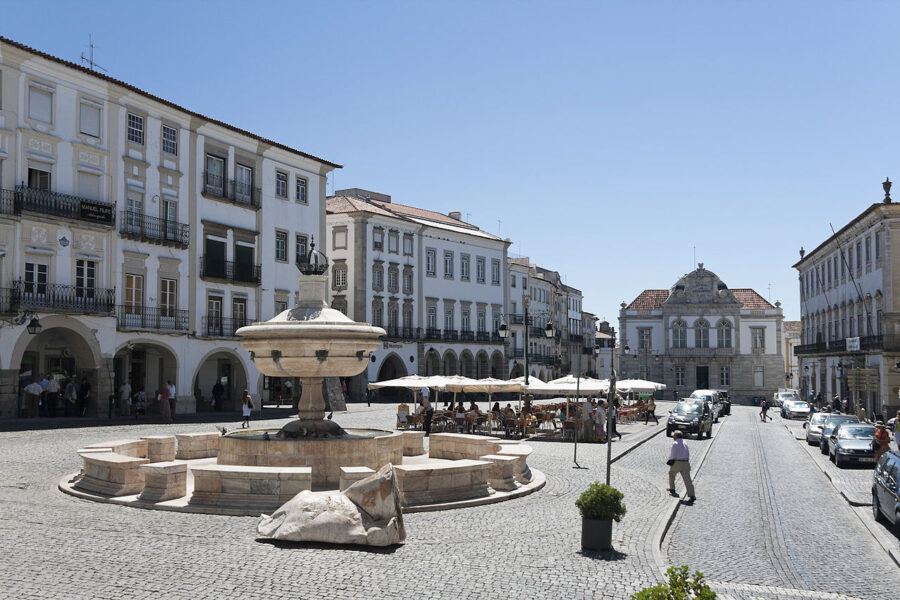
Alentejo is like several worlds in one: Roman-era cities, white hilltop villages, laid-back fishing towns, and sleek beachside getaways hidden among pine and cork forests. Where you stay shapes your days, so think about the rhythm you want.
1. Staying in Évora: Historic Heart

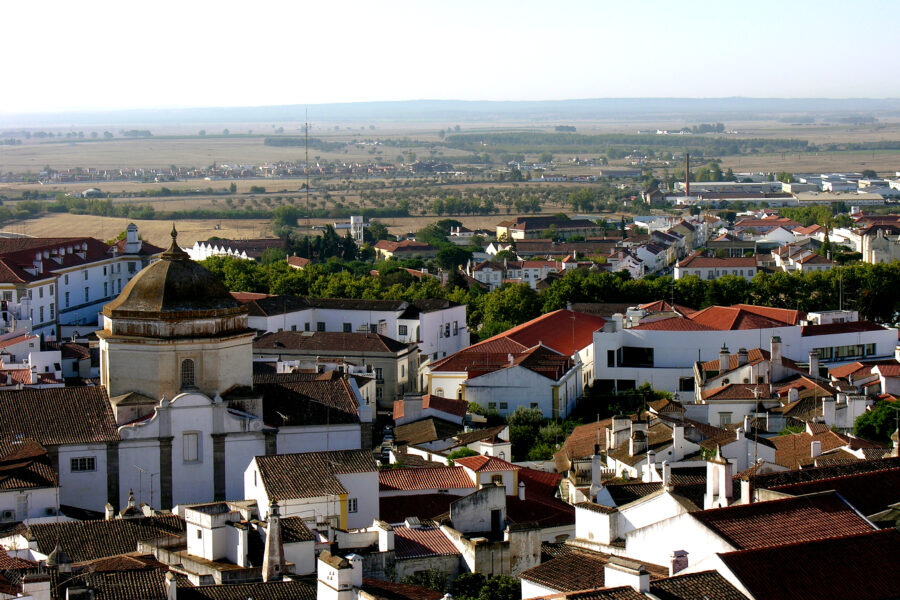
Évora is where Alentejo’s history feels most alive. Streets twist past Roman temples, medieval walls, and sun-bleached convents now turned into cool guesthouses. I still remember ducking into a shady courtyard after a long morning walk—the hush was almost surreal.
Everything’s walkable. Most hotels are inside the old walls, so expect cobblestone alleys, tucked-away squares, and restaurants with handwritten menus. Options range from family-run casas to elegant palaces.
Food and wine are a huge part of Évora life. The Alentejo reds here usually come from vineyards just outside town. It’s also a handy base—drive an hour and you’ll hit olive farms, megalithic sites, or sleepy villages.
2. Monsaraz: Hilltop Charm and Lake Views

Monsaraz is a fortress above the Alqueva Lake, and it’s tiny—crossing town on foot takes ten minutes—but every corner offers a knockout view. At sunset, the white walls catch the pink light, and the lake glows.
It’s quiet, which is the draw. You’ll find small inns, vineyard stays, and boutique hotels tucked into the hills. São Lourenço do Barrocal, a restored farm estate nearby, sets the tone for understated luxury.
From Monsaraz, you can drive to wineries, olive mills, or head out on the lake. At night, the sky is so clear it’s one of Europe’s best stargazing spots—just bring a blanket and look up.
3. Comporta: Chic Beaches and Nature
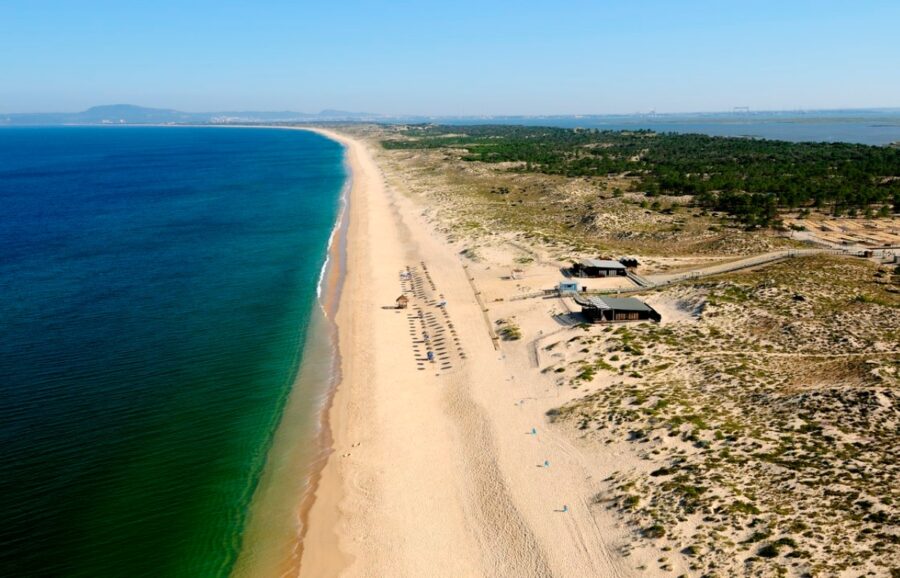
Comporta has a lighter, breezier feel. You’ll drive past rice paddies and stork nests before hitting pine woods and the white sands that made this area a favorite. It’s stylish but relaxed, more barefoot luxury than showy.
You’ll find beach cabanas, modern villas, and boutique hotels like Sublime Comporta and AlmaLusa Comporta. They focus on blending with the landscape, not overpowering it. Prices spike in summer, but off-season stays are actually my preference—quieter beaches, cooler nights, and no crowds.
The village itself has a handful of cafés, concept stores, and easygoing restaurants. Head inland for bike trails through the dunes or sunset horseback rides straight onto the beach.
4. Alentejo Coast (Vila Nova de Milfontes, Porto Covo, Zambujeira do Mar, Sines): Untouched Shoreline
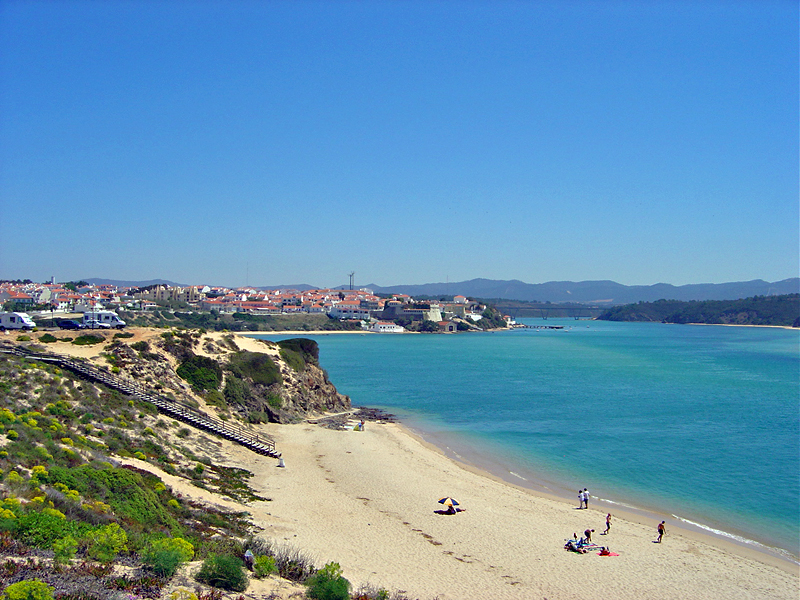
This coast still feels wild. From Sines to Zambujeira do Mar, cliffs drop into coves where you might have the sand to yourself. The Rota Vicentina trail connects towns like Vila Nova de Milfontes and Porto Covo—if you love hiking with the Atlantic breeze, this is your spot.
Stay in simple guesthouses or rural hotels surrounded by cork trees and scrubland. Places like Herdade da Matinha near Odemira mix comfort with outdoor life—surf lessons, yoga, long dinners under the stars.
Each town has its own flavor: Milfontes is lively and scenic, Porto Covo is quieter and postcard-ready, Sines is rougher around the edges but real. The seafood here is reason enough to visit—grilled dourada by the water just hits differently.
Top Hotels and Unique Places to Stay

Alentejo’s charm is subtle—tradition meets design without fuss. You’ll find whitewashed villas, converted convents, and wine estates that offer more than a bed. Some focus on understated luxury, others on rural authenticity or family-friendly ease.
Luxury Retreats
Deeper inland, Herdade da Malhadinha Nova puts you at the heart of a working winery near Beja. It’s where you go for real quiet, plus food and wine made on the property. Suites look over rolling farmland, and dinners lean farmhouse rather than fine dining, which frankly feels right.
São Lourenço do Barrocal near Monsaraz deserves a mention too. This estate reimagines five-star countryside living. Stone barns become rooms, there’s a spa shaded by ancient olive trees, and a pool stretching beneath endless sky. It’s calm, never showy.
Charming Boutique Hotels
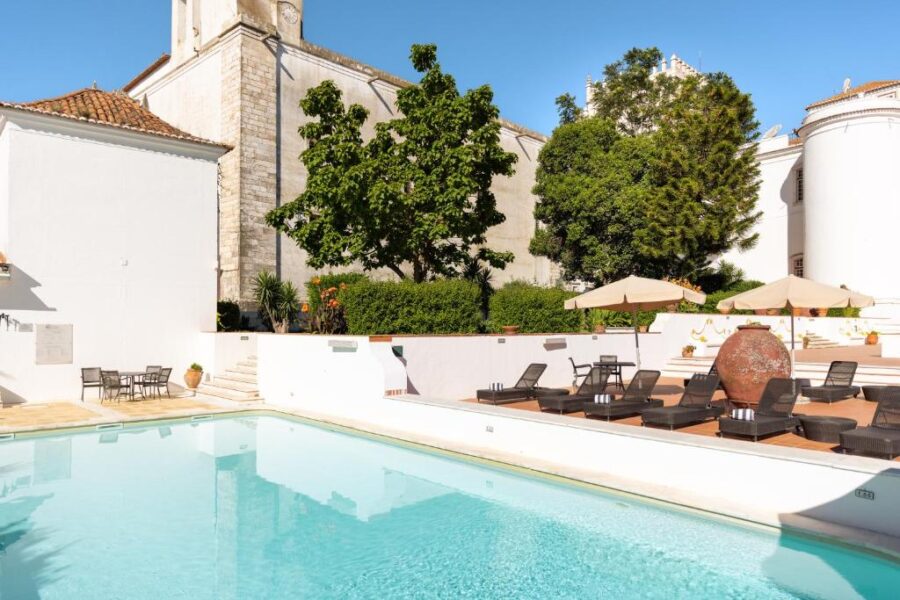
Small hotels in Évora, Estremoz, and Marvão come packed with stories. Pousada Castelo de Estremoz, inside a 13th-century castle, wraps you in history—thick stone walls keep things cool even in peak summer. Down in Évora, M’Ar de AR Aqueduto is the flip side: modern, glassy, and stylish, but still respectful of its roots.
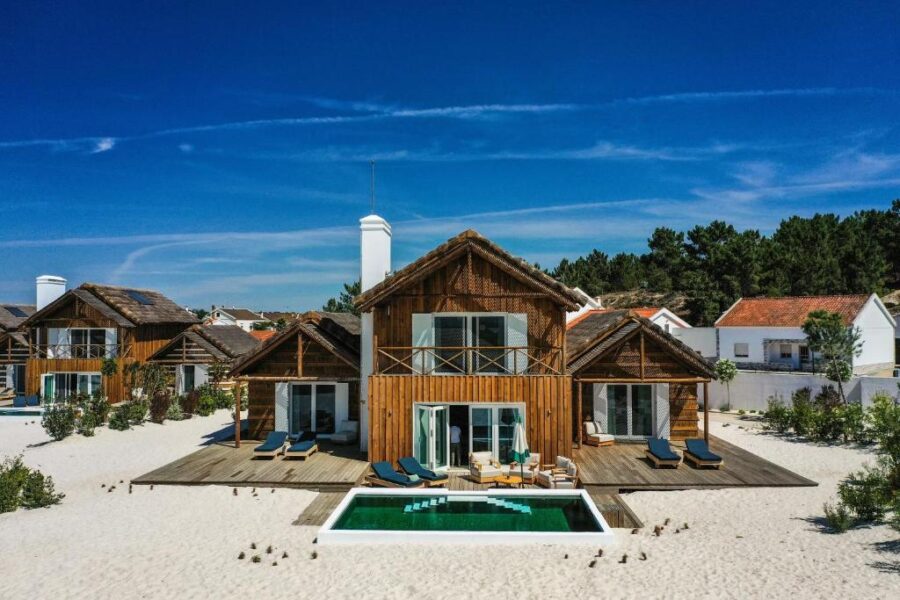
Craving coastal air? Spatia Comporta offers low-profile villas along sandy paths and pine groves. It’s private, not isolated. Waking to ocean breezes through linen curtains—there’s just something right about that.
Smaller places like Casa Azimute charm with just a few rooms, so you’ll probably get to know everyone, including the owner’s dog. That slower, more personal rhythm is worth seeking out.
Farmhouses and Wine Estates

To really feel rural Alentejo, stay on a working estate. Herdade da Cortesia keeps things elegant and simple by a lake near Avis, while Gandum Village offers rustic, community-style lodging—casas and cottages across farmland where breakfast might be shared with other guests.
Wine lovers should check out Torre de Palma Wine Hotel or Herdade da Malhadinha Nova. Both offer cellars, tastings, and vineyard walks. Here, everything slows down—people, meals, even conversations. I once spent an entire afternoon tasting vintages under an olive tree and lost track of time.
Most of these places have outdoor pools overlooking the vines or fields. The mix of sun, wine, and wild herbs in the air is pure Alentejo. It’s more than a place to sleep—it’s a full experience.
Family-Friendly Options

Alentejo is easy with kids. Herdade da Matinha, near Cercal do Alentejo, feels more like staying with family friends than a hotel. Kids can ride horses, roam gardens, or help out in the kitchen while parents unwind by the pool. Meals are shared at long tables, and conversations just happen.
Evora Farm Hotel balances style and practicality—peaceful setting, five pools, and a restaurant serving simple, seasonal dishes. You’ll feel comfortable bringing the kids, but it’s still refined.
For active families, Herdade da Cortesia and Quinta do Barranco da Estrada give you space for canoeing, biking, or hiking. Life moves slower here, and you can let the kids run wild without much worry. That’s real luxury, if you ask me.
See Related: Best Places to Visit in Europe This Year
Experiencing Alentejo Through Food and Wine

Food and wine are at the heart of Alentejo. You taste the region in every rustic dish, drizzle of olive oil, and bold red poured at dinner. Meals stretch out, shared with people who genuinely care about what’s on the table and in the glass.
Notable Local Restaurants

Alentejo’s dining scene brings together rural flavors and a touch of quiet sophistication. In Estremoz, Mercearia Gadanha stands out—part grocery, part restaurant, with black pork cheeks and creative tasting plates. The vibe’s relaxed, the cooking honest, and everything’s rooted in the season.
Over in Évora, Páteo 68 blends old stone walls with modern plates like codfish confit or a reimagined lamb stew. You might come across a tiny ponte-side tavern dishing up açorda alentejana (bread soup with garlic, egg, coriander). Meals here move at their own pace, and honestly, that’s half the pleasure.
If you’re looking to combine food with exploring, booking through travel tours can help you find those out-of-the-way countryside kitchens and local favorites most people never see.
Wine Tourism and Vineyards
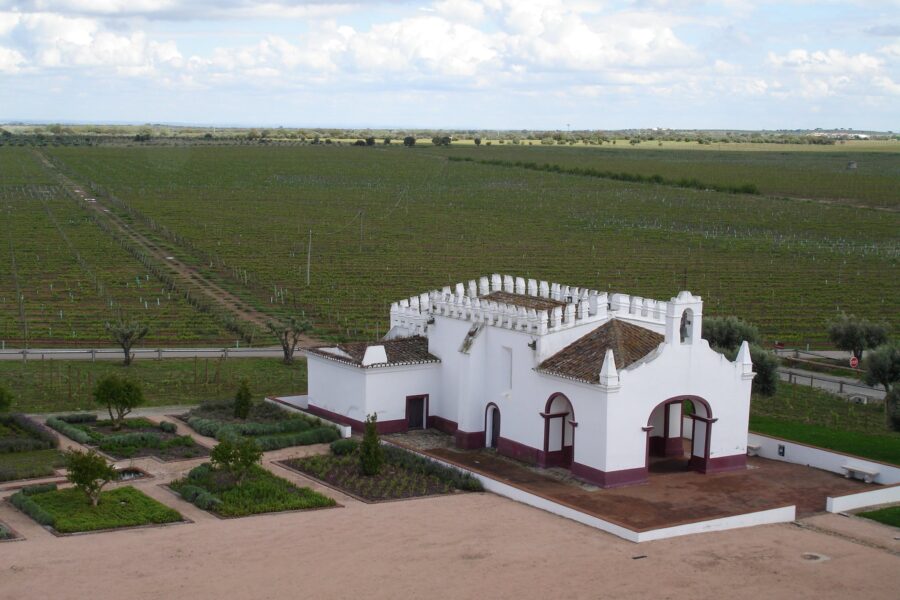
Alentejo’s openness around wine is rare in Europe. You can stroll vineyards, taste blends beside the barrels, and chat with winemakers who treat their craft like a family story. Herdade do Esporão, near Reguengos de Monsaraz, sets the bar high—winery, restaurant, olive mill, and art installations all in one spot.
Guided tastings introduce grapes like Alicante Bouschet and Aragonês, both earthy and bold. Some estates let you try basic blending sessions and bottle your own creation. Smaller, family-run producers tend to be more personal—picnic among cork trees or watch the harvest as dusk settles and the air smells of clay and grapes.
Best Places for Alentejo Cuisine

Alentejo’s food is all about honest simplicity. Bread anchors many dishes, with garlic, olive oil, and herbs adding the backbone. Try migas or açorda with grilled pork or game, always paired with local wine.
In smaller villages, meals often cook over wood fires—tomato soup, slow-baked lamb in clay pots, recipes passed down for decades. Mercearia Gadanha in Estremoz deserves another nod for blending tradition and creativity; every plate feels like a conversation between old and new.
If you like getting hands-on, plenty of farmhouse stays and wineries offer short cooking classes with local chefs. Learning to make these dishes by hand gives you a deeper sense of what makes Alentejo’s food so grounded.
What to Look for in Your Alentejo Stay
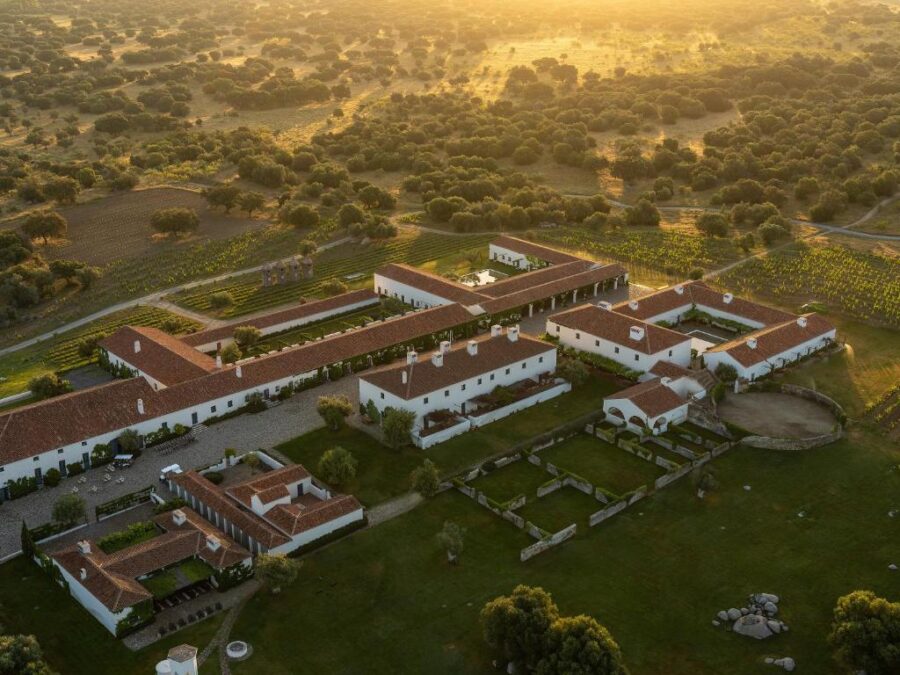
Comfort here isn’t just about a soft bed. The best stays blend nature, local design, and a slower pace. Look for places with open-air living, calm corners to recharge, and small historical details that connect you to the land’s long story.
Garden and Terrace Spaces

A good garden in Alentejo does more than look pretty—it sets the tone. Olive trees shading the paths, lavender in the evening air, and outdoor spaces that feel like part of the room. Smaller guesthouses and farm hotels often build patios, courtyards, and terraces into daily life.
Mornings on a terrace, with just birds and distant tractors for company, are hard to beat. Choose a stay with private balconies or shared terraces overlooking vineyards or lakes. These spots invite you to slow down with a book or a glass of wine.
Some places design their gardens for sustainability—native plants, natural irrigation, or kitchen gardens supplying herbs for dinner. It’s a small detail, but it shows how well a property fits into the Alentejo landscape.
Tip: Prioritize shade, comfortable seating, and a sense of care over sheer size. A small, well-tended garden often leaves a stronger impression than a sprawling, generic one.
Pools, Wellness, and Relaxation
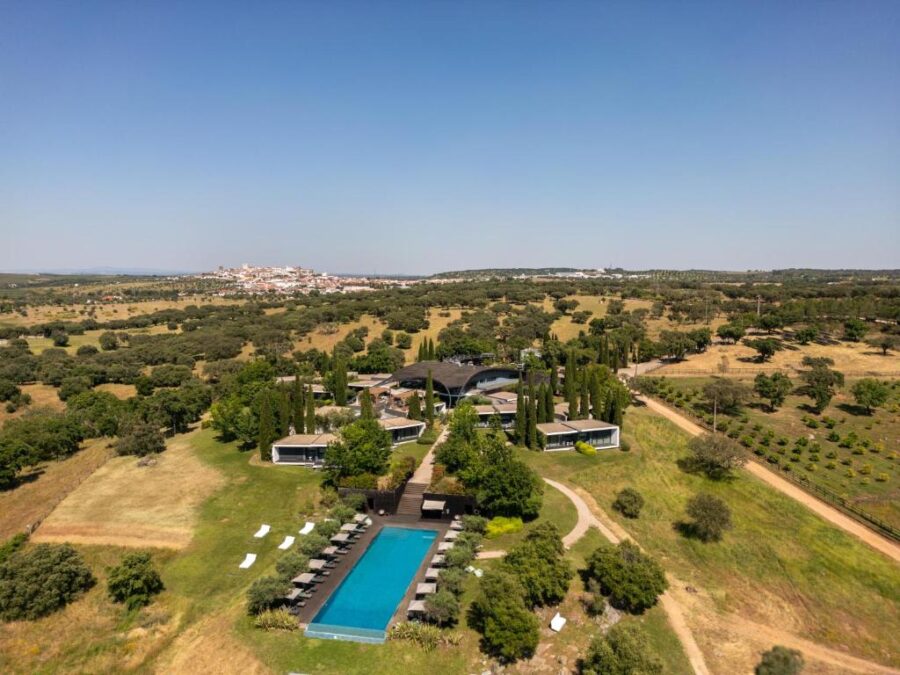
After wandering Évora’s lanes or the wild coast, you’ll want a spot to unwind. Most rural hotels have pools, but quality varies. Some farm stays offer saltwater pools framed by low white walls; modern resorts might have infinity pools with views over cork forests. The real question: does the place feel peaceful?
Wellness here isn’t about flash. Think outdoor yoga decks, massage tents, or just shaded hammocks under carob trees. Some vineyard hotels arrange dawn walks—no gear needed, just a little time before breakfast.
If you value relaxation, check the rhythm. The best places respect quiet, limit crowds, and skip piped-in music. Alentejo’s real luxury is silence; the right stay preserves it.
Quick check before booking:
| Comfort Feature | Why It Matters |
|---|---|
| Shaded lounging areas | Escape harsh midday sun |
| Natural/saltwater pools | Easier on skin |
| On-site spa/massage | Recovery options |
| Walking trails | Gentle exercise nearby |
Architectural and Cultural Touches

Alentejo’s architecture tells its story. Look for hotels with traditional whitewashed walls and clay tiles, not just modern concrete. Many were once convents, estates, or castles—each with its own quirks. Some old convents near Évora’s Chapel of Bones still echo with history.
When owners restore these places carefully, you’ll spot hand-carved doors, thick stone floors, and vaulted ceilings that stay cool even in peak summer. It’s not about polished luxury but about design that lasts.
You might see Moorish arches, Manueline balconies, or chapels now used as reading rooms. These details root your stay in Portuguese identity. When browsing online, check the small photos—door handles, chapel corners, tiled halls. Those often speak more about authenticity than any five-star badge.
A little imperfection is good. Cracked tiles and uneven walls show that Alentejo doesn’t erase its past, and honestly, that’s part of the charm.
See Related: Affordable Places to Retire in Europe (You’ve Never Thought About!)
Insider Tips for Booking Your Alentejo Accommodation

Alentejo’s pace is slow, but finding the right stay takes a bit of planning and insider know-how. The best months, booking tricks, and experiences all depend on your trip—beach days, hiking the Rota Vicentina, or just quiet countryside afternoons.
Best Time to Visit
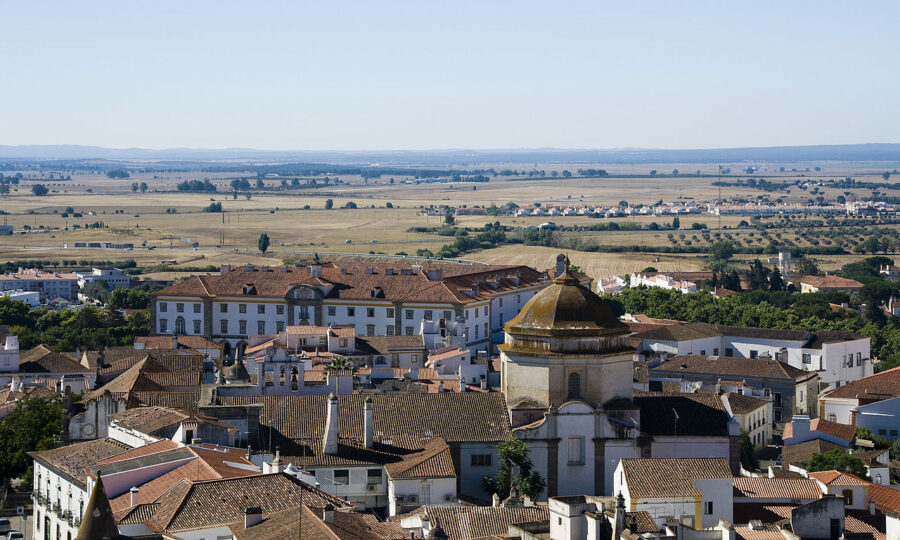
April to June and late September through October are prime. Spring brings green fields and wildflowers; autumn means golden light and cooler days, perfect for wine drives. July and August get hot inland—over 35°C—but the coast stays breezy for beach time.
Winter’s a different vibe. Boutique hotels and farmhouses offer discounts, fireplaces glow, and the pace slows. It’s ideal if you like empty roads and long meals. I’ve spent a rainy December weekend near Monsaraz, reading by a fire and walking foggy olive groves—magical for some, but maybe not for everyone.
Watch for local festivals, especially in Évora and Beja, which fill up rooms. Booking early helps, especially near the coast.
Booking Direct vs Platforms

For deals and flexibility, start broad—Booking.com or KAYAK show a good price range and help you get a feel for what’s normal. Once something catches your eye, check the hotel’s own site or send a quick email—many small Alentejo stays throw in breakfast or upgrades for direct bookings.
Rural guesthouses often prefer direct contact. A short note (English or Portuguese) shows you care and might get you tips on local restaurants or hidden trails. Bigger hotels by the coast or in Évora usually have set prices, so booking platforms work fine there.
Local Experiences to Prioritize
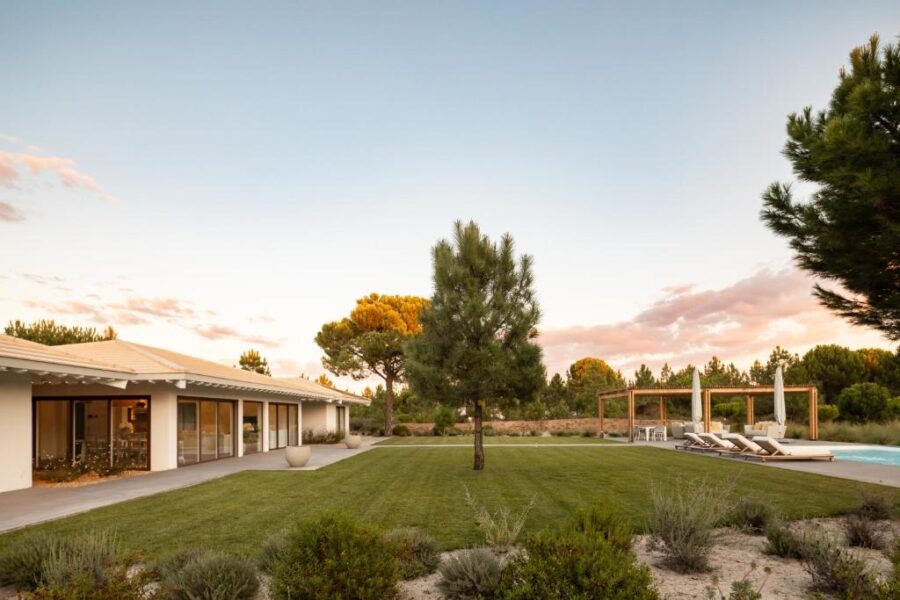
You’ll get more from Alentejo if you slow down and say yes to the small stuff. Wander cork forests, sip local wines, and talk with hosts who run family farms. Ask for their recommendations—they’ll point you to corners you’d never find otherwise.
Near the coast, hike a stretch of the Rota Vicentina or relax at a quiet beach like Praia da Amália or Zambujeira do Mar. Inland, join a cooking class or vineyard tasting. These often cost less when arranged directly with hosts.
Explore tours and day trips—anything from cooking classes to farm visits—on platforms listing things to do and tours. Book a couple, but leave space in your plans. The best part of Alentejo is often the time you don’t schedule—the lazy afternoons, the slow meals, and the feeling that no one’s rushing you.
See Related: Breathtaking Best Beaches in Europe (With Hidden Gems!) 🏖️
Frequently Asked Questions
Staying in Alentejo is about comfort, calm, and connecting with the land. You’ll find everything from restored farmhouses and beach villas to boutique hotels with wine cellars and courtyards under big skies. Getting here from Lisbon is simple, and giving yourself time to explore both countryside and coast pays off.
What are the top-recommended accommodations in the Alentejo for a September visit?
September is just about perfect in Alentejo. Fewer crowds, warm sun, and vineyards opening for harvest tours. Consideru003ca href=u0022https://www.booking.com/hotel/pt/and-vineyards.html?aid=2227309u0022 target=u0022_blanku0022 rel=u0022noreferrer noopener nofollow sponsoredu0022u003e u003cstrongu003eL’And Vineyardsu003c/strongu003eu003c/au003e for sleek design and private terraces, or u003cstrongu003eu003ca href=u0022https://www.booking.com/hotel/pt/alentejo-marmoris-amp-spa.html?aid=2227309u0022 target=u0022_blanku0022 rel=u0022noreferrer noopener nofollow sponsoredu0022u003eAlentejo Marmòris Hotel u0026amp; Spau003c/au003eu003c/strongu003e for comfort and regional touches.u003cbru003eFor a homey feel, look at u003cstrongu003eu003ca href=u0022https://www.booking.com/hotel/pt/casa-do-governador.html?aid=2227309u0022 target=u0022_blanku0022 rel=u0022noreferrer noopener nofollow sponsoredu0022u003eA Casa do Governadoru003c/au003eu003c/strongu003e near Évora or guesthouses around Monsaraz. These get more affordable after mid-September and usually have space.
Could you list the charming towns in Alentejo that are ideal for tourists to stay in?
u003cstrongu003eÉvorau003c/strongu003e is the top pick—compact, walkable, packed with Roman and medieval sites. u003cstrongu003eElvasu003c/strongu003e stands out for its star-shaped fortifications and a more laid-back, military tone.u003cbru003eHead south for u003cstrongu003eVila Nova de Milfontesu003c/strongu003e and u003cstrongu003eMonsarazu003c/strongu003e, both offering u003ca href=u0022https://www.realjourneytravels.com/tours/sightseeing-and-bathing-in-a-secret-beach-on-the-tagus-estuary/u0022u003esmall-town charmu003c/au003e and great views. Monsaraz feels timeless; Milfontes puts water, sand, and seafood close by.
How can one find quality lodging along the Alentejo coast?
The coast runs from u003cstrongu003eComportau003c/strongu003e to u003cstrongu003eZambujeira do Maru003c/strongu003e, each spot with its own character. I’d start with small design hotels or villa-style lodgings near u003cstrongu003eMelidesu003c/strongu003e—still quiet, with dunes and pine forests.u003cbru003eUse booking sites for a quick overview, but always check direct websites—many guesthouses add perks like homemade breakfasts or late checkout if you book directly. Early September stays busy, so book by July if you can.
What are the travel time and best modes of transportation from Lisbon to the Alentejo region?
From Lisbon, u003cstrongu003eÉvorau003c/strongu003e is about a 1.5-hour drive if traffic’s reasonable. Buses and regional trains run daily, but a rental car gives you freedom to explore vineyards and hill towns without worrying about schedules.u003cbru003eI’ve driven that route a few times—the roads are calm, the scenery classic Alentejo: cork oaks, open plains, and the occasional roadside café. Honestly, the drive itself is part of the trip.
Can you highlight the unique accommodations available in Evora, Alentejo?
Évora’s got a few places where you’ll actually feel the Alentejo vibe, not just see it. Some former convents now operate as u003cstrongu003ePousadas de Portugalu003c/strongu003e—think soaring arches, thick stone walls, and a heavy dose of atmosphere, all with the comforts you’d expect today. You’re not just booking a room; you’re stepping into centuries of history.u003cbru003ePrefer a more personal touch? Head out to the countryside just beyond town. You’ll find small farm estates—many run by local families—where you can lounge by the pool, stroll through gardens, and maybe linger over dinner under the olive trees. There’s a certain warmth and authenticity here you won’t get from a big hotel chain.
How long should you plan to stay in Alentejo to really experience the region?
Honestly, u003cstrongu003efour to six daysu003c/strongu003e hits the sweet spot if you want a good blend of inland culture and coastal downtime. Spend two nights in Évora or Monsaraz for the history, add a night or two by the sea, and save a day for vineyards or smaller inland spots like Marvão.u003cbru003eAlentejo doesn’t reward rushing. Slow down, take your time over lunch, and let the quiet settle in—you’ll get more out of it that way.


