Piran vs Pula: 7 Key Differences for an Unforgettable Adriatic Trip
Updated September 3, 2025
So, Piran or Pula? That’s the million-euro question for anyone eyeing the Adriatic. Both towns hug the coast, both ooze history, but wow—they couldn’t feel more different once you’re on the ground. If you’re craving quiet coastal beauty and Venetian-style streets, Piran steals the show. Want Roman ruins and a buzzing cultural scene? Pula’s your spot.
Honestly, you’ll sense the vibe shift as soon as you arrive. Piran is this tiny, polished gem—narrow lanes, endless sea views, and a pace that just begs you to slow down. Pula? It hits you with its massive Roman arena, lively squares, and a bigger, more urban energy.
I’ve spent lazy afternoons sipping coffee at Piran’s waterfront cafés. Then I’ve zipped across the border to Croatia to catch a concert under the stars inside Pula’s ancient amphitheater.
Table of Contents
- Key Takeaways
- Piran vs Pula: Quick Comparison
- Location and Country Overview
- Atmosphere and Vibe
- Ideal Traveler Profiles
- Getting from Piran to Pula
- Travel Time and Driving Distance
- Border Crossings and Entry Requirements
- Best Routes and Scenic Drives
- Top Attractions in Piran
- Tartini Square and Old Town
- Seaside Promenade and Beaches
- Salt Pans and Nature Reserves
- Top Attractions in Pula
- Roman Amphitheatre and Ancient Ruins
- Coastal Parks and Beaches
- Local Markets and Gastronomy
- Travel Logistics and Practical Tips
- Transportation Options
- Accommodation Choices
- Seasonal Considerations
- Unique Experiences and Day Trips
- Cultural Events and Festivals
- Nearby Destinations Worth Visiting
- Frequently Asked Questions
- What unique historical sites can be explored in each city?
- Can you highlight the best culinary experiences in Piran and Pula?
- What are the differences in the local cultures of Piran and Pula?
- Could you suggest hidden gems for travelers seeking off-the-beaten-path experiences in both cities?
- How do the beach experiences differ between Piran and Pula?
- What are the notable festivals or events that take place in Piran and Pula throughout the year?
- Book Your Dream Experience
- More Travel Guides
Key Takeaways
- Piran is for those who want a quieter, scenic coastal escape
- Pula is all about history, culture, and lively energy
- Hopping between them is easy and won’t break the bank
Piran vs Pula: Quick Comparison
Both towns perch on the Adriatic, but the similarities end there. One wraps you in charm and intimacy; the other wows you with history and scale. Your trip really comes down to whether you love quiet seaside strolls or crave grand Roman ruins.
Location and Country Overview
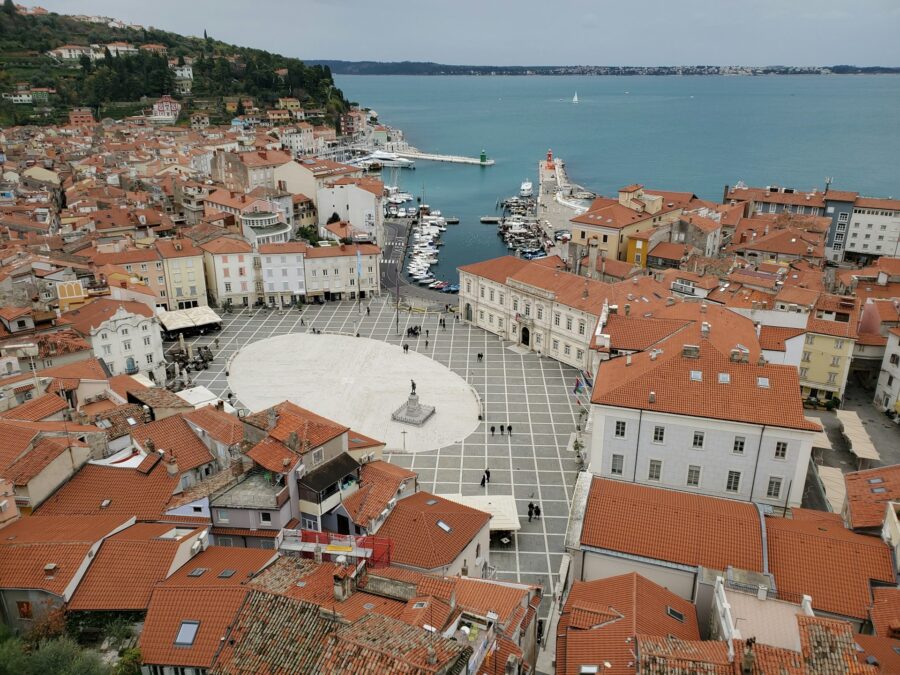
Piran nestles into Slovenia’s tiny slice of Adriatic coastline. You’re just a short drive from Italy or Croatia, so it’s perfect for mixing and matching your destinations.
The town itself is so compact you can cross it in minutes. That coziness is half the magic.
Pula, meanwhile, sprawls across Croatia’s Istrian Peninsula. It’s bigger, busier, and you’ll see ships in the working port. Getting around here usually means hopping on a bus or renting a car.
Both towns share a Venetian legacy, but the national flavor is different. Slovenia leans Central European, while Croatia feels more Mediterranean. You’ll taste it too—Slovenian seafood is lighter, Croatian meals are heartier, with grilled meats and lots of olive oil.
Atmosphere and Vibe

If you love getting lost in tiny alleys that suddenly open up to the sea, go for Piran. The rhythm is slower, with old squares, tucked-away cafés, and fishing boats bobbing in the harbor.
Honestly, it’s like a mini Venice—just without the tourist mobs.
Pula gives off a more urban feel. The Roman amphitheater dominates the center, and the city feels like a mashup of ancient ruins and modern bustle.
You’ll stumble into lively bars, pop-up markets, and a nightlife scene that Piran can’t match. It’s rougher around the edges, but that’s part of its charm.
I always find Piran perfect for a quiet evening walk. Pula? It’s where you chase concerts, festivals, and a city that just won’t sit still. Piran whispers, Pula shouts.
Ideal Traveler Profiles
Piran suits you if you love intimate towns, slow walks, and peaceful seaside evenings. Couples, photographers, or anyone wanting a chill base for exploring Slovenia and northern Istria will feel right at home.
Pula, though, is for the history buffs and families who need variety. The Roman amphitheater alone is worth the trip, and kids usually get a kick out of it. Plus, there are more beaches around Pula, so you can mix sightseeing with swims.
If you’re with friends and want a bit of buzz, Pula’s your pick. But if you’re after slower days and picture-perfect corners, Piran’s where you want to be.
Getting from Piran to Pula

Getting between Piran and Pula is pretty straightforward, but the details can make or break your mood. They’re less than 100 km apart, but the border and those winding coastal roads can throw a curveball into your plans.
Travel Time and Driving Distance
You’re looking at about 95 km between the two. It doesn’t sound like much, but the drive usually clocks in at 1 hour 15 minutes to 1 hour 30 minutes—sometimes longer, if traffic’s not on your side.
If you’re taking the bus, expect a bit more patience. Several companies run this route, and the bus travel time often creeps closer to two hours thanks to all the stops. Check out BusCroatia or GetByBus for schedules.
Renting a car? I’d bank on at least 90 minutes, maybe more. Especially in summer, when everyone and their cousin is heading for the coast. Trust me, leave yourself a buffer.
Border Crossings and Entry Requirements
You’ll cross from Slovenia to Croatia, which means an international border. Both countries are in Schengen now, so border checks are usually a breeze, but keep your passport or ID handy—random checks still happen.
I’ve crossed here a handful of times. Sometimes you roll right through, other times you’re stuck in a line for 20–30 minutes. July and August weekends? Yeah, those can be rough.
If you’re on a bus, the driver usually grabs everyone’s documents and sorts it out. Makes things easier.
One thing to double-check: car rental rules. Some Slovenian companies slap on a fee for crossing into Croatia, so read the fine print. If you’re driving your own car, make sure your insurance covers Croatia. It’s a small thing that’ll save you a headache later.
Best Routes and Scenic Drives
The quickest route zips through Koper, crosses the border at Dragonja, and shoots down the Istrian Y highway toward Pula. Fast, simple, but not exactly jaw-dropping.
Have a little time? Hug the coast instead. Towns like Umag, Novigrad, and Rovinj will tack on some extra minutes, but you’ll get fishing harbors, stone villages, and endless sea views. I once stopped in Rovinj for lunch and, honestly, it became a trip highlight.
Here’s a quick look:
| Route | Driving Time | Highlights |
|---|---|---|
| Highway (via Dragonja) | ~1h15m | Fastest, simple |
| Coastal road (via Umag & Rovinj) | ~2h+ | Scenic towns, sea views |
In summer, the coastal route can crawl with traffic. But if you’re not in a rush, it’s worth every minute. Sometimes the journey really is the best part.
Top Attractions in Piran
Piran might be tiny, but it’s packed with Venetian history, seaside charm, and nature. You’ll find yourself weaving through narrow alleys, lounging by the Adriatic, and exploring salt pans that shaped the region for centuries.
Tartini Square and Old Town

Right in the heart of Piran sits Tartini Square—a wide, open plaza wrapped in pastel buildings and the elegant Town Hall. Giuseppe Tartini, the violinist, was born here, and his statue stands proud in the middle.
Sometimes you’ll stumble into a concert or festival spilling into the square. It’s the kind of place where you just want to linger.
Step away from the square and you’re deep in the Old Town maze. The streets are so narrow you can almost touch both sides with outstretched arms. That’s not just for looks—it’s medieval air conditioning, and it works.
I always tell people to make the climb up to St. George’s Parish Church. The bell tower view over red rooftops sliding into the sea is unbeatable. The walk’s steep, but there’s usually gelato waiting on the way down.
Seaside Promenade and Beaches

Don’t expect sandy beaches in Piran, but the stone promenade makes up for it. Locals and visitors lay towels on the rocks and slip into the clear, calm Adriatic. In late summer, the water is surprisingly warm.
The promenade is perfect for a stroll. Cafés spill onto the walkway, and the smell of seafood hits you before you even see a menu. I once had grilled sardines here that tasted like they’d just jumped out of the water.
If you want a bit more sand, walk over to Fiesa Beach. It’s one of the few sandy spots nearby, with shallow water that’s great for kids.
Salt Pans and Nature Reserves

Just outside town, the Sečovlje Salt Pans stretch across a protected nature park. People have been harvesting salt here for over 700 years, and you can still watch workers using traditional methods. Watching salt crystals form in the shallow pools—it’s oddly mesmerizing.
Birdwatchers love the park because migrating species stop here on their way across Europe. Even if you’re not into birds, the open landscape is a peaceful escape from town.
There’s a small museum that explains the salt-making process, and you can buy local salt in cute cloth bags. I brought some home once, and it really does taste a bit different—cleaner, maybe even a little sweet? Makes for a souvenir you’ll actually use.
You can walk or bike the trails, and if you stick around for sunset, the sky’s reflection on the pools is something you won’t forget.
Top Attractions in Pula
Pula blends Roman history, a dramatic coastline, and a food scene that’s just plain fun. You’ll wander ancient ruins that still host concerts, discover rocky beaches with clear water, and browse markets loaded with truffles, olive oil, and seafood.
Roman Amphitheatre and Ancient Ruins

The Roman Amphitheatre—or Pula Arena—is the city’s showstopper. It’s one of the best-preserved anywhere, and you can actually catch concerts or movies inside. Standing in the middle, you can’t help but picture gladiators and roaring crowds.
A short walk brings you to the Temple of Augustus. It’s smaller, but the column details are worth a closer look. I’ve sat on the steps at dusk, just watching locals chat around the square—it’s where history and everyday life blur together.
You’ll spot old city gates and arches all over town. The Arch of the Sergii, especially in late afternoon light, is a photo you’ll want to take. Exploring these ruins doesn’t feel like a museum—they’re just part of the streets you wander every day.
Coastal Parks and Beaches

Head just outside the city and you’ll hit Cape Kamenjak, a spot locals rave about. It’s wild—cliffs for diving, hidden coves for swimming, and hardly any crowds. I once packed a picnic and stayed until sunset. Can’t recommend it enough.
Closer in, the Verudela Peninsula offers easier-to-reach beaches. The water is clear, and you’ll find both pebbly stretches and flat rocks for sunbathing. It’s family-friendly, and the nearby cafés make it easy to spend the whole day.
Looking for something quieter? Try Valkane Beach. It’s less flashy, but the water’s calm and there’s shade when you need a break. Pula’s mix of wild coastline and managed beaches means you can chase adventure or just take it easy, depending on your mood.
Local Markets and Gastronomy

If you want to catch the heartbeat of Pula, just head to the central market in the morning. The stalls burst with whatever’s in season—think baskets of shiny tomatoes, fresh fish glistening on ice, and wedges of homemade cheese. The scent of herbs and olives hits you before you even reach the entrance.
Even if you’re not planning to cook, wandering the aisles is an adventure. I love nibbling on samples or grabbing a pastry just to keep my hands busy.
Here, food is rooted in Istrian tradition. Truffles are everywhere—shaved over pasta, scrambled into eggs, you name it. The local olive oil? It’s peppery, a little grassy, and honestly puts most supermarket stuff to shame.
Seafood’s a staple. Grilled sardines, octopus salad, and calamari pop up on most menus. Pair them with a glass of Malvazija, the crisp local white wine, and you’re golden.
I still remember a plate of grilled calamari at a cozy konoba. It was so simple but blew me away—sometimes less really is more.
If you’re into blending food and history, go for a stroll down Sergijevaca Street. Roman-era buildings line the way, and cafés spill out onto the sidewalk, serving espresso and flaky pastries.
That mix of old stones and fresh flavors? It’s what makes eating in Pula feel like you’re part of a much bigger story.
Travel Logistics and Practical Tips
Traveling between Pula and Piran looks easy on the map, but the Adriatic’s twists and border crossings add a layer of adventure. You’ll want to plan your routes, pick your stays, and figure out the best time of year before you set off.
Transportation Options
It’s about 100 km from Pula to Piran, but the drive can stretch to 2–3 hours if the Croatia–Slovenia border gets busy. I usually rent a car for the freedom to stop in places like Rovinj or Umag.
Not up for driving? Buses are straightforward, though direct routes run mostly in summer. Schedules thin out the rest of the year, so check Rome2Rio for up-to-date options.
Ferries used to connect the coast more often, but now they’re a bit hit-or-miss and mostly run in peak summer. If you’re set on a ferry, double-check the schedule. Otherwise, road travel is your safest bet.
If you’re the type who likes everything sorted before you go, booking through a site that compares flights, hotels & car hire saves some headaches.
Accommodation Choices

Both towns are on the small side, so where you stay really matters. In Pula, I’d pick a spot near the Roman amphitheater—you’ll be steps from the best sights and restaurants.
In Piran, the old town is charming but tight on parking, so plan to leave your car outside the center. It’s not a big deal, but it’s worth knowing.
Hotels and guesthouses run the gamut from basic to boutique. I usually go for an apartment with a kitchen; it’s often better value, especially if you like cooking with market finds.
Booking.com gives you a ton of options, and I always look for free cancellation—just in case plans change.
Parking can be a pain in Piran and pricey in high season. If you’re driving, check if your place includes a spot.
If you’re staying in the old town, pack light. Dragging a giant suitcase over cobblestones? Not my idea of fun. A sturdy rolling bag or backpack—something like this—makes life way easier.
Seasonal Considerations
Summer brings the crowds, with ferries and buses running often and daylight stretching late. But you’ll hit packed streets in Piran and possible border delays, especially in July and August. Build in extra time for the unexpected.
I actually prefer spring or early autumn. The weather’s still warm enough for a swim, but the towns feel quieter and finding a place to stay is easier. Driving between Pula and Piran is less stressful, too.
In winter, everything slows down. Piran gets atmospheric, almost sleepy, but many hotels and restaurants close. Public transport options shrink, so you’ll probably need a car. If you don’t mind the peace and a slower pace, it’s a special way to see the coast.
I always recommend travel insurance, especially when hopping borders or relying on buses and ferries. VisitorsCoverage has simple policies that cover delays and medical stuff—worth it for peace of mind.
Unique Experiences and Day Trips
Piran and Pula aren’t just about pretty streets and sea views. Both towns pulse with cultural traditions, and you’re never far from a side trip that could become the highlight of your whole journey.
Cultural Events and Festivals

In Pula, you can grab tickets for concerts or film screenings right inside the ancient Roman amphitheater. There’s something surreal about sitting in a 2,000-year-old arena, watching a modern performance. Summer’s packed with events, from classical nights to electronic festivals that draw crowds from all over.
Piran keeps things a bit more low-key, but its Venetian roots show up in events like the Tartini Festival. Chamber music fills the town, and violins echo through the narrow alleys. It feels intimate and a little magical.
You’ll stumble across smaller happenings, too—fish festivals, food fairs, and the occasional jazz set by the water. I like to check out tours and activities that match up with these events, just to get the most out of my trip.
Nearby Destinations Worth Visiting
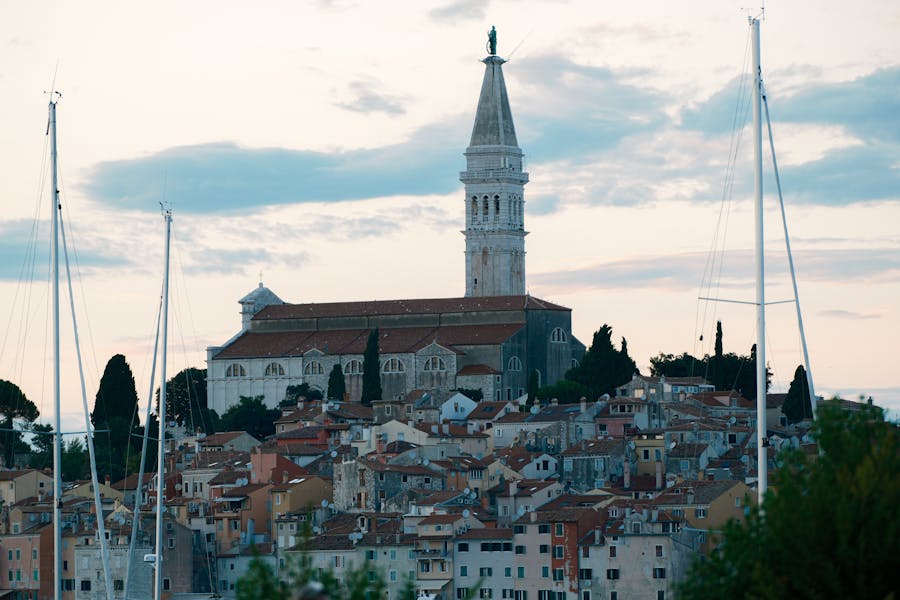
From Pula, you’ve got loads of day trip options. Rovinj is only half an hour away and is often called the prettiest town in Istria. If you want wild coastline, head to Cape Kamenjak for cliff jumping and hidden coves.
You can even catch a boat to the Brijuni Islands—think Roman ruins, quiet beaches, and a little slice of paradise.
Piran makes it easy to hop over to Slovenia’s coast or even into Italy. Trieste is just 45 minutes away, where you’ll find Austro-Hungarian buildings and real Italian coffee culture. Inland, the Karst region is dotted with caves and wineries—a total change of scene from the sea.
If sorting logistics isn’t your thing, just book a guided trip and let someone else handle the details. The distances are short, so you can pack a lot into one day.
Frequently Asked Questions
Traveling between Piran and Pula is like sampling two very different flavors of the Adriatic. The contrast in history, food, and culture is part of the magic.
What unique historical sites can be explored in each city?
In Piran, you can meander through the medieval old town. Venetian-style houses crowd the narrow lanes, and the hilltop Church of St. George offers killer views. Honestly, getting lost here is half the fun.
Pula is all about the Roman heritage. The Pula Arena, a massive amphitheater, steals the show. Roman temples and arches dot the city, turning a casual stroll into a walk through history.
Can you highlight the best culinary experiences in Piran and Pula?
Piran is a dream for seafood lovers. I still think about the grilled sardines I had at a tiny tavern by the harbor—one of those unforgettable meals. Local olive oil and salt from the Sečovlje salt pans show up in nearly every dish.
Pula leans into hearty flavors. Istrian truffles, homemade pasta like fuži, and rich seafood stews fill the menus. If you’re into wine, don’t miss the local Malvazija—it’s crisp and goes perfectly with the region’s seafood.
What are the differences in the local cultures of Piran and Pula?
Piran feels like a blend of Slovenia and Venice. Life moves at a slower pace, and people linger over coffee in the main square. The evenings stretch out with lazy conversation and a gentle buzz.
Pula pulses with a stronger Croatian vibe and a dash of Roman history. The city feels lively, especially in summer—markets bustle, street performers pop up, and there’s a bit more edge to the energy.
In Piran, climb the old city walls. Hardly anyone bothers, but the views over the red rooftops and the sparkling sea are unreal.
In Pula, make your way to Cape Kamenjak just south of town. It’s a rugged nature park with secret coves, cliffs perfect for jumping, and even a quirky safari-style bar tucked into the rocks.
How do the beach experiences differ between Piran and Pula?
Piran’s beaches are small and rocky, but the water is so clear it almost looks fake. Locals just toss towels onto the concrete piers and dive right in. It’s low-key but totally works.
Pula offers more variety. You’ll find pebbly coves, rocky stretches, and even sandy spots if you drive a bit out of town. The coastline feels wild, with pine trees running right down to the sea.
What are the notable festivals or events that take place in Piran and Pula throughout the year?
Piran throws classical music concerts every summer, and honestly, the venues are half the magic. Old churches with wild acoustics—can you imagine the sound echoing through stone walls that have seen centuries?
Locals also get together for a salt festival, which is all about honoring their deep-rooted salt-making traditions. It’s quirky, but you can feel the pride in every detail.
Over in Pula, the film festival steals the show—literally—inside that ancient Roman amphitheater. Watching a movie there, under the open sky, surrounded by history? That’s something you’ll talk about for years.
Pula doesn’t stop there. Summer concerts light up the city, and the lineup is always a surprise—sometimes it’s rock legends, other times it’s a full orchestra.