Naxos vs Paros: Ultimate Greek Island Showdown for 2026 Travelers
Updated November 14, 2025
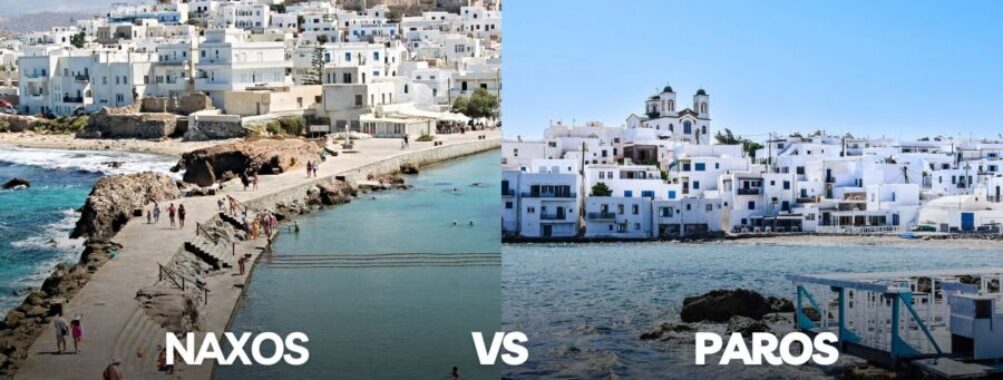
Picking between Naxos and Paros? Yeah, it’s a real dilemma for most travelers. Both islands sit right in the Cyclades sweet spot, flaunting sandy beaches, adorable villages, and those oh-so-easy ferry links.
If you’re after a bigger island with more to explore, Naxos gives you mountains, old-school villages, and beaches that just keep going. Paros, meanwhile, is smaller and a bit more chic, with a fun nightlife scene and quick hops to Antiparos.
You’ll feel the contrast right away. Naxos is lush, rustic, and peppered with hidden towns and working farms. Paros? It’s got that cosmopolitan buzz, especially in Naoussa with its harbor bars and cool little shops.
Each island sets its own pace, and your best fit really depends on what kind of days (and nights) you want.
Key Takeaways
- Naxos is larger, greener, and packed with tradition and variety
- Paros is smaller, trendier, and super easy to loop around
- Both islands serve up awesome beaches, villages, and smooth ferry rides
Table of Contents
- Naxos vs Paros: Key Differences and Similarities
- Geography and Landscape
- Island Atmosphere and Vibe
- Cost and Value for Money
- Getting There: Flights and Ferries
- Ferry Connections and Schedules
- Direct Flights from Athens
- Island Hopping to Mykonos, Santorini, and Milos
- Where to Stay: Towns and Villages
- Naxos Town (Chora) and Surroundings
- Parikia and Naoussa
- Traditional Villages: Apeiranthos, Halki, and Filoti
- Beaches and Water Activities
- Top Beaches in Naxos
- Best Beaches in Paros
- Windsurfing, Kitesurfing, and Water Sports
- Cultural and Historical Highlights
- Ancient Sites: Portara and Temple of Demeter
- Cycladic Architecture and Local Art
- Marble, Kouros Statues, and Local Legends
- Local Experiences: Food, Nightlife, and Day Trips
- Dining and Regional Cuisine
- Nightlife and Entertainment
- Day Trips to Antiparos and Koufonisia
- Frequently Asked Questions
- Which island is more budget-friendly, Naxos or Paros?
- What distinguishes the nightlife in Naxos from that in Paros?
- Can you compare the beaches between Naxos and Paros?
- How do the cultural experiences differ between Naxos and Paros?
- What are the key differences in the culinary scenes of Naxos versus Paros?
- Which island would you recommend for a more romantic honeymoon, Naxos or Paros?
- Book Your Dream Experience
- More Travel Guides
Naxos vs Paros: Key Differences and Similarities
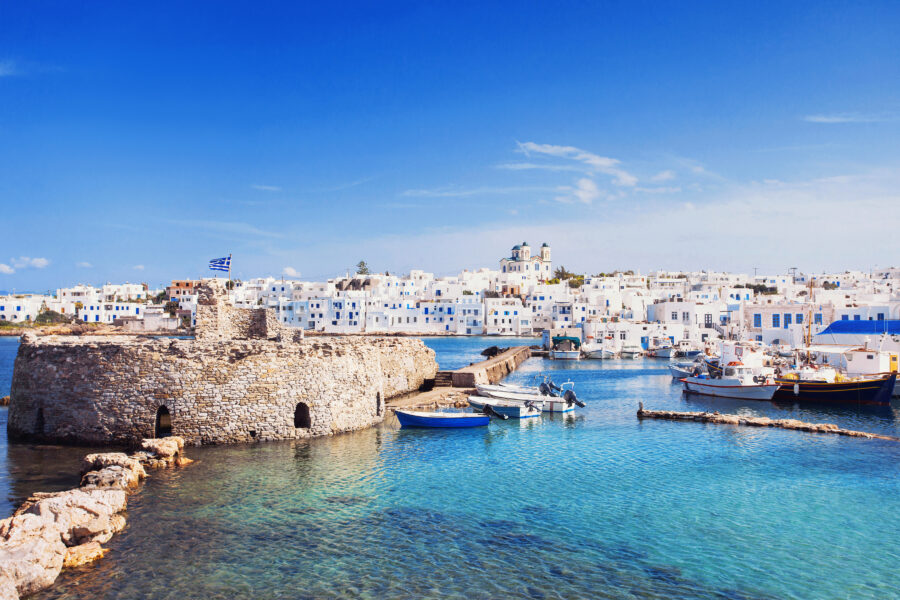
They both belong to the Cyclades and show off those classic whitewashed villages and sandy beaches, but honestly, they couldn’t feel more different once you’re there. One leans traditional and sprawling; the other, charming and compact.
Geography and Landscape
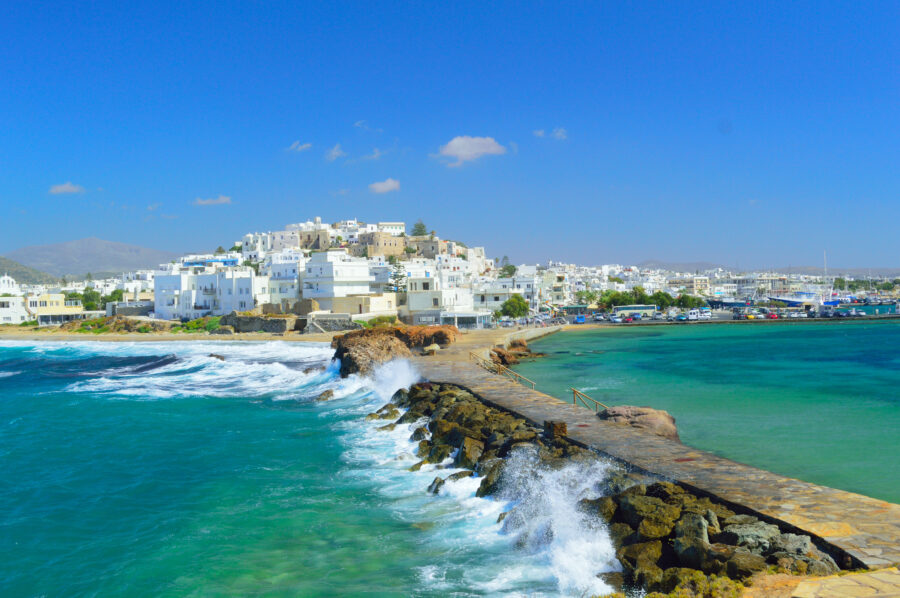
Naxos tops the Cyclades in size, and you’ll feel it when you’re cruising around. The mountains in the middle—Mount Zas, especially—give the place some real drama. Olive groves, valleys, and even actual farms pop up all over, which is kind of rare for these islands.
Paros, though, stays flatter and smaller. You can drive around it in just a few hours, which is perfect if you’re impatient or short on time. The hills roll gently, and the coastline is more about soft curves than jagged peaks.
Love hiking or getting lost in nature? Naxos has your back. Prefer quick access to beaches and villages with zero long drives? Paros is way more manageable.
Both islands look postcard-perfect, but Naxos has more wild coves, while Paros keeps its beaches compact and easy—Kolymbithres Beach is a classic.
Island Atmosphere and Vibe
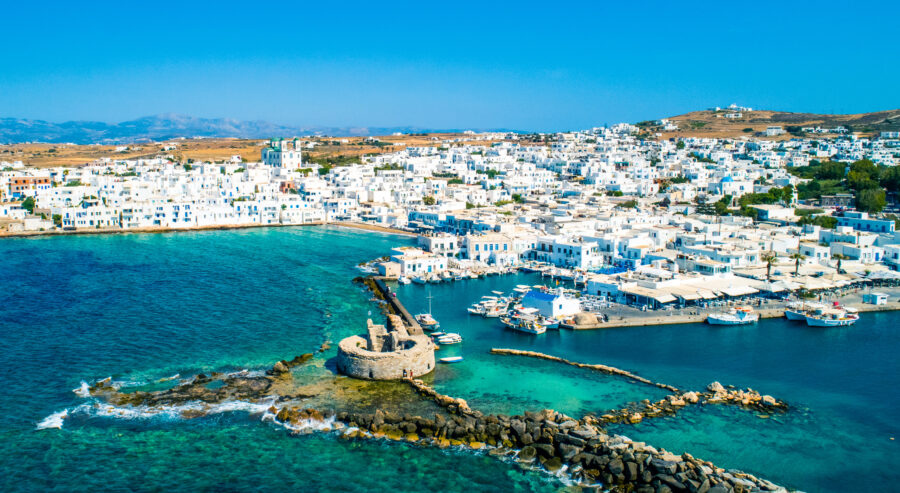
Paros brings a polished, boutique energy, especially in Naoussa. You’ll wander through narrow lanes lined with stylish bars and shops. It gets lively in summer but somehow never feels as chaotic as Mykonos.
The crowd is a mix of Greek families, couples, and younger travelers who want nightlife but not total madness.
Naxos? It’s more grounded and, honestly, a bit more real. Chora, the main town, buzzes with locals and visitors, but it doesn’t feel curated for tourists. Kids play in the squares, farmers hawk cheese, and the tavernas serve up hearty food without any fuss.
Craving that “real Greece” vibe? Naxos leans hard in that direction. Want style, sociability, and a bit of buzz? Paros usually wins. Personally, I find Naxos more interesting during the day, but Paros nails it for evenings and café culture.
Cost and Value for Money
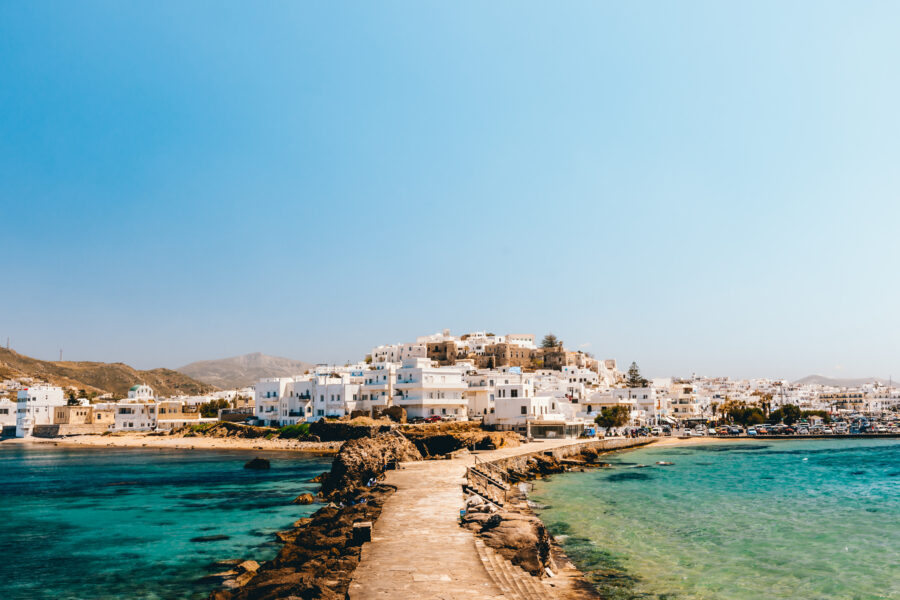
When you stack up Naxos vs Paros, the price tags don’t quite match. Paros, especially Naoussa, tends to get pricey—think boutique hotels and fancy dining. It’s gorgeous, but you’ll probably drop more cash on both food and stays.
Naxos is more forgiving on your wallet. Family-run guesthouses, affordable tavernas, and mid-range hotels pop up everywhere, and the bigger island means more choice.
Both islands cover the full range, though. If you’re chasing luxury, Paros delivers. If you want comfort without breaking the bank, Naxos is the move. According to a recent Naxos vs Paros comparison, Naxos wins on food and mid-range stays.
Traveling on a budget? Naxos stretches your euros. If you’re after boutique flair and don’t mind spending a bit more, Paros is your pick.
Getting There: Flights and Ferries
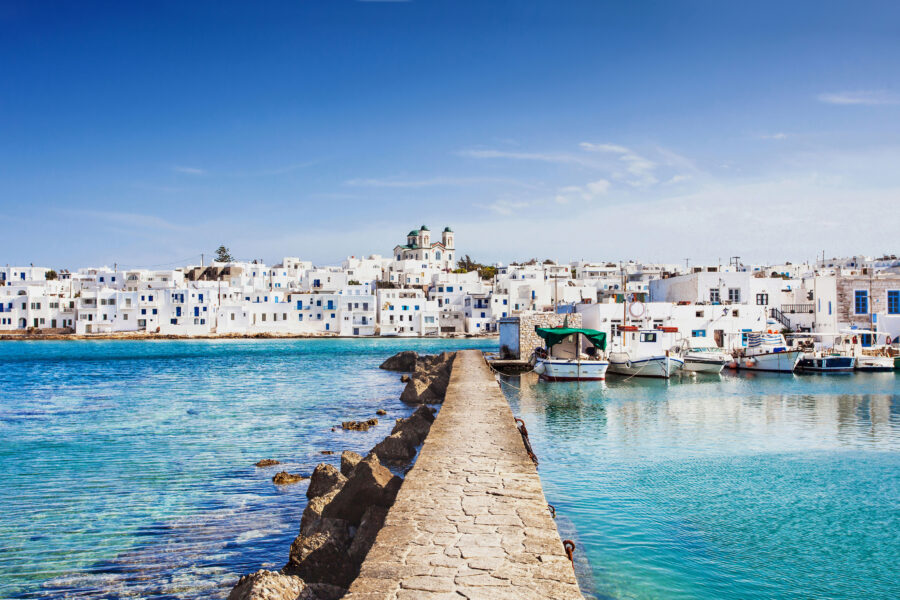
Getting to Naxos or Paros usually means hopping on a ferry or catching a quick domestic flight. Athens offers easy access, and both islands connect smoothly to other Cyclades like Mykonos, Santorini, Milos, Ios, and Koufonisia.
Ferry Connections and Schedules
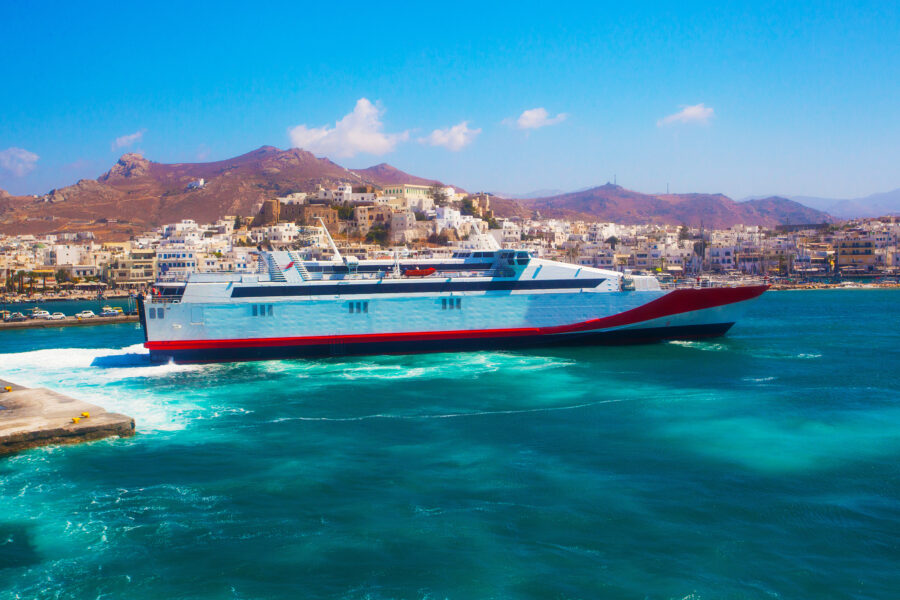
Most people choose ferries, and honestly, it’s half the adventure. Naxos and Paros are only about 15 miles apart, so you can zip between them in under an hour.
High-speed ferries, like SeaJets, get you there in about 25 minutes. Traditional boats take closer to 90 minutes, which is still not bad.
In summer, multiple daily sailings make it easy to day trip between islands. If you’re traveling in July or August, book ahead—ferries fill up fast.
I always use Ferryhopper because it’s simple and lists all the operators. Delays can happen, especially when the Meltemi winds blow. I’ve personally waited hours in Paros for a ferry to Naxos—rare, but not unheard of.
Direct Flights from Athens
Both islands have tiny domestic airports, so flying is an option if ferries aren’t your thing. Flights from Athens take about 40 minutes and usually run on smaller planes with limited seats.
You can quickly check prices on Skyscanner or snag last-minute cheap flights. Flights cost more than ferries and run less often.
If you’re pressed for time, flying is the most reliable way to avoid missing an international connection. I like to fly into one island and ferry out of the other—it saves time and gives you both experiences.
Island Hopping to Mykonos, Santorini, and Milos

Naxos and Paros make island hopping a breeze. You can catch a ferry to Santorini in roughly 2 hours, or reach Mykonos in just over an hour. Milos is a bit of a trek—usually 3 to 4 hours depending on the boat.
I’ve done the Naxos–Ios–Santorini route, and it’s a classic if you want quieter islands with a big-name finale. Koufonisia is another gem—tiny, stunning beaches, and less than 2 hours from Naxos.
Schedules ramp up in summer and slow down in winter. If you’re piecing together a multi-island trip, KAYAK helps you juggle flights and ferries in one place. It saves a ton of planning stress.
See Related: Best Places to Visit in Italy This Year
Where to Stay: Towns and Villages
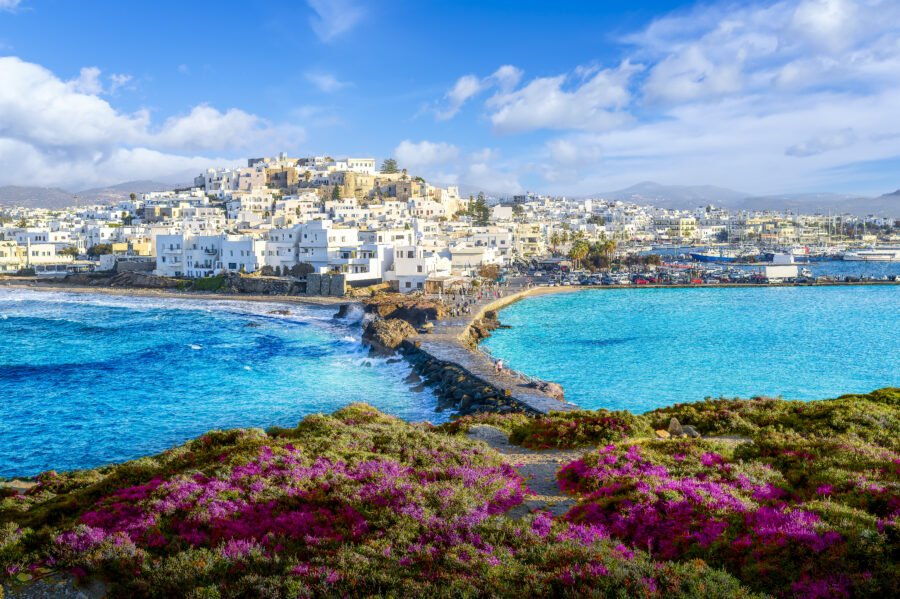
Naxos and Paros both offer lively port towns, scenic harbors, and peaceful mountain villages. Where you stay honestly shapes your whole trip. Are you after nightlife, walkable beaches, or that slow village pace?
Naxos Town (Chora) and Surroundings
Naxos Town, or Chora, is the island’s heartbeat. Step off the ferry and you’re smack in the middle of bustling shops, tavernas, and the iconic Portara—the marble gateway from an unfinished temple.
The old town climbs up to a Venetian castle, winding with alleys packed with cafés and boutiques.
If you want everything close—beach, nightlife, history—this is your place. Agios Georgios Beach sits just minutes from the port, perfect if you’re skipping car rentals. Families love the area because it’s flat and so easy to get around.
You’ll find everything from budget stays to boutique hotels. Check Booking.com early, since waterfront spots fill up fast in summer. For day trips, small boats leave from the harbor to places like Rina Caves and the Little Cyclades.
Parikia and Naoussa
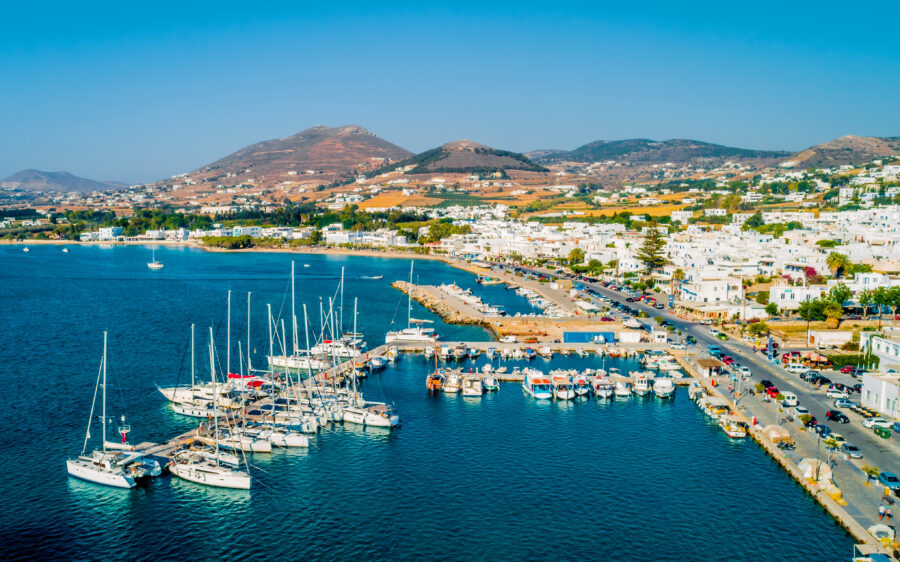
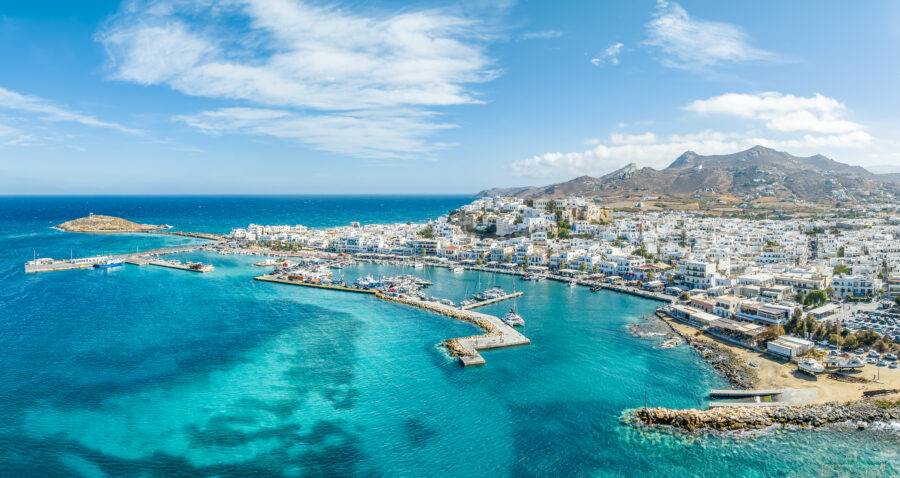
Parikia, the capital of Paros, is the main ferry port. It feels more local than touristy, with winding streets, whitewashed homes, and lots of Greek tavernas. Beaches sit on both sides of town, so you’re never far from a swim.
Naoussa is that picture-perfect fishing village with a lively harbor. Over the years, it’s grown into a hotspot for nightlife and food, with cocktail bars tucked among old stone houses. It’s like a mini, chill version of Mykonos.
If nightlife and boutique hotels top your list, head to Naoussa. Parikia works great if you want a working-town vibe and easy bus links, including the ferry to Antiparos. Both towns offer water taxis to nearby beaches, so you can skip renting a car.
Traditional Villages: Apeiranthos, Halki, and Filoti
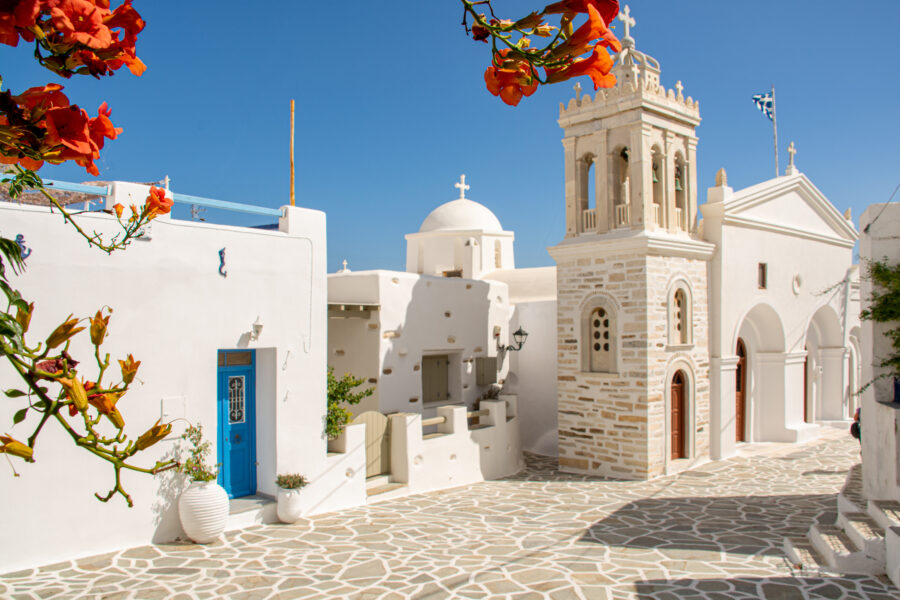
The mountain villages of Naxos deliver a totally different feel. Apeiranthos sits high, with marble-paved alleys and a pace that begs you to slow down. Grab a coffee in the square and watch old men play backgammon—it’s the good stuff.
Halki, once the island’s capital, still carries that energy. Neoclassical homes, tiny museums, and the famous Kitron distillery line the streets. It feels lived-in, not staged.
Filoti is bigger and more vibrant, tucked under Mount Zas. It’s a great base if you’re itching to hike or explore the island’s interior. Life is simpler in these villages—fewer amenities, but a real Cycladic vibe. If you arrive early and your room isn’t ready, luggage storage near the port comes in handy before you head uphill.
Beaches and Water Activities

Naxos and Paros both have beaches that are honestly worth the trip alone. Naxos leans toward long sandy stretches and quiet escapes, while Paros mixes compact coves, wild rock formations, and loads of water sports.
Top Beaches in Naxos
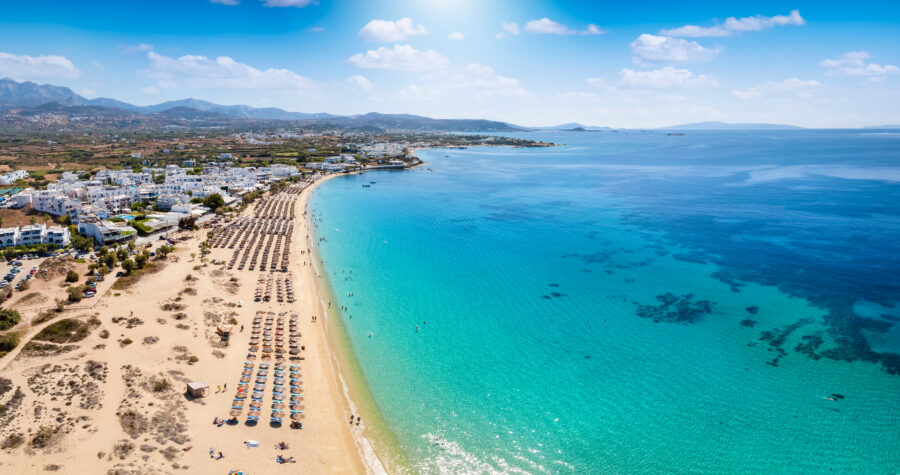
Step onto Plaka Beach and you’ll see why people rave about it. The sand stretches on and on, the water stays shallow, and there’s space to breathe—even in peak season. It’s rare to find a spot this peaceful on a popular Greek island.
Just up the coast, Agios Prokopios stands out as Naxos’s most famous beach. The water here is almost impossibly turquoise, and the beach is lined with umbrellas, loungers, and tavernas. Families love it because the sea is calm and shallow for ages.
If you’re after something wilder, Mikri Vigla is unforgettable. The breeze picks up, the vibe feels untamed, and windsurfers flock here. I once spent hours just watching kite sails flicker against the blue—sometimes, that’s all you need.
Best Beaches in Paros
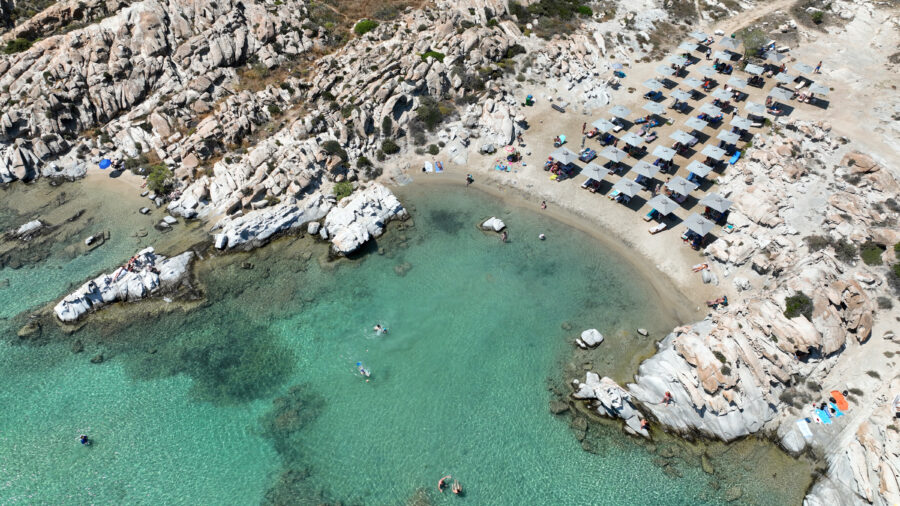
Paros doesn’t have the endless sandy stretches you’ll find on Naxos, but honestly, the variety here keeps things interesting. Kolymbithres Beach is probably the one you’ve seen splashed across travel magazines—those smooth granite rocks look like something out of a sci-fi movie, sculpted by nature and time. It’s a blast to scramble over the boulders between dips in the sea, though you won’t find much sand to spread out on.
Then there’s Golden Beach, which flips the script—wide, open, and super sandy, with steady winds that attract windsurfers from all over. The place buzzes in summer, with music drifting from beach bars and colorful sails darting across the water. People-watching here? Top notch.
Closer to Paros’ towns, you’ll stumble onto smaller beaches near Naoussa. I love these for their convenience—just a quick stroll from the taverna to the water. They might not have the drama of Kolymbithres or Golden Beach, but sometimes you just want a quick swim between lunch and shopping, right?
Windsurfing, Kitesurfing, and Water Sports
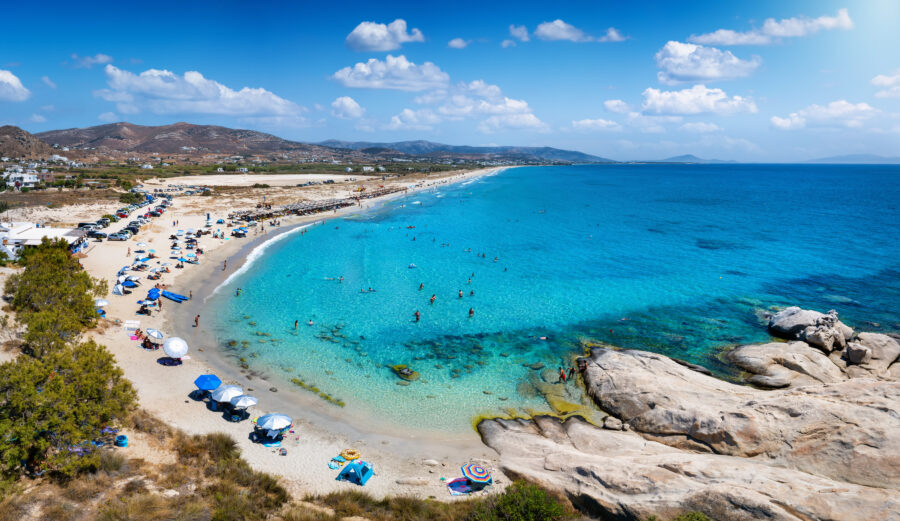
Water sports are a big deal on both islands, though each draws its own kind of crowd. Over on Naxos, Mikri Vigla is where windsurfers and kitesurfers flock. The wind here? Pretty much legendary in the Cyclades. Locals split the bay into calmer and wilder sides, so beginners and experts can all find their groove without bumping into each other.
Paros’ Golden Beach is the main spot for windsurfing. International competitions have happened here, so you’ll catch some seriously skilled riders showing off. Don’t let that intimidate you—surf schools line the sand, and the instructors are super patient. Years ago, I tried windsurfing here and, well, spent more time in the water than on the board, but it was a blast.
Both islands offer stand-up paddleboarding, kayaking, and boat trips. In Naxos, you can jump on a small boat tour to secret coves and sea caves. Paros makes it easy to take day trips to Antiparos and Despotiko—if you like mixing swims with a bit of adventure, these quick hops are totally worth it.
If you want more deep-dive comparisons, check out this guide on Naxos vs Paros.
See Related: Breathtaking Best Beaches in Europe (With Hidden Gems!) 🏖️
Cultural and Historical Highlights
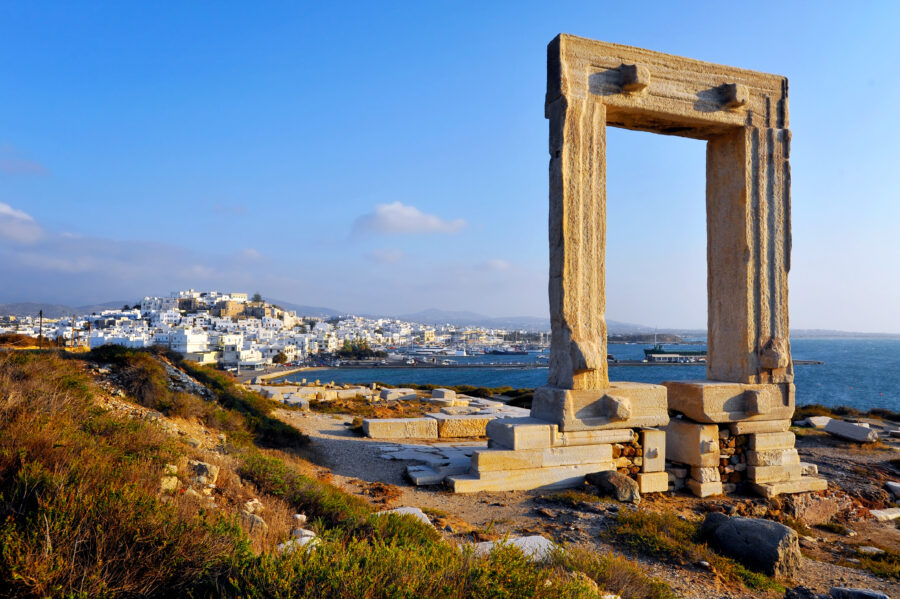
History in the Cyclades isn’t just something you read about—it’s right there, woven into daily life. You’ll wander past ancient temples that have stood for centuries, or stumble across marble statues half-hidden in the hills. It’s hard not to feel the layers of the past pressing in.
Ancient Sites: Portara and Temple of Demeter
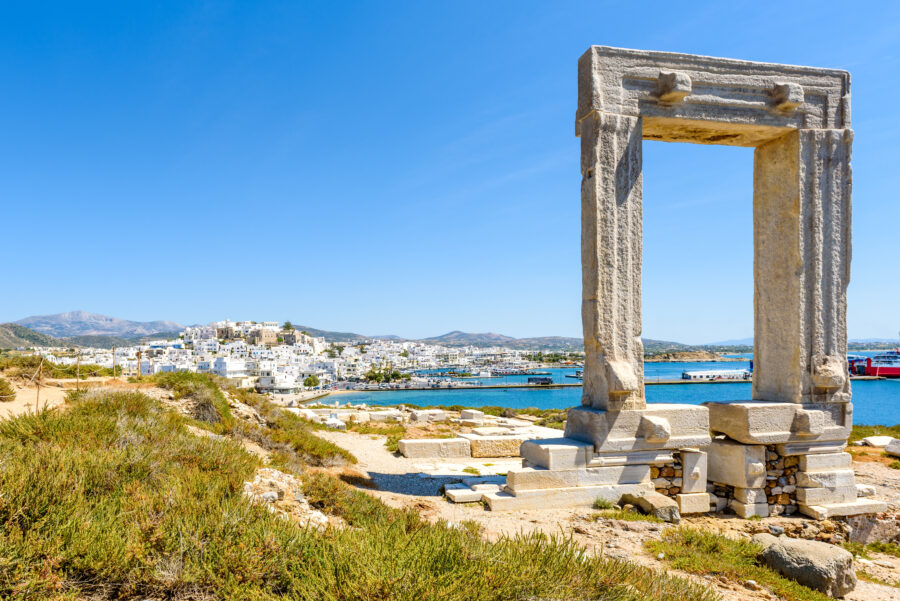
Step off the ferry in Naxos and bam—the Portara grabs your attention. This massive marble doorway from the unfinished Temple of Apollo sits out on a little islet, connected by a causeway. I swear, sunrise and sunset here feel like two different worlds; the colors just hit differently.
Head inland and you’ll find the Temple of Demeter, tucked away near Sangri. Built in the 6th century BC, it honors the goddess of harvest. The ruins aren’t as big as the Portara, but the countryside setting gives it a special vibe. Walking through the columns, you really sense how much farming and fertility mattered to the islanders.
Paros doesn’t have a single showstopper ruin, but you’ll find scattered remains and Byzantine churches that whisper their own stories. If you’re into archaeology, both islands deliver, but Naxos definitely feels grander.
Cycladic Architecture and Local Art
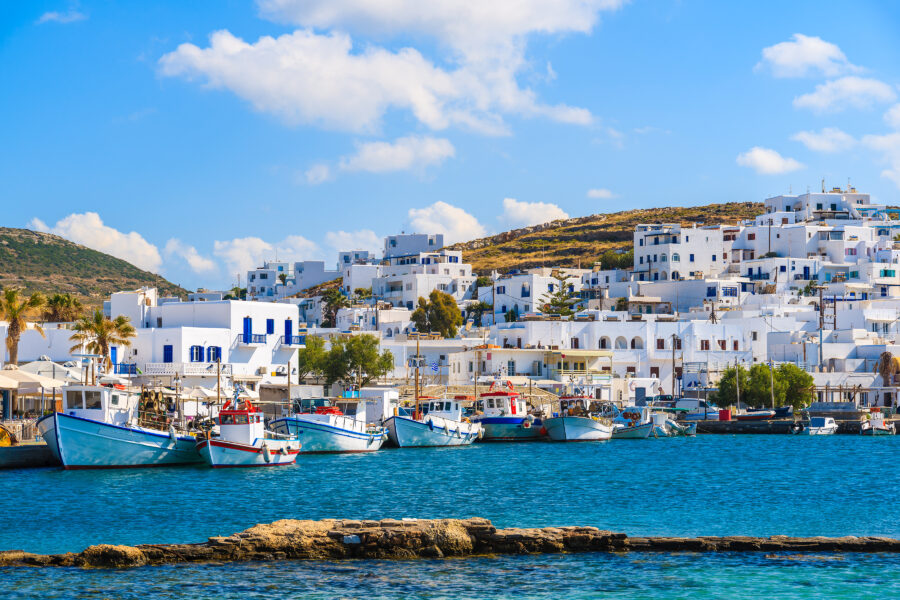
Whitewashed houses, blue shutters, those twisty alleys—classic Cycladic architecture is everywhere here. But each island puts its own spin on things. In Naxos town, the Venetian castle district adds a cool medieval vibe you won’t get on Paros. Arched doorways, old coats of arms carved into stone—it’s like walking through a history book.
Paros, especially in Naoussa and Parikia, has a more polished feel. Art galleries and boutique shops line the streets, and you can actually meet local artists at work. I love ducking into tiny workshops to see traditional crafts still going strong.
Bring your camera—both islands are a photographer’s playground. The way the white walls pop against the blue sky? Never gets old. Every corner is begging for a photo.
Marble, Kouros Statues, and Local Legends

Paros made its name with Parian marble—the stuff of legends, really. Sculptors used it for masterpieces like the Venus de Milo. You can still wander the old marble quarries near Marathi, peering into the tunnels where workers once carved out giant blocks.
Naxos hides its own wonders: the unfinished Kouros statues lying in the countryside. These massive figures, some over seven meters long, were abandoned when cracks appeared in the marble. Walking up to one feels surreal—like you’ve stumbled across a sleeping giant in the weeds.
Locals love to weave myths into these places. You’ll hear stories of gods and heroes tied to the land. Even if you’re skeptical, it’s hard not to get swept up in the magic—these aren’t just stones, they’re chapters in a story that’s still being told.
Local Experiences: Food, Nightlife, and Day Trips
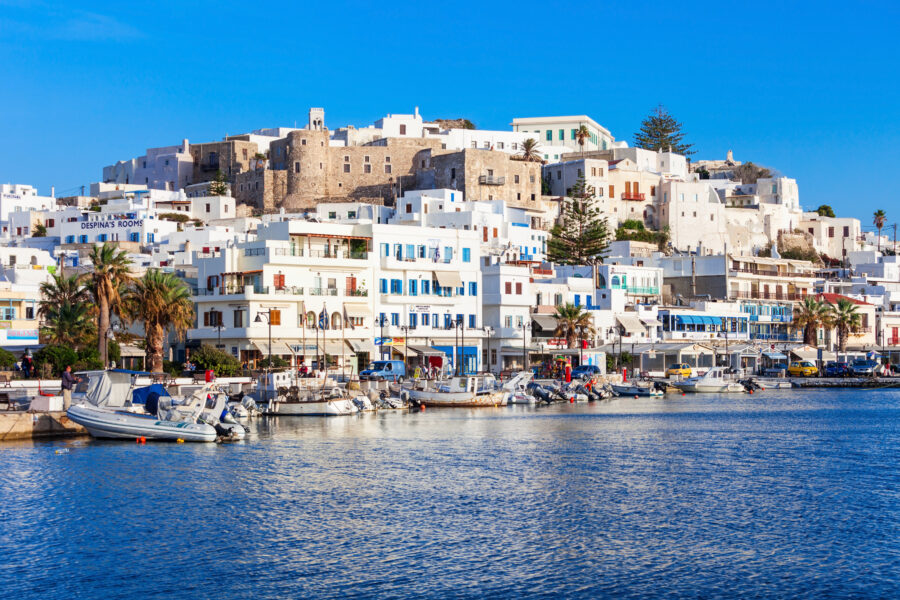
Naxos and Paros give you all sorts of ways to dive into island life. Whether you’re eating what’s grown right here, soaking up the nightlife, or hopping on a boat to a nearby island, you’ll feel the differences as soon as you sit down for a meal or wander a village square after dark.
Dining and Regional Cuisine
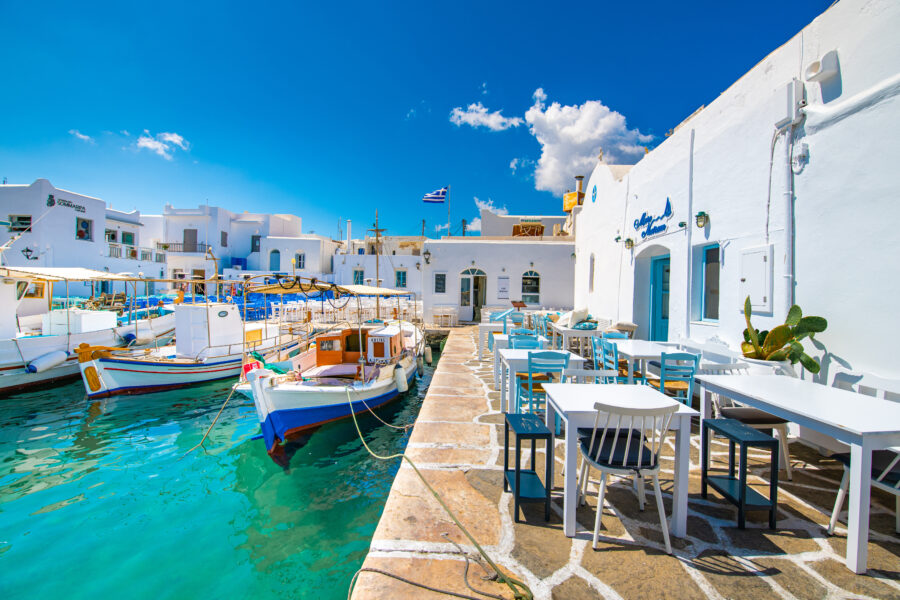
If you love food (who doesn’t?), both islands will keep you happy. Naxos leans into its agricultural roots—tavernas here serve up hearty, traditional dishes. Expect plates built around local potatoes, cheeses, and goat meat. I’ll never forget a meal in Halki, where the owner poured us citrus liqueur from his family’s still. It felt like tasting the island itself.
Paros takes dining up a notch. In Naoussa, you’ll find seafood restaurants pushing modern Greek cuisine, plus plenty of cozy tavernas. One night you’re eating grilled octopus by the harbor, the next you’re at a sleek spot trying something new.
If you’re planning to hit up food markets, pack some travel gear to carry home your finds—especially cheeses or fresh herbs from the villages in Naxos.
Nightlife and Entertainment
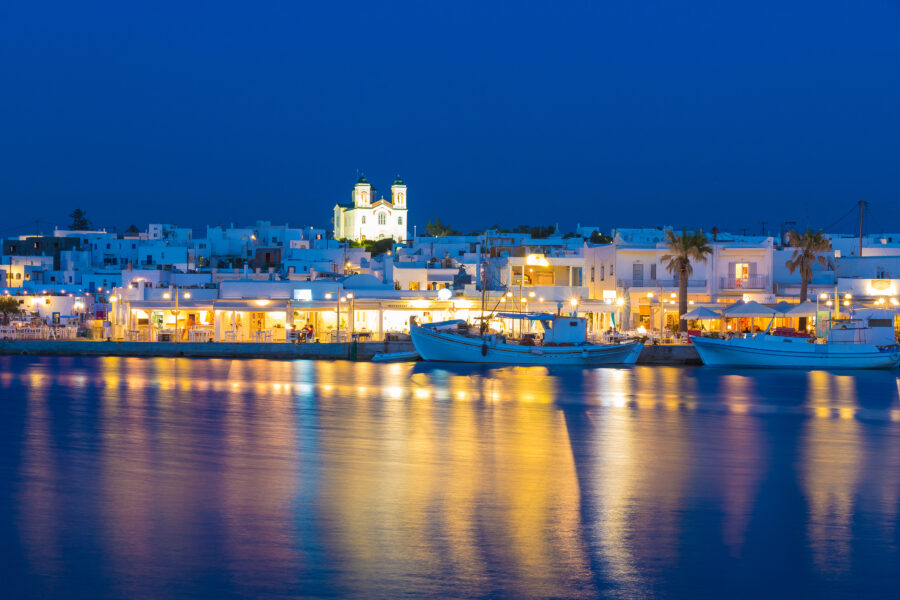
Paros definitely wins for nightlife. Naoussa’s waterfront is packed with cocktail bars, and by midnight the alleys are buzzing. It’s a stylish, fun crowd—if you like dressing up and staying out late, you’ll fit right in.
Naxos plays it quieter. Chora has a few bars and small clubs, but nightlife here is more about slow evenings—wine in a square, live bouzouki at a taverna, or just wandering the port. If you’re traveling with kids or just want something chill, Naxos feels more relaxed.
Basically, Paros is for dancing till dawn, Naxos is for lingering over drinks and conversation.
Day Trips to Antiparos and Koufonisia
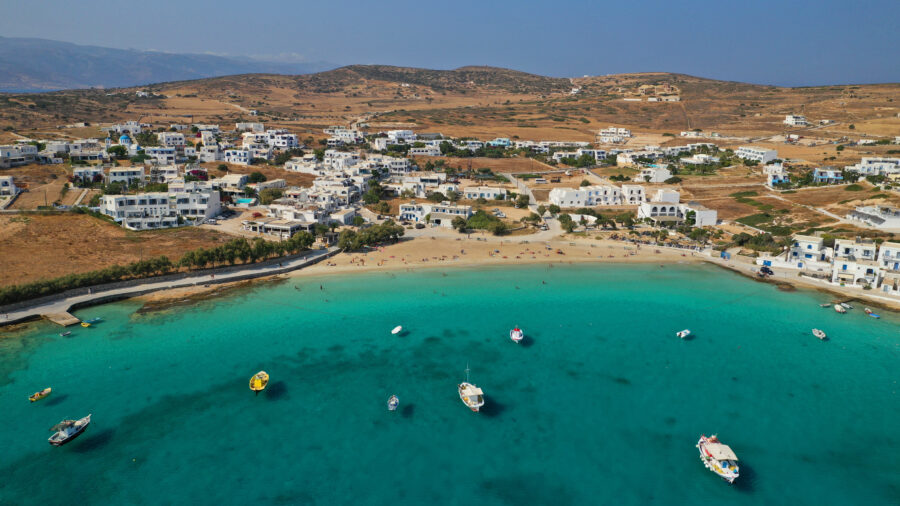
One of the best things about this part of the Cyclades is how easy it is to hop to another island. From Paros, a quick ferry takes you to Antiparos in about ten minutes. It’s tiny and peaceful—honestly, it feels like you’ve left the crowds behind. I once spent an afternoon just wandering the quiet lanes and swimming off a little pier.
From Naxos, day trips head to the Koufonisia islands. These spots are famous for their turquoise water and sandy coves. You can book organized tours or just jump on a local ferry. Koufonisia is perfect if you love walking—most beaches are linked by footpaths, so you can spend a whole day beach-hopping without ever getting in a car.
If you have time, try both—Antiparos for its charm, Koufonisia for its wild, untouched beauty.
See Related: The Top Vacation Spot in the World: Discover the Ultimate Destination
Frequently Asked Questions
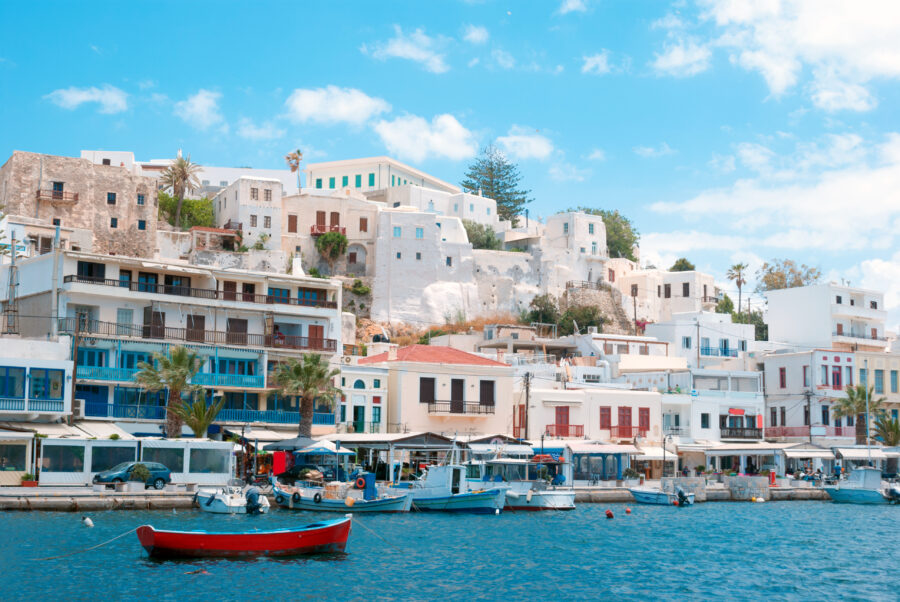
When travelers try to pick between Naxos and Paros, they usually weigh cost, nightlife, beaches, culture, food, and sometimes romance. Each island marches to its own beat, and what you want really shapes which one’s right for you.
Which island is more budget-friendly, Naxos or Paros?
Naxos usually ends up cheaper. You’ll find family-run guesthouses, affordable tavernas, and tons of free or low-cost things to do—hiking, exploring mountain villages, you name it.
Paros tends to cost more, especially in Naoussa, where boutique hotels and trendy restaurants rule. If you’re counting your euros, Naxos stretches your budget without making you feel like you’re missing out.
What distinguishes the nightlife in Naxos from that in Paros?
Paros is the party pick. Naoussa draws a younger, cosmopolitan crowd with its cocktail bars and late-night spots. Parikia is a bit more relaxed but still lively.
Naxos nightlife sticks mostly to Chora. You’ll find cozy wine bars and a couple of small clubs, but it’s nowhere near as wild as Paros. It’s great if you’d rather wind down than ramp up at night.
Can you compare the beaches between Naxos and Paros?
Naxos beaches are long, sandy stretches with shallow turquoise water. Agios Prokopios and Plaka are favorites for their soft sand and easy access. If you rent a car and drive east, you’ll find hidden coves all to yourself.
Paros beaches bring more variety. Kolymbithres has those wild rock formations, and Golden Beach is windsurfing central. Smaller coves feel tucked away, and water taxis make it easy to hop around.
How do the cultural experiences differ between Naxos and Paros?
Naxos feels more traditional. Villages like Apeiranthos and Halki hang onto old customs, and you’ll see locals living their daily lives, not just catering to tourists. Big ruins like the Portara add to the historic vibe.
Paros has its own charm but feels more international. Artists and expats have settled in, so you’ll notice more galleries and a modern edge to its towns.
What are the key differences in the culinary scenes of Naxos versus Paros?
Naxos is all about local produce. The island’s famous for potatoes, cheese, and meat, and tavernas serve hearty, traditional food at fair prices. I still think about that goat stew in a mountain village—cheaper than a cocktail back in Naoussa!
Paros offers more international options. Sushi bars, fusion spots, upscale dining—you’ll find it all. If you want variety, it’s great, but you’ll probably pay more than you would for a rustic feast on Naxos.
Which island would you recommend for a more romantic honeymoon, Naxos or Paros?
Alright, let’s be honest—Paros usually steals the show for honeymooners. There’s just something about wandering through Naoussa’s whitewashed alleys, ducking into chic little hotels, and maybe splurging at a beach club that feels like the start of a great story together.
But hey, Naxos? It’s got its own kind of magic, especially if you’re after quiet romance. Imagine long, lazy walks on beaches where you might not see another soul, mountain sunsets that practically demand a toast, and those cozy tavernas where you linger over dinner just a little too long.
If you’re setting off on your honeymoon adventure, I’d really suggest checking out travel insurance. You never know—plans change, and it’s nice to have that peace of mind tucked in your back pocket.