Siargao vs Camiguin: 7 Key Differences Every Traveler Must Know
Updated September 15, 2025
Picking between Siargao and Camiguin? Yeah, it’s not easy—they both have their magic. If you’re after surf vibes, island-hopping with powdery white sand, and a laid-back nightlife, Siargao’s your jam. But if you’re craving quiet natural wonders, hot springs, and a slower, gentler pace, Camiguin shines. It really boils down to whether you want to ride waves or chase waterfalls.
I’ve spent time on both islands, and honestly, they’re worlds apart. In Siargao, you’ll find yourself bouncing between Naked Island, Daku, and Guyam, then settling in for fresh seafood and a sunset beer.
Over in Camiguin, mornings might mean soaking in a hot spring, and afternoons could take you to a hidden waterfall. The vibe? Way calmer—think more weekenders from nearby cities than backpackers with surfboards.
Table of Contents
- Key Takeaways
- Siargao vs Camiguin: Quick Comparison
- Location and Accessibility
- Overall Vibe and Atmosphere
- Best Time to Visit
- Beaches and Island Hopping
- White Sand Beaches
- Unique Island Experiences
- Sandbars and Offshore Islands
- Adventure and Outdoor Activities
- Surfing and Watersports
- Trekking and Nature Trails
- Natural Wonders and Attractions
- Waterfalls and Springs
- Rockpools and Caves
- Local Culture and Community
- Festivals and Traditions
- Dining and Nightlife
- Travel Logistics and Accommodation
- Getting There and Around
- Resort and Homestay Options
- Frequently Asked Questions
- What are the top attractions for visitors in Siargao compared to Camiguin?
- How do the beaches of Siargao contrast with those on Camiguin in terms of surf conditions?
- Can you highlight the differences in local cuisine between Siargao and Camiguin?
- What unique cultural experiences can travelers expect in Camiguin versus Siargao?
- How does the accessibility of natural wonders in Siargao compare with that in Camiguin?
- What are the accommodation options like in Camiguin compared to Siargao for different budgets?
- Book Your Dream Experience
- More Travel Guides
Key Takeaways
- Siargao pulses with surf culture and island-hopping adventures
- Camiguin is all about natural springs, waterfalls, and quiet charm
- Your pick depends on whether you want action or relaxation
Siargao vs Camiguin: Quick Comparison
Siargao and Camiguin might be Mindanao neighbors, but their personalities couldn’t be more different. Siargao’s all about surf and hopping between islands, while Camiguin is scattered with volcanoes, hot springs, and waterfalls.
If you’re itching for water adventure, Siargao calls. Prefer a laid-back escape, surrounded by nature? Camiguin’s got you.
Location and Accessibility
Siargao sits up on Mindanao’s northeastern tip. You’ll probably fly straight into Sayak Airport from Cebu or Manila, but if you’re already in Mindanao, you’ll travel to Surigao City and catch a ferry. That trip can eat up a whole day if you’re starting from Cagayan de Oro or Davao.
Camiguin, on the other hand, is basically next door to Cagayan de Oro. Just hop on a bus to Balingoan Port, then a quick ferry ride, and you’re there. The whole thing takes just a few hours—super doable for a shorter trip.
If you’re tight on time, Camiguin makes more sense. But if you’re craving that remote island feel and don’t mind a trek, Siargao’s worth the journey. For the nitty-gritty on routes and travel tips, check out this discussion comparing Camiguin and Siargao.
Overall Vibe and Atmosphere
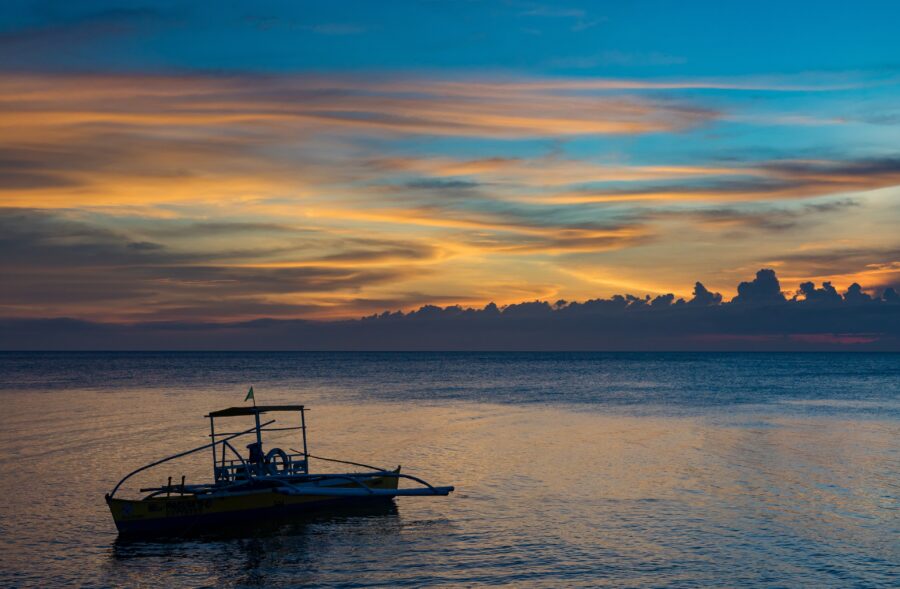
Siargao feels young and alive. Even if you’ve never touched a surfboard, General Luna buzzes with tiny cafés, hostels, and quirky stays. Backpackers, digital nomads, and locals all mix together, and you’ll feel that rising popularity everywhere. It’s social, but not overrun by resorts—thankfully.
Camiguin’s got a quieter, more traditional energy. You’ll meet more Filipino travelers than foreign tourists, and the pace is just slower. The island’s small enough to circle by motorbike in a few hours. Hot springs, waterfalls, and that iconic White Island sandbar are always close by.
If you want nightlife and a mix of cultures, Siargao’s your playground. Prefer to slow down, explore at your own pace, and chat with locals? Camiguin might steal your heart.
Best Time to Visit
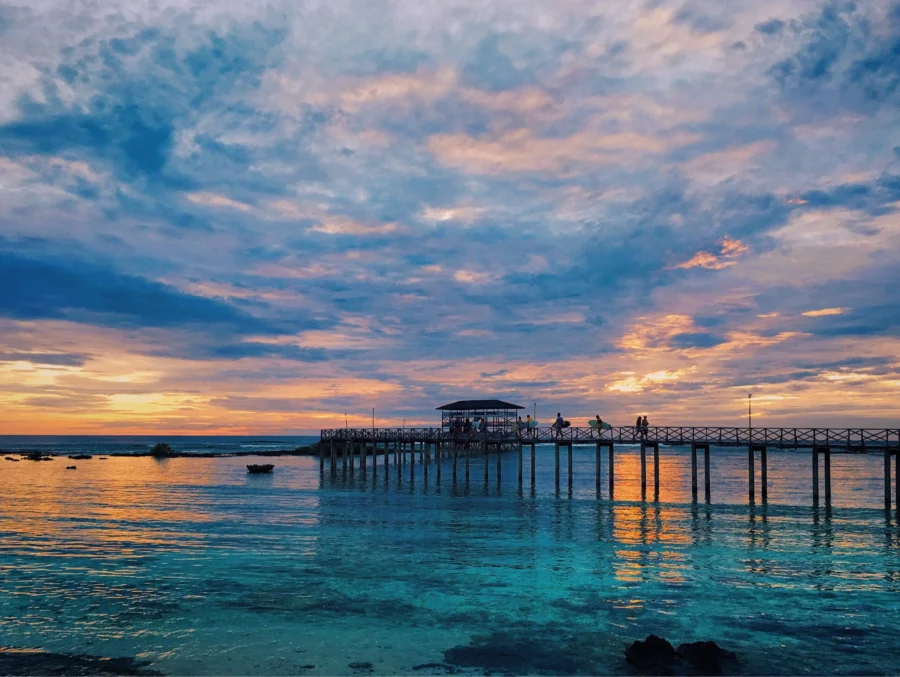
Siargao peaks September to November—surfers flock to Cloud 9 for epic waves. Not a surfer? You might like the drier months from March to May better. The water’s calmer, so island-hopping to Naked, Guyam, and Daku gets easier and way more chill.
Camiguin follows a different rhythm. The Lanzones Festival in October is a big deal, but you’ll find good weather most of the year. January to May usually brings the sun, perfect for chasing waterfalls and volcano views.
Both islands can get hammered by rain during typhoon season, from late August to December. If you’re heading out then, keep your plans loose. For more on weather and festivals, here’s an overview of Siargao and Camiguin.
Beaches and Island Hopping
Siargao and Camiguin both promise beautiful coastlines, but the experiences? Totally different. Siargao leans into classic white sand and easy island-hopping, while Camiguin mixes volcanic shores with wild offshore spots.
White Sand Beaches

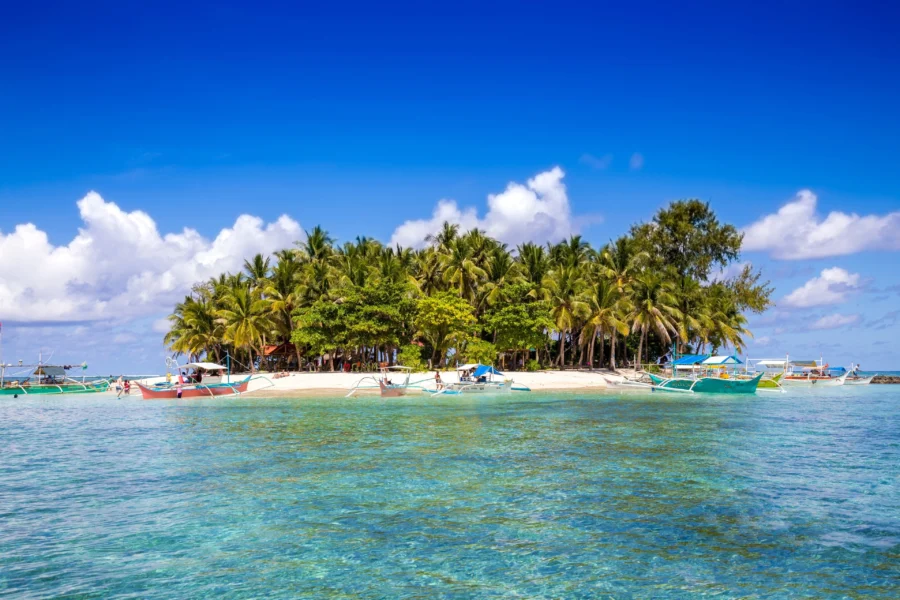
If you’re chasing that picture-perfect stretch of sand, Siargao usually comes out on top. Around General Luna, you can jump on a boat to Guyam, Daku, and Naked Island—all white sand, all super chill for swimming. This is the stuff you see on postcards.
Camiguin, though, owes its shape to volcanoes. Most beaches have dark, fine sand, which might not scream “tropical paradise” at first. Don’t write it off. The White Island sandbar—just a short boat away—hits you with blinding white sand and a killer view of Mount Hibok-Hibok.
Honestly, I loved Camiguin’s mix of black and white sand. It keeps things interesting, and every swim feels a little different. Siargao’s more predictable: classic, white, and easy-going.
Unique Island Experiences
Here’s where the two really split. Siargao’s all about hopping islands, eating fresh fish by the shore, and maybe squeezing in a surf lesson at Cloud 9. It’s straightforward, but it works—especially if you’re short on time.
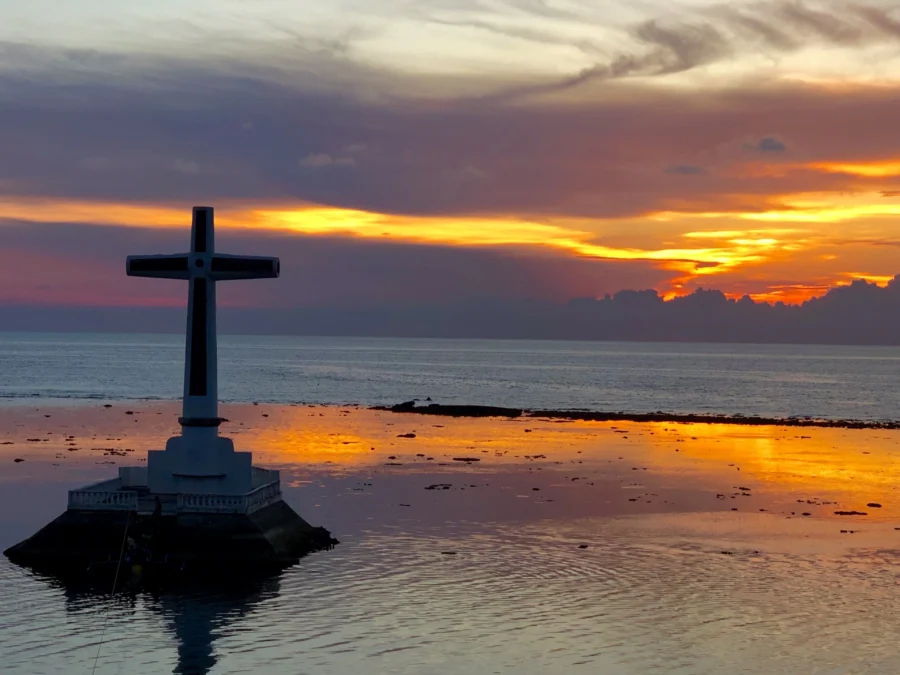
Camiguin, though, layers on the adventure. You can snorkel over the Sunken Cemetery, where corals cover what’s left of a town swallowed by a volcanic eruption. Or take a boat to Mantigue Island, with its tiny forest and some of the clearest snorkeling I’ve ever seen.
Floating above those fish, I remember thinking, “Why did I ever pay more for other dive trips?” If you like variety, Camiguin has a bit more to offer.
Sandbars and Offshore Islands

Both islands have sandbars, but they hit differently. Siargao’s Naked Island is just that—a bare patch of white sand floating in the sea. You’ll swim, snap a photo, and move on.
Camiguin’s sandbars, like the White Island sandbar, actually shift shape with the tide. You can hang out for hours, volcanoes looming in the background. It’s not just a pit stop—it’s a place to slow down and soak it all in.
If you love checking off lots of islands in one trip, Siargao’s your best bet. Prefer to linger and let a single view sink in? Camiguin’s got you. Are you a checklist traveler, or do you like to just let the day stretch out?
For more nitty-gritty, check out this Camiguin and Siargao comparison.
Adventure and Outdoor Activities
Both islands beg you to get outside and play. Siargao focuses on the ocean, while Camiguin pulls you toward mountains, springs, and volcanic wonders.
Surfing and Watersports
If surfing’s your thing, Siargao is basically the Philippines’ surf capital. Cloud 9’s reef break attracts surfers from everywhere. New to the sport? No worries—smaller breaks and surf schools make it easy to jump in without feeling lost.
There’s more than just surfing, though. You can hop a boat from General Luna and spend the day island-hopping to Naked, Daku, and Guyam. Expect snorkeling, swimming, and grilled fish right on the sand.
Camiguin doesn’t really do surf culture, but it totally makes up for it with snorkeling and diving. The Sunken Cemetery is a unique spot—corals, giant clams, and a bit of history under the waves. Over on Mantigue Island, the water’s so clear you’ll wonder if you’re dreaming.
If you want to skip the hassle of planning, you can book water adventures through GetYourGuide. It saves you from sorting out the details after you land.
Trekking and Nature Trails

Camiguin’s nickname, “Island Born of Fire,” isn’t just for show. Mount Hibok-Hibok looms in the background, and hiking it is a rite of passage. The trail gets steep and sweaty, but the views at the top are totally worth it—sea on one side, islands on the other.
Looking for something lighter? The Walkway to the Old Volcano combines a short hike with religious landmarks along the Stations of the Cross. It’s especially busy during Holy Week, but you can do it any time.
Siargao doesn’t really do mountains. The land’s mostly flat, covered in endless palm trees. Instead, you’ll find adventures like scrambling over the Magpupungko Rock Pools or paddling out to Sugba Lagoon. These spots are more about the water than the hike.
You can also line up guided eco-tours and hikes on Viator if you want a local to show you the best trails.
Natural Wonders and Attractions
Water shapes both islands, but in totally different ways. Siargao’s got ocean-carved lagoons and pools, while Camiguin’s volcanoes create springs and waterfalls. You’ll end up picking between saltwater adventures and freshwater escapes, depending on your mood.
Waterfalls and Springs
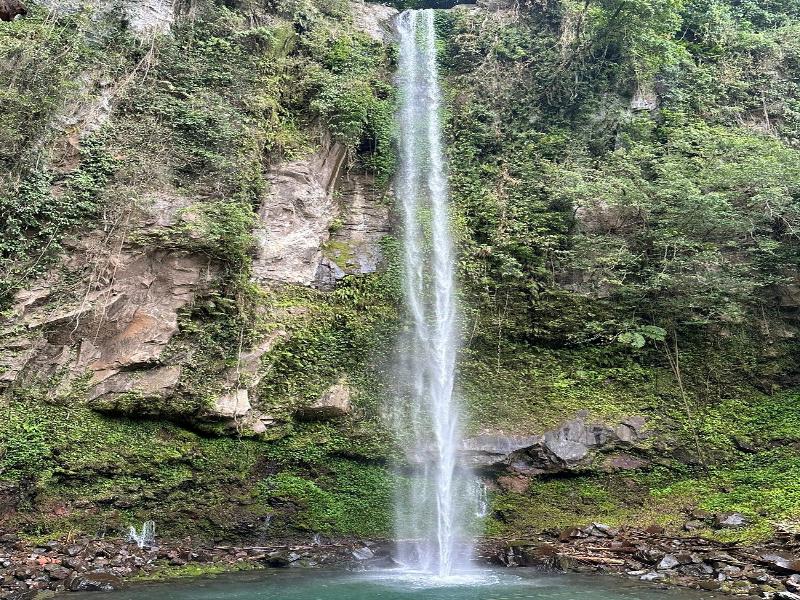
Camiguin overflows with freshwater spots, thanks to its volcanic roots. You can swim under the 70-foot Katibawasan Falls—cool water pouring into a deep basin, all wrapped in lush forest. Tuasan Falls is smaller, more hidden, and honestly feels like you’ve stumbled into a secret.
The island also serves up both hot and cold springs. Ardent Hot Springs stays toasty at 36–38°C, perfect after a sweaty volcano hike. Sto. Niño Cold Spring is a shock to the system—icy at around 20°C, but so refreshing you’ll want to jump in twice. Locals love these spots too, and you’ll see families picnicking nearby.
Siargao doesn’t really have the dramatic waterfalls, but it makes up for it with tidal pools and dreamy lagoons. If waterfalls are your thing, Camiguin’s the clear winner.
Rockpools and Caves

Siargao’s rockpools, especially Magpupungko Rock Pools, are legendary. When the tide goes out, turquoise water collects in limestone basins and suddenly it’s like nature’s own infinity pool.
If you’re into cliff-jumping, you’ll find some inviting spots here, but honestly, those rocks? They’re sharp. I always bring reef shoes—unless you want to limp back to shore. Show up at high tide and, well, you’ll just see a regular beach.
Camiguin gets a little wilder underground. The island hides caves like Binangawan Falls Cave and a handful of lava tunnels. These aren’t polished for tourists, which I think makes them way more exciting.
You’ll usually need a local guide to track them down, but that’s where it gets interesting—you end up swapping stories with folks who know every hidden bend of the island.
If you love tide-driven magic, Siargao’s your spot. But if you crave caves and volcanic drama, Camiguin’s off-the-map feel is tough to beat.
Local Culture and Community
Camiguin and Siargao offer more than just beaches and waves. Both islands pulse with tradition, community, and a pace of life that seems to flow with the tides.
Festivals and Traditions

Camiguin’s festivals? They’re the island’s heartbeat. The Hibok-Hibok Festival in December celebrates life after volcanic eruptions—think street dancing, local music, and a vibe that’s raw and real.
Catholic feast days blend into daily life, with processions and shared meals that pull the whole village together.
Siargao brings its own flavor. Surfing headlines everything, but small town fiestas and gatherings keep the traditions alive. These aren’t glitzy—more like backyard parties where lechon, karaoke, and laughter spill out onto the street. I once wandered into a barangay fiesta and honestly, it felt like family.
On both islands, festivals aren’t just about fun—they pass down stories and values. In Camiguin, you’ll spot weaving and woodwork at the center of celebrations. Siargao leans toward music and dance, with a community spirit that’s hard to miss.
If you time it right, you’ll catch real, lived-in culture—not just a show for tourists.
Dining and Nightlife

Camiguin’s food scene stays true to its roots. You’ll find pastel buns stuffed with sweet yema, coconut jam, and simple seafood dishes that taste like home.
Nights here are slow. Locals gather in small eateries or crack open a beer by the sea. It’s not a party island—and that’s honestly what makes it special.
Siargao swings the other way. In General Luna, smoothie bowls and carinderias sit side by side. When the sun goes down, bars light up, bands play, and you can hop from reggae shacks to beach clubs if you want.
It’s lively, but still chill compared to the big tourist cities.
Craving quiet meals and local flavors? Camiguin will win you over. Want to meet travelers from everywhere and try a bit of everything? Siargao’s got the scene for you.
Travel Logistics and Accommodation
Getting from Siargao to Camiguin isn’t as simple as catching a city bus, but with a bit of planning, it’s totally doable. Both islands offer budget-friendly homestays and mid-range resorts, so you’ll find something that fits your vibe and budget.
Getting There and Around
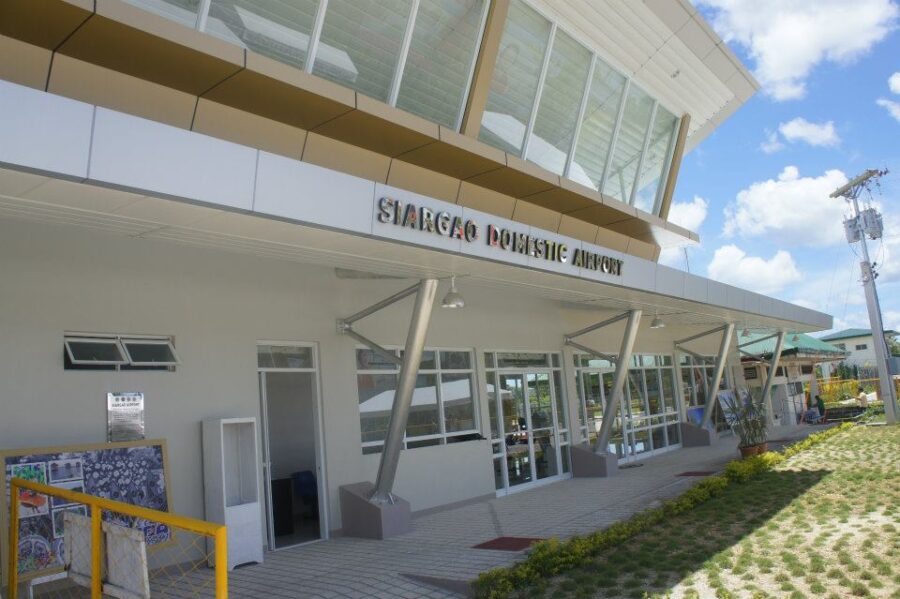
Siargao’s Sayak Airport connects with Manila and Cebu every day. Coming from Camiguin? You’ll need to connect through Cebu—two short flights if you’re in a hurry, but it’ll cost more.
If you want to save cash, you can go for the ferry-bus combo via Surigao. Just know it’ll eat up a full day and leave you a bit wiped.
Camiguin’s smaller and a tad trickier. Sometimes you’ll find direct flights from Manila, but usually, you’ll transfer in Cebu. There’s also a ferry from Bohol, but it’s a multi-step journey. Personally, I’d just fly through Cebu and skip the hassle.
Once you land, rent a motorbike. In Siargao, everyone zips around General Luna on scooters. Camiguin is even easier—circle the whole island in less than two hours. Not into scooters? Tricycles and vans are always waiting.
For flights, I always check KAYAK since island schedules change all the time. And seriously, pack light—small planes don’t mess around with baggage limits. Having decent travel gear makes it all a lot easier when you’re bouncing between ferries and vans.
Resort and Homestay Options

Siargao has it all—surf hostels with hammocks, boutique resorts with pools, and everything in between. General Luna is the main hub for nightlife, restaurants, and tour pickups.
Want something quieter? Head out of town and you’ll find villas tucked under coconut trees, far from the party scene.
Camiguin feels more homegrown. Most stays are family-run guesthouses or cozy beach cottages. They’re simple, but the owners are lovely and usually happy to help you plan your adventures.
If you’re after peace and quiet, Camiguin serves it up in spades.
You’ll find private rooms on both islands for under $20 a night, while mid-range resorts with pools or beachfront views usually run $50–$100. For a solid range of choices, check hotels and vacation rentals in advance—especially if you’re heading to Siargao in peak season.
My tip? Don’t book your whole trip in advance. Reserve your first night or two, then look around once you arrive. You’ll get a feel for the place, meet the owners, and figure out if it’s your kind of spot.
Frequently Asked Questions
Siargao draws you in with surf culture and island-hopping, while Camiguin hooks you with volcanoes, waterfalls, and a sense of history. The two islands? They’re worlds apart—one’s lively and wave-chasing, the other’s quiet and quirky.
What are the top attractions for visitors in Siargao compared to Camiguin?
In Siargao, you’ll probably hang out around Cloud 9—the surf break everyone talks about. Island-hopping to Naked Island, Guyam, and Daku brings that classic tropical postcard to life.
Camiguin’s all about natural wonders. Think White Island sandbar, the Sunken Cemetery, and Katibawasan Falls. If you love volcanoes, hiking Mount Hibok-Hibok is a must.
How do the beaches of Siargao contrast with those on Camiguin in terms of surf conditions?
Siargao’s beaches bring in the waves, especially near General Luna. Surfers chase them here, but even just watching at Cloud 9 is a treat.
Camiguin’s beaches stay calm. White Island is perfect for swimming and snorkeling, not surfing. You’ll spot volcanic sand in some spots, which gives the coastline a different look from Siargao’s white sands.
Can you highlight the differences in local cuisine between Siargao and Camiguin?
Siargao’s food scene is booming, especially in General Luna. Smoothie bowls, wood-fired pizzas, and fresh seafood are everywhere. There’s a chill, backpacker-café vibe.
Camiguin sticks to tradition. Expect plenty of seafood, but also pastel—soft buns with sweet fillings. I still remember grabbing a pastel from a roadside vendor—simple, cheap, and honestly addictive.
What unique cultural experiences can travelers expect in Camiguin versus Siargao?
Camiguin’s heritage runs deep. The Old Church Ruins and Sunken Cemetery connect you to the island’s volcanic past. Festivals like Lanzones Festival give you a taste of local tradition.
Siargao feels more international. The culture revolves around surfing, relaxed evenings, and meeting travelers from everywhere. It’s less about history, more about the now.
How does the accessibility of natural wonders in Siargao compare with that in Camiguin?
You’ll need to travel a bit in Siargao to reach spots like Magpupungko Rock Pools or Sugba Lagoon, but tours or motorbikes make it easy enough. The island stretches out, so you’ll be bouncing from place to place.
Camiguin’s compact size makes everything close. Waterfalls, hot springs, beaches—they’re all within short drives. You can circle the island in a day, which makes exploring pretty effortless.
What are the accommodation options like in Camiguin compared to Siargao for different budgets?
Siargao? Oh, you’ll find all sorts of places there, from those lively budget hostels with surfers hanging out in hammocks to chic little boutique resorts tucked behind palm trees. General Luna almost feels like it never runs out of rooms—honestly, there’s something for every kind of traveler, whether you’re counting coins or ready to splurge a bit.
Camiguin, on the other hand, just feels different. It’s quieter, and you won’t stumble across as many fancy resorts. But you know what? The island charms you with its cozy guesthouses and those mid-range beach cottages where the owners usually greet you with a smile and maybe even a story or two.
It’s less about five-star luxury and more about that warm, homestyle vibe—think friendly hosts and peaceful mornings.
Curious and want to dig deeper into both destinations? Here’s a handy guide: Siargao and Camiguin.