Bucharest vs Sophia: Which Capital Wins for Travel, Culture & Value?
Updated September 2, 2025
Choosing between Bucharest and Sofia isn’t as tough as people make it out to be. If you’re into grand architecture, wild nightlife, and a city with a pulse, Bucharest is probably your spot. Sofia, though, has this calmer vibe—mountain views, a mix of old-world charm, and just enough modern edges to keep things interesting. Both are easy on the wallet compared to Western Europe, but honestly, the feel of each place is worlds apart.
The moment you land, you’ll pick up on it—Bucharest is big, bold, and has this restless energy. Sofia? Much more chill. You can wander quiet streets, breathe in mountain air, and still be close to the action. I’ve spent a fair bit of time in both, and really, it’s all about the trip you want: non-stop or slow and steady.
Table of Contents
- Key Takeaways
- Bucharest vs Sofia: Quick Comparison
- Geographical Location and Setting
- Population and City Size
- Key Differences at a Glance
- Culture and History
- Historical Backgrounds
- Architectural Styles
- Religious Landmarks
- Museums and Attractions
- Top Museums in Bucharest
- Top Museums in Sofia
- Museum of Socialist Art
- Natural Surroundings and Outdoor Activities
- Parks and Green Spaces
- Mountains and Hiking Near Sofia
- Cost of Living and Value for Visitors
- Accommodation Prices
- Food and Dining Costs
- Transportation Expenses
- Lifestyle and Quality of Life
- Work and Salaries
- Public Services and Infrastructure
- Frequently Asked Questions
- What are the key differences in nightlife between Bucharest and Sofia?
- Which city, Bucharest or Sofia, offers a more affordable cost of living for expatriates?
- What are the must-visit attractions for travelers in both Bucharest and Sofia?
- How do the cultural experiences in Bucharest compare with those in Sofia?
- Can you highlight the historical contrasts between Bucharest and Sofia?
- What are the transportation options when traveling between Bucharest and Sofia?
- Book Your Dream Experience
- More Travel Guides
Key Takeaways
- Bucharest is lively and bold; Sofia is relaxed and scenic.
- Both cities offer deep history, culture, and unique sights.
- Travel costs are low, but the lifestyle and pace are totally different.
Bucharest vs Sofia: Quick Comparison
Bucharest and Sofia both have that Balkan spirit, but once you’re there, they couldn’t feel more different. Bucharest sprawls out, filled with grand boulevards and massive landmarks. Sofia cozies up to the mountains and feels more compact—way easier to walk.
Geographical Location and Setting

Bucharest, Romania’s capital, spreads across the flat southeastern plains. The Dâmbovița River runs through it, but honestly, you might not notice it much. The city’s broad, open layout gives off more of a Central European vibe than a classic Balkan one.
Sofia, meanwhile, sits at the foot of Vitosha Mountain in western Bulgaria. That mountain backdrop? It’s gorgeous, especially if you love hiking or skiing. You can hop a bus and hit the trails in under an hour—good luck finding that in Bucharest.
The city’s setting really shapes its mood. Bucharest feels urban and dense, almost relentless at times. Sofia manages to balance city life with easy escapes into nature. I can’t help but think Sofia’s mountain air slows everything down, even when the center is busy.
Population and City Size

Bucharest is massive, with somewhere between 1.8 and 2 million people, depending on how you count. It’s Romania’s biggest city by a long shot, and you feel that scale. The traffic? Let’s just say you’ll get to know it well.
Sofia’s got about 1.2 million residents. It’s still a capital, but you can actually see most of it in a few days. Walking from neighborhood to neighborhood is doable, and the metro is a breeze.
If you want a city that’s manageable but still packs a cultural punch, Sofia might fit better. Looking for that big-city buzz, endless nightlife, and museums galore? Bucharest’s calling your name.
Key Differences at a Glance
Here’s a quick side-by-side to make it clearer:
| Feature | Bucharest | Sofia |
|---|---|---|
| Country | Romania | Bulgaria |
| Population | ~1.8–2 million | ~1.2 million |
| Setting | Flat plains, river | At foot of Vitosha Mountain |
| Vibe | Urban, sprawling | Compact, laid-back |
| Transport | Extensive metro + trams | Smaller metro, easy to walk |
Bucharest grabs attention with its wild mix of architecture and scale—think the Palace of Parliament. Sofia, though, is all about Roman ruins, Orthodox churches, and Soviet-era blocks, all crammed into a walkable center. Both are budget-friendly, though Bucharest edges out Sofia on price.
Day-trippers, take note: Sofia is unbeatable for mountain escapes. Bucharest makes up for it with easy trips to castles like Peleș and Bran.
Culture and History
Sofia and Bucharest both carry layers of history that you can’t help but notice. The architecture, the religious sites, even the way locals talk about their city—history is everywhere.
Historical Backgrounds

Bucharest traces its roots way, way back. Prehistoric settlements, Neolithic and Bronze Age cultures—they all left their mark around the Dâmbovița River. Later, Wallachian rulers like Vlad III Dracula (yep, that Dracula) put the city on the map in 1459. Over time, Bucharest grew into Romania’s political and commercial heart, always caught between Ottoman, Russian, and Habsburg ambitions. You can walk through the old neighborhoods near Curtea Veche and actually feel those layers.
Sofia’s story takes a different turn. It started as a Thracian settlement, then became the Roman city of Serdica. You can still see Roman ruins right in the city center—sometimes literally under your feet. After the Romans, the Byzantines and Ottomans shaped the city, and in 1879, Sofia became Bulgaria’s capital. For me, walking here is like time traveling—every few blocks, you hit a new era.
Both cities took some hard knocks from wars and occupations, but they bounced back. And you’ll hear that pride in the way locals talk about their cities’ survival and transformation.
Architectural Styles
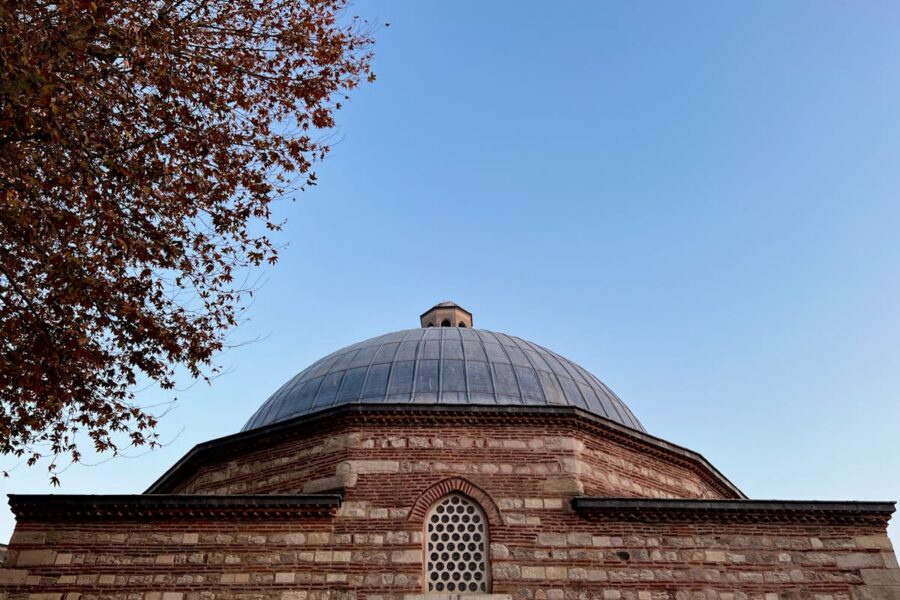
Bucharest is full of surprises. You’ll spot Belle Époque mansions, communist apartment blocks, and shiny glass towers all rubbing shoulders. Those wide boulevards and over-the-top buildings like the Palace of the Parliament have earned it the nickname “Little Paris”—though, honestly, that’s a stretch. Still, the mix is part of what makes the city interesting.
Sofia leans into its Roman, Ottoman, and socialist past. The city center is dotted with Roman walls and old bathhouses, plus neoclassical government buildings from the 1800s. And, of course, those solid gray socialist blocks—maybe not pretty, but definitely telling. They’re a reminder of Bulgaria’s last hundred years, for better or worse.
If you love architecture that doubles as a history lesson, both cities have you covered, just in totally different ways.
Religious Landmarks
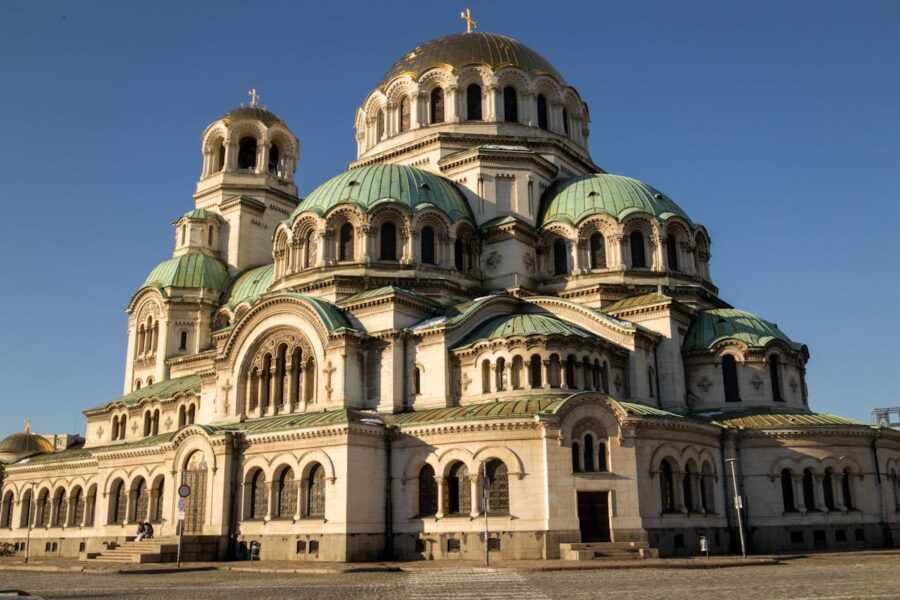
Religion’s front and center in both capitals. Sofia’s Alexander Nevsky Cathedral is impossible to miss—golden domes, enormous, and filled with one of Europe’s biggest collections of Orthodox icons. Every time I step inside, the hush is almost overwhelming.
Bucharest hides its gems a bit more. The Stavropoleos Monastery is tiny but stunning, with intricate carvings and frescoes. The Patriarchal Cathedral sits atop Dealul Mitropoliei Hill and marks the heart of Romanian Orthodoxy.
What’s cool is how both cities blend faith into daily life. Sofia’s got mosques and synagogues right near Orthodox churches—a nod to its multicultural history. Bucharest’s churches, meanwhile, survived communism—some even got moved, brick by brick, to save them.
For travelers, these aren’t just religious sites—they’re snapshots of each city’s identity, shaped over centuries.
Museums and Attractions
Bucharest and Sofia both serve up culture, but each does it in its own way. One offers grand museums packed with national treasures, while the other surprises you with quirky, intimate collections that really tell its story.
Top Museums in Bucharest

Bucharest goes big on culture. The National Museum of Art of Romania sits in the old royal palace and houses everything from medieval icons to Romanian painters and European masters. It’s right on Revolution Square, so you can check out other landmarks nearby.
The Village Museum is a personal favorite. It’s open-air, with traditional houses, windmills, and wooden churches from all over Romania. Walking through feels like a quick trip to the countryside—without ever leaving the city.
If you’re in the mood for something quirky, the Museum of Kitsch is a fun stop, packed with Dracula souvenirs and communist oddities. And if you want to organize your sightseeing, you can find day tours and activities that bundle museums with other local highlights.
Top Museums in Sofia
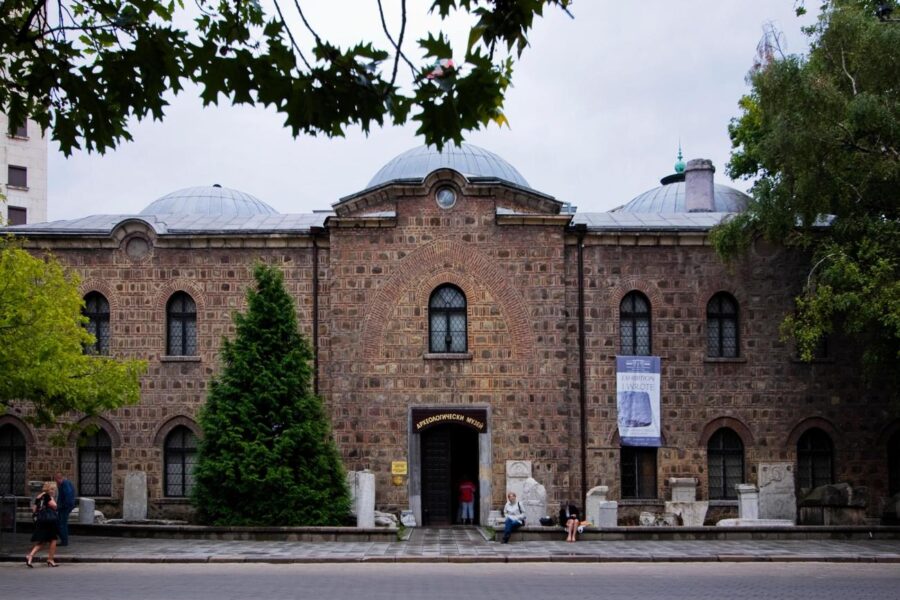
Sofia’s museums might be fewer, but they’ve got heart. The National Archaeological Museum, housed in an old Ottoman mosque, is packed with Thracian gold, medieval manuscripts, and Roman artifacts. Every room feels like a time capsule.
The National History Museum is huge—thousands of objects tracing Bulgaria’s story from ancient times to the communist era. It can feel like a lot, so I’d stick to the Thracian and medieval exhibits if you’re short on time.
Art lovers should check out the National Art Gallery in the former royal palace. It’s smaller than Bucharest’s, but gives a real sense of Bulgarian artists and their styles. If you’re into guided experiences, Viator has tours that mix museums with walking the city.
Museum of Socialist Art

This one’s a bit of an oddball, but honestly, it’s fascinating. The Museum of Socialist Art is all about Bulgaria’s communist period.
Outside, you’ll wander through a sculpture park dotted with statues of Lenin, Dimitrov, and other figures who once loomed large in public spaces. It’s a little surreal, seeing them all gathered in one place.
Inside, you’ll find propaganda paintings, films, and photos. It’s both a history lesson and a bit eerie, but if you’re curious about Bulgaria’s recent past, you really shouldn’t skip it.
Natural Surroundings and Outdoor Activities
Both capitals make it easy to escape into nature, but they do it in their own way. Bucharest sits near wetlands and forests, while Sofia is practically hugged by mountains, perfect for hiking, skiing, or just a quick getaway.
Parks and Green Spaces
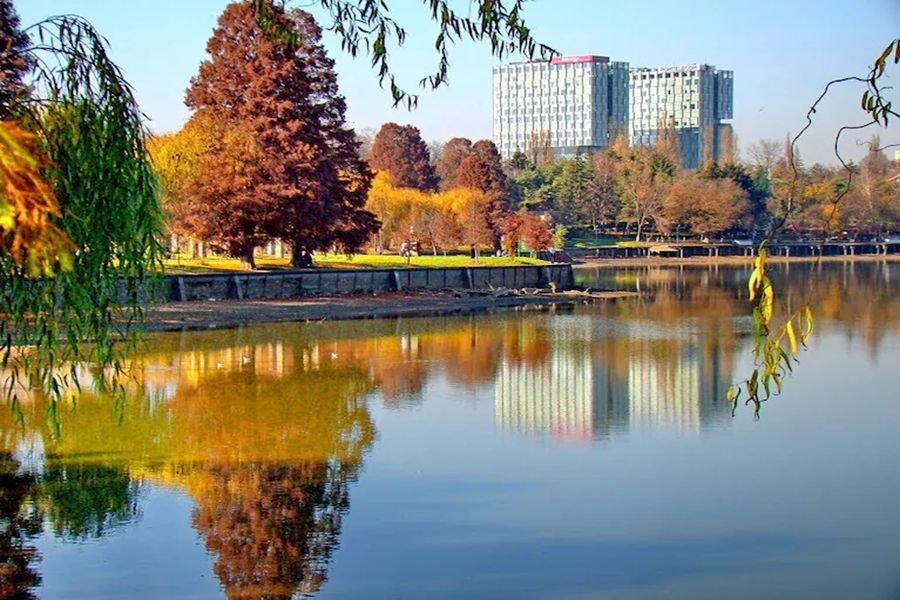
Bucharest is dotted with parks that locals actually use—not just for show. Herastrau Park (now King Michael I Park) wraps around a big lake where you can rent boats or just wander shady paths. Cismigiu Gardens in the center is quieter, great for coffee or people-watching.
One of the city’s more unusual spots is Văcărești Natural Park, a reclaimed wetland right inside the city. Some call it the “Delta of Bucharest”—you can stroll on boardwalks and spot herons or turtles. If you’re willing to drive a bit, Comana Natural Park south of town offers trails, monasteries, and birdwatching in a protected wetland.
Sofia’s green spaces might be smaller, but they’re just as loved. Borisova Gradina is the city’s oldest park and still the go-to for joggers, picnics, and the occasional open-air concert. It’s a little rougher around the edges than Bucharest’s gardens, but it’s got a lively, local feel.
Mountains and Hiking Near Sofia
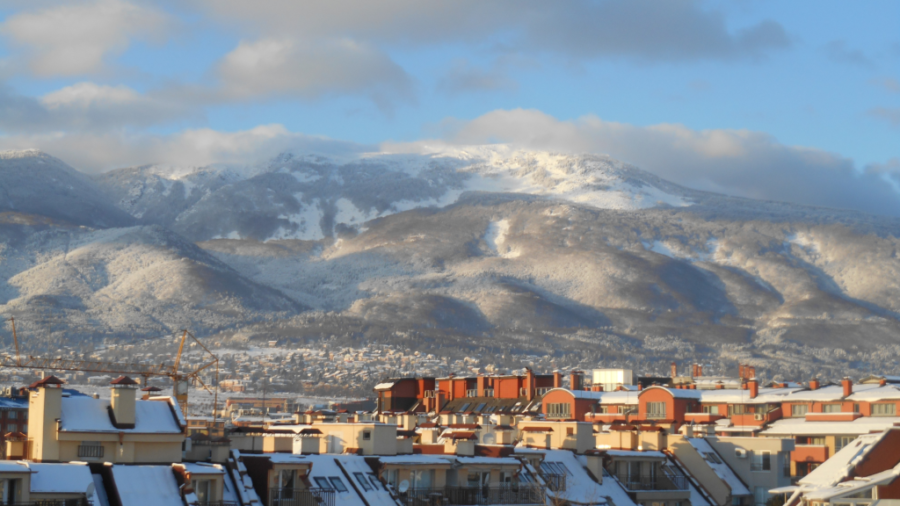
Here’s where Sofia really shows off. The city sits right at the foot of Vitosha Mountain—you can just hop on a bus, grab a cable car, and you’re up among the trees. In summer, trails wind through wildflower meadows and lead you to peaks where the city looks tiny and far away. Come winter, Vitosha transforms into a ski area. It’s not huge, but honestly, it’s so close you can squeeze in a few runs before lunch.
Craving something bigger? The Rila Mountains wait about an hour and a half from Sofia. That’s where you’ll find the famous Seven Rila Lakes—yeah, it’s a popular hike, but the alpine views make it worth every step. Head further and you reach the Pirin Mountains. They’re wilder, quieter, and perfect if you want to dodge the crowds.
I hiked Rila on a blazing July day once, and the cool mountain air saved me from melting. You can sip coffee downtown in the morning and stand by a glacier lake before noon. Seriously, try pulling that off from Bucharest—it’s a whole different story.
For a quick side-by-side:
| City | Easy Access to Mountains | Notable Outdoor Spots |
|---|---|---|
| Bucharest | No (mountains 2–3 hrs away) | Văcărești Natural Park, Comana Park, Mud Volcanoes |
| Sofia | Yes (Vitosha on doorstep) | Vitosha Mountain, Rila Lakes, Pirin Mountains |
Cost of Living and Value for Visitors
Bucharest usually edges out Sofia on daily expenses. The difference isn’t massive, but you’ll notice it in rent, food, and local transport.
Accommodation Prices

Short stays? Hotels in Bucharest often cost less than Sofia’s. You can snag a central one-bedroom in Bucharest for under €500, while Sofia’s average hovers closer to €550. Maybe that doesn’t sound dramatic, but stretch it over a week or two and it adds up.
Budget travelers will find more—and cheaper—hostels in Bucharest. Sofia brings a slightly bigger selection of boutique hotels, though. I’ve found Sofia’s mid-range spots usually look fresher, but you’ll pay a bit extra for that style.
When I plan trips, I bounce between Booking.com and apartment rentals. If you want a kitchen, apartments are a game changer, especially for longer stays. It’s worth comparing both.
Food and Dining Costs

Eating out in Bucharest won’t hurt your wallet as much. A casual meal runs €6–8, while Sofia’s more like €10 for the same thing. Street food in Bucharest—pastries, shawarma, all that—is even cheaper and everywhere.
Sofia’s food scene feels more international to me. Sushi, Italian, vegan joints—they’re all here, but you’ll pay for the variety. Bucharest sticks closer to hearty local dishes: stews, grilled meats, classic soups. Filling and budget-friendly.
If you cook, groceries in Bucharest come out cheaper. Produce, bread, dairy—all less than in Sofia. I love grabbing snacks from local markets there—seriously, you can eat well for next to nothing.
Transportation Expenses
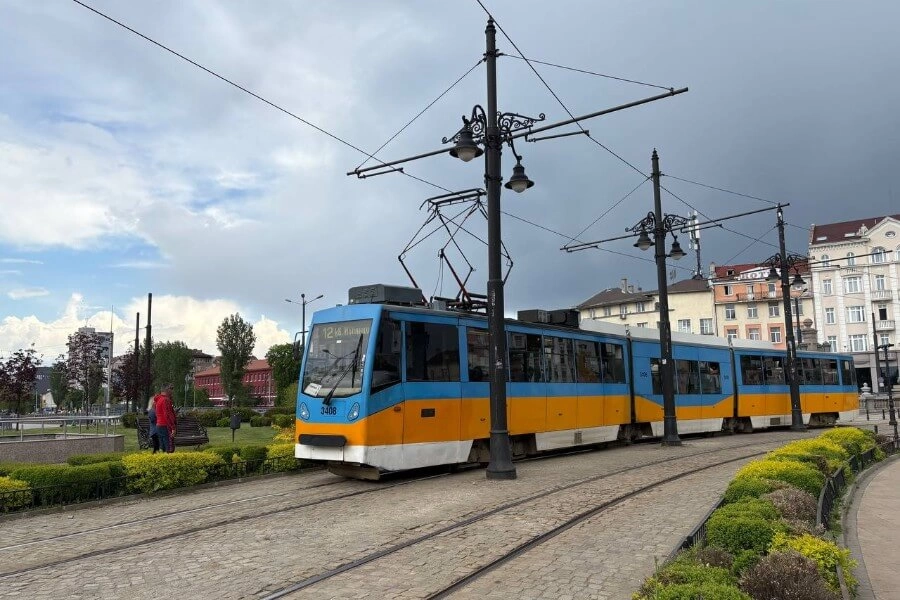
Public transit in Bucharest is a steal. Metro rides cost less than €1, buses too. Sofia’s metro is still cheap, just a touch pricier. If you’re crisscrossing the city all day, those little differences add up.
Taxis and ride-hailing apps run cheaper in Bucharest as well. Sofia’s fares are higher, but still not bad by Western European standards. Personally, I find Sofia’s metro easier to figure out, but if you’re counting coins, Bucharest is the winner.
For regional trips, buses and trains from both cities are wallet-friendly. I like to check KAYAK for trains, buses, and flights. Sometimes a quick flight is barely more than a long train ride.
Lifestyle and Quality of Life
Life in Bucharest and Sofia has a lot in common, but the details make each city unique. Daily costs, job opportunities, and the quirks of public services shape your experience way more than any sightseeing list ever could.
Work and Salaries

If you’re planning to work, you’ll spot the differences fast. Bucharest offers higher salaries, especially in IT, finance, and corporate gigs. Multinationals love Bucharest, so there are more English-speaking jobs and career ladders. Of course, higher pay brings steeper rents and pricier dining.
Sofia’s wages run lower, but the cost of living helps balance things out. Rents outside the center drop below Bucharest’s, and food at local markets feels more forgiving. Expats I know in Sofia often save more each month just because their daily spending stays low.
Remote workers in both cities enjoy fast internet—Romania’s speeds are legendary, but Bulgaria’s not far behind. If you’re flying for work or family, both capitals connect well to Europe, and cheap flights pop up if your schedule’s flexible.
Public Services and Infrastructure

Public services? It’s a mixed bag in both places. Healthcare stands out: public hospitals sometimes feel stuck in another decade, but private clinics are modern, affordable, and you’ll usually find English-speaking staff. Most expats stick with private care, just for the peace of mind.
Transport feels different too. Bucharest’s metro is bigger, but traffic on the streets can be a headache. Sofia’s metro is smaller, newer, and honestly more reliable for getting around the center.
Driving? Bulgaria has more highways, so road trips to the mountains or the coast are smoother. Romania’s catching up, but long drives outside Bucharest can drag. On the flip side, Romania’s rail network connects better, even if the trains aren’t exactly speedy.
Both cities keep upgrading, but you’ll still hit weird delays or buses that vanish from the schedule. Sometimes it’s charming, sometimes it’ll test your patience.
Frequently Asked Questions
Bucharest and Sofia do share a few Eastern European vibes, but honestly, they’re pretty different when it comes to nightlife, cost, culture, and how their histories show up on the streets. Traveling between them is easier than you’d expect, though you’ll want to plan ahead.
What are the key differences in nightlife between Bucharest and Sofia?
If you want wild nights and big clubs, Bucharest takes the crown. The city buzzes with rooftop bars, stylish lounges, and dance clubs that don’t quit.
Sofia’s nightlife is more chill. You’ll find cozy bars, live music, and smaller clubs with a more intimate feel. Personally, I’ve had better conversations in Sofia’s bars—sometimes you just want to hear your friends, right?
Which city, Bucharest or Sofia, offers a more affordable cost of living for expatriates?
For everyday living, Sofia usually comes out cheaper. Travelers and expats notice that food, transport, and even rent cost less than in Bucharest. Travel cost comparisons say Sofia’s daily expenses are about half of Bucharest’s.
Of course, it depends on your lifestyle. If you want fancy restaurants and luxury digs, both cities can get pricey. But if you’re watching your budget, Sofia stretches your cash further.
What are the must-visit attractions for travelers in both Bucharest and Sofia?
In Bucharest, don’t skip the Palace of Parliament—it’s massive, almost intimidating. I always suggest wandering the Old Town too; it’s got a blend of history and modern buzz. If you’ve got time, Bran Castle makes a great day trip.
Sofia’s gems include the Alexander Nevsky Cathedral with its golden domes, plus Roman ruins right in the city center. For a quick escape, the Rila Monastery is one of Bulgaria’s most stunning spots.
How do the cultural experiences in Bucharest compare with those in Sofia?
Bucharest feels more cosmopolitan to me, with Western European influences and a lively café scene. Theaters, art galleries, and nightlife sometimes remind me of Berlin or Paris.
Sofia leans into tradition. Folk music, Orthodox churches, and local crafts are everywhere. You’ll taste it in the food, too—Bulgarian dishes are hearty and rooted in local customs.
Can you highlight the historical contrasts between Bucharest and Sofia?
Bucharest mixes French-inspired architecture, Communist-era blocks, and shiny glass towers all in one place. People used to call it “Little Paris,” and you still catch hints of that charm.
Sofia’s history goes deeper. Roman ruins, Ottoman touches, and Orthodox churches all crowd together downtown. The contrast is real—Sofia feels ancient, while Bucharest feels like it’s always reinventing itself.
What are the transportation options when traveling between Bucharest and Sofia?
So, if you’re looking to get from Bucharest to Sofia, you’ve got a few choices: train, bus, or car. The train ride is honestly pretty slow—think around nine hours—but the scenery can be worth it if you’re not in a rush.
Buses usually get you there faster, and they’re often easy on the wallet. I mean, who doesn’t love saving a little cash on the road?
You could also fly, though direct flights don’t run every single day. Still, if you’re pressed for time, hopping on a plane is probably the simplest option.
Personally, I love the idea of renting a car for this trip. You can pull over in those little towns that barely make it onto the map—seriously, some of the best surprises happen that way.