 Real Journey Travels
Last modified December 18, 2025
Figuring out where to stay in Transylvania isn’t always straightforward. The region stretches across medieval towns, mountain valleys, and countryside estates—so your base really shapes your trip. Here’s how to match your travel style to the right area, whether you want Brașov’s castle access or Cluj-Napoca’s city buzz, with solid hotel picks for every wallet.
You shouldn’t have to scroll through endless tabs to find a good spot. This guide cuts through the noise—breaking down the best towns, what sets them apart, and which hotels or guesthouses are actually worth your money. I’ve done the research, landed in a few odd places, and gathered the real highlights you’ll want to know.
If you’ve ever wanted to wake up in a restored manor or see the sunrise over the Carpathians, you’ll find options for that too. In Transylvania, your choice of stay genuinely shapes your experience.
Key Takeaways
- Spot the Transylvanian areas that fit your travel style and plans.
- Find trustworthy hotels and unique stays for every budget.
- Get practical, fast guidance to plan your trip with confidence.
Best Areas to Stay in Transylvania

Every city here brings its own pace and personality. Some draw you in with winding stone streets and medieval towers, others surprise with nightlife, art, and good coffee. Where you stay shapes what you’ll remember.
1. Cluj-Napoca: Urban Energy & Culture

Cluj-Napoca pulses with modern life. It’s a university city, so there’s young energy, live music, and creative studios tucked behind classic façades. Spend your morning in the Botanical Garden, grab coffee by Union Square, and dance late into the night—especially during festival season.
Stay central and you’re steps from museums, bars, and historic sites. The Art Museum of Cluj-Napoca sits in an 18th-century palace, and Cetățuia Park offers wide views over the city.
If you’re flying in, check cheap flight tickets early; prices climb before big events. Hotels run from sleek modern towers to cozy lofts with brick walls and tiny balconies over busy streets.
2. Brașov: Medieval Charm

Brașov pairs mountain views with gothic architecture. The city’s best seen from above—take the cable car up Mount Tâmpa for the panorama.
Down below, stroll Council Square, pass pastel houses, and visit the Black Church, scarred by centuries of fires and sieges. It’s compact but lively, especially on weekends.
Brașov’s a smart base for day trips. Bran Castle and Râșnov Fortress are both within an hour. For quieter nights, check out Poiana Brașov ski area, about 12 km away.
Book your stay on Booking.com early—winter and holidays fill up fast. After a hike or ski run, reward yourself with papanași (fried dough) and hot mulled wine.
3. Sibiu: Old Town Atmosphere

Sibiu moves at a slower, comfortable pace. Its cobbled lanes twist through Upper and Lower Town, linked by stairways and alleys.
The pastel houses have “eyes” in the roofs, like they’re watching you pass. You can walk everywhere, and the main square hosts concerts and markets.
Culture stands out here. The Brukenthal National Museum showcases European art, and the Astra Museum on the edge of town displays wooden buildings around a lake.
Local restaurants serve ciorbă and sausages without any rush. For flights, check Skyscanner, especially from Central Europe. Stay in the historic center and everything’s a stroll away.
4. Sighișoara: Living History
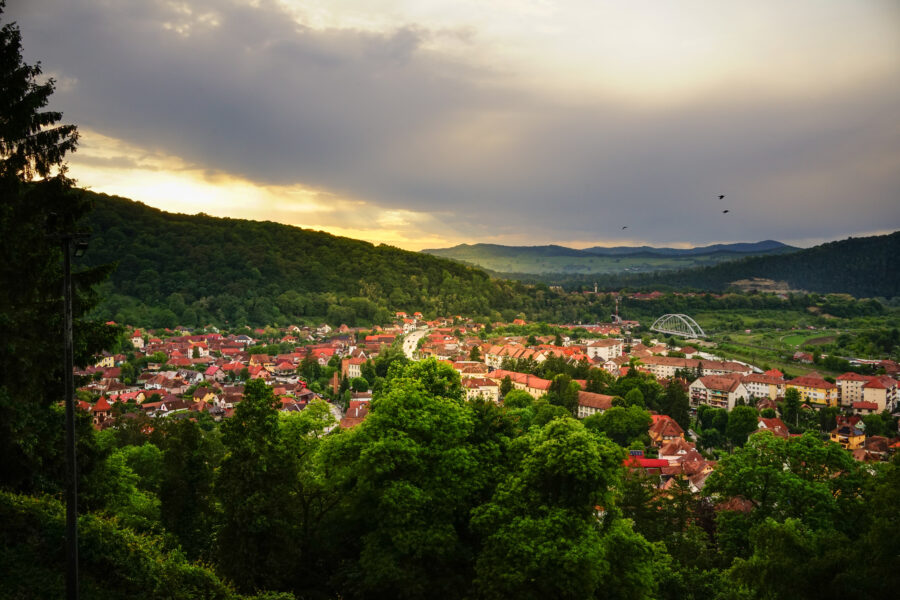
Sighișoara is smaller, but it’s packed with atmosphere. The Citadel, built in the 12th century, still crowns the town with towers and walls you can wander.
Buildings glow in warm shades—mustard, blue, rose—and every corner hides a café or workshop. It’s more like stepping into a story than a museum.
Climb the Clock Tower for a rooftop view, or take the covered staircase up to the school hill. Vlad the Impaler was born here—his old house is now a restaurant.
The town’s compact, so you won’t need a car, just sturdy shoes for the cobbles. If you’re exploring more after, renting with Expedia makes regional trips easy.
Top Hotels in Transylvania

A stay in Transylvania is about more than comfort—it’s about atmosphere. One night you might sleep under carved beams in a centuries-old house, the next you’re in a modern hotel with a rooftop hot tub. The mix of old-world charm and new surprises keeps things interesting.
Luxury Hotels

Some folks come for the castles, but the luxury hotels here are just as memorable. Hotel Platinia in Cluj-Napoca nails it: big rooms, polished design, fast Wi-Fi, and soundproofing you’ll appreciate after a long day.
In Brașov, the Kronwell Hotel stands out for its spa—think sauna, heated pool, and a big hot tub with snow falling outside. Down in the countryside, Bethlen Estates offers restored 18th-century homes with stone walls, soft linens, and estate-to-table meals. Luxury here isn’t cookie-cutter; each place has its own story, which gives every stay a bit more character.
Boutique Retreats

Transylvania’s small inns skip the corporate feel for warmth and personality. Casa Georgius Krauss in Sighisoara sits inside a historic house with original frescoes—it feels lived in, not staged.
In Sibiu, Noblesse Boutique Hotel mixes antique furniture and vintage chandeliers with reliable Wi-Fi and a leafy garden for breakfast. These places often come with friendly owners who’ll point you to the best chimney cake or quiet alley.
For a rural vibe, Bethlen Estates works again: part boutique, part countryside escape, with rooms in restored barns and cottages. Nothing about it feels mass-produced.
Family-Friendly Hotels

Traveling with kids? You’ll want space and easy access to sights—without endless driving. In Târgu Mureș, you’ll find modern hotels with family rooms, kitchenettes, and good Wi-Fi for winding down at night.
Safrano Palace in Brașov is another safe bet—close to the central square, and you can walk to the Mount Tampa cable car. I’ve seen families with sleds zigzagging through town after snowfalls—those little moments make it feel genuinely welcoming.
Many hotels have pools or hot tubs—a big hit even in winter. After a day of exploring, a soak feels pretty great.
Budget-Friendly Options

You don’t need a big budget to stay comfortably here. Guesthouses and apartments like Casa Chitic in Brașov or Brickyard Apartments in Cluj offer clean rooms, free Wi-Fi, and hosts who actually remember you.
I once stayed at a family-run spot in Sibiu with a shared kitchen—simple, but the owner baked bread every morning. That kind of detail sticks with you.
Budget doesn’t mean basic. Lots of affordable places include free parking, homemade breakfasts, or even a hidden hot tub. Book before high season and you can find stays under $40 that still feel welcoming and warm.
See Related: Best Cities in Europe to Enjoy Winter Without the Crowds
Unique Stays: Castles, Estates & Heritage Accommodations

Transylvania’s most unforgettable nights happen in places with history. Sleeping in a castle, manor, or heritage guesthouse isn’t just about the bed—it’s about stepping into the region’s layered past.
Castle Hotels

Castle hotels here turn a trip into something special. Around Bran Castle, guesthouses like Bratescu Mansion offer hillside views of the fortress—watch the sunrise hit the stone walls from your balcony.
Near Peleș and Pelișor Castles in Sinaia, Vila Economat sits right inside the old royal complex. You can walk the same forested paths as Romanian kings, then have breakfast in a modern dining room. It’s peaceful, with a blend of royal history and mountain calm.
Farther north, Werk Hotel & Spa faces Corvin Castle—its windows frame the fortress towers. If you like the idea of seeing turrets from your bathtub, this is your place.
| Castle | Location | Notable Feature |
|---|---|---|
| Bran Castle | Bran | Views from nearby guesthouses |
| Peleș & Pelișor | Sinaia | Royal architecture and forest walks |
| Corvin Castle | Hunedoara | Modern spa hotel with castle views |
Restored Manors

Transylvania’s old estates are slowly getting new life as boutique hotels. Castel Haller near Târgu Mureș, once a 17th-century residence, now mixes antique wood, fresh plaster, and new fabrics. It feels more like an ancestral home than a hotel.
Zabola Estate near Brașov is another standout. The grounds cover forests, lakes, and gardens, with mansion buildings turned into guest suites. You can ride horses, sip wine by the fire, or just wander the grounds. It’s elegant, but not overly polished.
These manors balance rustic countryside life with a touch of aristocratic history. Expect warmth, character, and usually a homemade breakfast that’s way better than a buffet.
Traditional Guesthouses

For a closer look at rural Transylvania, heritage guesthouses are your best bet. In villages like Micloșoara, Viscri, or Zăbala, owners have restored Saxon or Szekler houses with clay walls, painted beams, and handmade textiles. Count Kálnoky’s Guesthouses in Micloșoara stand out—old barns and stables turned into welcoming rooms that feel more like a friend’s countryside home.
These stays usually come with hearty local meals: sour soups, fresh cheese, maybe a shot of plum brandy if your host insists. Many encourage slow travel—walks between houses, coffee chats, and stories about how families brought these places back to life.
It’s not luxury in the usual sense, but it’s as authentic as it gets. You’ll leave smelling faintly of wood smoke and wildflowers—which, honestly, is exactly right for Transylvania.
Nature Escapes: Stay Near Rivers, Forests & Mountains
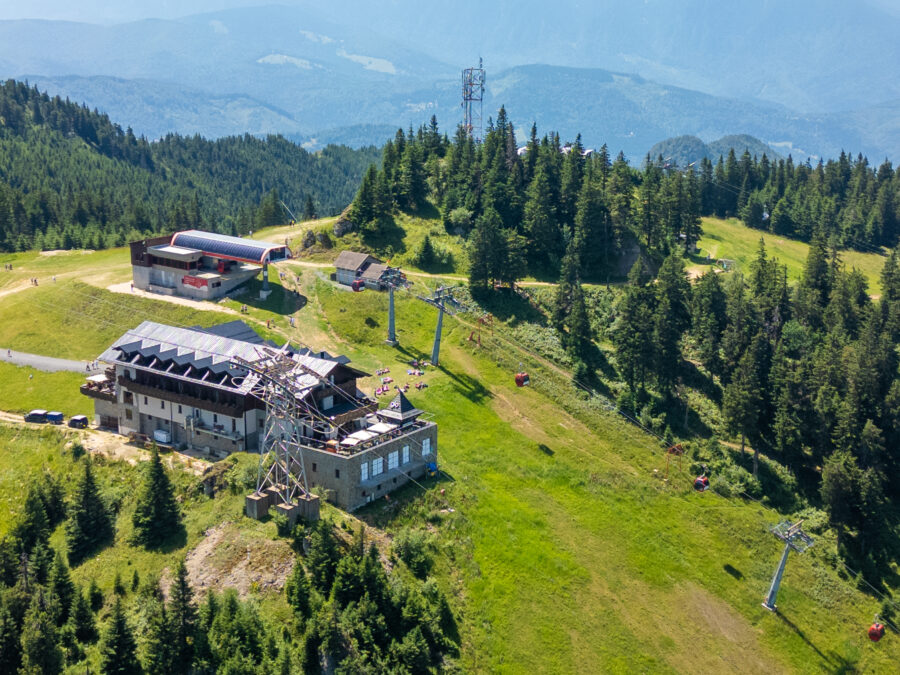
Transylvania’s natural side rewards travelers who slow down. The region gives you quiet river towns, wooden cabins tucked in mountain passes, and forest getaways that let you unplug—without giving up essentials like Wi‑Fi or a steaming hot tub after a cold day outside.
Accommodation on the Mureș River

Hotels and guesthouses along the Mureș River offer a calm mix of scenery and convenience. The river cuts through central Transylvania, passing towns like Târgu Mureș and Alba Iulia, so you’re never far from both culture and countryside.
I once booked a small riverside pension and woke up to mist drifting just above the water. Breakfast came with homemade cheese and strong coffee served on a deck looking right over the current. Many places now add small luxuries—sauna access, heated terraces, or balconies for watching fishermen at dusk.
Here’s what’s typical:
| Type | Price Range | Common Amenities |
|---|---|---|
| Family Guesthouse | $ | Free Wi‑Fi, shared kitchen |
| Boutique Hotel | $ | River views, sauna, hot tub |
| Riverside Resort | $$ | Private decks, guided kayak trips |
Mountain Cabins

Up in the Carpathians, rustic mountain cabins balance solitude with just enough comfort to keep you warm and dry. Around Poiana Brașov or the Apuseni Mountains, small lodges put you right on trails for hiking, biking, or skiing.
Cabins run the gamut from traditional log homes with wood‑burning stoves to modern chalets with strong Wi‑Fi. I still remember a night when fog rolled down over the peaks, and the only sound was timber crackling in the fireplace. Some hosts leave jars of plum jam on the porch for guests—little details that make the place feel personal.
For privacy, look for cabins set at least a kilometer from main roads. The roads may get narrow and muddy after rain, but once you arrive, it’s perfectly quiet.
Forest Retreats

Transylvania’s oak and beech forests hide plenty of eco‑friendly lodges and treehouse stays. These aren’t the rough “back‑to‑basics” setups you might picture. Many offer solar power, Wi‑Fi, and even outdoor hot tubs tucked among mossy rocks.
Stays in the woods near Sibiu or Sighișoara often include walking paths right from your door. Early mornings bring sunlight through the leaves, and in late autumn, you can pick up the scent of woodsmoke from nearby villages.
If you’re after a digital detox, you can switch off and follow forest trails to hidden chapels and springs. Still, it’s easy to log on for a bit of work if you must. Some hosts even deliver meals by electric cart—soups, polenta, and fresh bread that just taste better in the cool mountain air.
See Related: Hidden Boutique Hotels in Europe That Redefine Luxury
Essential Amenities for a Comfortable Stay

Finding the right place in Transylvania isn’t just about the view or décor—it’s the little things that make travel smoother. Reliable internet, warm wellness spaces, and easy parking can make or break your trip.
Wi-Fi & Connectivity

Many guesthouses in mountain villages advertise Wi-Fi, but the signal can be spotty. In rural areas, speeds often drop in the evenings when everyone’s online. If you need strong access for work or streaming, check if your hotel has fiber internet or a business area.
In bigger cities like Cluj-Napoca or Brașov, Wi-Fi usually measures up to Western standards. Some hotels extend coverage to courtyards, so you can upload photos while sipping coffee outside. In smaller guesthouses, it’s smart to ask about mobile coverage—especially if you rely on Google Maps for hiking routes.
I’ve learned that organizing reliable luggage storage is just as important as internet access if you arrive before check-in. A few places near airports or train stations make exploring easier before you settle in.
Wellness Facilities: Hot Tubs & Saunas

After a day on trails or cobblestones, soaking in a hot tub feels like a reward. Many modern hotels in Transylvania now have small spa areas—indoor pools, saunas, or outdoor tubs with forest and valley views.
Boutique hotels in towns like Sighișoara often use local timber saunas instead of high-tech ones. Rural retreats might have wood-fired tubs you heat yourself, which feels old-fashioned but satisfying when the night air turns cold. Some eco-lodges blend yoga rooms and herbal therapies, turning a short break into something more like a wellness retreat.
If that’s your priority, check if places clearly state spa hours and whether tubs are shared or private. It’s much more relaxing to reserve a time slot than to wait around with a towel.
Parking & Accessibility

Driving across Transylvania is half the fun—winding roads, tiny Saxon villages, castles on hilltops. But parking in old city centers can be tricky. Many hotels offer free parking, but those in the heart of Sibiu or Brașov often rely on nearby public lots.
Quick reference:
| Location Type | Parking Availability | Notes |
|---|---|---|
| City Center Hotels | Limited, often paid | Check distance from entrance |
| Countryside Inns | Usually free | Often unpaved but spacious |
| Mountain Lodges | Private guest lot | May need chains in winter |
Accessibility’s better now—newer places have ramps and elevators, though older heritage buildings often don’t. If you’re renting a car, confirm your accommodation can guarantee a spot before you arrive late. Saves a lot of stress after a day on the road.
How to Choose the Right Area for Your Trip

Where you stay in Transylvania really shapes your trip. Some towns draw you in with mountain air and lively old squares, while others are better for quiet walks and slower mornings. A bit of planning goes a long way.
Best Locations for First-Time Visitors

For a first trip, Brașov is the easiest introduction. It sits close to the Carpathians and gives you easy access to Bran Castle, famous for its Dracula legend. The old town’s medieval streets are perfect for walking, and you’ll find everything from cozy guesthouses to upscale hotels like Kronwell.
Sibiu is a close second—smaller and calmer, but still walkable, filled with pastel houses and lively squares. The Bridge of Lies and the Brukenthal Museum make it great for sightseeing. You can book guided tours or short day trips through the region if you don’t want to rent a car.
Pack solid shoes. Streets here are cobblestone, uneven, and full of surprises—part of the fun is just wandering.
Recommendations for Families

Families tend to like Târgu Mureș and Alba Iulia. Both towns are friendly, less crowded, and easy to get around. Alba Iulia’s star-shaped fortress, the Alba Carolina Citadel, has wide open spaces where kids can run safely. Many hotels in Transylvania here include family rooms and breakfast, so mornings are simple.
Târgu Mureș has small parks, zoos, and a mix of old and new cafes that keep everyone happy. I’ve seen families rent short-term apartments here—it gives you more flexibility with young kids.
A family car lets you visit nearby villages or mountain trails at your own pace. Not keen on driving? Look for local excursions through guided activities to keep logistics simple.
Solo & Adventure Travelers

If you’re solo or after something more active, Cluj-Napoca and Brașov’s mountain areas are hard to beat. Cluj mixes city energy with nature—art spaces, hiking trails close by, and a lively student vibe. Staying near Unirii Square keeps you close to nightlife, live music, and cafes where it’s easy to meet other travelers.
For hiking or skiing, Poiana Brașov has plenty of trails and slopes just a short drive from the city. I once booked a cabin there on a whim and spent a week walking pine forests, meeting locals who swore by their favorite hidden tracks.
Both cities have good transport links, so you can move around easily. If you want variety, plan quick side trips to Sighișoara or Sibiu for some history and quieter evenings.
See Related: New Train Routes in Europe to Explore
Frequently Asked Questions

Transylvania offers all kinds of places to stay—castle-view hotels, boutique city spots, and countryside guesthouses that feel like a step back in time. Some have historic charm, others offer comfort, nature, and authentic rural experiences.
What are the top-rated hotels near Dracula’s Castle in Transylvania?
If you’re hoping to stay near Bran Castle—often linked to the Dracula legend—you’ll find several good hotels within a short drive. Zabola Estate, about an hour away, offers a peaceful alternative with forest views and a 16th-century manor feel.
Closer to the castle, guesthouses like Conacul Bratescu and Hotel Wolf 2 give you that Gothic mountain atmosphere without the crowds. I stayed not too far from the castle one autumn, and waking to fog rolling off the hills is what stuck with me—not the castle itself, but the quiet mornings and the smell of woodsmoke.
Which town in Transylvania is recognized for its exceptional beauty and accommodations?
Sibiu gets that nod most often. The town blends Germanic architecture, cobbled streets, and boutique hotels in historic buildings.
Staying near the Large Square puts you in easy walking range of the cathedral, museums, and open-air cafés where locals linger late. I’d argue Sibiu feels like the most “complete” Transylvanian city—it’s got charm, history, and real energy, not just tourism.
Can you recommend unique lodging experiences in rural Transylvania for an authentic stay?
Try the Bethlen Estates for something truly special. It’s a cluster of restored 300-year-old farmhouses with tiled stoves, beams, and even heated pools. You’ll eat food grown on-site and wake up to cows in distant fields instead of city noise.
There are also small farmstays around Viscri or Biertan where families still bake bread in outdoor ovens. Don’t expect luxury—it’s more like staying with distant relatives in a very old house—but that’s the charm.
What are some lesser-known but charming places to stay in Transylvania in September?
September brings cooler air, harvest festivals, and fewer visitors. Târgu Mureș and Alba Iulia are great if you want quieter towns with comfortable hotels and easy access to nature walks.
I once stayed at a guesthouse outside Alba Iulia where the owner made plum jam from her trees and insisted I take a jar home. That kind of unplanned warmth makes Transylvania’s smaller towns unforgettable.
How long should a visitor plan to stay in Transylvania to fully enjoy its offerings?
About five to seven days is a good bet. That gives you time for a mix of cities like Cluj or Brașov, some castle visits, and a couple of nights in the countryside.
If you can spare ten days, you’ll have time to hike, linger over long meals, and visit remote villages. Anything less than four nights and you’ll feel rushed—it’s a region best explored at an easy pace.
Absolutely—Zabola Estate stands out. It sits near Covasna, surrounded by forests and lakes, with a sauna tucked among the trees.
The place gives off an old-world vibe, and sometimes you’ll spot wild deer right outside your window. That’s the kind of detail that sticks with you.
Another spot worth checking out is Richiș, a tiny Saxon village close to Biertan. Here, you’ll come across restored guesthouses with wood stoves, thick quilts, and homemade wine on the table. Time moves slower in Richiș, and honestly, that’s part of the appeal.


