
Last modified August 17, 2026
Finding the right place to stay in Sapa isn’t always straightforward. The town spreads across valleys and hills in northern Vietnam’s Lao Cai Province, and each area feels different. Your ideal base in Sapa depends on how you want to explore—some spots offer local homestays among rice terraces, others put you steps from restaurants, markets, and the cable car to Fansipan.
I’ve weighed the pros and cons of Sapa Town for convenience, Ta Van for mountain quiet, H’Mong villages for cultural depth, and a handful of eco-lodges that surprised me with their comfort. Let’s keep it simple—this guide breaks down the best neighborhoods and stays by budget so you can pick fast, not scroll for hours.
Key Takeaways
- Quickly match Sapa areas to your travel style
- Compare top hotels, homestays, and eco-lodges by budget
- Get practical tips for a comfortable, authentic stay
Choosing Where to Stay in Sapa
Picking where to stay in Sapa means thinking about comfort, terrain, and what you want to see from your window. The town’s mix of mountain views, lakeside calm, and village access can shape your trip more than you’d expect.
Understanding Sapa’s Layout
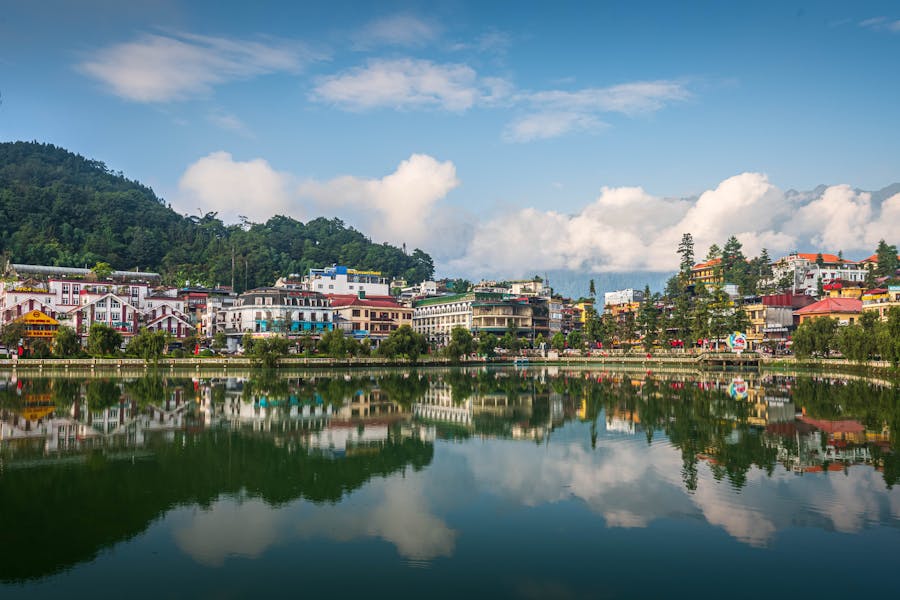
Sapa sits high in northern Vietnam’s mountains, about 1,500 meters up. The central Sapa Town wraps around Sapa Lake, with roads leading out toward rice terraces and ethnic villages. Getting your bearings helps—a few hotels perch up steep hills, while others sit flat near the lake.
Most first-time visitors find it easiest to stay near Sapa Lake or the town square. You’ll have cafés, food stalls, and transport for treks close by. If you want quieter mornings and less noise, look a bit southwest of the lake or toward Cat Cat Village. The air cools down, and the views open up.
For a glimpse of rural life, homestays along Muong Hoa Valley put you right by rice fields and local markets. It’s slower-paced, but you’ll swap nightlife for peace and fresh air. Getting there usually means a short motorbike ride or hiring a local driver, especially since roads can get rough after rain.
Why Location Matters for Your Stay
Sapa’s terrain climbs fast, and that changes your daily routine. A hotel on the hillside might give you epic mountain views, but even a short walk into town can feel like a workout. If you plan to explore a lot, staying near the lake saves time and your legs.
Most treks start from the center, so being close to tour offices comes in handy. Families or anyone wanting a calmer stay can pick small lodges on the southern edge, where roads are gentler and crowds thin out. It’s quieter but still just ten minutes from main restaurants.
When planning where to stay in Sapa, check elevation, distance to things to do in Sapa, and what kind of setting you want—city lights, mountain views, or valley mist. The slopes and fog really do affect daily comfort.
You can check lodging options or package deals through trusted travel platforms like KAYAK, especially if you want to compare locations on a map.
Booking Tips for Great Mountain Views
A mountain view room isn’t always a given, even when the listing claims it. Always ask for photos or check recent guest reviews. Many hotels will let you see rooms at check-in—take a few minutes to make sure nothing blocks your view.
Timing helps a lot. March to May and September to November offer clear skies and rice terraces glowing green or gold. June through August brings heavy rain and thick clouds.
Look for “mountain-facing” or “valley view” in listings. Some properties mention Fansipan Mountain views, which usually cost more but are stunning at sunrise. I once stayed near the tram base and watched the morning mist float through the peaks—pretty unforgettable.
When comparing rates, use sites like Booking.com or CJ Affiliate to spot seasonal discounts. Sapa’s prices swing a lot between low and high season, so flexible dates can score you better rooms for less.
Best Areas to Stay in Sapa
Sapa’s neighborhoods offer a mix of comfort, countryside, and dramatic scenery. Stay close to restaurants and shops in town, wake up to rice terraces in Muong Hoa Valley, enjoy calm lake views, or book a homestay in nearby villages for a closer look at local life.
Sapa Town Center: Heart of Convenience
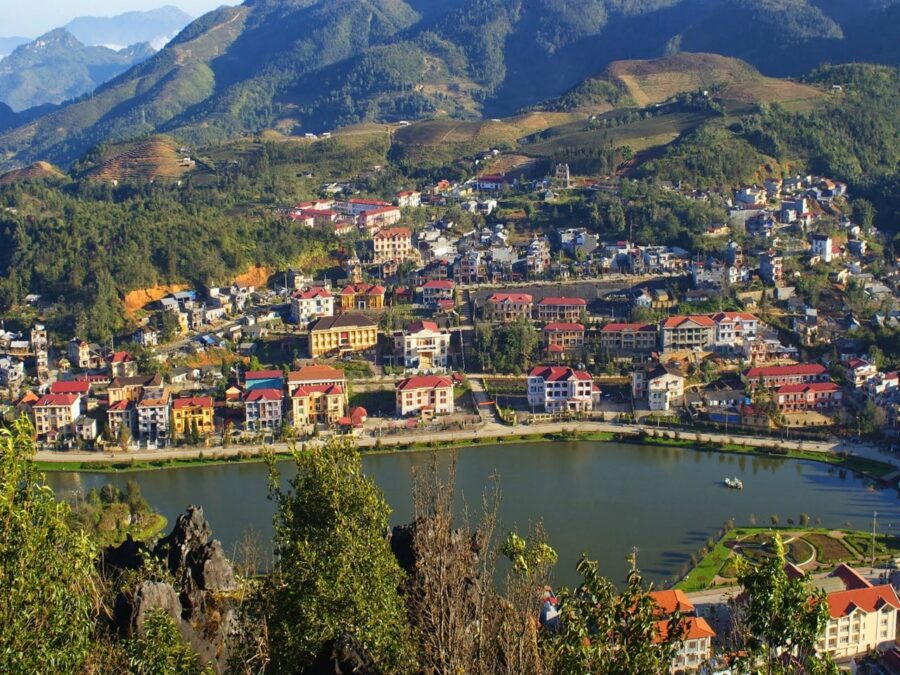
Sapa Town Center puts you within easy reach of markets, restaurants, and transport to Fansipan. You can walk to the church, main square, and the cable car station for the mountain summit. It’s practical, especially if you want to plan day trips or grab last-minute tours.
Hotels here run the gamut—from the luxe Hôtel de la Coupole – MGallery to simple guesthouses. Many overlook the Muong Hoa Valley, so you get mountain views even in the middle of town.
Evenings are lively but manageable. Street vendors line the roads, and cafes stay open late enough for you to watch the fog drift over rooftops. For a first visit, this area keeps things easy.
Muong Hoa Valley: Scenic Tranquility
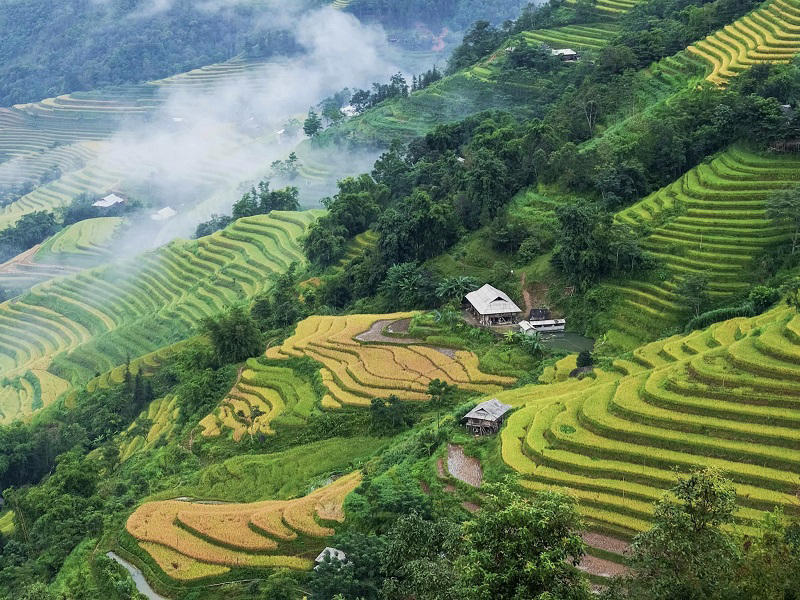
Muong Hoa Valley stretches below town with the best views of terraced rice fields. You’ll find small ecolodges and homestays above the fields, with trails connecting nearby villages. It’s much quieter here, away from crowds and tour buses.
In the mornings, mist rises across the valley, revealing layers of green and gold terraces. The area moves with the farming cycle—you’ll hear chickens, maybe a radio, but not much else.
Some eco-resorts offer hiking tours with Hmong and Dao guides. These often end with shared home-cooked meals, which adds a personal touch. If you want slow mornings and real quiet at night, this is your spot.
Staying Near Sapa Lake for Peaceful Views
Mid-range hotels are easy to find here—modern enough for comfort, still with Sapa charm. Some rooms face Fansipan on clear days.
I once stayed by the lake during rainy season. It felt like a different world—just fog, soft rain, and warm tea by the window. If you like still moments, this area delivers without making you feel cut off.
Ta Van and Surrounding Villages for Cultural Immersion
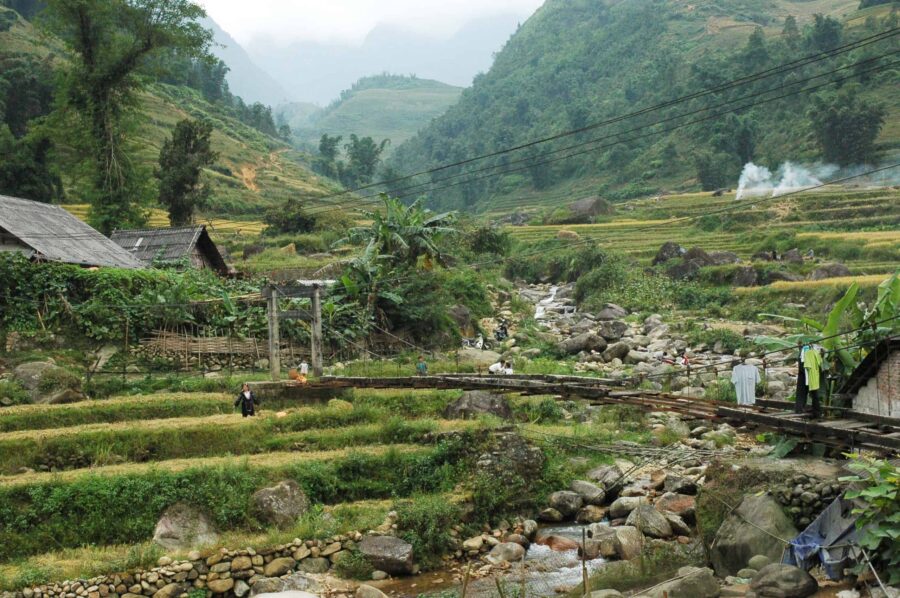
Further along the valley, Ta Van Village and its neighbors show another side of Sapa. You’ll stay with Hmong and Dao families, many running small homestays. Life slows down—it’s early mornings, local food, and stories over rice wine.
Electricity can flicker, but that’s part of the deal. You’ll probably eat with your hosts and maybe join them in the rice fields or walk to nearby hamlets like Lao Chai.
Homestays here cost less than in town, and the money usually helps support the families. The setting feels special—terraced hills, rivers, and a sky full of stars. If you’re after connection more than convenience, stay here for a couple of nights.
Types of Accommodation in Sapa
Sapa offers a mix of modern comfort, cultural immersion, and mountain tranquility. Stay in town for easy access to markets and cafés, or pick a hillside spot surrounded by terraced fields and misty peaks. The range—from basic rooms to scenic resorts—means you can match your stay to your travel style and budget.
Hotels in Sapa: From Budget to Luxury
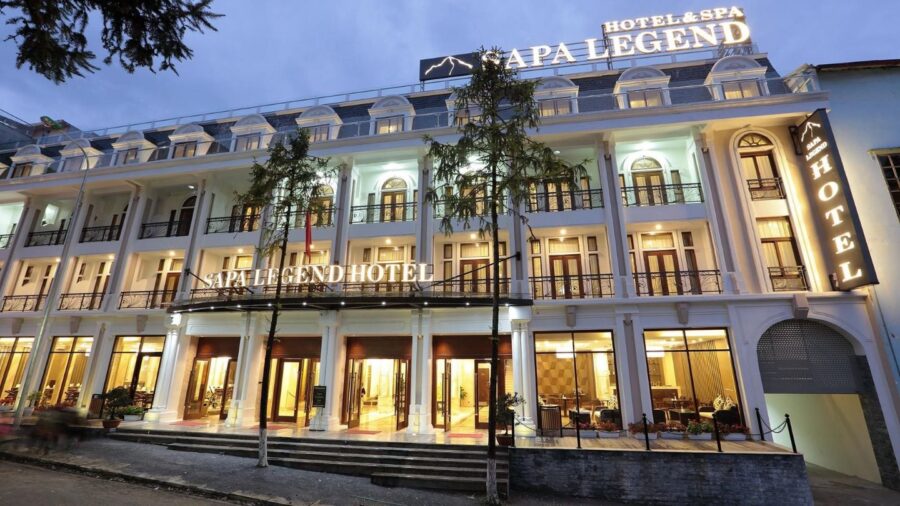
Hotels in Sapa cover the full range. Budget hotels usually cluster near the center, giving you quick access to the Sapa Market, eateries, and local transport. These rooms are basic but clean and comfortable, perfect if you’re out exploring most of the time.
Mid-range choices, like the Sapa Legend Hotel & Spa, mix local style with modern touches. Expect mountain-view balconies, heated rooms for chilly nights, and breakfast buffets with both Vietnamese and Western options.
High-end hotels go bigger—luxury spas, heated pools, and rooftop bars looking out to Fansipan Mountain. Service tends to be sharp; staff can help plan treks or connect you with guides. For the best views, aim for hillside hotels rather than those right in the square.
Homestays: Authentic Local Experiences
Homestays offer a close look at daily life in northern Vietnam. Stay with a Hmong, Red Dao, or Tay family and you’ll share their home, meals, and sometimes even farm chores. These are common in villages like Ta Van and Cat Cat, both within reach of town.
Rooms are simple but cozy, usually with mosquito nets, shared bathrooms, and family-style meals. The real draw is the experience—talking with hosts over dinner or joining them for a walk through the rice terraces.
If photography or people-to-people connection matters more to you than sleek hotels, homestays will likely top your list. They also make a good base for short hikes, since trails often start right outside.
Resorts: Immersed in Nature
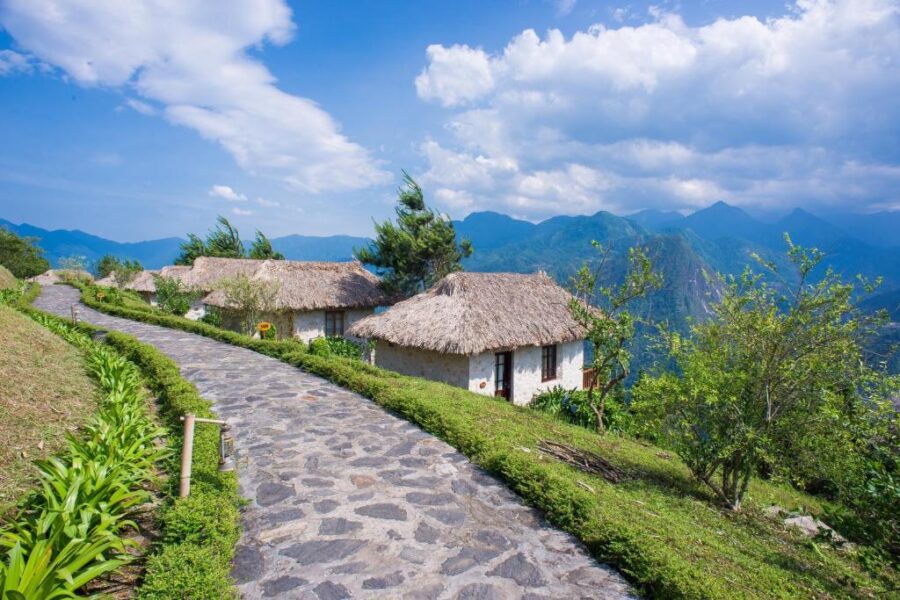
Sapa’s resorts move at a slower pace—quiet mornings, crisp air, and forest scents drifting through the valley. Many sit outside town, especially around Muong Hoa Valley or near Fansipan Legend, offering panoramic views and privacy.
Expect outdoor infinity pools, gardens, and spas using local herbs. Some, like Topas Ecolodge or Silk Path Grand Sapa Resort & Spa, focus on sustainability, using eco-friendly materials and supporting local communities.
Afternoons might mean a hot herbal bath or tea as clouds drift over the hills. Resorts work best if you want nature and comfort, all while staying connected to Sapa’s culture.
Top-Rated Hotels in Sapa
Comfort and location matter most in Sapa. Good hotels here don’t just give you a bed—they put you right in front of the terraced valleys and morning clouds. Some lean into cozy charm, others go big with pools, spas, and fine dining.
Sapa Horizon Hotel
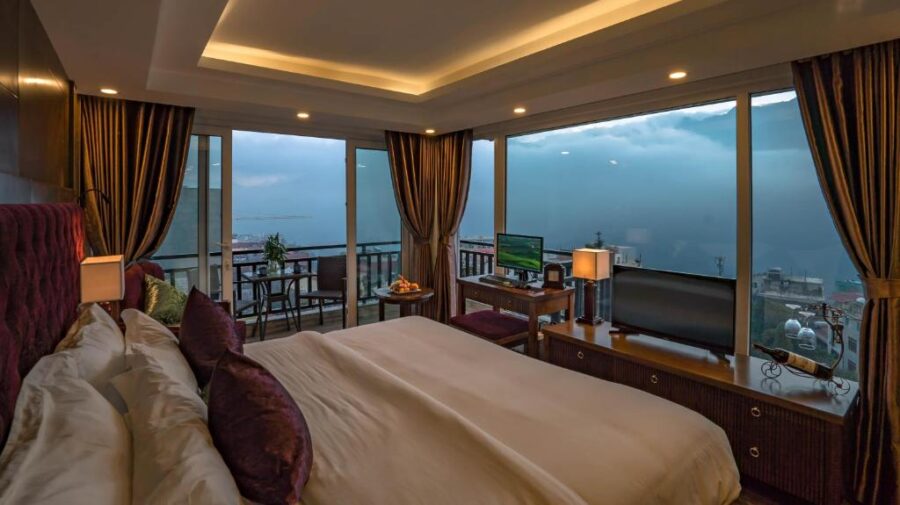
Sapa Horizon Hotel sits close to Sa Pa Church and the market, so you can walk almost anywhere you need. The rooms feel modern but warm, with wooden floors, spotless bathrooms, and big windows framing foggy hills. It’s not flashy, but that’s what makes it reliable.
The staff stand out. Expect small gestures—tea on arrival, help arranging Fansipan tours—that make things smoother. Breakfast is fresh, with Vietnamese coffee strong enough to wake you up for real.
Quick highlights:
| Feature | Detail |
|---|---|
| Rating | 4 Stars |
| Best For | Walkable access to town |
| Extras | Free breakfast, tour assistance, mountain views |
If you value personal service over fancy décor, this one’s a solid pick.
Pistachio Hotel Sapa
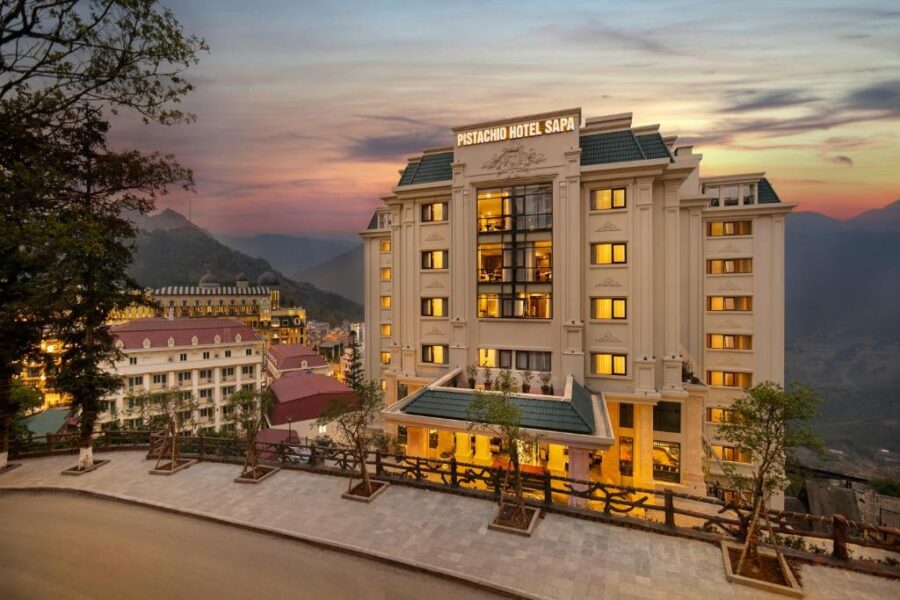
Pistachio Hotel Sapa lands right between boutique charm and big-resort ease. There’s personality here, but you still get the reliability and comfort you want. The infinity pool faces the mountains—swim while clouds drift by and you’ll see why people rave about it.
Rooms are spacious, each with a balcony, blackout curtains, and insulation that actually keeps things quiet. Even during festival weeks, you can shut out the noise and get real rest. Breakfast brings both Vietnamese and Western picks, and, surprisingly, the croissants are actually good.
What stands out:
- Infinity pool with Muong Hoa Valley views
- On-site spa and sauna
- Decor that blends local textiles with European touches
You get modern comfort, but the hotel still feels rooted in Sapa.
KK Sapa Hotel
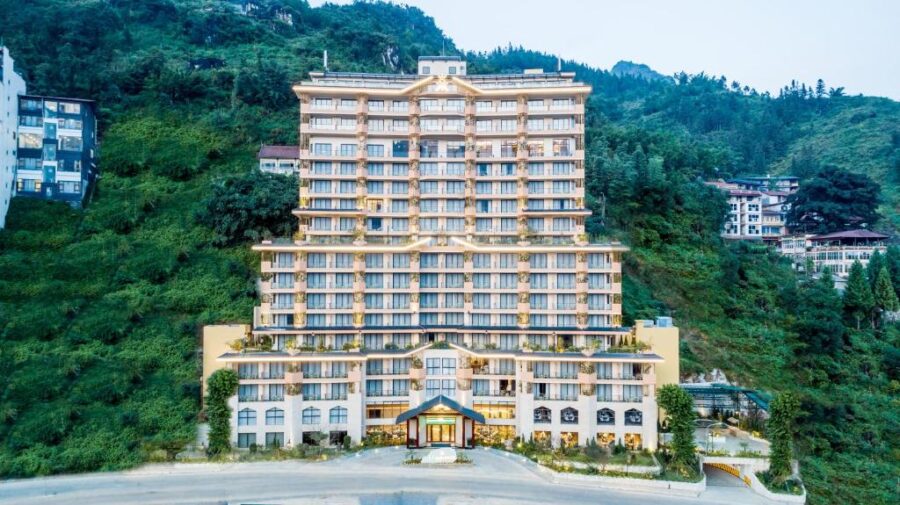
KK Sapa Hotel is a solid pick for families or anyone who wants a touch of luxury without going overboard. The building is full of glass—so you’re never far from a mountain view. Rooms are big, with clean lines and new furniture.
There’s a heated indoor pool for rainy days, and the restaurant serves a reliable pho breakfast. The spot on Muong Hoa Street keeps you close to town, but just far enough to skip the late-night noise.
| Good To Know | Notes |
|---|---|
| Rating | 5 Stars |
| Facilities | Indoor pool, rooftop bar, gym |
| Tip | High-floor rooms have the best valley views |
Hotel de la Coupole – MGallery
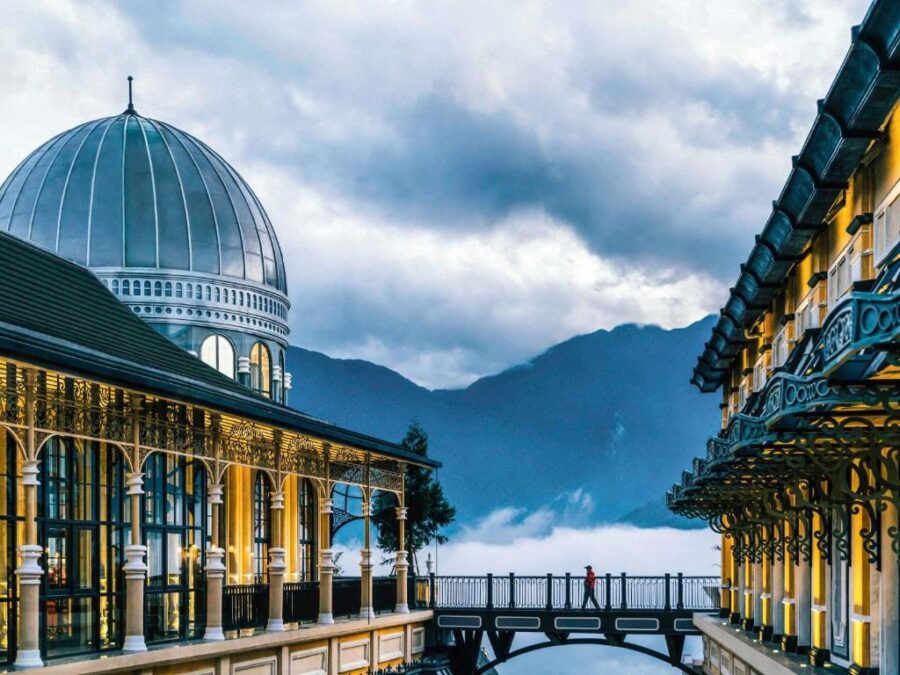
Hotel de la Coupole – MGallery is Sapa’s go-to for luxury. Bill Bensley designed it, so you get French Art Deco mixed with highland fabrics—part museum, part movie set. The lobby alone is a photo stop.
Rooms are all about the details: velvet chairs, custom brass fixtures, and balconies that look out over the valley. It’s a magnet for design fans and anyone ready to splurge. The heated indoor pool, Le Grand Bassin, easily ranks among the prettiest in northern Vietnam.
The restaurant leans French-Vietnamese, and weekend brunch is a bit over the top (in a good way). If you’re into architecture or just want a hotel that’s an experience on its own, you’ll spend hours wandering the property.
Highlights:
- 5-star luxury (Accor’s MGallery brand)
- Walkable to Sapa Square and Stone Church
- Full-service spa, art-filled interiors
This is Sapa’s most photogenic stay—ideal if you want your trip to double as a design deep-dive.
Recommended Stays by Budget
Sapa gives you choices, from simple dorms with sweeping views to mid-range hotels and polished five-star stays. Prices stay reasonable, and even the top hotels often cost less than you’d expect for this kind of scenery.
Affordable Hotels and Hostels
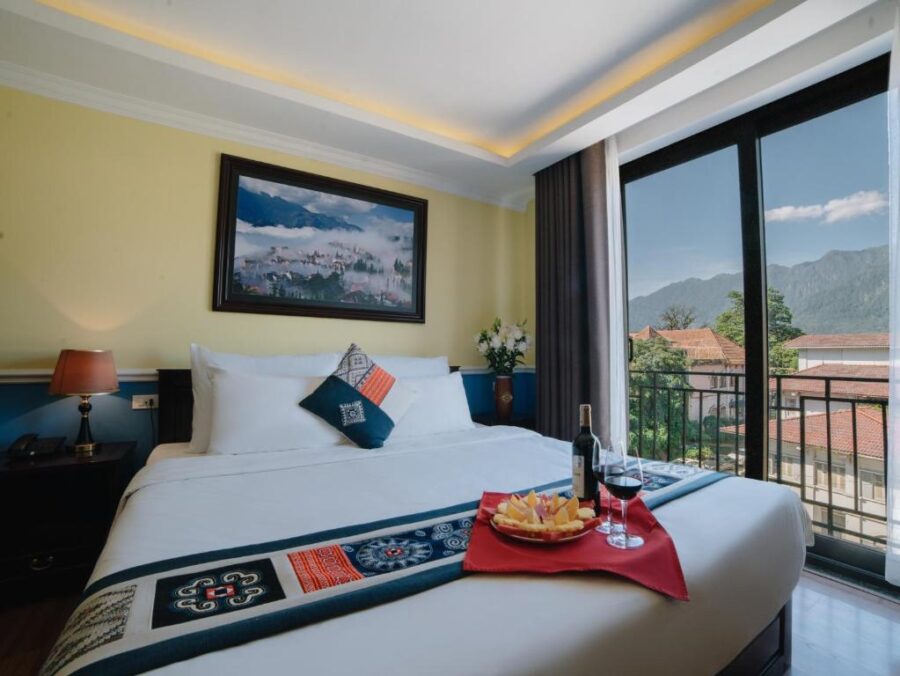
Traveling on a budget? You’ll find plenty of clean, central places. Ladybird Sapa Hotel and Sapa Capsule Hotel are both in prime spots near the market and restaurants. Walking everywhere saves you taxi money.
Many hostels now offer private rooms, so you don’t have to trade privacy for price. You’ll get solid Wi-Fi, hot showers, and warm blankets—must-haves when Sapa gets chilly. I still remember sipping tea on a capsule hotel balcony, mist rolling in, and realizing it cost less than lunch back home.
Dorm beds often go for under $10, and you’ll meet owners who know the best hiking shortcuts and how to snag Fansipan cable car tickets.
Mid-Range Comforts
Mid-range hotels in Sapa strike a nice balance between comfort and value. Sapa Relax Hotel & Spa is a favorite if you want to be central but still sleep well. Big rooms, soft beds, and a rooftop bar with a sunset view—what more do you need?
Staff at this level usually go out of their way to help with treks or local guides. After a day on the rice terraces, an in-house steam bath feels like a reward.
Look for boutique hotels with thoughtful extras—a balcony facing the mountains, fresh fruit at breakfast. These touches make a stay feel special without blowing your budget.
Luxury Hotels and Unique Escapes
Sapa’s luxury hotels mix elegance with a sense of place. Hotel de la Coupole – MGallery leads the way, with French colonial flair and a heated pool above the clouds. Rooms feel like time capsules—old-world style, modern comforts.
But luxury here isn’t just about fancy decor. Many newer resorts sit just outside town, surrounded by rice terraces and quiet. You’ll wake up to birds and maybe a distant rooster. Some eco-lodges offer guided walks through Hmong villages or serve tea grown right in their gardens.
Tips for an Enjoyable Sapa Stay
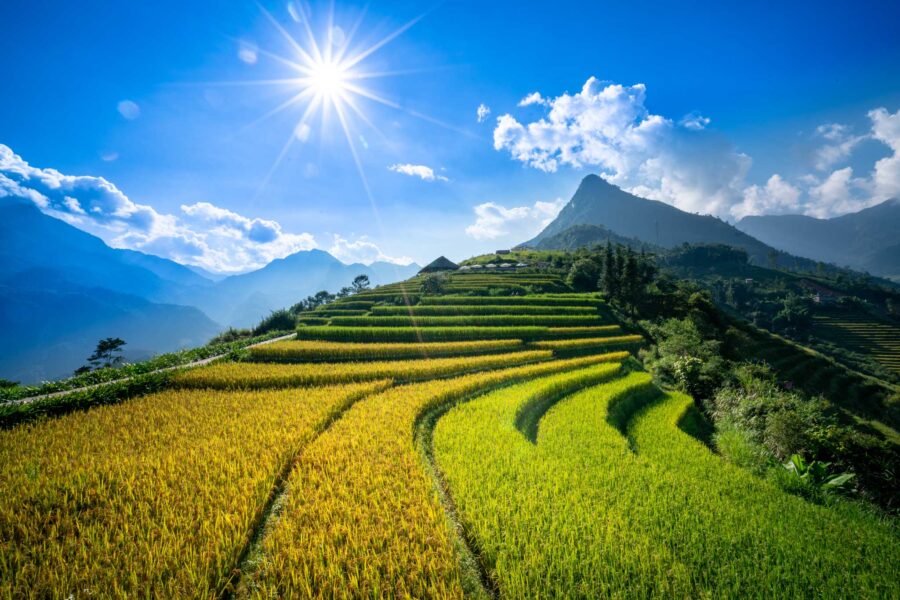
Sapa’s more rewarding when you plan for the weather, get to know local life, and prep for the town’s simple but comfy amenities. A few small steps before you arrive mean better mountain views, easier days, and less stress.
Best Times to Visit Sapa
Mountain weather here changes fast. March to May brings mild days and green rice terraces—locals are planting, so the fields glow. September to November is just as nice, with golden harvests and great trekking. If you’re here for the scenery, avoid June to August; rain turns paths to mud and hides the peaks.
Winter (December to February) can be cold and foggy. Snow is rare, but visibility drops. I once spent a January morning waiting for the mist to lift—pack layers and patience. When the sun finally breaks through, it’s worth the wait.
Book activities early for discounts on guided treks or Fansipan cable car tickets. That way, you’re ready when the weather shifts.
Local Experiences and Culture
The real draw in Sapa? The people. Walk through Lao Chai or Ta Van villages and chat with Hmong or Dao families. You’ll spot women weaving or selling embroidery—buying direct supports their craft more than any souvenir shop.
Try a homestay if you’re up for it. Rice wine around a family table is more memorable than any rooftop bar. Meals are simple—sticky rice, garden greens, maybe smoked pork—but always made with care. Many hosts can guide you to hidden trails or waterfalls.
Heading to Fansipan? Get up early, before the clouds move in. On a clear day, those valley views are unreal. You can book the cable car or a private trek through Viator if you want everything sorted ahead of time.
Essential Amenities and Planning Ahead
Sapa’s small, and some places still run on local schedules. Power cuts happen, so charge your gear overnight. ATMs sometimes run dry on weekends—bring enough cash, especially if you’re heading to the villages.
Arriving early? Luggage storage near the bus terminal lets you explore the lake or grab pho without hauling your bags.
Pack a rain jacket, portable charger, and a light layer even in summer. Good shoes are non-negotiable—roads slope, and paths can be rocky. If you’re hiking with locals, a small tip or sharing lunch goes a long way.
And honestly? Slow down. Sapa’s best moments come from quiet walks and easy chats, not racing through a checklist.
Frequently Asked Questions
Sapa has options for every traveler—homestays with views, modern hotels near the market, and everything in between. You’ll find both quiet hillsides and busy walking streets, so your stay can be as chill or lively as you want.
What are the recommended accommodations for first-time visitors in Sapa?
For your first trip, stick to the u003cstrongu003eu003ca href=u0022https://www.realjourneytravels.com/where-to-stay-in-hanoi/u0022u003ecity centeru003c/au003eu003c/strongu003e. You’ll be close to the market, cafes, and trailheads.u003cbru003eu003cbru003eu003cemu003eHotel de la Coupole – MGalleryu003c/emu003e and u003cemu003eSapa Horizon Hotelu003c/emu003e sit right in the middle of things—perfect if you want comfort and easy access without dealing with taxis or directions.
Which hotels in Sapa offer the best panoramic train views?
Sapa isn’t exactly famous for train-view hotels, but you’ll get sweeping valley and railway views from places near u003cstrongu003eMuong Hoa Valleyu003c/strongu003e.u003cbru003eu003cbru003eMid-range and boutique hotels like u003cemu003eKK Sapa Hotelu003c/emu003e face the valley where the tracks wind through the hills. The real showstopper isn’t the train—it’s how the tracks slice through the misty landscape.
Could you suggest prominent areas in Sapa for tourists to book their stay?
Most visitors choose between four main areas: u003cstrongu003eCity Center, Muong Hoa Valley, Sapa Lakeu003c/strongu003e, and the u003cstrongu003evillage outskirtsu003c/strongu003e.u003cbru003eu003cbru003eCity center is lively and convenient. Sapa Lake is quieter and budget-friendly. Muong Hoa Valley means big mountain views, while the villages are rustic and peaceful.
What are the unique benefits of choosing a homestay experience in Sapa?
Homestays in villages like u003cstrongu003eTa Vanu003c/strongu003e or u003cstrongu003eLao Chaiu003c/strongu003e give you a real glimpse of mountain life. You’ll share meals, learn local customs, maybe even help with cooking or farming.u003cbru003eu003cbru003eIt’s a way to support families directly instead of big hotels. You trade some amenities for genuine hospitality and feel like you belong, even if just for a night.
Which hotels in Sapa are renowned for exceptional mountain vistas?
For mountain views, look above Muong Hoa Valley. u003cemu003eMy Boutique Hotel u0026amp; Spau003c/emu003e and u003cemu003eKK Sapa Hotelu003c/emu003e both have prime spots for soaking up the rice terraces and Hoang Lien Son range.u003cbru003eu003cbru003eIf you want something more remote, u003cemu003eSin Chai Ecolodgeu003c/emu003e is hard to beat for scenery. You’ll wake up to mist over green hills—the Sapa view everyone hopes for.
Can you identify the main district in Sapa where travelers should consider staying?
The u003cstrongu003ecentral district around Sapa Town Squareu003c/strongu003e is your best bet. It’s compact, straightforward to get around, and packed with restaurants, markets, and trekking tour offices.u003cbru003eu003cbru003eYou can start your morning with breakfast overlooking the valley, rent a motorbike, and hit a trail in no time. Sure, it gets busy, but the convenience makes it worth it.


