Where to Stay in La Palma Canary Islands: 7 Best Areas & Top Hotels
Updated January 22, 2026
Choosing where to stay in La Palma, Canary Islands, can feel overwhelming. Every part of the island has its own atmosphere—some are all about the beach, others are made for hiking, and a few spots just let you soak up quiet volcanic views and starry nights. The best areas to stay in La Palma really depend on your travel style. This guide cuts straight to the point, helping you match your plans to the right neighborhood—fast.
You’ll get a quick rundown of the top areas, who they suit best, and a shortlist of hotels from budget to boutique. I’ve already done the research and comparisons, so you can skip the endless tabs and just get to booking.
Table of Contents
- Key Takeaways
- How to Choose the Best Area for Your Stay
- Who Each Area Suits Best
- Travel Distances and Transport Tips
- When to Visit for Best Weather and Rates
- Top Places to Stay in La Palma
- Santa Cruz de la Palma: Culture and History
- Los Llanos de Aridane: Urban Convenience
- Los Cancajos: Beachfront and Relaxation
- Tazacorte: Sunshine and Seaside Charm
- Unmissable Beach Resorts and Nature Retreats
- Puerto Naos: Longest Beach and Water Activities
- Fuencaliente de la Palma: Volcanic Landscapes
- El Paso: Gateway to Caldera de Taburiente
- Best Hotels and Unique Accommodation Options
- Boutique Hotels and Emblematic Stays
- Family-Friendly Hotels
- Eco-Lodges and Rural Guesthouses
- What to Discover Near Your Accommodation
- Roque de los Muchachos and Stargazing
- Barranco de las Angustias and Outdoor Adventures
- Seafood and Local Cuisine
- Tips for Booking Accommodation in La Palma
- How to Find the Best Rates
- Essential Booking Considerations
- Staying Safe and Sustainable
- Frequently Asked Questions
- What are the top-rated all-inclusive resorts in La Palma for a memorable stay?
- Which areas in La Palma offer a romantic setting suitable for couples?
- Can you recommend some boutique hotels that capture La Palma’s unique charm?
- What are the luxurious 5-star accommodations available in La Palma?
- What neighborhoods in La Palma provide the best access to local attractions and dining?
- How does the eastern part of La Palma compare to the west in terms of tourist amenities?
- Book Your Dream Experience
- More Travel Guides
Key Takeaways
- Figure out which area fits your trip.
- See the top towns, beach resorts, and nature stays.
- Get hotel picks for every budget.
How to Choose the Best Area for Your Stay

Where you stay in La Palma shapes your whole trip. Each area—locals call it La Isla Bonita—moves at its own speed, with scenery and quirks to match. Some places attract hikers, others are perfect for sea views and easy strolls to cafés.
Who Each Area Suits Best
Craving beach days and a laid-back vibe? Tazacorte is usually your best bet. It’s sunny almost all year and the black-sand beaches are actually swimmable. Families often go for Fuencaliente—it’s quiet, affordable, and has both resorts and self-catering houses near vineyards and salt flats.
If you’re into history or want to skip renting a car, Santa Cruz de La Palma is a smart choice. Everything’s walkable—shops, museums, and the ferry. Los Llanos and El Paso are the go-to for hikers, right at the edge of Caldera de Taburiente National Park. These towns are all about mountain views and nature, not nightlife.
Los Cancajos is handy for quick stopovers near the airport. Los Sauces draws folks who love forest trails and natural pools. If you plan to explore all over, pick somewhere central—El Paso makes a practical base.
| Traveler Type | Area Recommendation | Key Draw |
|---|---|---|
| Beach lovers | Tazacorte | Black-sand beaches |
| Families | Fuencaliente | Resorts + peaceful setting |
| History fans | Santa Cruz | Walkable old town |
| Hikers | Los Llanos/El Paso | Access to trails |
| Short stays | Los Cancajos | Close to airport |
| Nature explorers | Los Sauces | Forests + natural pools |
Travel Distances and Transport Tips
La Palma isn’t huge—about 40 km north to south—but the roads twist through steep mountains, so crossing the island can take over an hour. That’s part of the experience here, and it’s worth considering before you book.
If you want to see different parts of the island, rent a small car. Parking’s easy outside Santa Cruz. Buses (guaguas) link most towns, but don’t expect late-night service. In out-of-the-way places like Fuencaliente or Los Sauces, driving saves you time.
Plan your stay based on the route, not just the distance—30 minutes on a map can mean nearly an hour on winding roads. Google Maps helps, but always check with locals or your host about road closures, especially after rain. And if you get carsick, bring Dramamine—some of those switchbacks are no joke.
When to Visit for Best Weather and Rates
Weather splits across the island. The east coast (Santa Cruz, Los Cancajos) gets more clouds and moisture, while the west (Tazacorte, Los Llanos) is sunnier and warmer. You’ll usually find spring weather somewhere, no matter the month.
For clear skies—especially if you’re hiking or stargazing—May through September is ideal. Winter (November to February) is cooler but still great for hikes with just a light jacket. Prices drop in winter, except around Christmas and New Year.
Personally, I’d aim for late April or early October. Prices are lower, local spots aren’t packed, and evenings stay warm. The island’s microclimates mean you might need a jacket in El Paso but shorts on the coast—just roll with it. That’s part of La Palma’s charm: it’s like several islands in one.
Top Places to Stay in La Palma
La Palma has places that feel lived-in, not just built for visitors. The best areas combine local culture, good food, easy transport, uncrowded beaches, and scenery that never gets old. Each spot has its own rhythm—some calm, some lively—all shaped by the island’s dramatic landscape and community.
Santa Cruz de la Palma: Culture and History

If you want history with your morning coffee, Santa Cruz de la Palma is the place. It’s the capital, full of colonial buildings, wooden balconies, and 16th-century churches. O’Daly Street is packed with cafés, small museums, and shops selling handwoven fabrics.
You’re close to the beachfront promenade, ferry, and airport. Walking gets you almost everywhere, and buses run regularly. Hotel San Telmo and Hotelito 27 are favorites for their charm. Santa Cruz blends everyday Canarian life with a mellow tourist scene—local bakeries, old courtyards, and quiet plazas perfect for people-watching.
Best for: easy transport, architecture, local food, short walks.
Los Llanos de Aridane: Urban Convenience

On the west side, Los Llanos de Aridane feels more like a real town than a resort. It’s the island’s busiest spot, but “busy” means you’ll find good shopping, bars, and late-night bakeries. Plaza de España is the local hangout most evenings.
Hotels and apartments here are mid-range and good value—Hotel Benahoare is a popular choice, especially if you want to visit the Benahoarita Archaeological Museum. It’s handy for exploring Caldera de Taburiente National Park. Renting a car here is simple—the roads connect straight to the volcanic reservoirs and the black-sand beaches around Puerto Naos.
Best for: an active base, shopping, and easy road access.
Los Cancajos: Beachfront and Relaxation

Over on the east, Los Cancajos is all about the beach—dark volcanic sand, gentle waves. The town’s small and tidy, with hotels like H10 Taburiente Playa and Hacienda San Jorge right on the shore. Mornings are quiet except for gulls and divers heading out.
Swim, snorkel, or wander the seafront paths to hidden coves. The bus to Santa Cruz and the airport comes every half hour, so you don’t need a car. This is my go-to when I want to slow down—everything’s close, the air’s salty, and dinners by the water just go on and on.
Best for: short stays, car-free trips, or lazy mornings by the sea.
Tazacorte: Sunshine and Seaside Charm

If sunshine tops your list, Tazacorte is the winner. It gets more sunny days than anywhere else on La Palma. The coastal resort area near the harbor almost feels Mediterranean—pastel houses, palm trees, and a waterfront lined with seafood spots.
The black-sand beach has shallow water for swimming. From the pier, you can hop on boat tours to spot dolphins or watch the sunset behind the cliffs. The main square, up the hill, is quieter and more residential, with simple guesthouses and holiday apartments.
When I stayed here, I hardly touched the car—the beach, cafés, and cliffside trails had me covered.
Best for: sunshine, beaches, and a relaxed pace.
Unmissable Beach Resorts and Nature Retreats
La Palma’s wild edge is where ocean, lava, and forest all collide. The coastlines feel untamed, but resorts and rural homes offer comfort with views that stick in your memory.
Puerto Naos: Longest Beach and Water Activities

Puerto Naos runs along the west coast, known for its long black-sand beach, cliffs, and palm trees. The area gets plenty of sun, and the sea is usually calm—swimming, snorkeling, and scuba diving are all easy right from the shore. Local diving schools know the reefs and caves inside out.
Hotel Sol La Palma is one of the few big resorts open since the volcanic eruption. Many rooms overlook the promenade, dotted with cafés serving fresh fish and simple tapas. Evenings are all about soft pink skies and barefoot walks.
| Activity | Details |
|---|---|
| Snorkeling | Shallow reefs right off the beach |
| Diving | Local schools offering guided tours |
| Beach access | Level walkway and easy parking nearby |
Fuencaliente de la Palma: Volcanic Landscapes

At the southern tip, Fuencaliente de la Palma is all black lava fields, vineyards, and bright blue sea. It’s part of the Biosphere Reserve, so things stay low-key. You won’t run into crowds—just a few nature retreats and the bigger La Palma & Teneguía Princess resort with saltwater pools and ocean views.
The landscape feels raw. Hike between the San Antonio and Teneguía volcanoes for front-row views of the island’s geology. Coastal trails pass old lighthouses and salt pans, where pink flamingos sometimes stop during migration.
Fuencaliente’s sunsets are underrated. Sit by Faro de Fuencaliente and watch the light stretch across the Atlantic. It’s a quiet kind of magic you can’t really capture in photos.
Top sights near Fuencaliente:
- Volcán Teneguía Trail – 3 km loop through cooled lava
- Salinas de Fuencaliente – working salt flats
- Hotel & Spa La Palma Princess – full-service resort with volcanic views
El Paso: Gateway to Caldera de Taburiente

If the coast feels sticky, head inland to El Paso, tucked between forested ridges below Caldera de Taburiente National Park. This spot marks the start of hiking into the island’s massive volcanic crater—seriously one of Spain’s most dramatic sights.
You’ll find rural houses and eco-lodges here, offering privacy and quick access to trails. Most have terraces that catch the sunrise, looking out over the volcanic peaks around the new Tajogaite Volcano. It’s quiet, close to nature, but still near shops and cafés.
I like this area because you wake up to birds instead of traffic. After breakfast, you can be on a pine forest trail in no time. If you want to see La Palma beyond its beaches, El Paso gives you fresh air, sunlight, and that deep mountain quiet.
Best Hotels and Unique Accommodation Options
La Palma mixes small-scale charm with surprising comfort. You’ll find restored manor houses that feel like time capsules, oceanfront hotels with a local touch, and rural homes surrounded by banana groves and volcanic hills. Each place offers a glimpse into the island’s character, from eco‑minded stays to elegant historic properties.
Boutique Hotels and Emblematic Stays

If you’re after style and personality, La Palma’s boutique hotels really deliver. Hotel Hacienda de Abajo in Santa Cruz sits inside a 17th‑century sugar estate, filled with antiques, lush gardens, and peaceful courtyards. It’s elegant, but not at all stuffy. In Los Llanos, Hotel Benahoare takes a more modern approach—think clean lines, local art, and a rooftop terrace that’s especially lovely at sunset.
Down on the coast in Los Cancajos, H10 Taburiente Playa is a bit bigger but keeps a friendly Canarian feel in its service and food. Hotel Emblemático Holiday Time sits right on Santa Cruz’s main promenade; waking up to the sea from the balcony there is a small luxury. These places don’t flaunt luxury—they show it in the details and thoughtful touches.
| Hotel | Location | Notable Feature |
|---|---|---|
| Hotel Hacienda de Abajo | Santa Cruz | Historic sugar estate |
| Hotel Benahoare | Los Llanos | Local art and rooftop terrace |
| H10 Taburiente Playa | Los Cancajos | Beachfront with ocean views |
| Hotel Emblemático Holiday Time | Santa Cruz | Sea view rooms and boutique vibe |
Family-Friendly Hotels

Families are everywhere on the island, but you’ll see most of them around Los Cancajos and Breña Baja. Hacienda San Jorge is a classic pick: apartment-style rooms, sprawling gardens, and a pool that never feels crowded. Kids dart around chasing geckos, while parents get a moment to breathe. There’s a handy supermarket nearby if you want to cook for yourselves.
Parador de La Palma sits just outside the airport area and works well for families. It’s a traditional Canarian hotel with polished service, ocean views, and safe open grounds for kids to explore. The staff seem genuinely unfazed by a bit of noise or chaos, which makes a difference.
Here, family hotels usually blend calm with convenience. You can hike volcanic trails in the morning, then settle in for an early dinner while the kids crash out from sun and adventure.
Eco-Lodges and Rural Guesthouses

Step outside the main towns and you’ll stumble on eco-lodges and rural guesthouses tucked into valleys or perched near walking trails. El Hotelito 27 in Santa Cruz runs on solar energy and serves up local ingredients at breakfast. Rural casas rurales around Puntallana or Garafía often sit on old farms with fruit trees and stone terraces—quiet spots you just won’t find near the coast.
These stays usually cost less than big hotels but offer a closer connection to the island. Hosts might pour you homemade wine or draw you a map to a viewpoint that’s not online.
Once, I stayed at a guesthouse near Barlovento where the owner made goat cheese every morning. No TV, no pool—just stars at night and the earthy smell of volcanic soil after rain. That kind of quiet stays with you.
What to Discover Near Your Accommodation
La Palma packs volcanic peaks, wild trails, and coastal flavors into short distances. You can spend a morning above the clouds, an afternoon hiking a gorge, and finish the day with fresh seafood by the sea.
Roque de los Muchachos and Stargazing

Roque de los Muchachos, the highest point at 2,426 meters, rises above the clouds in Caldera de Taburiente National Park. The drive up twists through pine forests and suddenly opens onto a volcanic moonscape. On clear days, you might spot other Canary Islands on the horizon.
Several astronomical observatories sit at the summit because La Palma’s skies are famously clear. Bring a jacket—it’s cold, even in summer. If you want to get the most out of your visit, you can book a local tour with guides who explain the geology and point out constellations. I once joined a tour on a whim and ended up staying out until 2 a.m., just watching the sky.
Barranco de las Angustias and Outdoor Adventures

If hiking’s your thing, Barranco de las Angustias is one of La Palma’s best routes. The name means “Gorge of Anguish,” but honestly, it’s more dramatic than scary. The trail follows a riverbed through volcanic slopes and thick green vegetation, leading deep into the Caldera de Taburiente.
Expect to cross streams, scramble over rocks, and spot rare plants and birds—this is part of a biosphere reserve. Take shoes that can handle water, since you’ll definitely get your feet wet. If you’d rather not worry about the route, join a guided trek and let someone else handle logistics.
Seafood and Local Cuisine
Coastal towns like Tazacorte and Santa Cruz dish up some of the freshest seafood in the Canaries. Grilled vieja (parrotfish) and lapas (limpets) show up often, usually with garlic and olive oil. Try the mojo sauces—red for smoky, green for a garlicky kick.
Many places buy straight from fishermen every morning. I’ve watched boats unload at dawn in Tazacorte, and by lunch, that catch is on your plate with papas arrugadas (salty, wrinkled potatoes). For a small island, the variety’s impressive: beach shacks with ocean views, and wineries pairing Malvasía with grilled octopus. Simple, but honestly, that’s what makes it so good.
Tips for Booking Accommodation in La Palma
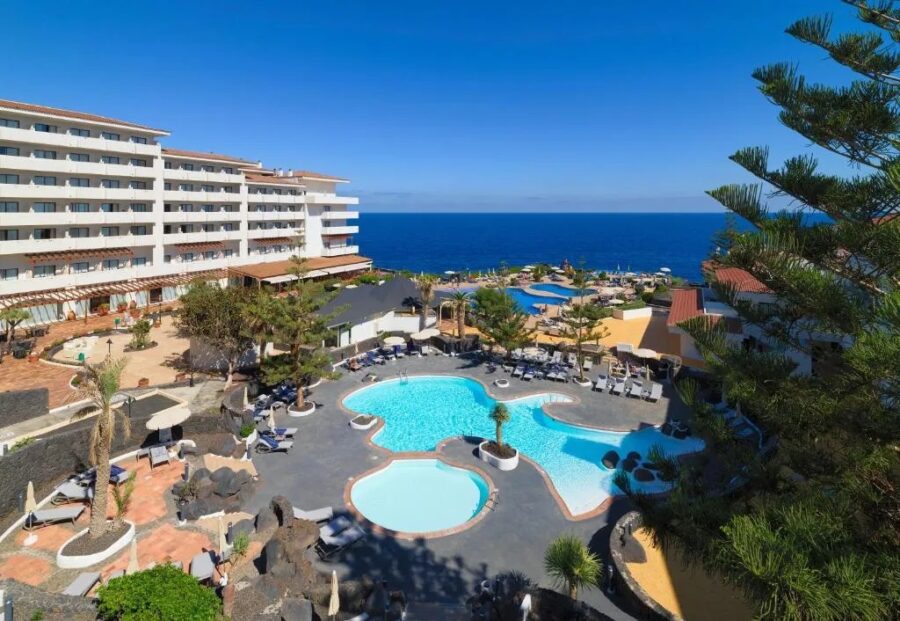
Booking in La Palma comes down to balancing location, price, and timing. The island has everything from rural homes to beach hotels, but your best choice depends on your trip style and how early you plan. Details like cancellation policies or eco-friendly features can have a real impact once you arrive.
How to Find the Best Rates
Comparing prices across several platforms usually turns up better deals than booking direct. Booking.com and Kayak make it easy to spot discounts across the Canary Islands. From what I’ve seen, midweek stays cost less than weekends, especially outside June to September.
Look for free cancellation or pay later—these options let you adjust plans if ferries or weather change. Family-run fincas in the hills often include breakfast and insider tips you won’t get at bigger hotels.
Set price alerts so you’ll know when your top pick drops in price. Saving a few euros per night adds up—maybe enough for an extra meal by the sea.
Essential Booking Considerations
Think about where you want to be. If you’ll hike the Caldera, stay near Los Llanos or El Paso to avoid long drives. For beach days, Tazacorte or Los Cancajos are better bases. Mountain roads are slow, so location really shapes your days.
Check if your place has air conditioning or heating—towns at higher altitudes get chilly at night. Parking in Santa Cruz can be a hassle, so ask about dedicated spaces before you book.
I’ve learned (the hard way) that “free parking” sometimes means a 15-minute uphill walk. Glancing at recent guest reviews can save you from surprises.
Staying Safe and Sustainable
La Palma protects its landscapes, and your choices help keep it that way. Go for places that recycle, limit water use, or use solar—most highlight this now. Bringing a reusable water bottle helps cut down on plastic waste, even if it feels like a small gesture.
If you’re hiking or exploring volcanoes, consider travel insurance that covers medical issues and trip interruptions. The trails can be rough, and even the sure-footed sometimes slip.
Avoid last-minute bookings during festivals; demand spikes and smaller hotels fill up fast. Staying at locally owned guesthouses or vineyard cottages puts your money back into the community that maintains La Palma’s trails and culture. It’s a small but real way to travel responsibly.
Frequently Asked Questions
La Palma feels quieter and more genuine than other Canary Islands. You’ll find small towns with family-run hotels, scenic drives from coast to mountain, and plenty of spots where good food and ocean views just happen together.
What are the top-rated all-inclusive resorts in La Palma for a memorable stay?
If you want an all-inclusive, La Palma Princess Resort & Spa in Fuencaliente is the main choice. It’s a big place, but still manages to feel easygoing, with ocean views and several pools tucked into its terraces.
Nearby, Teneguía Princess is a bit smaller and feels even more relaxed. Both sit on the southern tip, close to volcanic trails and the salt flats.
Which areas in La Palma offer a romantic setting suitable for couples?
For couples, Los Sauces and Tazacorte are top picks. Los Sauces is surrounded by green hills and has natural pools for a quiet swim.
Tazacorte gives you sunsets over black-sand beaches and a few wine bars that spill onto the streets. I once spent an anniversary there—no frills, just grilled fish, wine, and the sound of the surf.
Can you recommend some boutique hotels that capture La Palma’s unique charm?
Start in Santa Cruz de La Palma—restored colonial houses here have become small hotels with original wood balconies and sunny courtyards. Hotel Emblemático Holiday Time and Hotel San Telmo both stand out for their blend of old and new.
In Tazacorte, Hotel Hacienda de Abajo is another solid boutique option, filled with antiques and gardens that feel almost timeless.
What are the luxurious 5-star accommodations available in La Palma?
Luxury in La Palma isn’t flashy—it’s about space, calm, and local character. Hotel Hacienda de Abajo often gets five-star nods because it feels like a private estate, not a typical resort.
There are high-end villas around Fuencaliente and Los Llanos too, many with pools and ocean views. They’re great for privacy if you don’t mind self-catering.
What neighborhoods in La Palma provide the best access to local attractions and dining?
Santa Cruz de La Palma puts you close to museums, restaurants, and the port, so you can skip the rental car. The city’s seafront is lively, with plenty of small places to eat tucked into side streets.
If hiking is your main goal, Los Llanos and El Paso are smart bases—they’re right by Caldera de Taburiente National Park and have a handful of honest tapas bars for a post-trail meal.
How does the eastern part of La Palma compare to the west in terms of tourist amenities?
The east side—think Santa Cruz and Los Cancajos—packs in more hotels, shops, and puts you close to the airport. It’s greener here, thanks to a bit more rain.
The west side basks in extra sunshine and feels noticeably drier. Towns like Tazacorte and Puerto Naos revolve around their beaches, not city buzz. If you’re after slow mornings and want those clear nights for stargazing, head west.
Honestly, both sides work; it just comes down to your mood and what kind of trip you want.