Alentejo Coast vs Costa Vicentina: 7 Essential Differences & Hidden Gems
Updated September 15, 2025
Picking between the Alentejo Coast and Costa Vicentina isn’t just about choosing one beach over another. The Alentejo Coast welcomes you with wide sandy stretches, calm lagoons, and sleepy fishing towns, while Costa Vicentina throws you into rugged cliffs, wild surf, and raw, untouched nature.
Both coasts feel refreshingly authentic, but honestly, the vibe shifts a lot depending on what you’re after. I’ve wandered both, and they don’t really compete—they sort of complete each other.
On the Alentejo Coast, you might linger over grilled fish in a quiet square or paddle lazily through a lagoon. Costa Vicentina is for hiking windswept bluffs, spotting storks nesting on rocky ledges, and chasing waves that crash against the cliffs. It’s like seeing two sides of Portugal’s soul, side by side.
Table of Contents
- Key Takeaways
- Alentejo Coast vs Costa Vicentina: Key Differences
- Geographic Boundaries and Regional Overview
- Atmosphere and Vibe
- Accessibility and Transportation
- Must-Visit Coastal Towns and Villages
- Porto Covo and Sines
- Vila Nova de Milfontes and Milfontes
- Zambujeira do Mar and Odeceixe
- Aljezur, Sagres, and Vila do Bispo
- Best Beaches and Natural Wonders
- Praia do Malhão and Malhão Beach
- Praia do Amado and Monte Clérigo Beach
- Praia das Furnas, Praia Grande, and Praia do Almograve
- Praia do Carvalhal, Praia do Pego, and Praia da Samoqueira
- Outdoor Activities and Adventure
- Surfing Hotspots and Local Surf Culture
- Hiking the Rota Vicentina and Historical Way
- Diving, Birdwatching, and Nature Experiences
- Scenic Trails: Carrapateira and Beyond
- Wildlife and Protected Landscapes
- Southwest Alentejo and Vicentine Coast Natural Park
- Unique Flora and Fauna
- Dramatic Sea Cliffs and Geological Features
- Hidden Gems and Local Secrets
- Ilha do Pessegueiro and Off-the-Beaten-Path Beaches
- Charming Sunset Spots
- Authentic Gastronomy and Village Life
- Frequently Asked Questions
- What are the key differences in landscape and natural beauty between the Alentejo Coast and Costa Vicentina?
- Can you highlight the top natural attractions to visit in the Vicentine Coast Natural Park?
- What types of property are available for purchase along the Alentejo Coast, and how do they compare with those in Costa Vicentina?
- Are there any unique cultural or historical sites to explore in the Alentejo region near the coast?
- What activities are available for outdoor enthusiasts along the Costa Vicentina and Alentejo Coast?
- How does the biodiversity in Alentejo National Park contrast with that of the Vicentine Coast Natural Park?
- Book Your Dream Experience
- More Travel Guides
Key Takeaways
- Each coast brings its own unique mood and scenery
- Towns and villages add plenty of personality along the way
- Outdoor adventures and secret spots make both worth your time
Alentejo Coast vs Costa Vicentina: Key Differences
The Alentejo Coast and Costa Vicentina both deliver rugged cliffs, peaceful villages, and endless beaches, but their geography, atmosphere, and accessibility set them apart. Knowing these quirks honestly helps you pick the stretch that matches your travel style.
Geographic Boundaries and Regional Overview
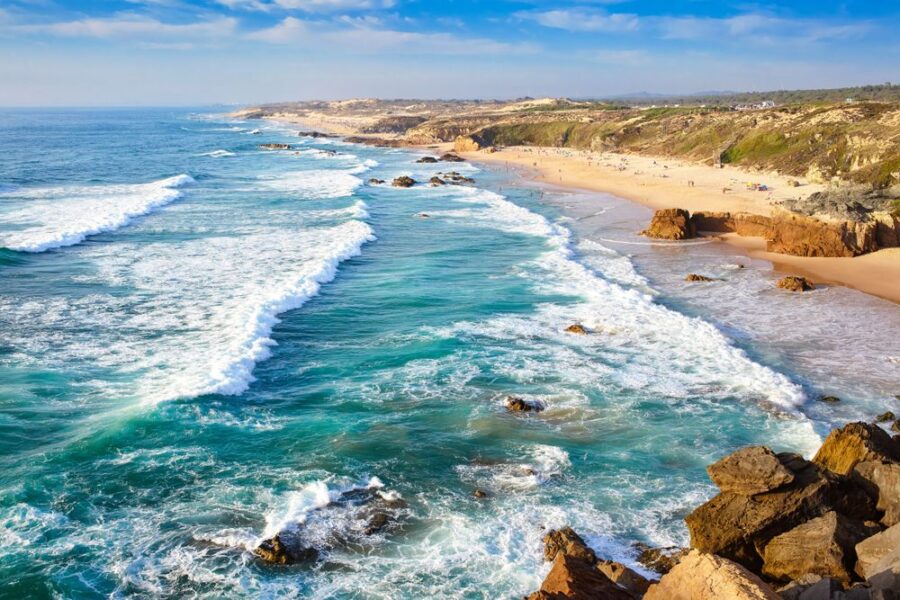
The Alentejo Coast stretches south from the Troia Peninsula near Setúbal down to Odeceixe. You’ll find it entirely in the Alentejo region, with towns like Sines, Vila Nova de Milfontes, and Zambujeira do Mar as highlights. Folks often call it Portugal’s “last wild coast”—dunes, lagoons, farmland, and the Atlantic all tangled together.
The Costa Vicentina picks up at Odeceixe, runs into the Algarve, and fades out near Burgau. It covers the southern chunk of the Southwest Alentejo and Vicentine Coast Natural Park. While Alentejo Coast feels more about rolling fields and classic fishing towns, Costa Vicentina edges into the Algarve’s rocky headlands and steep cliffs.
Here’s a quick cheat: Alentejo Coast = northern half, Costa Vicentina = southern half. They’re both inside the same protected park, but they land in different Portuguese regions.
Atmosphere and Vibe
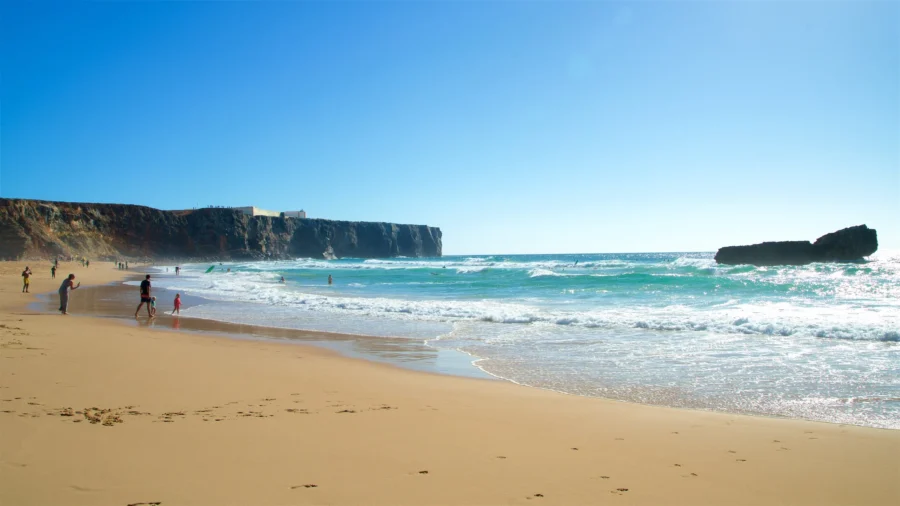
The Alentejo Coast moves at a slower, rural pace. Villages like Porto Covo or Milfontes show off whitewashed homes, cozy squares, and a rhythm that’s never in a hurry. You’ll spot fields and cork oaks just behind the beaches. Grab a coffee at a café and you might end up chatting with locals who aren’t in any rush to serve the next tourist.
Costa Vicentina, since it’s in the Algarve, brings a slightly different energy. It’s still way quieter than the Algarve’s packed southern resorts, but you’ll notice more surfers, camper vans, and international travelers. Towns like Aljezur and Carrapateira buzz with a boho energy—think yoga retreats, surf schools, and eco-lodges tucked into the hills.
Want tradition and open space? The Alentejo Coast is your spot. Craving surf culture and a bit more of a scene? Costa Vicentina could be calling. Either way, you dodge the mass tourism that crowds out the Algarve’s eastern coast.
Accessibility and Transportation
You’ll probably drive south from Lisbon to reach the Alentejo Coast. Renting a car at the airport is easiest, or you can compare flights and car hire deals if you want to keep things smooth. Public transport barely covers the area—just a few bus routes to towns like Sines or Milfontes—so a car really opens things up.
Costa Vicentina is much easier if you’re already in the Algarve. From Faro Airport, you can drive west in under two hours to reach places like Sagres or Burgau. Roads are good, but once you hit the park, expect some winding lanes and the occasional dirt track to reach those secret beaches.
Honestly, the Alentejo Coast feels more remote and takes a bit more effort. Costa Vicentina is more accessible from the Algarve, but you’ll still want wheels. If you’re up for the drive, both reward you with wild scenery and way fewer crowds than Portugal’s busier shores.
Must-Visit Coastal Towns and Villages
Both the Alentejo Coast and Costa Vicentina are sprinkled with little towns where fishing traditions, maritime stories, and rugged beauty still shape life. Every spot has its own rhythm—some are sleepy and hidden, others a little livelier with a blend of old and new.
Porto Covo and Sines
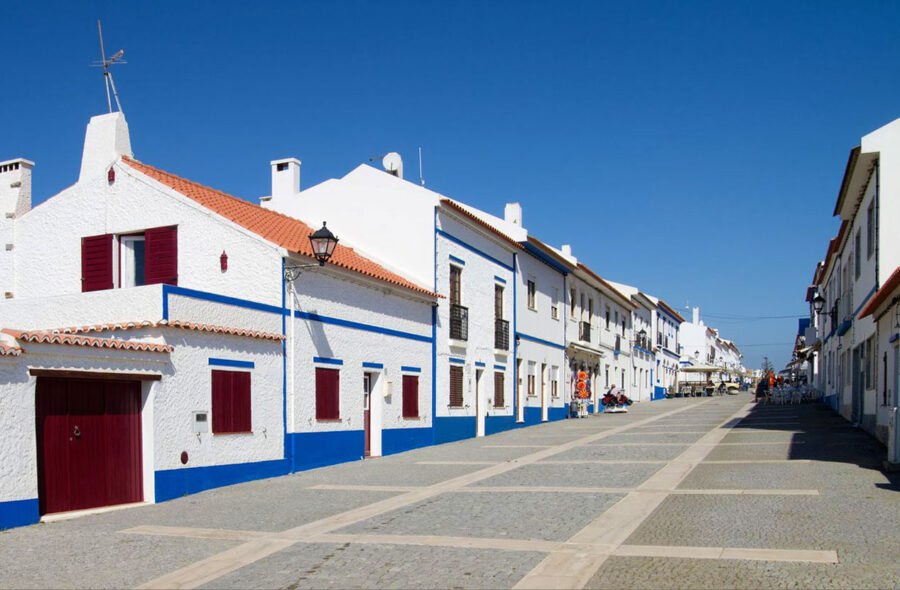
Porto Covo sits perched on low cliffs, its cobblestone streets circling a tiny square. You can wander slowly here, grab grilled sardines for lunch, and follow the cliff path north to Samoqueira Beach, a golden stretch framed by rocky outcrops. It’s simple, a bit rough around the edges, but honestly, that’s the charm.
Just up the road, Sines feels totally different. It’s a working port city, birthplace of Vasco da Gama, and home to a medieval castle with killer views over the harbor. You can stroll old streets, peek into the explorer’s museum, and then wander down to Praia de Sines, which somehow stays quieter than most Portuguese beaches.
Quick contrast:
- Porto Covo: quaint, intimate, perfect for slow strolls and tiny cafés.
- Sines: historic, bigger, with more cultural stops and a working port vibe.
Vila Nova de Milfontes and Milfontes
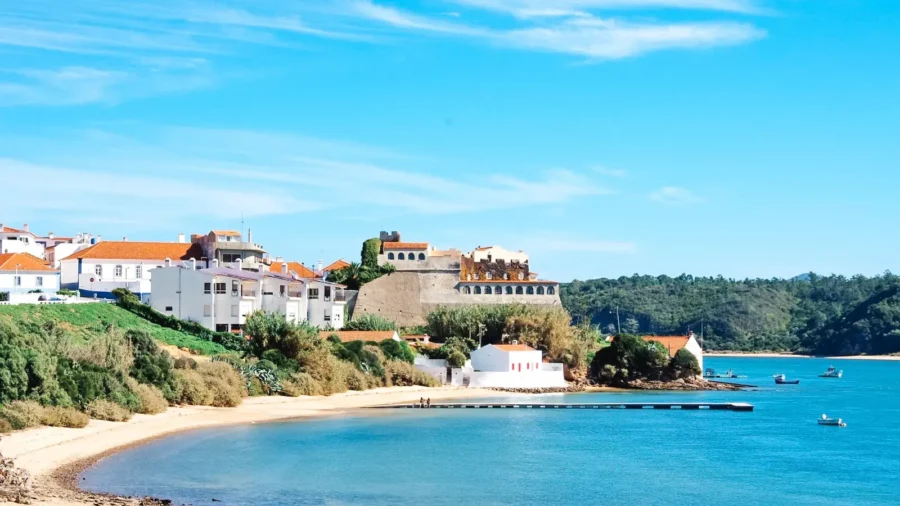
Vila Nova de Milfontes—locals just call it Milfontes—sits where the Mira River meets the Atlantic. It’s one of the busier towns in Odemira, but somehow, it keeps its charm. Whitewashed houses, tiled facades, and winding lanes give it that classic postcard feel.
The beaches are the main draw. On one side, river beaches are calm and great for families. Just across, the Atlantic gets wild—perfect for surfers or anyone who loves a long walk. I remember an afternoon at Praia do Farol, watching fishermen fix their nets while kids jumped off the pier. It just felt timeless.
If you want variety, Milfontes makes a great base. You can feast on seafood, hit coastal trails, or head inland for peaceful countryside.
Zambujeira do Mar and Odeceixe
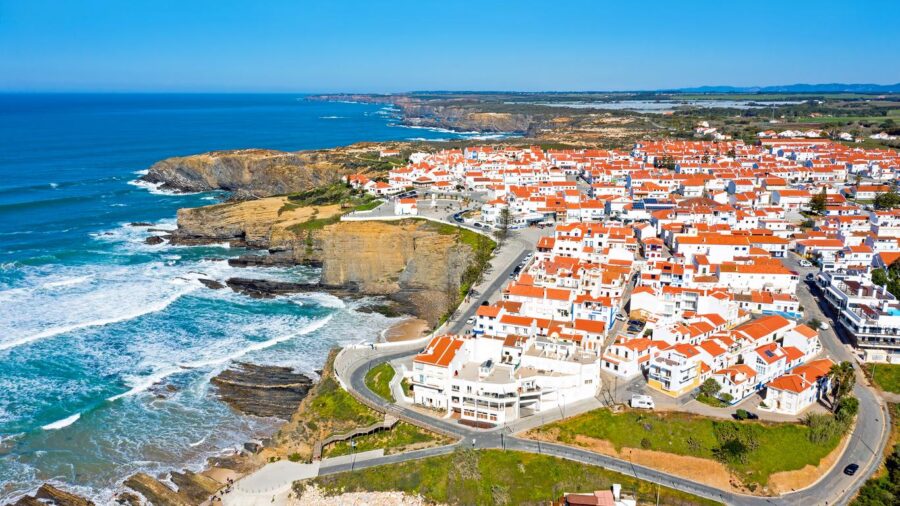
Zambujeira do Mar perches on cliffs with beaches tucked below. In summer, it’s lively—music festivals and surfers fill the town. Off-season, it slows to a peaceful spot where the only noise is waves and seabirds. Praia da Zambujeira, the main beach, is sheltered by cliffs and usually has strong waves—awesome for watching, maybe less so for casual swimming.
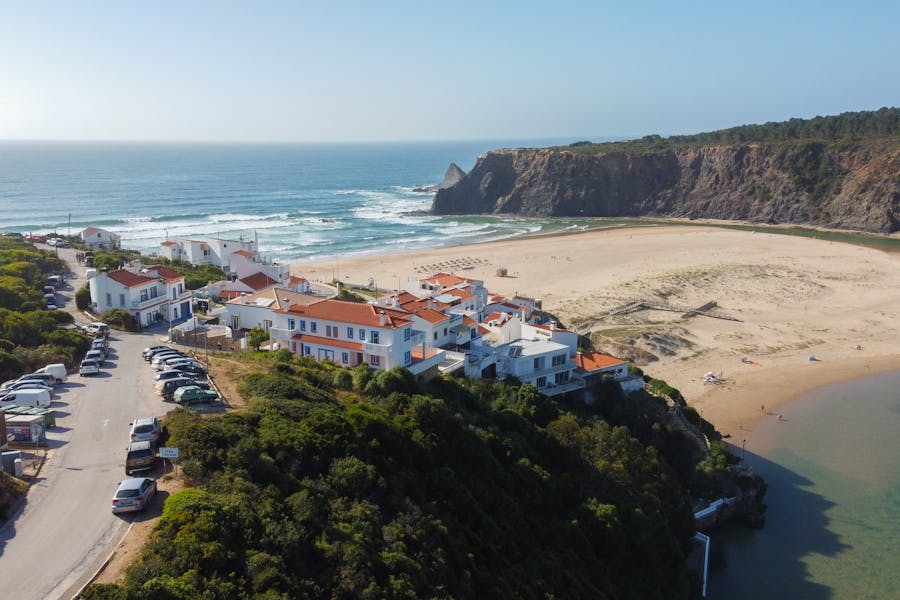
Drive south and you’ll hit Odeceixe, right on the Alentejo-Algarve border. The beach is a horseshoe, where the Ribeira de Seixe river spills into the sea. You can swim on the gentle river side or brave the ocean waves. The village is tiny, with steep lanes and a few good taverns where locals gather.
Between the two, Zambujeira feels like a classic coastal resort, while Odeceixe has that rare mix of river and sea.
Aljezur, Sagres, and Vila do Bispo
Further south in Costa Vicentina, Aljezur splits into old and new. The old town climbs steep cobbled streets to a ruined Moorish castle. From up top, you get sweeping views of valleys and the sea. Sweet potatoes are a big deal here—you’ll find them in everything from soups to cakes.
Sagres is all about that end-of-the-world feeling. The cliffs are stark, the wind never quits, and the Atlantic just stretches out forever. Henry the Navigator ran his navigation school here, and you can still visit the fortress on the headland. It’s humbling in the best way.
Vila do Bispo, tucked inland, is quieter but surrounded by some of the coast’s best beaches. From here, you can reach Praia do Castelejo or Praia da Cordoama—both wide, wild, and hugged by dark cliffs. It’s less touristy than Sagres, so if you want a slower pace, this is your spot.
Travel tip: Keep snacks in the car. Villages are pretty spread out, and sometimes the best café is the one you find after a twisty, empty road.
Best Beaches and Natural Wonders
Both the Alentejo Coast and Costa Vicentina serve up long sandy stretches, rugged cliffs, and secret coves. Some beaches feel endless and wild, others sit right beside small villages where life just moves slower. The mix of surf spots, calm swimming areas, and jaw-dropping viewpoints makes this coastline one of Portugal’s most rewarding.
Praia do Malhão and Malhão Beach
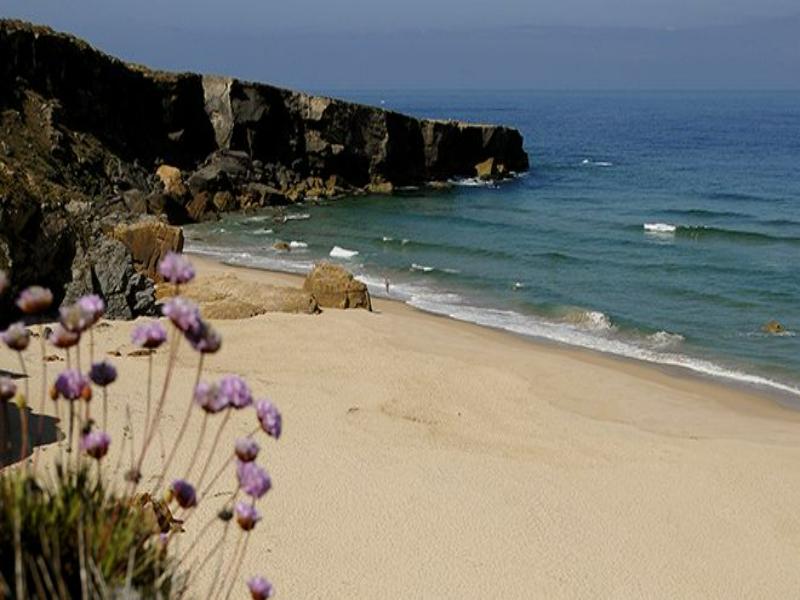
Praia do Malhão is one of those beaches where you can walk forever and still feel like you’re on your own. The sand stretches so wide that even in August, you’ll always find a patch to yourself. Surfers love it, but honestly, just dipping your toes in the waves is enough.
What I love most? It feels raw. No big hotels, no concrete promenade. Just dunes, wind, and sea. If you’re into photography, sunrise here is pure magic—long shadows, soft light, and barely a soul in sight.
It’s close to Vila Nova de Milfontes, so you can stay in town and drive out. A picnic on the sand beats any overpriced beach bar, in my opinion.
Praia do Amado and Monte Clérigo Beach
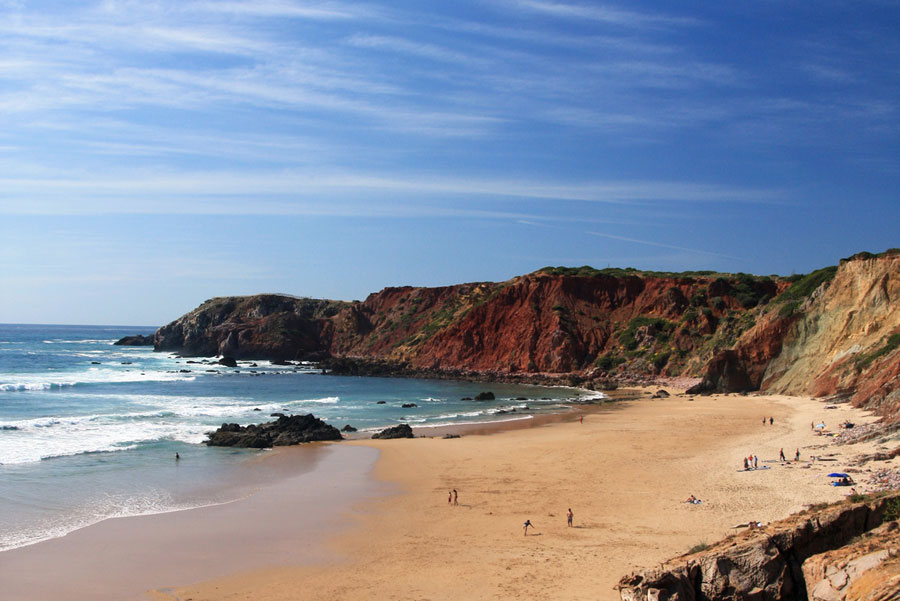
Praia do Amado, near Carrapateira, is a surf mecca. You’ll spot surf schools lined up, wetsuits everywhere, and vans crowding the cliffs. The waves are reliable, but even if you’re not surfing, the views from the cliffs are worth the stop.
Monte Clérigo Beach feels different. A tiny village backs the sand, houses scattered up the hillside. At low tide, rock pools appear—kids love splashing around in them. I once spent an afternoon just watching families wander across the sand flats as the tide slipped away.
Both beaches blend energy and calm—Amado buzzes with surfers, Monte Clérigo is slower and more peaceful. If you’re road-tripping, hit both in a day.
Praia das Furnas, Praia Grande, and Praia do Almograve
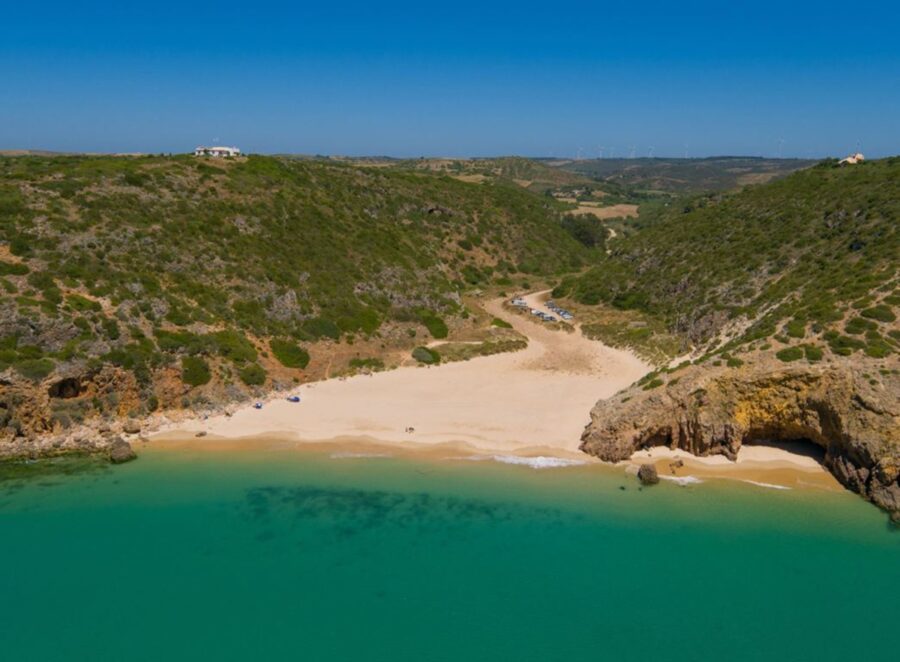
Praia das Furnas sits by Vila Nova de Milfontes, right at the Mira River’s mouth. Calmer water on the river side, wilder waves on the ocean side—it’s perfect for families or anyone who likes options. I’ve seen people learning to surf while others just paddle quietly in the lagoon.
Praia Grande, by Porto Covo, is rugged and dramatic. Cliffs rise up around the sand, and surfers love the breaks. After a swim, you can grab a cold beer in Porto Covo’s square—small, but honestly, it hits the spot.
Praia do Almograve, further south, is one of my personal favorites. The sea cliffs are wild, and sunsets here are unreal. Walk the cliff trails at golden hour and you’ll understand why so many photographers fall in love with this place.
Praia do Carvalhal, Praia do Pego, and Praia da Samoqueira

Praia do Carvalhal and Praia do Pego sit wide and sandy just outside Comporta. In recent years, these beaches have drawn a stylish crowd, with chic beach restaurants mixing locals and curious travelers.
Even with the buzz, the sand seems endless. If you wander a bit, you’ll still find your own quiet patch.
Praia do Pego stands out for its beachside dining—yes, it’s pricey, but honestly, eating with your toes in the sand and the Atlantic crashing nearby is something special.
Praia da Samoqueira, tucked near Porto Covo, feels like a secret. Rocks carve out tiny coves, and on sunny days, the water glows turquoise.
It’s rarely warm, but when the sun’s out, that first plunge is pure refreshment. If you like poking around tide pools and hidden corners, you’ll love this spot.
If you want more details or maps, check out guides like Best beaches in Alentejo and Costa Vicentina. They’ve got plenty of insider info.
Outdoor Activities and Adventure
The Alentejo Coast and Costa Vicentina practically beg you to get outside. Surfers, hikers, and birdwatchers all find their own slice of adventure here.
You’ll spot surf breaks with a strong local vibe, trails weaving through fishing villages, and quiet spots where sea cliffs and birdlife steal your attention.
Surfing Hotspots and Local Surf Culture
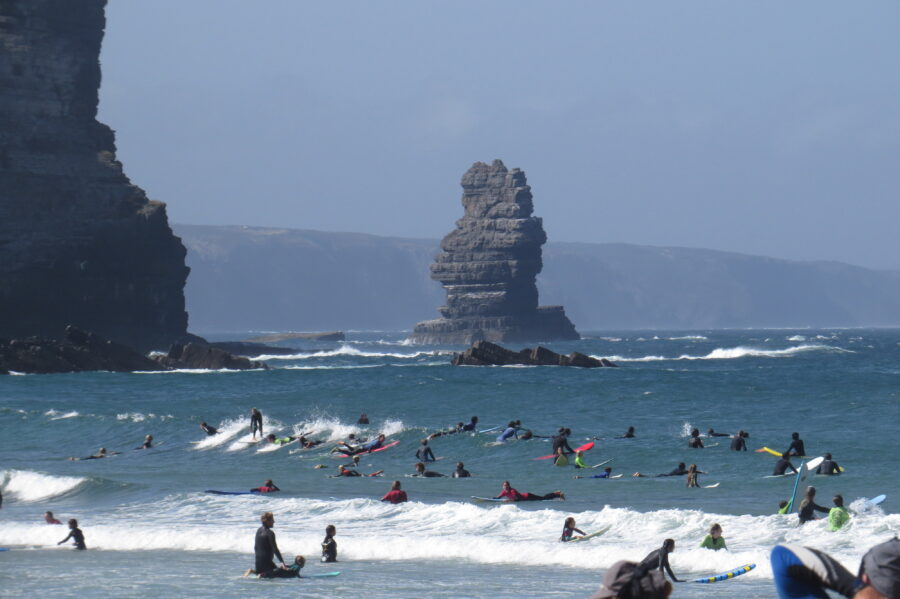
If you surf—or even if you just want to try—this stretch of Portugal is a dream. Consistent Atlantic swells hit beaches like Arrifana, Amado, and Monte Clérigo, attracting both newbies and seasoned riders.
Surf schools line these beaches, so you can jump in without feeling awkward.
The surf culture here feels different from the Algarve’s busier scene. The rhythm slows down; small beach cafés serve up grilled fish, and locals swap stories after their morning session.
It’s not about flash. It’s about waves, sunsets, and sandy feet. That’s the vibe.
If you want to set up lessons or guided surf days ahead of time, you can book activities online. Saves you time once you’re there.
Hiking the Rota Vicentina and Historical Way

Walking the Rota Vicentina is honestly one of the best ways to get to know this region. The Fishermen’s Trail hugs the coastline, sometimes right on the edge of dramatic cliffs.
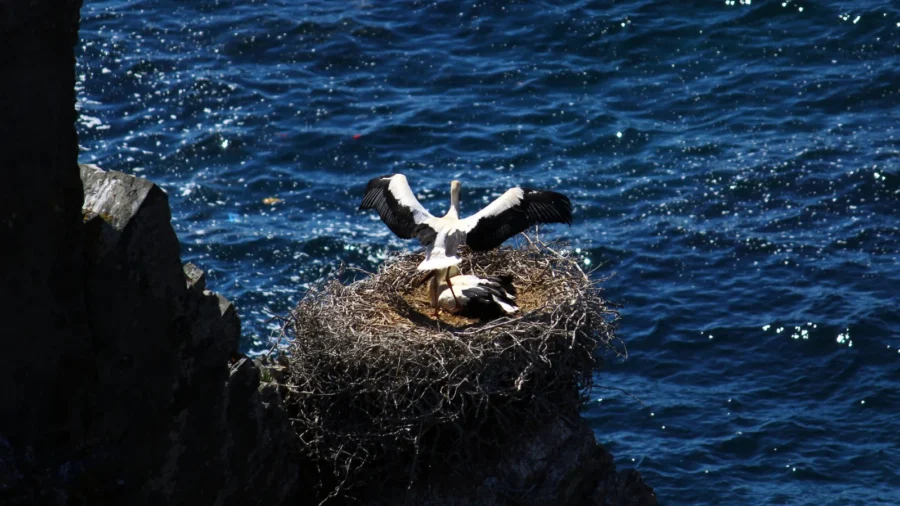
You’ll pass tiny coves, old harbors, and—if you’re lucky—spot white stork nests perched on sea stacks. Not something you see every day in Europe.
The Historical Way leads you inland. It winds through cork oak forests, rolling farmland, and sleepy villages where you might stumble on bread still warm from the oven.
It’s less about the ocean, more about rural Portugal and its slower pace.
Both trails are well-marked. You don’t need to be a hardcore hiker. Just bring good shoes, some water, and a willingness to slow down and take it all in.
Diving, Birdwatching, and Nature Experiences
Surprisingly, the waters off the Alentejo Coast offer decent diving. Visibility isn’t bad, and you’ll find rocky reefs teeming with octopus, cuttlefish, and all sorts of colorful fish.
It’s not the tropics, but if you love exploring underwater, it’s well worth it.
Birdwatching here is a real treat. The cliffs around Cabo Sardão are famous for white storks nesting right above the crashing waves.
During migration, you might catch falcons or ospreys drifting through. Bring binoculars if you can—trust me, you’ll want them.
If planning every detail isn’t your thing, check out guided tours that mix wildlife spotting with local flavor. It’s a pretty easy way to see a lot without stressing about logistics.
Scenic Trails: Carrapateira and Beyond
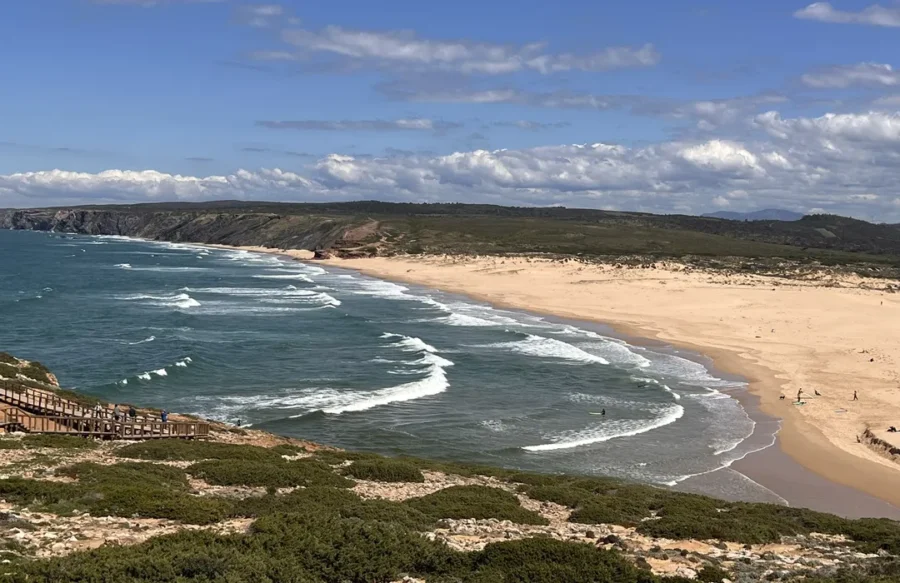
The Carrapateira Trail is one of those hikes that just sticks with you. It loops through coastal cliffs and inland sand dunes, so you get a bit of everything.
The views over Praia da Bordeira are wild, with the river slicing across the sand on its way to the sea.
What I love about this trail is how accessible it is. No need for a multi-day trek; you can walk it in a few hours and still feel like you’ve discovered something rare.
The wooden boardwalks help too, especially if you’re not a hardcore hiker.
Beyond Carrapateira, you’ll find smaller trails near Odeceixe and Zambujeira do Mar. These paths are quieter and often lead to beaches where you might be the only one around—especially outside of the summer rush.
Wildlife and Protected Landscapes
The Alentejo Coast and Costa Vicentina are so much more than just sand and surf. Wild habitats, rare plants, and dramatic cliffs all shape your experience here.
Southwest Alentejo and Vicentine Coast Natural Park
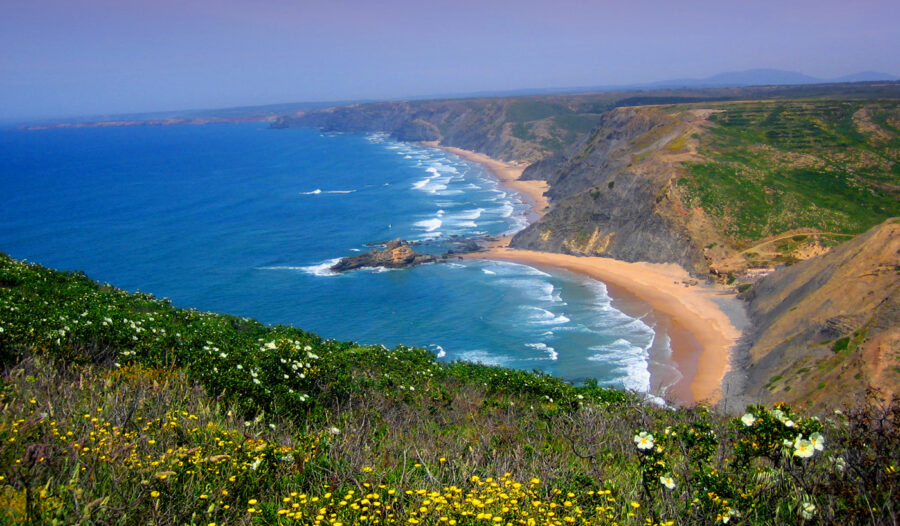
This region is anchored by the Southwest Alentejo and Vicentine Coast Natural Park—or Sudoeste Alentejano e Costa Vicentina, if you want to sound like a local. They set it up in 1988 to protect over 100 km of coastline and more than 75,000 hectares of wild land and sea.
That’s a lot of space where nature still calls the shots.
What sets it apart is how untouched it feels. Unlike the Algarve, you won’t see resorts crowding the horizon.
Instead, you’ll stumble across fishing villages, winding dirt roads, and beaches that sometimes feel like they’re yours alone.
The park is one of the last places in Europe where you might spot otters in marine habitats. Birdlife is everywhere, especially migratory species that pause here.
If hiking’s your thing, the Rota Vicentina trails cut right through the park, giving you a front-row seat to all this wildness.
Unique Flora and Fauna
One thing you’ll notice quickly: life thrives here. The blend of Atlantic winds and Mediterranean sun creates little microhabitats where rare plants pop up—some you won’t find anywhere else.
Botanists love it for the endemic wildflowers tucked into dunes and cliffsides.
Birdwatchers get spoiled. The white stork is the star, building nests on rocky sea stacks just offshore—a rare sight in Europe. Falcons, swifts, and even big birds of prey circle above, especially when autumn migration peaks.
It’s not just birds, though. Amphibians fill the temporary ponds in spring, and the intertidal zone reveals starfish, urchins, and barnacles gripping the rocks.
If you’re lucky and patient, you might even spot wild boar moving through the cork oak forests inland.
Dramatic Sea Cliffs and Geological Features
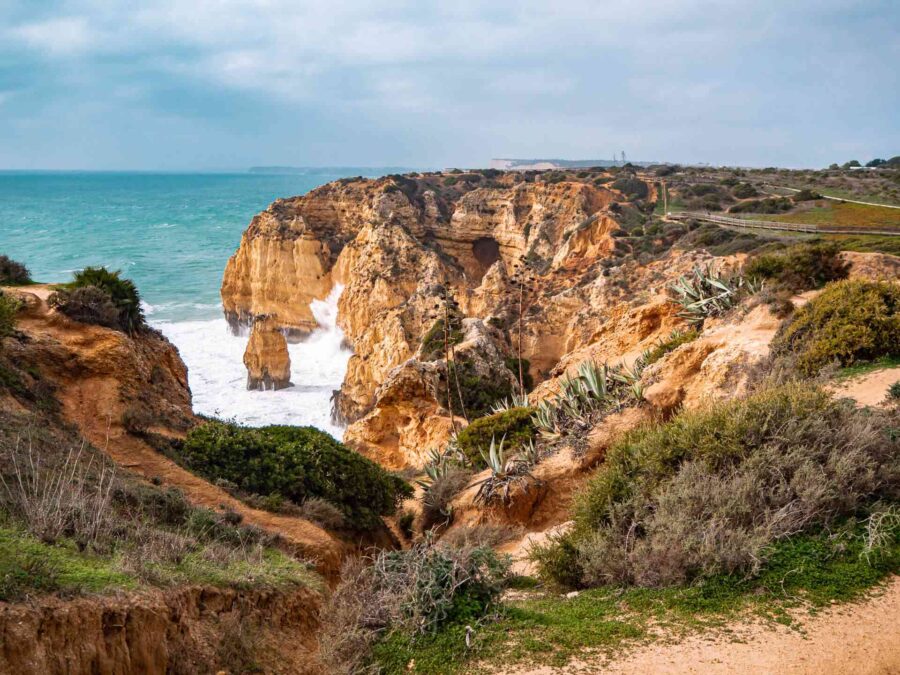
The coastline here tells a story millions of years old. In the Alentejo stretch, cliffs of dark schist and sandstone loom—rugged, almost moody.
Cross into the Algarve side, and suddenly you’re looking at pale limestone cliffs, riddled with caves and sometimes fossils.
These cliffs aren’t just for show. They shape the habitats that cling to them, from tough cliff-top plants to seabirds nesting in cracks and ledges.
The contrast between black rock and white stone is pretty striking—especially when the late light hits at sunset.
I still remember standing on a bluff near Odeceixe, watching fishermen balancing on impossible ledges, rods swinging over the surf.
These cliffs are more than geological wonders—they’re woven into daily life. If you’re hiking, be ready: trails along the edge can be both breathtaking and a little humbling.
Hidden Gems and Local Secrets
Traveling the Alentejo Coast and Costa Vicentina is about more than just sandy beaches and dramatic cliffs. You’ll stumble on quiet coves, small fishing villages, and local traditions that make this part of Portugal feel genuine and unspoiled.
Ilha do Pessegueiro and Off-the-Beaten-Path Beaches
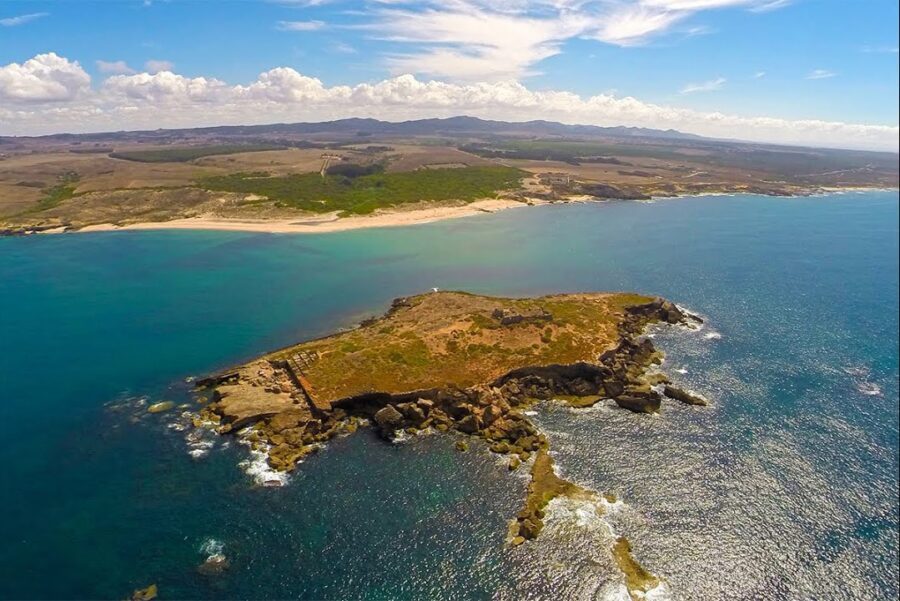
Ilha do Pessegueiro, just off Porto Covo, feels frozen in time. Roman ruins and an old fort dot the island, but it’s the raw, untouched vibe that really pulls people in.
You can’t sleep overnight on the island, but the short boat ride is worth it for a new angle on the coast.
If you’d rather keep your feet on solid ground, check out nearby beaches like Praia da Samoqueira and Praia da Carriagem. They’re quieter than Zambujeira do Mar and have unique rock formations that look wild at low tide.
Carriagem is especially known for its tide pools and dark volcanic rocks that make the landscape pop.
My advice: pack light. Some of these beaches mean a walk down cliffs or wooden stairs. If you don’t want to haul luggage, stash it in luggage storage in Lisbon or Porto before heading south. Makes life easier.
Charming Sunset Spots
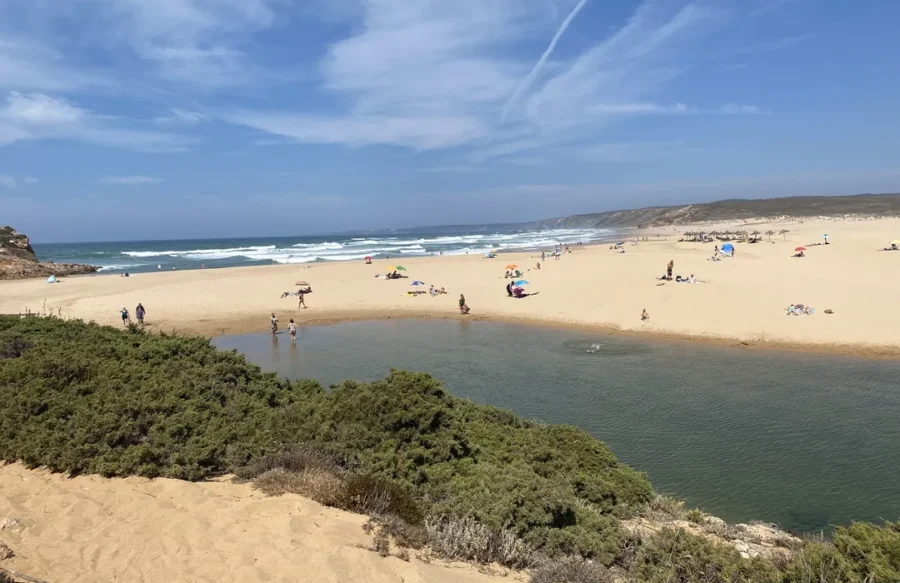
Some of Portugal’s best sunsets happen along this coastline. Watching the sky turn fiery over Praia do Amado or the cliffs at Pontal da Carrapateira? Unforgettable.
These spots feel remote, and most nights you’re sharing the view with just a handful of others.
I’ve had some great evenings in Zambujeira do Mar, too, where the sun drops straight into the Atlantic. The cliffside cafés double as sunset lounges—grab a cold beer and let the waves soundtrack your evening.
If you’re near Vila Nova de Milfontes, head down to Praia das Furnas. It’s quieter than the main town beach, and the river mouth reflects the dusk colors like a mirror.
Bring a blanket, some bread, and local cheese, and you’ve got yourself a perfect little picnic.
Authentic Gastronomy and Village Life
Honestly, the villages along this coast might be the real highlight. Pedralva and Porto Covo are small but packed with charm.
Narrow cobbled streets, whitewashed houses, and little squares where older locals sit and chat—it’s all part of the daily rhythm.
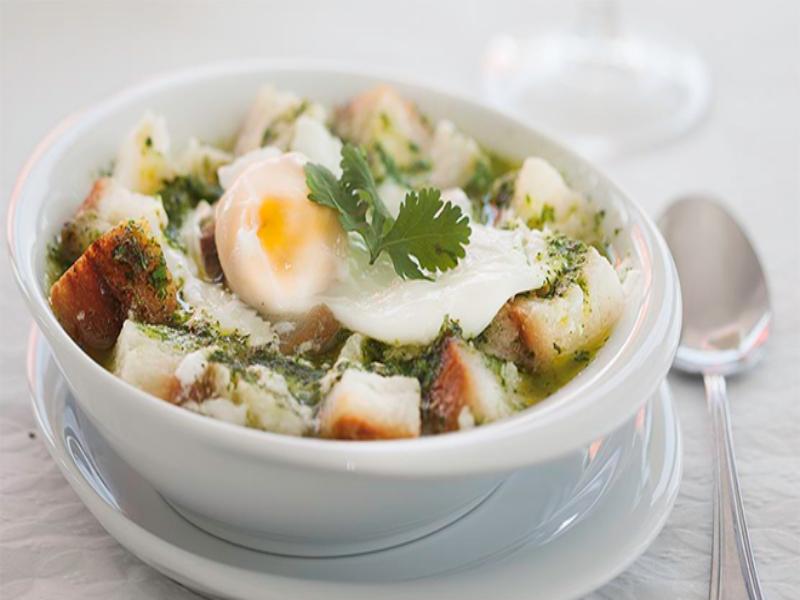
Food here is hearty and always tied to the sea. Grilled sardines, octopus rice, and açorda alentejana (bread and garlic soup) are essentials.
Don’t miss the local cheeses, often made in tiny dairies and sold at village markets.
Some of my best meals have been in simple taverns where the menu changes with whatever the fishermen brought in that morning.
If you’re planning your trip with flights in mind, keep an eye on cheap tickets to Lisbon or Faro. Save your budget for those lingering, slow meals.
What makes these villages special is their pace. You’re not rushing from sight to sight.
You just sit, eat, and let the day drift by. It’s Portugal at its most rewarding.
Frequently Asked Questions
The Alentejo Coast and Costa Vicentina both serve up rugged beauty, but each has its own vibe. From steep cliffs and hidden coves to historic villages and outdoor adventures, this region blends wild landscapes with deep culture.
You’ll notice differences in property, biodiversity, and the kinds of activities that keep travelers coming back.
What are the key differences in landscape and natural beauty between the Alentejo Coast and Costa Vicentina?
The Alentejo Coast is broader and calmer, with sweeping sandy beaches and rolling dunes. Sometimes farmland runs right up to the sea.
Costa Vicentina is wilder, with sharp cliffs, rocky headlands, and more secret coves. It’s less polished, which is a big part of the appeal if you love raw nature.
Can you highlight the top natural attractions to visit in the Vicentine Coast Natural Park?
The Southwest Alentejo and Vicentine Coast Natural Park covers over 100 km of protected shoreline. Highlights include Cabo Sardão with its dramatic lighthouse, the fishing village of Zambujeira do Mar, and the River Mira estuary.
You can also walk stretches of the Rota Vicentina, a trail network hugging cliffs and countryside. It’s a fantastic way to experience the park’s wild mix of land and sea.
What types of property are available for purchase along the Alentejo Coast, and how do they compare with those in Costa Vicentina?
Along the Alentejo Coast, you’ll stumble on those classic whitewashed homes tucked into sleepy villages, plus sprawling rural estates and the occasional modern villa perched close to the sea. There’s a refreshing variety, honestly, and you can still breathe out here—space and peace aren’t just buzzwords.
Costa Vicentina? Now, that’s a whole different vibe. Strict protection laws keep development in check, so you won’t see many new builds popping up. Properties are usually smaller, a bit more rustic, and honestly, there aren’t that many on the market. If you crave privacy or want to disappear into wild landscapes, this is the stretch you’ll want to explore.
Are there any unique cultural or historical sites to explore in the Alentejo region near the coast?
Oh, absolutely. Roman ruins like the site at Tróia hint at how this coast buzzed with trade centuries ago. Castles and forts—São Clemente in Vila Nova de Milfontes comes to mind—still stand watch, whispering stories of pirates and old battles.
Tiny towns charm you with their tiled facades, winding cobbled lanes, and those lively little squares where everyone seems to gather. Walking here, you’ll feel like you’ve wandered into another era.
What activities are available for outdoor enthusiasts along the Costa Vicentina and Alentejo Coast?
Surfing? It’s huge here. Porto Covo and Odeceixe are hotspots, but honestly, you’ll find great waves all along the coast. Hiking and biking trails snake through farmland, dramatic cliffs, and old fishing villages—there’s something about the landscape that just pulls you outside.
Thinking about a longer trek? Trust me, investing in solid travel gear makes all the difference. And don’t overlook kayaking, birdwatching, or even a bit of horseback riding—they’re all easy to find if you know where to look.
How does the biodiversity in Alentejo National Park contrast with that of the Vicentine Coast Natural Park?
Alentejo’s wild spaces? They’re a patchwork of wetlands, rice fields, and those iconic cork oak forests you see in postcards. I’ve spotted storks, herons, and all sorts of migratory birds drifting lazily overhead—honestly, it’s a birdwatcher’s dream.
Now, the Vicentine Coast—wow, it’s a whole different energy. The vibe shifts to marine-focused life, with dramatic cliffs where seabirds nest and waters that just teem with fish and playful dolphins.
Alentejo feels grounded, almost agricultural, and a bit more tucked inland. Meanwhile, Costa Vicentina bursts with wild, untamed coastal ecosystems that always leave me wanting to explore just a little more.