
Last modified August 17, 2026
Picking between Hoi An in Vietnam and Luang Prabang in Laos? Yeah, it’s tough. Both are UNESCO World Heritage towns, both are ridiculously charming, but honestly, they couldn’t feel more different.
If you’re after a trip that’s easy on the wallet and way more laid-back, Luang Prabang is probably your jam. Hoi An, on the other hand, is busier, a bit more commercial, but still manages to stay beautiful in its own way.
You feel the difference the second you arrive. Hoi An glows with lanterns and buzzes with tailors, shops, and throngs of tourists.
Meanwhile, Luang Prabang wakes up slowly, monks collecting alms at sunrise, French villas hiding along the Mekong. I’ve wandered both, and honestly, it just depends—do you want that lively, electric energy, or are you craving a mellow cultural retreat?
Food, day trips, and traditions matter, too. Hoi An’s food scene is wild—street eats everywhere, cooking classes on every corner.
Luang Prabang keeps things rustic and riverside. Each place dances to its own beat, and once you know what you want, the choice gets a lot easier.
Key Takeaways
- Hoi An is busier and more commercial; Luang Prabang moves at a gentler pace
- Food, culture, and activities all shape your experience
- It really comes down to your vibe and what kind of atmosphere you’re after
Hoi An vs Luang Prabang: Essential Overview

Hoi An and Luang Prabang both pull in travelers looking for history, culture, and a hefty dose of charm. They just serve it up in their own unique ways.
Hoi An grew up on riverside trade and tailoring. Luang Prabang is all about Buddhist temples and those early-morning rituals that feel frozen in time.
Location and Accessibility

Hoi An sits right on Vietnam’s central coast, not far from Da Nang’s international airport. You can fly into Hanoi or Ho Chi Minh City and connect pretty easily. Vietnam’s got solid road and rail links, so getting to Hoi An isn’t rocket science, though it might take a little planning.
Luang Prabang, though, is tucked away up in northern Laos. There’s a small airport with flights from places like Bangkok, Hanoi, and Vientiane. The Mekong River is another way in—slow, scenic, but maybe not the move if you’re pressed for time.
If you’re all about smooth travel logistics, Hoi An is the easier pick. But if you love that feeling of being somewhere a little hidden, Luang Prabang is worth the extra steps.
Cultural and Historical Background
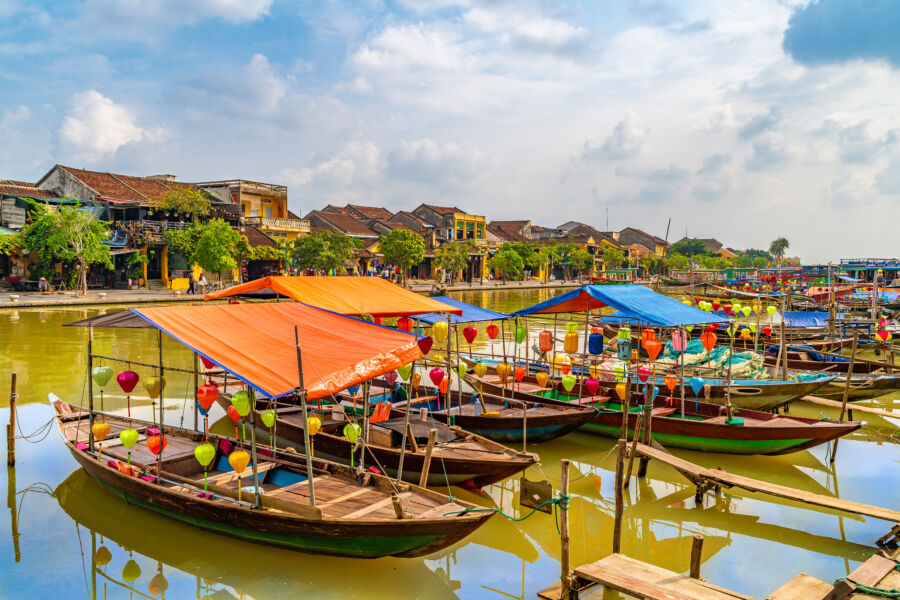
Hoi An’s Old Town is a UNESCO gem, and you see Chinese, Japanese, and French touches everywhere. The lantern-lit streets are lined with old merchant houses that now host shops and cafés. Tailoring is huge—you can get custom clothes stitched up in a couple of days, which is honestly pretty cool.
Luang Prabang leans hard into its Buddhist roots. Gilded temples are everywhere, and the morning alms-giving is a daily reminder that spirituality runs deep here. French villas with peeling paint have turned into bakeries and boutique hotels, adding a European twist.
Both towns wear their history on their sleeves. Hoi An feels a bit more commercial, while Luang Prabang holds onto that slower, contemplative rhythm.
First Impressions and Atmosphere

Step into Hoi An and you’re hit with a rush—crowded streets, scooters weaving past, vendors calling out. It’s colorful, lively, and, let’s be real, can get overwhelming in peak season.
Luang Prabang greets you with quiet. Everything slows down—monks stroll by at dawn, cafés open whenever, and the Mekong just drifts along. The energy is meditative, not frantic.
If nightlife, shopping, and a buzzing social scene are must-haves, Hoi An’s your spot. But if you want slow mornings, deep culture, and evenings that end with cicadas instead of karaoke, Luang Prabang might just win you over. For a detailed cost breakdown—food, transport, hotels—check out Hoi An vs. Luang Prabang.
Atmosphere and Local Experience

Hoi An and Luang Prabang both charm with heritage streets, riverside views, and a slower rhythm than Vietnam’s big cities. But how crowded they get, how much local life you see, and how relaxed you actually feel? That’s where things really split.
Crowds and Tourism Impact
Hoi An draws big crowds, especially after sunset when the lanterns come on. Old town lanes fill up with tour groups, photographers, and shoppers. It’s beautiful, but it can get claustrophobic if you’re hunting for quiet.
The tailoring industry shapes the vibe, too. Tailor shops line the streets, and you’ll get invited in constantly. Some people love the energy, but others find it a bit much.
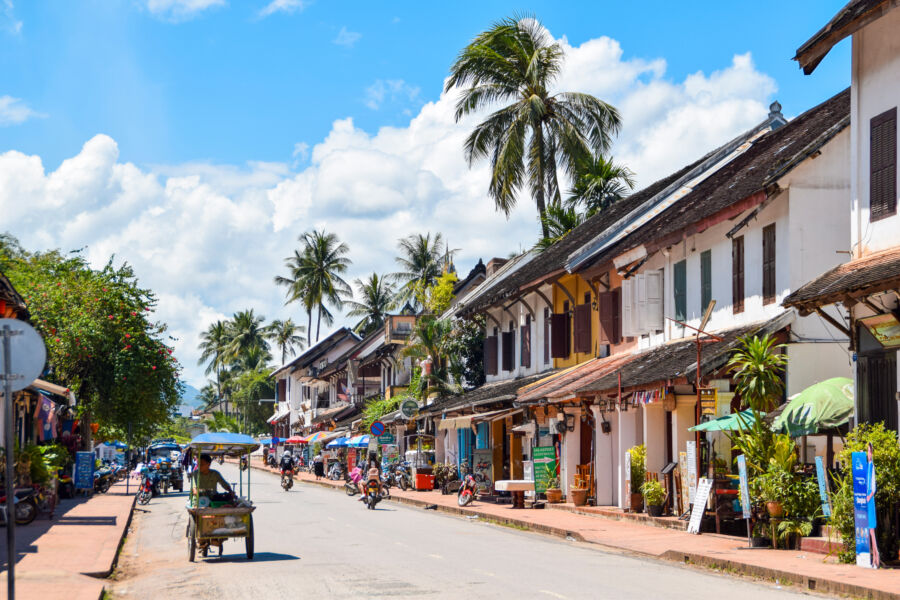
Luang Prabang has tourists, sure, but the crowds spread out between temples, riverside cafés, and markets. Even at peak times, you don’t usually feel hemmed in. Tourism is obvious, but it hasn’t steamrolled the town’s laid-back charm.
Authenticity and Local Life
Hoi An gives you flashes of daily life—locals biking by, fruit vendors, families cooking on tiny side streets. But let’s be honest, the center is mostly for visitors now.
The UNESCO status preserved the buildings, but it also polished the town into an attraction. If you wander outside the old quarter, you’ll find rice fields and fishing villages that feel way more real.
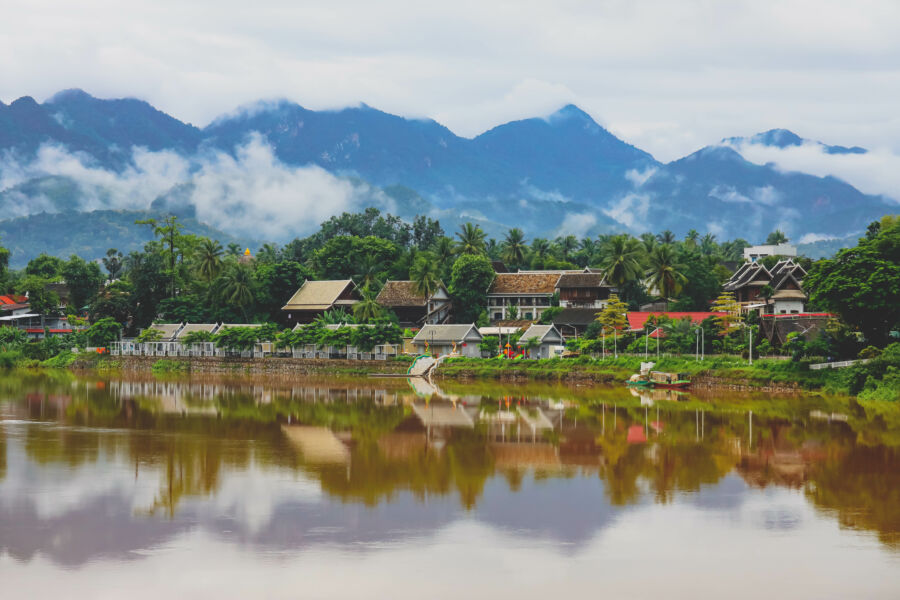
Luang Prabang keeps its local rhythm strong. Monks collect alms at dawn, families shop at the market, and kids play by the river. You see Lao traditions happening right alongside the tourist stuff.
Both towns juggle authenticity and tourism in their own way. Hoi An feels curated, especially if you’ve spent time in Hanoi, while Luang Prabang hangs onto a softer, more traditional vibe.
Pace and Relaxation

Hoi An runs at a medium tempo. Days can be chill if you bike out to the countryside, but evenings in the center buzz with activity. The mix of beach and busy streets gives you options, but staying near the old town doesn’t always feel restful.
Luang Prabang is just slower. The Mekong River sets the mood, and days drift by—coffee, temples, quiet walks.
No one’s rushing you to tick off sights. You can honestly spend hours just sitting by the river, doing nothing, and no one bats an eye.
If you’re desperate for downtime after a hectic Vietnam trip—maybe after Hanoi or Ha Giang—Luang Prabang is a great reset. And if you’re on a budget, keep an eye on cheap flights so you can squeeze in both spots.
Cultural Highlights and Attractions

Hoi An and Luang Prabang both thrive on their UNESCO status—history, religion, and tradition are front and center. Temples, preserved architecture, and lively markets are everywhere, and despite the tourists, you’ll still catch glimpses of real life.
Temples and Religious Sites
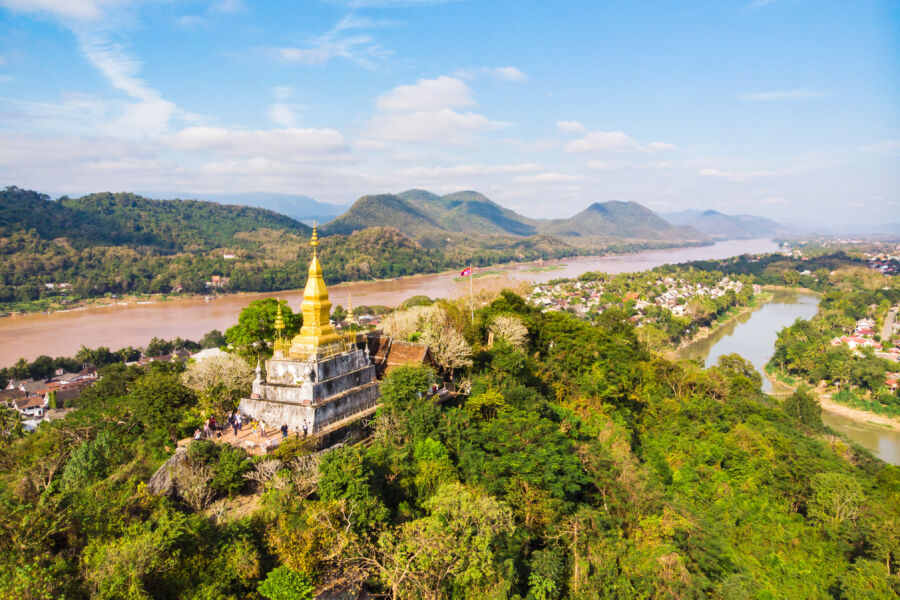
If you’re into temples, Luang Prabang is going to blow you away. More than 30 monasteries dot the town, and every sunrise, monks collect alms. Wat Xieng Thong gets all the photos, but honestly, Wat Visoun is my favorite—peaceful, less crowded, and you can actually breathe.
Hoi An doesn’t have the same temple density, but it brings its own flair. The Japanese Covered Bridge doubles as a tiny shrine, and Chinese assembly halls like Phuc Kien Pagoda are ornate and dramatic. If you’re curious about Vietnam’s Cham culture, a quick trip to My Son Sanctuary gets you up close with ancient Hindu temples.
A lot of travelers pair Hoi An with Halong Bay (even though they’re not close), since flights or trains through Hanoi make it doable. Floating temples and cave shrines in the bay add a different spiritual layer if you’re heading north.
Old Towns and Architectural Charm

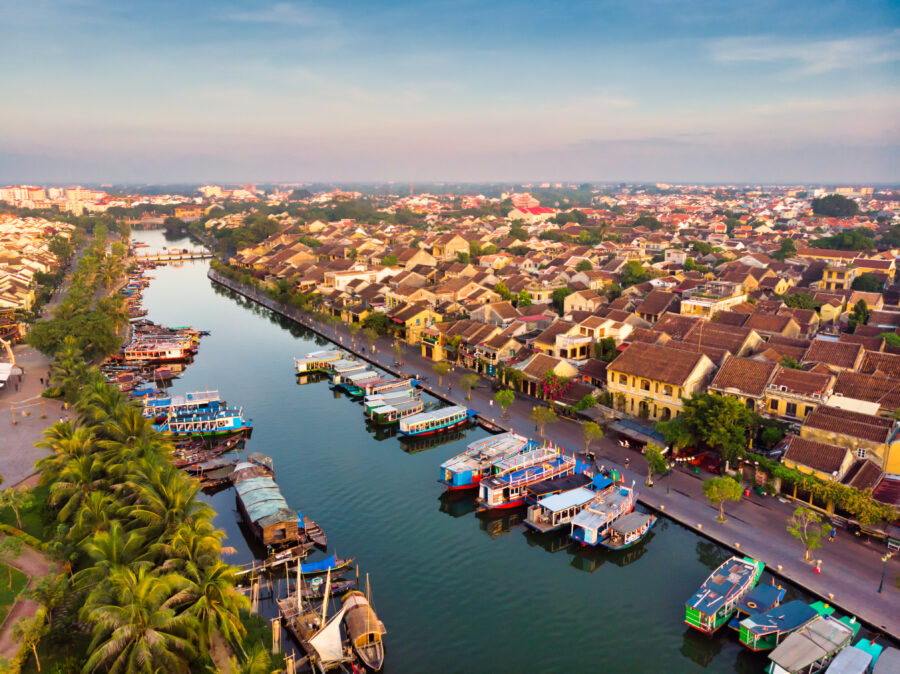
Hoi An’s old town is a unique blend of Chinese merchant homes, French facades, and narrow Vietnamese houses. Wandering the lanes feels like stepping into a storybook, with lanterns and street vendors everywhere. You’ll need a ticket to access the core, but it includes admission to several historic homes and museums.
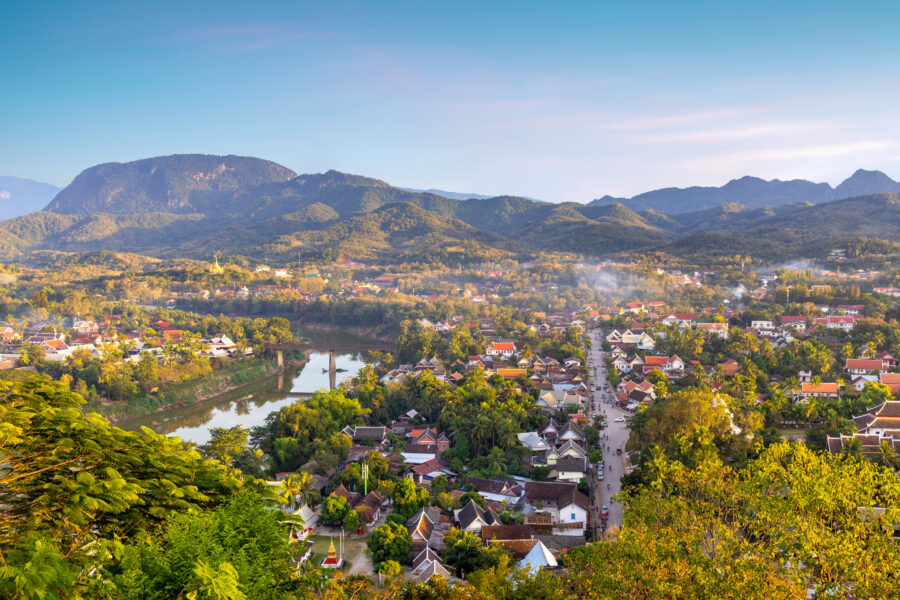
Luang Prabang’s charm is more subtle. Streets are lined with golden-roofed temples, teak houses, and faded French villas. Climb Mount Phousi at sunset and you’ll see the whole town laid out between the Mekong and Nam Khan—it’s one of those views you remember for years.
Hoi An can feel staged sometimes, but Luang Prabang keeps a gentler, more lived-in rhythm. Fewer motorbikes, less noise, and more locals just living their lives—praying, shopping, hanging out by the river.
Markets and Shopping

Hoi An is tailor heaven. You can get a custom suit or dress made in just a couple of days, which is pretty wild. The night market bursts with lanterns, leather goods, and souvenirs you’ll actually want to pack. Haggling is part of the fun, but keep it light.
Luang Prabang’s night market is smaller and more handmade. Think handwoven textiles, bamboo baskets, silver jewelry from the mountains. I picked up a scarf there that’s still my favorite—soft, naturally dyed, and nothing like the mass-produced stuff.
Food is half the reason to visit these markets. In Hoi An, you’ll munch on banh mi or cao lau as you shop. Luang Prabang keeps it simple—grilled meats, sticky rice, coconut pancakes. Both towns make it way too easy to eat and shop at the same time, which, honestly, is the dream.
Food Scene and Culinary Experiences

Food in Hoi An and Luang Prabang is a story in itself. One goes bold with street flavors and fusion, the other keeps it earthy, simple, and super tied to tradition.
Local Dishes and Specialties

Hoi An serves up dishes you won’t find anywhere else in Vietnam. Cao Lau is the star—thick noodles made with ancient well water, topped with pork, herbs, and crunchy crackers. There’s also Banh Mi Hoi An, a sandwich that somehow tastes better here, and Mi Quang, turmeric noodles piled with shrimp, pork, and greens.
Luang Prabang’s food is quieter but just as good. Sticky rice anchors every meal, with grilled river fish, buffalo, or spicy jaew bong dip on the side. You’ll spot or lam, a peppery local stew, and a version of khao soi that’s nothing like the Thai one.
If you crave variety and spice, Hoi An’s food will make you happy. But if you’re after earthy flavors and slow, lingering meals, Luang Prabang feels more honest and, dare I say, soulful.
Dining Atmosphere

Hoi An’s dining scene? It’s lively, sometimes bordering on chaos. You might grab a plastic stool at a street cart, squeeze into a family-run eatery, or splurge on a riverside dinner with all the bells and whistles.
Locals and tourists both crowd the same food spots, which says a lot about the town’s status as Vietnam’s culinary capital. The energy just pulls you in.
Things mellow out in Luang Prabang. Restaurants hide inside old French colonial houses, wooden balconies hanging over the Mekong. Even the noodle shops on the street seem to move at half-speed.
Here, meals aren’t just about eating—they’re about lingering with friends, or maybe just watching the world drift by. It’s a totally different pace.
Hoi An buzzes, Luang Prabang breathes. Both have their charm, but the vibe? Night and day.
Night Markets and Street Food

Hoi An’s night markets hit you with food, lanterns, and souvenirs all at once. Skewers of grilled pork, chicken rice, and those cups of Mot herbal tea line the walkways.
Walking through feels like an endless tasting tour. Every few steps, something new tempts you.
Luang Prabang’s night market is a quieter affair. The food hides in an alley, buffet-style—piles of noodles, veggies, grilled meat.
It’s cheap, filling, and super communal. You grab a plate, pile it high, and squeeze in at long tables with strangers.
Activities and Day Trips
Both towns slow things down compared to the big cities, but the activities couldn’t be more different. Ancient ruins, jungle hikes, lazy river journeys—your choice totally depends on your mood.
Nature and Outdoor Adventures
Hoi An makes a killer base for countryside adventures. Hop on a motorbike and cruise over the Hai Van Pass, poke around the Marble Mountains, or wander through My Son Sanctuary—that jungle-wrapped UNESCO site.
If the beach calls, the Cham Islands aren’t far, and they’re great for snorkeling or diving.
Luang Prabang leans into mountain scenery. Hills around town hide hiking trails and Buddhist shrines tucked into caves.
Traveling from Vientiane to Luang Prabang? The changing landscape—flat plains giving way to green peaks—kind of sets the mood before you even arrive.
Guided day trips make exploring easy, especially if you don’t want to wrangle transport. Laos’ outdoor activities tend to be quieter, while Vietnam’s are a bit more varied and busy.
River Cruises and Waterfalls
The rivers shape both towns in their own way. In Hoi An, evenings along the Thu Bon River come alive with lantern-lit boat rides.
It’s not exactly a thrill ride, but the atmosphere is pure magic—worth doing at least once.
Luang Prabang’s Mekong and Nam Khan Rivers are the town’s heartbeat. Take a cruise up the Mekong and you’ll end up at the Pak Ou Caves, crammed with thousands of Buddha statues.
South of town, Kuang Si Falls draws everyone in—turquoise pools perfect for swimming, hiking, or just zoning out as the water tumbles down. If you’ve already explored rivers near Pakse, Luang Prabang’s scenery feels greener and more dramatic. Booking a river tour is a simple way to see both caves and waterfalls in one go.
Cycling and Countryside Exploration

Hoi An’s countryside is flat and made for cycling. Ride through rice paddies, pause in villages, or pedal to the beach in under half an hour.
Most travelers just rent bikes for the day and see where the road takes them. Luang Prabang’s hills make cycling a bit more work, but it’s still popular. The routes wind past quiet temples, hidden waterfalls, and traditional Lao villages.
It takes more effort than Hoi An, but you’ll dodge the crowds and stumble on moments that feel untouched. If you’ve cruised Halong Bay already, cycling Hoi An gives you a different side of Vietnam.
In Laos, biking feels like time traveling—wooden stilt houses, farmers working by hand, and barely a car in sight. Both are memorable, but honestly, in totally different ways.
Planning Your Itinerary

Hoi An and Luang Prabang might look similar at a glance—UNESCO towns, riverside charm—but planning your time in each is a whole different story.
Costs, travel pace, and what you want to experience all shape how long you’ll want to stay.
Ideal Length of Stay

Hoi An is best when you slow down. Give yourself at least 3–4 days to wander lantern-lit streets, get a custom suit, maybe take a cooking class.
If you’re eyeing day trips, tack on extra time for My Son Sanctuary or a ride up to Da Nang.
Luang Prabang, in my opinion, rewards an even longer stay. 4–5 days lets you see temples, join the morning alms ceremony, and float out to Pak Ou Caves or Kuang Si Falls.
The town feels tiny, but the countryside keeps pulling you further out.
Booking accommodation is a breeze through Booking.com, and you’ll want to do it early during peak season. In Hoi An, I always recommend staying near the old town, while in Luang Prabang, riverside guesthouses strike the right balance of quiet and convenience.
20 Day Itinerary Suggestions

If you’ve got 20 days, you can fit both towns in without running yourself ragged. A classic route? Start in Hanoi, work south through central Vietnam to Hoi An, then fly or overland into Laos, heading up from Vientiane to Luang Prabang.
Here’s a possible breakdown:
- Hanoi: 4 days (Old Quarter, Ha Long Bay, maybe Ninh Binh)
- Hoi An: 4–5 days (old town, beaches, day trips)
- Vientiane: 2 days (temples, easygoing vibes)
- Luang Prabang: 5 days (temples, waterfalls, Mekong cruise)
- Siem Reap, Cambodia: 4–5 days (Angkor Wat and surrounding temples)
You can search flights between these spots on KAYAK, which makes comparing airlines and routes way easier.
If I’m honest, I’d avoid cramming in too many places—20 days sounds long, but once you’re moving, it flies by.
Combining with Other Destinations

Both towns slot nicely into bigger Southeast Asia trips. Hoi An pairs well with Hue and Da Nang since they’re right next door.
If you’re already in northern Vietnam, you can add on Sapa or Ha Giang before heading south.
Luang Prabang connects easily with southern Laos if you’re after more peace—Pakse opens the door to the 4,000 Islands, which feels like another world compared to Vietnam’s buzz.
Or, combine Luang Prabang with Siem Reap for a blend of Buddhist culture and Angkorian history.
If you’re planning multiple countries, booking flights and hotels together on Expedia can save you a bit—especially for those regional connections. Oh, and don’t forget the basics: travel gear like a good daypack, comfy shoes, and a power adapter make everything smoother.
Blending Vietnam and Laos gives your trip a rhythm—Vietnam energizes, Laos slows you down. That contrast? It’s what makes the combo stick in your memory.
Frequently Asked Questions

Hoi An and Luang Prabang both sit in Southeast Asia, but they leave you with wildly different memories. One’s all about lantern-lit streets and bustling tailor shops, while the other feels like a riverside retreat where time just slows and Buddhist traditions set the pace.
What unique cultural experiences can I expect when visiting Hoi An compared to Luang Prabang?
In Hoi An, the old town hums with energy. You can watch tailors whip up custom clothes in a day, or wander through the night market glowing with lanterns.u003cbru003eThe ticketed old quarter feels like a living museum, packed with Vietnamese merchant history.u003cbru003eu003cbru003eLuang Prabang, by contrast, is quieter and so much more spiritual. The sunrise alms-giving ceremony is unforgettable—locals lining the streets, handing sticky rice to saffron-robed monks.u003cbru003eThe temples aren’t just for tourists; they’re woven into the city’s daily rhythm.
Can you highlight the differences in the culinary scenes between Hoi An and Luang Prabang?
Hoi An is a food lover’s playground if you crave variety. Dishes like cao lầu noodles show up nowhere else, and cheap street food or riverside seafood is everywhere.u003cbru003eI still dream about a banh mi from a hole-in-the-wall shop—honestly, it beats any sandwich I’ve had back home.u003cbru003eu003cbru003eLuang Prabang’s food is more rustic, but no less memorable. Sticky rice stars at every meal.u003cbru003eu003cbru003eFrench colonial touches—fresh baguettes, coffee, pastries—sit right alongside Lao curries and river fish. It’s a slower, more relaxed food culture, but it sticks with you long after you leave.
What are the notable differences in architecture and heritage sites in Hoi An versus Luang Prabang?
Hoi An’s architecture is a mash-up of Vietnamese, Chinese, and Japanese influences. The Japanese Covered Bridge is the Instagram darling, and old merchant houses open their doors to visitors.u003cbru003eu003cbru003eThe whole town feels like a patchwork of cultures that once passed through this trading port.u003cbru003eu003cbru003eLuang Prabang’s u003ca href=u0022https://www.realjourneytravels.com/places-to-visit-in-asia/u0022u003eUNESCO heritageu003c/au003e comes from its temples and French colonial villas. Golden stupas rise above the rooftops, while faded French mansions have become boutique hotels and cafés.u003cbru003eu003cbru003eWalking here feels like stepping into a time when European and Lao worlds overlapped in a surprisingly graceful way.
How do the atmospheres of Hoi An and Luang Prabang differ during their respective peak tourist seasons?
Hoi An gets crowded, especially during festivals when lanterns light up the river. Streets pack tight, and sometimes you have to weave through tour groups just to cross a bridge.u003cbru003eu003cbru003eIt’s lively—maybe even a bit much if you’re not a fan of crowds.u003cbru003eu003cbru003eLuang Prabang is busy during peak season too, but it spreads out more. Tourists scatter across temples, waterfalls, and the night market, so it rarely feels as packed as Hoi An.u003cbru003eu003cbru003eEven when the town fills up, you can still find a quiet spot by the Mekong to just sit and breathe.
Could you shed light on the shopping experiences and local crafts distinction between Hoi An and Luang Prabang?
Hoi An? It’s legendary for tailoring. You stroll in one morning, get measured up, and by the next day, you’re rocking a suit or dress that fits like it was made just for you—because it was.u003cbru003eu003cbru003eYou’ll spot lantern shops everywhere, and leather goods too, if that’s your thing. I’ll admit, sometimes it all feels a bit commercial, but that’s part of the buzz.u003cbru003eu003cbru003eNow, Luang Prabang—shopping there hits different. Everything feels more handmade, more rooted in tradition.u003cbru003eu003cbru003eThe night market bursts with color: handwoven scarves, bamboo crafts, and all sorts of textiles crafted by u003ca href=u0022https://www.realjourneytravels.com/places/ethnic-travel-laos/u0022u003elocal ethnic groupsu003c/au003e. I actually bought a scarf straight from the woman who wove it, and honestly, that kind of personal connection? You just can’t fake it.
In terms of natural scenery and outdoor activities, how do Hoi An and Luang Prabang stand apart?
Hoi An sits close to golden beaches, lush rice paddies, and the winding Thu Bon River. I love hopping on a bike in the cool morning air, weaving through the countryside, then rolling up to the beach by the time the sun heats up.u003cbru003eu003cbru003eIt’s really this laid-back blend of cultural sights and easygoing coastal life. u003cbru003eSometimes, you just want to chill by the water with a coconut, you know?u003cbru003eLuang Prabang, on the other hand, is wrapped up in mountains and rivers—it’s got a wilder edge. u003ca href=u0022https://www.realjourneytravels.com/best-places-to-visit-in-thailand/u0022u003eOutdoor adventuresu003c/au003e here feel endless.u003cbru003eu003cbru003eI can’t get enough of Kuang Si Waterfall for swimming, or those slow boat rides on the Mekong. Trekking out to nearby villages? That’s where you’ll find the real heartbeat of the place.u003cbru003eu003cbru003eHonestly, Luang Prabang leans more into rugged, nature-soaked experiences, while Hoi An always feels a bit softer and breezier with its coastal charm.