 Real Journey Travels
Last modified August 17, 2026
Choosing where to stay in Peru’s Sacred Valley isn’t always obvious. The valley stretches between Cusco and Machu Picchu, dotted with towns that each offer their own vibe. You’ll want to land somewhere that fits your plans—maybe a slow morning in Urubamba, or a quick hop onto the Machu Picchu train from Ollantaytambo.
Here’s a straightforward breakdown: which towns work best for different travel styles, and which hotels (from stylish retreats to simple guesthouses) actually deliver. I’ve dug into the options so you can skip the endless research and just pick your spot.
Key Takeaways
- Find out which Sacred Valley towns fit your travel style
- Top hotel picks for every budget and taste
- Tips for choosing and reaching your ideal stay
How to Choose Where to Stay in Sacred Valley
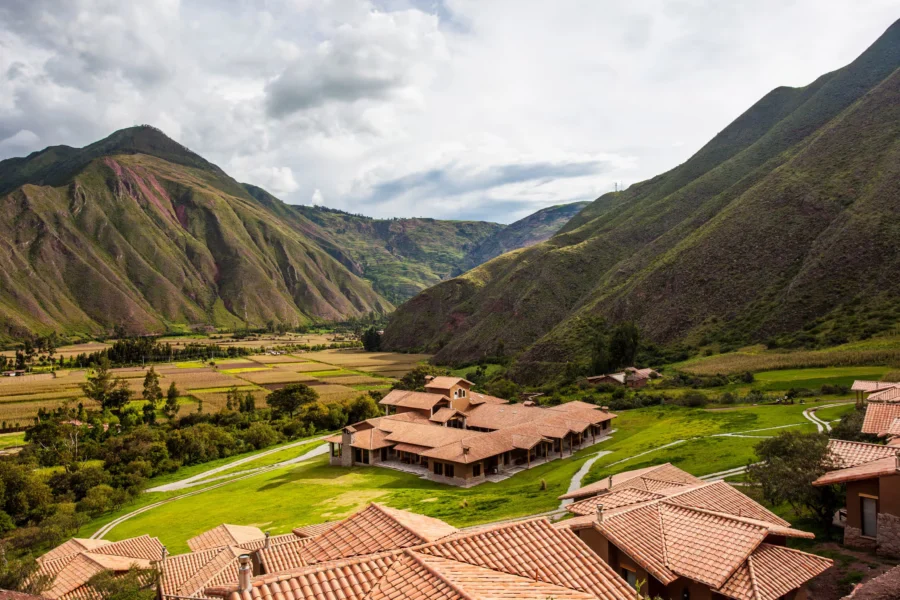
Your base in the Sacred Valley really shapes your trip. The area changes a lot from town to town—some parts are quiet and rural, others have busy markets and train stations that lead toward Machu Picchu. Understanding the differences helps you pick a spot that fits.
Top Factors to Consider
First: Why are you here? If Machu Picchu is your main goal, Ollantaytambo puts you right by the train. If you want a slower pace, wellness, and mountain views, Urubamba has great mid-range and luxury options. Pisac—closer to Cusco—works well for market lovers and hikers.
Budget and transport count, too. The valley’s big, so staying near main roads or the train saves time. Nights get chilly even in warmer months, so check if your room has heating. Rural lodges often have patchy Wi-Fi and fewer restaurants, which can be charming or mildly annoying, depending on your mood.
Altitude’s another thing. The Sacred Valley sits lower than Cusco, so it’s easier to acclimate. Spending a night or two here before heading up to Cusco or Machu Picchu usually helps with the adjustment.
Types of Accommodations Available
You’ll find almost every style here. Urubamba is packed with boutique hotels and resorts—think yoga, organic gardens, and spas. Ollantaytambo has hostels and adventure lodges, some perched on the mountainside. Pisac leans toward cozy guesthouses and family inns with gardens.
Quick breakdown:
| Type | Typical Price Range | Highlights |
|---|---|---|
| Guesthouse | Low | Homey, basic comfort |
| Eco-lodge | Mid | Sustainable, surrounded by nature |
| Boutique hotel | Mid–High | Personalized, local style |
| Resort | High | Full amenities, spa, dining |
If you like quiet and connection, go for a smaller lodge. If you want convenience and everything on-site, the bigger resorts near Urubamba are ideal for families or groups.
Sacred Valley vs. Cusco for Overnight Stays
Deciding between Cusco and the Sacred Valley? Both have perks. Cusco is all about easy access—restaurants, museums, and lively streets are right there. But it’s high (about 3,400 meters), and that altitude can really hit you after a long flight.
The Sacred Valley offers calmer scenery and easier breathing. You’ll wake up to farm views, not city noise. At about 600 meters lower than Cusco, most people feel better here. The downside: it’s at least a 90-minute drive to Cusco’s center.
If you’re doing day trips to Machu Picchu or sites like Maras and Moray, staying in Ollantaytambo or Urubamba saves time. A mix of a few nights in the valley and a couple in Cusco usually works best—enough relaxation, enough city energy.
Best Areas to Stay in Sacred Valley
The Sacred Valley gives you easier Machu Picchu access, lower altitude, and a slower pace than Cusco. Each area feels different—some are quiet, some are near ruins or markets—so your best bet depends on your priorities.
Urubamba: Tranquility and Wellness
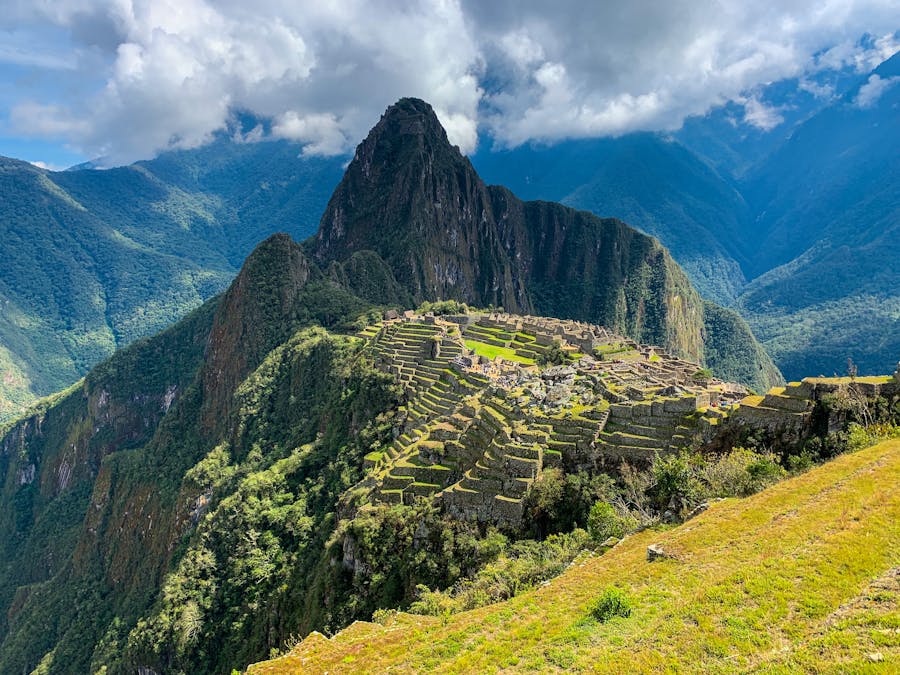
Urubamba sits in the center of the valley along the river. It’s peaceful, surrounded by farmland, and ideal if you’d rather hear birds than traffic. Most high-end hotels cluster here, focusing on wellness—on-site spas, gardens, yoga.
You’ll find everything from sol y luna-style retreats to haciendas growing their own veggies and boutique lodges that arrange hikes to Maras or Moray. The town itself is small, with a main market, a few bakeries, and a modest plaza.
A few nights here put you close to the sights but away from the crowds. Taxis and colectivos make day trips easy.
Ollantaytambo: History and Convenience
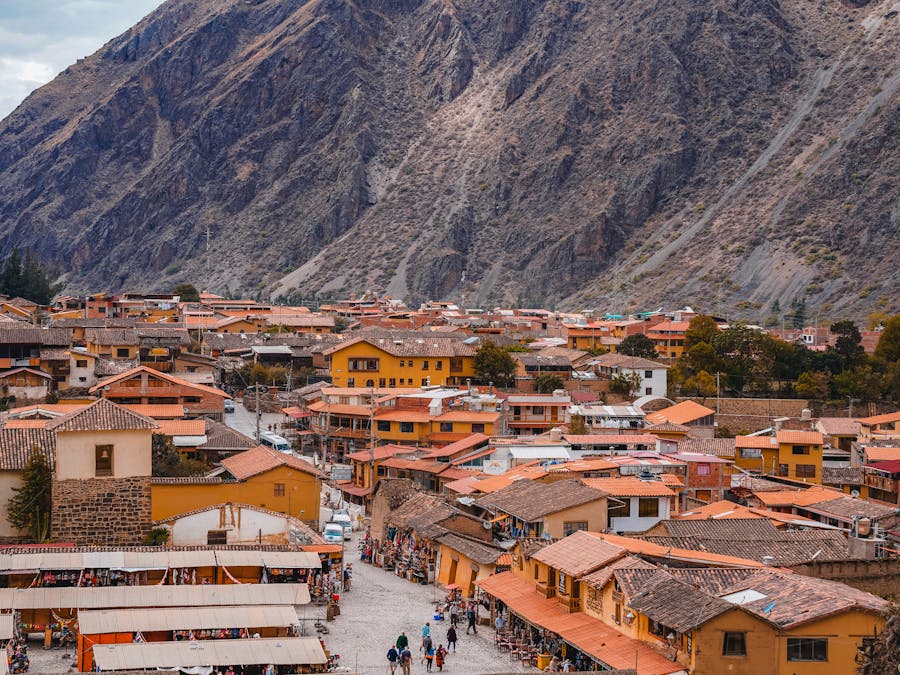
Ollantaytambo is the practical base if you’re catching the train to Machu Picchu. The station sits right below town, and trains run daily. But it’s more than just a launchpad—walk a few blocks and you’re in a living Inca town, with original stone streets and an archaeological site looming above.
Hotels range from simple hostales near the plaza to adventure lodges on the cliffs. Even basic guesthouses often have balcony views of ancient terraces.
At night, you’ll find small restaurants serving local dishes and beer. Bring sturdy shoes—the cobblestones are rough. It’s the busiest town in the valley, but once the day-trippers leave, it feels surprisingly personal.
Pisac: Culture and Markets

Pisac attracts travelers who want local life and creativity. The Sunday market is famous, but the smaller weekday stalls are more relaxed. Artists sell handwoven textiles and ceramics, and street food stalls serve empanadas straight from clay ovens.
Pisac’s ruins stretch along the ridge above town, offering some of the valley’s best views. Hiking up early is a highlight.
You’ll find family-run inns and a few boutique stays tucked behind gardens. Expect expats running cafés, locals selling herbs for coca tea, and a relaxed, friendly, slightly bohemian atmosphere.
Yucay, Calca, and Other Villages
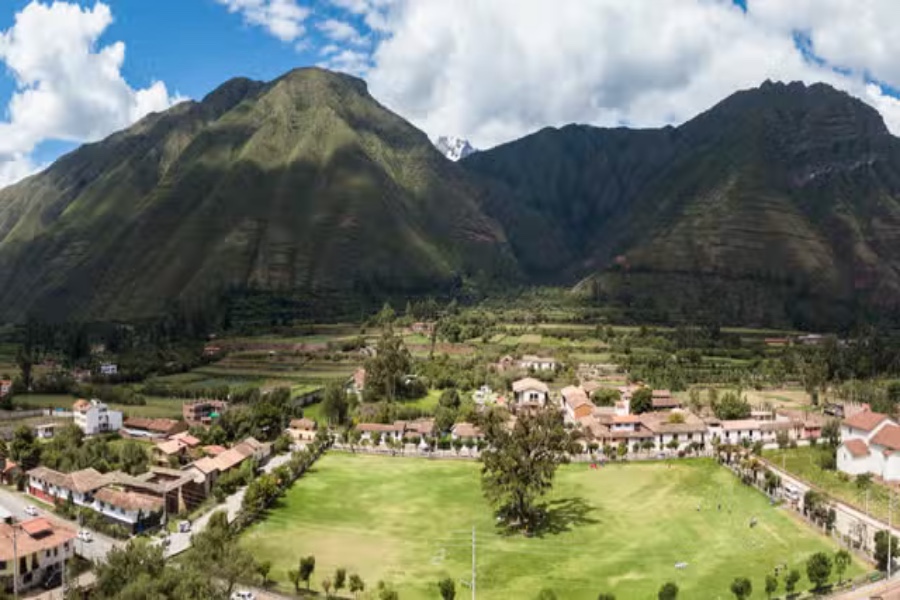
If nightlife isn’t a priority, smaller villages like Yucay or Calca can be a great fit. Yucay’s known for colonial charm and quiet plazas with lovely mountain views. Calca feels more rural, with dusty roads, hot springs, and hiking trails nearby.
The farther you get from Urubamba and Ollantaytambo, the lower the prices. Guesthouses are comfortable and affordable. Meals are simple, made with local produce, and the hospitality feels genuine.
These towns are linked by the main road through the valley, so you can get around on local minibuses. It’s a slower, more authentic way to see Peru—fewer frills, more breathing room.
Top Hotels and Unique Stays in Sacred Valley
Staying in the Sacred Valley means you’re surrounded by Inca history, dramatic scenery, and a sense of calm. From monastery hotels in Cusco to quiet lodges in the Andes, each place gives you a different experience.
Luxury Hotels and Resorts
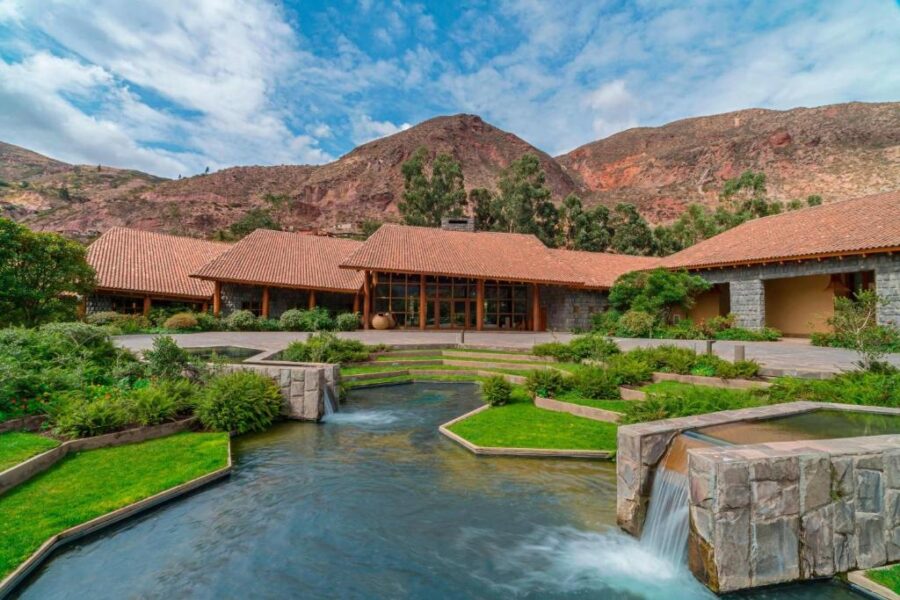
Palacio del Inka in Cusco sits inside a restored colonial mansion, with rooms full of carved wood and woven textiles. Qorikancha Temple is just a short walk away. Both hotels are easy to book through Booking.
For a quieter, scenic stay, Belmond Hotel Rio Sagrado near Ollantaytambo has terraced gardens and alpacas grazing outside. Mornings start with the river’s hum and end with a glass of Peruvian wine under a sky full of stars.
Boutique and Heritage Lodges
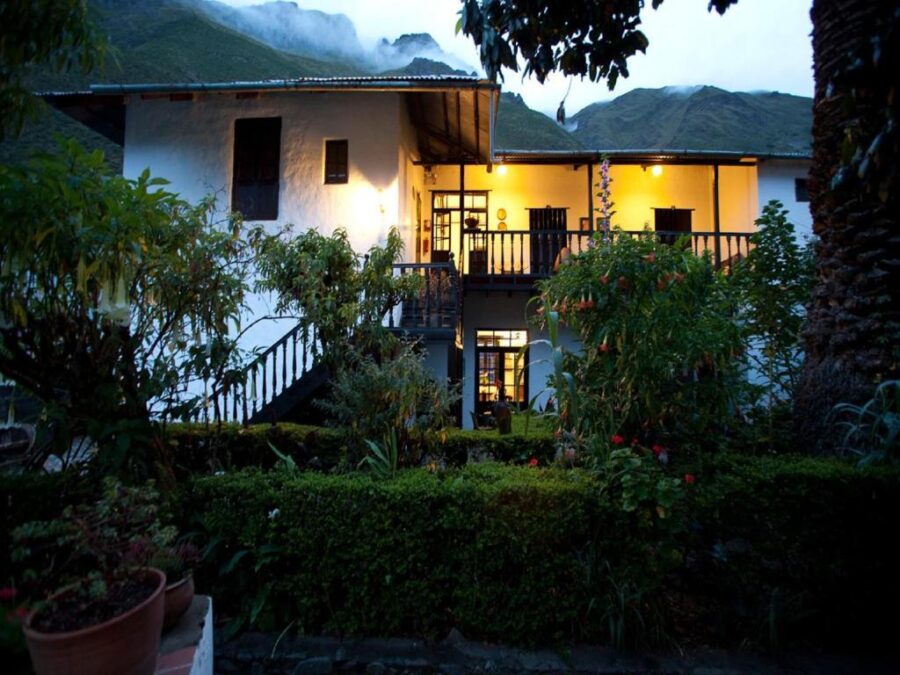
You don’t need to splurge to soak up the region’s character. El Albergue in Ollantaytambo is right by the train station—a perfect Machu Picchu base. Rooms are rustic but comfortable: wood beams, wool blankets, handmade furniture. The café downstairs roasts its own coffee, and it’s worth lingering over a cup.
In Cusco, Inkaterra La Casona blends Spanish colonial architecture with Incan stonework. Its courtyard feels like a hidden gem, and the service is attentive without being stiff.
Casa Cartagena mixes stone walls with sleek, Andean-inspired interiors. Staff greet you by name, and the small spa is a nice surprise. These heritage lodges keep the past alive without feeling stuffy.
Eco-Friendly and Spiritual Retreats
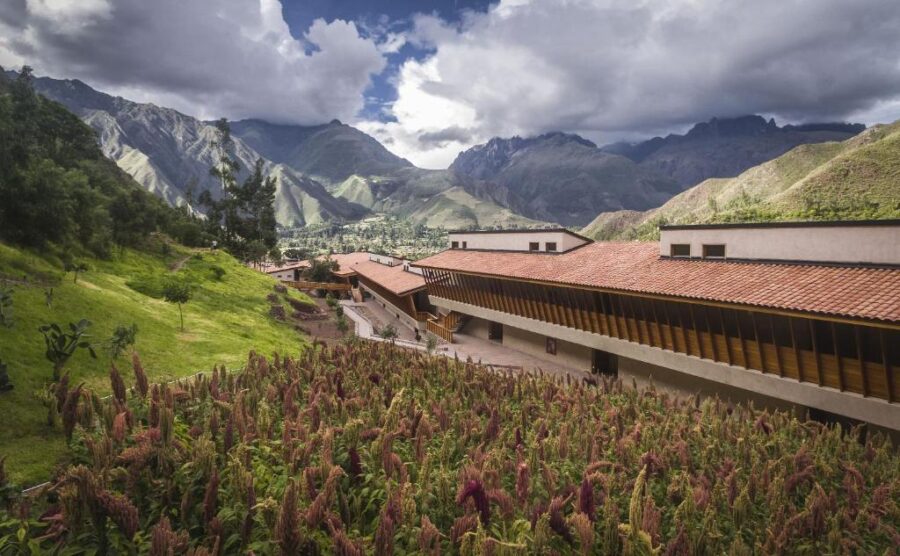
It’s easy to find places that connect you with nature here. Sol y Luna, outside Urubamba, is a classic—bungalows in native gardens, hummingbirds everywhere, and Andes views that make you want to slow down. Sometimes the best part is just watching clouds drift by.
Many lodges offer yoga, meditation paths, and Andean-style rituals to honor Pachamama. It’s less about luxury and more about feeling grounded. Explora Valle Sagrado takes it up a notch with sustainable design and immersive day hikes led by locals.
Some smaller eco-retreats run workshops on farming or textile weaving. You’ll trade a few amenities for peace and authenticity. Bring a sweater—mountain nights get cold.
Best Family-Friendly Options
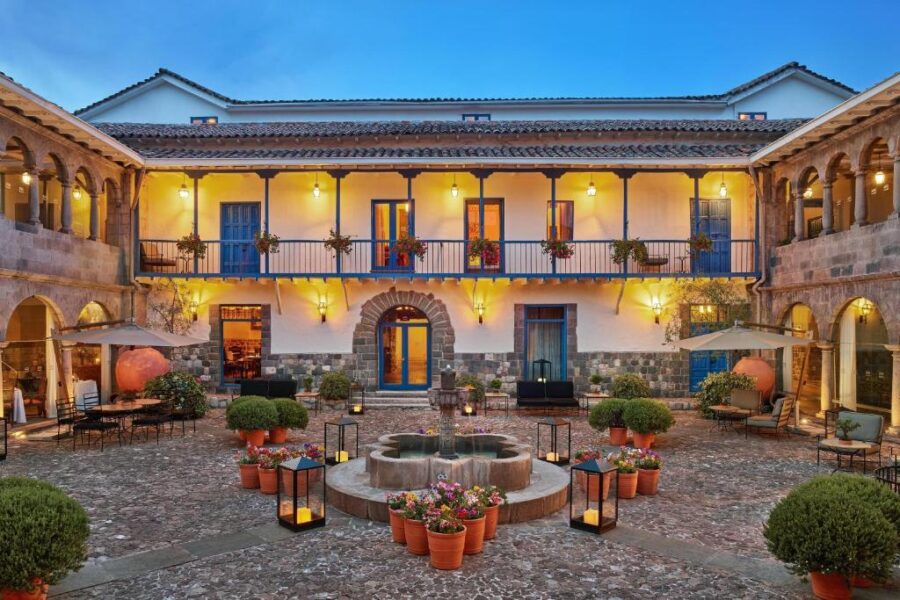
Families have solid choices here. El Albergue is low-key and right by the Machu Picchu train. Kids can roam the on-site garden, and the neighboring organic farm sometimes lets guests help pick veggies.
For more space and activities, Tambo del Inka is a winner: cycling tours, river walks, cooking classes, and a breakfast buffet that even picky eaters will love.
Closer to Cusco, Palacio del Inka works for families who want comfort and a bit of culture. You can explore the city by day and relax together at night. Expedia sometimes lists good family deals if you need to book multiple rooms or suites.
Where to Stay for Visiting Machu Picchu
Your choice of where to stay before Machu Picchu really shapes your experience—how rested you feel, when you start your visit, and how easy it is to get there. The main options: the town right below the ruins, a Sacred Valley village with early train access, or a relaxing base elsewhere in the valley.
Aguas Calientes: Entryway to Machu Picchu
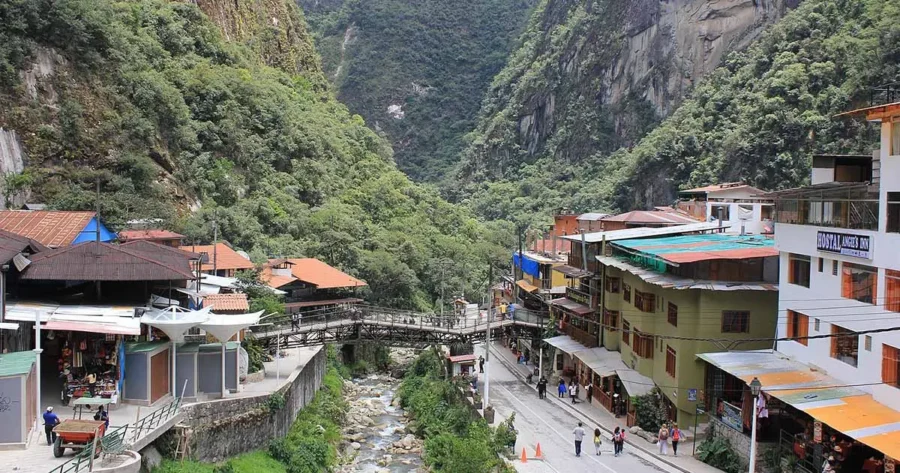
Aguas Calientes (locals call it Machu Picchu Pueblo) sits right below the ruins and is the last stop before you enter the site. If you want to catch sunrise at the citadel or just get in before the crowds, spending a night here is your best bet. You can walk or hop on the short bus ride up the hill in the early morning.
Most places to stay range from basic hostels to high-end options like Inkaterra Machu Picchu Pueblo or Sumaq Machu Picchu Hotel—both are known for their great service and river views. I once stayed in a small guesthouse by the Vilcanota River. The sound of the water sticks with me, even if the air is a little humid.
Aguas Calientes is compact, so you’ll find restaurants, ticket offices, and shuttle pick-ups just steps apart. It’s definitely touristy, but if you want that early entry, the convenience wins out. Pack light—you’ll be carrying your own bag from the train station.
Staying in Ollantaytambo for Early Access
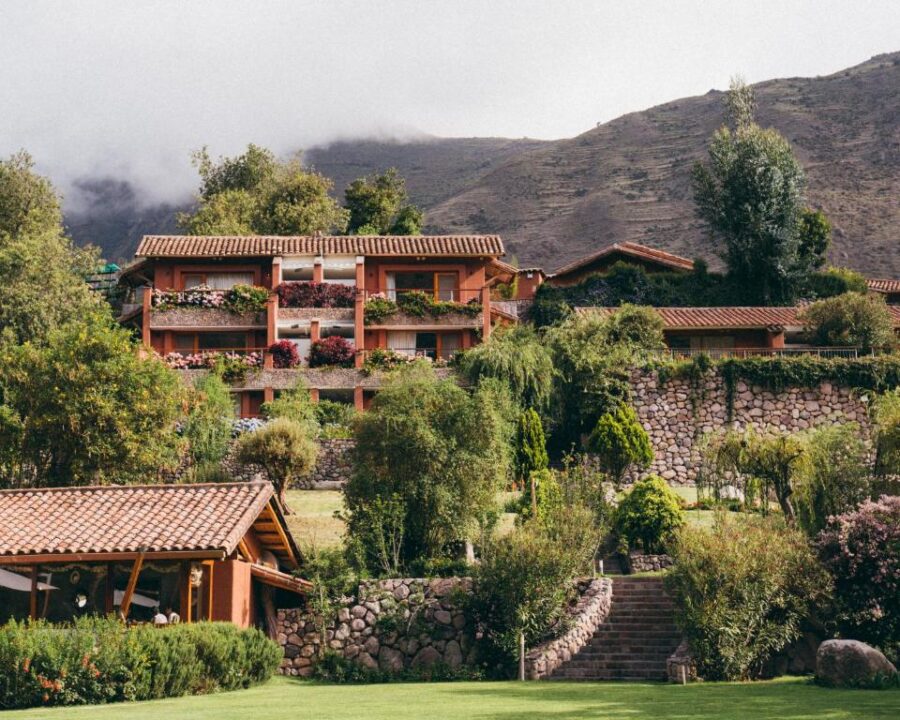
Ollantaytambo is a smart pick if you want more space and a quieter vibe than Aguas Calientes. It’s the last train station before Machu Picchu, and the first trains from here leave early enough to give you a solid head start. I’ve caught the 5 a.m. train—bleary-eyed, yes, but seeing the valley light up is worth it.
This town has its own Inca ruins, cobblestone lanes, and stellar mountain views. It sits lower than Cusco, so sleeping here is a bit easier on the lungs. El Albergue and Belmond Hotel Rio Sagrado blend rustic style with modern perks.
Book your train tickets ahead of time, especially during busy months. If you have an hour to spare, wander out to the old Inca bridge—the daily rhythms out there are something most visitors never see.
Multi-Night Sacred Valley Stays for Machu Picchu Trips
This suits travelers who’d rather unpack once and settle in. Luxury hotels such as Tambo del Inka or Sol y Luna often provide drivers, making transfers simple. You can spend extra days checking out Moray’s terraces or the salt pans of Maras.
I like this slower pace. It breaks up the travel and gives you time to adjust to the altitude. It’s especially nice for families or anyone who wants quiet nights under Andean skies before facing the Machu Picchu crowds.
Experiential and Wellness Stays
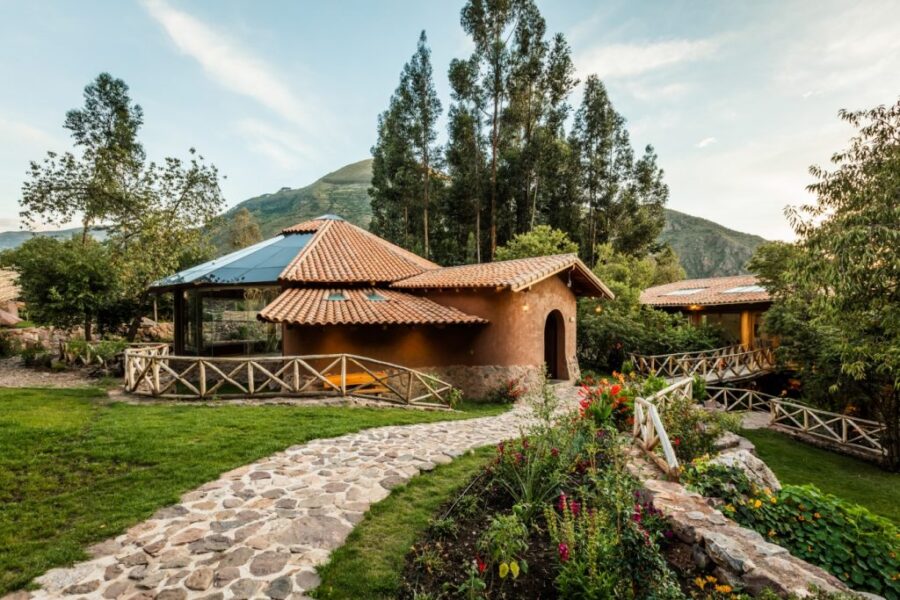
Staying in the Sacred Valley is about more than a bed for the night. The region’s blend of Andean spirituality, small farms, and mountain life lets you rest, learn, and connect with the land in a way that feels real.
Yoga and Spiritual Retreat Centers
If you’re looking to slow down, try a few days at a yoga or meditation retreat. Willka T’ika near Urubamba offers daily classes in open-air studios surrounded by mountain views. The crisp air and quiet gardens make focusing easier, even if you’re not a yoga pro.
Many centers blend movement with Andean energy traditions. You might join a coca-leaf blessing or a sound-healing session. It’s more about balance than strict routines. I once joined a sunrise class with llamas grazing nearby—it’s a memory that sticks.
Retreats typically serve vegetarian meals made with local organic ingredients. If you like hands-on experiences, some places let you help in the kitchen or gardens after class.
| Common Offerings | Example Activities |
|---|---|
| Mindfulness Practices | Meditation, breathwork, sound baths |
| Cultural Ceremonies | Despacho (offering) ritual, energy cleansing |
| Outdoor Movement | Sunrise yoga with Andean views |
Farm Stays and Local Immersion
To really get a sense of Sacred Valley life, book a stay on a small family farm. Many are run by Quechua-speaking families raising alpacas, llamas, and guinea pigs. You might help shear wool, try natural dyeing, or harvest corn and quinoa when it’s in season.
I once spent an afternoon spinning wool while a grandmother told stories about planting by the moon. You don’t get that in a regular hotel. These stays mix work and rest—shared meals, walks in the fields, and learning the daily routines shaped by the Andes.
Typical inclusions:
- Family-style meals with local produce
- Wool workshops and weaving lessons
- Casual Spanish or Quechua language practice
Lodges Offering Hiking and Adventure
These lodges often keep llamas or alpacas grazing nearby, adding to the landscape. You can hike straight from your door, then come back to simple comfort—woodstoves, wool blankets, and ever-changing views.
Honestly, the magic is in walking between valleys, lungs full of thin air, and then eating dinner made from what grows nearby. No screens, no rush—just the quiet Andes, letting you breathe.
Sacred Valley Travel Tips: Getting There, Getting Around, and Practical Advice
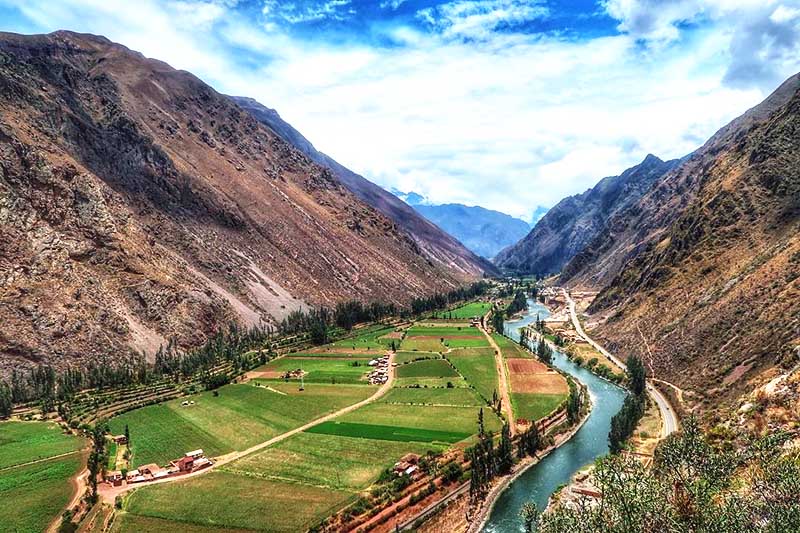
The Sacred Valley’s dramatic mountains and Incan history draw plenty of people, but getting here isn’t hard. How you move through the valley and plan for the weather will shape your trip. A little prep saves you from altitude headaches and wasted time.
Best Ways to Reach Sacred Valley
Most people start in Cusco, about 90 minutes from the Urubamba Valley by road. The easiest way is by shared colectivo or private taxi from Cusco to Pisac, Urubamba, or Ollantaytambo. Colectivos leave all day and are cheap, though they can be crowded.
Group day tours are also decent if you’re pressed for time; find reliable options on GetYourGuide or Viator. These usually include Pisac, Maras, and Moray, but the pace is quick.
Once you’re in the valley, getting around is slow-paced but straightforward. Buses and colectivos link the main towns, running every half hour or so during daylight. A short ride—twenty to forty minutes—takes you from ancient terraces to lively markets.
Taxis are cheap compared to Western prices—just settle the fare first. If you’re feeling adventurous, rent a bike or ATV in Ollantaytambo or Maras. You’ll see quiet trails and river views most people miss.
Seasonality and When to Visit
The Sacred Valley sits high in the Andes, so weather changes fast. The dry season (May–September) has clear skies and easy access to ruins and roads. June brings crisp mornings and lively festivals.
The rainy season (November–March) turns hillsides bright green but brings regular afternoon showers. Roads can get muddy, but prices drop and crowds thin. Bring a poncho and waterproof shoes if you visit then.
Cusco is usually cooler and drier than towns deeper in the valley. Temperatures swing a lot from day to night, so pack layers. No matter when you go, consider travel insurance through VisitorsCoverage for hiking, driving, or flight delays—it’s worth it.
Frequently Asked Questions
Exploring the Sacred Valley brings up lots of practical questions. Here’s what you need to know about places to stay, getting around, and making your trip feel authentic and smooth.
What are the top-rated hotels for a luxurious stay in the Sacred Valley?
For top-end comfort, look at Urubamba. u003cstrongu003eInkaterra Hacienda Urubambau003c/strongu003e and u003cstrongu003eSol y Luna – Relais u0026amp; Châteauxu003c/strongu003eboth offer beautiful valley views, excellent dining, and spa treatments. Both focus on sustainable luxury, so you can relax without second thoughts.u003cbru003eu003cbru003eu003cstrongu003eAranwa Sacred Valley Hotel u0026amp; Wellnessu003c/strongu003e is another favorite, especially if you like a bit of history—the property centers on a restored 17th-century hacienda. u003cstrongu003eRio Sagradou003c/strongu003e (a Belmond property) lets you sip coffee while the Urubamba River runs past your window.
How can I optimize my itinerary when visiting both Cusco and Sacred Valley?
Go straight to the Sacred Valley after landing in Cusco. The valley’s lower altitude helps your body adjust before you head to higher spots like Machu Picchu.u003cbru003eu003cbru003eSpend your first night or two in Urubamba or Ollantaytambo, then return to Cusco for museums and city sights. This order saves time and helps you acclimate without feeling wiped out.
Which locations in Sacred Valley offer the most authentic cultural experiences?
u003cstrongu003ePisacu003c/strongu003e and u003cstrongu003eChincherou003c/strongu003e are excellent for local culture. Pisac’s market is packed with handmade textiles and pottery, and artisans often work right at their stalls.u003cbru003eu003cbru003eChinchero feels like a real Andean village. Weavers here use traditional dyeing and spinning methods. If you visit a weaving cooperative, you’ll see living Inca traditions in action.
What are the advantages of staying in Sacred Valley over visiting for a day trip?
If you stay overnight, you get quiet mornings and evenings after the tour groups leave. The light at sunrise and sunset on those terraces is something day-trippers miss.u003cbru003eu003cbru003eYou also save travel time. Instead of rushing back to Cusco, you can enjoy places like Moray and the Maras salt ponds at your own pace. The valley’s slower rhythm is one of its best features.
Can you recommend a strategic place to stay in the Sacred Valley for exploring local attractions?
u003cstrongu003eOllantaytambou003c/strongu003e is the best base for most people. It’s easy to reach from Cusco, has a train station for Machu Picchu trips, and offers everything from small guesthouses to bold options like Skylodge’s cliffside pods.u003cbru003eu003cbru003eIf you want a quieter setting, close to the salt pans or agricultural terraces, u003cstrongu003eUrubambau003c/strongu003e is a solid choice. It’s central, has good restaurants, and makes it easy to reach nearby sites.
How many days are recommended to fully experience the highlights of Sacred Valley?
Aim for u003cstrongu003etwo to three full daysu003c/strongu003e to see the best of the Sacred Valley without rushing. Spend one day exploring Pisac and its ancient ruins, another checking out the Maras salt mines and Moray terraces, and a third day in Ollantaytambo before catching the train to Machu Picchu.u003cbru003eu003cbru003eIf you prefer a slower pace or want to hike, give yourself four days. There’s something special about wandering the quiet backroads, sampling local chicha, or chatting with shopkeepers whose families have deep roots here.


