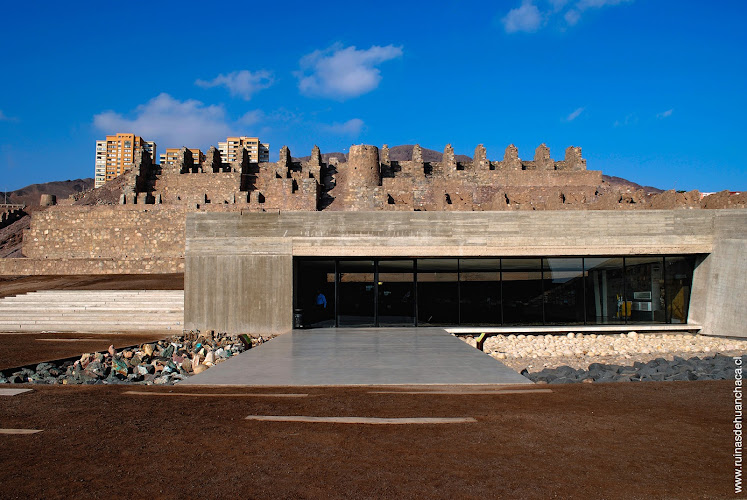
About Huanchaca Ruins Museum

Description

The Huanchaca Ruins Museum is one of those places that quietly takes your breath away before you even realize it. Standing before the remains of what was once a grand silver refinery, you can almost hear the echoes of clanging metal and the hum of machinery from another century. The museum, set within the Huanchaca Cultural Park, tells a story that’s both industrial and deeply human — the story of Antofagasta’s mining past and how it shaped the city’s identity.

Now, I’m not usually the type to get emotional about old stone walls, but there’s something about these ruins — the way the desert light hits them, the wind that whistles through the broken arches — that makes you pause. It’s like the place itself remembers. Inside the museum, the exhibits walk you through the region’s geological wonders, from glittering minerals to fossils that look like they’ve been waiting centuries to be admired. If you’re into mining history or just love that mix of science and storytelling, you’ll find yourself lingering longer than expected.

What I personally love is how the museum manages to balance history with experience. It’s not just about staring at artifacts behind glass; it’s about feeling connected to the land and its people. And the views — wow. From the museum’s terrace, you can see the Pacific stretching out endlessly, with the desert hills behind you. It’s a reminder that Antofagasta’s story isn’t just about what’s under the ground but also about everything that surrounds it.

Key Features

  • Located within the Huanchaca Cultural Park, offering a unique blend of history, geology, and open-air beauty.
  • Exhibits showcasing rocks, minerals, and fossils that reveal the geological richness of northern Chile.
  • Historical displays about the old silver refinery that once powered Antofagasta’s economy.
  • Panoramic views of the Pacific Ocean and the desert landscape — perfect for photography enthusiasts.
  • Family-friendly environment with interactive exhibits and activities for children.
  • Live performances and cultural events adding a lively dimension to the historical setting.
  • Fully accessible facilities, including wheelchair ramps, restrooms, and seating areas.
  • Guided tours available for those who want deeper insights into the site’s history and geology.
  • Gender-neutral restrooms and a welcoming, inclusive environment for all visitors.
  • Ample free on-site parking, making it easy to visit without the hassle of city congestion.

Honestly, one of the best parts is that sense of openness — both literally and figuratively. The museum feels inclusive, safe, and genuinely welcoming. You can come here with kids, friends, or even solo and feel completely comfortable. It’s not one of those overly polished, sterile museums; it’s got character.

Best Time to Visit

If you ask me, the best time to visit the Huanchaca Ruins Museum is late afternoon, just before sunset. That’s when the light softens, turning the stone walls golden and the ocean a deep, moody blue. It’s pure magic for photographers — or anyone who appreciates a good view. The temperature also tends to be more comfortable then, especially if you’re exploring the outdoor areas.

Season-wise, Antofagasta doesn’t have extreme weather, but the coastal breeze can get chilly, especially in winter (June to August). Spring and autumn are ideal — mild temperatures, fewer crowds, and that perfect balance between daylight and comfort. If you’re planning to attend one of the cultural performances or guided tours, check the schedule in advance since they often align with local festivals or special museum events.

And here’s a little insider tip: visit during the week if you can. Weekends tend to attract more families and school groups, so if you prefer a quieter, more reflective experience, a weekday afternoon is your best bet.

How to Get There

Getting to the Huanchaca Ruins Museum is fairly straightforward. If you’re staying in central Antofagasta, it’s just a short drive or taxi ride away. Most locals know it simply as “Las Ruinas de Huanchaca,” so even if your Spanish isn’t perfect, mentioning that name will get you there. Public buses also pass nearby, and walking from the coastal road isn’t too bad if you enjoy a bit of exercise — though bring water, because that desert sun doesn’t play around.

For travelers coming from outside the city, the museum is easily accessible from the main highway that runs along the coast. There’s a free parking lot right on-site, which is a blessing since parking in Antofagasta can sometimes be tricky. I’ve driven there a few times myself, and honestly, it’s one of those drives where the journey is almost as nice as the destination — ocean on one side, desert on the other. It’s the kind of contrast that makes northern Chile so unforgettable.

Tips for Visiting

A few words of advice from someone who’s been there (and learned a couple of things the hard way): bring sunscreen. The desert sun is no joke, and even if it feels cool, you’ll end up with a tan line that lasts longer than your vacation. Comfortable shoes are a must too — the ruins area has uneven ground, and you’ll want to wander around without worrying about your footing.

If you’re into photography, plan to spend at least an hour outdoors. The changing light throughout the day transforms the ruins dramatically. Morning light gives everything a crisp, clean look, while the evening glow adds a kind of nostalgic warmth. And don’t rush the museum exhibits — they’re surprisingly detailed, with a mix of historical artifacts and modern displays that explain the geological evolution of the region.

Families will appreciate that it’s kid-friendly, with discounts for children and plenty of space to move around. The museum staff are friendly and helpful — I once asked a guide a question about a particular mineral, and she ended up giving me a mini geology lesson right there. It’s that kind of personal touch that makes the visit memorable.

Accessibility is another big plus. The museum has wheelchair-accessible entrances, restrooms, and seating, which isn’t always the case with historical sites. It’s clear that the design team thought about inclusivity from the start, and that’s something worth applauding.

If you’re planning to grab a bite afterward, there’s no on-site restaurant, but plenty of local cafés and eateries are just a short drive away. I usually stop for a seafood empanada nearby — it’s kind of a ritual at this point. And if you’re lucky, you might catch one of the live performances that sometimes happen in the park. There’s something special about watching local musicians perform against the backdrop of the ruins, with the ocean breeze carrying the sound.

In short, the Huanchaca Ruins Museum isn’t just a stop on your itinerary — it’s an experience that lingers. It’s a place where history feels alive, where science meets art, and where you can stand still for a moment and feel connected to something much larger than yourself. Whether you’re a history buff, a curious traveler, or just someone who appreciates a good view, this museum has a quiet power that stays with you long after you’ve left.

Key Features

  • Located within the Huanchaca Cultural Park, offering a unique blend of history, geology, and open-air beauty.
  • Exhibits showcasing rocks, minerals, and fossils that reveal the geological richness of northern Chile.
  • Historical displays about the old silver refinery that once powered Antofagasta’s economy.
  • Panoramic views of the Pacific Ocean and the desert landscape — perfect for photography enthusiasts.
  • Family-friendly environment with interactive exhibits and activities for children.
  • Live performances and cultural events adding a lively dimension to the historical setting.
  • Fully accessible facilities, including wheelchair ramps, restrooms, and seating areas.
  • Guided tours available for those who want deeper insights into the site’s history and geology.

More Details

Updated December 1, 2025


Description

The Huanchaca Ruins Museum is one of those places that quietly takes your breath away before you even realize it. Standing before the remains of what was once a grand silver refinery, you can almost hear the echoes of clanging metal and the hum of machinery from another century. The museum, set within the Huanchaca Cultural Park, tells a story that’s both industrial and deeply human — the story of Antofagasta’s mining past and how it shaped the city’s identity.

Now, I’m not usually the type to get emotional about old stone walls, but there’s something about these ruins — the way the desert light hits them, the wind that whistles through the broken arches — that makes you pause. It’s like the place itself remembers. Inside the museum, the exhibits walk you through the region’s geological wonders, from glittering minerals to fossils that look like they’ve been waiting centuries to be admired. If you’re into mining history or just love that mix of science and storytelling, you’ll find yourself lingering longer than expected.

What I personally love is how the museum manages to balance history with experience. It’s not just about staring at artifacts behind glass; it’s about feeling connected to the land and its people. And the views — wow. From the museum’s terrace, you can see the Pacific stretching out endlessly, with the desert hills behind you. It’s a reminder that Antofagasta’s story isn’t just about what’s under the ground but also about everything that surrounds it.

Key Features

  • Located within the Huanchaca Cultural Park, offering a unique blend of history, geology, and open-air beauty.
  • Exhibits showcasing rocks, minerals, and fossils that reveal the geological richness of northern Chile.
  • Historical displays about the old silver refinery that once powered Antofagasta’s economy.
  • Panoramic views of the Pacific Ocean and the desert landscape — perfect for photography enthusiasts.
  • Family-friendly environment with interactive exhibits and activities for children.
  • Live performances and cultural events adding a lively dimension to the historical setting.
  • Fully accessible facilities, including wheelchair ramps, restrooms, and seating areas.
  • Guided tours available for those who want deeper insights into the site’s history and geology.
  • Gender-neutral restrooms and a welcoming, inclusive environment for all visitors.
  • Ample free on-site parking, making it easy to visit without the hassle of city congestion.

Honestly, one of the best parts is that sense of openness — both literally and figuratively. The museum feels inclusive, safe, and genuinely welcoming. You can come here with kids, friends, or even solo and feel completely comfortable. It’s not one of those overly polished, sterile museums; it’s got character.

Best Time to Visit

If you ask me, the best time to visit the Huanchaca Ruins Museum is late afternoon, just before sunset. That’s when the light softens, turning the stone walls golden and the ocean a deep, moody blue. It’s pure magic for photographers — or anyone who appreciates a good view. The temperature also tends to be more comfortable then, especially if you’re exploring the outdoor areas.

Season-wise, Antofagasta doesn’t have extreme weather, but the coastal breeze can get chilly, especially in winter (June to August). Spring and autumn are ideal — mild temperatures, fewer crowds, and that perfect balance between daylight and comfort. If you’re planning to attend one of the cultural performances or guided tours, check the schedule in advance since they often align with local festivals or special museum events.

And here’s a little insider tip: visit during the week if you can. Weekends tend to attract more families and school groups, so if you prefer a quieter, more reflective experience, a weekday afternoon is your best bet.

How to Get There

Getting to the Huanchaca Ruins Museum is fairly straightforward. If you’re staying in central Antofagasta, it’s just a short drive or taxi ride away. Most locals know it simply as “Las Ruinas de Huanchaca,” so even if your Spanish isn’t perfect, mentioning that name will get you there. Public buses also pass nearby, and walking from the coastal road isn’t too bad if you enjoy a bit of exercise — though bring water, because that desert sun doesn’t play around.

For travelers coming from outside the city, the museum is easily accessible from the main highway that runs along the coast. There’s a free parking lot right on-site, which is a blessing since parking in Antofagasta can sometimes be tricky. I’ve driven there a few times myself, and honestly, it’s one of those drives where the journey is almost as nice as the destination — ocean on one side, desert on the other. It’s the kind of contrast that makes northern Chile so unforgettable.

Tips for Visiting

A few words of advice from someone who’s been there (and learned a couple of things the hard way): bring sunscreen. The desert sun is no joke, and even if it feels cool, you’ll end up with a tan line that lasts longer than your vacation. Comfortable shoes are a must too — the ruins area has uneven ground, and you’ll want to wander around without worrying about your footing.

If you’re into photography, plan to spend at least an hour outdoors. The changing light throughout the day transforms the ruins dramatically. Morning light gives everything a crisp, clean look, while the evening glow adds a kind of nostalgic warmth. And don’t rush the museum exhibits — they’re surprisingly detailed, with a mix of historical artifacts and modern displays that explain the geological evolution of the region.

Families will appreciate that it’s kid-friendly, with discounts for children and plenty of space to move around. The museum staff are friendly and helpful — I once asked a guide a question about a particular mineral, and she ended up giving me a mini geology lesson right there. It’s that kind of personal touch that makes the visit memorable.

Accessibility is another big plus. The museum has wheelchair-accessible entrances, restrooms, and seating, which isn’t always the case with historical sites. It’s clear that the design team thought about inclusivity from the start, and that’s something worth applauding.

If you’re planning to grab a bite afterward, there’s no on-site restaurant, but plenty of local cafés and eateries are just a short drive away. I usually stop for a seafood empanada nearby — it’s kind of a ritual at this point. And if you’re lucky, you might catch one of the live performances that sometimes happen in the park. There’s something special about watching local musicians perform against the backdrop of the ruins, with the ocean breeze carrying the sound.

In short, the Huanchaca Ruins Museum isn’t just a stop on your itinerary — it’s an experience that lingers. It’s a place where history feels alive, where science meets art, and where you can stand still for a moment and feel connected to something much larger than yourself. Whether you’re a history buff, a curious traveler, or just someone who appreciates a good view, this museum has a quiet power that stays with you long after you’ve left.

Key Highlights

  • Located within the Huanchaca Cultural Park, offering a unique blend of history, geology, and open-air beauty.
  • Exhibits showcasing rocks, minerals, and fossils that reveal the geological richness of northern Chile.
  • Historical displays about the old silver refinery that once powered Antofagasta’s economy.
  • Panoramic views of the Pacific Ocean and the desert landscape — perfect for photography enthusiasts.
  • Family-friendly environment with interactive exhibits and activities for children.
  • Live performances and cultural events adding a lively dimension to the historical setting.
  • Fully accessible facilities, including wheelchair ramps, restrooms, and seating areas.
  • Guided tours available for those who want deeper insights into the site’s history and geology.

Location

Places to Stay Near Huanchaca Ruins Museum

Find and Book a Tour

Explore More Travel Guides

No reviews found! Be the first to review!

Traveler Reviews for Huanchaca Ruins Museum

There are no reviews yet. Be the first one to write one.

Share Your Experience

Have you visited Huanchaca Ruins Museum? Help other travelers by sharing your review.

Find Accommodations Nearby

Recommended Tours & Activities

Visitor Reviews

There are no reviews yet. Be the first one to write one.

Share Your Experience

Have you visited Huanchaca Ruins Museum? Help other travelers by leaving a review.