
Last modified January 29, 2026
Picking between hardside and softside luggage feels a bit like choosing a travel buddy; you want the one that’ll make your journey easier, not more stressful. If you’re after maximum protection for your stuff, hardside luggage usually wins, but if you care more about flexibility and extra storage, softside is hard to beat. The real trick? Figuring out which features actually matter for the way you travel.
I’ve learned (sometimes the hard way) that there’s no one-size-fits-all suitcase. For those marathon flights with endless layovers, I love the peace of mind a tough hardshell brings. But when I’m road tripping or leaping between train platforms, the extra pockets and give of a softside bag make life way less complicated.
Key Takeaways
- Hardside = better protection, softside = more flexibility
- Storage, weight, and maneuverability can be wildly different
- The right pick depends on your travel style and what you actually care about
Hardside Luggage vs Softside Luggage: Key Differences
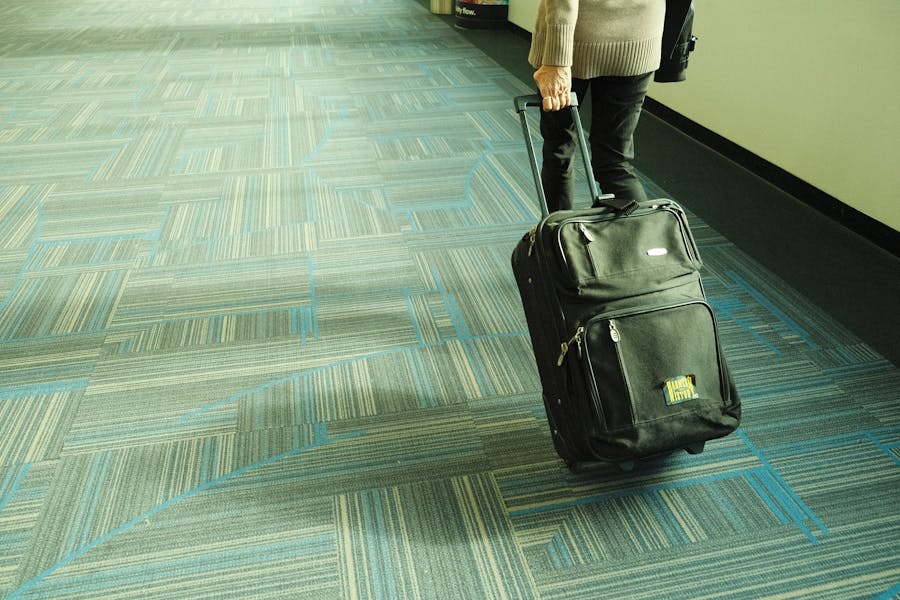
When you’re staring at a wall of suitcases, the choice usually comes down to what you value: protection or flexibility. Materials, structure, and how each one deals with packing can seriously change your travel game.
Materials and Construction
Hardside luggage usually comes in polycarbonate, polypropylene, ABS plastic, or sometimes aluminum. These rigid shells do a better job at shielding fragile stuff from rough handling. Polycarbonate is a sweet spot—tough but not too heavy. Aluminum looks fancy, but let’s be honest, it dents if you so much as look at it wrong.
Softside luggage is most often nylon or polyester. Ballistic nylon is super tough and shrugs off scuffs. Polyester is lighter on your arm and your wallet, but it can wear out faster.
Here’s something you’ll notice: soft bags handle small knocks without looking worse for wear, while hardside cases love to collect scratches. On the flip side, hardside shells keep rain out better than fabric.
If you’re shopping for new travel gear, check the denier rating for fabrics and the plastic type for hard cases. It’s usually the best clue to how long your bag will survive.
Design and Structure
Hardside luggage almost always uses a clamshell design—two halves that zip together. It’s great for organizing, but you can’t really overstuff it. And if you need something at the bottom, well, you’re opening the whole thing.
Softside luggage usually has a single main compartment with a front lid. That means you can unzip just enough to grab what you need. Most softside bags also come with external pockets, which you’ll rarely see on hardside models.
Both types offer similar wheel setups, but hardside cases usually come with four spinner wheels. Softside bags sometimes come with two in-line wheels, which are better on bumpy ground but don’t spin around as easily in tight spots.
Packing Flexibility
If you’re a notorious overpacker, softside luggage is your friend. The fabric can bulge a bit, and many have expandable zippers for those last-minute additions. That extra inch or two can be a lifesaver.
Hardside luggage doesn’t really budge. Some have expansion features, but they’re rare and usually don’t add much space. The upside? The rigid shell keeps your stuff tightly packed and stops it from shifting.
You’ll probably find it easier to squeeze a softside bag into a packed trunk or an overhead bin that’s already half full. Hardside shells hold their shape, which is great for organization, but a pain when space is tight.
Packing cubes work well with both, but they’re especially handy in hardside cases since the clamshell layout naturally splits your things into two sides.
See Related: Savvy Luggage Handling Hacks That Will Transform Your 2026 Travel Experience
Durability and Protection
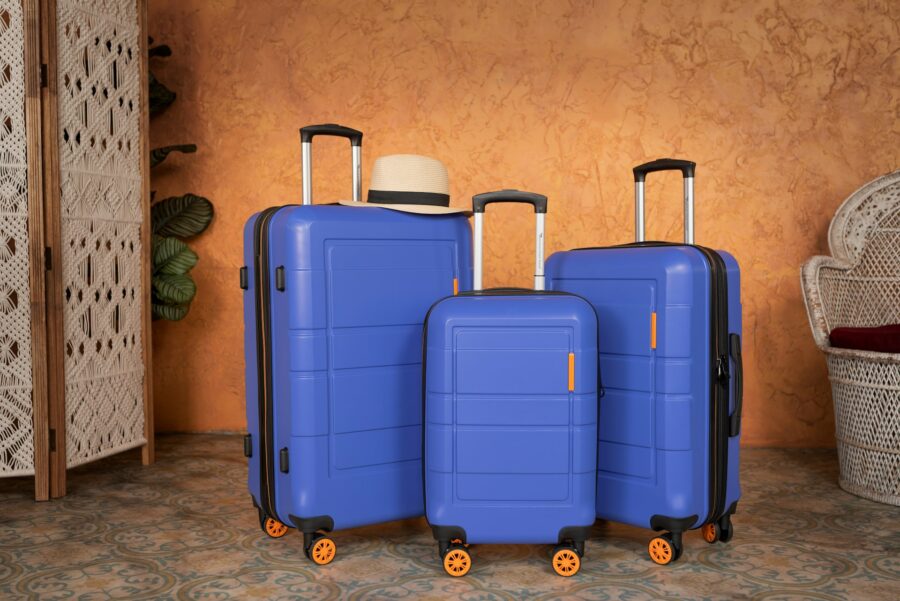
When you’re choosing between hardside and softside luggage, think about how each handles rough treatment and bad weather. It really comes down to how tough your trips get and what you’re actually packing.
Impact Resistance
If you’ve ever seen baggage handlers in action, you know impact resistance isn’t just a buzzword. Hardside luggage—especially polycarbonate or aluminum—does a solid job at protecting fragile items from crushing. The shell spreads out the force, so your electronics or souvenirs stay safer.
But even the sturdiest hardshell can crack or dent if it takes a bad hit. Aluminum looks awesome but shows every ding (which, I guess, is part of its charm?). Polycarbonate bounces back better, while cheap ABS can be a bit brittle.
Softside luggage—made from woven nylon or polyester—won’t crack, but it does compress. That’s sometimes handy if you’re jamming it into a tight spot, but it won’t shield breakables as well. I’ve had soft bags for years, but I always wrap breakables in clothes, just in case.
Water Resistance
Rainy tarmac or a spilled drink in the overhead bin? Hardside luggage usually comes out on top here. Hard shells naturally repel water. Just wipe it off and you’re good. The weak spot is the zipper—if it’s not water-resistant, water can sneak in.
Softside luggage sometimes gets treated with DuraGuard or Teflon, but heavy rain will eventually soak through. I always toss a rain cover in my carry-on, just in case a freak storm pops up.
If you’re heading somewhere rainy, look for sealed seams or a water-repellent zipper. Trust me, you’ll thank yourself when your bag sits on a wet runway for half an hour.
Wear and Tear Over Time
Durability isn’t just about surviving one trip—it’s about how your bag looks after dozens. Hardside luggage tends to show scratches and dents. Some people love that “well-traveled” vibe, but if you want your gear looking fresh, matte or textured finishes hide marks better.
Softside luggage hides scuffs better, especially in dark colors. But fabric can fray or tear, especially at the corners. The upside? You can patch small rips, but a cracked hard shell is tougher to fix.
I’ve noticed zippers and handles are usually the first things to go, not the shell or fabric. No matter what you pick, check for reinforced stitching, sturdy zippers, and a solid handle. If those fail mid-trip, you’re in for a headache.
Storage, Organization, and Accessibility
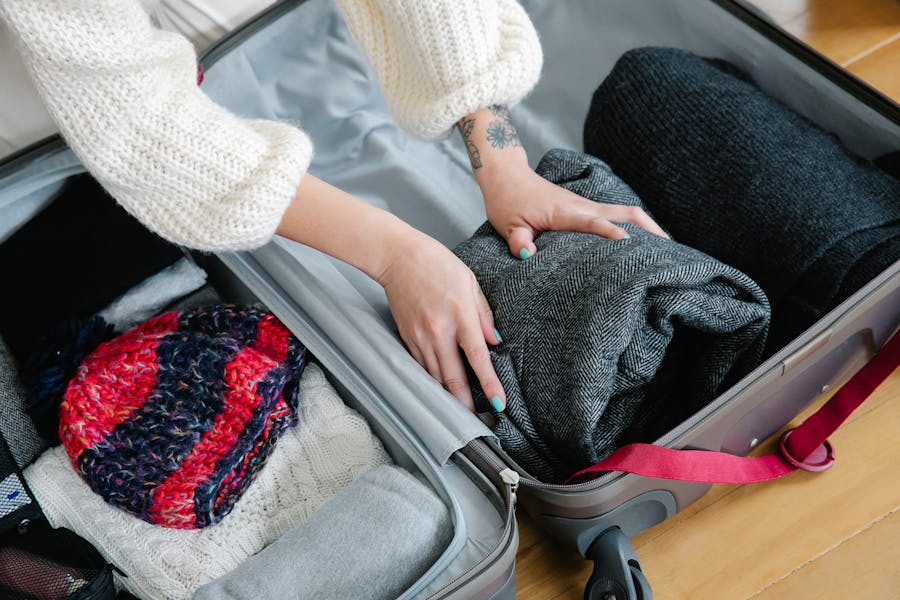
How a suitcase handles storage can totally change your packing routine. Some designs make it a breeze to stay organized, while others focus more on security. Small details—like extra pockets or expandable zippers—can save you a ton of stress.
Exterior and Internal Pockets
If you’ve ever tried to grab your passport from a hardside case in a security line, you know the pain. Most don’t have exterior pockets. Softside luggage usually wins here, giving you zippered compartments for boarding passes, snacks, or that book you keep meaning to read.
Inside, hardside bags usually split into two halves, each with its own divider or straps. It keeps things neat, but it’s less flexible for bulky stuff. Softside interiors are usually one big compartment, which feels more open.
I can’t overstate how handy external pockets are when you’re juggling bags or need to stash something last-minute. They’re also clutch if you use luggage storage and want to keep valuables close.
Expandable Features
Softside luggage almost always has expandable zippers, so you can squeeze in souvenirs or that extra sweater. Just unzip and—boom—more space.
Hardside cases rarely expand much. Some newer ones have flexible panels, but they’re still more rigid. That’s fine if you like to pack light, but not so great if you always come home with more than you left with.
One warning: if you expand a softside case, it might not fit in the overhead bin anymore. I’ve been caught at the gate, having to check a bag I thought would make it.
Quick Access to Essentials
Softside luggage shines for quick access. You can reach into an external pocket for headphones or a snack without opening the whole bag. That’s golden when you’re in a rush or don’t want to flash your entire packing job to the world.
Hardside luggage makes you open the whole case to get at anything inside. That means finding enough space to lay it flat, which isn’t always doable in a crowded terminal. Some brands add a little front hatch, but it’s not as handy as a softside’s pocket.
If you travel for work, those quick-access spots can mean the difference between breezing through security and holding up the line. Nobody wants to be that person.
See Related: Polypropylene vs Polycarbonate Luggage: Key Differences for Smart Travelers
Weight, Maneuverability, and Size Considerations
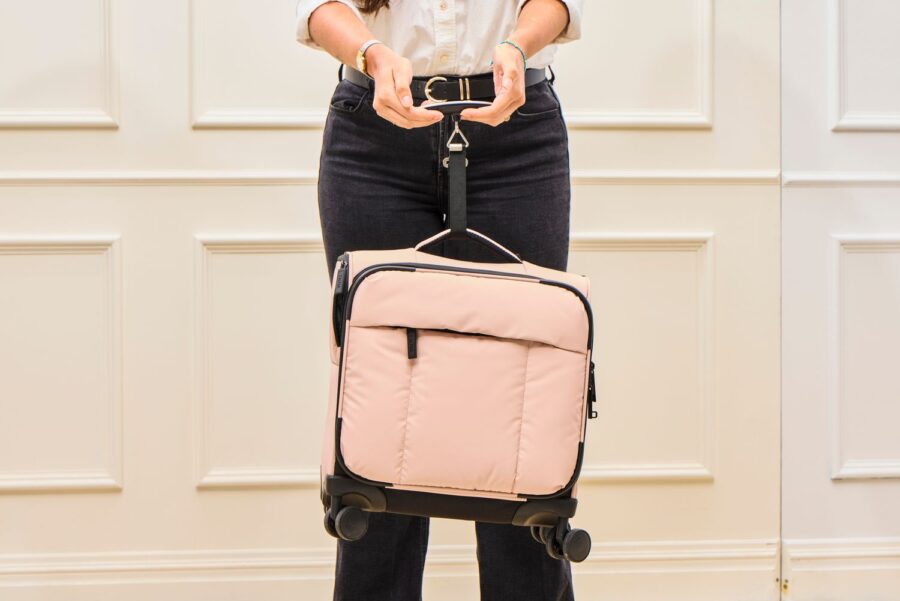
The suitcase you choose can change how much you pack, how easily you move, and whether you dodge extra baggage fees. Even a couple of pounds or an inch here or there can make a huge difference when you’re sprinting to a gate or hoisting a bag overhead.
Lightweight Options
If you’ve ever lugged a heavy bag across a giant airport, you know every pound matters. Softside luggage usually wins here—polyester and nylon are just lighter. A basic softside carry-on can be as light as 4 pounds.
Hardside luggage made from polypropylene can be light too, but polycarbonate and aluminum add weight. Aluminum, while tough, can push a carry-on over 10 pounds before you’ve packed anything.
Weight really matters when airlines have strict limits. Even a couple of extra pounds can mean extra fees. If you’re flying with budget carriers or have multiple flights, keeping your bag light saves money and hassle.
Carry-On Compatibility
A bag’s size can be just as important as its weight. Hardside luggage keeps its shape, so if it meets the rules for a carry-on spinner, it’ll fit in the overhead. The rigid shell means you can’t overstuff it.
Softside luggage, though, has a little give. You can sometimes squeeze in more, but if it bulges past airline limits, you might have to check it—and that can mean surprise fees.
If you’re bouncing between destinations or flying on smaller planes, knowing your bag’s exact size is key. Especially if you’re chasing cheap flights and flying with airlines that love strict carry-on rules.
Ease of Transport
Getting from the airport curb to your hotel room isn’t just about weight—it’s about how easily you can move your bag. Most modern hardside carry-on spinners come with four 360° wheels, so you can push or pull them through busy terminals with barely a thought.
They glide across smooth airport floors, but honestly, they’re a pain on cobblestones or bumpy sidewalks.
Softside luggage can have either two or four wheels. Two-wheel models handle curbs and rough patches better, but you have to tilt and drag them, which can really tire out your arm after a while.
Four-wheel softside bags roll in any direction, but they’re not always super stable if you’re hustling to your gate.
Handles matter, too. A sturdy telescoping handle that locks at different heights can make or break your experience, especially if you’re taller or on the shorter side.
Even the best wheels won’t save you if the handle feels flimsy or awkward in your grip.
Security and Special Features
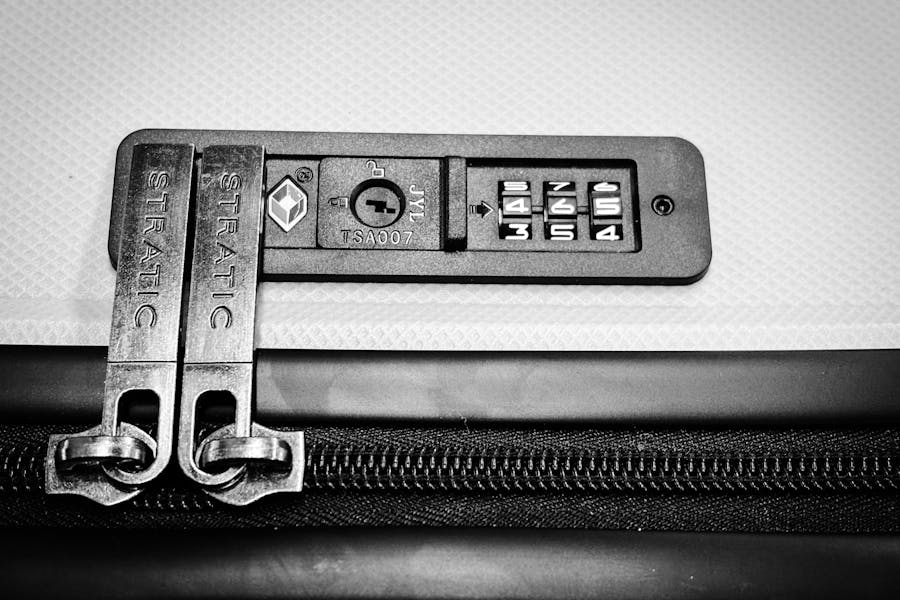
Picking between hardside and softside luggage isn’t just about looks or weight. How your bag locks, resists tampering, and closes can really affect whether your stuff stays safe on the road.
Sometimes, it’s those tiny design details that end up mattering the most.
TSA-Approved Locks
A TSA-approved lock lets security agents open your bag for inspection without destroying it. Most hardside luggage comes with these locks built right into the shell, so they’re flush and less likely to catch on things.
Softside luggage usually uses external combo or key locks, and you can replace them if they get damaged.
If you travel internationally, these locks can save your day. I had my padlock cut off in a small Asian airport once—nothing like finding your zipper wide open and a “courtesy” note inside.
Built-in TSA locks tend to last longer since they’re protected from rough handling.
Some travelers still prefer their own lock for flexibility, but make sure it’s TSA-compliant. Otherwise, you might lose it during inspection.
Pairing TSA locks with travel insurance gives you extra peace of mind if you’re carrying valuables.
Tamper Resistance
Hardside luggage usually gives you better protection against tampering because you can’t easily slash or puncture the shell. Even the toughest softside bags—yes, even those fancy ballistic nylon ones—can be cut if someone really wants to.
It’s rare, but in a crowded train station, it’s something to think about.
Zippers are the weak spot on both types. If someone knows the trick, a ballpoint pen can pop open most zippers. Look for double-coil zippers or tamper-resistant designs if you want to play it safer.
Some hardside suitcases use latch closures instead, which takes the zipper vulnerability out of the equation.
If you’re checking your bag, tamper resistance matters even more. In my experience, a rigid polycarbonate shell with a latch closure just feels safer when you’re not the one handling it.
Suitcase Closures
Closures aren’t just “how the bag shuts.” Hardside luggage often goes for a clamshell design with zippers running around the middle. You can’t really overstuff these, but you do have to open the whole thing to get inside.
Some premium hardside models use metal latches, which are faster and feel more secure than zippers.
Softside luggage usually sticks to zippers, sometimes with compression straps inside. The perk? Flexibility. You can squeeze in that last souvenir hoodie without much fuss.
Front-access zippers let you grab stuff without opening the whole bag.
Latch-closure hardside cases are awesome for security, but softside zippers win for convenience when you’re always on the go.
If you’re the type who’s always digging into your bag mid-journey, a good zipper system might just save your sanity.
See Related: Sicily vs Sardinia Travel: Must-Know Differences Before You Go
Choosing the Right Luggage for Your Travel Style
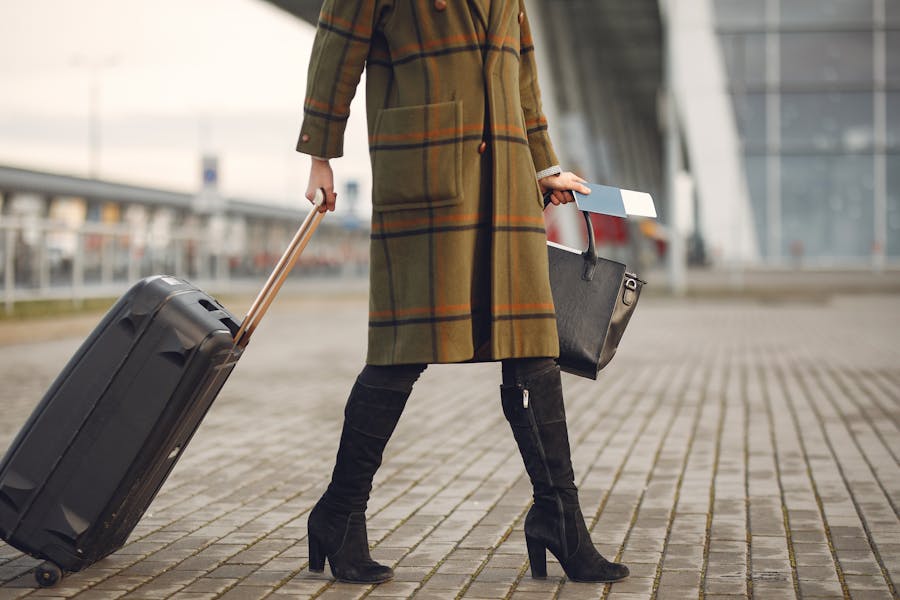
The best suitcase for you depends on how often you travel, what kind of trips you take, and even where you’re headed. Sometimes, it’s those small things—like needing a quick-access pocket or wanting extra protection for breakables—that tip the scales.
Frequent Flyers vs Occasional Travelers
If you find yourself on a plane every other week, you start caring more about durability and how easy your bag is to handle. Frequent flyers usually lean toward hardside luggage since it stands up to rough baggage systems and keeps electronics or souvenirs safe.
Polycarbonate shells, for example, can take more abuse than fabric.
But here’s the catch—hardside cases rarely have exterior pockets. If you like to grab your charger or boarding pass without opening the whole bag, you might get annoyed.
This is where softside luggage shines. It’s lighter, squeezes into tight overhead bins, and often expands for those last-minute shopping sprees.
Occasional travelers might care more about comfort and price than durability. A good carry-on spinner in a softside style is easier to stash at home and more forgiving if you overpack now and then.
Business Travel vs Leisure
Business trips are usually short and structured, so organization is everything. Softside luggage comes with multiple compartments and quick-access pouches for laptops, documents, and chargers.
You can breeze through security without digging through your socks.
Hardside luggage works well for business travelers who carry fragile presentation materials or tech gear. The hard shell keeps everything safe, even if your bag gets tossed around.
I’ve used a slim hardside carry-on for quick overnight work trips—it kept my suit wrinkle-free and my laptop safe.
For leisure travel, flexibility is king. Softside bags are better for souvenirs, chunky sweaters, and weirdly shaped stuff.
And if you’re a shopper, expandable zippers are a lifesaver. If you’re flying somewhere new, checking cheap flight options before you decide on luggage weight limits can help you plan.
Domestic vs International Trips
Domestic flights usually have looser baggage handling and shorter connections, so either style works. Softside bags fit better into smaller regional aircraft bins, and they’re more forgiving if you’re rushing to board.
International trips are another story. Long-haul flights, multiple transfers, and ever-changing baggage rules mean your suitcase gets knocked around more.
A hardside case offers better weather resistance and shields your stuff from rough handling.
If you’re heading somewhere rainy or snowy, hardside luggage keeps your clothes dry. But if your trip involves trains, buses, or walking long distances, a lightweight softside with sturdy wheels is just easier to wrangle on cobblestones or up station stairs.
Frequently Asked Questions
Choosing between hardside and softside luggage isn’t just about looks. It’s about how you travel, how much you pack, and how rough your trips can get.
The right bag can make your airport run smoother and keep your stuff safe.
What are the pros and cons of hardshell versus softshell luggage for frequent flyers?
If you’re flying a lot, hardshell suitcases protect better against drops, bumps, and the occasional overzealous baggage handler. They keep their shape, so you won’t end up with a bulging bag that refuses to fit in the overhead.
But softshell bags are lighter and easier to squeeze into tight spaces. Those exterior pockets? Super handy for grabbing stuff mid-trip.
How does the weight of hardside luggage compare to softside luggage when considering airline baggage allowances?
Most hardside bags weigh more, especially if they’re made from aluminum or thick polycarbonate. That extra weight can eat into your baggage allowance before you’ve packed a thing.
Softside luggage—especially polyester or lighter nylon models—can save you a couple of pounds. Sometimes, that’s the difference between breezing through check-in or shelling out for a baggage fee.
What type of luggage is better suited for withstanding rough handling during international travel?
If your bag’s getting checked a lot and tossed around, hardside luggage usually holds up better. The rigid shell shields fragile items from being crushed.
But let’s be real—dents and scratches are almost unavoidable. If you hate visible wear, pick a darker color or a textured finish to hide the scuffs.
Can you recommend the most durable soft-sided luggage brands for extensive travel?
If you want a softside bag that can take a beating, check out Travelpro, Briggs & Riley, and Tumi. I’ve used a Travelpro for years on both domestic and international trips, and it’s survived rain, cobblestone streets, and a few “accidental” baggage cart drops.
Ballistic nylon models tend to last the longest, though they can be heavier than polyester.
What are the potential drawbacks of using hard-shell suitcases for regular travel?
The biggest complaint? No exterior pockets. Once you’ve zipped it up, you can’t just grab your sweater or snacks without opening the whole thing.
They’re also less forgiving if you like to overpack. With softside, you can usually squeeze in one more shirt. With a hardside, if the zipper won’t close, you’re out of luck.
In terms of organization and packing flexibility, how do hardside and softside luggage options differ?
Hardside luggage usually opens up into two equal compartments. That setup lets you organize by category—maybe clothes on one side, shoes and gear on the other.
But let’s be real, you’ll probably want packing cubes or pouches, since interior pockets in hardside bags are basically an afterthought.
Softside bags, on the other hand, tend to have one big compartment. You also get a bunch of exterior and interior pockets, which feels like a small luxury when you’re scrambling to stash last-minute items or just need your essentials close by.


