Where to Stay in Belgrade: Best Areas & Hotels for Every Budget
Updated December 18, 2025
Belgrade’s neighborhoods each have their own pace—Old Town’s winding history, Savamala’s creative pulse, Vračar’s laid-back streets. Picking where to stay can feel like a puzzle. But if you know what you want—culture, nightlife, peace and quiet—there’s a spot that fits.
I’ve sorted through the city’s hotels, apartments, and hostels so you don’t have to go down a research rabbit hole. With a few pointers, you’ll find your base and feel like you’ve got Belgrade figured out before you even arrive.
Key Takeaways
- Quick breakdown of Belgrade’s top neighborhoods and what sets each apart
- Curated hotel picks for every style and budget
- Insider tricks to pick your area fast and feel at home
Table of Contents
- Belgrade at a Glance
- Overview of the City Layout
- Getting Around Belgrade
- Best Neighborhoods to Stay in Belgrade
- Stari Grad (Old Town)
- Savamala
- Dorćol
- Who Should Stay Where
- Best Areas for First-Time Visitors
- Best Neighborhoods for Nightlife
- Top Picks for Families
- Where to Stay on Any Budget
- Affordable Areas & Budget Stays
- Mid-Range Options
- Luxury Hotels & Exclusive Areas
- Hotel Recommendations by Area
- Top Hotels in Stari Grad
- Best Accommodation in Vračar
- Recommended Stays in Zemun
- Insider Tips for Choosing Your Base
- Seasonal Considerations
- Unique Stays & Hidden Gems
- Safety and Local Experience
- Frequently Asked Questions
- What are the best neighborhoods for tourists to stay in Belgrade?
- Which districts in Belgrade offer an authentic local experience?
- Can you recommend accommodation near Belgrade’s main attractions?
- What are the top-rated hotels in Belgrade for experiencing the city’s nightlife?
- How does the Airbnb scene compare to hotels in terms of staying in Belgrade’s central areas?
- Are there any unique lodging options that provide a different perspective on Belgrade?
- Book Your Dream Experience
- More Travel Guides
Belgrade at a Glance

Belgrade is a city of layers. It’s scrappy and grand, sometimes both at once. Two rivers slice through it, and the mood can flip from block to block—classic facades next to boxy towers, quiet alleys just steps from all-night bars.
Overview of the City Layout

Belgrade sits at the meeting of the Sava and Danube Rivers. The city splits into Old Belgrade (Stari Grad) and New Belgrade (Novi Beograd).
Stari Grad is home to most of the history—Kalemegdan Fortress, Republic Square, Knez Mihailova Street. Expect cobblestones, old-world architecture, and plenty of people-watching.
Cross the Sava and you hit Novi Beograd—wide boulevards, postwar apartment blocks, shopping malls. It’s more businesslike, but hotels here are modern and often better value.
Vračar stands out for the Temple of Saint Sava, among the world’s largest Orthodox churches. Dorćol brings a blend of art, old houses, and understated cool. For nightlife, Savamala is all about the riverside clubs—splavovi—and late-night energy.
Belgrade’s layout is unpredictable, which is half the fun. Around every corner, something unexpected.
Getting Around Belgrade

You can walk most of central Belgrade. The main sights cluster together, so you’ll rarely need to hop in a car. Old Town’s cobblestones are charming but a bit rough, so bring shoes that can handle uneven ground.
Public transport—buses, trams, trolleys—covers the rest. You pay with a BusPlus card or app.
It’s not fancy, but it works once you get the hang of it. There’s no metro (yet), though locals love to debate when it’ll finally arrive.
Bikes and scooters are everywhere, especially by the rivers. Registered taxis and ride-hailing apps work fine—just skip the unmarked cars.
Traffic jams are common during rush hour. Honestly, the best way to get the feel of Belgrade is to walk, stop for coffee, and just watch the city go by.
Best Neighborhoods to Stay in Belgrade

Belgrade’s core mixes old charm, riverside buzz, and real local life. Each area brings a distinct vibe—historic alleys, converted warehouses, or café-filled streets where people actually talk to each other.
Stari Grad (Old Town)

Want everything at your doorstep? Stari Grad is the move. This is the city’s historic core, made for walking. Start at Kalemegdan Fortress, then stroll Knez Mihailova Street for shops, bookstores, and cafés that still feel Serbian, not generic.
Mornings here are slow—cafés wake up around 9. By night, the kafanas on Skadarlija Street crank up the music and the smell of grilled meat fills the air. If you’re a light sleeper, pick a spot a few blocks from the busiest streets.
Quick guide:
| Interest | Where to Go |
|---|---|
| Sightseeing | Kalemegdan Fortress, Republic Square |
| Food & Drink | Skadarlija kafanas, Manufaktura Restaurant |
| Shopping | Knez Mihailova pedestrian street |
You’ll find everything from classic hotels to cozy studios in old buildings with heavy wooden doors.
Savamala
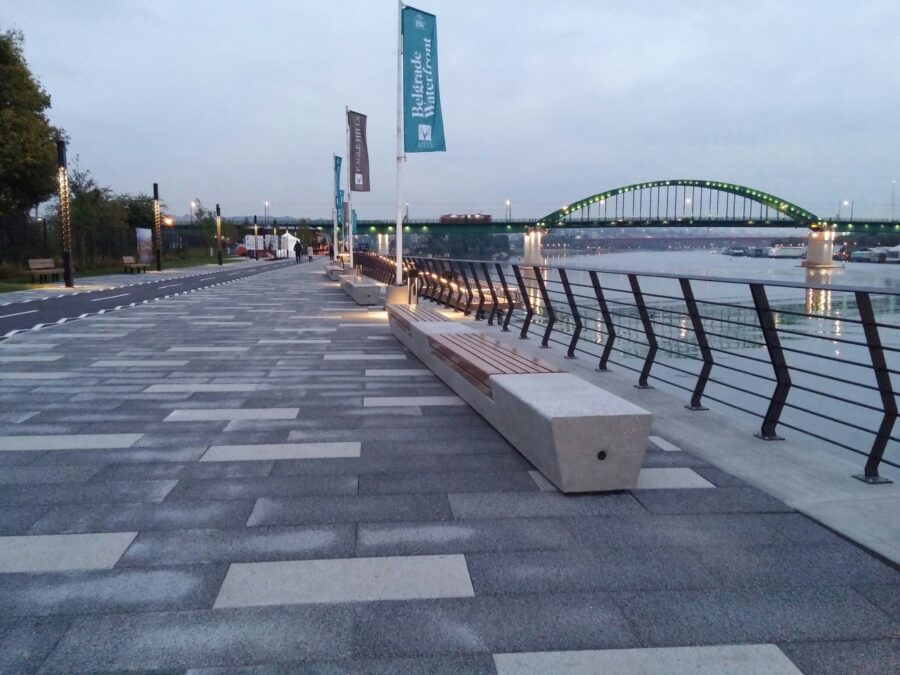
Savamala hugs the Sava River. It’s got a modern edge, but not in a polished way.
Old warehouses now house art spaces, cocktail bars, and hostels. The Belgrade Waterfront project brought fancy new apartments and a riverside promenade—great for a morning walk or coffee by the water.
Savamala’s half-renovated look tells the story of a city always in flux. At night, Karadjordjeva Street is packed with live music and bars. Locals and visitors both hang out here, and it never feels staged.
The Central Bus Station is nearby, handy for day trips. Don’t overpay for taxis—call one or use an app.
Dorćol

Dorćol is residential but creative, a bit hip without trying. You’ll spot 19th-century cottages, street art, and minimalist cafés. It’s one of Belgrade’s oldest areas, but it stays fresh thanks to new galleries and bars.
Grab coffee at Kafeterija Magazin 1907, rent a bike for the Danube quay, or wander the Jewish Quarter for a quieter side of the city. You can walk to Old Town, the Fortress, or the river easily.
Hotels are fewer here, but apartments and short-term rentals are everywhere. It’s ideal if you want a neighborhood that feels lived-in but central.
Who Should Stay Where

Belgrade’s neighborhoods each set a different pace. Where you stay shapes your whole visit—your mornings, your meals, even your nights out.
Best Areas for First-Time Visitors

First trip? Stick to Stari Grad (Old Town). You’ll be steps from Knez Mihailova, Kalemegdan, Republic Square.
The old cafés and river views make it a classic choice. If you’re a light sleeper, look for rooms away from Skadarlija—it gets lively at night.
For a central spot that’s a bit cheaper, check out Terazije. It’s just uphill from Old Town, with lots of small hotels and older apartments. You’ll have easy public transport and bakeries for that crucial morning burek.
Quick comparison:
| Area | Pros | Cons |
|---|---|---|
| Stari Grad | Walkable, historic landmarks | Can be noisy |
| Terazije | Central, affordable | Fewer nightlife options |
Either way, you’ll be close to all the main sights—no taxis needed.
Best Neighborhoods for Nightlife

Nightlife? Savamala is your scene. The riverside clubs—Beton Hala, KC Grad—are packed until dawn.
You’ll hear everything from electro to jazz, sometimes even old Yugoslav rock. The area feels a bit gritty, but that’s part of its character.
Dorćol (especially down by the river) is more low-key—craft beer, art galleries, and tapas bars that fill up late. It’s social, not flashy. Don’t expect to get to bed early in either area.
Top Picks for Families

Families lean toward Vračar. It’s relaxed, walkable, and feels safe.
The Temple of Saint Sava is the landmark, and most places to stay are on calm streets with parks and bakeries nearby. It’s easy living if you’re with kids.
If you want more space, consider Novi Beograd (New Belgrade). It’s not as charming as Old Town, but you get roomy hotels and playgrounds between apartment blocks.
Buses cross the river quickly, so sightseeing is still simple. You’ll swap some history for quieter nights and more room to breathe.
See Related: Breathtaking Best Beaches in Europe (With Hidden Gems!) 🏖️
Where to Stay on Any Budget

Belgrade delivers value at every price point. Some areas let you stretch your budget, others offer comfort or a bit of luxury if you want to splurge.
Affordable Areas & Budget Stays

For budget-friendly options, look at Terazije, Dorćol, or near the Central Station. These are walkable, safe, and close to tram lines. Terazije can be noisy, but you’re right by bakeries, buses, and coffee shops.
Places like Habitat Hostel or family-run guesthouses are clean and fair-priced. Shared kitchens help you save on meals, and some include breakfast.
If you’re hunting for cheap flights to match your stay, tools like cheap flight tickets and fare alerts can help. Belgrade’s compact layout means you don’t have to be right downtown to see the sights.
Mid-Range Options

For a balance of comfort and price, check Vračar and New Belgrade. Both are quieter than Old Town but still central. You can walk or grab a short cab to Republic Square.
Hotel Mint and Garni Hotel Nevski are solid picks—modern, clean, and friendly. Apartments near Kalenić Market or Tasmajdan Park often have balconies and kitchens.
During festivals or big events, book early; prices can spike. Use tools like Skyscanner to keep your trip budget in check. For what you pay, mid-range hotels here usually outshine similar spots elsewhere in Europe.
Luxury Hotels & Exclusive Areas

For upscale comfort, stay in Stari Grad near Kalemegdan or the nicer corners of Vračar. Top-end hotels like Square Nine or Metropol Palace come with spas, great restaurants, and staff who actually remember you.
Luxury apartments cluster along the riverside in Savamala or on Knez Mihailova. You’ll be close to museums, top restaurants, and boutique shopping.
If you want to splurge, sign up for flight alerts so you can save on airfare and spend more on your stay. Even a short stay in Belgrade’s best hotels feels like a treat after a long travel day.
Hotel Recommendations by Area

Belgrade blends classic hotels in historic buildings with newer stays scattered through local neighborhoods. You’ll find options for most budgets, but honestly, location is everything. Staying near spots like Kalemegdan, the Saint Sava Temple, or Zemun’s riverside puts you right in the city’s daily groove.
Top Hotels in Stari Grad
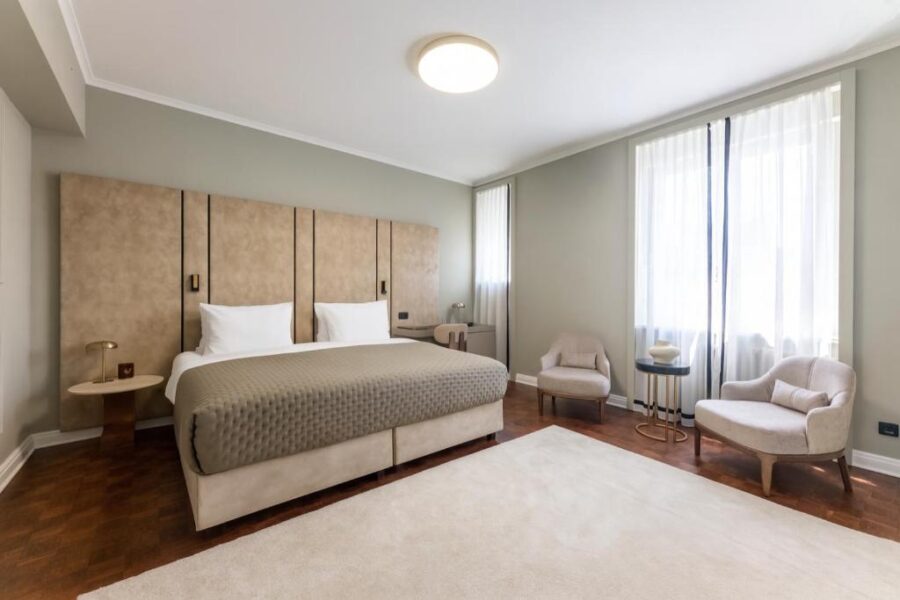
Stari Grad, or Old Town, is ideal if you want to walk everywhere. You’re steps from Republic Square, Kalemegdan Fortress, and Knez Mihailova Street. The Square Nine Hotel stands out for its blend of modern design and traditional touches—sleek rooms, a spa, and a restaurant worth lingering in.
For something mid-range, Hotel Majestic is just a short stroll from cafés and galleries. It’s got that old-school vibe with polished wood interiors and a breakfast that actually fills you up. On the budget end, Hostel Iris offers private and dorm rooms close to Skadarlija’s nightlife.
If you’re booking ahead, compare rates on Booking.com or check last-minute deals with KAYAK. Prices in Stari Grad can jump during festivals or peak summer.
Best Accommodation in Vračar

Vračar is calmer, full of parks and quiet side streets, but still close to the action. Hilton Belgrade sits near the Saint Sava Temple, with bright rooms, plenty of modern comforts, and a rooftop restaurant that’s hard to leave. It’s a solid pick for families or couples who want comfort and convenience.
If you’re after something more low-key, MARK Hotel offers simple, clean rooms and genuinely helpful staff—good value without the fuss. Sun Hostel is a budget-friendly choice with a relaxed vibe and easy tram access.
Mornings in Vračar are best with a hot burek from a bakery and a quick walk to the Tesla Museum. For flight-and-hotel packages, Expedia sometimes has decent deals, especially for longer stays.
Recommended Stays in Zemun

Zemun, northwest of central Belgrade across the Sava River, feels more like a small town. Cobblestone streets and a riverfront lined with fish restaurants set the mood. Hotel Theatre Belgrade is a reliable mid-range option—stylish but unpretentious, and the staff make you feel welcome.
Want river views? Garni Hotel Captain’s Villa delivers, plus you’re right by the riverside promenade. For budget travelers, Hostel 1910 offers clean rooms, a shared kitchen, and straightforward bus links to the center.
Zemun’s a bit further out, but taxis and buses are frequent, and rooms tend to be cheaper. I usually spend my last night here—coffee by the river, a slower pace, and a mellow end to a busy trip.
See Related: Best Places to Visit in Europe This Year
Insider Tips for Choosing Your Base

Where you stay in Belgrade shapes your experience—pace, character, even how late you’ll want to stay out. Consider your timing, the kind of atmosphere you like, and how much you want to dive into local routines.
Seasonal Considerations

Belgrade changes with the seasons. Spring (April–June) brings mild weather and outdoor cafés everywhere.
It’s a sweet spot for Dorćol or Stari Grad—you can walk all day without melting. Summer gets hot (over 30°C/86°F), so look for air conditioning or stay near the river in Novi Beograd or Zemun, where evenings are breezier.
Autumn is hands-down the best. Crowds thin, prices drop, and patios stay open into October. Winter is cold and gray, but the city’s bars and live-music kafanas keep things lively.
If you come then, base yourself near Knez Mihailova Street for convenience—you’ll want to minimize outdoor wandering. Double-check heating; some older apartments get drafty.
Unique Stays & Hidden Gems

The big hotels get all the attention, but Belgrade’s real charm hides in the details. Restored Yugoslav-era apartments in Vračar or Palilula offer a peek into everyday life—retro, a bit quirky, and packed with character. Around Skadarlija, family-run guesthouses make you feel like you’ve lived there for ages.
If you’re after something trendier, check out Savamala’s converted warehouses. Many have turned into boutique hotels or artist lofts, still showing off their industrial roots.
I once checked into one where the front desk was an old piano—unexpected, but memorable. Short-term rentals by the river, especially near Beton Hala, are popular with digital nomads thanks to the mix of nightlife and quiet mornings. When booking, pay attention to things like elevators or noise—older buildings don’t always have either.
Safety and Local Experience

Belgrade feels safe, even late, but use common sense. Stick to main streets at night and avoid empty river paths after dark.
Petty theft can happen on crowded buses, so keep your stuff close. Most traveler-friendly neighborhoods—Stari Grad, Dorćol, Vračar, Savamala—are fine for solo evening walks.
For a more genuine feel, stay where locals live. Grab coffee at a corner bakery, pick up a few Serbian phrases, and you’ll find people surprisingly quick to help.
Language isn’t a huge barrier—English goes far, but a friendly “Zdravo” never hurts. Taxis are affordable, but agree on the fare or use apps like CarGo to skip haggling.
See Related: Best Cities in Europe to Enjoy Winter Without the Crowds
Frequently Asked Questions

Belgrade’s blend of old and new means your neighborhood shapes your trip. Each area has its own rhythm—from Stari Grad’s cobblestones to Savamala’s late-night buzz—and where you sleep really does color your memories.
What are the best neighborhoods for tourists to stay in Belgrade?
If you want to be near the main sights, Stari Grad (Old Town) is your go-to. Walk to Republic Square, Knez Mihailova Street, and Kalemegdan Fortress, no taxis needed. The area also has plenty of great cafés and some tucked-away bars that feel very local.
For a calmer but still central base, Vračar is a solid pick. Close to St. Sava Temple, with stylish apartments and boutique hotels, but without downtown’s crowds.
Which districts in Belgrade offer an authentic local experience?
Dorćol has a unique mix of Ottoman history and modern creativity—quiet streets, old courtyard houses, tiny bakeries, and cool concept stores. I remember chatting with a barista there every morning who made Turkish coffee that could wake the dead.
If you want something more everyday and less polished, try Zemun across the river. It feels like its own town, with cobbled lanes, riverside walks, and affordable kafanas full of locals.
Can you recommend accommodation near Belgrade’s main attractions?
Stay near Republic Square or Knez Mihailova Street for easy access to most big landmarks. Hotels like Garni Hotel Nevski or small guesthouses around Kalemegdan work well.
If museums or city tours are on your list, being near Studentski Trg or Dorćol makes exploring on foot simple.
What are the top-rated hotels in Belgrade for experiencing the city’s nightlife?
Savamala is nightlife central. Once rundown, now full of clubs, bars, and art spaces. Hotels like Jump Inn or Mama Shelter put you right in the mix—roll out of bed, and you’re basically there.
For something quieter but still close to the action, stay around Terazije. It’s central, but you can actually sleep after a late night.
How does the Airbnb scene compare to hotels in terms of staying in Belgrade’s central areas?
Airbnbs are everywhere in the center, especially in Old Town and Dorćol. They offer a more local, lived-in vibe—think balconies over courtyards or cobbled lanes.
Hotels are usually more reliable for amenities and check-in. If you’re only here a few days, a mid-range hotel is less hassle. But if you like figuring things out and don’t mind the occasional quirky key box, Airbnb can be a fun way to see the city.
Are there any unique lodging options that provide a different perspective on Belgrade?
Absolutely—Belgrade’s got some truly unusual stays. You can sleep on floating hotels or river barges along the Sava and Danube, where city lights ripple right outside your window.
Prefer something a bit more grounded? Design hostels fill renovated buildings in Dorcol, and quirky apartments in Savamala show off local art and personality. If you’re up for a little extra adventure, tours and local activities are easy to tack on—think floating dinner cruises or guided walks through tucked-away courtyards.