

Last modified November 7, 2025
Choosing between Vrbo and Airbnb sometimes feels like picking dessert at a really good restaurant—you know you’ll end up happy, but which one’s the real treat for your trip? If you’re after more variety and unique stays, Airbnb usually takes the cake, but for private whole-home rentals, Vrbo often comes out on top. The trick is figuring out which platform fits your travel vibe, group size, and wallet.
I’ve lost count of how many times I’ve booked through both—sometimes I’m chasing a funky treehouse on Airbnb, other times I’m wrangling a big beach house on Vrbo for a family getaway. And honestly, the differences go way deeper than just the listings. The way each handles pricing, fees, and even cancellation rules can totally change your experience.
Key Takeaways
- Airbnb brings more variety and unique property types to the table
- Vrbo sticks to private, whole-home rentals
- Pricing, fees, and policies? They’re not the same on each platform
Vrbo vs Airbnb: Core Differences
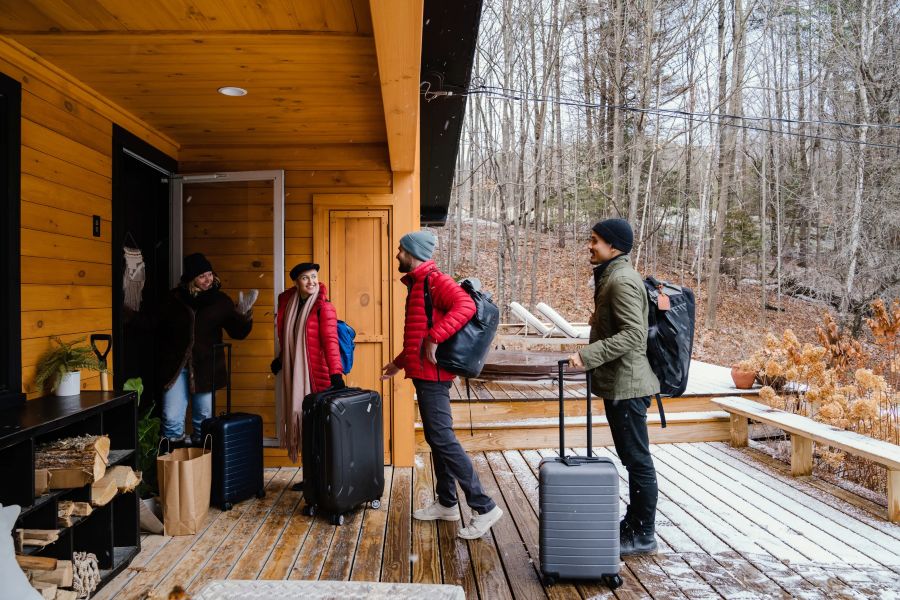
Both Vrbo and Airbnb help you find short-term stays, but their approaches are surprisingly different. The differences pop up right from the types of properties you’ll see, and run through how the companies operate, all the way to the booking process.
Vacation Rental Platforms Explained
At its core, both Vrbo and Airbnb are online marketplaces where property owners list spaces for travelers. You browse, book, and pay through the site, and the company takes a cut. Simple enough, right?
Vrbo (that’s Vacation Rentals by Owner, in case you wondered) only lists entire properties—houses, condos, cabins. No shared rooms, no “the owner’s still living here” situations.
Airbnb, though, goes broad. You can rent a private room, a bed in a shared dorm, or go all-in on something wild like a treehouse or houseboat. That flexibility makes it a hit in cities where space is at a premium.
If you’re traveling with a big group or you just want total privacy, Vrbo’s model is refreshingly straightforward. But if you want budget options or something offbeat, Airbnb’s variety is tough to top.
Ownership and Company Background
Vrbo’s been around since 1995—the Stone Age of the internet. Now it’s part of the Expedia Group and has absorbed HomeAway, so you’ll notice some overlap in listings. Vrbo’s roots run deep in classic vacation spots—think beach towns, ski resorts, and lake communities.
Airbnb, on the other hand, is the disruptor. It started in 2008 as “Air Bed & Breakfast,” and grew fast by attracting city travelers and younger folks who didn’t mind sharing space. Vrbo built its name on family holidays; Airbnb leaned hard into experiences, unique properties, and urban stays.
You can feel the difference in their DNA. Vrbo feels like that classic travel company—more traditional, more about leisure getaways. Airbnb? It’s got that tech startup vibe—always adding new features, constantly experimenting with how you book and interact with hosts.
Booking Experience Comparison
You can filter searches, message hosts, and pay online on both platforms, but the details aren’t quite the same. Vrbo typically charges a refundable security deposit upfront, while Airbnb usually just puts a hold unless there’s a damage claim.
Airbnb’s got Instant Book on a bunch of listings, but some require host approval. Vrbo does something similar, but its “Book with Confidence Guarantee” throws in extra protection if things go sideways.
I’ve noticed Vrbo’s search filters get detailed if you know exactly what you want (pet-friendly, hot tub, waterfront—go wild). Airbnb’s interface feels more visual, almost like it wants you to discover something new, which is perfect if you’re open to surprises.
If you’re a planner who loves details, Vrbo’s system might click with you. But if you’re a browser, happy to scroll until something grabs your attention, Airbnb makes the whole process feel like an adventure.
Property Types and Unique Stays
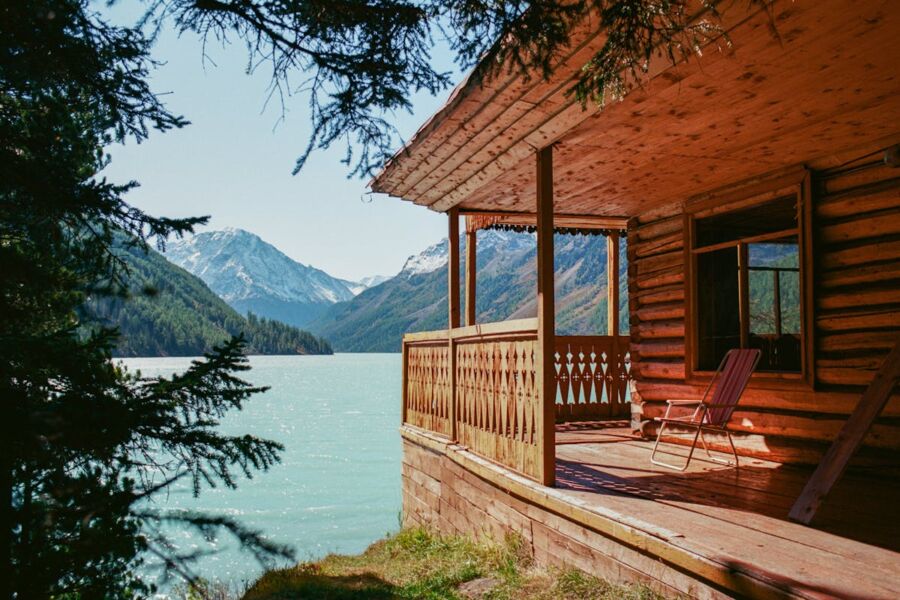
When choosing a vacation rental, the kind of space matters almost as much as the location. Having a whole place to yourself or sharing with others can shape your trip, and sometimes the property itself is the experience.
On VRBO, you’ll only find entire properties—houses, condos, cottages—all yours, no sharing. That’s a dream if you want your kitchen, living room, and maybe a backyard, without running into strangers.
Airbnb gives you options. You can book a private room in someone’s house, a shared dorm, or a whole place. If you’re traveling solo or pinching pennies, those shared spots can save you a chunk of change.
I’ve done both. In Rome, I booked a shared apartment on Airbnb and ended up drinking wine with my host every night—an experience you just don’t get with a whole-home rental. But when I needed quiet for work in Costa Rica, a stand-alone VRBO villa was worth every penny.
| Platform | Shared Rooms | Entire Homes | Privacy Level |
|---|---|---|---|
| Airbnb | Yes | Yes | Varies |
| VRBO | No | Yes | High |
Unique Stays: Yurts, Treehouses, and More
Airbnb goes all-in on unusual properties. You can sleep in a yurt under the stars, a treehouse up in the treetops, or even a converted bus. These listings usually pop up in remote or scenic spots, so you might trade easy restaurant access for that “wow” moment.
I once booked a yurt in Oregon’s wine country—no TV, no Wi-Fi, just a wood stove and a sky full of stars. Not “luxury,” but I still think about it.
VRBO’s catalog feels more traditional, so you won’t find as many of these quirky stays. Still, dig deep in the filters and you might stumble across a lighthouse or a historic home.
Villas, Cozy Cabins, and Other Options
If you’re after classic vacation rentals, both sites have you covered. VRBO’s got villas in coastal spots and cozy cabins in the mountains, often set up for longer stays with full kitchens, laundry, and space for groups.
Airbnb’s got those too, but you’ll also see more city apartments in the mix. Handy if you want a villa one trip and a city loft the next, without switching apps.
Honestly, I love booking a cabin in the off-season. On VRBO, I’ve found lakefront gems with fireplaces for less than a mid-range hotel room. And on Airbnb? Scored a modern villa in Spain with a rooftop terrace—perfect for sunset tapas.
See Related: How to Negotiate Airbnb Rates Long Term: Insider Tactics for Major Savings on Monthly Stays
Pricing Structures and Fees

Comparing Vrbo and Airbnb isn’t just about the nightly rate. Costs can sneak up with service fees, payment quirks, and how prices appear. Even small fee differences can add up fast, especially if you’re staying for a while.
Vrbo Fees vs Airbnb Fees
Vrbo and Airbnb both charge service fees to guests and commissions to hosts, but their methods aren’t quite the same.
On Airbnb, most guests pay a service fee that’s usually under 14% of the booking subtotal, though I’ve seen it creep up. Hosts typically pay 3% of the subtotal, unless they’re in special programs.
Vrbo’s guest service fee usually lands between 6% and 15%, which sometimes works out cheaper for pricier bookings. Hosts can pay a 5% commission plus a 3% payment processing fee or go for an annual subscription (about $499) for unlimited bookings.
I’ve chatted with hosts who love the subscription because it’s predictable, but it only makes sense if you rent your place out a lot.
Transparency in Pricing
Price displays can trip people up.
Airbnb now lets you toggle a setting to see the total price (nightly rate + cleaning + service fees) right in the search results. It’s a lifesaver if you hate clicking into every listing. Vrbo, though, shows just the nightly rate upfront, and you only see the final cost once you start booking.
That difference can be a pain if you’re on a tight budget. I’ve fallen for a gorgeous Vrbo property, only to get sticker shock when the fees came out at checkout.
If you like quick, at-a-glance budgeting, Airbnb’s display is just easier.
Finding the Best Value
The “cheaper” pick isn’t always obvious—it depends on your trip style.
If you’re booking a short stay or just a private room, Airbnb often wins since Vrbo only offers whole places. For longer stays in entire homes, Vrbo’s lower guest fee range or annual host subscription can tip the scales.
I like to do a side-by-side comparison for the same dates and city. I usually make a quick table in my notes app with the nightly rate, guest fee, cleaning fee, and total cost. It’s a tiny bit of effort that’s saved me hundreds over the years.
And honestly, sometimes the “value” is all about the experience, not just the price.
Cancellation Policies and Flexibility

How each platform handles cancellations can totally change your risk, how you price your place, and how often it gets booked. Some policies lean toward protecting hosts from last-minute cancellations, while others give guests more wiggle room to change plans.
Comparing Cancellation Options
Airbnb keeps it simple with three main policies: Flexible, Moderate, and Strict. Flexible means guests get a full refund up to 24 hours before check-in. Moderate allows a full refund up to 5 days before. Strict only gives a refund if you cancel within 48 hours of booking and at least 14 days before arrival.
Vrbo gives you more choices. You can pick Relaxed (full refund up to 14 days before, 50% up to 7 days), Firm (50% up to 30 days), Strict (full refund up to 60 days), and even tweak things by season. So you might go stricter in peak summer, but loosen up in winter.
From a host’s perspective, Vrbo’s flexibility with seasonal rules is a huge plus. If you’ve ever had a prime holiday week canceled at the last minute, you know how much that control matters.
Refunds and Policy Differences
Refund timing sets the two platforms apart for guests. Airbnb’s shorter cancellation windows under Flexible and Moderate appeal to folks who book on a whim or aren’t 100% sure about their plans. That can boost bookings, but you’ll get more changes, too.
Vrbo’s stricter options tend to attract guests who are more committed. You’re way less likely to lose a prime weekend at the last second. And since Vrbo lets you set custom fees and seasonal policies, you can fine-tune refunds to match demand.
If you rent out a place in a ski town, for example, you might set a 60‑day strict policy in peak season to avoid losing high-value bookings. In the quieter months, you could ease up to encourage last-minute stays. That’s the kind of control Airbnb just doesn’t offer.
See Related: Vacation Budget Tips: How to Travel on a Budget and Save Money
Reviews and Ratings

Both Airbnb and Vrbo let you read feedback from past guests before you book, but the way they handle reviews can affect how much you trust what you’re reading. The timing, format, and level of detail in those reviews can make or break your decision on whether a place is worth your money.
Review Systems Explained
On Airbnb, guests and hosts each get 14 days after checkout to leave a review. You can’t see what the other person wrote until you both submit or the window closes. I’ll admit, that’s a clever way to keep things honest—nobody can fire back instantly.
Vrbo? Way simpler. Guests post reviews after their stay, then hosts can reply publicly. Since the reviews aren’t blind like Airbnb’s, a host could, in theory, read your feedback and then decide what to say about you. Not exactly subtle, but it’s transparent.
Airbnb breaks down ratings into neat little buckets—cleanliness, accuracy, location, value, and so on. Vrbo just sticks with the classic 5-star system, no frills. I love Airbnb’s breakdown. If the photos look dreamy but “accuracy” scores tank, I know to dig deeper.
If you’re the detail-obsessed type, Airbnb’s review structure gives you more ammo. Vrbo’s reviews still help, but I find myself reading more guest comments to get the real scoop.
Trust and Guest Experiences
Whether reviews help comes down to trust, doesn’t it? On Airbnb, you’ll usually spot more reviews, especially on popular spots. Patterns pop up fast—if a dozen people complain about sketchy Wi-Fi, it’s probably not just bad luck.
Vrbo listings tend to rack up fewer reviews, particularly the newer ones. That doesn’t mean the place is a dud, but making a decision feels a bit riskier. Sometimes, I just message the host with my burning questions—why not?
Owner responses on Vrbo show up right under the review. I love this. You get a quick read on how the host handles both raves and rants. A thoughtful reply? That’s a green flag in my book.
No matter where you book, don’t just chase the stars. Dive into the review text, skim the dates, and watch for repeated gripes or praise. The little stuff—like “bring earplugs, the street parties go late” or “no coffee filters in the kitchen”—is what sticks with you once you’re there.
Customer Support and User Experience

Booking a place is one thing, but how does a platform handle problems? That’s where the real test begins. When something goes sideways, you want fast answers, real humans, and actual solutions—not just glossy promises.
24/7 Customer Support
Both Airbnb and Vrbo shout about 24/7 support, but the vibe couldn’t be more different.
Airbnb comes off more hands-on. You can call, email, or ping them in-app, and honestly, I usually get a human on the line fast. They lean toward the guest’s side—rebooking you if a host bails last-minute, stepping in if the place doesn’t match the listing.
Vrbo’s support is always there, too, but it feels more buttoned-up, more about protecting your money. They handle payment snags, fake listings, or check-in lockouts like pros. You’ll talk to a person, but the process feels a touch more formal.
If you crave quick, empathetic help when you’re in meltdown mode, Airbnb’s probably your jam. If you’re more about safeguarding your booking, Vrbo’s got your back.
Handling Issues and Disputes
Here’s where things split.
Airbnb jumps in fast when guests and hosts lock horns. I had a host cancel two hours before check-in once—Airbnb found me a replacement within an hour and paid the difference. Their AirCover program also kicks in for things like misleading photos or safety scares.
Vrbo’s “Book with Confidence Guarantee” covers the big stuff—a canceled booking close to your stay, or a property that’s nothing like the photos. They help you rebook or refund, but they’re less likely to step in for minor annoyances like a busted coffeemaker.
See Related: Cheapest Places to Travel on a Budget: Affordable Destinations for Your Next Vacation
Choosing the Right Platform for Your Travel Needs

The “right” vacation rental site? It can save your wallet, your sanity, and maybe even your trip mood. It usually comes down to your group size, the vibe you want, and what sort of space makes you feel at home.
Best for Families and Groups
Rolling with kids, extended family, or a whole crew? Vrbo is usually the smoothest move. Nearly every listing is a whole home, so you get privacy, space, and zero awkward kitchen encounters with strangers.
A lot of Vrbo homes come with family-friendly perks—game rooms, fenced yards, giant dining tables. I still remember that beach house where the kids had a bunk room and the adults finally got to relax.
Airbnb works for families, too, but you’ll need to filter for entire places. Some listings scream “romantic getaway” or “solo escape,” so layouts aren’t always group-friendly.
Need multiple bedrooms, tons of parking, and a kitchen fit for a feast? Vrbo almost always delivers on those fronts.
Solo Travelers and Unique Experiences
Traveling solo or as a duo? Airbnb shines here. You can snag a private room to save cash or go wild—a tiny house, a loft, even a houseboat.
I once booked an Airbnb above a bakery in Lisbon. Every morning, the smell of fresh bread drifted in. Try finding that kind of magic in a standard rental!
Vrbo doesn’t really do shared spaces or quirky digs. It’s traditional vacation homes, mostly. So if you’re chasing local flavor, character, or just want something different, Airbnb’s your playground.
On the budget side, Airbnb’s shared spaces can undercut hotels, especially in big cities where full homes cost a fortune.
Matching Your Travel Style
How you travel matters as much as your budget. If you crave consistency, privacy, and a homey vibe, Vrbo’s a safe bet. You know you’re getting the whole place, usually set up just for vacationers.
If you’re a flexible, spontaneous type, Airbnb’s mix-and-match options are a huge perk. Book a city studio this month, a country cottage next. Why not?
Host interaction is a factor, too. Airbnb messaging is quick and casual; Vrbo’s feels more formal. Neither is wrong, but some folks want that easy back-and-forth, others just want the keys.
If you’re a last-minute planner, Airbnb’s Instant Book can save your skin. Vrbo often needs host approval, which can slow things down when you’re racing the clock.
Frequently Asked Questions
Choosing between VRBO and Airbnb isn’t just about price tags or property types. The way each platform treats guests, charges fees, and handles safety or cancellations can totally change your trip. Even their public image and reach might sway your decision.
What are the key differences in hosting experiences between VRBO and Airbnb?
Hosting on VRBO? You’re almost always renting out entire homes, so you’ll attract families or groups who want privacy. Airbnb lets you list anything from a spare room to a castle—seriously, the variety is wild.
When I hosted, Airbnb’s setup felt faster and more flexible. VRBO’s annual subscription is great if you’re in it full-time, but it’s a bit much if you’re just testing the waters. Airbnb’s Superhost badge also gives you a credibility boost that VRBO can’t quite match.
How do the service fees compare for guests when booking on VRBO versus Airbnb?
Airbnb’s guest service fees usually hover below 14%, but I’ve seen them sneak closer to 16% sometimes. VRBO’s range is about 6% to 15%, so you might save a bit there.
One thing I appreciate: Airbnb’s map prices often include fees, so you’re not shocked at checkout. VRBO hides those until the end, which can mess with your budget if you’re not paying attention.
Which platform offers better protection and safety measures for travelers?
Both platforms offer review systems, secure payments, and some type of damage protection. Airbnb breaks reviews into categories like cleanliness and communication, so you can judge at a glance. VRBO sticks to one overall score.
I’ve felt more transparency on Airbnb, thanks to host response stats and profile photos on reviews. But VRBO’s One Key rewards partnership gives you a bit more leverage if things go south, since you’re part of a bigger travel network.
Airbnb’s inventory is massive—millions more listings than VRBO. That means more variety, especially in cities or for unique stays. VRBO still dominates the vacation-home market, especially in the U.S. and classic family spots.
As a traveler, Airbnb’s size makes last-minute stays easier to find. VRBO’s niche focus means less competition for hosts in certain places, which helps keep your property booked if you’re listing.
What should hosts know about the cancellation policies on VRBO compared to Airbnb?
Airbnb offers six cancellation policy types, all with some kind of refund. VRBO has five, including one with no refund at all. That stricter option appeals to hosts who want to lock in revenue.
When I hosted, Airbnb guests usually picked flexible policies, while VRBO guests didn’t mind stricter terms. Think about your risk tolerance before you decide.
How do VRBO and Airbnb’s political stances impact their services and community?
Airbnb doesn’t shy away from making its voice heard. I’ve seen them ban listings in conflict zones or even put the brakes on bookings during big events to stop things from getting out of hand.
VRBO, on the other hand, usually plays it cool and keeps things quieter. Still, they’ve jumped in on issues like banning party houses when things get rowdy.
If you’re a host or a traveler, you’ll probably notice these stances in real ways—maybe fewer options in some spots or a shift in the types of guests you’ll meet. It’s all part of the landscape now, for better or worse.