 Real Journey Travels
Last modified March 30, 2026
Picking between a two-wheel suitcase and a spinner for a European trip isn’t just about wheels. It’s about how you’ll actually use it on cobblestones, narrow train aisles, and crowded metro platforms.
For most European trips, a two-wheel suitcase handles rough terrain, stairs, and uneven streets better than a spinner, though spinners excel in airports and modern hotels. I’ve dragged both types through Paris, Rome, and Prague, and honestly, your itinerary makes all the difference.
Europe throws challenges at your luggage that smooth American airports never do. Those charming old-town streets? They’re murder on small spinner wheels.
But if you’re hopping between major cities with mostly airport and hotel time, a spinner’s easy glide saves your shoulders. The real question is where you’ll spend most of your time rolling that bag.
Your travel style matters more than what some review site claims is “best.” If you’re tackling rural villages or lots of walking tours, two wheels win. If you’re doing business travel or sticking to modern infrastructure, spinners make life easier.
Key Takeaways
- Two-wheel suitcases handle cobblestones, stairs, and rough European terrain better than spinners
- Spinners offer easier maneuvering in airports and smooth spaces but struggle on uneven surfaces
- Your specific destinations and travel style should determine which wheel design works best for your trip
Head-to-Head: Two Wheel Suitcase vs Spinner Luggage

The choice between two-wheel and four-wheel luggage isn’t just about personal preference—it’s about matching your bag to Europe’s unique travel conditions, from cobblestone streets to cramped train aisles.
Core Differences

The fundamental difference comes down to how these bags move. Two-wheel suitcases tilt at an angle behind you as you pull them, with larger wheels that handle bumps better. Spinner suitcases stand upright on four wheels, letting you push them alongside you with minimal effort.
Two-wheeled luggage usually has recessed wheels that sit nearly flush with the bag’s body. This design protects the wheels from damage and makes the bag slimmer overall. Spinners have wheels that stick out from each corner, giving you that 360-degree movement everyone talks about.
Wheel size matters more than you’d think. Two-wheel bags usually have bigger wheels—sometimes twice the diameter of spinner wheels. Those larger wheels roll over rough terrain without getting stuck in cracks or catching on uneven surfaces.
Your arm position changes a lot between the two types. With a two-wheeler, your arm hangs naturally at your side as you pull. With a spinner, you’re pushing with your arm bent in front of you, which uses different muscle groups entirely.
Pros and Cons Table

| Feature | Two-Wheel Suitcase | Spinner Suitcase |
|---|---|---|
| Cobblestone Performance | Excellent—larger wheels roll over bumps easily | Poor—small wheels get caught in gaps |
| Speed on Flat Surfaces | Faster in straight lines | Slower but more agile |
| Tight Spaces | Must be tilted and pulled | Can pivot and rotate easily |
| Overhead Bin Fit | Better—recessed wheels save space | Tighter—protruding wheels add bulk |
| Train Aisle Navigation | Can be pulled behind you | Takes up width when pushed beside you |
| Wheel Durability | More resistant to damage | More exposed, prone to breaking |
| Stability When Stopped | Needs to lean against something | Stands upright on its own |
| Weight Distribution | On your arm when tilted | Balanced across all four wheels |
Best Use Cases for European Travel

Two-wheel suitcases shine when you’re dealing with Europe’s older infrastructure. If your trip includes cities like Rome, Lisbon, or Prague—places where medieval cobblestones are still the norm—you’ll appreciate those bigger wheels. They also work better on gravel paths and uneven sidewalks that haven’t been repaved since the 1970s.
Train travel really favors two-wheelers. European train aisles are narrow, and pulling a bag behind you takes up less space than pushing a spinner beside you. You can also move faster through crowded platforms when you need to make a tight connection.
Spinner luggage makes more sense if you’re sticking to modern airports and newer cities. Places like Munich, Copenhagen, or Amsterdam have smooth sidewalks where spinners glide effortlessly. The ability to push your bag while standing in long security lines is genuinely nice—your shoulder will thank you.
Budget airlines present another consideration. Two-wheel bags with recessed wheels often squeeze into overhead bins more easily, which matters when every centimeter counts. I’ve watched plenty of spinner owners get their bags gate-checked because the wheels made them just slightly too bulky.
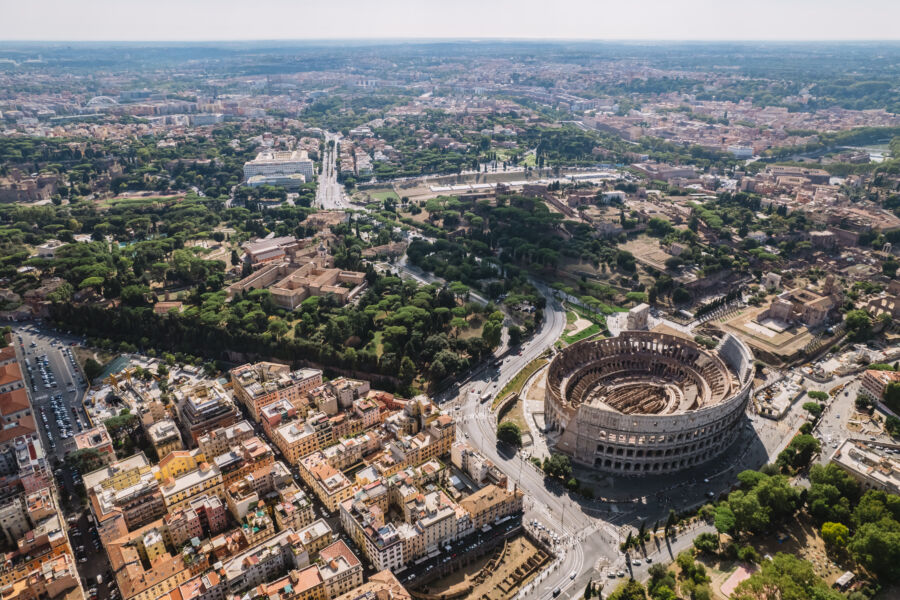
European cities throw different obstacles at your luggage than the smooth airport floors back home. Your choice between two wheels and spinners will play out differently on ancient cobblestones, polished train station floors, and steep hills.
Cobblestones and Uneven Surfaces

Those charming cobblestone streets in Prague, Rome, or Lisbon? They’re absolute murder on spinner luggage. The small wheels on four-wheel bags get caught between stones constantly, making you feel like you’re dragging a reluctant dog down the sidewalk.
Two-wheeled bags handle this better because you tilt them back and balance the weight on larger wheels. The bigger diameter helps roll over gaps between stones instead of dropping into every crevice. You’re also pulling the bag behind you at an angle, which means only two wheels touch the ground at once.
But here’s something most travel articles won’t tell you—even two-wheeled bags struggle on really bad cobblestones. The key is wheel size. Look for wheels at least 3 inches in diameter if you’re planning to tackle uneven surfaces regularly.
Spinners do have one advantage though. When cobblestones get too rough, you can grab the side handle and just carry the bag. Four wheels make it easier to set down quickly without tipping over.
Airport and Train Terminals

This is where spinners absolutely shine. Those long, flat surfaces in airport terminals let you glide your bag effortlessly beside you instead of tugging it behind. You can navigate tight spaces better and pivot around crowds without yanking your shoulder.
Train stations are trickier. Modern terminals have smooth floors perfect for spinners. But older European stations often have textured floors or small gaps between platform sections that catch spinner wheels.
Two-wheeled bags take more effort on flat surfaces since you’re pulling weight at an angle. Your arm stays extended behind you, which gets tiring during long terminal walks. And forget about rolling smoothly through crowded security lines—you’ll constantly readjust your grip.
Inclines, Slopes, and Stairs
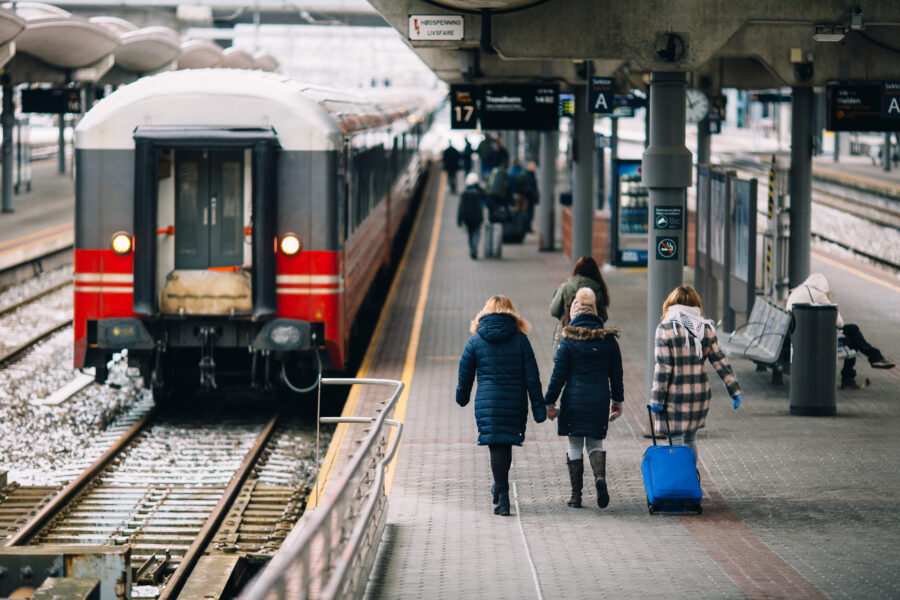
Spinners become a real problem on any incline. They want to roll away from you constantly.
Even a slight slope means you’re fighting to keep your bag from wheeling off on its own. I’ve watched my spinner try to escape down a train platform ramp more times than I’d like to admit.
Two-wheeled bags stay put when you tilt them back. The weight distribution keeps them stable on slopes without rolling backward. You maintain better control, especially important when you’re juggling tickets or checking your phone.
Stairs are another story entirely. Neither design handles stairs well, but two-wheeled bags have a slight edge. The tilted position and larger wheels make bumping up steps marginally easier. Spinners tend to wobble and twist awkwardly when you try lifting them up stairs.
Maneuverability and Ease of Use
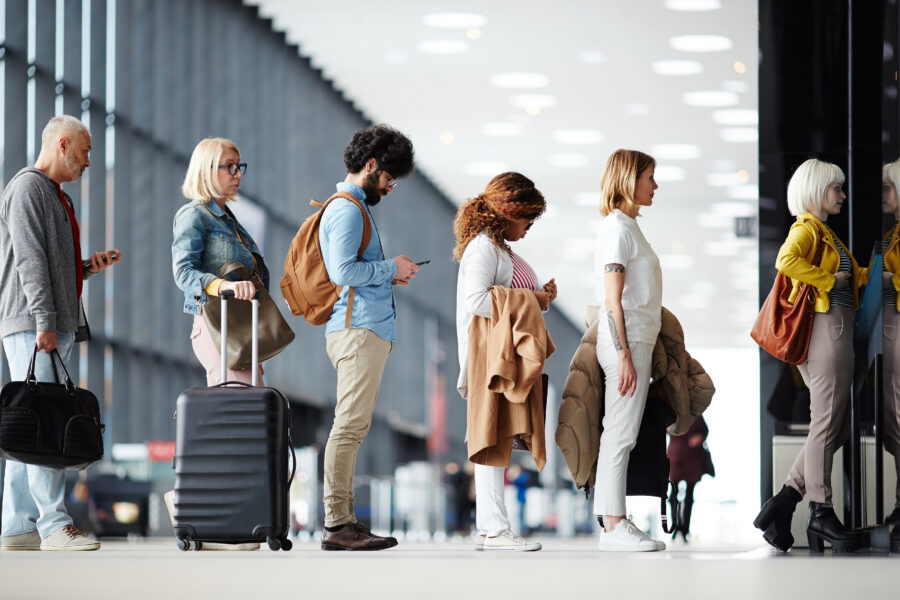
Spinner wheels glide effortlessly on smooth airport floors, while two-wheel suitcases give you more control when you’re dragging luggage across cobblestones or up Metro stairs. How your bag moves through different spaces in Europe can shape your entire experience.
Turning, Pushing, and Pulling
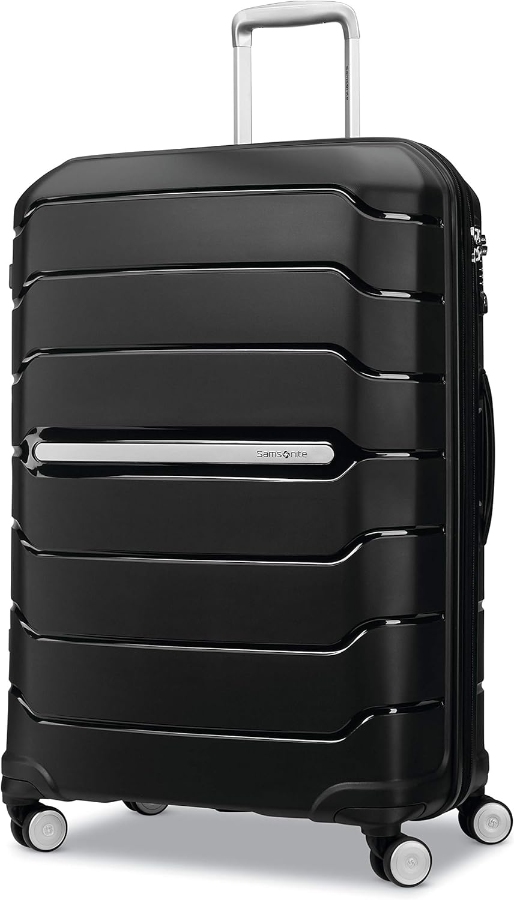
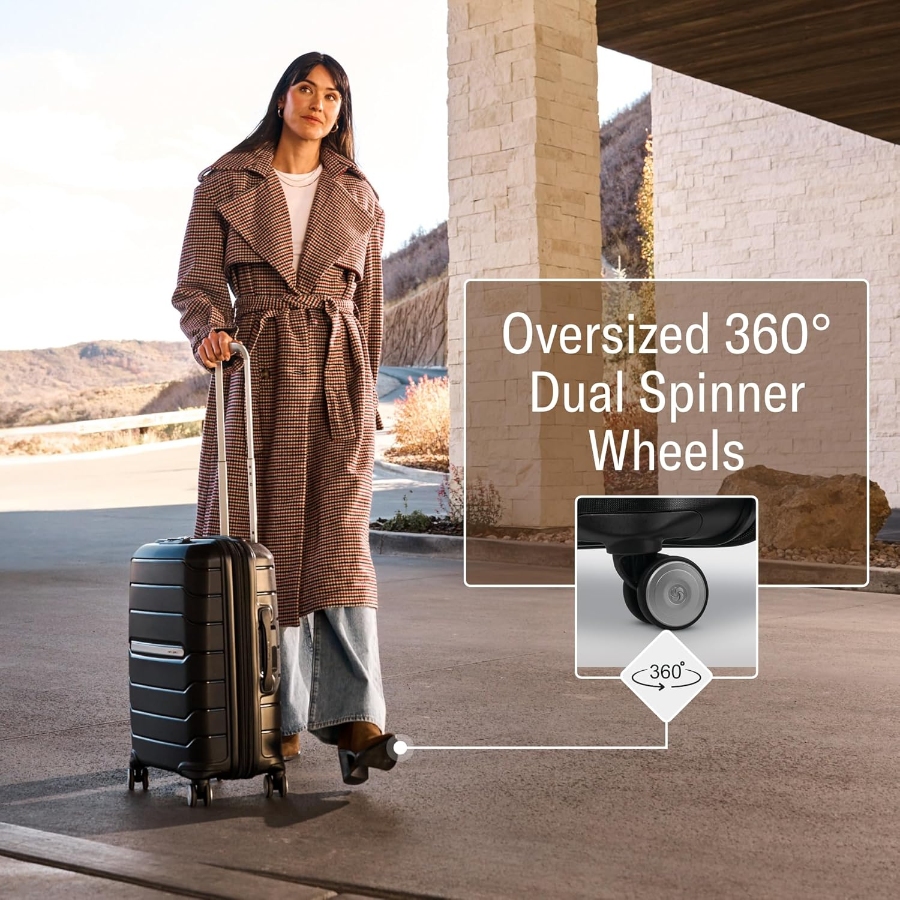
Spinners roll in any direction because all four wheels rotate 360 degrees. You can push them ahead of you, walk them beside you, or even pivot them in place without lifting the bag. That comes in handy when you’re standing in a long security line and need to nudge your suitcase forward every few seconds.
Two-wheel suitcases tilt back on larger wheels that only roll forward and backward. You pull them behind you, which means your arm does more work. But those bigger wheels handle rough surfaces way better than spinner wheels do.
In European train stations with uneven platforms or cobblestone streets in old town centers, I’ve watched spinner wheels catch on gaps between stones while two-wheelers just roll right over them. The trade-off is that you can’t move a two-wheel bag sideways without picking it up or doing an awkward shuffle.
Handling in Crowded Spaces
Spinners really shine when you’re wedged between other travelers. You can rotate them without taking up extra space, which matters when you’re packed into a busy airport gate area or trying to move through a cramped hotel lobby.
Since you can push a spinner ahead of you, you’re not constantly yanking it over people’s feet. That 360-degree movement lets you maneuver in tight spaces without banging into strangers.
Two-wheel luggage trails behind you, so you need more room to turn. If someone stops suddenly in front of you, your bag might clip their heels. You also can’t see what’s happening behind you as easily, which makes navigating crowded European plazas or busy tourist spots trickier.
But two-wheelers stay put when you stop. Spinners can roll away on sloped surfaces or moving trains if you don’t keep a hand on them.
Airplane Aisles and Narrow Pathways
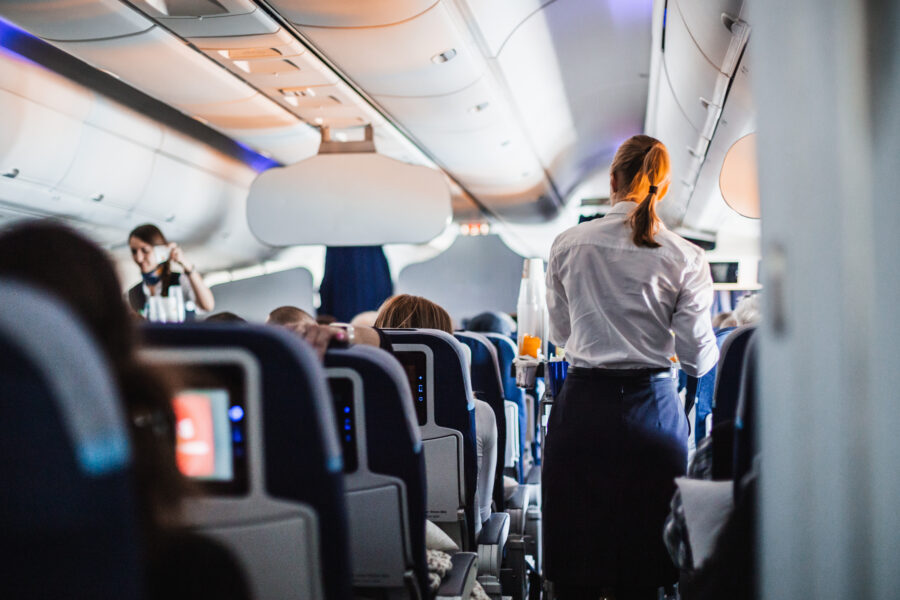
Airplane aisles on European budget carriers can be seriously narrow. With a spinner, you can roll it straight down the aisle beside you or push it ahead. The bag stays upright, so it doesn’t stick out as much.
A two-wheel suitcase has to be tilted back, which makes it longer and more awkward to drag through tight spaces. You’ll probably bump a few seat armrests on your way to row 28.
European hotels often have narrow hallways and small elevators. Spinners let you pivot quickly in cramped spaces without doing a three-point turn.
I’ve stayed in Paris hotels where the hallway to my room was barely wider than my suitcase, and having four wheels made a real difference. Two-wheel bags need you to lift or tilt them to change direction, which gets old fast when you’re already tired from travel.
Durability, Wheel Design, and Longevity
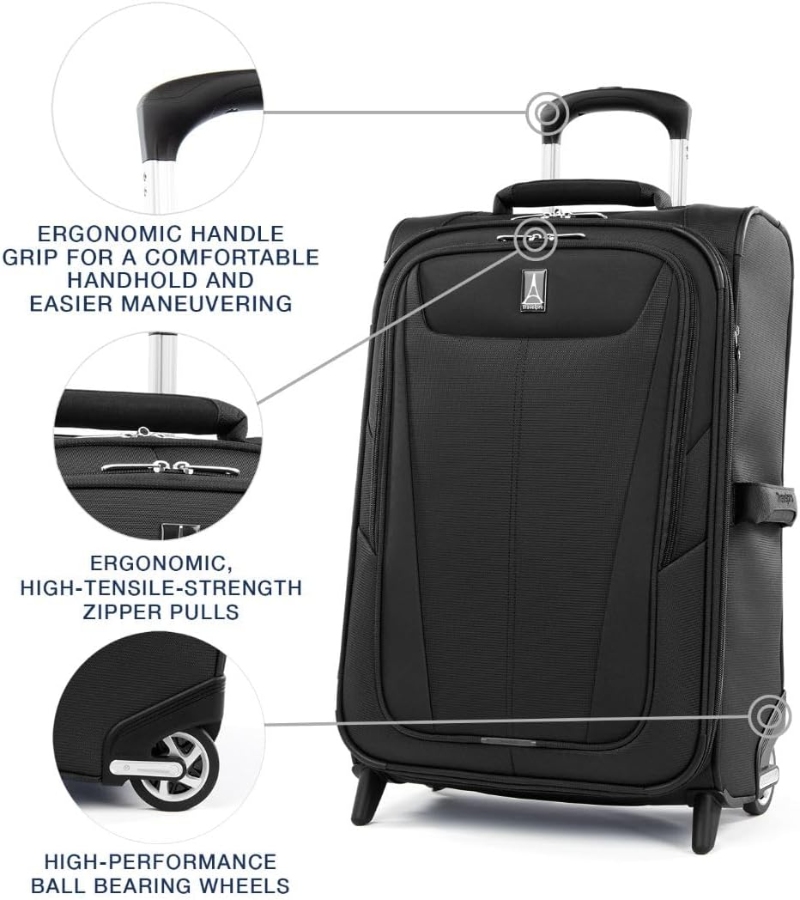
The way wheels attach to your suitcase and how they’re built determines whether they survive years of European cobblestones or snap off after your first train ride. Recessed wheels handle rough treatment better, while double-wheel configurations spread stress more evenly across each corner.
Wheel Mounting: Recessed vs External

Two-wheel suitcases use recessed wheels that tuck into the case body. This design protects them from direct impacts when baggage handlers toss your bag or when you drag it up stairs in a Paris metro station.
The wheels sit inside reinforced pockets, so they’re shielded from curbs and doorways. I’ve watched my two-wheeler bounce down stone steps in Prague without losing a wheel—something I wouldn’t trust a spinner to handle.
Spinners mount their wheels externally at each corner. They stick out, which gives you that smooth 360-degree roll but leaves them exposed. One hard drop off a train platform can crack the housing or bend the axle.
External wheels also catch on uneven surfaces more easily. Those charming cobblestones in Rome or Brussels?
They’re basically wheel traps for standard spinners. If you’re hauling luggage through old European cities with rough pavement and narrow staircases, recessed mounting just holds up better over time.
Double Wheels vs Single Wheels
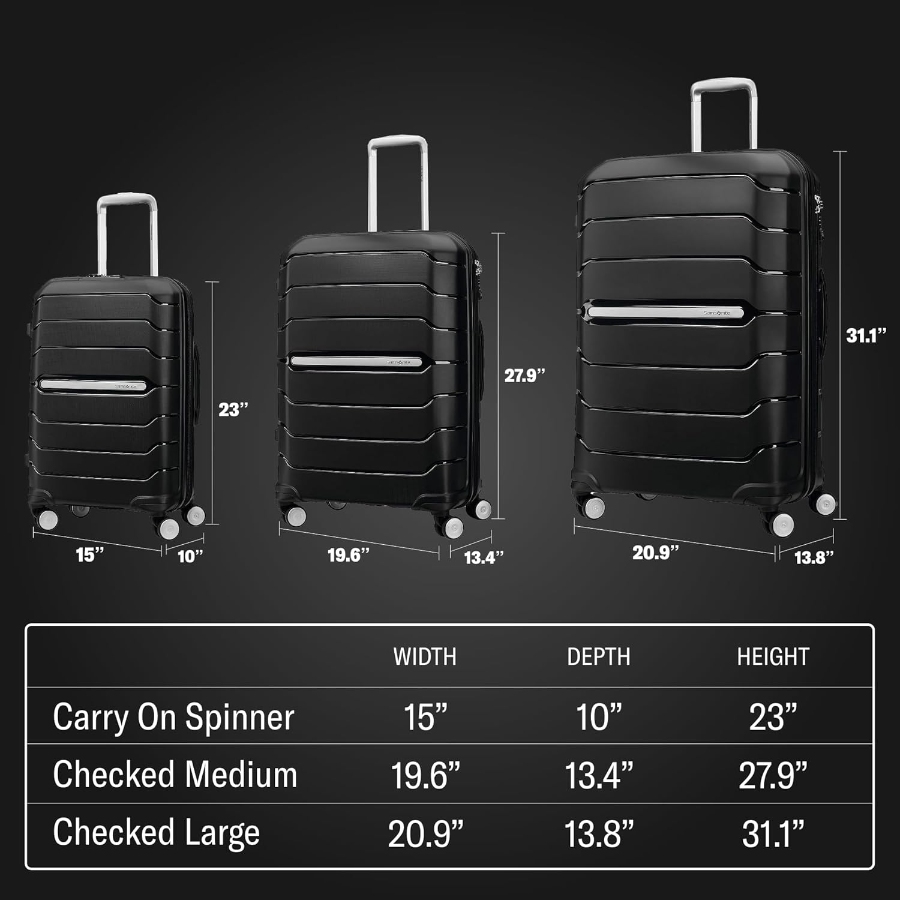
Many spinner suitcases now use double wheels at each corner—that’s eight wheels total instead of four. Each corner has two smaller wheels side by side, which spreads the weight and reduces wear on individual wheels.
Double-spinner wheels offer better stability on smooth airport floors. But they’re still small and exposed, so they struggle on anything rougher than polished tile.
Two-wheel luggage typically uses single, larger wheels. These bigger wheels roll over gaps and bumps without getting stuck. The diameter matters—a 3-inch wheel clears obstacles that stop a 1.5-inch spinner wheel cold.
Double wheels do last longer than single spinner wheels on flat surfaces. But in Europe, where you’ll face everything from gravel paths to tram tracks, the larger single wheels on a two-wheeler win for durability.
Resilience to Baggage Handling
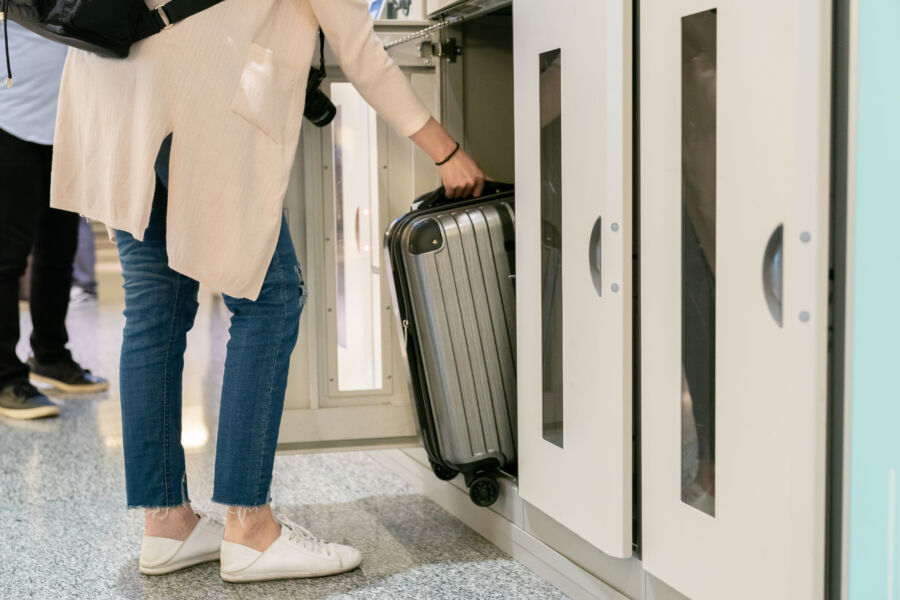
Baggage handlers don’t treat your suitcase gently. They throw, drop, and stack it with dozens of other bags. Recessed wheels on two-wheel luggage survive this better because they’re not the first point of contact.
Spinner wheels take more abuse. They’re the lowest point on the bag, so they absorb every impact. I’ve seen spinners with cracked wheel housings after just a few flights through busy European hubs.
If a spinner wheel breaks mid-trip, the bag becomes nearly impossible to roll. With a two-wheeler, even if one wheel gets damaged, you can usually limp along by adjusting your tilt angle.
Sturdy wheels with metal axles and polyurethane construction last longer than cheap plastic versions. But mounting matters just as much as materials—protected wheels survive rough handling that would destroy exposed ones.
Space, Packing Capacity, and Luggage Size
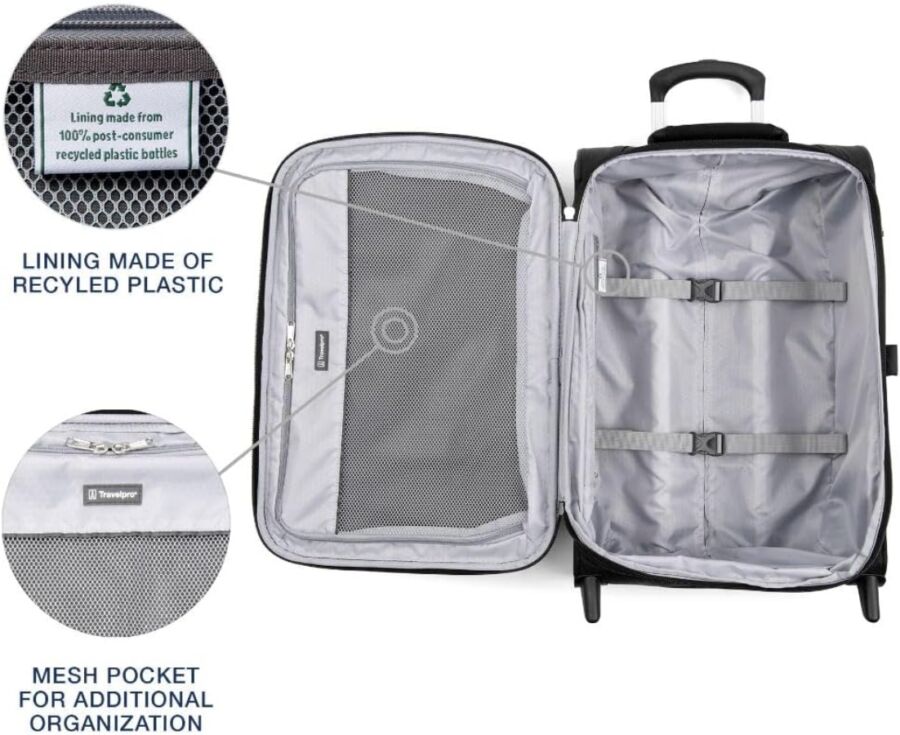
Two-wheel suitcases typically give you more room inside because their wheels sit in recessed compartments, while spinner wheels eat into your packing space with their bulkier mechanisms at each corner.
Packing Space and Wheel Impact

Wheel design really affects how much you can pack. Two-wheel suitcases use recessed wheels that sit almost flush with the bag, so you don’t lose interior space to bulky wheel housings.
Spinners, on the other hand, need room for four separate wheel mechanisms. Each corner eats up a bit of the bag’s interior, and you might lose an inch or two of packing space around the edges.
If you’re bouncing between cities in Europe and repacking all the time, that lost space adds up fast. I’ve watched people struggle to squeeze souvenirs into their spinner when a two-wheeler would’ve had the extra room. Two-wheel bags usually cost less than similar spinners, mostly because they’re simpler and have fewer moving parts.
Carry-On Size Limitations
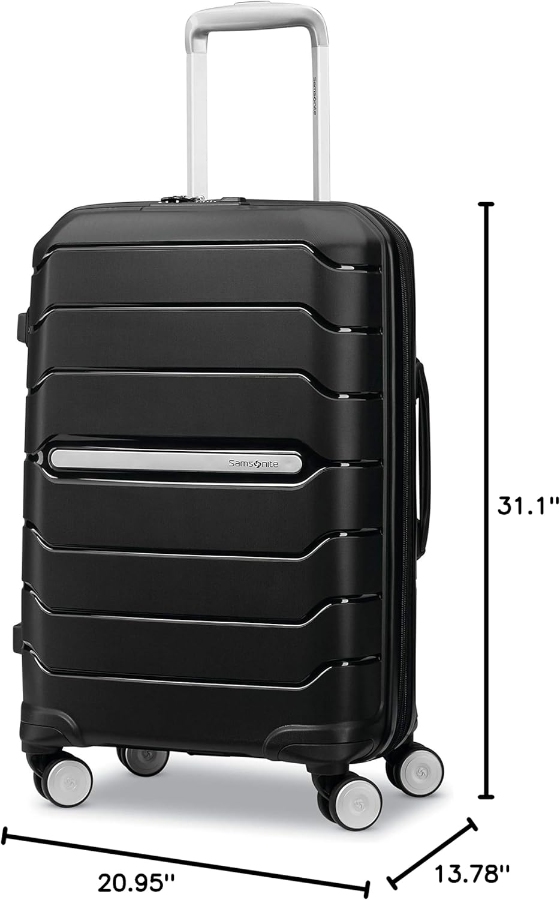
European budget airlines are strict about carry-on dimensions. Two-wheel bags have an edge here since those recessed wheels don’t add extra height or width.
Spinner wheels stick out from the corners. When gate agents measure your bag, those extra millimeters can mean the difference between carrying on or paying a surprise fee. Ryanair and EasyJet don’t mess around—if your bag’s even a hair too big, you’re checking it.
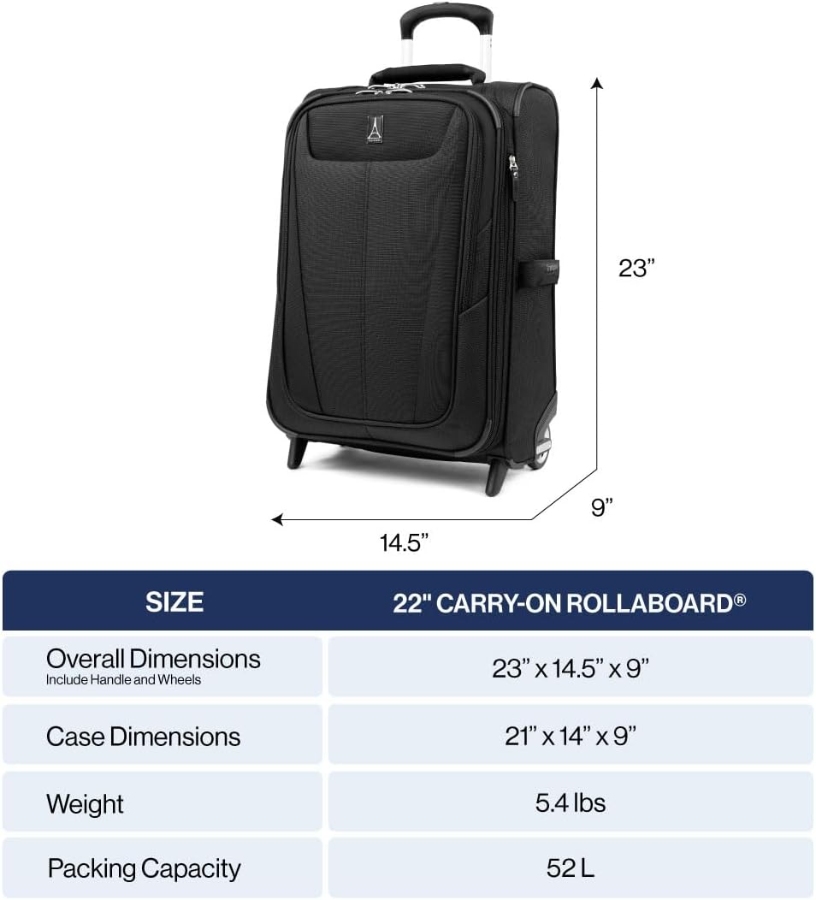
Most two-wheel carry-ons are around 21-22 inches tall, fitting easily in overhead bins. Still, always check your airline’s size requirements before you travel—they’re all over the place.
Personal Item and J-Hook Considerations
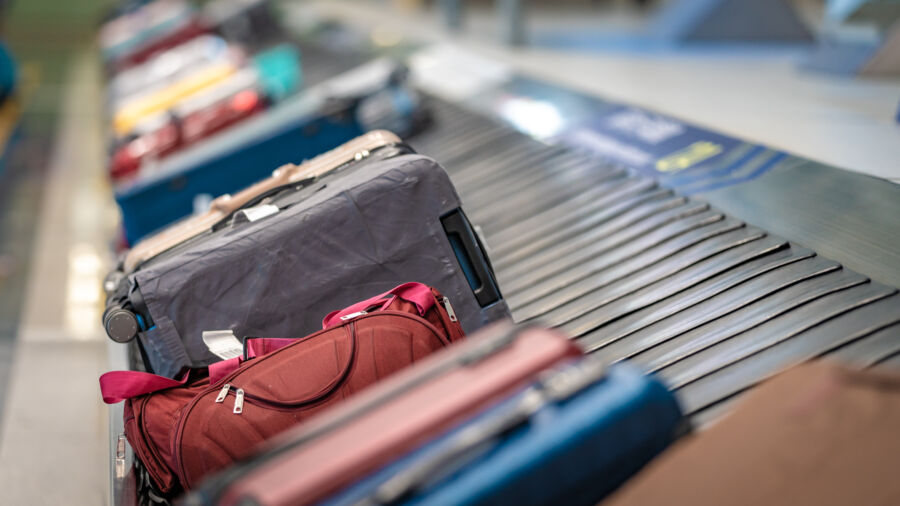
If you’re carrying a personal item like a daypack or tote, two-wheel suitcases give you more options. The J-hook system lets you hang a smaller bag from the top handle as you pull the suitcase behind you.
You see this move all the time in European airports—flight crews love it. The bag hangs in front and stays put while you weave through terminals.
Spinners can carry stacked bags with straps, but the J-hook doesn’t work as well. Since you push a spinner beside you, a hanging bag gets in the way and throws off your balance.
Matching Luggage to Travel Style & Top Brands
Your travel style really decides which wheels work best. Some brands just do certain designs better. Budget matters, too—premium options offer features most casual travelers don’t really need.
Choosing the Right Bag for Your Journey

Think about how you actually move through cities. If you’re hopping between budget flights and cobblestones, a two-wheel suitcase gives you more control. It trails behind you on rough ground instead of veering off.
Business travelers doing quick city hops usually go for spinners. You can push them through hotels and conference centers without tilting or bumping into stuff. The 360-degree wheels help you squeeze down airplane aisles without lifting.
Frequent fliers should invest more since their bags take a beating. A quality two-wheel bag lasts longer on rough ground than a cheap spinner with exposed wheels.
If you pack light, either style works for carry-ons. But if you’re checking bags a lot, two-wheel luggage survives baggage handlers better. Those recessed wheels just don’t snap off as easily.
When to Choose Travelpro or Samsonite

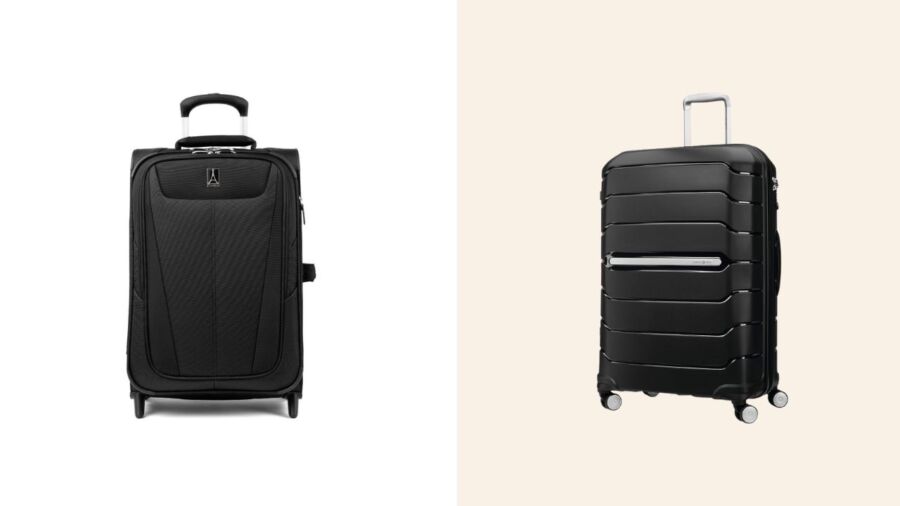
Travelpro invented the Rollaboard and still makes the best two-wheel luggage. Their Platinum Elite line costs more but comes with self-aligning wheels and reinforced corners. Flight crews swear by Rollaboards because they survive daily abuse.
The Samsonite Freeform works for occasional travelers on a budget. It’s a hardside spinner with decent room for less money. You lose some durability, but it’s reliable for the price.
Travelpro’s two-wheel models roll faster in straight lines with bigger wheels. Samsonite focuses more on spinners these days. Both brands meet airline size limits—as long as you check the specs.
Premium Travelpro bags include lifetime warranties and better wheel systems. Samsonite’s mid-range options give you hardshell protection without the premium price tag. Your best bet depends on how much you travel and how rough you are with travel gear.
Hybrid Suitcase Options
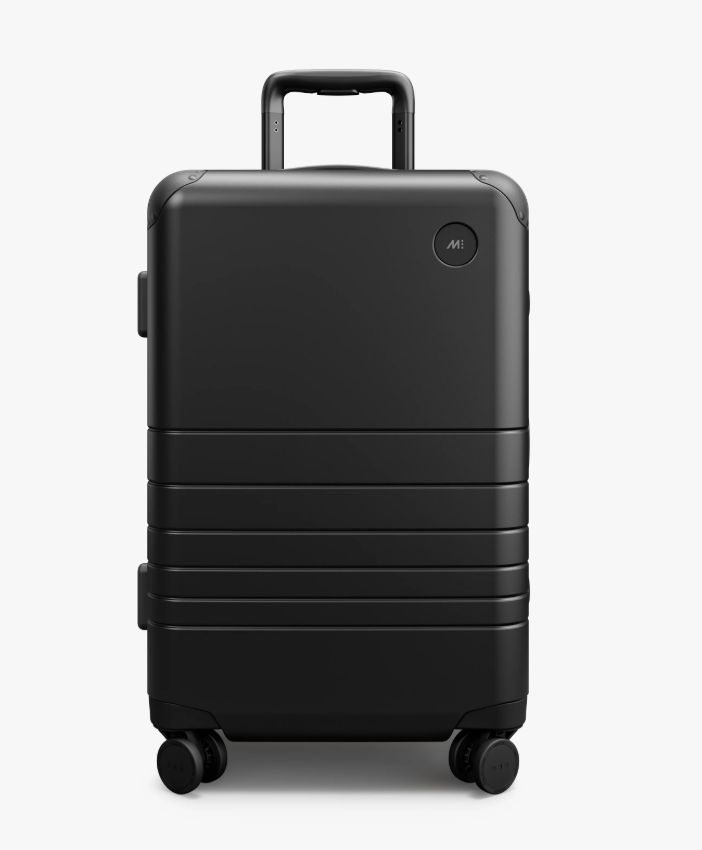
Some newer bags blend two-wheel stability with four-wheel flexibility. You can switch between pulling and pushing modes depending on the ground. The wheels lock for straight-line speed.
Hybrid options cost more. You’re paying for engineering that, honestly, most people don’t need unless they really want both styles. Most travelers just pick one and stick with it.
These convertible bags weigh a bit more because of the extra wheels. That weight cuts into your packing space, especially if your airline is strict. More moving parts also mean more things that could break.
If you’re thinking about a hybrid, test it out first. Some feel lopsided or favor one mode over the other. Pure two-wheel or four-wheel bags usually do their own thing better than hybrids.
Frequently Asked Questions
Two-wheel suitcases handle cobblestones and rough streets better than spinners, while spinner luggage glides through smooth airport floors with less effort. Train travel, airline size limits, and how often you walk on uneven ground all affect which design works best for your European trip.
What are the advantages of using a two-wheel suitcase when traveling through European cities?
Two-wheel suitcases just handle Europe’s old streets way better than spinners. The bigger wheels roll right over cobblestones, cracked sidewalks, and uneven pavement without getting stuck. I’ve dragged a two-wheeler through Prague’s Old Town and up Lyon’s hills without fighting my bag every few steps.
Since the wheels are tucked in, they survive rough handling better. European train stations can be chaos, and baggage handlers aren’t exactly gentle. Those recessed wheels just take more abuse.
You also get more packing room inside. Two-wheel bags don’t lose space to bulky wheel housings, so you can squeeze in more clothes or souvenirs.
If you’re walking a lot between hotels, metro stops, or train platforms, two-wheel luggage lets you tilt it back and roll with your momentum. Sure, your arm might get tired after a while, but at least you’re not pushing a spinner that keeps getting stuck in sidewalk cracks.
How do spinner suitcases fare on European cobblestone streets compared to two-wheeled suitcases?
Spinners really struggle on cobblestones. The small wheels—usually only one or two inches—catch on uneven spots and gaps between stones. You end up pushing harder or even lifting the bag just to keep moving.
I’ve watched travelers in Rome and Brussels wrestle with spinners, stopping every few feet to yank the bag loose. It turns a short walk into a workout.
Two-wheel suitcases have bigger wheels, often three inches or more, that roll over bumps and stones without snagging. Pulling them keeps the weight on the wheels, so they don’t bounce around as much.
If your trip includes old city centers—Barcelona’s Gothic Quarter, Amsterdam’s canals, or Florence’s backstreets—a two-wheeler will save you a lot of hassle. Spinners shine in airports and hotels, but European streets just aren’t made for tiny wheels.
What size restrictions should be considered when choosing luggage for European travel?
European airlines and budget carriers are way stricter about carry-on size than most U.S. airlines. Ryanair, EasyJet, and others often limit free cabin bags to about 40 x 20 x 25 centimeters, which is smaller than most U.S. carry-ons. If your bag doesn’t fit, you’ll pay extra at the gate.
Spinner wheels stick out, so even if the bag body fits, the total height with wheels can push it over. Two-wheel luggage usually measures smaller because the wheels are recessed.
Always check the total dimensions, wheels and handles included. I’ve seen gate agents reject bags that looked fine but were a half-inch too tall with the wheels.
Train travel in Europe matters too. Overhead racks on trains like Trenitalia or SNCF are often smaller than plane bins. A compact two-wheel bag fits more easily and doesn’t stick out into the aisle.
If you’re bouncing between budget flights and trains, pick a bag that fits the smallest size limit you’ll face. It’s better to pack light than to deal with surprise fees or gate-checking.
Is there a noticeable difference in maneuverability between four-wheel and eight-wheel luggage in crowded airports?
Eight-wheel spinners double up the wheels at each corner, spreading out the weight and adding stability. That extra contact makes the bag feel steadier when you’re rolling through crowded terminals. You’re less likely to tip it if you bump into someone or take a sharp turn.
Four-wheel spinners are lighter and usually a bit more compact since they have fewer parts, but they can wobble more on smooth floors if you’re moving fast or the wheels aren’t great. In crowded spots, both types give you 360-degree movement, so you can pivot and weave through people without tilting the bag. The difference in maneuverability is pretty small—mostly it’s about stability and how the bag feels when it’s loaded.
If you pack heavy or carry expensive gear, eight wheels might feel more solid. If you’re aiming to keep your bag light for airline limits, stick with four wheels.
Honestly, wheel quality matters way more than the number. Cheap wheels—whether you have four or eight—will drive you crazy no matter where you roll them.
Which type of luggage is more suitable for someone who frequently travels by train across Europe?
Two-wheel luggage wins for train travel. European trains often have narrow aisles, tight spaces between seats, and small overhead racks. A two-wheel bag is just easier to tilt and maneuver through those cramped spots without bumping into people.
Spinner wheels stick out and can catch on seat edges or get tangled with other bags. I’ve had a spinner wheel snap off after it got wedged between bags on a crowded TGV to Paris.
Train platforms can be rough, too. Cracked concrete, gaps between the platform and train, and uneven surfaces all favor bigger, recessed wheels. Two-wheelers just handle that better.
You’ll end up lifting your bag a lot on trains—up steps, into racks, or onto seats. Two-wheel luggage usually weighs a bit less because it has fewer wheels and simpler hardware.
If you’re doing a lot of city-to-city train trips—say, an Interrail pass through Germany, Austria, and Switzerland—a sturdy two-wheel carry-on will make your life easier. Save the spinner for flights where you’ve got smooth airport floors and more space to move.
Are there any particular suitcase features that can enhance the experience of a traveler visiting multiple European destinations?
Grab a bag with a durable telescoping handle that locks at a few different heights. European sidewalks and train platforms can be pretty uneven, and being able to adjust your handle on the fly really helps when you’re dragging your suitcase up stairs or over bumpy ground.
I’d also suggest picking one with reinforced corners and a hard or semi-hard shell. Soft-sided bags just don’t hold up well if you end up yanking them over cobblestones or squeezing them into cramped train compartments.


